Buyer Fit Snapshot
| Best fit | Custom Packaging for Product Bundles Wholesale projects where brand print, material claims, artwork control, MOQ, and repeat-order consistency need to be specified before quoting. |
|---|---|
| Quote inputs | Share finished size, material target, print colors, finish, packing count, annual reorder estimate, ship-to region, and any compliance wording. |
| Proofing check | Approve dieline scale, logo placement, barcode or warning zones, color tolerance, closure strength, and carton packing before bulk production. |
| Main risk | Vague material claims, crowded artwork, missing packing details, or unclear freight terms can make a low unit price expensive after revisions. |
Fast answer: Custom Packaging for Product Bundles Wholesale should be specified like a repeatable production item. The safest quote records material, print method, finish, artwork proof, packing count, and reorder notes in one written spec.
Production checks before approval
Compare the actual filled-product size with the drawing, then confirm tolerance on folds, seals, hang holes, label areas, and retail display edges. Reserve space for logos, QR codes, warning copy, and material claims before decorative graphics fill the panel.
Quote comparison points
Review material grade, print process, finish, sampling route, tooling charges, carton quantity, and freight assumptions side by side. A quote is only useful when the supplier can repeat the same color, closure quality, and packing count on the next order.
Custom Packaging for Product bundles wholesale is not just a box decision. I’ve watched bundle programs lose money because one insert was 2 mm too loose, a cap rubbed through a sleeve, or a nice-looking kit arrived rattling around in a generic mailer. I saw one skincare set in Atlanta get rejected after 1,200 units because the inner tray had a 94 mm cavity for a bottle that measured 96.5 mm with the cap on. That kind of failure costs more than the box itself, and it is exactly why custom packaging for product bundles wholesale deserves a hard look before you place a production order.
I’ve seen the strongest bundle programs do three things at once: they protect the contents, they present the assortment clearly, and they keep unit costs under control once volume climbs. That combination is where custom Packaging for Product bundles wholesale stands apart from stock packaging. It changes how a customer perceives the products, how a retailer shelves the set, and how often you eat the cost of damage claims. On a 5,000-unit run, even a $0.12 reduction in damage per unit adds up fast. Finance notices. Usually after the warehouse does.
Why Custom Packaging for Product Bundles Wholesale Pays Off
The first time I saw a bundle fail, it was on a packaging line outside Chicago in the northwest suburb of Elk Grove Village. The products were fine: four small skincare items, each with its own retail bottle and cap. The box was the problem. The items shifted in transit, one pump head pressed against another, and the “gift set” arrived looking like it had been shaken in a toolbox. The client had spent money on products and marketing, but not enough on custom Packaging for Product bundles wholesale. That mistake is common. Too common. I still remember the production manager staring at the first damaged case like the box had personally betrayed him.
Bundle packaging pays off because bundles are judged fast. Customers open the shipper, glance at the organization, and decide within seconds whether the set feels premium or cheap. A rigid presentation box with a 350gsm C1S artboard wrap and a 1.5 mm greyboard core signals care. A plain corrugated mailer with loose kraft paper void fill says the opposite. With custom Packaging for Product bundles wholesale, the first impression is engineered instead of accidental, and that matters whether the box is leaving a warehouse in Los Angeles or a co-packer in Dallas.
There is also a direct financial case. When packaging is built to the bundle’s exact footprint, you lower movement inside the box, which reduces abrasion, product breakage, and returns. I’ve seen returns drop from 3.8% to just under 1% after switching from a stock mailer to a custom-fit corrugated structure with a die-cut insert. On a 10,000-unit run, that difference is real money, not theory. If each return costs $6.40 in freight, repack, and customer service time, the savings are not subtle. They are the kind procurement teams actually care about.
Wholesale matters because repeated orders reward consistency. Once dimensions, inserts, and artwork are standardized, your packaging becomes a repeatable asset instead of a project that starts from zero each time. That is where custom Packaging for Product bundles wholesale creates better unit economics. The setup cost gets spread across more pieces, and your team spends less time re-checking fit on every replenishment order. A 12,000-unit reorder in October should behave like the 12,000-unit run in June, not like a new science experiment.
Common bundle types include gift sets, subscription kits, promo packs, retail multipacks, seasonal assortments, and influencer mailers. Each one has a different shipping stress point. Gift sets need a clean unboxing experience. Subscription kits need fast packing. Promo packs often need low cost and quick replenishment. Custom packaging for product bundles wholesale can serve all of them, but only if the structure matches the use case and the route, whether that route is parcel from Memphis or pallet freight from Houston.
“Most bundle problems start with movement, not branding. If the product can shift 5 to 8 mm inside the box, the damage rate will eventually tell you.”
That was a comment from a senior production manager during a press check I attended at a corrugated facility in Shenzhen, and it stayed with me because it was exactly right. Branding matters. But if the bundle arrives damaged, no amount of foil stamping fixes that experience. I’ve seen a matte black lid with gold foil look gorgeous on the table and still fail because one glass jar had 4 mm too much side play.
For buyers comparing options, I usually frame it this way: custom packaging for product bundles wholesale is not a cosmetic upgrade. It is a control system for protection, presentation, and repeatability. The best branded packaging does all three, and it does them in a way that survives a 36-inch drop test and a very bored warehouse crew.
Custom Packaging for Product Bundles Wholesale: Product Options
The right format depends on how the bundle travels and how it is sold. For many programs, custom packaging for product bundles wholesale starts with one of six structures: folding cartons, rigid boxes, mailer boxes, sleeves, inserts, trays, or Corrugated Shipping Boxes. Each one brings a different balance of cost, strength, and presentation. A 250gsm folding carton is a totally different animal from a 1.8 mm rigid setup, and pretending otherwise is how quotes get messy.
Folding cartons are efficient for lightweight retail packaging, especially when the bundle sits on shelves and does not need heavy crush protection. Rigid boxes work well for premium gift sets, where the opening experience matters as much as the items inside. Mailer boxes are often the practical choice for e-commerce kits because they combine decent shipping strength with simple assembly. Corrugated Shipping Boxes remain the safest option for heavier or more fragile assortments. Custom packaging for product bundles wholesale often uses two structures together: a presentation box inside a shipper, usually with a 32 ECT or 44 ECT outer depending on weight.
When the bundle includes mixed shapes, inserts become the deciding factor. I’ve seen candle sets ruined by a box that looked expensive but lacked retention. A single cross-cut insert would have prevented the glass jars from colliding. The same principle applies to beauty bundles, electronics accessories, and food sampler packs. If the kit contains multiple SKUs, compartmentalization is not optional. It is the difference between an orderly set and a mess. A 3-compartment insert can save a $1.20 product from becoming a $1.20 refund.
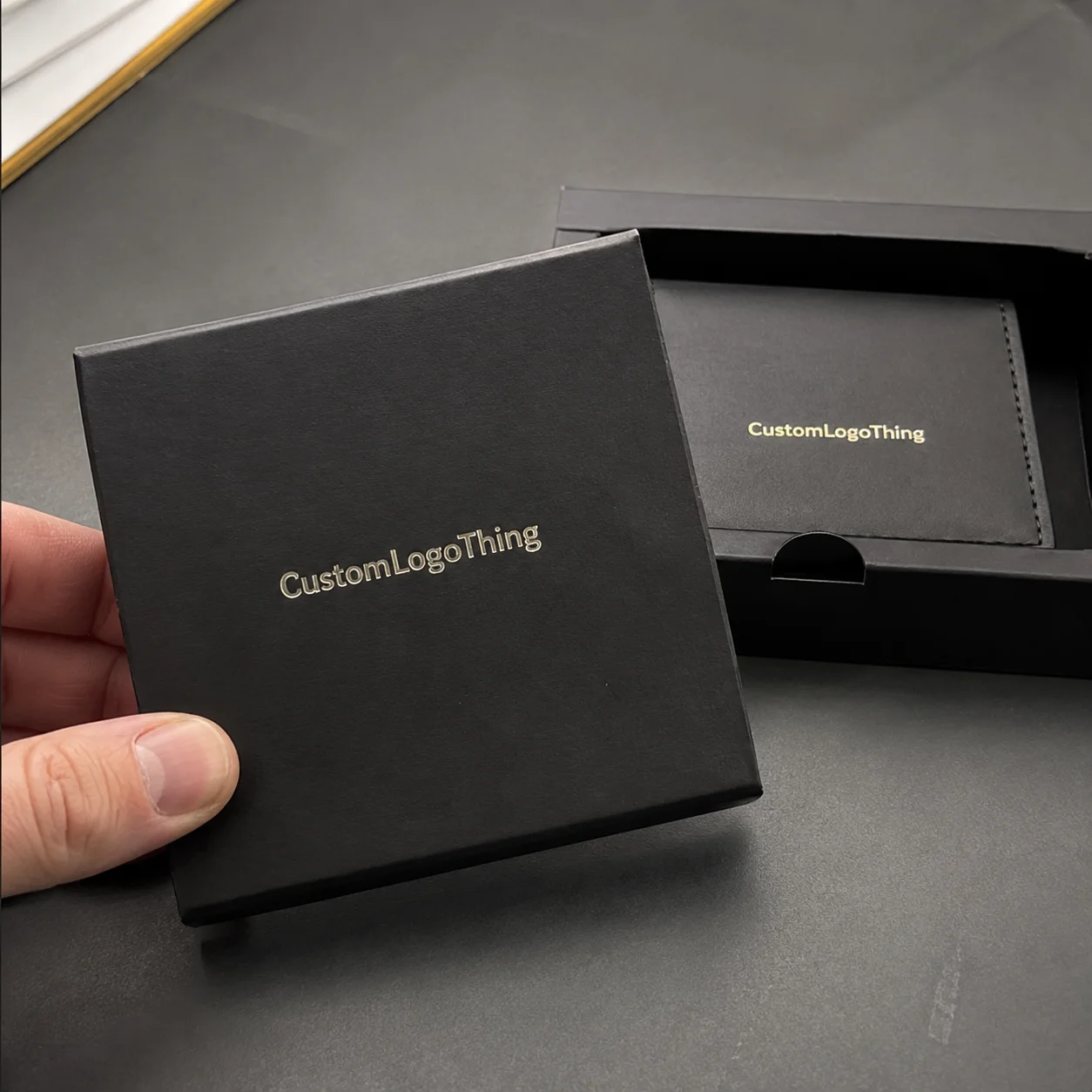
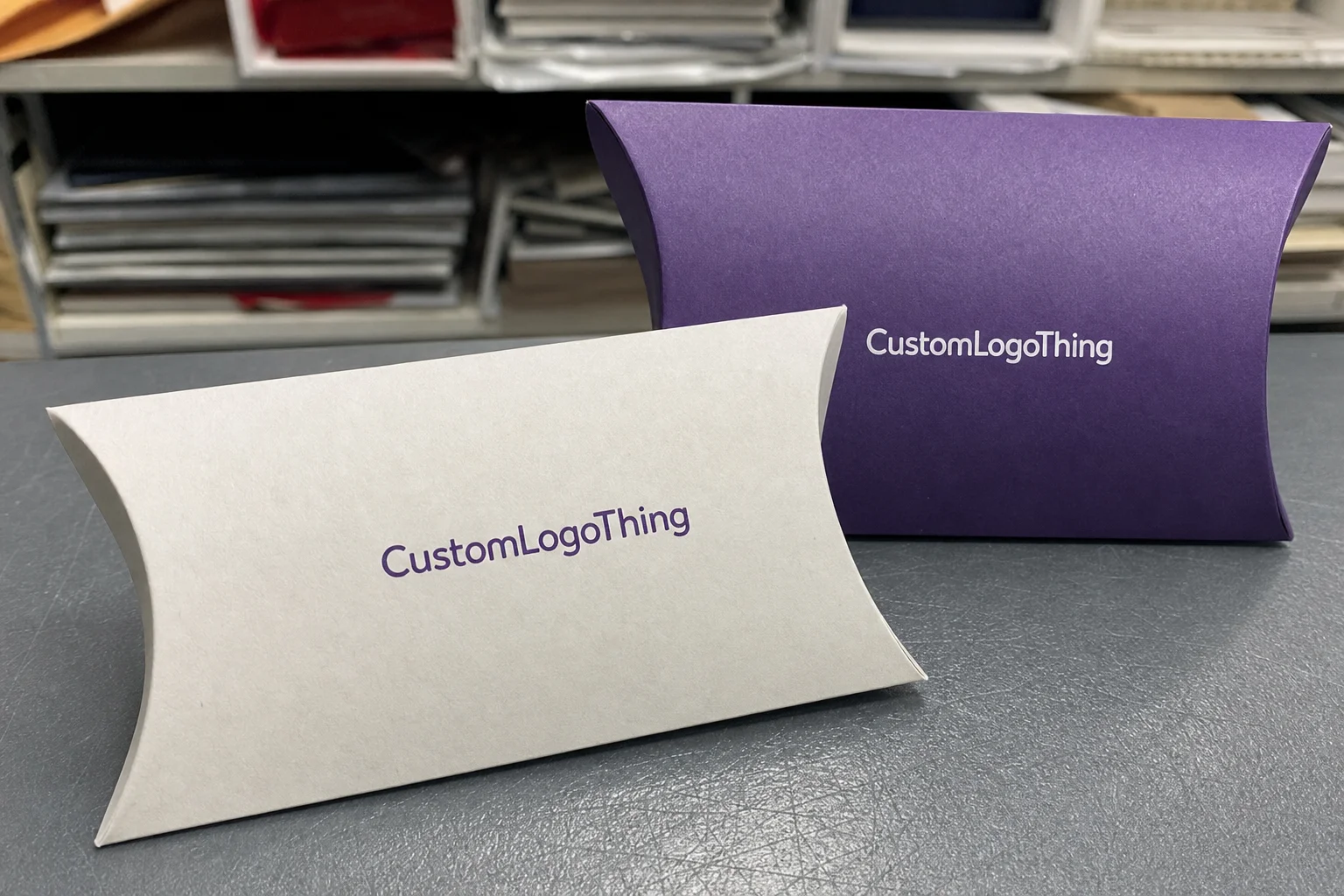
Branding options are broad, but they should support the bundle’s purpose. Full-color printing is standard for custom printed boxes and strong retail packaging. Embossing can lift a logo in a way that feels premium without using heavy ink coverage. Foil stamping adds contrast. Spot UV draws attention to a mark or pattern. Matte and gloss finishes change how the package reads in hand. Inside-panel printing can be surprisingly effective for unboxing because customers notice the interior after the first lift of the lid. That is one of the simplest ways to strengthen package branding without adding a lot of structural complexity, especially on a 4-color CMYK run from a plant in Dongguan or Xiamen.
I’ve also seen strong results from simple outer designs and detailed inner artwork. One cosmetics client used a quiet exterior and a vivid printed interior with numbered compartments for three products and one sample card. The outside did the retail job. The inside did the story job. That is smart packaging design, especially for custom packaging for product bundles wholesale. They paid about $0.96 per unit at 5,000 pieces for a rigid box with insert and one interior print panel, which was still cheaper than replacing shattered jars.
Use cases by industry are easy to spot once you work enough production runs. Beauty bundles often need rigid or folding carton presentation with inserts. Candle sets demand stabilization and heat-resistant thinking if they ship in warmer months. Food sampler packs benefit from clean labeling and quick identification. Apparel kits can use mailer boxes or sleeves, depending on folding consistency. Electronics accessory bundles usually need tighter fit tolerances and stronger corrugated walls. Promotional gift packs often need a balance of visual punch and low per-unit cost.
Unboxing matters more than most buyers expect. The customer should understand what is included at a glance. One of the most useful things I learned from a warehouse lead in Columbus, Ohio was simple: “If a picker has to think, the customer will have to think too.” He was talking about packing speed, but it applies to presentation. Custom packaging for product bundles wholesale should organize the bundle logically, with each item positioned where the eye expects it and where a packer can load it in under 30 seconds.
To compare the main options clearly, here is the practical breakdown I use with buyers:
| Packaging Format | Best For | Protection Level | Presentation Level | Typical Use Case |
|---|---|---|---|---|
| Folding carton | Light retail bundles | Low to moderate | Moderate | Apparel accessories, lightweight promo packs |
| Mailer box | E-commerce kits | Moderate | Moderate to high | Subscription kits, influencer mailers |
| Rigid box | Premium sets | Moderate | High | Beauty bundles, gift sets |
| Corrugated shipper | Heavy or fragile bundles | High | Low to moderate | Food sampler packs, electronics bundles |
| Box with custom insert | Mixed-SKU kits | High | High | Retail multipacks, seasonal assortments |
That table is the starting point, not the final answer. Custom packaging for product bundles wholesale should always reflect the product set, transit method, and margin target. A premium box is wasted if the kit ships loose and arrives damaged. A basic box is fine if the brand is selling value and speed. If the bundle moves through FedEx Zone 8 and sits on a Costco shelf for 18 weeks, those are two different packaging jobs.
Specifications That Matter in Bundle Packaging
Dimensions are where many bundle projects go wrong. I always ask clients to measure each SKU separately, including caps, closures, shrink bands, protective sleeves, and any accessory that ships with the product. A bottle listed as 90 mm tall can be 96 mm tall once the cap and shrink sleeve are counted. That 6 mm difference changes the insert cavity, and in custom packaging for product bundles wholesale, small errors become expensive fast. I once saw a 12-piece wellness kit fail because the tallest serum bottle was measured without its tamper band. That is the sort of oversight that ruins a week.
Start with internal dimensions. Then account for insert thickness and clearance tolerance. If you need a snug fit, the tolerance may be 1 to 2 mm. If the items are delicate or hand-packed, the space may need to be slightly more generous so staff can load the bundle without damaging corners or labels. I’ve seen a buyer approve a beautiful dieline that failed because the foam insert compressed too tightly around one glass jar. It looked perfect on paper. It was wrong on the line. That sort of mistake can turn a smooth launch into a very expensive lesson, especially when the carton was already printed and sitting in a warehouse in Savannah.
Material choice should match the bundle’s job. Paperboard is strong for retail presentation and lighter product packaging. Corrugated board is the better answer for shipping strength and compression resistance. Rigid board suits premium bundle sets where the box itself contributes to perceived value. For custom packaging for product bundles wholesale, I usually recommend matching the structure to the worst part of the journey, not the best. If the set will sit in a warehouse, ride in a trailer, and then move through parcel networks, the packaging should survive the roughest leg. A 350gsm C1S artboard sleeve over 1.5 mm greyboard is a common premium spec for that reason.
Structural specs matter more than people realize. Tuck-end styles are efficient for many retail cartons. Auto-lock bottoms help when the box carries more weight. Magnetic closures raise the premium feel on presentation boxes. Die-cut windows can show the contents, but they also reduce panel strength if the panel is heavily handled. Partitions and custom inserts control alignment. If the bundle contains bottles, jars, tubes, or electronic parts, a simple partition may prevent contact damage better than a fully enclosed cavity. I’ve seen a two-divider insert in a Nashville food sampler cut internal breakage to near zero on a 7,500-unit shipment.
Performance specs should be part of the conversation from day one. Ask about burst strength for corrugated, compression resistance for stacked shipping, and print durability for abrasion during transit. If the packaging is going through distribution, testing should reference industry standards such as ISTA and ASTM where relevant. For paper sourcing, FSC certification matters when buyers want documented responsible forestry claims. You can read more at ISTA, FSC, and the EPA’s packaging and waste guidance at EPA. If your shipper needs a 32 ECT single-wall board, say that upfront instead of hoping the plant guesses right.
Sustainability specs are no longer a side conversation. Right-sized packaging reduces void fill and shipping waste. Recyclable substrates simplify disposal. FSC-certified materials can support procurement requirements for retail and enterprise buyers. Honestly, I think the smartest sustainability move is often the simplest one: remove excess board and empty space before adding labels about responsibility. Custom packaging for product bundles wholesale should use the smallest structure that still protects the kit. A box that saves 18 grams of board per unit over 20,000 units saves real material and real freight.
At one supplier meeting in southern China, a converter in Shenzhen showed me a comparison between a standard overbuilt shipper and a right-sized design for the same four-piece bundle. The smaller box used less board, packed 14% faster on the line, and lowered freight weight enough to matter on repeat orders. That is the kind of detail procurement teams should ask for. Not slogans. Numbers. And yes, the factory guy was proud of that chart like he’d invented packaging itself.
Pricing and MOQ for Custom Packaging for Product Bundles Wholesale
Pricing depends on a handful of variables, and every one of them can move the quote. Material type, box size, print coverage, finishes, inserts, structural complexity, and order quantity all matter. If a buyer asks why one custom packaging for product bundles wholesale quote is $0.42 per unit and another is $1.18, the answer is usually not mystery. It is board grade, print stages, and assembly time. A 4-color printed mailer in Qingdao with no insert is simply not the same product as a foil-stamped rigid set from Suzhou with a custom tray.
Volume is the biggest driver of wholesale pricing because setup costs get distributed across more units. A plate, a dieline revision, a press setup, or a cutting die may cost the same whether you order 3,000 or 30,000 units. Once the run gets larger, the per-piece setup burden drops. That is why custom packaging for product bundles wholesale often becomes dramatically more competitive at scale. I’ve seen a die charge of $180 disappear into the unit cost on a 25,000-piece run and become a real annoyance on a 2,500-piece pilot.
Here is a practical cost framework I use when clients compare options:
| Packaging Type | Indicative Unit Cost | Cost Drivers | Best Volume Logic |
|---|---|---|---|
| Simple mailer box | $0.38 to $0.78/unit at mid-volume | Board grade, print coverage, size | Good for testing and recurring e-commerce kits |
| Printed folding carton with insert | $0.29 to $0.65/unit at mid-volume | Insert style, coating, color count | Strong for retail and lighter bundles |
| Premium rigid bundle box | $1.10 to $2.85/unit at mid-volume | Rigid board, wrap material, closures, finish | Best for premium gift sets and branded packaging |
| Corrugated shipper with custom insert system | $0.55 to $1.35/unit at mid-volume | Wall strength, die-cut complexity, product retention | Ideal for protection-led programs |
Those figures are directional, and they change with quantity, finish selection, and material market conditions. Still, they give buyers a practical starting point. I’ve seen teams chase the lowest quote only to pay more later in damages, repacking, and returns. Cheap packaging is not cheap if it fails in the parcel network. I’ve watched a “savings” decision turn into a warehouse headache so fast it should have come with a warning label. A $0.09 savings on the box can disappear into $0.64 of added labor and service costs before lunch.
MOQ guidance depends on format. Low-MOQ options make sense for pilot programs, seasonal tests, and new product launch bundles. Higher minimums are common for rigid structures, heavy print customization, and specialty finishes. If you expect repeat orders, ask for tiered pricing. That way you can see whether moving from 3,000 to 10,000 units drops the price enough to justify extra inventory. For custom packaging for product bundles wholesale, forecast visibility can save serious money. A 5,000-piece order at $0.72 may be smarter than a 2,000-piece order at $0.94 if the next reorder is likely within 90 days.
Mixed-SKU runs can also make sense, especially when the outer structure stays the same and only the printed insert card, label set, or tray position changes. This is common in subscription kits and promotional programs. One beverage client I worked with used the same outer box for six flavor assortments and changed only the interior insert and printed outer sleeve. That kept tooling stable while allowing SKU variety. It also simplified procurement. Their plant in Monterrey packed the same master carton spec every month, and nobody had to reinvent the wheel for each seasonal mix.
One thing buyers often miss: shipping method can change the economics. A box that performs well in pallet shipping may fail in parcel. Parcel-friendly custom packaging for product bundles wholesale may cost a little more in materials but save much more in damage claims and customer service labor. Ask vendors to quote the same bundle in at least two structural options, then compare total landed cost, not just carton price. A $0.15 per unit increase can be the cheapest insurance you ever buy if it prevents a 2.9% breakage rate.
If you are comparing vendors, make sure the quotes match on material thickness, insert type, print coverage, finish, and shipping method. I’ve seen a “lower price” quote turn out to be a smaller board caliper with no insert and no coating. That is not apples to apples. That is a packaging trick. One supplier in Guangdong once quoted a “like-for-like” mailer that was actually 0.5 mm thinner and missing the gloss AQ coating. Cute. Not honest.
From Design to Delivery: Process and Timeline
The best projects move in a disciplined order. Discovery comes first. Then measurements. Then dielines. Then artwork. Then sampling. Then approval. Then production. Then shipping. Custom packaging for product bundles wholesale works best when each step is signed off before the next begins. If your team skips measurement validation, the sample stage becomes a rescue mission instead of a checkpoint.
Here is the workflow I recommend:
- Gather bundle data — final SKU dimensions, weights, and photos.
- Choose the format — mailer, carton, rigid box, or corrugated shipper.
- Review the dieline — confirm panel sizes, fold lines, and insert cavities.
- Prepare artwork — logo files, color references, and copy.
- Approve the sample — check fit, print accuracy, and closure function.
- Lock production — confirm quantity, finish, and destination.
- Inspect shipment — verify count, condition, and packing method.
Delays usually come from a few predictable places: late artwork, missing measurements, revision cycles, or structural changes after sampling. The most expensive delay is changing the insert after you have already approved the outer box. That creates rework across the whole build. If a buyer gives me final measurements on day one, the project runs smoother. If they send “close enough” numbers, we usually pay for it later. And then everyone acts surprised, which is always charming. I’d rather get the awkward spreadsheet once than the panic call twice.
Timeline also depends on complexity. A simple two-color mailer box moves faster than a rigid set with foil, embossing, and a custom foam insert. Specialty finishes add steps. Multi-part bundle structures add steps. If the order is tied to a launch date, build in a buffer for proofing and one revision. Custom packaging for product bundles wholesale should never be rushed so hard that the sample is skipped. A typical run often takes 12-15 business days from proof approval for standard mailers, while rigid boxes with specialty finishes can run 18-25 business days depending on the plant in Shenzhen, Dongguan, or Ningbo.
Here is the checklist I send before sampling begins:
- Final dimensions for every product in the bundle
- Exact quantity target and backup quantity tiers
- Artwork files in editable and print-ready formats
- Brand color references, ideally Pantone where relevant
- Destination address and shipping method
- Any compliance or labeling requirements
- Preferred finish, insert material, and packaging style
That checklist keeps everyone honest. It also shortens the approval cycle because the vendor is not waiting on missing data. A good packaging partner should ask for these items before quoting, not after. That is one of the simplest signs you are dealing with a supplier who understands custom packaging for product bundles wholesale rather than just selling cartons. If they ask whether the insert is paperboard, EVA foam, or molded pulp before they talk price, you’re probably in better hands.
I also recommend a sampling conversation that includes how the kit is packed on the line. If the set takes 45 seconds to assemble, a production manager needs to know before full release. In one client meeting, we found that a beautiful box with three separate inserts looked excellent but added nearly 20 seconds per unit. On 20,000 units, that is not a small detail. It is a labor budget line. It is also the kind of thing nobody notices until the assembly team starts giving you that look. At a $18/hour labor rate, those 20 seconds matter.
Why Choose Us for Custom Packaging for Product Bundles Wholesale
Here’s what most people get wrong: they think a packaging supplier’s job ends when the box is printed. It doesn’t. For custom packaging for product bundles wholesale, the real job is making sure the structure, print, and product fit all work together in the warehouse, in transit, and at the customer’s door.
That is where a partner like Custom Logo Things earns its keep. We focus on packaging mechanics as much as graphics. If a bundle needs a divider, a reinforced bottom, or a custom insert with tight retention, that matters as much as the logo placement. Strong branded packaging should protect the product first and present it second. Do both well, and the box helps sell the product instead of merely containing it. I’d rather spec a 32 ECT shipper that actually survives UPS than a pretty box that turns into confetti on the first corner hit.
I’ve sat through enough vendor reviews to know the difference between a reactive printer and a real packaging partner. Reactive vendors ask for artwork. A stronger supplier asks about item count, transit method, shelf display, replenishment frequency, and whether the box needs to survive parcel drop tests or pallet compression. That is a better conversation. It saves time and it saves rework. A supplier in Guangzhou once asked me whether the bundle would ship in winter to Minneapolis or summer to Phoenix. Good question. Relevant question. Rare question.
For buyers who need scale, consistency matters. Wholesale programs live or die by repeatability. You want the 8th order to match the first order in board feel, print quality, and insert fit. You want sample approvals documented. You want colors to stay within tolerances. You want a vendor who understands that a bundle box is not a one-off art project. You want the same dieline archived, the same insert spec saved, and the same box score across repeat runs from 5,000 to 50,000 units.
Our Custom Packaging Products page is a practical place to compare structures, print options, and materials, while our Wholesale Programs page is built for buyers who need ongoing pricing, repeatable production, and order planning across multiple SKUs. That is useful if your business runs launches, replenishment cycles, or seasonal assortments. It is also useful if you hate explaining the same box spec to three different people every quarter.
Proofing is another place where real value appears. A sample is not a formality. It is the point where dimension mistakes, graphic misalignment, and fit issues become visible before you spend on a full run. I’d rather catch a 3 mm insert error on a sample than on 15,000 shipped units. Every packaging veteran says the same thing for a reason. The sample table is cheaper than the returns pile.
Custom packaging for product bundles wholesale also benefits from a supplier who understands replenishment. The first run may be a launch. The next three runs are about continuity. If the packaging is documented properly, the reorder cycle becomes faster and easier to forecast. That lowers operational friction for the buyer and improves stock control. It also keeps your production calendar from turning into a monthly fire drill.
How to Order Custom Packaging for Product Bundles Wholesale
Ordering well starts with the right information. Send exact product dimensions, bundle contents, the intended shipping method, your retail channel, your finish preferences, and your forecasted volume. If you do that before requesting a quote, you will get a much more accurate Price for Custom packaging for product bundles wholesale. A quote based on “about the size of a shoe box” is not a quote. It is a guess wearing a tie.
Here is the order sequence I recommend:
- Measure each item — include caps, closures, and protective wraps.
- Describe the bundle — tell us how many pieces sit in the set and whether they need compartments.
- Pick the packaging style — mailer, carton, rigid box, insert system, or shipper.
- Request pricing — ask for multiple volume tiers, not one number.
- Review the sample — check fit, color, and product retention.
- Approve artwork — confirm spelling, logo placement, and legal copy.
- Confirm production — lock quantity, destination, and lead-time expectations.
Before comparing quotes, make sure the packages are truly equivalent. Match material, size, insert type, print coverage, finishing, and shipping method. Otherwise you may be comparing a coated rigid set to an uncoated corrugated carton and calling one “cheaper.” That comparison is meaningless. In custom packaging for product bundles wholesale, small structural differences can shift the price by double digits. One quote at $0.67 and another at $0.81 may look close until you discover the first one excludes the insert and the second includes it.
There are a few details I always ask buyers to prepare. First, confirm whether the bundle will be sold in retail packaging, shipped directly to consumers, or both. Second, tell us whether the bundle is seasonal or evergreen. Third, share your forecast if you expect repeat orders within a few months. Fourth, explain whether the contents are fragile, food-safe, or temperature-sensitive. Those details affect the structure and the cost more than most teams expect. If your product melts at 104°F and ships from Phoenix in July, that should be in the first email.
Here’s a useful buyer habit: ask for pricing at multiple tiers, such as 3,000, 5,000, and 10,000 units. I’ve seen the per-piece price fall enough at the higher tier to justify a larger first order, especially when the program is likely to recur. If the quote drops from $0.84 to $0.61 per unit at a higher quantity, that is a meaningful difference. Custom packaging for product bundles wholesale rewards volume, but only if storage and sell-through support it. A 10,000-piece buy only works if the shelf life and warehouse space make sense.
Another practical point: keep an eye on the packing labor. A structure that saves $0.05 per unit but adds 12 seconds of assembly time may not actually be cheaper. That math changes with labor rates, line speed, and pack station design. I’ve watched procurement teams miss that because they focused on carton price instead of total program cost. A box that costs $0.05 less but adds $0.11 in labor is not a win. It is a spreadsheet costume.
If you are ready to move, the best next step is to request a tailored quote or sample kit after confirming bundle dimensions and volume targets. That simple step gives you a cleaner price, fewer revision loops, and a much better chance of getting custom packaging for product bundles wholesale right the first time.
Honestly, that is the standard I would want for my own program. Clear specs. Measured pricing. A sample that proves the fit. That is how custom packaging for product bundles wholesale should work, and it is exactly how Custom Logo Things helps buyers move from concept to a package that performs on the shelf and in transit.
Frequently Asked Questions
What is the best custom packaging for product bundles wholesale?
The best option depends on bundle size, fragility, and presentation goals. Mailer boxes work well for shipping-focused kits, while rigid boxes suit premium retail bundles. Inserts and dividers are essential when multiple items must stay aligned in transit. For example, a three-piece beauty kit in a 1.5 mm rigid box with a paperboard insert will usually outperform a loose folding carton every time.
How do I choose the right size for bundle packaging?
Measure every item in the bundle, including closures, caps, and protective wraps. Allow only enough clearance for inserts and product movement control. Request a dieline or sample to verify fit before approving full production. If one bottle is 82 mm tall with the cap on, don’t round it down to 80 mm just because it looks nicer on a spreadsheet.
What affects wholesale pricing the most?
Material thickness, print coverage, structural complexity, and finishing options are major cost drivers. Order quantity has a strong effect because setup costs are spread across more units. Custom inserts, specialty coatings, and rigid materials typically increase unit price. A 4-color printed rigid set with foil and magnet closure from a plant in Shenzhen will not price like a single-wall mailer from a corrugated converter in Ohio.
What is a typical MOQ for custom bundle packaging?
MOQ varies by format and printing method. Simple packaging may support smaller test runs, while rigid or heavily customized boxes usually require higher minimums. Ask for tiered pricing if you expect repeat orders or future scale-up. Many programs start around 1,000 to 3,000 units for basic mailers and 5,000 units or more for rigid presentation boxes.
How long does custom packaging for product bundles wholesale take?
Timing depends on design complexity, sampling needs, artwork readiness, and production volume. Standard formats typically take 12-15 business days from proof approval, while rigid boxes with specialty finishes can take 18-25 business days. Having final dimensions and approved artwork ready speeds up the entire process. If the factory is in Dongguan and the design team is still debating Pantone 186 versus 485, the calendar will not be kind.
Custom packaging for product bundles wholesale is where presentation, protection, and purchasing discipline meet. Get the measurements right, choose the structure that matches the shipping path, and compare quotes on the same specs. Then verify the sample before production. Do that, and your bundle packaging stops being a guess and starts acting like a controlled part of your margin. That is the move. Not the prettiest box. The one that fits, ships, and holds up when it counts.