Buyer Fit Snapshot
| Best fit | Custom Boxes with Foam Inserts Wholesale projects where brand print, material claims, artwork control, MOQ, and repeat-order consistency need to be specified before quoting. |
|---|---|
| Quote inputs | Share finished size, material target, print colors, finish, packing count, annual reorder estimate, ship-to region, and any compliance wording. |
| Proofing check | Approve dieline scale, logo placement, barcode or warning zones, color tolerance, closure strength, and carton packing before bulk production. |
| Main risk | Vague material claims, crowded artwork, missing packing details, or unclear freight terms can make a low unit price expensive after revisions. |
Fast answer: Custom Boxes with Foam Inserts Wholesale: Structure, Print Proof, Packing, and Reorder Risk should be specified like a repeatable production item. The safest quote records material, print method, finish, artwork proof, packing count, and reorder notes in one written spec.
Production checks before approval
Compare the actual filled-product size with the drawing, then confirm tolerance on folds, seals, hang holes, label areas, and retail display edges. Reserve space for logos, QR codes, warning copy, and material claims before decorative graphics fill the panel.
Quote comparison points
Review material grade, print process, finish, sampling route, tooling charges, carton quantity, and freight assumptions side by side. A quote is only useful when the supplier can repeat the same color, closure quality, and packing count on the next order.
Custom Boxes with Foam Inserts Wholesale: Why Protection Pays Off
Custom Boxes with Foam inserts wholesale is usually the first phrase I hear after a brand has already paid for damage. A carton crushed in transit. A camera lens rattled loose. A serum bottle arriving with a cracked cap after a 900-mile lane. The return label is never the real cost; the lost customer, replacement shipment, and damaged margin are. In my experience, the box is often the weakest link, not the product. And yes, that is as annoying as it sounds. On a recent route from Guangzhou to Dallas, one client lost 17 units out of 800 because the inner pack had 6 mm of free play. That looked minor in a spreadsheet. In a freight truck, it was not.
I remember one factory visit in Shenzhen where a premium earbuds brand was testing inserts by shaking sample cartons for 30 seconds. Two sample packs failed because the product shifted 8 mm inside the cavity. That tiny gap looked harmless on paper. On the factory floor, it was money bleeding out. With custom Boxes with Foam inserts wholesale, the insert does more than cushion. It locks the item in place, frames the reveal, and lowers the odds of scuffing, abrasion, and shock damage. Basically, it keeps the product from doing gymnastics inside the box. We adjusted that job to 35kg/m³ EVA with a 2 mm tighter cavity and the failures dropped to zero in the next round of drop tests.
Buyers love unit price. Fine. So do I, until the cheap option starts eating margin. A carton that saves $0.06 can turn expensive fast if it creates even a 2% damage rate on fragile goods. For premium product packaging, the math is blunt: fewer replacements, fewer refunds, better reviews, and less customer service friction. That’s not theory. I’ve seen it across electronics, cosmetics, medical devices, and display-ready retail packaging. I’ve also seen finance teams stare at me like I’m ruining their day when I point it out (which, to be fair, I sometimes am). On a 10,000-unit run, a 2% damage rate means 200 replacement orders. Even at $8 in combined handling and service cost, that is $1,600 gone before anyone admits the box was the problem.
Wholesale buying matters because packaging is a margin line, not just a presentation choice. If Custom Boxes with Foam Inserts wholesale lowers your per-unit spend by a few cents at 5,000 or 10,000 units, while also reducing losses by even a small percentage, the total impact is outsized. A client in the cosmetics sector once told me their cheaper box cost 11% less but generated 4x more damage claims during courier handling. The replacement expense wiped out the savings within one reorder cycle. Cheap packaging is like cheap shoes: it feels clever until your feet start suing you. Their savings on the quote were $0.12 per unit; their actual loss after returns and reships was closer to $1.40 per affected unit.
That’s why I tell buyers to think in three layers: protection, presentation, and production efficiency. Foam inserts stabilize the product. They also improve the unboxing moment, which matters for branded packaging and package branding. They also work well in custom packaging programs where consistency matters across multiple SKUs. And they let you standardize packing on the line, which reduces labor time. When the fit is right, a packer can close 200 to 300 units faster in a shift because there’s no fiddling with loose fill or improvised supports. Nobody wants a packing line held together by wishful thinking and tape. On a 12-person line in Suzhou, one well-cut insert cut pack-out time by 11 seconds per unit. That translated into 2 extra cartons per minute. Tiny change. Loud result.
Before ordering custom boxes with foam inserts wholesale, evaluate foam type, fit tolerance, print needs, size, and order quantity. Those details decide whether the packaging performs under real shipping stress or just looks good in a sample photo. And trust me, a pretty sample means nothing if it fails the carrier network like a wet paper bag. If your item is shipping from Dongguan to Frankfurt, a design that survives local hand-carry testing may still fail vibration, compression, and stacking over a 20-day transit cycle.
Product Details: Box Styles, Foam Types, and Fit
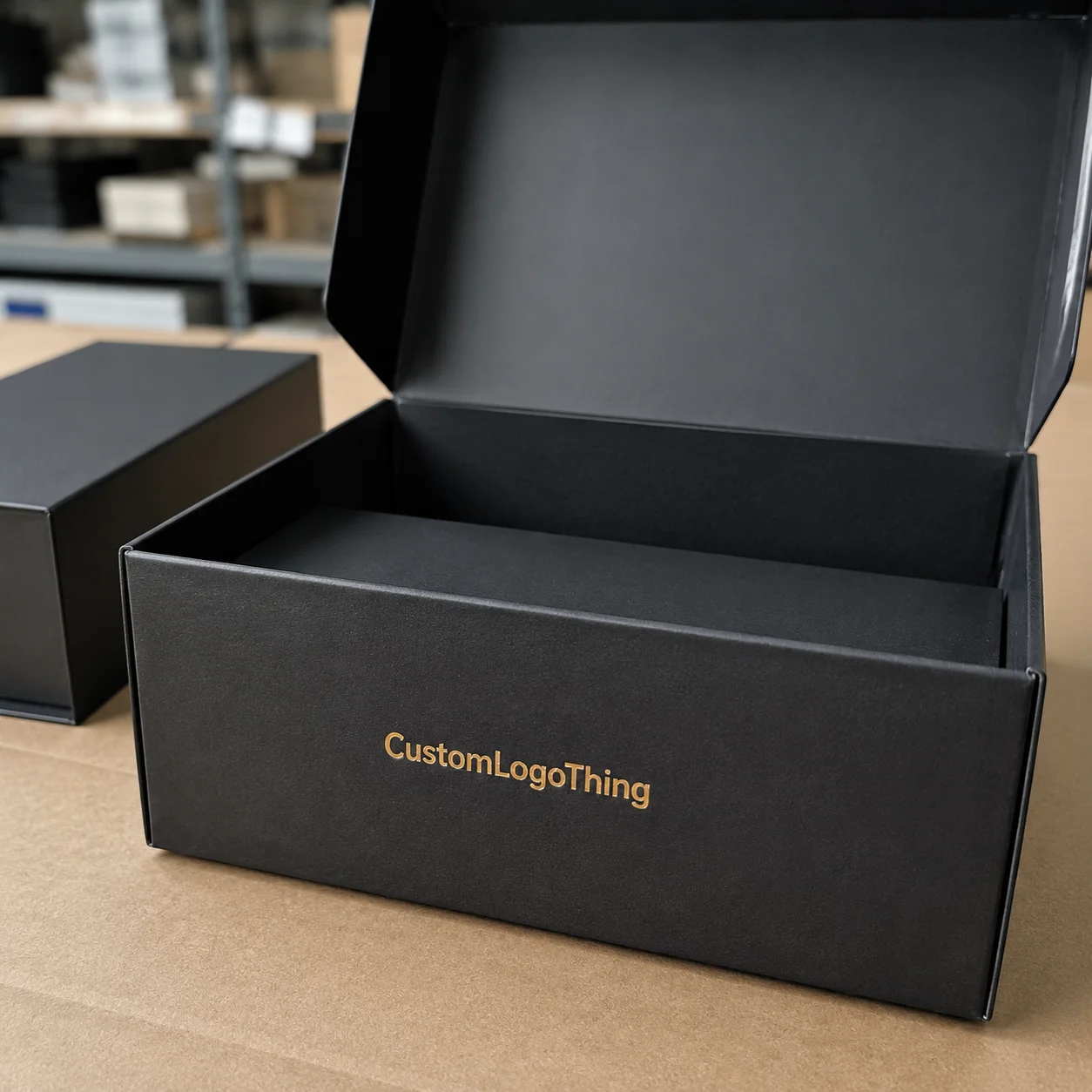
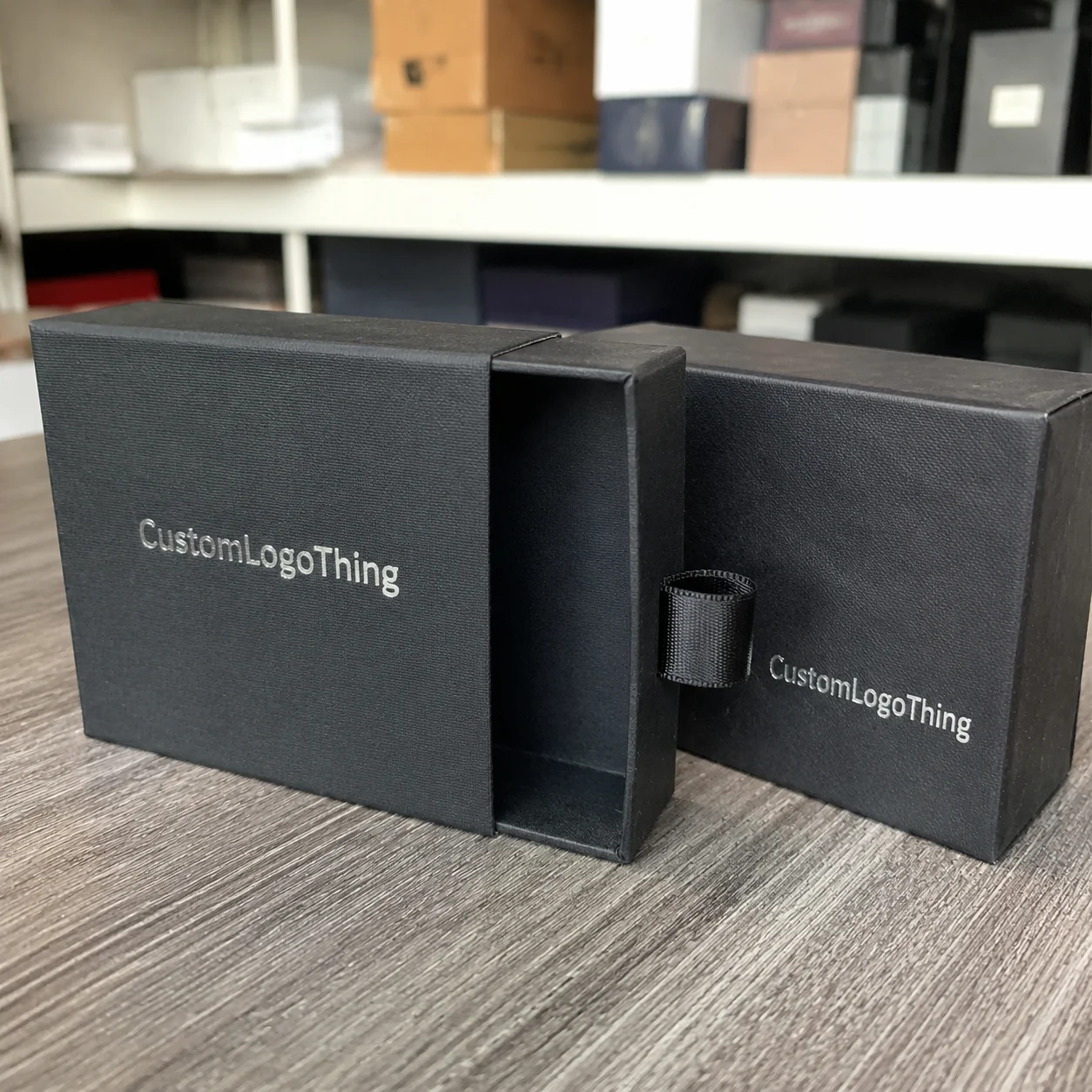
Not every box style works the same way with inserts, and that’s where many first-time buyers get tripped up. Custom boxes with foam inserts wholesale can be built as mailer boxes, Rigid Setup Boxes, tuck-top cartons, hinged lid boxes, or specialty sleeves with nested trays. The right structure depends on how the product ships, how it’s displayed, and how often the customer will open it. If the box has to survive rough courier handling and still look premium on arrival, the structure matters a lot more than people want to admit. For a 1.2 kg glass cosmetic set, I’d rather specify a rigid setup box with a 1.5 mm chipboard shell than gamble on a flimsy mailer and a hopeful face.
I’ve seen a rigid box with a black EVA insert outperform a more expensive printed carton simply because the closure was cleaner and the interior had zero movement. For subscription kits shipping in moderate volumes, a corrugated mailer with die-cut foam can be cheaper and just as effective. The trick is fit. If the cavity is 1.5 mm too wide, the product will migrate. If it is too tight, the customer may struggle to remove it without tearing the insert. Nobody wants to wrestle a lipstick tube out of a foam prison. On a project in Hangzhou, we changed the tray depth by 2 mm and saved the client from a 9% scuff complaint rate.
Common box structures buyers request
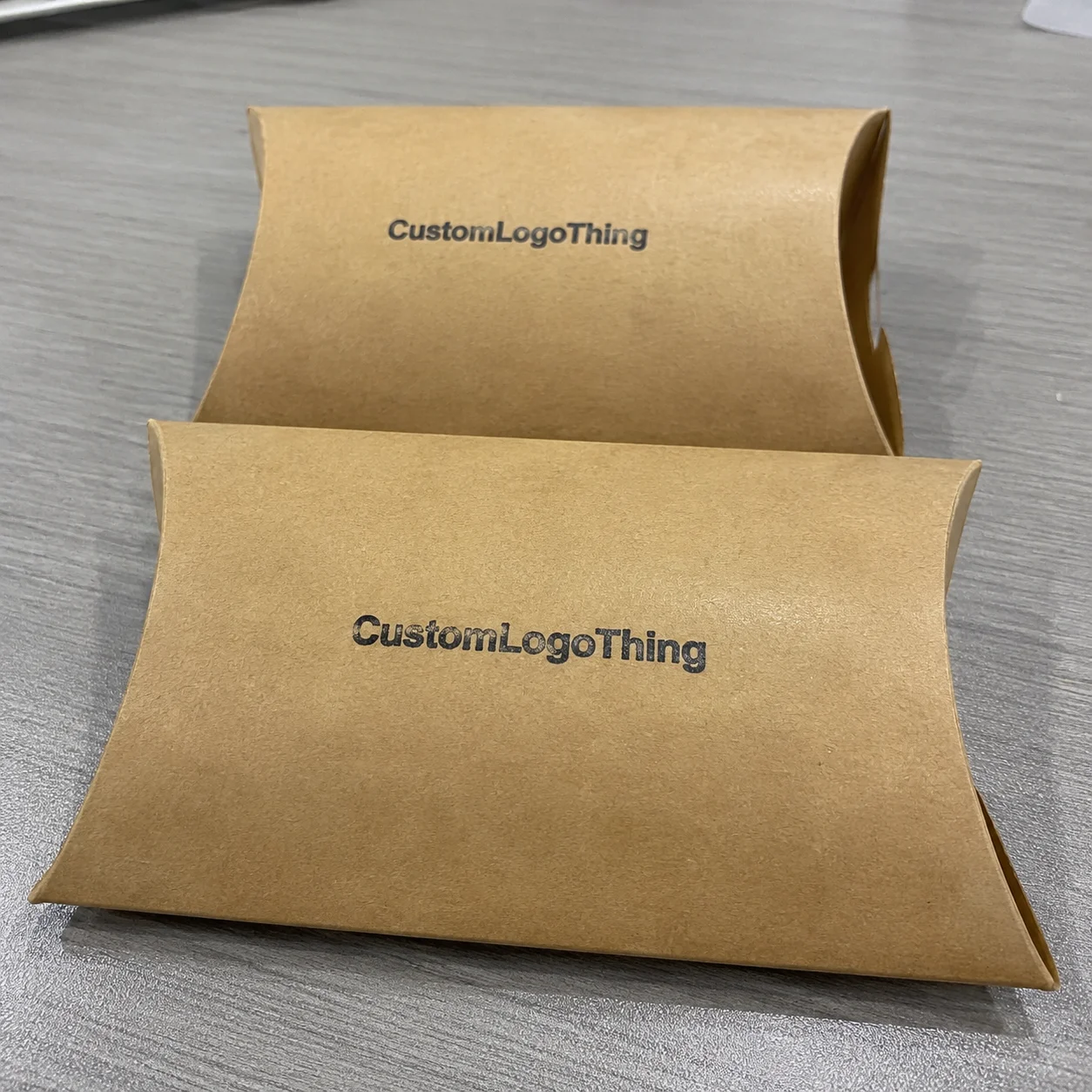
Mailer boxes are popular for e-commerce because they are easy to ship and pack. Rigid boxes are the better fit for luxury, cosmetics, and high-value electronics where presentation matters. Tuck-top cartons work for lighter goods, and hinged lid boxes suit gift sets and kit-style retail packaging. For custom printed boxes, structure and print need to be planned together, not separately. I’ve sat through too many supplier meetings where someone tries to “fix” structure after artwork is approved. That’s how you buy yourself extra costs and a headache. If the outer size is 240 x 180 x 70 mm, the insert cannot be an afterthought squeezed in later like a bad apology.
Foam types and where they perform best
Foam selection is where the engineering starts. EVA foam is dense, clean-edged, and common in premium packaging because it holds shape well and presents neatly. EPE foam is lighter, flexible, and often used for shipping protection when weight matters. PU foam gives softer cushioning and suits delicate surfaces, though it can look less refined if presentation is a priority. Anti-static foam is used for electronics, boards, and precision components because static discharge is not something you want guessing about. A typical EVA insert might be 25 mm thick with a 35kg/m³ density, while EPE for cost-sensitive runs is often 20 to 30 kg/m³ depending on the cavity size.
For custom boxes with foam inserts wholesale, I usually tell buyers to match foam to product behavior, not just product category. A glass bottle may need a different spec than a metal device with a painted finish. A glossy cosmetic palette can scuff in one lane and survive perfectly in another, depending on vibration, humidity, and carton orientation. That’s the fun part of packaging: the box has to survive physics, not opinions. If you’re shipping from Ningbo to Chicago through ocean freight, the cargo will spend more time stacked and vibrating than your sample test bench ever will.
| Foam Type | Best Use | Typical Strength | Presentation Level |
|---|---|---|---|
| EVA | Luxury electronics, premium kits, cosmetics | Firm support, clean edges | High |
| EPE | Shipping inserts, lighter products, cost-sensitive programs | Lightweight cushioning | Medium |
| PU | Fragile surfaces, soft contact needs | Soft shock absorption | Medium |
| Anti-static foam | Electronics, circuit boards, precision parts | Static control plus cushioning | Medium to high |
There are also three major insert construction methods. Die-cut foam inserts offer the cleanest fit for a fixed shape. Layered foam works when you need varying depths or more than one component in the same pack. Pick-and-pluck foam is useful for prototypes or mixed SKU programs, though I would not choose it for premium branded packaging if the customer is paying for precision. It looks functional, not finished. And frankly, it looks like someone gave up halfway through the job. For a 4-piece grooming kit we handled in Dongguan, die-cut EVA gave a 100% pass rate in fit checks; pick-and-pluck looked acceptable, then started shedding corners after the third open-close cycle.
I visited a tooling supplier in Dongguan where we reviewed a skincare gift set containing four glass bottles, a dropper, and a brochure. The first insert used one deep cavity and three shallow ones. It looked tidy until the team tested the kit in a 1-meter drop sequence. Two bottles popped slightly upward because the cavity walls were too smooth. The fix was small: a tighter cavity profile and a 2 mm change in foam thickness. That’s the kind of detail that separates good packaging design from expensive rework. The revised tray used 28 mm EVA with a 3 mm bevel, and the product finally sat like it meant it.
For subscription kits, tools, promotional items, and cosmetics, the insert layout should support both shipping and shelf presence. If the product is supposed to be visible, the cavity should frame it neatly. If the goal is security, the cavity should grip the item with enough compression to resist movement without making removal difficult. With custom boxes with foam inserts wholesale, the insert should never feel improvised. If your SKU includes a 90 mm bottle, a 24 mm accessory card, and a 12 mm cable, the tray needs three distinct depth decisions, not one lazy cavity and hope.
Custom boxes with foam inserts wholesale also gives you flexibility for mixed-component sets. I’ve seen brands ship a bottle, a refill cartridge, an accessory card, and a QR insert in one carefully structured tray. That kind of organized pack reduces pick errors on the filling line and raises perceived value instantly. It also saves everyone from that lovely moment where the packer mutters, “Wait, which part goes here?” On a line in Foshan, a clearly marked insert cut packer questions from 14 per shift to 3. Less confusion. Fewer mistakes. Miracles do happen, apparently.
Specifications That Matter Before You Order
Good quoting starts with precise measurements. If you send “product size: medium,” the result will be guesswork. For custom boxes with foam inserts wholesale, I want actual product dimensions in millimeters, plus the clearance you can tolerate on all sides. Give the product length, width, height, weight, and the number of components in the set. If the item has a fragile nozzle, lens, or cap, note that too. A 0.5 mm mistake can be harmless on a paper insert and disastrous on rigid foam. That tiny number can turn into a very expensive lesson. One beverage accessory order I reviewed had a 68.5 mm bottle and a 69 mm cavity. The bottle jammed, and the line stopped for 90 minutes.
Box structure specs matter just as much. You should define the inner box dimensions, board thickness, wall style, and any required headspace above the insert. For corrugated mailers, I usually ask whether the board is E-flute, B-flute, or another corrugation profile. For rigid boxes, I ask about wrap paper, chipboard thickness, and whether the lid is shoulder-neck, telescoping, or magnetic closure. Those details affect both cost and presentation. They also affect whether your box closes properly or does that annoying little half-pop that makes everyone pretend they didn’t see it. A 350gsm C1S artboard sleeve wrapped over a 2 mm chipboard shell behaves very differently from a plain kraft mailer, and the quote should reflect that difference.
Print and finish change the perception fast. Matte lamination gives a soft, modern look. Gloss raises contrast. Spot UV can highlight a logo or pattern, while foil accents add brightness on retail packaging. Soft-touch is popular for luxury items because it changes the feel in the hand. If you are using custom printed boxes as part of package branding, tell your supplier where the logo sits, whether the inside should be printed, and whether the color must match a reference sample. A standard production target is often kept within a Delta E of 2 to 3 if the factory has good controls and the buyer approves against a real physical sample, not a laptop screen at 11 p.m.
For foam, ask for density, color, thickness, and compression resistance. Black EVA at 30–35 kg/m³ behaves differently from white EPE at a lighter density. If the product is electronic, ask about anti-static properties. If the packaging will move through a regulated channel, ask whether any fire-retardant requirement applies. I’ve had procurement teams overlook this and then scramble later because the foam passed visual inspection but failed a customer’s internal compliance checklist. Everyone gets very quiet in those meetings (which is never a good sign). If you ship into California or to a major retail program, ask for the compliance paperwork before you approve the run.
Insert cutouts deserve their own line item. Specify the cavity depth in each section, not just the outer foam thickness. If a product has one tall component and two flat accessories, the insert should be layered. If you need adhesive backing, say whether it must be peel-and-stick or permanently bonded. And yes, ask for a sample approval stage. That one step prevents a long list of expensive surprises. It also prevents the classic “but it looked fine in the render” conversation, which is my least favorite hobby. A good spec sheet includes cavity depth, tolerance, density, adhesive method, and final pack orientation in one clean page.
“The sample looked perfect on screen, but the real box told the truth,” one procurement manager told me after a medical device order. “We were off by 3 mm on the accessory tray, and that 3 mm delayed launch by 11 days.”
I’ve negotiated enough packaging buys to know this: ask for dielines and structure proofs before production. For custom boxes with foam inserts wholesale, the dieline is not a formality. It is the map. Once you see the exact crease, panel, insert position, and glue flap, you can spot fit problems early. That saves retooling, re-sampling, and unnecessary freight on revised prototypes. A corrected proof usually takes 1 to 2 business days; a corrected physical sample can take 4 to 7 business days depending on the factory, the season, and whether the paper stock is already in Shenzhen or still on a truck somewhere in Jiangsu.
There’s a reason packaging standards like ISTA testing and general material guidance from The Packaging School / Packaging Institute ecosystem matter in B2B sourcing conversations: they help anchor expectations in actual performance, not guesswork. When a buyer asks whether an insert can survive vibration, compression, and drop conditions, standards give the conversation structure. They also save you from guessing your way into a claim file. I have seen a box pass a nice-looking photo approval in Shanghai and fail a 12-drop sequence in Suzhou. Physics did not care about the mood board.
Pricing, MOQ, and Wholesale Cost Factors
Pricing for custom boxes with foam inserts wholesale is driven by five main variables: box material, foam type, print complexity, insert depth, and volume. Size matters too, of course, because a larger board sheet or foam block uses more raw material and more machine time. When buyers ask for a single “best price,” they often miss the real question: best price for which specification? That distinction matters more than most people realize. A 180 x 120 x 45 mm mailer is not remotely the same cost structure as a magnetic rigid box with a deep EVA tray and foil stamp.
Here is the pattern I see most often. Corrugated mailers with simple die-cut foam usually price lower than rigid boxes with wrapped paper and fitted EVA. A basic setup might start around $0.82/unit at 5,000 pieces for a simple printed mailer with an EPE insert, while a more premium rigid solution with foil and a custom EVA cavity can move to $2.40 to $4.10/unit depending on finish, artwork, and carton size. Those are working ranges, not promises. Freight, sample revisions, and tooling can move the number fast. Very fast, in the annoying way. If you need embossed logo work and a 350gsm C1S artboard wrap, you are not buying the same thing as a plain unprinted shipper.
Wholesale economics improve as volume rises because setup cost gets spread across more units. That is true for printing, die cutting, foam cutting, and sometimes assembly. But there can be tooling or knife fees, especially when cavities are unique or when the insert needs multiple depth levels. A buyer ordering 1,000 units may see a much higher unit price than a buyer ordering 10,000, even if the structure is the same. That difference is not supplier greed; it is production reality. A cavity knife set might run $120 to $280, while foam cutting fixtures can add another $60 to $180 depending on complexity and the plant in Guangdong.
MOQ is where expectations need calibration. For custom structural packaging, minimums often depend on whether you’re ordering printed mailers, rigid boxes, or specialty inserts. Some programs can run at 300 to 500 units if the design is simple, while more complex custom boxes with foam inserts wholesale may need 1,000, 2,000, or more to justify setup. Ask the supplier to split MOQ by component if possible: box, foam, printed sleeve, and accessories. That gives you more control and fewer surprises when the quote lands. If the foam is imported from another region, the MOQ may rise because the material has to be nested into the factory schedule in batches, not magically conjured on demand.
| Option | Indicative Unit Price | Typical MOQ | Main Cost Driver |
|---|---|---|---|
| Printed corrugated mailer + EPE insert | $0.82–$1.35 | 500–2,000 | Board size, print coverage |
| Rigid box + die-cut EVA insert | $2.40–$4.10 | 1,000–3,000 | Assembly, wrap material, foam density |
| Tuck-top carton + layered foam | $0.96–$1.70 | 1,000–5,000 | Structure complexity, insert depth |
| Anti-static electronics kit box | $1.40–$3.20 | 1,000+ | Foam spec, compliance needs |
Do not ignore hidden costs. Freight can add more than the packaging itself if the cartons are bulky. Samples may be free or charged. Die fees apply. Insert tooling may apply. Rush charges are common when a launch gets pulled forward by two weeks and everyone suddenly needs a miracle. I’ve seen buyers compare three quotes and choose the lowest unit price, only to discover the lowest offer excluded shipping, proof revisions, and a second sample. Then everyone acts shocked, which is apparently a corporate tradition. One Shenzhen supplier quoted a client $0.94/unit, then added $220 in tooling, $85 in extra proofs, and nearly $400 in freight once the carton size was finalized. Surprise is not a strategy.
That is why total landed cost is the number that matters. Add the packaging unit price, freight, sampling, duties if applicable, and expected damage rate. A higher spec custom boxes with foam inserts wholesale package can be cheaper in practice if it reduces breakage from 3% to 0.5%. On a 10,000-unit run, that difference alone can justify a more precise insert. If a broken product costs you $14 in replacement and support, even a 1.5% reduction pays for better foam very quickly.
In one supplier negotiation I sat through, a client pushed hard to reduce the foam spec by 1 mm to save $0.04 per pack. The supplier warned against it because the product had a rounded shoulder and a glossy finish. The client tested both versions. The thinner insert caused surface rub on 6 out of 50 samples after a vibration test. That ended the argument quickly. A lower quote is only useful if the pack survives the lane. Otherwise, you’ve just bought a prettier problem. The revised spec stayed at 25 mm EVA, and the damage issue disappeared on the next 5,000-piece run out of Dongguan.
Process and Timeline: From Quote to Delivery
The workflow for custom boxes with foam inserts wholesale is straightforward when the buyer is prepared. It usually starts with inquiry, then spec review, quotation, dieline creation, sample approval, production, quality control, and shipping. The process looks linear on a chart, but in practice, small delays at the beginning can snowball into missed launch dates. I’ve watched one delayed measurement check turn into a three-week mess. Nobody was thrilled. On a cosmetics launch I helped with in Guangzhou, the proof sign-off slipped by 2 business days and pushed the ship date from week 3 into week 5.
If you want the fastest path, send complete information on day one. I mean product dimensions, target quantity, destination address, print artwork, preferred box style, and foam requirement. Include whether the product is fragile, high-value, or temperature-sensitive. If the items ship by courier, pallet, or ocean freight, say so. These details shape everything from carton strength to outer shipper design. They also keep the quote from turning into a game of 20 questions. A good brief includes the final ship-to city, not just “warehouse,” because export cartons for Los Angeles do not always get packed the same way as cartons for Rotterdam.
Typical timing depends on order complexity. A simple sample might take 5 to 7 business days. Dieline development can take 1 to 3 business days if the measurements are clear. Production for a standard run often lands in the 12 to 20 business day range after proof approval, while more complex rigid packaging or multi-layer foam jobs can run longer. If a supplier claims “fast” but has not seen your artwork, product samples, or pack-out method, treat that claim cautiously. Fast is easy to promise before anyone has touched a tape measure. For most well-defined orders, the realistic answer is typically 12-15 business days from proof approval for a standard rigid or mailer run, then add 4 to 8 days for ocean or regional trucking depending on destination.
Mockups and prototypes save time later. I’ve watched brands skip the sample stage because their internal team was confident the measurements were right. Then the accessory compartment was 4 mm shallow, the lid bowed, and the entire order had to be reworked. A simple prototype would have caught it. For custom boxes with foam inserts wholesale, prototypes are not an extra. They are insurance. A prototype in 1 mm gray board with trial foam is usually enough to test cavity fit, lid pressure, and insert removal force before committing to the final finish.
Material availability can also shift timing. If your selected foam color is not in stock, or if the wrap paper needs to be sourced to match a Pantone target, lead time stretches. The same is true when a buyer revises artwork after proofing. I’ve seen a 14-business-day order become a 24-business-day order because the brand changed the logo lockup at the last minute. The supplier was not the bottleneck; the revision cycle was. That late-stage “small tweak” is rarely small. In one Shanghai project, changing the inside print from black to deep navy added 3 extra days because the ink had to be rematched and reproofed.
A realistic production workflow looks like this:
- Inquiry with dimensions, quantity, and product photos.
- Quote with 2 to 3 material or foam options.
- Dieline and structure review.
- Sample or prototype approval.
- Mass production and in-line QC.
- Final inspection and shipment booking.
When everything is finalized early, faster turnaround is possible. I’ve seen urgent programs ship faster by trimming revision time, not by rushing the plant. That distinction matters. Plants can move quickly when the order is stable. They struggle when the brief keeps changing. For custom boxes with foam inserts wholesale, clarity beats pressure almost every time. Shouting “we need it yesterday” does not magically make tooling finish itself. If anything, it just makes the proof reader sigh louder.
Why Choose Us for Custom Boxes with Foam Inserts Wholesale
Buyers do not keep coming back for packaging that merely looks acceptable. They come back when the box fits, the foam stays true, and the shipment arrives without drama. That is the standard I associate with custom boxes with foam inserts wholesale done properly. At Custom Logo Things, the value is not hype. It is measurable: structural precision, consistent material sourcing, and packaging support that respects your launch schedule. We work with production partners in Shenzhen, Dongguan, and Guangzhou, which matters when you need a factory that can actually answer a measurement question instead of nodding politely and hoping for the best.
In practice, that means we pay attention to fit first. A product should sit with enough restraint to resist movement, but not so tightly that the customer has to wrestle it out. We also look at the whole pack, not just the decorative side. A clean exterior matters, but the insert decides whether the packaging works in real shipping conditions. Good packaging design balances both. That sounds obvious, but you’d be amazed how many vendors forget the insert and obsess over the gloss coating. A 2 mm cavity adjustment can matter more than a fancy finish if the product is glass and the shipping lane is rough.
One cosmetics client I worked with had a beautiful box that failed in transit because the tray flexed under the weight of a glass jar. The box itself looked premium. The insert was the weak point. After adjusting the foam depth by 2 mm and changing the board grade, returns dropped sharply on the next batch. That kind of fix is boring on paper and very exciting in finance. Suddenly everyone remembers my email. The updated build used a 2 mm chipboard base, 28 kg/m³ EVA, and a tighter shoulder fit, which solved the wobble in one round.
Another time, during a supplier meeting for a small electronics brand, the buyer worried that anti-static foam would push the cost too high. We compared options side by side and found that the slight increase in unit price was still lower than the expected cost of a field failure. That is the kind of conversation wholesale buyers need to have. Not “what is cheapest?” but “what protects margin and brand reputation?” Honestly, the first question is how people end up paying twice. A $0.08 increase on 5,000 units is $400; one bad return cycle can burn through that before lunch.
For buyers looking beyond a single SKU, we can support broader Custom Packaging Products and volume-based Wholesale Programs that help standardize procurement across product lines. That matters when a brand has five kits, two seasonal launches, and one core item that never stops moving. Standardization lowers complexity. Complexity is expensive. And complex packaging programs have a funny habit of multiplying right when your team is already busy. One unified pack format across three SKUs can also trim storage and reduce the number of cartons sitting in a warehouse in Foshan.
We also support consultation on retail packaging, product packaging, and package branding so the exterior and interior feel like one system. That matters for subscription boxes, influencer kits, gift sets, and premium accessories where the unboxing moment becomes part of the product itself. If your brand promise is “carefully made,” the packaging should say the same thing before the customer reads a single word. A rigid box with a precise foam cavity and a 350gsm C1S artboard wrap says “we planned this,” Which Is Better than any slogan you can print in gold foil.
For businesses comparing vendors, here is the practical advantage: better insert fit means fewer damages, fewer replacements, lower handling complaints, and stronger shelf impact. In wholesale packaging, those outcomes matter more than a glossy sales pitch. They show up in shipping claims, customer service tickets, and repeat order rates. If your claims rate drops from 2.8% to 0.6% on a 20,000-unit annual program, that is not a nice-to-have. That is real money.
If you need a packaging partner that can talk in specs, not slogans, that is where we fit. We work with printed cartons, rigid formats, insert layouts, foam selection, and order planning with the kind of detail that procurement teams actually use. And yes, we will tell you when a spec is overbuilt or unnecessary. Honest guidance saves money. It also saves everyone from ordering a premium box to protect a product that could have lived happily in something simpler. I’d rather tell you “no, don’t spend the extra $0.32” than watch you pay for a decorative fortress around a product that only needed smart support.
Next Steps to Order Custom Boxes with Foam Inserts Wholesale
If you are ready to move, start with a clean brief. Send your product dimensions, target quantity, box style preference, foam requirement, and destination. If you already know the price ceiling, include that too. That gives the quoting team a real target instead of a moving one. For custom boxes with foam inserts wholesale, the fastest quotes usually come from the most complete input. Vague briefs breed bad quotes. That’s just supply chain math doing its thing. If your destination is Chicago, Manchester, or Dubai, say so up front because freight and carton specs can change with lane and handling method.
Request 2 to 3 options if you can. For example, compare EVA versus EPE, or rigid versus mailer, or printed exterior versus unprinted. That side-by-side view makes the tradeoffs visible. Sometimes the better answer is a slightly more expensive structure that reduces damage and simplifies assembly. Sometimes it is the lighter option that cuts freight enough to offset the simpler look. There is no prize for being stubborn about the wrong spec. A practical comparison might be a $1.18 mailer with EPE against a $2.95 rigid setup box with a 30kg/m³ EVA insert; both can be right depending on the product and the lane.
Ask for a sample or prototype if your product is fragile, expensive, or oddly shaped. I would never skip this for glass, electronics, or medical items. A prototype lets you test cavity fit, lid closure, handling comfort, and visual presentation. It also gives your operations team a chance to check pack-out speed before you commit to a full run. One quick test beats three days of post-launch panic, and I say that from experience. A 5-piece sample run from a Shenzhen plant is cheap compared with an entire shipment of cracked units and a customer support queue that looks like a hostage situation.
Before issuing a PO, confirm MOQ, artwork approval deadlines, production window, and shipping method. You want the production schedule to match the launch calendar, not fight it. A buyer once told me they lost two retail weeks because the art sign-off sat in someone’s inbox for four days. The packaging supplier was ready. The brand wasn’t. That’s the sort of delay that makes everyone pretend they’re calm while secretly screaming into a pillow. If your proof approval lands on Monday, a standard run can often move into production immediately and ship in 12-15 business days from proof approval if the materials are in stock and the structure is already finalized.
Here is the checklist I would use:
- Product measurements in mm, including weight and fragile points.
- Preferred box structure: mailer, rigid, tuck-top, or hinged lid.
- Foam type: EVA, EPE, PU, or anti-static.
- Print requirements: logo placement, inside/outside print, finish.
- Quantity target and acceptable MOQ.
- Destination, freight method, and required delivery date.
- Prototype request if fit is critical.
From there, the path is simple: review the quote, approve the dieline, check the sample, and move to production. That is how you buy custom boxes with foam inserts wholesale without paying for surprises later. Better information at the start usually produces better packaging, better timing, and fewer expensive corrections. If the brief is clear and the sample is approved fast, the factory in Dongguan can keep the line moving instead of waiting for another round of “tiny edits” that are never tiny.
If you are sourcing branded packaging for a premium item, the smartest move is not to chase the cheapest carton. It is to buy a system that protects the product, supports package branding, and lands at a workable total cost. That is the real logic behind custom boxes with foam inserts wholesale: pay attention to the fit, the foam, the finish, and the numbers, and the packaging starts working for you instead of against you. And if the numbers do not support the fancy version, say no. The box is not the brand. The product is. The box just needs to stop the product from arriving in pieces.
What products are best suited for custom boxes with foam inserts wholesale?
Fragile, high-value, or precision-fit items work best, including electronics, glass, cosmetics, tools, and medical devices. Foam inserts are especially useful when movement, scuffing, or impact damage is a concern during shipping or display. A 75 mm serum bottle, a smartwatch kit, or a lens accessory pack are all classic candidates because a 1 mm shift can create a problem fast.
Which foam type should I choose for custom boxes with foam inserts wholesale?
Choose EVA for a premium, clean look and firm support, EPE for lightweight shipping protection, PU for softer cushioning, and anti-static foam for electronics. The best option depends on product weight, fragility, and whether presentation or shock absorption matters more. For many premium kits, 30–35 kg/m³ EVA in black is the most common starting point.
What is the typical MOQ for custom boxes with foam inserts wholesale?
MOQ varies by structure, print method, and foam complexity, but custom packaging usually requires a minimum that supports setup and production efficiency. Ask for MOQ by style because rigid boxes, printed mailers, and specialty inserts may differ significantly. In many factories across Guangdong, simple mailers can begin around 500 units, while rigid boxes often start closer to 1,000.
How much do custom boxes with foam inserts wholesale cost?
Cost depends on size, material, print coverage, foam density, insert complexity, and order quantity. Request total landed cost, including tooling, samples, freight, and rush fees, to compare offers accurately. A printed corrugated mailer with EPE may start around $0.82/unit at 5,000 pieces, while a rigid box with custom EVA can run $2.40 to $4.10/unit.
How long does production take for custom boxes with foam inserts wholesale?
Timeline depends on artwork approval, sample changes, material selection, and order volume. Finalized specs and approved proofs usually shorten turnaround because they reduce revisions and production delays. For standard builds, production is typically 12-15 business days from proof approval, with sample development often taking 5 to 7 business days before that.