Buyer Fit Snapshot
| Best fit | Custom Rigid Setup Boxes with Ribbon projects where brand print, material claims, artwork control, MOQ, and repeat-order consistency need to be specified before quoting. |
|---|---|
| Quote inputs | Share finished size, material target, print colors, finish, packing count, annual reorder estimate, ship-to region, and any compliance wording. |
| Proofing check | Approve dieline scale, logo placement, barcode or warning zones, color tolerance, closure strength, and carton packing before bulk production. |
| Main risk | Vague material claims, crowded artwork, missing packing details, or unclear freight terms can make a low unit price expensive after revisions. |
Fast answer: Custom Rigid Setup Boxes with Ribbon: Artwork Proof, Packing Count, and Landed Cost should be specified like a repeatable production item. The safest quote records material, print method, finish, artwork proof, packing count, and reorder notes in one written spec.
Production checks before approval
Compare the actual filled-product size with the drawing, then confirm tolerance on folds, seals, hang holes, label areas, and retail display edges. Reserve space for logos, QR codes, warning copy, and material claims before decorative graphics fill the panel.
Quote comparison points
Review material grade, print process, finish, sampling route, tooling charges, carton quantity, and freight assumptions side by side. A quote is only useful when the supplier can repeat the same color, closure quality, and packing count on the next order.
I still remember a side-by-side test we ran in a Shenzhen finishing room with 120 buyers rotating through a blind review: same serum bottle, same formula card, two different cartons. The folding carton scored “nice,” but the custom rigid setup boxes with ribbon scored “gift-worthy,” “expensive,” and “keep this box.” Structure plus opening ritual changes perception fast, and I’ve watched that pattern repeat in Los Angeles PR drops, Dubai corporate gifting, and Tokyo retail launches. If you’re evaluating custom rigid setup boxes with ribbon for your next release, this guide covers the practical side—materials, engineering, quote logic, timeline reality, and execution checkpoints that prevent costly mistakes.
Honestly, I think people undercount the emotional math here. We talk about coatings, GSM, and tolerances (and yes, I love that stuff), but the moment someone feels resistance, then pulls a ribbon and hears that soft paper shift, their brain quietly says: “Ah, this matters.” I’ve seen teams spend thousands polishing a label icon while the outer experience did most of the heavy lifting. Frustrating? Very. Predictable? Also very.
Why custom rigid setup boxes with ribbon instantly feel premium
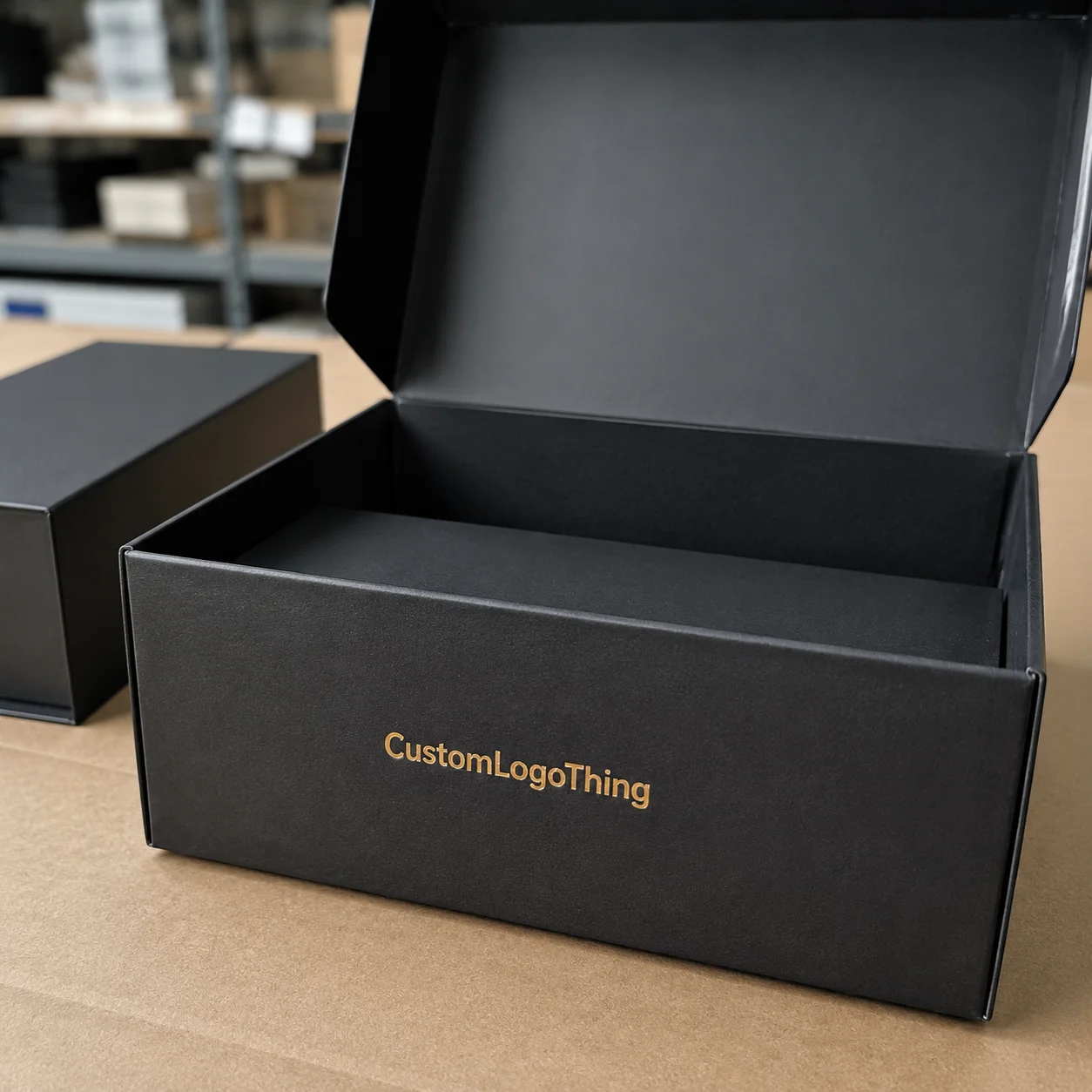
A rigid setup box is pre-formed, not folded flat. That single structural decision changes hand-feel immediately. Most custom rigid setup boxes with ribbon use 1000–2000 gsm greyboard (chipboard), wrapped in printed or specialty paper, then finished with a ribbon pull tab, tie, or closure detail. Board thickness gives physical authority. Ribbon adds a paced opening sequence that feels ceremonial rather than transactional.
Brands often underestimate how much that sequence matters. In a Chicago client workshop, one team spent three weeks debating whether to upgrade a metallic ingredient label on the bottle. We tested both bottle versions inside identical rigid packs and almost nobody cared. We then switched to a soft-touch wrapped rigid box with a 15 mm satin pull, and panel comments moved from “good product packaging” to “premium gift.” My read after years of testing is simple: at first touch, tactile packaging moments often outperform minor product-detail tweaks in memory.
I remember standing in that workshop thinking, “We are arguing about a 4 mm icon while customers are literally touching the wrong thing first.” (I did not say it out loud. I wanted to keep my consulting contract.)
Where do custom rigid setup boxes with ribbon perform best? In my experience:
- Cosmetics PR kits with multiple SKUs and layered reveals
- Jewelry boxes with anti-tarnish insert architecture
- Corporate gifting programs that require consistent branded packaging across regions
- Subscription upgrades where retention depends on emotional unboxing
- Wedding keepsake boxes with long-term display value
- Luxury retail packaging drops where shelf and social photo quality both matter
Behavioral science backs this up, with one caveat: perceived value is measurable, but it’s not magic. A box that resists slightly, then opens with a ribbon pull, creates pacing. Pacing improves perceived value and recall. In one B2B sampling program I supported, recipients remembered exterior wrap color and ribbon details two weeks later, yet forgot the technical claims card by day four. Claims still matter; packaging cues just carry message weight too.
People also raise sustainability concerns around rigid formats. Some concerns are valid. Some are based on outdated assumptions. Material stack decisions decide most of the outcome: FSC-certified boards, water-based coatings, paper inserts, and thoughtful ribbon choices can improve end-of-life performance. If sustainability is central to your brand, verify standards and source declarations directly through recognized groups like FSC. Also, honest disclaimer: “recyclable” on paper does not guarantee curbside acceptance in every municipality, so regional disposal guidance matters.
By the time you finish reading, you’ll understand how custom rigid setup boxes with ribbon are built, which specs increase cost fastest, what realistic timelines look like, and which approval checkpoints prevent rework. Teams comparing vendors for Custom Packaging Products can use this framework to ask sharper questions before artwork lock.
How custom rigid setup boxes with ribbon are engineered and assembled
Time to get mechanical. Most custom rigid setup boxes with ribbon begin as flat-cut greyboard pieces. Those pieces are corner-taped into form, then wrapped with printed paper using PVA adhesive or hybrid glue systems. Box style changes the assembly path, but three formats dominate.
- Top-and-bottom setup box: separate lid and base, classic premium format
- Book-style magnetic box: hinged spine and front flap with embedded magnets
- Shoulder-neck box: inner shoulder controls reveal height and lid stop precision
At a Dongguan plant I visited, semi-automatic rigid lines ran around 2,200–2,800 units per hour for standard top-bottom structures, then dropped below 1,000 units per hour once ribbon details and complex inserts entered the process. That production-rate shift alone can move your quote by roughly $0.18–$0.42 per unit at 5,000 pieces, because labor pressure and line occupancy rise at the same time.
Wrap papers and finishing stack
With custom rigid setup boxes with ribbon, wrap paper is both visual skin and production variable. Common choices include 128 gsm or 157 gsm C2S art paper, textured specialty stocks, and uncoated papers for a natural tactile read. Finishing layers usually include:
- Matte film lamination (often 27 microns)
- Gloss film for stronger color pop
- Soft-touch lamination for velvety hand-feel
- Foil stamping (single or multiple hits)
- Emboss/deboss zones with metal dies
- Spot UV for selective contrast
Every finish adds setup time and tolerance risk. Foil registration drift past 0.4 mm can make serif logos look careless. Spot UV over soft-touch can fish-eye if press setup misses surface-energy balance.
Ribbon integration methods
Ribbon systems are not interchangeable. I usually evaluate four methods for custom rigid setup boxes with ribbon:
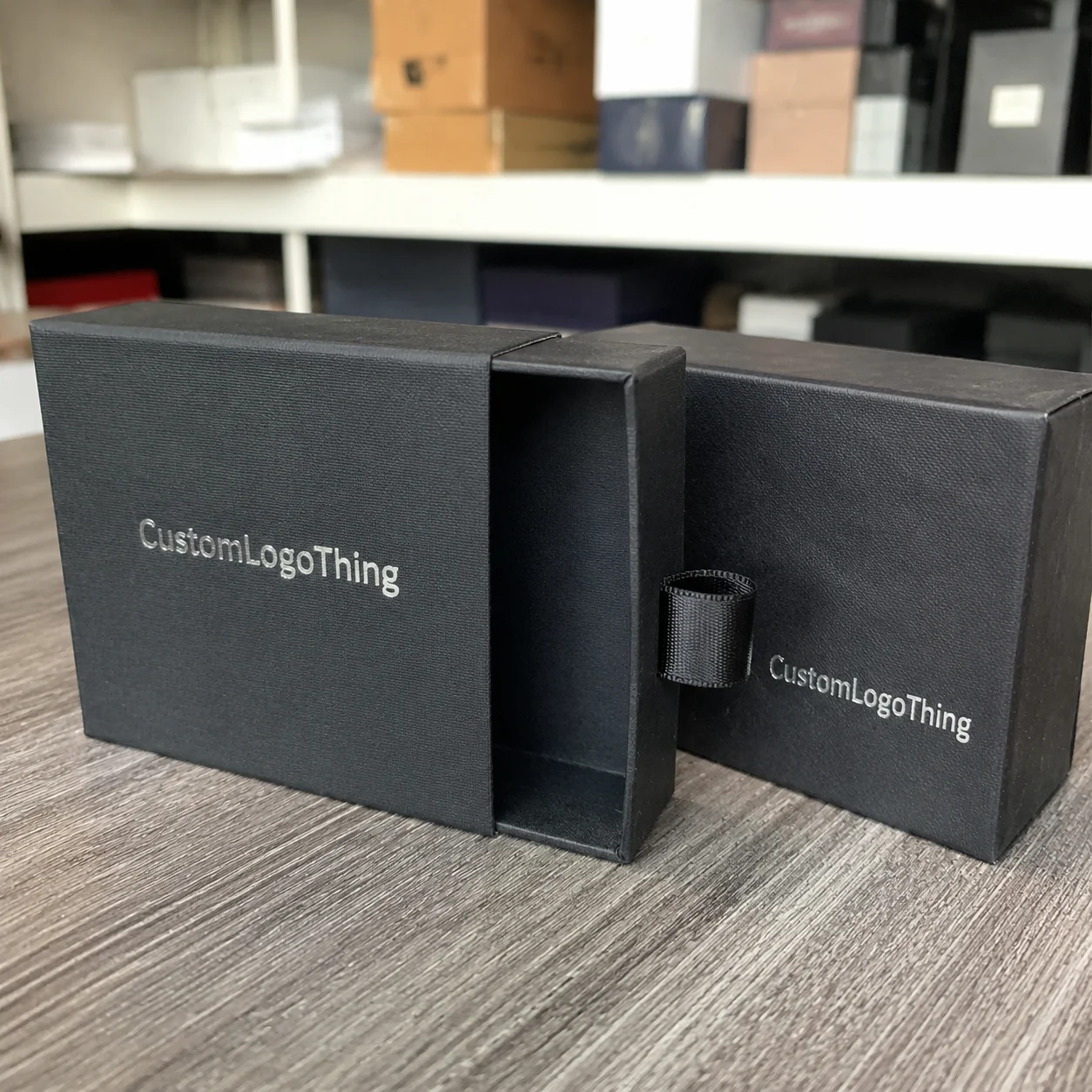
- Die-cut slot pull tab: ribbon threaded through slot and locked under wrap, clean and strong
- Ribbon anchor under wrap: hidden adhesive zone, useful for minimalist exteriors
- Stitched ribbon loop: durable on heavier inserts, slower to assemble
- Adhesive-backed plate: fastest retrofit method, weakest in humidity swings
A cautionary case from Singapore: adhesive-only ribbon plates failed after 72-hour high-humidity storage at 82% RH, creating 6.8% rework. We switched to mechanical slot anchoring and failure dropped below 0.5%.
I’ve joked with production teams that adhesive-only ribbon anchors are the packaging version of “I’ll just do a quick fix before dinner.” You save ten minutes now and lose your weekend later. Kinda funny until you’re the one sorting rework cartons.
Tolerances and fit
In custom rigid setup boxes with ribbon, tiny dimensional errors become visible fast. A 1–2 mm mismatch can trigger lid lift, corner stress whitening, or loose insert rattle. Set internal tolerances at ±0.5 mm for critical fit zones, then validate with physical product and retail packaging inserts before full production.
Clearance planning must be intentional. A glass jar measuring 62.0 mm diameter should not sit in a 62.5 mm cavity if transit vibration is expected. Compression logic has to come from foam, a paperboard collar, or molded pulp geometry.
If you’re choosing a supplier from a broad Custom Packaging Products catalog, request line photos, process videos, and defect samples, not just polished renders. Strong vendors can show corner wrap quality, glue uniformity, and ribbon attachment cross-sections on demand.
Design and material factors that control look, durability, and cost
The biggest myth I hear is that premium appearance comes from print alone. It doesn’t. In custom rigid setup boxes with ribbon, board grade, ribbon type, insert architecture, and finish sequence interact. A beautiful logo on weak structure reads fake premium in under five seconds.
Board grade and stiffness
For small cosmetics and jewelry formats, 1200 gsm board is a common baseline. Larger gift-set footprints usually need 1400–1800 gsm to avoid panel flex. I’ve specified 2000 gsm for oversized wine-accessory kits with lid spans above 280 mm. Stiffness improves perceived quality; freight weight rises with it. Across 10,000 units, shifting from 1200 gsm to 1800 gsm can add hundreds of kilograms across shipment lots.
Ribbon material behavior
Ribbon choice is not purely aesthetic in custom rigid setup boxes with ribbon. Satin looks elegant but can slip against low-friction coatings. Grosgrain holds knots better because of its rib texture. Cotton tape supports natural premium positioning but can absorb handling stains on bright white uncoated wraps.
Typical widths:
- 10 mm: subtle pull-tab and smaller boxes
- 15 mm: versatile premium balance
- 20–25 mm: gifting statement, higher visual weight
Colorfastness and fray resistance need testing. I’ve seen navy ribbon bleed faintly onto ivory wrap during monsoon-season transit in Southeast Asia due to weak dye fixation.
My opinion here is firm: if your brand color is dark and your wrap is light, run abuse tests early or prepare for a very awkward Monday meeting.
Insert strategy and sustainability
Insert selection controls product protection and opening choreography. Options include EVA foam, flocked thermoform trays, paperboard platforms, and molded pulp alternatives. Brands prioritizing sustainability often get stronger recyclability narratives from paperboard and molded pulp, especially when paired with FSC board and reduced lamination.
Environmental claims need precision. Request written material declarations and recovery-path guidance. The EPA recycling resources are useful while drafting consumer-facing disposal instructions for product packaging.
Print complexity and tooling cost
Pantone matching, foil coverage, multi-hit embossing, and spot effects all increase setup and QC demands in custom rigid setup boxes with ribbon. Tooling expenses usually include:
- Foil dies
- Emboss/deboss dies
- Insert cutting tools
- Magnet placement jigs (for book style)
Quote spread comes from your exact process stack, not a universal market rate. I’ve seen two visually similar branded packaging concepts differ by $0.74 per unit at 3,000 pieces because one required double-hit emboss and hand-set magnets under tight visual tolerances.
Cost breakdown and pricing ranges for custom rigid setup boxes with ribbon
A practical budgeting model helps. For custom rigid setup boxes with ribbon, spend includes sample/tooling, unit manufacturing, assembly labor, freight, and contingency. Teams that compare only ex-works unit price often miss 20–35% of true landed cost.
At low quantities, setup costs dominate. At high quantities, material and labor efficiency carry more weight. That’s why 500 pieces can feel disproportionately expensive next to 2,000 or 5,000.
| Specification Tier | Typical Specs | Estimated Unit Cost (Ex-Works) | Best Quantity Band | Main Cost Drivers |
|---|---|---|---|---|
| Good | 1200 gsm board, CMYK wrap, matte lam, 10–15 mm satin pull, paperboard insert | $1.65–$2.40 | 2,000–10,000 | Board size yield, labor for ribbon threading |
| Better | 1400 gsm board, Pantone + foil logo, soft-touch lam, 15 mm grosgrain, EVA insert | $2.45–$3.80 | 1,500–8,000 | Foil setup, insert conversion, QC for finish defects |
| Best | 1600–1800 gsm board, multi-process finish, magnetic book style, custom ribbon closure, flocked tray | $3.90–$6.80+ | 1,000–5,000 | Hand assembly, magnets, multi-stage inspection |
Sample and tooling for custom rigid setup boxes with ribbon often lands around $180–$600 for plain structural prototypes and $350–$1,200 for pre-production decorated samples, depending on foil/emboss complexity. Freight commonly adds another $0.20–$0.95 per unit, shaped by mode, destination, and carton cube efficiency.
Hidden costs teams miss:
- Transit validation and drop testing (ISTA protocol alignment)
- Replacement overage planning (commonly 2–5%)
- Barcode/label integration for retail packaging compliance
- Co-packing labor if final product insertion happens offsite
- Rework reserve for late artwork changes
I recommend building three quote-ready specs—good, better, best—before supplier bidding. Set target landed cost first, then optimize high-impact surfaces and opening mechanics customers notice most. In many custom rigid setup boxes with ribbon projects, investment in tactile exterior and clean opening sequence beats over-investment in hidden internal graphics.
If you’re comparing formats against other Custom Packaging Products, benchmark by total delivered cost per usable unit rather than headline carton price.
Step-by-step production timeline: from concept to delivered boxes
Production timing for custom rigid setup boxes with ribbon is fairly predictable when decisions follow the right order. Delays usually come from approvals, spec drift, and material substitution, not print speed.
Step 1: Discovery and brief (2–4 business days)
Capture product dimensions, unit weight, fragility profile, fulfillment method, and target unboxing style. Include whether the box is mailer-protected, shelf-displayed, or hand-delivered. A 280 g fragrance set needs very different insert and closure logic than a 35 g pendant box.
Step 2: Structural dieline and 3D mockup (3–7 business days)
Engineer internal and external dimensions, insert retention points, and ribbon path. Validate clearances before final graphic lock. In custom rigid setup boxes with ribbon, this step prevents the classic error of approving artwork on dimensions that later move by 1.5 mm.
Step 3: Prepress and proofing (3–6 business days)
Set color targets (CMYK and Pantone), verify minimum line weights, check trap settings, and define safe zones near fold edges. Foil and emboss registration checks happen here. If your package branding uses fine serif text below 6 pt, require press-proof review.
Step 4: White sample then pre-production sample (5–10 business days)
White sample confirms mechanics. Pre-production sample confirms print, finish, and ribbon attachment quality. For custom rigid setup boxes with ribbon, test pull force, knot behavior, lid friction, and corner wrap consistency. I usually request 3–5 sample copies from the same lot to check variability.
Step 5: Mass production and QC gates (12–20 business days)
Material incoming inspection, in-line checks, and final AQL sampling should be documented. Strong plants run rub tests for scuff resistance, bond-strength spot checks on wrapped edges, and ribbon-anchor tension tests. If foil-shift tolerance is strict, write the number into the PO before release.
Step 6: Packing and logistics (variable: 5–35+ days depending on freight mode)
Master carton plan, humidity controls, palletization pattern, and delivery sequencing strongly influence destination damage rates. Rigid boxes don’t tolerate high compression stacking or unmanaged moisture swings. For launch-sensitive retail packaging, split shipments can reduce risk—air for first window, ocean for replenishment.
Typical end-to-end timing for custom rigid setup boxes with ribbon is about 4 to 8 weeks from approved files to delivered goods, assuming smooth approvals and stable material supply. If artwork revisions loop more than twice, add buffer immediately.
“The line didn’t fail; our approval cycle failed.” — A beauty brand operations lead after a three-week launch delay caused by late foil color changes.
Transit performance should be validated with recognized methods. If your product is fragile, review protocols from ISTA and align packaging tests with real shipping lanes.
Common mistakes brands make with custom rigid setup boxes with ribbon
I’ve audited dozens of delayed or over-budget launches, and the same errors keep surfacing in custom rigid setup boxes with ribbon programs.
1) Visual design approved before structure lock
Prevention checkpoint: freeze internal dimensions and insert architecture before final artwork approval. Require signed dieline version control in your approval log.
2) Ribbon selected for appearance only
Prevention checkpoint: run knot-slip and fray tests on the exact coated wrap stock. Test after humidity exposure and transit simulation, not just studio handling.
3) Fulfillment labor ignored
One DTC client approved a beautiful hand-tie concept that added 19 seconds per order at pack-out. Across 8,000 orders, labor cost spiked. Prevention checkpoint: run time-motion assembly tests with real operators before committing.
4) Insert overengineering
Elegant inserts can still fail vibration tests or scratch products during insertion. Prevention checkpoint: build functional prototypes and run handling tests with actual product tolerances, including worst-case dimensional variance.
5) QC requirements too vague
“Premium finish” is not a specification. Prevention checkpoint: define acceptable foil shift, ribbon position tolerance, corner wrinkle allowance, and defect AQL thresholds in the PO appendix.
6) No shipping condition validation
Rigid boxes can scuff, warp, or crush if carton strategy is weak. Prevention checkpoint: validate master-carton burst strength, stack pattern, and humidity protection based on route and storage conditions.
With custom rigid setup boxes with ribbon, these checkpoints are straightforward, and skipping even one can trigger expensive rework. I’ve seen a single late insert change create $4,800 in scrap because printed wraps were already finished and dimensions no longer matched. That was one of those “stare silently at the spreadsheet” afternoons.
Expert implementation tips and next steps for your first production run
If this is your first run of custom rigid setup boxes with ribbon, stay disciplined and document everything. Fancy visuals can’t rescue weak process control.
Start with a one-page packaging brief
Include product size, weight, fragility, target landed cost, channel (ecom vs retail), and packing-line constraints. Add three reference images with comments on board feel, ribbon style, opening motion, or print effect.
Request two prototype paths
Ask for one visual sample (branding and finish) and one functional sample (fit and handling). For custom rigid setup boxes with ribbon, these are not interchangeable. A beautiful sample can hide weak retention or difficult assembly behavior.
Define acceptance criteria in writing
Specify dimension tolerances, color delta goals, pull-force expectations for ribbon tabs, and defect thresholds. Teams expecting tight premium consistency need these controls early.
Pilot batch before full run
If timing allows, produce a controlled pilot of 100–300 units. Observe assembly speed, insert-fit drift, and closure consistency. Then issue final SOP updates for mass production.
Create a launch checklist
- Approved dieline version and sign-off date
- Final color proof and finish reference sample
- Photo-approved pre-production set
- Barcode and labeling validation
- Master carton map and pallet spec
- QC report template with pass/fail thresholds
Teams building broader branded packaging systems should align this spec with other Custom Packaging Products so package branding stays coherent across SKUs. In retail packaging, consistency builds trust faster than isolated premium moments.
Action plan for this week:
- Measure product and define internal clearance target.
- Select 2 board thickness options (for example, 1200 and 1400 gsm).
- Choose 2 ribbon candidates (for example, 15 mm satin and 15 mm grosgrain).
- Build good/better/best specs with target landed cost bands.
- Request structural sample and decorated sample quotes from shortlisted vendors.
- Lock approval owners and response deadlines before sampling starts.
I’ve spent enough time on factory floors to say this clearly: brands that win with custom rigid setup boxes with ribbon are not always the biggest spenders. They control specs, approve quickly, and test real transit and fulfillment conditions. Follow the process above and your first production run of custom rigid setup boxes with ribbon can look premium, run reliably, and land near target cost without last-minute chaos. And if you do feel chaos creeping in, pause and fix the spec sheet before anyone says “just start production”—that phrase has ruined more packaging calendars than any machine failure I’ve seen.
If you want one practical takeaway to pin to your wall, make it this: lock structure first, then decoration, then logistics. In that order. Teams who stick to that sequence are gonna avoid most expensive surprises.
What are custom rigid setup boxes with ribbon and why do brands use them?
Custom rigid setup boxes with ribbon are pre-assembled premium packaging boxes made from thick chipboard, wrapped in printed or specialty paper, and finished with a ribbon pull or closure. Brands use them to increase perceived value, improve unboxing memory, and protect fragile or high-margin products with stronger structure than folding cartons. They are especially common in luxury packaging, Gift Box Packaging, and high-impact branded packaging programs where tactile experience directly influences conversion, repeat purchase, or social sharing.
FAQs
What is the ideal board thickness for custom rigid setup gift boxes with ribbon?
Most premium applications for custom rigid setup boxes with ribbon land between 1200 and 1800 gsm based on product mass and target hand-feel. Heavier products or larger footprints often need thicker board or reinforced shoulder construction. Always confirm with a physical sample, since wrap paper, lamination, and insert geometry also shape perceived rigidity.
How much do custom rigid setup boxes with ribbon usually cost per unit?
Unit cost for custom rigid setup boxes with ribbon depends on order volume, board grade, finish stack, insert complexity, and ribbon attachment method. Smaller runs carry higher per-unit pricing because setup and hand-assembly overhead are spread across fewer units. Ask suppliers for tiered good/better/best quotes with landed-cost assumptions for accurate comparisons.
How long is production for custom rigid setup boxes with ribbon from artwork to delivery?
Production includes structure design, sampling, approvals, manufacturing, and freight transit. A common range is 4–8 weeks for custom rigid setup boxes with ribbon, with timeline variation tied to complexity and approval speed. Delays usually come from artwork revisions, substitute materials, and slow sign-off cycles rather than press speed.
Can custom rigid setup boxes with ribbon be made eco-friendly and recyclable?
Yes. Custom rigid setup boxes with ribbon can be specified with FSC-certified board and papers, recyclable wrap options, and lower-plastic insert approaches. Ribbon selection and attachment method also influence disassembly ease. Ask manufacturers for material declarations so sustainability claims remain verifiable. For consumer messaging, avoid blanket “fully recyclable everywhere” language unless you’ve validated local collection rules.
What ribbon type works best for luxury rigid setup boxes: satin, grosgrain, or cotton?
Satin delivers a smooth high-luxury appearance, grosgrain gives better grip and knot hold, and cotton supports a natural premium aesthetic. The best choice for custom rigid setup boxes with ribbon depends on slip behavior against your coating, fray resistance, color match, and transit durability. Test ribbon candidates on the exact finished box surface before final approval.