Custom Cardboard Boxes look straightforward until the first shipment exposes the weak point. A box that sits neatly on a desk can still fail in transit if the product shifts, the board is underspecified, or the closure style does not match the packing method. Packaging problems rarely appear dramatic at the quoting stage. They show up later, when corners crush, inserts separate, or a carton arrives with tape reinforcement that should never have been necessary.
The better way to think about packaging is as a working part of the supply chain. The box has to protect the product, print cleanly, stack correctly, and support the unboxing experience without driving up freight or labor. Buyers comparing branded packaging, shipping cartons, or retail-ready packs usually discover that the real cost is not just the carton price. It is the full result: damage rate, assembly time, warehouse handling, and whether the design forces compromises elsewhere.
The strongest specs start with the product and move outward. Weight, fragility, shipping distance, storage conditions, and shelf presentation all shape the right answer. That is why a box should be chosen deliberately, not rescued later with extra filler or a rushed reprint.
Custom Cardboard Boxes: Why the Right Box Matters
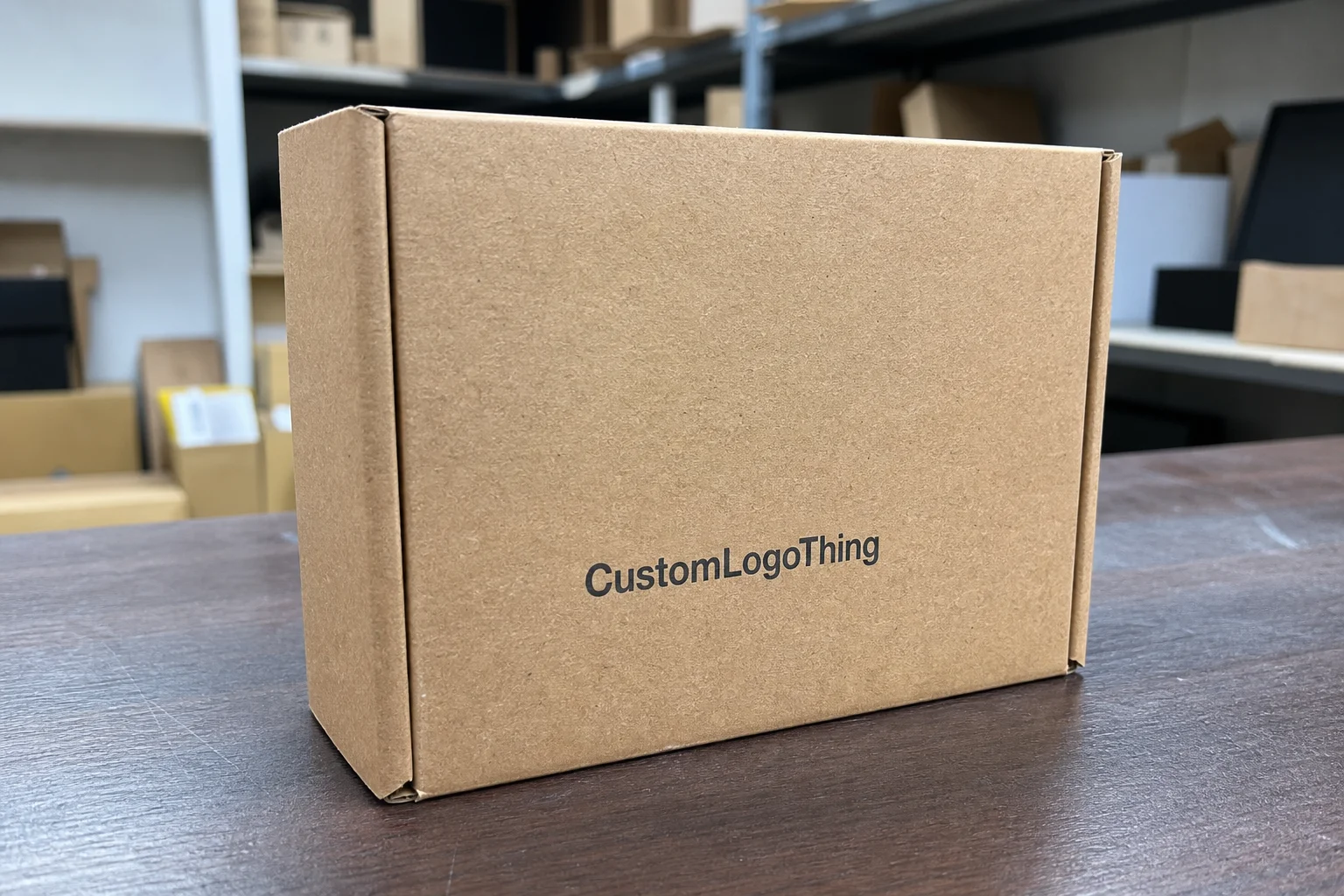
A box can look acceptable in a proof and still fail in real use. Buyers often fixate on outside dimensions, then discover the product rattles inside, corners dent under pallet pressure, or artwork turns muddy because the board surface was never suited to the print method. Those are not random defects. They usually trace back to a spec that solved one problem while creating another.
At a practical level, Custom Cardboard Boxes are paper-based packaging built around a specific product, handling environment, and presentation goal. That might mean corrugated shipping cartons for eCommerce, paperboard cartons for retail, or custom printed boxes that combine protection with branding. The format changes, but the goal is the same: fit the product well enough that the package performs without waste.
Small material changes can have outsized effects. Moving from E-flute to B-flute changes print definition, stiffness, and bulk. Switching from a lighter board to a heavier grade changes compression resistance, assembly feel, and freight weight at the same time. Even score depth and glue placement can affect whether the box folds cleanly or fights the line.
A package is not only a container. It is a transport object, a display surface, and a labor decision.
That framing matters when comparing suppliers. Ask how the carton will travel, stack, and open. Ask how it will behave after a few days in a warehouse, not just in a render. The difference between a decent box and a dependable one is usually hidden in those details.
How Custom Cardboard Boxes Are Engineered and Made
The process begins with structure. A converter creates a dieline, which defines panels, flaps, scores, tabs, and glue areas. Artwork is then mapped to that layout, with attention to folds, seams, safe zones, and any areas where a barcode or product claim must remain legible. If that step is rushed, the error tends to spread. A logo on a fold line, a warning label too close to the edge, or a glue flap that cuts through copy can ruin an otherwise clean run.
Most orders follow a familiar sequence: material selection, dieline creation, printing, cutting, scoring, folding, gluing, and packing. The exact path depends on the box style. A mailer box may be die-cut and shipped flat. A standard RSC shipping box may be produced on corrugating equipment and bundled for freight. A specialty carton with inserts can add extra converting steps for windows, partitions, locking tabs, or protective trays.
Common formats include:
- Mailer boxes for direct-to-consumer shipments and subscription packaging.
- Tuck-top cartons for cosmetics, wellness products, and lightweight consumer goods.
- RSC shipping boxes for warehouse fulfillment and palletized freight.
- Die-cut specialty boxes for presentation, gifting, or unusual product shapes.
Printing method matters as much as the structure. Flexographic printing is often used for larger runs and simpler graphics. Digital printing fits shorter runs, multiple versions, and artwork with more color variation. Coatings and finishes such as aqueous, UV, soft-touch, or lamination change the surface feel and scuff resistance, but they also affect cost and lead time. A supplier should explain those tradeoffs plainly, not hide them behind a generic recommendation.
Inside dimensions are only the starting point. A product that measures 8.0 x 5.5 x 2.0 inches may still need added clearance for inserts, board thickness, and fold behavior. A good spec accounts for tolerances, not fantasy-perfect measurements. Production variation is normal. The real question is whether the design was built for that variation.
Key Specs That Change Performance, Appearance, and Unit Cost
If packaging budgets go sideways, spec selection is usually the reason. Board grade, flute profile, print coverage, and box style should match the product weight, fragility, shipping environment, and display requirement. A lightweight cosmetic item and a glass bottle do not belong in the same carton logic, even if they share a similar footprint.
For corrugated packaging, single-wall construction is common for moderate loads, while double-wall is better for heavier products, longer transit, or high-stack storage. Flute selection matters too. Smaller flutes usually improve print sharpness and reduce bulk. Larger flutes generally improve cushioning and compression resistance. Edge crush test and burst strength are useful indicators, but they should be read alongside the actual shipping method, not treated as stand-alone proof that a box will survive.
For buyers who want a technical frame of reference, the International Safe Transit Association publishes testing approaches that help connect box design to transit risk. That is useful because a box that performs well in a controlled sample may behave differently once it is exposed to vibration, humidity, and stacking pressure.
Branding choices affect both appearance and cost. Heavy ink coverage, full-bleed artwork, tight registration, and multiple colors increase complexity. A simple one-color print on kraft stock often looks cleaner and costs less than a full-color design with premium coating. On the other hand, if the package is part of the product experience, a stronger finish may be justified because it reduces the need for separate inserts, labels, or outer branding.
Be precise about sustainability. Recycled content, FSC-certified paper, reduced void fill, and right-sized design are measurable claims. Vague language is easy to repeat and hard to defend. The U.S. EPA has guidance on source reduction and waste prevention at epa.gov, which is useful for companies trying to reduce material use without raising the damage rate.
| Option | Typical Use | Approx. Unit Cost | Best Fit For |
|---|---|---|---|
| Single-wall RSC, one-color print | Shipping cartons, warehouse fulfillment | $0.55-$1.20 at 5,000 units | Practical shipping and pallet stability |
| Mailer box, digital print | eCommerce, subscription kits | $0.75-$2.10 at 3,000 units | Brand presentation and moderate protection |
| Tuck-top carton with coating | Retail shelves, consumer goods | $0.18-$0.48 at 10,000 units | Shelf appeal and product presentation |
| Double-wall shipping box | Heavy goods, fragile items | $1.10-$2.80 at 2,500 units | Compression strength and transit protection |
These figures are broad market ranges, not quotes. They still reveal the main tradeoff: the lightest box is not always the cheapest once damage, replacement product, and freight class are included. Total landed cost gives a more honest picture than carton price alone.
Production Steps and Timeline for a Custom Box Order
The cleanest orders follow a predictable path. First comes the quote request with dimensions, product weight, artwork needs, quantity, and shipping method. Then the supplier recommends a structure, confirms board choice, and sends a dieline or layout. After that, artwork is placed, proofs are reviewed, and approval is given before manufacturing starts.
Proofing deserves real attention. A screen proof can confirm copy and panel alignment, but it will not reveal everything a finished carton shows. For fragile or expensive products, request a sample or prototype and place the actual item inside it. That step catches problems that mockups miss, especially around tuck tension, insert fit, opening force, and whether the product shifts during closure.
A realistic timeline often looks like this:
- Day 1-3: Quote, structural recommendation, and dieline setup.
- Day 3-7: Artwork placement, proofing, and revisions.
- Day 7-14: Sampling or prototype approval, if needed.
- Day 10-20: Manufacturing, printing, and finishing.
- Day 15-25: Packing, palletizing, and freight transit.
Simple stock-size adaptations usually move faster than fully custom formats. Short runs can also compress the schedule, especially with digital print and minimal finishing. Specialty coatings, inserts, or unusual locking structures add time. So does a late artwork change. In most cases, the delay is not on the machine. It happens during approval.
Cost and Pricing Factors Buyers Should Compare
Packaging pricing is built from several parts, and the quote only makes sense if you know what is included. Size, board grade, print coverage, finishing, quantity, and shipping weight all matter. A larger box uses more board. More colors mean more setup and press time. Inserts and specialty coatings add material, labor, or both.
Quantity is one of the biggest levers. Larger runs usually reduce unit cost because setup is spread across more pieces. Short runs are useful for launch tests, seasonal packaging, or limited releases. The right quantity is not always the highest one. It is the amount that balances forecast risk, storage space, and production efficiency.
This is where quotes often become misleading. One vendor may include tooling, samples, and freight, while another separates those charges. If the lowest price does not include quality checks or final shipping, it may not be the best value. Ask what is included before comparing numbers. If you are ordering Custom Shipping Boxes, that distinction matters even more because freight performance can change the real cost of the job.
Watch for hidden cost drivers such as oversized dimensions, excessive white space in the artwork layout, unnecessary inserts, specialty coatings, and rush turnaround. Even a small redesign can save money if it reduces trim or simplifies converting. An experienced supplier will usually point out a more efficient structure instead of quoting the first version without comment.
For retail programs, think beyond carton cost. A box that looks polished but slows case packing or creates extra handwork can become expensive downstream. The best buying decision often protects both the brand presentation and the warehouse workflow.
Common Mistakes That Lead to Damage, Waste, or Reprints
The most common mistake is measuring the product and assuming the box should match it exactly. That rarely works. The package needs room for insertion, movement control, and board thickness. A box that is too tight can scuff the product or crush the corners. A box that is too loose can let the product shift and fail in transit.
Another frequent error is choosing the wrong board grade for the load. Lightweight paperboard may work for a shelf carton, but it will not perform like a corrugated shipping box. Humidity makes the problem worse. Cartons stored in warm warehouses or shipped through damp conditions need enough strength to hold up after environmental exposure, not just when they are fresh off the line.
Artwork placement creates avoidable trouble too. Low-contrast graphics, critical text across folds, barcodes too close to edges, and design elements that overlap glue areas all lead to waste. Good packaging design gives the printer and converter space to work correctly. That does not mean making the design dull. It means making it manufacturable.
Process discipline matters. Skipping samples, approving proofs too quickly, or failing to confirm pallet counts can create expensive rework. A project that looks efficient at the start can become slow and messy if the final carton count is wrong or the inner pack format does not match the fulfillment system. For teams managing custom printed boxes at scale, those mistakes can ripple through the entire order.
The expensive errors are often the simple ones made early. Fixing them after print is always harder than catching them in the proof stage.
Expert Tips for Better Box Designs and Easier Reorders
Design for the route, not just the shelf. A box may need to work in receiving, storage, picking, packing, shipping, and unboxing. That means thinking about stackability, label placement, hand-feel, and how easily the team can assemble the carton under real production pressure. If a design is awkward in the warehouse, it will stay awkward no matter how polished the mockup looks.
Standardizing a few proven sizes can save time and reduce variation. It simplifies forecasting, lowers setup friction, and makes reorders easier across teams or vendors. Many brands keep one or two core ship sizes and vary the printed outer design for campaigns or seasonal runs. That keeps the packaging system stable while still leaving room for visual changes.
For fragile, unusually shaped, or expensive products, request a sample and test it with the actual item. If the package will ship through parcel networks, ask for transit-oriented recommendations rather than a purely cosmetic spec. In some cases, a quick fit check is enough. In others, it is worth reviewing the design against ISTA-style transit expectations before committing to production.
Document the approved spec in one place: board grade, flute, dimensions, print file version, insert details, carton count, and finish. That record reduces confusion during reorder cycles and protects against version drift when staff changes or purchasing gets split across departments. Clear records are not exciting, but they prevent expensive mistakes.
The best reorder looks boring to operations and still feels polished to the customer.
If your packaging program uses multiple SKUs, a naming system helps. A label that identifies the format at a glance makes Custom Cardboard Boxes easier to manage as the catalog grows, especially when different products share the same outer carton family.
Next Steps for Ordering the Right Custom Box
Before requesting quotes, gather the basics: product dimensions, product weight, shipping method, quantity, artwork needs, target delivery date, and whether inserts or finishes are required. Photos of the product help too, especially if shape, fragility, or presentation requirements are not obvious from measurements alone.
Then ask each supplier for three things: a recommended structure, pricing at multiple quantities, and a realistic lead time. Those three items tell you more than a single line-item quote. They also show whether the supplier is thinking through the application or simply pricing a box.
If possible, request a sample and test fit with the actual product. Look at the box under the same lighting, handling, and storage conditions it will face in real use. Check print quality, closure behavior, and how the carton feels after being opened and closed a few times. That is especially useful for branded packaging that has to look polished and still survive distribution.
For buyers comparing Custom Cardboard Boxes, the right decision usually balances protection, presentation, and landed cost without forcing the product to compensate for a weak package. Choose the construction deliberately, document the spec carefully, and the next reorder becomes far easier to manage.
What information do I need to order custom cardboard boxes?
Provide product dimensions, weight, shipping method, quantity, print requirements, and any insert or finishing needs. It also helps to note whether the box must survive parcel shipping, palletized freight, retail display, or storage in humid conditions.
How do custom cardboard boxes affect shipping cost?
Right-sized boxes can reduce dimensional weight, void fill, and damage-related replacements. Heavier or oversized constructions can increase freight cost, so the box structure should match the product and transit method rather than defaulting to the largest or strongest option.
What is the difference between cardboard and corrugated boxes?
Cardboard often refers to paperboard cartons, while corrugated boxes use a fluted middle layer for added strength. For shipping, corrugated construction is usually the better choice because it handles compression and impact more effectively.
How long does production usually take for custom cardboard boxes?
Timeline depends on artwork approval, sample needs, print method, quantity, and current material availability. Simple orders may move quickly, while fully custom structures or specialty finishes usually need more lead time.
How can I keep the cost of custom cardboard boxes under control?
Use standard dimensions where possible, keep print coverage efficient, and compare pricing at several quantities. Approve samples carefully to avoid reprints, and choose the lightest board that still protects the product properly.


