Custom cloth bags tend to do more than people expect. A well-made one can outlast the event it was ordered for, stay in circulation as daily carry, and keep a brand visible long after the first purchase is forgotten. That is why custom cloth bags should be judged by fabric weight, stitching, handle construction, and print durability, not by the mockup alone.
From a packaging buyer's point of view, the real questions are practical: what must the bag carry, how often will it be reused, and how much visibility does the brand need from the surface? Once those answers are clear, the rest of the order becomes easier to specify and easier to price.
Custom Cloth Bags: Why They Feel Premium in Daily Use
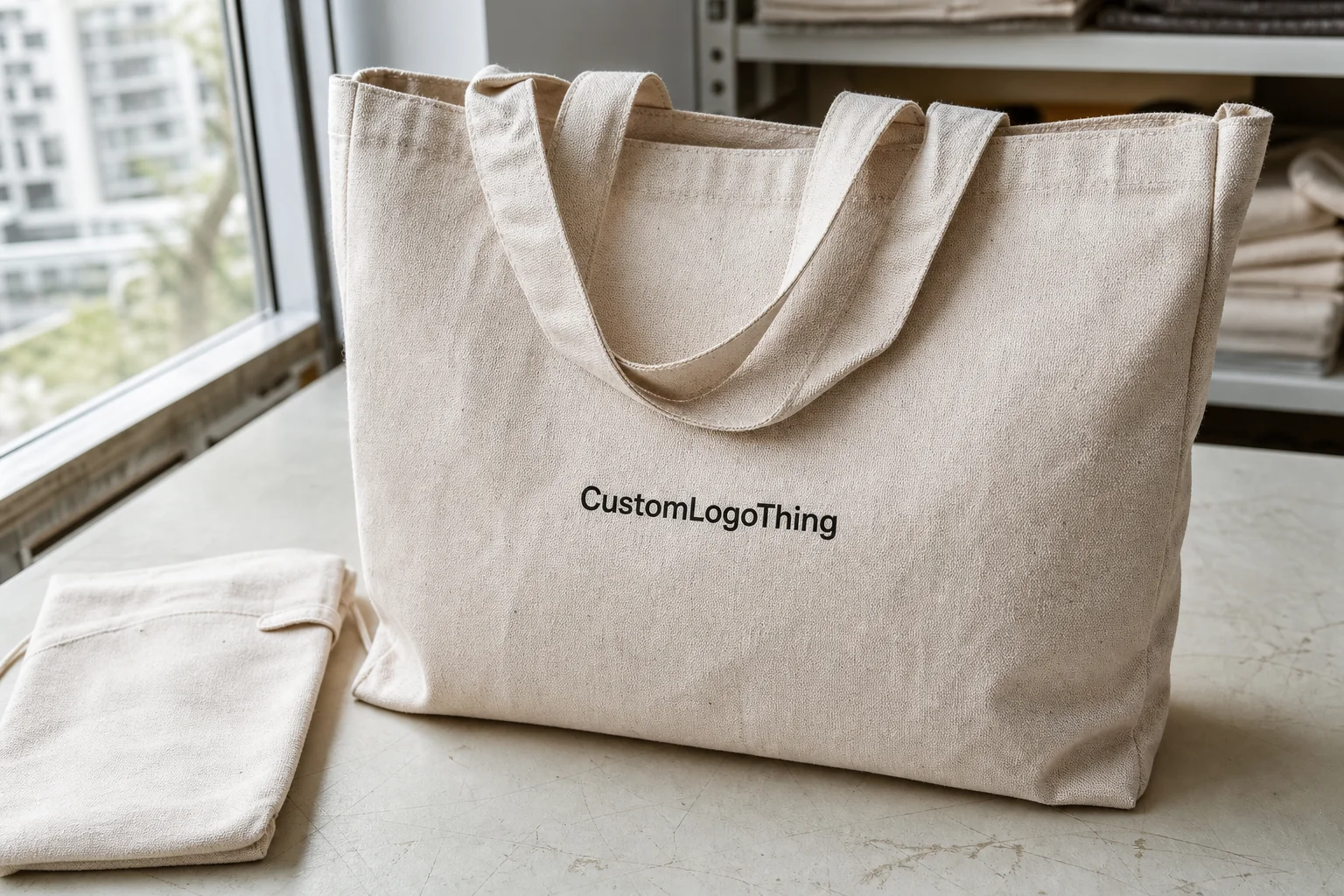
In use, cloth bags earn their value by being useful. They feel more substantial than thin disposable carriers, and when the construction is right, they move into daily rotation instead of being discarded after one event. That reuse is part of the marketing value. A bag that keeps showing up in the office, in a car, or on a store run gives a brand repeated exposure without asking for more media spend.
“Cloth bag” is a broad buying term, and that matters. It can refer to cotton, canvas, muslin, jute blends, or other textile-based carriers that share a reusable structure. Cotton and muslin usually fit lighter gift programs and inserts. Heavier canvas works Better for Retail Packaging or products with real weight. Jute brings a textured, natural look that suits earthy product lines, though its surface is less forgiving when the artwork needs fine detail.
These bags show up in trade shows, subscription programs, boutique retail, and gift-with-purchase campaigns because they make the presentation feel deliberate. A bag that fits the item properly, keeps the logo readable, and survives repeated use can extend package branding in a way boxes or wrapping paper often cannot. The opposite is also true: a loose, flimsy, or poorly printed bag cheapens the whole package, even if the product inside is strong.
The first decision framework is straightforward:
- What is the item weight and shape?
- Will the bag be reused once, five times, or fifty times?
- Does the brand need a subtle natural look or a bolder promotional surface?
If the order is part of a broader packaging program, it helps to compare the bag against other formats in the same budget. Sometimes a cloth bag is the right answer because the customer needs carrying utility. Other times, custom printed boxes create a stronger unboxing moment while the bag functions as an insert or giveaway. The best choice depends on how the item will move through the customer experience, not on which format looks nicest in isolation.
The best bag is not the prettiest one on a screen. It is the one that still looks right after the product is packed, carried, and handled a few times.
How Cloth Bags Are Specified and Manufactured
The build is simple on paper. The details are not. A typical order starts with fabric selection, then cutting, hemming, handle attachment, seam reinforcement, decoration, and final inspection. Each step affects how the bag feels, how long it lasts, and how clean the logo appears.
Fabric weight is often described in ounces or gsm. Light muslin may sit around 70 to 120 gsm, while sturdier canvas often falls in the 200 to 350 gsm range or higher, depending on the look and the use case. Heavier fabric usually gives a more premium hand feel, resists sagging, and holds print better on large logo areas. Lighter fabric costs less, folds smaller, and works well when the bag is meant for lightweight inserts or event handouts.
Construction details change the outcome more than many buyers expect. A top-stitched hem looks cleaner and resists fraying. A reinforced bottom seam matters when the bag carries bottles, jars, or boxed products. Gussets add depth, which helps when the product stack needs room without distorting the front panel. Longer handles may be necessary if the bag should sit comfortably on a shoulder rather than only in the hand.
Decoration options usually come down to budget and visual goal:
- Screen printing for crisp, economical logos on flat runs.
- Heat transfer for more detailed artwork or smaller color runs.
- Embroidery for a textured, premium finish, especially on heavier fabrics.
- Woven labels when the mark should be subtle but durable.
The best spec is not the most expensive one. It is the one matched to the product weight, distribution channel, and brand image. A boutique candle line and a conference giveaway do not need the same bag, even if the logo is identical. A clean one-color canvas tote can outperform a more elaborate construction if the product is simple and the goal is reach. A more refined bag makes sense when the package itself is part of the value.
For buyers who care about durability and transit performance, the same disciplined mindset used in package testing applies here. Groups like ISTA focus on distribution stress, while sourcing questions often point buyers toward FSC when paper components or mixed packaging are involved. Cloth bags are not corrugated cartons, but the quality standard is the same: the item should survive real handling, not just a photo shoot.
Cost, Pricing, MOQ, and Unit Economics
Cost is driven by a handful of variables, and they are usually easy to spot once you know where to look. Fabric type, bag size, color count, print coverage, handle style, and add-ons like pockets or lamination all push the unit price in different directions. A simple one-color cotton tote will price very differently from a fully customized canvas bag with inside printing and reinforced trim.
MOQ matters because setup is spread across the order. A small run carries a higher share of sampling, screen prep, or pattern work, so the unit cost rises faster than many buyers expect. In practice, a 100- to 300-piece order can cost several times more per unit than a 3,000- to 5,000-piece order, even when the bag looks almost identical. That is not a markup trick. It is the math of setup and labor spread across volume.
Here is a practical way to think about it:
| Bag Type | Typical Use | Relative Cost | Value Signal |
|---|---|---|---|
| Light cotton drawstring | Inserts, samples, giveaways | Lower | Simple, lightweight, easy to distribute |
| Canvas tote | Retail packaging, promotions | Medium | Reusable, stronger brand presence |
| Jute or heavier blended tote | Premium gifting, natural brands | Medium to higher | Textured, distinctive, durable feel |
| Decorated premium cloth bag | Retail resale, high-touch gifting | Higher | Stronger perceived value and presentation |
Unit cost should be weighed against perceived value, not only against the cheapest quote. A bag that gets reused ten times can beat a lower-cost disposable package that is discarded immediately. That is especially true in product packaging programs where the bag becomes part of the customer's routine. The hidden costs are usually artwork cleanup, sample revisions, freight, and packing configuration, so it is smart to ask early about each one.
There is another pricing reality buyers sometimes miss. The cheapest spec on paper can become expensive once it starts causing breakage, rejects, or customer complaints. A slightly heavier fabric or a better seam allowance can lower waste later. That does not always mean spend more. It means spend where failure is most likely.
The right question is not “What is the lowest number?” It is “What does this bag need to do for the brand, and what is a rational unit economics target for that job?” That keeps custom cloth bags aligned with both marketing and operations.
Process and Lead Time: From Artwork to Delivery
The production flow is usually predictable: quote review, material confirmation, artwork approval, sampling, bulk production, finishing, inspection, and shipment. Problems tend to show up when a buyer changes key details after the sample stage or sends artwork that is not ready for production.
Sample lead time and bulk lead time are not the same thing. A sample may move in a few business days, while bulk production often needs more time for material prep, printing, sewing, and packing. If the order includes special finishing, complex decoration, or a nonstandard handle build, timeline expectations should stretch accordingly. Simple orders can often move in 2 to 3 weeks after proof approval, while customized runs commonly need 4 to 6 weeks before shipping, plus transit.
Typical schedule pressure comes from three places:
- Artwork revisions after the first proof.
- Changes to size, fabric, or print area after sampling.
- Transit delays when the bags must cross long distances by sea or mixed freight.
For simple runs, production may move in roughly 12 to 15 business days after proof approval, but that is only a working estimate. Custom details, peak season demand, and shipping method can extend that schedule. A good plan includes buffer time for proofing, packing, and delivery so the bags arrive before the launch, event, or retail reset begins rather than after it.
Internal communication matters here. If the merch team, marketing team, and purchasing team all have different assumptions about timing, the project slows down in a way that has nothing to do with sewing speed. Clear signoff points keep the order moving. One approved proof is faster than three versions of “almost right.”
How to Choose the Right Fabric, Size, and Print Method
Fabric should match the use case first. Light cotton works well for giveaways and inserts. Heavier canvas is a better fit for retail packaging and items that need more support. Jute works well for rustic presentation or natural-positioned brands. Soft muslin fits smaller kits, produce-style packaging, and lightweight gifts where foldability matters more than structure.
Size should come from the actual product dimensions, not from a rough guess. Measure the package or stack of items, then add enough room for easy insertion and a clean visual fit. If the bag will carry multiple items, check the total stacked width, height, and depth. An undersized bag wrinkles the product packaging, strains the seams, and makes the finished piece feel cheap even when the fabric itself is decent.
Print method should follow the logo and the intended touchpoint. If the bag will be handled frequently, durability matters. If the artwork has fine text or gradients, clarity may matter more than ink thickness. A simple one-color mark often looks stronger than a crowded design, especially on smaller bags where visual clutter hurts readability.
Color choices also change the message. Natural unbleached cloth suggests an earthy or handcrafted position. Dyed fabric can create stronger shelf contrast. Bleached or bright fabric gives more visual pop, but it can also make flaws in stitching or print more obvious. That is not necessarily bad. It just means quality control needs to be tighter.
In packaging design, restraint usually wins. If the bag is already doing the job of a carrier, let the logo breathe. For many brands, a bold single mark is more memorable than multiple print elements competing for attention. That is especially true when the bag sits next to other branded packaging elements rather than acting as the main event.
- Choose heavier fabric when the product has weight or the bag must be reused often.
- Choose larger gussets when volume is the real challenge.
- Choose cleaner artwork when legibility matters at arm's length.
Common Mistakes That Raise Waste and Rework
One common mistake is choosing fabric by appearance alone. A bag can look excellent in a sample photo and still shrink, sag, or print poorly if the material is not matched to the decoration method. That mismatch is expensive because it shows up after approvals, not before.
Undersized bags create another set of problems. If the product barely fits, the bag wrinkles the packaging inside, shifts the logo position, and makes the overall presentation look rushed. Buyers often notice this only after the sample arrives, which is exactly when rework becomes costly.
Artwork quality matters more than many first-time buyers expect. Vague files, low-resolution logos, and unclear placement instructions lead to blurred edges or extra proof rounds. Even a good factory cannot rescue bad source files without burning time and budget. Clean vector art is the safer starting point, and it saves a surprising amount of back-and-forth.
Skipping a physical sample can also backfire. Handle length, gusset depth, seam feel, and closure style all behave differently in the hand than they do on a spec sheet. If the bag is intended for heavier items or for premium retail packaging, the sample is not optional. It is the last low-cost chance to catch a mistake.
Rush orders and last-minute quantity changes are the final trap. They usually cost more, compress quality checks, and leave no room for transit problems. Planning the order correctly from the start is cheaper than rescuing it later. In bag production, schedule pressure tends to show up as either a higher price or a weaker finish. Sometimes both.
Expert Tips for Better Samples, Faster Approvals, and Stronger Branding
Ask for a spec sheet that lists fabric weight, measurements, print area, handle length, and tolerance ranges. A good supplier should be able to state those details clearly, because that is what keeps the run consistent. If the numbers are vague, the production risk goes up. Consistency is the point of a production run.
Review the bag with the actual product inside, not just empty. Weight changes the drape, the handle angle, and the way the front panel sits. A bag that looks elegant when empty may buckle once the real product is added. That is one of the reasons sample approval matters more than most buyers think.
Test logo readability at arm's length. That matters for trade shows, retail counters, and event handouts, where people often glance before they engage. If the message cannot be read quickly, the bag is not doing enough branding work.
Durability is part of the marketing value, not separate from it. A cloth bag that survives repeated handling gives the brand more impressions for the same spend. In that sense, custom cloth bags are a reusable advertising surface as much as they are a carrier. That is why a smart packaging program treats the bag as part of the whole packaging system, not as an isolated item.
Practical color choices also help. Colors that match the product line, the website, or the store fixture tend to feel more considered. At the same time, a bag that is too dark or too busy can hide the mark under real-world lighting. The right balance depends on where the bag will be seen most often.
Quality control should not stop at print inspection. Check seam alignment, stitch density, thread ends, handle attachment, and whether the bag sits flat when loaded. For premium programs, measure a few random samples from the run. That catches drift early. A small defect rate is normal in sewn goods; a supplier who claims zero variation is usually promising too much.
If the order also includes a retail display carton or a mailer, coordinate the cloth bag with the rest of the line. The best results usually come from treating the bag as one part of a larger custom packaging program, not as a standalone add-on.
Next Steps Before You Request a Quote
Before you ask for pricing, prepare the basics: target quantity, product dimensions, preferred fabric, print artwork, and the date the bags must arrive. Those five inputs remove most of the back-and-forth that slows a quote.
Compare at least two construction options. For example, ask what changes if you move from lightweight cotton to heavier canvas, or from a simple one-color print to a fuller decorated finish. Sometimes a slightly higher unit cost gives you a much better bag in actual use. Sometimes the reverse is true. The point is to compare like for like.
If the bag will carry heavier items or represent a premium brand, request a sample or pre-production proof. That step often reveals issues with handle comfort, seam alignment, or logo placement long before bulk production starts. On sewn goods, those are the details that separate a decent bag from one that feels genuinely considered.
Also confirm packaging and shipping details early. Whether the bags ship bulk-packed, polybagged, carton-packed, or bundled by set affects both receiving labor and storage space. That is a small line item until the pallets arrive, and then it becomes very real.
The cleanest buying process is simple: define the product, define the use, and match the bag to both. When that happens, custom cloth bags stop being an expense line and start acting like a reusable brand asset that supports product packaging, retail presentation, and customer recall at the same time.
What materials are most common for custom cloth bags?
Cotton, canvas, muslin, and jute are the most common choices because they balance appearance, strength, and printability. The best option depends on what the bag must carry and how polished you want the finished presentation to feel. Cotton and muslin are usually better for lighter loads. Canvas is the safer choice when the bag needs structure or repeated use.
How do I know what size custom cloth bag to order?
Measure the product package or items the bag needs to hold, then allow enough extra room for easy insertion and a clean visual fit. If the bag will carry multiple items, confirm the total stacked width, height, and depth before finalizing the pattern. A size that is too tight creates wrinkles and seam stress. A size that is too large looks loose and unplanned.
What affects the price of custom cloth bags the most?
Fabric weight, bag size, print coverage, color count, handle construction, and order quantity are the biggest drivers. Setup work and sample revisions also affect the final quote, especially on smaller runs. As volume rises, unit price usually falls sharply because the setup cost is spread across more pieces.
How long does production usually take for custom cloth bags?
Timeline depends on artwork approval, sampling, fabric availability, and shipping method. A simple order can often move in 2 to 3 weeks after proof approval, while more customized runs may need 4 to 6 weeks before shipping. Transit time is separate, and it can become the longest part of the schedule if the order moves by sea or mixed freight.
What is the most common mistake buyers make when ordering custom cloth bags?
Many buyers focus on price first and overlook fabric strength, logo placement, or bag size. That often leads to a bag that looks fine on screen but does not work well with the actual product. The fastest way to avoid that problem is to approve a sample with the real item inside, not just an empty bag.


