Custom recyclable bags are easy to describe and harder to execute well. The material has to carry weight, the print has to look sharp, the bag has to fit local recovery rules, and the final cost has to survive procurement scrutiny. One weak decision can undo the rest. A beautiful bag that tears in transit is still a failure. A sturdy bag with a mixed-layer structure may be just as problematic once it enters a recycling stream.
That tension is why buyers should think about these bags as packaging systems, not just branded carriers. The best spec is rarely the flashiest one. It is the one that matches the product, the handling environment, and the way the bag will be disposed of in the market where it is actually used.
There is also a language problem. Recyclable means the material can be collected and processed under the right conditions. Recycled-content means the bag contains post-consumer or post-industrial feedstock. Compostable is a different claim altogether and should not be used as shorthand for recyclable. Those distinctions matter because they shape both buyer expectations and regulatory risk. If the printed claim is sloppy, the packaging program inherits the mistake.
For brands that want the sustainability message to feel credible, the answer is usually not a complicated finish package. It is a simpler structure, a cleaner print plan, and a tighter brief from the start.
What Custom Recyclable Bags Are Really For
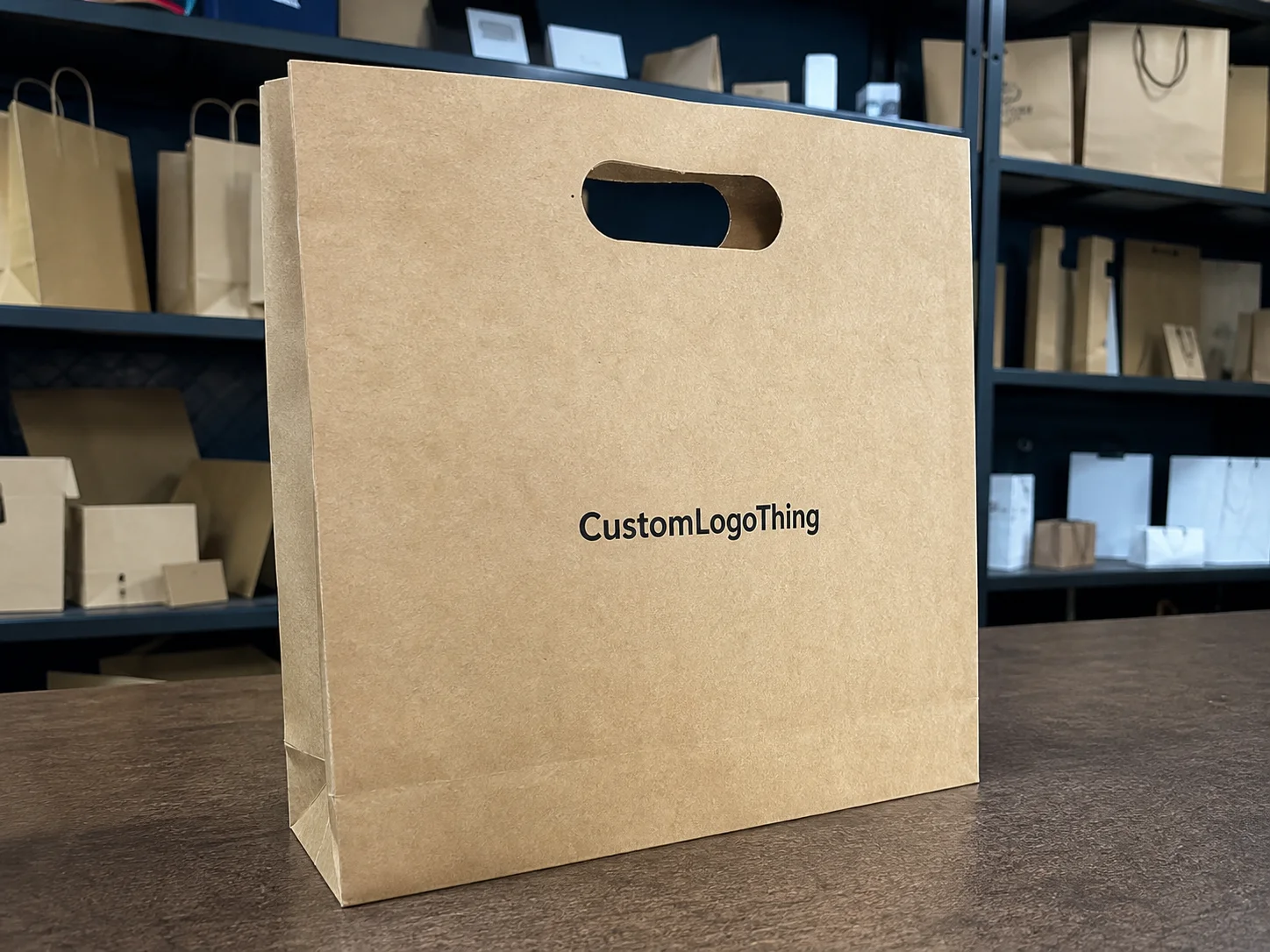
Most buyers do not need a perfect environmental story. They need a bag that is durable, presentable, and defensible. That is the real use case for custom recyclable bags. They are common in retail carryout, apparel, trade shows, lightweight food service, and e-commerce inserts where a full carton would be overkill.
In practice, the bag often carries more than merchandise. It carries the brand's first physical impression after checkout. That means the spec has to do two things at once: perform like a functional carrier and look intentional enough that the customer does not read it as disposable filler.
Here is where buyers get tripped up. A bag can be marketed as recyclable because the base resin is recyclable, yet still include details that weaken recovery: incompatible laminations, heavy coatings, non-recyclable labels, or decorative elements that complicate sorting. The result is a bag that sounds responsible but is hard to recover in the field.
The Environmental Protection Agency's recycling basics are a useful reference point for the underlying logic: EPA recycling basics. The key question is not whether a material sounds recyclable in theory. It is whether the bag is simple enough to be accepted and processed in the real system where it will be used.
That distinction becomes more important as the order grows. A small boutique run can tolerate a bit more manual handling. A large retail rollout cannot. Once the bag goes into circulation at scale, weakness shows up quickly: handles stretch, seals split, print scuffs, and waste builds from returns or repacking. The spec has to survive the way people actually handle bags, not the way the sample looked on a desk.
Pretty is easy. Durable is manageable. Recoverable is where the spec gets tested.
How Material and Print System Affect Recovery
Recovery starts with structure. Mono-material bags are usually the cleanest option because they keep the resin family consistent. A mono-PE or mono-PP bag gives recyclers a simpler input than a bag built from incompatible films, coatings, and adhesives layered together. That does not make it automatically recyclable everywhere, but it does remove a major obstacle.
Polyethylene is the common workhorse for many carry bags and mailer-style applications. It is flexible, resilient, and available in multiple gauges. Polypropylene can be a better fit when a buyer wants more stiffness, clearer presentation, or a slightly different hand feel. One is not universally better than the other. The right choice depends on load, appearance, and what recycling stream is realistic in the target market.
Printing is where many projects drift out of spec. Heavy ink coverage, metallic effects, lamination, pressure-sensitive labels, and non-essential coatings all add risk. None of those details are forbidden by default, but every one of them should earn its place. If the brand message can be delivered with a restrained color plan and a disciplined layout, that usually produces a cleaner bag and a cleaner recovery path.
Ink system matters too. A controlled flexographic or gravure print plan can keep graphics crisp without loading the bag with unnecessary decoration. Low-coverage designs tend to be easier to source and more consistent from run to run. Full bleed artwork is possible, but it must be treated as a production decision, not just an aesthetic one.
Thickness affects both performance and cost. Too thin, and the bag tears at the handle or seal. Too thick, and you pay for resin you do not need. A lighter apparel carrier may perform well in the 40 to 60 micron range. A heavier retail or grocery-style bag may need 60 to 100 micron, sometimes more if the load is concentrated at the top seal or handle. Those ranges are not decorative facts. They are the difference between a bag that feels dependable and one that fails in the parking lot.
For transit-heavy programs, testing helps. ISTA testing standards are a useful benchmark for thinking about drop, vibration, and compression, even when the project is not a formal lab qualification. Bags do not need over-testing. They do need enough validation to catch weak seals, bad handle geometry, and print problems before the full order ships.
Specs That Change Strength, Shelf Appeal, and Recovery
Size, gusset depth, gauge, handle style, and closure type are the decisions that actually determine whether the bag works. Buyers often begin with artwork and move backward. That sequence causes avoidable revisions because the visual system gets set before the load requirement is known. Packaging should start with what the bag must carry, then move into branding.
Handle choice is a good example. Die-cut handles are common and cost-effective, but they can concentrate stress if the top seal is weak. Reinforced patch handles improve durability, though they add cost and, in some builds, more complexity. If the order is intended to remain recyclable in practice, the simplest handle solution that still survives the use case is usually the right one.
Gusset depth changes the feel of the bag more than many buyers expect. A shallow gusset may look neat but can distort around boxed products. A wider gusset improves capacity and stability, especially for apparel, gift sets, or multi-item carryout. If the bag needs to stand upright at retail, that shape matters. If it needs to fold flat for distribution, that matters too. Geometry drives usability.
Print coverage affects both cost and perceived value. A clean two-color bag can feel sharper than a crowded design with too many visual effects. The point is not to strip the branding down to nothing. The point is to make every printed element earn space on the bag. The same discipline applies across broader retail packaging: more decoration is not the same thing as better branding.
Before requesting a quote, a buyer should have answers to a few practical questions:
- What is the maximum product weight the bag must hold?
- Will the bag be handed out in-store, packed in a shipment, or used at events?
- Which recycling stream is most realistic in the target market?
- How many print colors are actually necessary?
- Does the program need premium presentation, or just clean utility?
Those answers narrow the spec faster than any sales pitch. They also reduce the chance of overbuying features that look useful but add cost and risk without improving performance.
Process and Timeline: From Quote to Delivery
A good order follows a predictable path: spec collection, quote, artwork prep, proof approval, sampling, production, inspection, and shipping. The process is not complicated. The delays usually come from missing information, not from the manufacturing steps themselves.
Artwork is the most common bottleneck. Missing dielines, low-resolution logos, undefined colors, and late copy changes can stall production quickly. If the bag includes environmental claims, that language should be approved early. It is much easier to correct wording before plates or cylinders are made than after production has started.
Typical timing for standard orders looks like this:
- Sample development: 5 to 10 business days
- Proof approval after final artwork: 1 to 3 business days
- Production for standard runs: 12 to 18 business days after approval
- Rush production: often 7 to 12 business days, usually at a premium
- Freight transit: varies widely by mode and destination
Production time and delivery time are not the same thing. That sounds obvious until a launch date is close and freight adds a week. Buyers who ignore transit are the ones who discover that a fast factory schedule does not equal a fast arrival.
There are a few ways to shorten the timeline without cutting corners. Lock the structure early. Avoid unnecessary revision cycles. Confirm whether the order needs a recycled-content statement, a recyclability note, or no environmental claim at all. The cleaner the brief, the easier the schedule.
For larger packaging programs, it helps to align the bag with related components such as inserts, cartons, or shipper materials. If those items are managed in separate cycles, one delay can create a domino effect. Keeping the order family coordinated through the Custom Packaging Products catalog reduces that risk.
Cost, Pricing, and MOQ: What Actually Drives Unit Cost
MOQ exists because custom film conversion and printing carry setup costs that do not shrink much on small runs. There is tooling, plate work, waste, machine changeover, and labor before a single finished bag ships. For custom recyclable bags, the economics are similar to other Custom Printed Packaging: the fixed work gets spread across the run, so small quantities are disproportionately expensive.
Unit cost is driven mostly by five variables: material, bag size, gauge, print colors, and finishing. A standard one-color carrier and a fully printed retail bag are not in the same cost class. Neither are a compact apparel bag and an oversized carrier that needs more resin, wider seals, and stronger handles.
| Structure | Best For | Typical MOQ | Common Unit Range | Recovery Notes |
|---|---|---|---|---|
| Mono-PE retail bag | Carryout, apparel, lightweight goods | 3,000 to 5,000 units | $0.12 to $0.30 | Strong option when inks and add-ons stay simple |
| Mono-PP bag | Crisper look, higher clarity, gift retail | 3,000 to 5,000 units | $0.14 to $0.34 | Works best where PP recovery is realistic |
| FSC paper bag with simple print | Boutique retail, fashion, premium takeaways | 1,000 to 3,000 units | $0.20 to $0.55 | Fits paper recovery, not plastic recycling |
| Mixed-material or heavily finished bag | Niche visual effects | 5,000+ units | $0.25 to $0.70+ | Higher risk for real-world recovery |
Those are buying brackets, not promises. Final pricing moves with freight mode, origin, resin market conditions, color count, and whether the artwork is stable or still changing. Comparing quotes without checking thickness, print method, and delivery terms is how procurement teams end up comparing different products as if they were identical.
Watch the hidden costs. Sampling, plates, revisions, freight, duties, and rush fees can change the real landed cost more than the unit price suggests. Sometimes the lowest quote turns into the most expensive order once the corrections are counted.
Higher quantities usually reduce unit cost, but only if the design is locked and the inventory risk is acceptable. If the artwork or size is still changing, a pilot run is usually the smarter choice. Paying slightly more per bag is cheaper than holding thousands of units that no longer fit the program.
Common Mistakes That Make Recyclable Bags Miss the Mark
The first mistake is taking the sustainability label at face value. A bag can be marketed as recyclable while still using mixed layers, heavy coatings, or decorative elements that make recovery difficult. Clear does not automatically mean recyclable. It just means bad decisions are easier to see.
The second mistake is under-specifying the film or resin. Buyers trying to shave a small amount off the quote often end up with bags that stretch, split at the seal, or tear at the handle. That is false economy. A failed bag creates waste, rework, and customer frustration. Saving a fraction per unit does not help if the order does not perform.
The third mistake is ignoring local acceptance rules. A bag can be technically recyclable and still not fit the curbside or store drop-off system in the target market. That is why disposal guidance matters. Sometimes the right move is a simple printed instruction that tells the user how the bag should be handled after use.
The fourth mistake is skipping samples. A sample exposes handle comfort, print legibility, bag feel, and real-world fit with product inside. It also reveals weak seals and awkward dimensions before the run is locked. That is a cheap test if it happens early and an expensive lesson if it happens after shipment.
The fifth mistake is confusing visual polish with environmental performance. A glossy finish, metallic accent, or complex decoration can improve shelf presence, but it does not guarantee better recovery or better durability. In many cases, the simplest bag is the strongest commercial decision.
Expert Tips for a Cleaner Buy
Start with the simplest mono-material structure that still handles the load and supports the brand. If the bag can perform with fewer layers and fewer decorative add-ons, that is usually the better buy. Simple is not a downgrade. It is often easier to source, easier to explain, and easier to keep consistent across runs.
Ask for three things before production is approved: a written spec sheet, a sample, and recovery notes for the main market. The spec sheet should cover material, gauge, dimensions, handle type, print method, and pack format. The sample should be tested with real product weight, not just looked at. The recovery notes should tell the team whether the claim fits the actual disposal path.
If the design is still uncertain, use a pilot quantity. Pilot runs are not a sign of hesitation. They are the cleanest way to reduce risk when artwork, size, or material choice has not been fully proven. A smaller run can surface problems before the full spend lands.
Quality control should not stop at a visual inspection. A practical QC pass checks seal integrity, handle strength, print registration, film consistency, and carton packing count. If the order is meant for retail use, it should also be checked for scuff resistance and stacking behavior. Bags that look fine in a flat sample can behave very differently once packed in volume.
For brands building a wider packaging system, keep the bag aligned with the rest of the package family. If the carton, insert, and carrier all use different visual language, the customer experiences a fragmented brand. Consistency matters more than one isolated hero item.
The cleanest path is usually the one with the fewest moving parts: a clear spec, a practical material choice, a controlled print plan, and a realistic timeline. That approach produces custom recyclable bags that are easier to buy, easier to ship, and harder to get wrong.
Are custom recyclable bags actually recyclable after printing?
They can be, but only if the structure stays compatible with the relevant recycling stream. A recyclable base resin does not guarantee a recyclable finished bag if the design adds mixed layers, heavy coatings, metalized effects, or labels that interfere with recovery.
What material is best for custom recyclable bags?
Mono-PE and mono-PP are the most common practical choices. The better option depends on weight, clarity, stiffness, and the recycling options available in the market where the bag will be used. The right material is the one the end system can realistically handle.
How many bags should I order?
Order based on MOQ, forecast, and how stable the design is. If the artwork or structure is still changing, a pilot run is usually safer than committing to a large quantity too early.
How long does production usually take?
Typical lead time includes proofing, sampling, production, and freight. A standard run may take around 12 to 18 business days after approval, but shipping can add more time depending on the route and delivery method. Rush options exist, but they usually cost more and reduce flexibility.
How can I lower the unit cost?
Simplify the spec. Reduce print colors, avoid unnecessary finishes, confirm the size only once, and keep the material choice aligned with the actual load. Higher volumes can lower unit cost, but only if the design is locked and the inventory risk is acceptable.