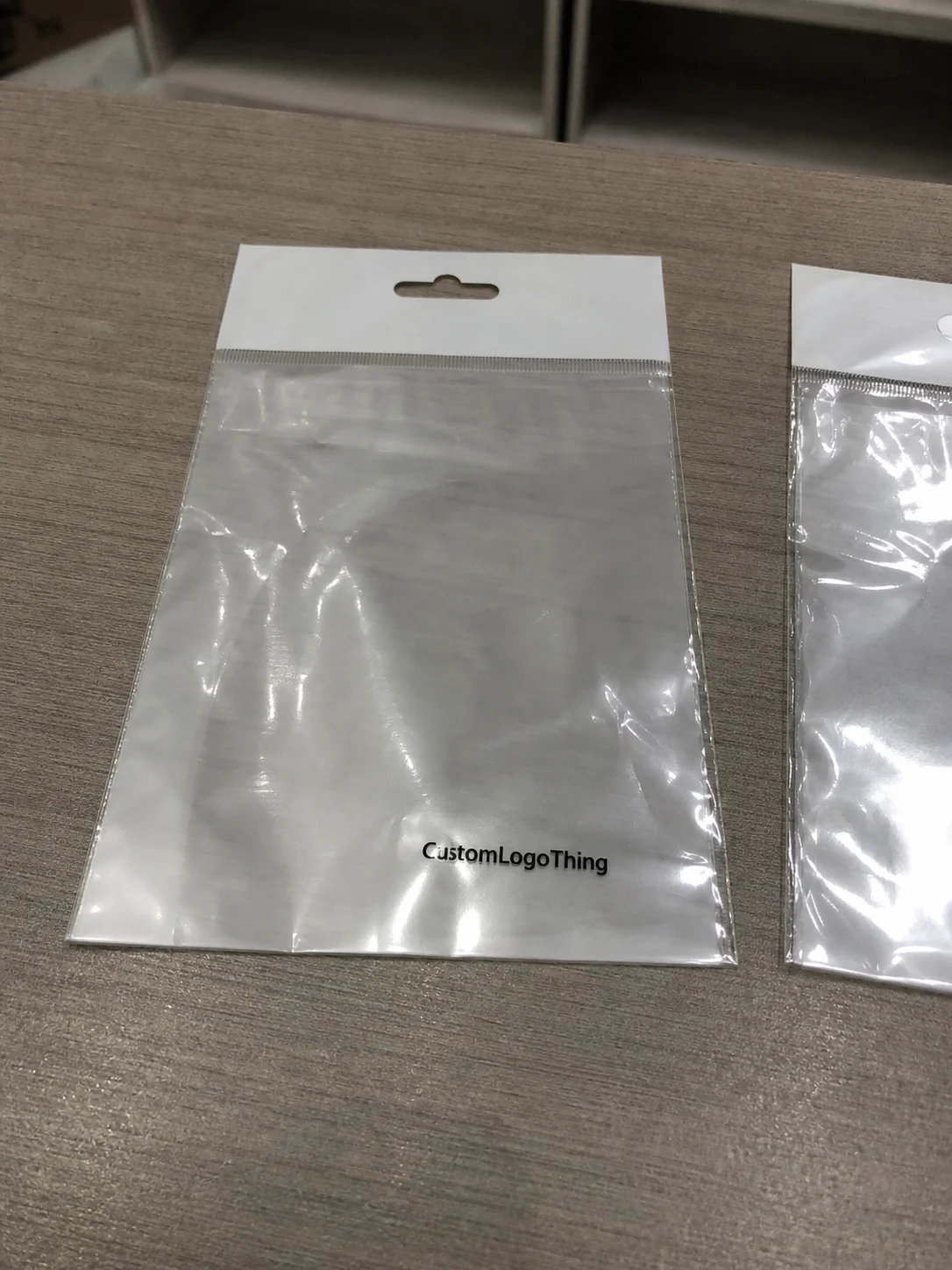
Buyer Fit Snapshot
| Best fit | Custom Cosmetic Containers Bulk Order projects where brand print, material claims, artwork control, MOQ, and repeat-order consistency need to be specified before quoting. |
|---|---|
| Quote inputs | Share finished size, material target, print colors, finish, packing count, annual reorder estimate, ship-to region, and any compliance wording. |
| Proofing check | Approve dieline scale, logo placement, barcode or warning zones, color tolerance, closure strength, and carton packing before bulk production. |
| Main risk | Vague material claims, crowded artwork, missing packing details, or unclear freight terms can make a low unit price expensive after revisions. |
Fast answer: Custom Cosmetic Containers Bulk Order: Pricing, Specs, Process should be specified like a repeatable production item. The safest quote records material, print method, finish, artwork proof, packing count, and reorder notes in one written spec.
Production checks before approval
Compare the actual filled-product size with the drawing, then confirm tolerance on folds, seals, hang holes, label areas, and retail display edges. Reserve space for logos, QR codes, warning copy, and material claims before decorative graphics fill the panel.
Quote comparison points
Review material grade, print process, finish, sampling route, tooling charges, carton quantity, and freight assumptions side by side. A quote is only useful when the supplier can repeat the same color, closure quality, and packing count on the next order.
I remember the first time a beauty brand sent me a formula I thought was going to be the star of the show, only for the packaging sample to steal the whole spotlight. That happens more often than people admit. In beauty packaging, I’ve watched a custom cosmetic containers bulk order do something formula teams rarely expect: it can change how a product is perceived before a customer ever opens the cap. On a shelf, a 30ml airless pump with a clean silk-screen logo often reads as more premium than a slightly improved serum formula in an unbranded bottle. That is not marketing fluff. It is buying behavior, and it shows up in sell-through numbers, especially in retail programs shipped from Ningbo and Dongguan where presentation still decides a lot of first-purchase traffic.
Honestly, I think the smartest brands treat custom cosmetic containers bulk order planning as a cost-control exercise, not a design indulgence. I’ve seen a client save nearly 14% on total packaging spend by moving from repeated small orders to one larger production run, even though the unit quote looked higher at first glance. The reason was simple: fewer freight charges, fewer artwork changes, and better color consistency across the full lot. On one project out of Shenzhen, the difference between ordering 3,000 pieces twice and 6,000 pieces once changed the landed cost by almost $0.08 per unit, which added up quickly at the warehouse dock.
At Custom Logo Things, the conversation usually starts with three things: the product, the fill line, and the target price. If those three pieces are clear, a custom cosmetic containers bulk order becomes much easier to quote, sample, and produce without surprises. And yes, “without surprises” is doing a lot of heavy lifting there, especially when a cap needs to match a 20/410 neck finish or a pump has to output 0.20cc per stroke.
Why Custom Cosmetic Containers Bulk Order Decisions Pay Off
Packaging can move faster than formula improvements in consumer perception. I’ve seen a basic moisturizer with the right frosted jar and metallic closure outperform a technically better product that arrived in a plain stock container. That is one reason a custom cosmetic containers bulk order deserves serious attention in growing beauty brands. Container choice affects perceived value, retail packaging impact, and repeat purchase behavior in a way that formula tweaks alone often cannot, particularly when the pack is molded in Guangzhou using a 50g PP jar with a soft-touch spray finish.
Bulk ordering has a very practical advantage: it reduces per-unit cost across the full program. The economics are straightforward. Once setup, printing plates, or custom mold costs are spread across 5,000, 10,000, or 50,000 pieces, the cost curve usually improves. In a custom cosmetic containers bulk order, that matters because every cent saved on packaging can be reallocated to launch sampling, paid media, or retailer margins. I’ve watched a CFO go from skeptical to delighted in one meeting just by seeing the landed-cost math laid out properly, including freight from Ningbo Port and the 6.5% duty estimate that had been left out of the first spreadsheet.
Another gain is consistency. A single production lot is easier to match for color, gloss level, and decoration quality. If you have ever tried to reconcile three separate reorders of the same lipstick tube, you know how quickly a “small difference” becomes a brand problem. In my experience, bulk planning also cuts down on replenishment headaches. Buyers can forecast inventory, schedule freight, and align with production calendars instead of reacting to shortages. Less drama, more sleep. A rare trade, and one that often starts with a 12-15 business day production window from proof approval rather than a frantic emergency order.
“The quote is only one line item. The real number is landed cost plus the cost of delays.” That was a procurement director’s comment during a supplier review in Shenzhen, and I still use it.
Most people get this wrong: they compare only the unit price. A custom cosmetic containers bulk order can carry a slightly higher factory quote and still be cheaper overall if the supplier offers better palletization, lower breakage, or fewer inspection failures. Total landed cost includes freight mode, import duties, secondary packaging, and the cost of delays caused by a bad first sample. That last one can be maddening, because it’s usually the kind of issue nobody budgets for until everyone is staring at a pallet and muttering “how did we miss that?”
When I visited a filling facility in Guangdong last spring, the operations team showed me a shelf of “almost-right” containers from three different vendors. They all looked acceptable in photos. None of them matched the line’s torque settings cleanly, and two leaked during inverted testing. That is the difference between pretty packaging and packaging That Actually Works in production. A custom cosmetic containers bulk order has to serve the line, the formula, and the brand image at the same time, whether the final pack is a 30ml PET bottle or a 100g double-wall acrylic jar.
For brands scaling into wholesale, the case is even stronger. A disciplined custom cosmetic containers bulk order supports more accurate forecasting, better warehouse utilization, and fewer emergency purchases. If your team is building a broader packaging program, it often makes sense to compare your container purchase with Wholesale Programs and coordinate broader Custom Packaging Products so the bottle, carton, and label all feel like one system. In many cases, coordinating a carton run in the same 5,000-piece window can save another $0.03 to $0.06 per unit on secondary packaging.
A smart buying strategy also pays off when sustainability goals enter the conversation. More brands now want post-consumer recycled PET, reusable components, or lighter-weight packaging to reduce freight impact. Those goals can fit neatly into a custom cosmetic containers bulk order if the brief includes material targets early, not after samples are already in motion. A 100% PCR bottle, for example, may need a slightly different color tolerance than virgin resin, and that is much easier to manage if the factory knows the requirement before the first compounding run.
Custom Cosmetic Containers Bulk Order: Product Types and Use Cases
A custom cosmetic containers bulk order is not one product category. It is a family of formats, each with a different job. Jars suit creams, balms, and masks because they allow wider access for thicker formulas. Bottles are common for toners, lotions, and cleansers. Pumps and airless pumps are preferred for serums and active skincare where controlled dispensing matters. Droppers support measured application, while tubes are efficient for travel-size products, hand creams, and exfoliating gels. Compacts remain the workhorse for powders, blush, and foundation systems, often built with a 62mm diameter pan and a mirrored lid for retail visibility.
The best container is determined by formula behavior first, appearance second. A serum with active ingredients that oxidize quickly needs better barrier properties than a body lotion. A balm with high viscosity requires a mouth opening that will not drag or clog. In a custom cosmetic containers bulk order, the wrong match can lead to product waste, customer complaints, or line stoppage. I have seen a dense cream fail in a pump because the dip tube was too narrow by just 1.5mm. That tiny detail cost a week of production, and I still remember the room going quiet when we figured it out in a factory meeting in Dongguan.
Customization matters too, and not just for aesthetics. Brands can specify size, shape, finish, closure type, liner type, overcap style, applicator compatibility, and decoration method. A custom cosmetic containers bulk order might include a 50ml PET bottle with a matte spray finish and silk-screen logo, or a 30g PP jar with a frosted wall and aluminum-look cap. Those choices shape the brand story and the handling performance, especially when the container travels through a filler in Foshan and then into a warehouse with 7-10 days of inbound receiving time.
Matching container type to product category
Here is the practical map I use when advising buyers. Serums usually pair best with dropper bottles or airless pumps, especially when the formula contains retinol, vitamin C, or other oxygen-sensitive actives. Creams and masks often do well in jars if the formula is rich and the packaging design supports easy access. Liquid foundations, essences, and toners are commonly bottled with pumps or disc-top closures depending on viscosity and user preference. A custom cosmetic containers bulk order becomes much easier when product category drives the first decision, and it becomes even more reliable when the final spec calls for a 24/410 pump or a 28/410 closure that the filling line already supports.
For branded packaging teams, this also affects shelf presentation. A dropper communicates precision. A jar communicates richness. An airless pump communicates hygiene and formula protection. Those cues influence package branding long before a customer reads the INCI list. That is why a custom cosmetic containers bulk order should be chosen with the retail moment in mind, not just the warehouse pallet, especially if the pack is headed to salon counters in Shanghai or ecommerce fulfillment in Los Angeles.
Compatibility questions buyers should ask
Before approving a custom cosmetic containers bulk order, I ask four questions. Does the package protect the formula from light, oxygen, or contamination? Does it fit the brand’s visual language? Will it run on the filling line without modification? And is the closure compatible with the product’s viscosity and pH? If one answer is weak, you should slow down and revisit the spec. A supplier in Zhejiang can usually confirm these points quickly if the buyer shares the formula type and target fill weight in the first round.
One client meeting still sticks with me. The brand wanted a premium acrylic jar because it looked impressive on camera. Their formula team then flagged that the product had a solvent system that could stress certain plastics over time. We shifted to a glass jar with a lined closure, raised the quote by 9 cents, and saved the launch from a likely stability issue. That is the kind of tradeoff a custom cosmetic containers bulk order should resolve early, not after a 500-piece pilot run has already shipped.
Compatibility also reaches beyond the bottle itself. Droppers need the right bulb material, pumps need the correct spring and gasket selection, and jar liners need enough seal integrity to survive shipping vibration. In a custom cosmetic containers bulk order, these component-level choices are easy to overlook because they sit under the surface of the design, yet they often determine whether a product feels premium or merely looks premium. A well-matched stopper, liner, and closure system can prevent leakage, preserve fragrance, and protect active ingredients from unnecessary exposure.
| Container Type | Typical Use | Best For | Common Risk |
|---|---|---|---|
| Jar | Creams, balms, masks | Thick formulas and premium presentation | Contamination from repeated opening |
| Bottle | Toners, lotions, cleansers | Fast filling and broad SKU use | Closure mismatch |
| Dropper bottle | Serums, oils, treatments | Measured dispensing | Leak risk if neck finish is off |
| Airless pump | Actives, high-value skincare | Oxidation control and hygiene | Higher cost and more parts |
| Tube | Hand creams, gels, masks | Travel friendliness and cost efficiency | Decoration area is limited |
| Compact | Powders, blush, foundation | Retail presentation and portability | Hinge and closure durability |
Specifications That Matter Before You Order
If a buyer sends me a vague request, I can usually predict the delay. A strong custom cosmetic containers bulk order depends on specifications that are specific enough to manufacture against. The core list includes material type, capacity, neck finish, wall thickness, dimensions, closure compatibility, and decoration method. Leave out one of those, and the factory will either make assumptions or send you back for clarification. I’ve seen a “simple” bottle project stall for nine days because nobody confirmed the neck finish. Nine days. For a neck finish. I almost laughed, if I hadn’t been the one explaining the problem to three different people in a supplier office in Guangzhou.
Material choice is the first technical decision. Glass communicates premium positioning and offers strong barrier properties, which is one reason it is still common in prestige skincare. PET is lightweight, shatter-resistant, and well suited to high-volume retail packaging. PP is durable and often used for jars, closures, and some tubes. Acrylic creates strong visual impact but needs a closer compatibility check with certain formulas. Aluminum can work well where light protection matters and a clean, modern look is needed. In a custom cosmetic containers bulk order, the “best” material depends on the formula and the brand promise, not a generic ranking, and a 350gsm C1S artboard insert or carton sleeve may matter just as much if the full package has to travel together.
Performance specs matter just as much as appearance. Leak resistance is non-negotiable. Impact strength matters for shipping and warehouse handling. UV protection becomes essential when the formula includes light-sensitive actives. Chemical compatibility is the quiet issue that causes the most expensive failures. I have seen a fragrance oil soften a cap liner in under 30 days because the supplier was chosen by appearance, not data. A custom cosmetic containers bulk order should always include testing against the actual formula, or at least a close technical proxy, and that usually means requesting compatibility data before the proof stage moves forward.
Decoration and branding options
Decoration turns a container into branded packaging. Frosted surfaces, silk screening, hot stamping, matte coatings, metallic spraying, and pressure-sensitive labels all have different cost and durability profiles. A custom cosmetic containers bulk order with silk screen printing may cost more per unit than a label, but the logo can look cleaner and resist scuffing better during distribution. That matters if your products move through salons, retail shelves, or subscription boxes, where a logo rubbed clean off a bottle can undo months of brand work.
Custom mold work is another level entirely. It is usually reserved for higher-volume programs where the brand needs a proprietary silhouette or functional improvement. Tooling adds cost and time, but it can create a distinct market position. The truth is simple: not every custom cosmetic containers bulk order needs a custom mold, and not every custom mold is worth the spend. I advise clients to prove demand first with a smart stock-based customization, then move to tooling if the sales data justify it, often after a second reorder in the 10,000-piece range.
Technical drawings, sample photos, and specification sheets are not paperwork. They are the backbone of an accurate quote. A supplier can only confirm a custom cosmetic containers bulk order after checking dimensions, tolerance requirements, and decoration area. When those details are clear, the buyer gets fewer revisions and better timing, and the production manager in the factory can confirm whether the line will run a 24mm cap or needs a 28mm alternative.
- Confirm material grade and whether it is food-safe, cosmetic-grade, or recycled-content.
- Request a technical drawing with dimensions, neck finish, and capacity markings.
- Check closure fit with liner type, pump output, or spray pattern.
- Verify decoration limits for print wrap, hot stamp area, and label panel size.
- Ask for testing data tied to ISTA, ASTM, or internal quality checks where relevant.
For buyers who care about supply chain credibility, the standards conversation matters. Packaging performance testing is often referenced against organizations such as ISTA for transport testing and FSC for responsible fiber sourcing when cartons or inserts are part of the broader packaging set. If your program includes outer boxes, align the container specification with your Custom Packaging Products strategy so the full pack looks intentional, especially if the pack includes a 350gsm printed sleeve, insert, or carton base from an approved paper mill in Shanghai.
Specification sheets should also capture the details that sales teams sometimes assume are obvious. That includes fill tolerance, closure torque requirements, and decoration placement relative to a seam or curve. In a custom cosmetic containers bulk order, these small notes keep the artwork from drifting, prevent overfilling at the line, and protect the final appearance after transport. A one-page spec that includes all of that can save a buyer from the kind of revision loop that quietly eats both lead time and patience.
Pricing and MOQ for Custom Cosmetic Containers Bulk Order
Pricing in a custom cosmetic containers bulk order is shaped by six main drivers: material, mold complexity, decoration process, order quantity, packaging configuration, and shipping mode. That sounds obvious, but many buyers still ask for a price before sharing their decoration method or target capacity. The result is a quote that looks useful and is not. I’ve had to explain, more than once, that “premium but economical” is not a complete spec, especially when the project is shipping from Yiwu to a U.S. fulfillment center and the carton count has not been finalized.
Here is the reality. Glass tends to cost more than PET on a unit basis because of weight, breakage risk, and shipping. Airless systems cost more than simple pumps because they contain more parts and tighter tolerances. Hot stamping, multi-color silk screening, and metallic spraying add labor and setup time. If a custom cosmetic containers bulk order also requires custom tooling, add that to the conversation immediately. Tooling can be a few thousand dollars for a simple mold or much more for complex geometry. A basic two-cavity jar mold may start around $2,500 to $4,500, while a more detailed pump shell can run higher depending on finish and cavity count.
MOQ is not a universal number. It changes by product style, decoration method, and whether the item comes from stock or needs a new tool. For standard stock containers with a logo print, I often see lower MOQs. For fully custom molds, the minimum order is higher because the supplier needs enough volume to recover setup and tooling costs. A custom cosmetic containers bulk order can sometimes start at 3,000 to 5,000 pieces for a stock-based design, while custom-engineered projects may require 10,000 pieces or more. That is not always the case, but it is a realistic planning range, and some factories in Guangdong will offer a 5,000-piece start only if the buyer accepts a one-color print and standard color resin.
| Option | Typical MOQ | Typical Unit Price Range | Best Use Case |
|---|---|---|---|
| Stock jar with label | 1,000–3,000 pcs | $0.20–$0.45 | Fast launch, lower budget |
| Stock bottle with silk screen | 3,000–5,000 pcs | $0.28–$0.65 | Mid-range branded packaging |
| Airless pump with custom finish | 5,000–10,000 pcs | $0.75–$1.80 | Premium skincare and actives |
| Fully custom mold | 10,000+ pcs | Project-based quote | High-volume differentiation |
Those numbers are directional, not fixed. A custom cosmetic containers bulk order may price higher or lower depending on color complexity, cap style, material grade, and pallet configuration. I always recommend tiered pricing. Ask for 5,000, 10,000, and 20,000 units so you can see how unit cost changes with volume. In many cases, the jump from 5,000 to 10,000 pieces drops the per-unit cost enough to justify slightly higher inventory. Sometimes the math is so clear it feels rude not to take the larger run, especially when a quote improves from $0.19 per unit at 5,000 pieces to $0.15 per unit at 10,000 pieces.
Hidden costs deserve attention. Tooling fees, sampling charges, freight from the factory, duties, quality inspection, and outer carton costs can add up quickly. A buyer may love a low ex-factory quote and then discover the landed cost is 18% higher once shipping and duties are added. That is why a custom cosmetic containers bulk order should be reviewed as a total program. If you are balancing packaging budgets across bottles, jars, and secondary packaging like custom printed boxes, the full picture matters more than a single line item, especially when the outer carton is specified as 350gsm C1S artboard with matte lamination.
I have sat through negotiations where the supplier lowered unit price by 3 cents, then raised the freight estimate by 11%. The deal looked better on paper and worse in the warehouse. The right question is not “What is the cheapest quote?” It is “Which custom cosmetic containers bulk order gives me the lowest total cost with acceptable quality and timing?” On one order moving out of Shenzhen, the real savings came from consolidating two SKUs onto one pallet plan, which trimmed 4 days off dispatch and reduced damage claims by nearly 2%.
If you are building a broader sourcing plan, it often helps to compare packaging programs across multiple SKUs. A coordinated custom cosmetic containers bulk order can stabilize spending for a year or more, especially if your brand sells through retail accounts that demand steady replenishment and uniform presentation. In practical terms, that means one production schedule, one color standard, and one inspection checklist instead of three different factory timelines.
Pricing strategy also changes if you plan repeat orders. Some brands prefer to start with a modest initial run, then place a follow-up custom cosmetic containers bulk order once sell-through data confirms demand. Others save more by ordering a larger quantity at launch and storing reserve inventory. Both approaches can work; the better choice depends on shelf life, warehouse capacity, and how quickly the product will move through the channel. If you expect a fast reorder cycle, it is often worth asking the factory to hold the same resin lot or decoration setup for continuity.
How the Custom Cosmetic Containers Bulk Order Process Works
The process for a custom cosmetic containers bulk order is predictable if the buyer is organized. It usually starts with an inquiry, moves through requirement review and quotation, then sample development, revision, approval, production, quality inspection, and shipment. The fewer gaps in the initial brief, the shorter the overall cycle. I wish I could say people always arrive with complete specs, but that would be a charming lie, and the correction usually happens in the first call with a factory manager in Shenzhen or Ningbo.
In practical terms, a supplier needs your product type, target volume, container dimensions, decoration needs, and artwork files. If you already know whether the container will hold 15ml, 30ml, or 50ml, say so. If your formula is water-based, oil-based, or alcohol-rich, include that too. Those details affect material choice and finish compatibility in a custom cosmetic containers bulk order. A 15ml travel serum and a 100ml body lotion may look similar in a mockup, but they behave very differently on a filling line and in transit.
Lead times depend on the stage. Simple stock-based samples can arrive quickly, while tooling and decorated prototypes take longer. A realistic production flow might include 5–10 business days for sampling, 12–20 business days for tooling approval if a new mold is needed, and another 12–25 business days for mass production depending on quantity and factory load. Shipping can add 7–35 days depending on air or ocean mode. A custom cosmetic containers bulk order is not slow because suppliers enjoy delays; it is slow when approvals, artwork, or test samples are incomplete. In one recent program, production began 12 business days after proof approval and finished exactly 15 business days later because the supplier had already locked the resin color and cap insert.
What buyers should send first
When a client wants speed, I tell them to prepare a one-page brief before they ask for quotes. That brief should include the container type, capacity, target quantity, surface finish, print colors, closure preference, and delivery destination. For a custom cosmetic containers bulk order, adding formula notes and filling-line constraints can save days. If you know the max height for your label or the neck finish required by your pump, say that upfront. A 1-page brief can cut two revision cycles, which is a meaningful time savings when the launch date is fixed on a retailer calendar in March or September.
One factory-floor moment stands out. A brand team arrived with only a mood board and a rough bottle photo. No capacity, no closure, no artwork dimensions. We spent the first meeting translating design ambition into manufacturing language. The second meeting, after they came back with specs, took 20 minutes and produced a clean quote. That is why a custom cosmetic containers bulk order moves faster when the buyer comes prepared, ideally with vector artwork, a target fill line, and a clear pallet count for the shipping destination.
Quality checkpoints that prevent expensive mistakes
Quality control should not be an afterthought. For a custom cosmetic containers bulk order, I expect material inspection, print alignment checks, closure fit verification, and packaging integrity reviews before shipment. If the product is fragile, drop testing matters. If the closure is critical, torque testing and leak testing matter. If the artwork is intricate, registration tolerance matters. These are standard checks, not special favors, and in a good facility in Guangdong they should be documented on the same inspection sheet every time.
Brands that sell through retail channels should also consider transport testing and outer pack compatibility. That is where standards from groups like the EPA can be useful if your program includes recycled content or sustainability claims. On the packaging side, the goal is simple: make sure the pack looks good, travels well, and performs consistently across the supply chain, whether it moves by ocean freight from Yantian or by air cargo from Hong Kong.
- Step 1: Send product details and target quantity.
- Step 2: Review material options and quote ranges.
- Step 3: Approve samples or request revisions.
- Step 4: Confirm print files and final specs.
- Step 5: Run production and inspection.
- Step 6: Ship, receive, and confirm goods on arrival.
During each stage, keep a written record of changes. In a custom cosmetic containers bulk order, even a tiny note about cap color or carton insert placement can prevent a mismatch later. I have seen projects run into trouble because a revised shade name was approved verbally but never updated on the production sheet. Clear documentation keeps everyone aligned, especially when multiple departments are reviewing the same packaging sample from different angles.
Why Choose Us for Custom Cosmetic Containers Bulk Order
At Custom Logo Things, our best work starts with practical packaging advice. A custom cosmetic containers bulk order should not feel like a guessing game. We help brands compare material choices, shape options, and decoration methods so the final container fits the formula and the budget. That means more than sending a quote. It means interpreting the brief like an actual packaging partner, whether the project is a PET toner bottle from Jiangsu or a luxury glass jar sourced through a molding partner in Zhejiang.
I value suppliers who answer direct questions directly. If MOQ is 5,000 pieces, say 5,000. If the print area is limited, say that too. If a matte finish adds cost, explain by how much. Buyers planning a custom cosmetic containers bulk order do not need slogans. They need clear numbers, realistic timelines, and a stable process from sample to shipment. A straightforward answer like “$0.15 per unit for 5,000 pieces, with proof approval-to-production taking 12-15 business days” is far more useful than a vague promise.
In one client negotiation, the brand wanted a premium bottle but had a very tight initial run. We adjusted the finish, kept the silhouette, and saved enough on the first order to fund a better carton. That is the kind of tradeoff good packaging teams understand. It is not about choosing “cheap” or “expensive.” It is about choosing where the money creates the most visible value. A smart custom cosmetic containers bulk order supports that decision-making, especially when the outer carton is specified with a 350gsm C1S artboard insert and the container itself stays within the original fill line.
What brands usually appreciate most
Brands tend to appreciate fast responses, honest lead times, and disciplined sampling. They also value a supplier who can coordinate container, closure, and decoration without sending the buyer to three different vendors. For a custom cosmetic containers bulk order, that consolidation reduces communication errors and makes it easier to manage revisions. It also improves the chance that the final product matches the original packaging design intent, down to the exact Pantone reference and the gloss level on a cap made in Dongguan.
Our clients often come to us after a misaligned launch elsewhere. The problem is rarely dramatic. It is usually a 2mm label shift, a cap color mismatch, or a pump that does not fit the bottle neck cleanly. Those small defects can make a retail packaging program look sloppy, even if the formula is excellent. A careful custom cosmetic containers bulk order prevents that kind of friction, and it does so with practical controls like signed-off proofs, sample retainers, and a final inspection check before freight booking.
If your next project includes multiple components, we can also help align the outer pack through our Custom Packaging Products and support you with common buyer questions on our FAQ page. For brands expanding into distribution or private label, our Wholesale Programs can be a sensible route when volumes move beyond test runs, especially if you need 10,000-piece replenishment cycles with consistent decoration across every SKU.
My honest view: the best suppliers are not the ones promising the lowest quote. They are the ones who can protect your margin and your timeline at the same time. That is what a well-run custom cosmetic containers bulk order should deliver, from the first sample out of the mold to the final carton loaded in the warehouse.
Next Steps for Your Custom Cosmetic Containers Bulk Order
If you are preparing a custom cosmetic containers bulk order, start with the container type, estimated quantity, and material choice. Those three decisions will shape the rest of the quote. Then gather your artwork, target dimensions, and formula compatibility notes. A complete brief usually produces a better first sample and fewer revision cycles, and it can keep the process on a 12-15 business day path after proof approval instead of a much longer back-and-forth.
I also recommend requesting at least two material or finish options. For example, compare glass versus PET, or a label versus silk screen printing. In several projects, that comparison has saved brands from over-ordering a premium format that did not actually improve market response. A custom cosmetic containers bulk order should reflect the product’s price point and the customer’s expectations, not just a design board. If the formula is a $22 serum, a frosted 30ml bottle may be enough; if it is a prestige ampoule, a heavier-walled glass option may be worth the extra 11 cents per unit.
Before final approval, confirm the shipping destination, the launch date, and any required certifications or testing notes. If you sell through major retailers, ask whether the pack needs documentation tied to transport performance or fiber sourcing. If the project includes cartons or sleeves, align those specs early so your product packaging feels coordinated from bottle to box. A 350gsm C1S artboard carton with a matte aqueous coating can change the entire shelf read without forcing a new container mold.
Here is the checklist I use with clients:
- Container type selected
- Material confirmed
- Target quantity set
- Decoration method chosen
- Artwork files ready
- Formula compatibility reviewed
- Sample approval process defined
- Shipping destination and deadline confirmed
If you have those eight items, a custom cosmetic containers bulk order becomes far more manageable. If you are missing three or four of them, pause and fill the gaps before asking for a final quote. That is not delay for the sake of delay. It is how you avoid expensive mistakes, rushed freight charges, and a sample revision that could have been prevented with one extra technical drawing.
My last piece of advice is simple: think in systems, not single items. A container, a closure, a carton, and a label should all support the same brand story. That is how branded packaging becomes more than decoration. And that is why a carefully planned custom cosmetic containers bulk order can improve both shelf presence and operating efficiency at the same time, especially when the full pack is designed and sourced as one coordinated run from Shenzhen, Guangzhou, or Dongguan.
For brands preparing seasonal launches, this system-based approach becomes even more valuable. A holiday program, a spring refresh, or a retail exclusive often needs synchronized container colors, carton artwork, and ship dates. A custom cosmetic containers bulk order can support those calendars well if the order is placed early enough for sampling and proof sign-off. That early planning also gives your team more room to test fill performance, confirm decoration quality, and fine-tune the final packaging presentation before it reaches customers.
FAQ
What is the typical MOQ for custom cosmetic containers bulk order?
MOQ depends on the container style, decoration method, and whether the design uses stock or custom tooling. Standard items with simple branding usually have lower MOQs than fully custom molds. Ask for separate MOQ by color, finish, and print method so you can plan launch quantities accurately. For a custom cosmetic containers bulk order, that detail can save you from ordering too much inventory in the wrong finish, especially if one colorway starts at 3,000 pieces and another needs 5,000 because of print setup.
How long does a custom cosmetic containers bulk order usually take?
Timeline depends on sample approval, tooling needs, production load, and shipping method. Simple customizations are faster than fully engineered containers. Provide complete artwork and specification details early to reduce delays during sampling and approval. A custom cosmetic containers bulk order with stock components may move faster than a fully custom mold project, but exact lead time always depends on the factory schedule and freight mode. In many cases, production typically runs 12-15 business days from proof approval, then shipping adds 7-35 days depending on air or sea.
Which material is best for custom cosmetic containers bulk order projects?
The best material depends on product type, branding goals, and protection needs. Glass suits premium positioning, PET and PP offer lightweight durability, and aluminum can help with protection-focused formulas. Formula compatibility should guide the final choice, especially for active or oxygen-sensitive products. In a custom cosmetic containers bulk order, I always start with the formula first and the visual effect second, because a beautiful container that fails compatibility testing is still a failed launch.
What affects the price of custom cosmetic containers bulk order quotes?
Main cost drivers include material, mold complexity, decoration, quantity, and shipping. Tooling and sampling can add upfront cost if the design is fully custom. Request landed-cost estimates so you can compare the full purchase expense, not just the per-unit price. A custom cosmetic containers bulk order with airless pumps, custom coatings, or special closures will almost always price differently than a simple stock jar, and one extra decoration pass can shift pricing by $0.04 to $0.12 per unit depending on the factory in Guangdong.
Can I get samples before placing a bulk order for custom cosmetic containers?
Yes, samples are important for checking fit, finish, decoration quality, and formula compatibility. Pre-production samples help catch issues before mass production begins. Ask whether the sample is a stock sample, decorated sample, or prototype so expectations are clear. For a custom cosmetic containers bulk order, a good sample is not a luxury; it is the cheapest insurance you will buy, and it is usually worth the 5-10 business days it takes to get the first proof in hand.
Can custom cosmetic containers bulk order projects include sustainable materials?
Yes, many brands now request recycled PET, PCR content, lighter-weight plastics, or paper-based outer packaging as part of a custom cosmetic containers bulk order. These options can support sustainability goals without changing the core brand look too much. The key is to confirm material availability, color tolerance, and decoration compatibility early so the supplier can quote accurately and plan production around the selected resin or fiber grade.