Buyer Fit Snapshot
| Best fit | Custom Die Cut Boxes Wholesale projects where brand print, material claims, artwork control, MOQ, and repeat-order consistency need to be specified before quoting. |
|---|---|
| Quote inputs | Share finished size, material target, print colors, finish, packing count, annual reorder estimate, ship-to region, and any compliance wording. |
| Proofing check | Approve dieline scale, logo placement, barcode or warning zones, color tolerance, closure strength, and carton packing before bulk production. |
| Main risk | Vague material claims, crowded artwork, missing packing details, or unclear freight terms can make a low unit price expensive after revisions. |
Fast answer: Custom Die Cut Boxes Wholesale: Specs, Pricing, Process should be specified like a repeatable production item. The safest quote records material, print method, finish, artwork proof, packing count, and reorder notes in one written spec.
Production checks before approval
Compare the actual filled-product size with the drawing, then confirm tolerance on folds, seals, hang holes, label areas, and retail display edges. Reserve space for logos, QR codes, warning copy, and material claims before decorative graphics fill the panel.
Quote comparison points
Review material grade, print process, finish, sampling route, tooling charges, carton quantity, and freight assumptions side by side. A quote is only useful when the supplier can repeat the same color, closure quality, and packing count on the next order.
I’ve watched brands spend $0.28 on a box and lose $1.40 on labor, inserts, and damage claims. That is why Custom Die Cut Boxes Wholesale matters so much: the box is never just a box, and the wrong spec can quietly drain margin on Every Shipment, especially when you are shipping 5,000 to 25,000 units a month from a warehouse in Dallas, Chicago, or Los Angeles.
I remember one subscription beauty audit where the team was stuffing way too much void fill into a carton that was already too large by 18 millimeters on each side. The packaging looked “safe,” sure. It also cost them an extra 22 seconds per order, plus a damage rate near 3.6% on glass items. Not exactly a victory lap. Once they switched to custom die cut boxes wholesale built around a 350gsm C1S artboard insert and a tighter 8 mm tolerance, their pack-out time dropped and the presentation improved immediately within two replenishment cycles.
That’s the real story here. custom die cut boxes wholesale is not about paying for fancy packaging. It is about fit, speed, protection, and repeatability across thousands of units. If you buy packaging regularly, or if your brand ships the same SKU every week, this is where the numbers start to matter, especially when a supplier in Guangdong quotes you $0.15 per unit for 5,000 pieces and the freight team in New Jersey starts asking different questions.
Why Custom Die Cut Boxes Wholesale Can Lower Total Packaging Cost
Most buyers look at unit price first. Honestly, I think that’s the wrong starting point in many cases. A stock mailer at $0.19 may look cheaper than a custom solution at $0.31, until you add 14 seconds of assembly time, extra tape, a damaged-return rate, and the cost of shipping empty space. In real operations, the box is only one line item, whether it ships from a facility in Vietnam, a converter in Dongguan, or a carton plant outside Monterrey.
custom die cut boxes wholesale lowers total packaging cost because the structure is built around the product. Every fold, slot, tuck, and lock serves a purpose. That means less filler, fewer packing mistakes, and less carton crush in transit. I’ve seen this firsthand with a candle brand shipping fragile glass vessels; once they moved from oversized stock cartons to a die cut shipper with an integrated insert cut from 1.5 mm paperboard, their breakage fell from 2.9% to under 1% over a six-week test.
There’s also a labor angle that many teams undercount. A box that opens cleanly, folds in one motion, and self-locks without tape can save a warehouse picker 10 to 20 seconds. Multiply that across 5,000 units and the labor savings can exceed the packaging delta. That is where custom die cut boxes wholesale becomes a supply chain decision, not a design exercise, especially in fulfillment centers where labor runs $18 to $24 per hour and every extra motion shows up on the stopwatch.
For e-commerce, retail packaging, subscription kits, and fragile products, die cut construction often outperforms generic stock formats because it is designed for the item itself. The carton’s geometry supports the product. The insert supports the movement. The print supports the brand. That combination is hard to beat with off-the-shelf packaging, whether you are shipping a 6-ounce serum bottle or a 2.8-pound electronics kit.
Wholesale buying adds another layer of efficiency. Recurring orders reduce setup friction, simplify forecasting, and stabilize your packaging design across seasons. I’ve sat in supplier negotiations where a brand was switching box sizes every quarter to chase a short-term price target. The warehouse hated it. The freight team hated it. The customer experience suffered. Predictable custom die cut boxes wholesale supply would have solved more than half the problem, and probably saved them a reprint in the third quarter.
There is a logistics side too. Better dimensional efficiency can reduce volumetric shipping charges, especially for brands using parcel carriers. If your product fits into a tightly engineered die cut carton, you are not paying to move dead air. That is a real cost, not a theoretical one. For businesses scaling into multi-SKU lines, this can mean stronger margins on every reorder, particularly when UPS or FedEx bills jump because the carton was 19 millimeters too tall.
“We stopped chasing the cheapest box and started tracking pack time, damage, and freight. The cheaper box was not cheaper.” That was a quote from a cosmetics director I worked with after a three-month packaging review in Singapore.
I also want to be direct about this: wholesale procurement works best when demand is recurring. If you have seasonal launches, multiple product sizes, or monthly replenishment, custom die cut boxes wholesale gives you purchasing leverage. You can forecast 10,000 or 25,000 units, lock in a structure, and avoid the scramble that comes with repeated one-off orders, especially when the production window in South China is already booked for the next 12 days.
For more packaging format options, I often point buyers to our Custom Packaging Products page and, for recurring volume programs, our Wholesale Programs overview. The right box family matters more than the fastest quote, particularly if your inventory sits in Phoenix, Atlanta, or Toronto and your ship dates are already fixed.
What Custom Die Cut Boxes Wholesale Actually Includes
At its core, custom die cut boxes wholesale includes a custom-cut sheet, a dieline, and a finished structure designed to fold into a specific shape. But that simple definition hides a lot of detail. A die cut box can include tabs, locking mechanisms, thumb notches, tear strips, display panels, inserts, window patches, and reinforced corners. The structure is the product, and on a 350gsm C1S artboard build, those folds matter down to the millimeter.
When I visited a folding carton converter outside Shenzhen in Guangdong Province, one operator showed me a stack of identical-looking cartons. Two were built for light apparel, one for glass serum bottles, and one for a tech accessory kit. They looked similar on the outside. Under load, they behaved very differently. That’s the part buyers miss when they compare only printed mockups. custom die cut boxes wholesale is really about engineering first, graphics second, and factory discipline second only because someone still has to keep the score lines aligned.
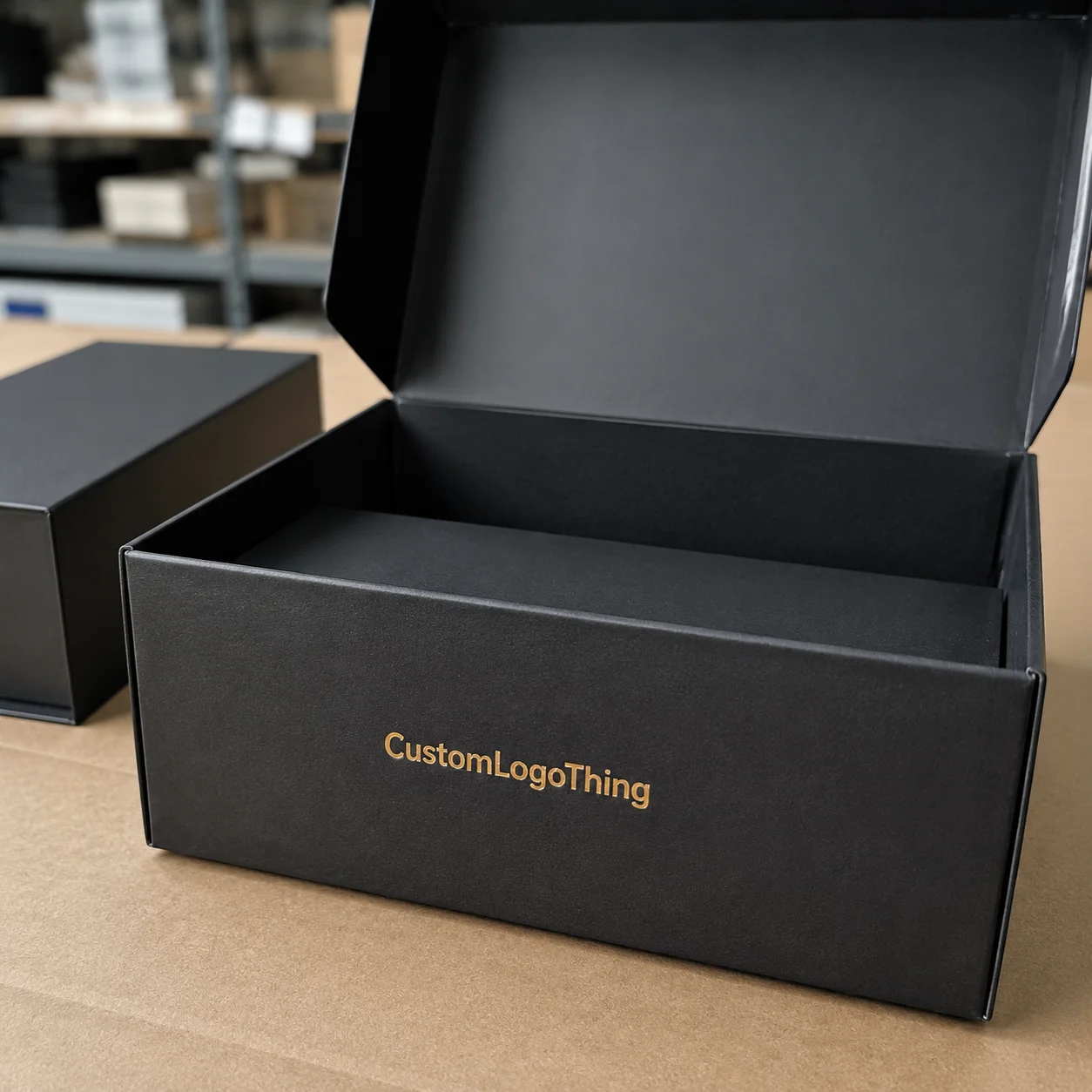
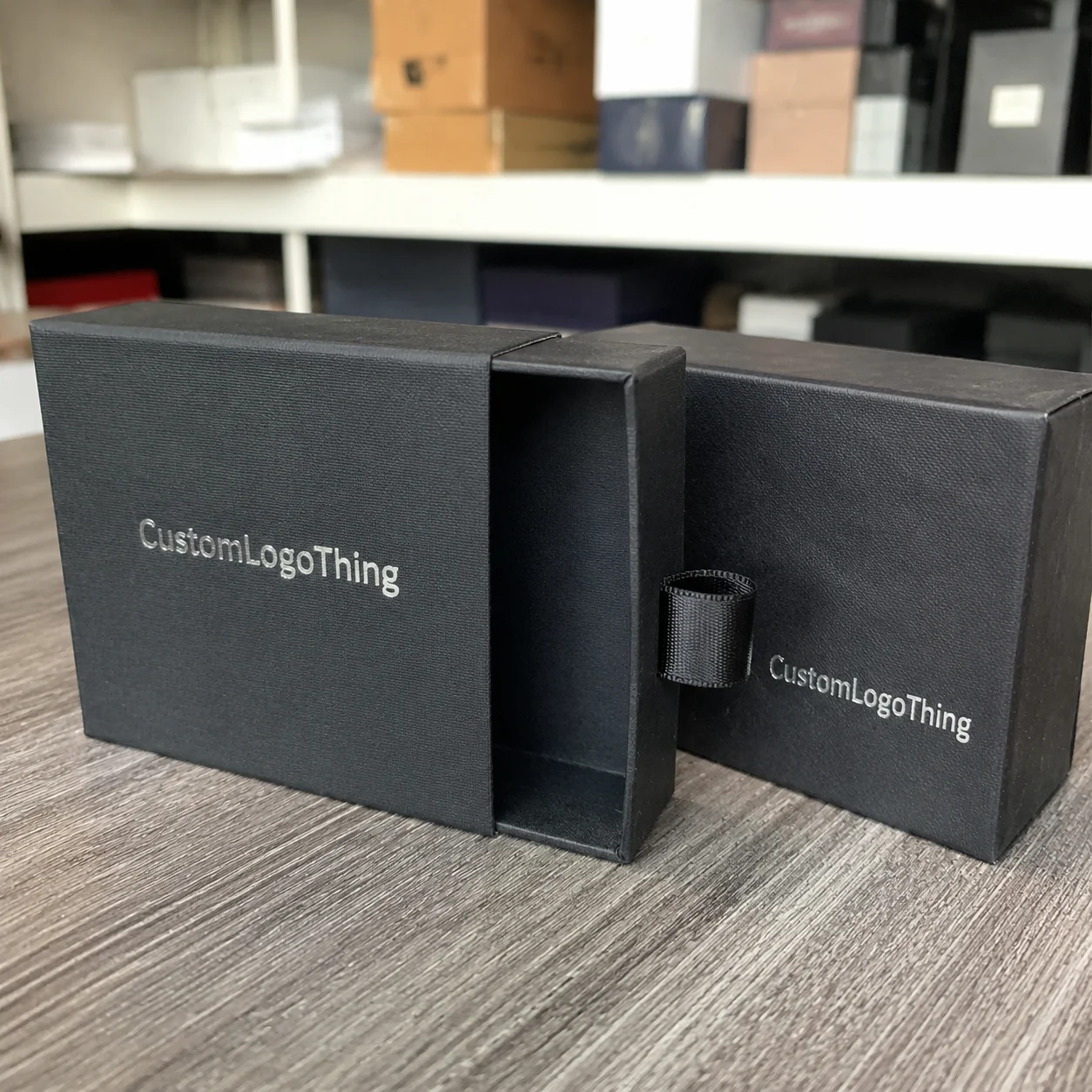
Common styles include mailer boxes, tuck-top cartons, presentation boxes, sleeve packs, product cartons, and rigid-style die cut constructions. Each has a different cost structure and packing workflow. A mailer box is useful for direct-to-consumer shipping because it self-locks and often eliminates tape. A tuck-top carton is better for retail display or shelf presentation. Presentation boxes are ideal for premium gift sets, while sleeve constructions can create a strong branded reveal without adding too much board weight. In one Shenzhen project, a sleeve pack added only 0.06 oz of board but increased shelf pickup by 11% in a two-store test.
Printing options also matter. Buyers often ask for outside print only, but inside print can make a plain unboxing into branded packaging with much better recall. CMYK works well for photographic art. PMS matching is useful when brand color accuracy matters, especially for beauty, supplements, and retail packaging. Coatings and finishes include aqueous coating, varnish, soft-touch lamination, embossing, foil stamping, and spot UV. Not all of these are useful on every box, and honestly, some brands overbuy finishing because it sounds premium. Premium is not the goal. Fit and function are the goal, and a $0.09 foil stamp will not fix a box that collapses in transit.
Here is the practical point: a well-designed custom die cut boxes wholesale program supports both brand and logistics. If a box looks great but ships inefficiently, it is expensive. If it ships well but feels generic, it weakens package branding. The best structure balances both. That balance is what separates thoughtful product packaging from a pretty sample that fails in production, usually after the first 300 units leave the warehouse in a rush.
Industries that benefit most include cosmetics, apparel, food-safe secondary packaging, electronics, candles, health and wellness, and gift sets. I’ve also seen Custom Printed Boxes work extremely well for promotional kits and influencer mailers, where the box itself becomes part of the content. In those cases, the packaging must photograph well, open predictably, and survive rough handling by fulfillment teams in Austin, Manchester, or Milan.
One more thing that buyers underestimate: inserts. Foam, paperboard, molded pulp, and corrugated inserts all change the feel and performance of the package. If your product shifts inside the carton, the design is unfinished. Good custom die cut boxes wholesale includes the right insert strategy from day one, not as an afterthought, and a 2 mm gap around a glass bottle is usually a bad idea unless you enjoy replacement orders.
Specifications That Matter Before You Order Custom Die Cut Boxes Wholesale
If you want a clean result, the specs need to be nailed down before production begins. I’ve seen a beautiful render turn into a production headache because a client approved dimensions before checking the insert cavity. The bottle fit on screen. It did not fit in the real carton. That mistake added two weeks and a second sample round at a plant near Ho Chi Minh City, and nobody called it a win.
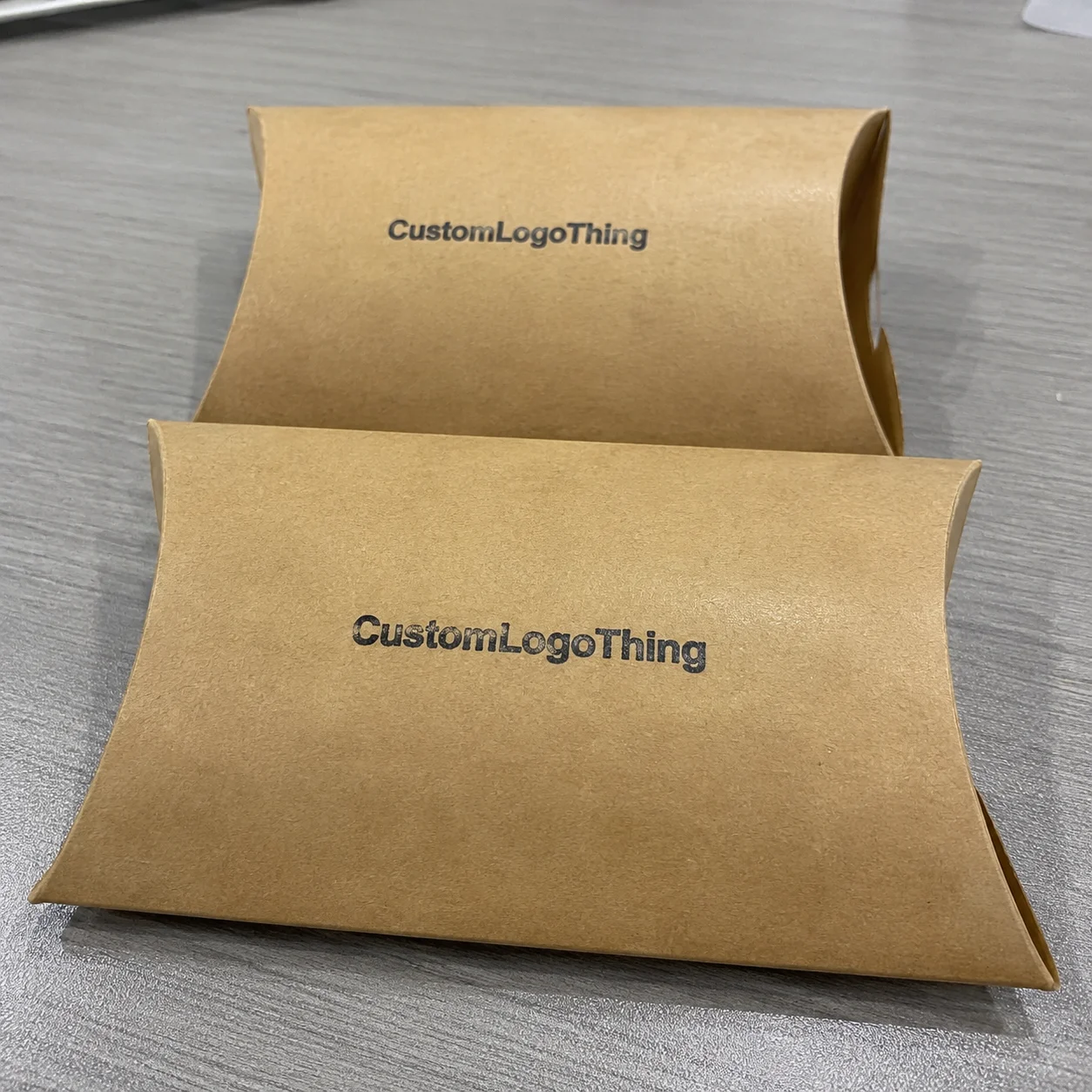
Start with material choice. SBS board, kraft board, corrugated E-flute, B-flute, and heavier paperboard all serve different purposes. SBS is a strong choice for retail cartons and premium print because it has a smooth surface. Kraft board gives a more natural, earthy feel and works well for eco-positioned brands. E-flute is thin and print-friendly for lightweight shipping boxes. B-flute offers more crush resistance and is better for heavier e-commerce or shipping applications. For rigid-style appearance, you may step up to thicker board constructions, depending on the product weight and presentation requirements.
Board caliper matters more than most buyers realize. A 16pt board behaves differently than a 24pt or 32pt board. That difference affects score depth, fold memory, locking strength, and how the box feels in the hand. In custom die cut boxes wholesale, the right caliper can prevent cracking at the fold and improve consistency across production runs, especially when the cartons are packed 1,500 units per pallet and stacked 6 high.
Tolerances are another critical detail. A 1.5 mm shift may not sound like much, but on a tight insert or shelf display it can change everything. On one retail packaging job I reviewed, the designer was proud of the clean illustration, but the shelf-facing panel was off by 2 mm because the dieline had not been checked against the final product sample. The box still worked. It just didn’t sit as intended. Small dimensional drift adds up, and in a warehouse in Rotterdam or Dubai, that drift turns into slow packing and annoyed operators.
Branding specs also need attention. The artwork file should be in the correct format, usually vector PDF or AI with outlined fonts. Bleed should typically be 0.125 inch or 3 mm, depending on the plant’s workflow. Safe areas matter for text, especially near folds and cut edges. Color consistency is another point. CMYK is common, but if your brand relies on a specific red, blue, or black, PMS matching may be worth the additional setup. I always tell clients that packaging design is only finished when it can be produced repeatedly, not just admired in a mockup from a designer in London who has never packed a shipper by hand.
Before ordering custom die cut boxes wholesale, confirm these specs in writing:
- Exact product dimensions, including closures and inserts
- Target box style and opening method
- Board type and caliper
- Print method and color standard
- Coating or lamination choice
- Insert material, if any
- MOQ and reorder expectation
- Shipping destination and freight constraints
That checklist may look basic, but it prevents costly revision loops. I’ve seen buyers approve a structure before checking the retail shelf depth, then discover they had ordered a carton 8 mm too tall for the display tray. A quick verification saves thousands later. Good custom die cut boxes wholesale ordering is not about guessing. It is about narrowing variables before the press ever starts, and that is how you avoid a second proof charge of $85 to $150.
For sustainability-minded teams, materials and certifications can matter as well. If recycled content or forest stewardship is part of the brief, ask for documentation and confirm supply chain claims. I often recommend buyers review standards and material sources through authoritative references such as the Forest Stewardship Council and packaging guidance from the EPA when sustainability claims are central to the brand story. If the box is meant to support eco positioning, the paper trail should support the message, not just the marketing deck.
Custom Die Cut Boxes Wholesale Pricing, MOQ, and Cost Drivers
Pricing for custom die cut boxes wholesale depends on a handful of variables, and size is only one of them. Material choice, print coverage, finishes, structural complexity, inserts, and order quantity all move the number. Buyers sometimes expect a single “box price,” but that is not how manufacturing works. A 4 x 4 x 2 inch mailer in kraft E-flute is not priced like a 12 x 9 x 4 inch folded carton with foil, spot UV, and an insert, especially if one runs out of a plant in Suzhou and the other is produced in Mexico City.
Let me put some practical ranges on it. For simple structural cartons, a wholesale run might price around $0.24 to $0.38 per unit at 5,000 pieces, depending on size and print. Add a custom insert and premium finish, and the cost can move to $0.42 to $0.78 per unit. Larger runs can push unit cost down further because tooling, setup, and press preparation are spread over more boxes. Smaller runs almost always cost more on a per-unit basis. That is normal, and yes, the factory in Dongguan will say the same thing without blinking.
MOQ logic is tied to setup economics. The die, plates, press adjustments, and quality checks create fixed costs. If those costs are divided across 500 units, the price is high. If they are divided across 10,000 units, the price gets far more efficient. That is why custom die cut boxes wholesale is especially attractive for brands with repeat demand. The structure becomes cheaper over time because the initial setup is already absorbed, not because the supplier suddenly developed charity.
I once negotiated with a supplier for a health and wellness brand that wanted 1,200 boxes, foil stamping, and a custom insert. The vendor was honest: the artwork was easy, but the finishing made the order behave like a short-run specialty job. We tested two options—one simplified, one premium. The simpler version saved 19% and still looked strong on shelf. That is the kind of tradeoff real packaging decisions require, and it usually happens after two calls, one revised quote, and a sample from a plant near Ningbo.
Hidden costs deserve attention. Freight can be significant, especially if the boxes are produced offshore. Proofing and pre-production samples may add modest charges. Die creation may be included in some quotes and separate in others. Assembly can matter too if the boxes ship flat but require hand packing before fulfillment. When comparing quotes, ask for a landed-cost estimate, not just unit price. A low quote with high freight is not a good deal, and neither is a cheap carton that requires 30 extra seconds of labor per case.
| Order Type | Typical Use | Approx. Unit Range | Cost Drivers |
|---|---|---|---|
| Short-run test order | Launches, samples, market tests | $0.40–$1.10 | Higher setup allocation, smaller volume |
| Wholesale replenishment | Recurring SKUs, monthly demand | $0.18–$0.55 | Better setup amortization, stable specs |
| Premium finished boxes | Gift sets, luxury retail packaging | $0.55–$1.50+ | Foil, embossing, inserts, specialty board |
That table is not a promise; it is a working framework. Final pricing depends on the exact spec sheet. But it does show why custom die cut boxes wholesale can be very cost effective once volumes rise. The more consistent the design, the more leverage you have, especially if your forecast sits at 8,000 pieces per quarter or more.
My advice is simple. Ask for three quote tiers: one at your target quantity, one lower for testing, and one higher for a true wholesale run. Compare the unit cost, the freight, and the setup fees together. If a vendor refuses to break out charges, push for clarification. Clear pricing is a trust signal. Vague pricing usually means trouble later, and I’ve seen enough “all-inclusive” quotes from factories in Hangzhou to know that mystery usually ends in a surcharge.
Ordering Process and Production Timeline for Custom Die Cut Boxes Wholesale
The ordering process for custom die cut boxes wholesale is usually straightforward, but speed depends on preparation. If the buyer provides dimensions, artwork, and a clear target material on day one, the schedule moves much faster. If the project starts with a vague sketch and no product sample, expect revisions. I’ve seen both cases in the same week, and guess which one missed launch by nine days.
Here is the typical workflow I’ve seen across folding carton and mailer box programs:
- Inquiry and requirements review
- Quote based on size, material, finish, and quantity
- Dieline creation or confirmation
- Artwork submission and prepress check
- Digital proof approval or structural sample review
- Production run
- Quality control and packing
- Shipping and delivery
That sequence sounds standard, but the real timing is in the details. A simple uncoated mailer might move from proof to production quickly. A premium carton with foil, embossing, and a custom insert can take longer because each step adds a review point. In my experience, custom die cut boxes wholesale projects usually land in a 12 to 15 business day production window from proof approval for standard jobs, while complex orders can stretch to 18 to 20 business days. International freight is separate, and that can add 4 to 10 business days depending on the route from Shenzhen, Ho Chi Minh City, or Mexico to your fulfillment center.
Proofing is where many projects slow down. If the buyer keeps changing artwork after the dieline is locked, the clock resets. If the product dimensions change after the sample is approved, the carton may need to be rebuilt. Clear internal sign-off before sending files is the fastest route. One brand I worked with had three people approving the same carton: marketing, operations, and the founder. The founder kept changing the tagline. We lost five days to copy edits on a box that was otherwise ready to run. The box never cared about the slogan. The factory did, because the press slot at the plant in Dongguan was already booked for Thursday.
Sampling options vary by supplier. A digital proof verifies layout and text placement. A structural sample confirms fit and fold behavior. A pre-production sample is the best checkpoint for high-value launches because it shows how the final carton will behave in the real run. I recommend a structural sample whenever the product is fragile, expensive, or tightly fitted. If you are ordering custom die cut boxes wholesale for the first time, do not skip this step just to save a small sample fee of $25 to $60.
Lead time planning should include inventory buffer. Freight variability is real. Port delays happen. Trucking schedules slip. If your demand is continuous, reorder before you hit the last 20% of stock. I’ve seen too many brands overrun on packaging because they treated the box as an afterthought. The result is delayed fulfillment, rushed air freight, and stress across the warehouse, especially when the pallets are still on a container in Long Beach or Savannah.
For teams who need stronger quality benchmarks, packaging standards can be useful references. The ISTA test framework is worth reviewing if the box must survive parcel shipping, vibration, or drop conditions. It doesn’t replace your own testing, but it gives structure to the conversation. That matters when shipping damage is driving returns or when a 24-inch drop test in Chicago reveals a fold issue you never saw in the sample room.
Good custom die cut boxes wholesale projects have one thing in common: disciplined approvals. Fast response from the buyer, accurate dieline review, and realistic shipping planning. That combination saves more time than any “rush” promise, and it costs a lot less than a second production run.
Why Choose Our Custom Die Cut Boxes Wholesale Program
Our approach to custom die cut boxes wholesale is built around one principle: the packaging should do its job without wasting money. That sounds simple, but in practice it means the structure, print, and production method all need to work together. I’d rather tell a buyer that a soft-touch finish is unnecessary than sell a premium feature that adds cost without improving the product experience, especially if the box is shipping from a plant in Shenzhen to a fulfillment center in Nevada.
What separates a good wholesale packaging partner from a weak one is consistency. If you reorder 8,000 boxes in June and 12,000 in October, the cartons should behave the same way. The fold should be the same. The score should be the same. The print should match closely enough that your branded packaging does not look like it came from two different suppliers. That repeatability is a real operational advantage, and it is worth more than a flashy PDF mockup.
In a recent supplier review, I watched a team compare four quotes. Two were low on paper but weak on communication. One promised too much and did not explain tolerances. The fourth asked about product weight, shelf life, and shipping mode before quoting. That was the vendor the client chose. Not because the price was the lowest, but because the questions showed they understood product packaging, not just carton output. That is how I evaluate custom die cut boxes wholesale partners, whether they are in California, Guangdong, or Mexico City.
We also help buyers avoid over-specifying. A brand might ask for foil, embossing, and soft-touch lamination because they want the box to feel premium. Sometimes that works. Sometimes it adds cost and slows production without changing sales. The better move is to match the finish to the channel. For high-touch retail packaging, a premium surface can matter. For shipping cartons, structure and print clarity usually matter more. A $0.07 coating is nice; a carton that fits the product is better.
Quality control is another reason buyers stay with a reliable program. Consistent board thickness, accurate die cuts, clean folds, and correct print registration reduce variation from run to run. That matters when you are packing at scale. One bad carton can slow a whole line. Ten bad cartons can create a warehouse headache. With custom die cut boxes wholesale, the goal is repeatability you can trust, not heroics on the packing floor at 6:30 p.m.
We also support different business stages. A startup may need a smaller test order before it commits to 5,000 units. A growing brand may need predictable reorder pricing tied to quarterly forecasts. An established company may need multiple SKUs across one packaging family. The wholesale model can support all three, as long as the specs are handled properly and the dieline is not guessed from a screenshot.
Our service focus is practical. That includes responsive quoting, dieline support, sample guidance, and direct communication on production and freight. If the spec needs a tweak, I want the buyer to know before we run the job. That level of clarity saves both sides time, and it prevents the classic “we thought it was 300gsm, but the plant cut 250gsm” surprise that nobody wants to explain to accounting.
And yes, we work well with Wholesale Programs for recurring demand and with our broader Custom Packaging Products line when a brand needs multiple carton types under one supplier relationship. It keeps the packaging system cleaner. That is not marketing fluff. It is easier on your operations team, especially if they are managing purchase orders from New York, Singapore, and Berlin at the same time.
Next Steps to Place a Custom Die Cut Boxes Wholesale Order
If you are ready to move forward with custom die cut boxes wholesale, start with the product itself. Measure the exact dimensions in millimeters or inches, including height, width, depth, closure, and any insert requirement. Then decide how the box will be used: shipped, shelved, gifted, displayed, or all three. That use case determines the correct structure, and a box for a 500g candle is not the same as one for a 40g serum vial.
Prepare these items before requesting pricing:
- Product dimensions and weight
- Target quantity and reorder expectation
- Preferred box style
- Artwork files or existing branding assets
- Finish preference, if any
- Shipping destination and timeline
- Any retail display or mailer requirements
Then ask for two or three material or finish options so you can compare cost and performance. A kraft mailer, a printed SBS carton, and an E-flute shipper may look similar in a mockup but behave very differently in the warehouse and during transport. Comparing options early is cheaper than redesigning late, and it is a lot less painful than discovering the wrong board after 2,000 units are already on a pallet in Ohio.
I also recommend confirming the dieline ownership and the sample type before production starts. Will you receive a digital proof only, or a physical structural sample too? Will the final approval deadline be tied to press booking? Those details affect the schedule. A buyer who asks these questions usually avoids surprises. A buyer who does not usually gets them anyway, plus a delay fee that shows up in the next invoice.
If your box will be used continuously, set a reorder schedule now. Don’t wait until you have 10 days of inventory left. Lead time, freight, and customs clearance can create gaps even on a good day. I’ve seen brands with strong sales lose momentum because packaging arrived late. The product was ready. The boxes were not. That’s a painful mismatch, especially when the sales team has already booked a launch in Miami or Vancouver.
Here’s the practical bottom line. custom die cut boxes wholesale works best when you think in systems: product fit, production repeatability, shipping cost, and brand presentation. Gather specs, request pricing, approve a sample, and set a replenishment plan. Do that, and the box stops being a headache and starts acting like part of the operation. Simple. Not easy. But simple.
FAQ
What is the minimum order quantity for custom die cut boxes wholesale?
MOQ depends on the structure, material, and print complexity. Simple mailers or basic folding cartons can often start around 500 to 1,000 pieces, while premium boxes with foil, inserts, or specialty coatings may start at 2,000 to 5,000 pieces. Ask for tiered pricing so you can compare a test run against a larger wholesale run. That comparison usually reveals the real cost break, and it helps if your production is running out of Dongguan, Ningbo, or Tijuana.
How much do custom die cut boxes wholesale cost per box?
Unit cost depends on size, board type, print coverage, finishing, and quantity. A simple 350gsm C1S artboard carton might come in around $0.15 per unit for 5,000 pieces, while a more finished build with inserts or special coatings can land between $0.42 and $0.78 per unit. For the most accurate view, request a landed-cost quote that includes freight, samples, and any setup charges.
How long does production take for custom die cut boxes wholesale?
Production time varies based on proofing speed, structural complexity, and finishing requirements. Standard jobs typically take 12 to 15 business days from proof approval, while complex orders with foil, embossing, or custom inserts can take 18 to 20 business days. Fast buyer approvals shorten the schedule more than almost anything else, especially when the factory is already managing a full press calendar in Shenzhen or Suzhou.
What file format is best for custom die cut box artwork?
Vector files are usually the best choice because they hold sharp edges and accurate print detail. The artwork should match the dieline exactly and include bleed where needed, usually 0.125 inch or 3 mm. Confirm safe areas and color format before sending final files, especially if the box includes tight folds or small type. A clean PDF from a designer in Toronto is a lot easier to run than a flattened JPG with missing fonts.
Which products work best with custom die cut boxes wholesale?
Products that need a precise fit, Better Shipping Protection, or stronger presentation benefit most. Common examples include cosmetics, apparel, electronics, candles, and subscription kits. If the product ships frequently, die cut packaging can improve packing consistency and reduce handling time. It is also a strong fit for products under 2 pounds that need a branded unboxing experience without excess filler.