Custom Dust Bags for handbags are easy to underestimate because they look simple. In practice, they sit between product protection, retail presentation, and storage discipline. A good dust bag keeps a handbag cleaner, reduces abrasion during handling, and prevents the kind of minor damage that turns into returns, complaints, or a dull first impression months after sale.
Buyers often focus first on the logo. That is a mistake. Fabric weight, seam quality, fit, and closure behavior matter more than decoration once the bag is in use. A branded pouch that sheds lint, pills, or traps a bag too tightly does more harm than a plain one that is well made. The best programs treat the dust bag as part of the product system, not an accessory added at the end.
There is also a practical brand value here. The customer sees the dust bag before the handbag in many retail or e-commerce unboxings, and that sequence shapes perception fast. A clean, well-finished bag says the brand understands detail. A flimsy one suggests the opposite, even if the handbag itself is excellent.
Custom Dust Bags for Handbags: What They Actually Do
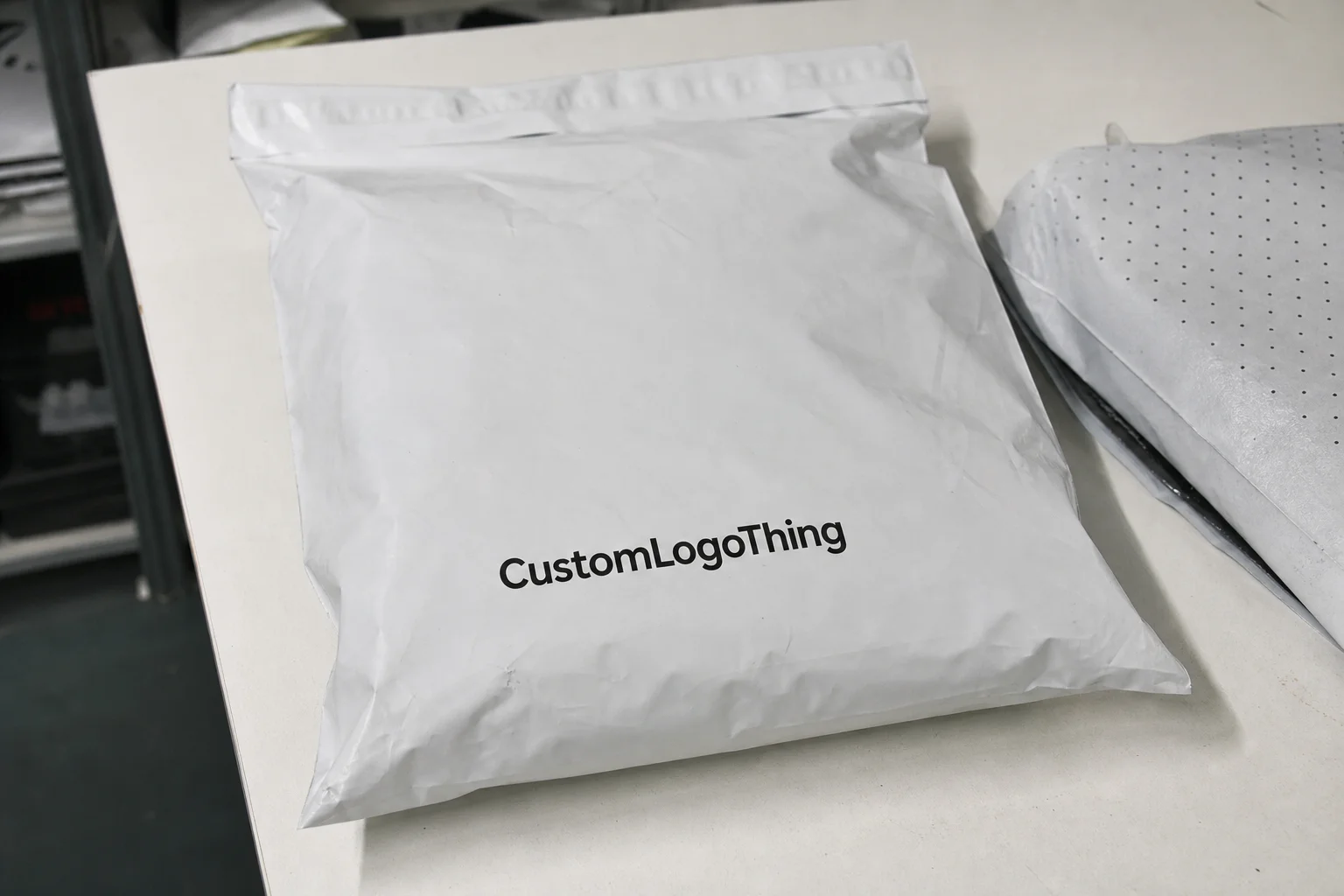
The first job is protection. Handbags move through warehouses, retail stockrooms, shipping cartons, and closets where dust, friction, and pressure are unavoidable. A dust bag creates a buffer between the handbag finish and the surrounding environment. That matters most for soft leather, suede, coated materials, and polished hardware that can show wear quickly.
The second job is storage. Many handbags are sold with straps, chains, clasps, or removable inserts. Those parts create contact points that rub against the surface if the bag is stored loose. A proper dust bag keeps the item organized and helps prevent chain marks, handle creasing, and scuffs around corners and feet. It does not replace tissue, inserts, or structured carton protection, but it reduces the amount of contact damage those other components have to absorb.
The third job is presentation. Custom dust bags for handbags can make a product line feel more coherent, especially for boutique retail, private label, and gift-oriented packaging. The customer may never measure the fabric weight, but they do register whether the closure feels secure, the print looks crisp, and the bag matches the rest of the packaging program. That impression carries weight.
Performance usually comes down to four variables:
- Fabric weight and softness, which influence hand feel and abrasion risk.
- Weave or density, which affects dust resistance and opacity.
- Fit, which controls whether the handbag is protected or compressed.
- Closure style, which determines how easily the bag stays closed in storage or transit.
That combination matters more than a generic “premium” label. In packaging, vague claims are cheap. Measurable specs are what prevent failure.
For brands that already manage tissue, inserts, and outer cartons, dust bags should be evaluated alongside other branded packaging components such as Custom Packaging Products. A coordinated system is more effective than a stack of unrelated parts that each look acceptable on their own.
Industry testing standards can also be useful even if you are not running a formal certification program. Guidance from groups such as ISTA helps frame transport risk, while material stewardship references such as FSC are helpful if your broader packaging strategy includes responsible sourcing goals. The point is not to over-certify a pouch. The point is to think like a packaging engineer, not a graphic designer.
How the Bag Design Protects the Handbag and Brand Image
Protection begins with the surface touching the handbag. A soft, low-friction inner face reduces the chance of rubbing on smooth calfskin, coated leather, or delicate synthetic finishes. If the fabric is too rough, it can leave faint marks, especially where metal hardware, feet, or chain straps press against it during movement. That risk is small on a mockup and obvious after repeated handling.
Opacity is another quiet factor. A denser weave or better-quality nonwoven material blocks dust more effectively and usually performs better over time than a thin sleeve. It also hides the handbag better, which matters for retail storage and premium presentation. A customer opening a box often interprets opacity as quality without thinking about it directly.
Fit is where a lot of programs drift off spec. If the dust bag is too small, handles bunch up, corners flatten, and seams are strained. If it is too large, the handbag slides around and creates friction inside the pouch. Both cases reduce protection. The right fit gives enough clearance for easy insertion while keeping the bag stable.
“A dust bag should disappear during use and show up in the brand experience. If it draws attention, the spec probably missed something.”
Brand image is shaped by details that seem minor on a spreadsheet. Cord thickness, seam finishing, print clarity, and logo placement all influence how the packaging reads in hand. A clean one-color print on well-cut cotton usually feels more restrained and refined than a crowded design with weak stitching. Buyers who evaluate only artwork often miss that the physical build does most of the persuasion.
Different handbag shapes need different handling logic:
- Soft totes need room to avoid compression and surface wrinkling.
- Structured satchels need enough depth to preserve corners and top lines.
- Mini bags benefit from tighter fit control so the bag does not flop around inside.
- Bags with chains, feet, or long straps need extra attention to internal clearance so hardware does not grind against the fabric.
That is why packaging teams often insist on a real sample instead of relying on a dimension sheet. A product can be nominally 12 inches wide and still behave very differently once handles, gussets, and hardware are added. Measurements matter, but they are only the starting point.
Material, Size, and Closure Factors to Spec
Material selection usually starts with three common options: cotton, nonwoven polypropylene, and polyester-based fabrics. Cotton is still the most familiar choice for custom dust bags for handbags because it feels soft, breathes reasonably well, and reads as more premium than many synthetic alternatives. Typical weights often fall around 80 to 120 gsm, depending on the desired opacity and hand feel. Thicker cotton tends to feel more substantial, though it also raises cost and may increase fold bulk in the carton.
Nonwoven polypropylene is generally chosen for cost control and simpler production. It can do the basic job of shielding a handbag from dust and light handling, especially for high-volume programs where the packaging is not expected to carry a luxury textile impression. It is practical, not glamorous. That can be the correct answer for the channel.
Polyester blends and brushed materials sit between those extremes. They often feel smoother than basic nonwoven construction and can support a more polished internal packaging experience. Brushed finishes are useful when the brand wants a softer touch against delicate surfaces. The tradeoff is higher cost and, sometimes, a longer approval cycle because tactile judgment becomes more important.
Size should be based on the actual handbag line, not the marketing description. Measure full height, width, and depth, then account for handles, straps, hardware, and any internal inserts. A dust bag that fits the body of a tote may still fail if the handles bunch up at the top or a chain strap creates a hard lump. A physical sample check is more reliable than a dimension list alone.
Closure choice affects both usability and budget. Drawstrings are the most common because they are durable, simple, and easy to operate repeatedly. Ribbon ties can feel more gift-like, but they are less durable under frequent use and can loosen in handling. Toggle closures add convenience in some programs, though they also add parts and cost. Flap-style closures are less common for handbags, but they can work in coordinated accessory sets.
Decoration should match the way the product will be sold. Screen printing is often the cleanest and most economical choice for volume. Woven labels can work well when the fabric texture is already busy or when the brand wants a more restrained mark. Embroidery creates a premium effect, but it increases setup time and can distort on thin material. Interior tags are useful when the bag needs care instructions, fiber content, or branding without crowding the outer face.
| Option | Typical Material | Best Use | Relative Cost |
|---|---|---|---|
| Basic nonwoven pouch | PP nonwoven, 70-100 gsm equivalent | Entry-level retail packaging and transit protection | Lower |
| Printed cotton dust bag | Cotton, 100-120 gsm | Boutique retail, premium product packaging, gifting | Mid |
| Brushed premium bag | Polyester blend or brushed textile | Luxury presentation, softer hand feel, structured brands | Mid to higher |
| Embroidered version | Cotton or blended fabric | High-touch brand programs with stronger visual identity | Higher |
There is no universal “best” material. There is only the material that fits the protection target, price ceiling, and brand positioning. If the bag is meant to support a luxury line, thin nonwoven material will usually be a mismatch. If the bag is meant to protect a high-volume wholesale line at controlled cost, cotton may be more expensive than the program can justify.
For the rest of the packaging system, consistency matters. Dust bags should feel related to the outer carton, tissue, and inserts. That does not mean every component should match exactly. It means the same level of finish should be visible across the set.
Production Steps, Timeline, and Approval Milestones
A clean order usually follows a fixed sequence: inquiry, spec review, artwork confirmation, material selection, sampling, sample approval, bulk production, packing, and shipment. The structure is straightforward. The delays come from missing details. Unclear dimensions, poor logo files, and vague finish expectations create back-and-forth that costs time long before production starts.
Sampling is where most of the risk should surface. This is the stage to test fit, seam strength, cord length, print clarity, and how the bag closes after repeated use. A sample that looks fine but opens awkwardly or sits too loose around the product is not a good sample. It is an early warning.
Typical lead times vary by complexity and quantity. A simple unprinted bag with standard material can move faster than a custom embroidered version or a specialty textile build. In many production runs, sampling takes about 5 to 10 business days, then bulk production runs about 12 to 20 business days after approval. If the material has to be sourced specifically or the order lands in a crowded manufacturing period, that window can stretch.
There are a few approval milestones that should not be skipped:
- Confirm exact handbag dimensions, including handle or strap height.
- Approve the material sample, not just the name of the material.
- Check logo position, scale, and color against the actual fabric.
- Test closure behavior with the final product inside the bag.
- Confirm packing format for bulk shipment and final carton count.
If the dust bag is tied to a launch, seasonal release, or trade show schedule, add buffer time. One revision round is common. Two is not unusual if the first fit sample exposes an issue. Buyers who plan for that reality usually keep the project under control. Buyers who assume perfect first-pass production tend to miss deadlines.
Approval should also cover practical handling, not just appearance. Can the customer open the bag easily? Does the cord stay closed? Does the fabric hold shape after folding? These are small questions until the bag is used 200 times in stock handling or customer storage. Then they become obvious.
Pricing, MOQ, and Unit Cost Factors
Pricing depends on a few basic variables: fabric choice, bag size, closure style, decoration method, and order quantity. A larger bag uses more material. Embroidery adds setup and labor. A better fabric costs more. The pricing pattern is predictable, which is useful because it means most surprises can be prevented by writing the spec carefully.
MOQ matters because setup costs have to be spread across the run. Cutting, printing screens, embroidery files, and labor scheduling all create fixed overhead. Small orders carry a higher unit cost because the production math has less room to absorb those fixed costs. Repeat orders usually improve pricing because the process becomes more efficient and the risk drops.
For rough planning, market ranges often look like this:
- Basic nonwoven dust bags: often around $0.18 to $0.35 per unit at larger quantities.
- Printed cotton bags: often around $0.30 to $0.65 per unit depending on size and print coverage.
- Embroidered or premium-finish versions: often around $0.60 to $1.20+ per unit.
Those figures move with quantity, freight, labor, and whether the quote includes sampling, packaging, or setup. A low unit price can be misleading if it excludes print preparation, sample charges, or delivery costs. The quote should be read as a program cost, not a sticker price.
Comparisons only work if every quote uses the same basis. Same dimensions. Same material. Same closure. Same decoration. Same delivery terms. Without that, the cheaper number may simply reflect a thinner fabric or fewer finishing steps. In other words, the number is lower because the spec is weaker.
Channel matters too. Boutique retail and luxury private label can support more expensive packaging because the customer experience depends on it. Wholesale programs usually need tighter economics. The right answer depends on how visible the dust bag is, how much handling it sees, and whether it is part of the brand promise or simply a protective insert.
Common Mistakes When Ordering Handbag Dust Bags
The most common mistake is choosing size from a generic chart instead of testing the actual handbag. A bag that seems close on paper can be wrong once handles, feet, or hardware are included. Too tight and the handbag is compressed. Too loose and it shifts around, which creates a different kind of wear.
Another mistake is overvaluing print. A sharp logo does not rescue a weak pouch. If the fabric feels flimsy, pills quickly, or lets dust through, the customer notices that first. Packaging is tactile before it is visual. That order matters.
Skipping sample approval causes avoidable problems. Color can shift slightly on different fabrics. Cord length can feel awkward. Logo placement can sit too high or too low. None of those issues is catastrophic in isolation, but together they make the product feel less considered.
Some teams also forget to define the use case. A dust bag for boutique display is not the same as one for warehouse storage or travel protection. Display packaging can lean more polished. Storage packaging needs durability. Travel use needs easy opening and a fit that tolerates movement. A good spec begins with the use case, not the decoration.
Another quiet problem is treating the dust bag as a standalone item. If the handbag ships in a custom printed box with tissue and inserts, the pouch should work with that system. If each component is designed separately, the result often looks assembled instead of designed.
There is also a quality control issue that gets missed often: seam inspection. Loose threads at the cord channel, uneven top hems, and weak side seams are small defects that can signal broader inconsistency. On a basic pouch, these flaws are visible immediately. On a premium line, they are especially hard to excuse.
Expert Tips and Next Steps for a Cleaner Order
Start with a short spec sheet. Include handbag dimensions, target quantity, material preference, logo file, closure style, and the finish level you want the customer to feel. A single page is often enough to eliminate most quoting errors. It also gives suppliers less room to interpret the job loosely.
Request a sample in the exact fabric and closure style you plan to use. Then test it with the actual handbag. Check opacity by holding it to light. Check hand feel with hardware inside. Check closure behavior after repeated opening and closing. That small amount of testing is usually cheaper than fixing a bulk run.
Build the quote around the entire program, not just the unit bag price. Sampling, packaging, freight, setup, and delivery terms all affect the real cost. Comparing only the headline number is a common mistake, especially in packaging where the cheapest option can become expensive once everything is added back in.
For custom dust bags for handbags, the best results usually come from restraint. Use the lightest material that still protects the product, the cleanest decoration that still supports the brand, and the tightest fit that still allows easy handling. If those three points are right, the bag does its job without drawing attention to itself.
That is the standard worth aiming for. Not flashy, not overbuilt, just correct. In packaging, “correct” is often the same thing as premium once the customer starts handling the product.
For broader substrate and format comparisons, sources such as The Packaging Institute can help frame decisions across the full packaging program.
What material works best for custom dust bags for handbags?
Cotton is a strong default if you want a soft hand feel, breathable protection, and a more premium presentation. Nonwoven polypropylene is often better for lower-cost programs that need basic dust protection and efficient production.
How do I choose the right size for handbag dust bags?
Measure the handbag’s full height, width, and depth, then include handles, straps, feet, and hardware that affect fit. The dust bag should be easy to use without leaving so much extra room that the product moves around inside it.
What affects the price of custom handbag dust bags the most?
Fabric type, bag size, decoration method, and quantity usually have the biggest impact on unit cost. Small orders, embroidery, and specialty materials tend to raise the price because they increase setup or labor complexity.
How long does production usually take for custom dust bags for handbags?
Simple designs with standard materials can move relatively quickly, while premium or specialty versions take longer. Sampling, artwork approval, and material availability are the main factors that affect the schedule.
Should handbag dust bags be printed or embroidered?
Printing is usually the better choice for clean logo placement and lower cost at scale. Embroidery can look more premium, but it adds cost, setup time, and material constraints that do not fit every program.

