Custom Dust Bags for purses do more than keep a handbag clean. They shape how the product is stored, how it is handled in transit, and how it feels when the customer opens the box for the first time. That matters because the dust bag rarely disappears after purchase. It usually stays with the bag for years, moving from closet to shelf to luggage and back again. A small piece of packaging can quietly influence how durable, considered, and premium the whole purchase feels.
The strongest programs treat the dust bag as part of the product system, not a loose add-on. It needs to protect leather, hardware, coated fabric, or suede without creating friction in use. It should fit the purse cleanly, pack efficiently, and carry branding in a way that looks deliberate rather than crowded. If a handbag line already uses coordinated packaging, the dust bag should belong in that same family of decisions alongside Custom Packaging Products.
A dust bag is one of the few packaging components that a customer may keep for the life of the handbag. That makes material feel, stitching quality, and fit more important than the unit cost alone suggests.
Why purse dust bags matter more than most buyers expect
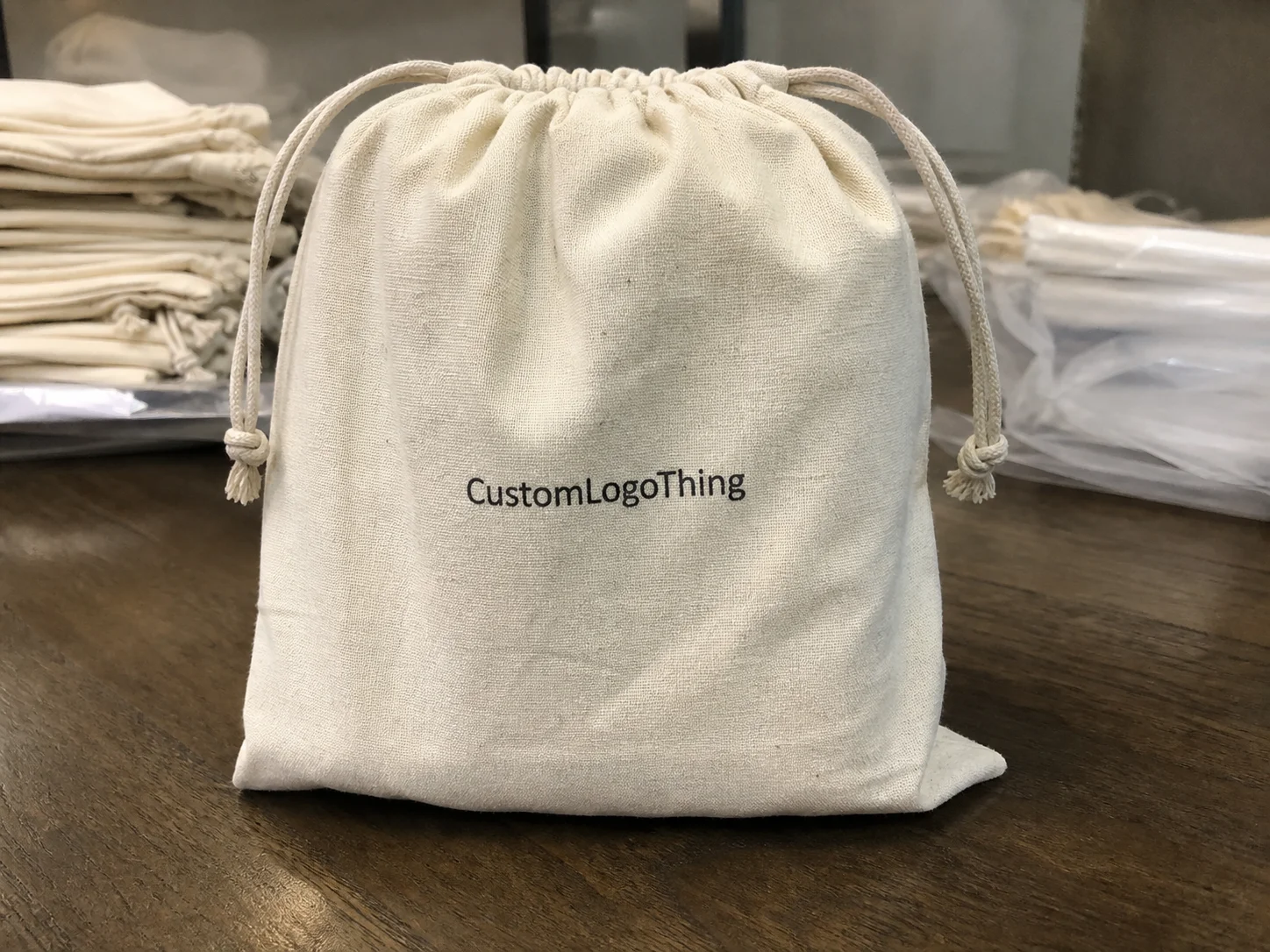
Buyers often underprice dust bags because the item is small and the artwork is simple. That is a mistake. The bag sees repeated use, and repeated use exposes weak decisions fast. A purse may ship safely in a carton, but the protection gap starts once it leaves the box and enters storage. Dust, rubbing, pressure from straps, and contact with other accessories can all mark the finish over time, especially on polished leather and softer surfaces.
There is also a resale angle, even for brands that never plan around resale. Customers do resell handbags, gift them, store them for seasons, and move them between homes. A clean pouch with a decent closure and a smooth hand keeps the bag looking cared for. That can affect perception of quality long after the original transaction has been forgotten. Cheap packaging tends to advertise itself through wear. Better packaging usually fades into the background, which is exactly what it should do.
Presentation matters too. The moment someone removes a bag from a dust pouch, they notice details whether they mean to or not. Is the logo centered? Does the drawstring slide easily? Does the fabric feel soft or scratchy? Those are small signals, but retail packaging is built on small signals. A well-made pouch tells the customer that the brand paid attention in places most people never think to inspect.
Functionally, a dust bag can reduce minor abrasion during storage, separate hardware from the purse body, and help keep the product cleaner between uses. It will not replace a shipping carton or internal protection. It does cover the last layer between the product and the environment, which is where many scratches, scuffs, and return complaints start.
How custom dust bags for purses protect, fit, and present
Fabric choice changes both protection and perception. Cotton usually gives a natural, approachable feel and works well for many mid-range and luxury programs. Microfiber is smoother, making it a better fit for delicate leather, patent finishes, and suede, where abrasion is a bigger concern. Canvas adds body and a sturdier hand. Nonwoven material is often the practical choice when the priority is cost control across a larger run. None of these materials is universally best; the right one depends on the surface of the purse, how the bag will be stored, and how much of the packaging budget can be spent on a reusable pouch.
Fit is where many first-time orders go wrong. A dust bag should not compress the purse so tightly that handles bend or hardware catches on the seam. It should not be so loose that the bag rattles around inside. The useful sizing method is simple: measure the widest point of the purse, then add room for structure, straps, and closure clearance. Structured satchels and top-handle bags usually need more room than the raw dimensions suggest. Soft totes and slouchy silhouettes can usually run closer to true size.
- Drawstring: The most common closure, quick to pack and easy for customers to reuse.
- Cord lock: Better retention and a cleaner repeat-open experience, especially on premium lines.
- Ribbon tie: Softer visual effect, but slower on the packing line.
- Flap closure: More tailored in appearance, though it requires tighter control over sizing and sewing.
Branding should be restrained enough to survive repeated use. A centered logo or woven label can stay visible in a closet long after the shipping carton is gone, but the placement needs to work with the fabric. On textured material, a woven label or single-color print often looks cleaner than a large graphic. On smoother cotton or microfiber, a careful print can read well without turning the pouch into a billboard. The best outcome is a mark that stays legible and durable after folding, storage, and repeated opening.
Material specs belong in the quote request, not in an email follow-up after the sample arrives. Ask about fabric weight, seam allowance, thread type, closure material, and whether the fabric has been pre-shrunk or treated for pilling. For programs that need stronger verification, buyers often use internal fit checks and, where relevant, fabric or seam performance standards such as ASTM methods. The point is not to over-engineer a pouch. The point is to avoid a bag that looks good in a mockup and fails once it is packed, shipped, and used.
Cost, pricing, MOQ, and quote drivers you should check
Pricing changes faster than many buyers expect because the quote depends on several linked choices. Fabric weight, finished size, closure style, print method, and trim all affect the number. A simple nonwoven pouch with one-color printing can be far cheaper than a microfiber bag with embroidery, a woven label, and reinforced stitching. Two quotes can look similar on paper and still be built on very different assumptions.
MOQ matters because setup, material sourcing, and waste are spread across the run. A 500-piece order will usually carry a higher unit price than a 5,000-piece order even if the design is identical. For basic programs, a nonwoven pouch may land around $0.20-$0.35 per unit at 5,000 pieces. Cotton and microfiber typically price higher, especially when the bag uses tighter sewing tolerances, custom printing, or upgraded closure details. Those are working ranges, not promises. The actual number depends on the material market, the degree of customization, and the amount of handwork the order requires.
| Option | Best For | Typical MOQ Impact | Approx. Unit Price at 5,000 |
|---|---|---|---|
| 80-100 gsm nonwoven | Cost control, entry-level retail packaging | Lower setup sensitivity | $0.20-$0.35 |
| 120-140 gsm cotton | Balanced protection and natural hand feel | Moderate | $0.42-$0.78 |
| 180-220 gsm microfiber | Delicate finishes, softer luxury presentation | Moderate to higher | $0.65-$1.20 |
| Canvas with premium closure | Heavier purses and a sturdier packaging feel | Higher | $0.55-$1.10 |
Hidden costs are where many budgets slip. Sample fees, plate or setup charges, freight, and overage allowances all contribute to landed cost. Freight is especially easy to underestimate when the order is small or the cartons are bulky. A cheap unit price can stop looking cheap once shipping and rework are added. If the launch date is fixed, ask for landed cost early instead of treating freight as a later problem.
It also helps to think about the dust bag inside the larger packaging system. If the handbag ships with tissue, inserts, and an outer carton, the handling logic should be consistent. Some brands align the wider package around transit-tested packaging methods like those used in ISTA contexts. If the pouch is paired with paper components, FSC-certified paper can make the broader packaging story feel coherent. Those choices do not change the dust bag itself, but they affect how the customer reads the full set.
Process and lead time: from brief to production-ready sample
The cleanest projects start with a spec sheet that is more detailed than a single size callout. Include purse dimensions, target fabric feel, closure style, logo placement, and any pack-out requirement such as folded dimensions or nested quantities. If the handbag has a rigid top handle, charms, or a long strap, that should be in the brief. Those features change the ease needed in the pouch, and they are exactly the kind of detail that causes avoidable fit issues when omitted.
A typical workflow runs through quote, material confirmation, sample development, revision if needed, approval, bulk production, inspection, and shipment. On straightforward orders using in-stock fabric, lead time after proof approval is often around 12-15 business days. That window can expand with larger quantities, busier factories, embroidery, custom dyeing, or specialty closures. The sample stage is usually the point where timelines move. Build in time for one or two corrections if the bag is going to be used at retail level rather than as a generic pouch.
Rush work is possible, but it has tradeoffs. Color matching may be less exact, embroidery may need simplification, and the sample process may be compressed. That can be acceptable for a lower-priority accessory or a launch that has already slipped. It is not a good compromise when the dust bag is part of a premium unboxing experience. In that setting, speed alone is the wrong metric. Consistency matters more.
Sizing, construction, and print details that create a premium feel
Size for the widest point first, then account for what actually sits inside the bag. Handles, hardware, structured corners, and decorative elements all take up room. Soft bags can tolerate a bit of compression. A structured purse cannot. If the pouch is too tight, the customer will force the bag in and wear the edges faster. If it is too loose, the bag shifts, looks sloppy, and takes up unnecessary space in storage.
Construction details that hold up
Seam strength, hem quality, and stitch consistency are not cosmetic extras. They are the details customers touch every time they open or fold the pouch. A crooked hem or weak drawstring channel can make good fabric look cheap. Thread selection matters too. Polyester thread is usually a practical choice for repeated handling because it resists abrasion and fraying better than softer alternatives. Clean edge trimming and a consistent seam allowance help the bag sit flat instead of twisting after repeated use.
Inspection should cover more than appearance. Check drawstring tension, seam alignment, fabric defects, print registration, and whether the pouch closes without catching. On larger orders, a simple pull test on the channel and a random inspection of fold consistency can prevent a lot of downstream irritation. These are small QC checks, but dust bags get reused enough that small defects become visible quickly.
Decoration that supports the material
Decoration should match the fabric. Screen printing is straightforward and repeatable on many cotton and nonwoven surfaces. Heat transfer works for finer graphics, though it needs testing so the print does not feel plasticky or crack after folding. Embroidery looks more crafted, but it adds stiffness and cost. Woven labels are often the cleanest choice when you want subtle branding with low visual noise. If the bag will live inside a boxed set, keep the decoration area restrained so the surface does not wrinkle, peel, or press badly in storage.
Care and storage performance are easy to overlook, then hard to fix later. Pre-shrunk cotton holds shape better after repeated folding. Low-shed microfiber stays cleaner-looking than cheaper textiles that develop fuzz after a few uses. If the purse line is likely to be stored for long periods, a smoother inside face and a reliable drawcord channel help the bag keep its appearance. That is the difference between packaging that feels temporary and packaging that becomes part of the product’s long-term utility.
Common mistakes that lead to weak protection or higher returns
The first mistake is choosing the wrong fabric surface for the purse finish. A rough woven material may be fine for a casual canvas tote, but it is a poor match for polished leather, glossy coatings, or suede. On delicate materials, the wrong textile can leave rub marks when the purse shifts inside the pouch during storage or shipping. That kind of issue often shows up later as a return, not immediately in production.
The second mistake is sizing by category instead of by the actual model. Structured handbags and soft silhouettes behave very differently inside the same pouch. A rigid satchel may need more room at the opening or gusset, while a slouchy tote may need more height than width. The safest approach is to base the spec on the real purse or a fit sample. A generic average size may look efficient on a purchase order, but it often creates waste in the warehouse and frustration at packing time.
Closure quality is another quiet failure point. If the drawstring is too short, the pouch opens during transit or becomes annoying to reuse. If the channel stitching is weak, the closure frays after a few cycles. Shipping and pack-out mistakes can add cost too. Bulky folding increases carton counts, sloppy stacking wastes space, and oversized cartons raise dimensional weight. Those costs do not always appear on the dust bag line, but they show up in the final landed number.
The useful test is not whether the pouch can hold the purse once. It is whether it protects the finish, closes cleanly, stacks efficiently, and still looks good after the third or fourth use.
Brands that treat the pouch as part of the broader packaging system usually avoid these problems sooner. The spec is tighter. Reorders are easier. Inspection is simpler. And when the line already includes custom printed boxes or other coordinated retail packaging, the dust bag stops looking like a separate purchase and starts behaving like a planned component of the product.
Next steps for ordering custom dust bags with confidence
Before requesting pricing, gather three inputs: purse dimensions, target fabric feel, and estimated quantity. Those three items make the first round of quotes materially more useful. If you also know the closure style and logo method, even better. The supplier can price against an actual build instead of guessing at a generic pouch size.
Then decide what the bag has to do first. If the priority is luxury presentation, choose softer material, cleaner stitching, and a more refined closure. If the priority is scratch protection, favor the gentlest hand and enough room for the purse shape. If the priority is lowest unit cost, simplify the decoration and avoid unnecessary trim. Trying to optimize all three without ranking them usually produces an average result in every category.
Request a sample or pre-production proof and inspect it with the actual purse, not just the spec sheet. Confirm size, closure, color, logo placement, and how the bag folds back into the box. If a reorder is likely, keep the approved spec locked and record the fabric code, stitch count, print method, and closure details. That is what keeps the next run consistent when the order repeats six months later.
When the dust bag is part of a larger packaging program, align it with the rest of the system so the box, tissue, inserts, and pouch speak the same visual language. That makes the whole kit easier to reorder and easier to inspect. More importantly, it reduces the chance that one weak component undermines the rest. Custom dust bags for purses work best when they are designed as a functional textile package with a clear job: protect the finish, pack efficiently, and still look right after repeated use.
How do I size custom purse dust bags correctly?
Measure the widest part of the purse, then add room for handles, hardware, and any structured edges that need clearance. A fit sample is the best check because structured and soft-sided bags behave very differently inside the same size.
Which material works best for custom dust bags for purses?
Cotton and microfiber are the most common choices when the goal is softer protection and a more premium feel, while nonwoven material helps control cost on larger runs. The right option depends on the purse surface; delicate finishes usually need a smoother hand than sturdy everyday styles.
What affects pricing and MOQ the most?
Fabric choice, finished size, closure type, and decoration method usually have the biggest effect on price. MOQ changes unit cost because setup, sourcing, and waste are spread across the order, so larger runs normally lower the per-piece number.
How long does production usually take?
Simple orders using in-stock materials move faster than projects that need custom fabric sourcing, color matching, or special finishing. Sample approval is often the main scheduling step, so build time for revisions before bulk production starts.
Can custom dust bags for purses include branding?
Yes, logos can be added with print, embroidery, woven labels, or heat transfer depending on the fabric and the look you want. Keep the artwork simple and the placement intentional so the branding feels refined rather than busy, and so the bag can be reordered without changing the spec every time.

