Custom Foldable Tote Bag: What Buyers Should Actually Check Before Ordering
A custom foldable tote bag has one job: disappear when you do not need it, then show up the moment you do. That sounds simple, but the buying logic is a little more interesting. The best versions are compact enough to live in a pocket, yet structured enough to carry groceries, event materials, or retail purchases without feeling flimsy. That mix is why these bags keep winning space in branded packaging programs. They get used. Repeatedly. And that is the whole point.
Most tote programs fail for a boring reason: the item is easy to hand out, but inconvenient to keep. A standard promotional tote often ends up in a drawer. A foldable tote has a better shot because it solves the storage problem first. Once that part works, reuse becomes much more likely. For brands that care about practical visibility instead of one-time impressions, that matters more than a pretty mockup.
Custom Foldable Tote Bag Basics and the Hidden Use Case
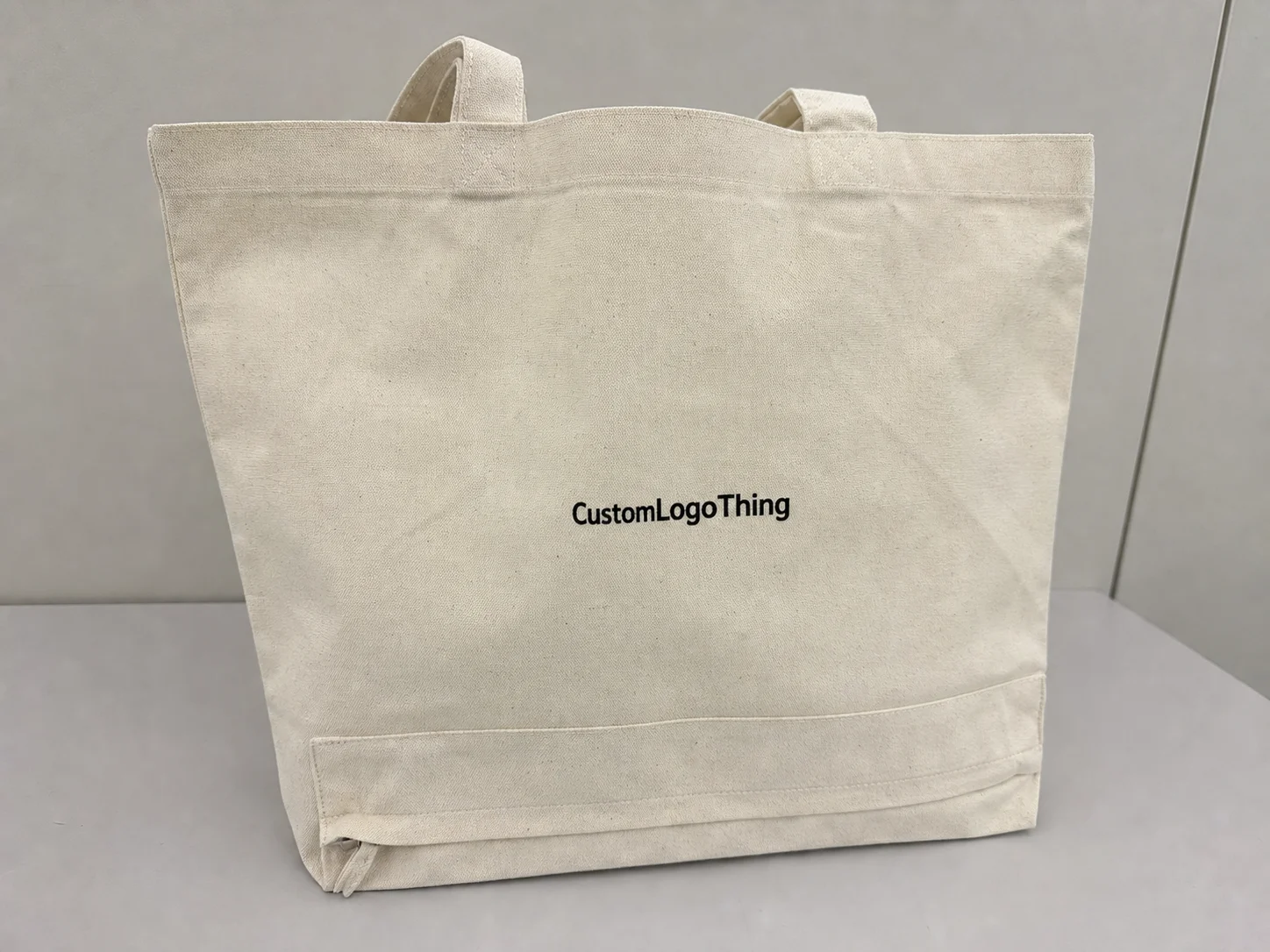
The simplest version of a custom foldable tote bag is a full-size carry bag that compresses into its own pouch, pocket, or sewn-in panel. The open state handles the normal work. The packed state decides whether people keep it. That is the hidden use case many buyers miss. Compact storage is not a bonus feature. It is the reason the bag survives beyond the first use.
For retail, hospitality, travel, and event programs, that behavior is useful in a very specific way. If the bag can live in a handbag, glove box, backpack, or jacket pocket, it does not feel like clutter. That makes it easier to keep on hand, which makes it easier to reuse. The brand gets more exposures, but the buyer gets a better product. If the bag is only visually clever and not operationally convenient, it will not travel far.
That is also why tote bags often work better as part of a packaging system than as a standalone giveaway. You can pair them with Custom Packaging Products or other retail packaging options when the goal is to build a coherent branded set. The tote becomes the reusable layer. The box, sleeve, or insert handles the first impression. Those jobs are different.
There is a sustainability angle here, but it should stay grounded. A reusable bag is not automatically better just because it is reusable. The real value comes from the number of times it gets carried, the material used, and whether the bag is durable enough to survive folding cycles. If you want a better environmental case, ask for recycled polyester, lower-impact paper tags, and sensible transit packaging. Concrete specs age better than slogans.
How the Fold-and-Stow Mechanism Actually Works
The fold mechanism is not a cute add-on. It determines whether the bag gets used at all. A good foldable tote opens quickly, carries like a normal tote, and packs back down without twisting seams or fighting the closure. A weak design may look efficient on a spec sheet and still be annoying in the hand.
Four common constructions
Self-packing pouch designs fold the tote into an attached pouch on the bag body. This is common in lightweight polyester and recycled polyester builds because the pouch can double as a storage panel. Sewn-in inner pocket versions hide the folded bag inside a lining compartment, which looks cleaner but adds stitching steps. Attached zip case styles feel more premium and usually give a more predictable packed size. Integrated folding panel designs are simpler in appearance, but they depend heavily on accurate panel dimensions and clean fold lines.
What makes the fold work cleanly
Seam placement matters more than most buyers expect. If a seam crosses the logo area or lands where the bag must fold sharply, the pack-down process gets awkward and the print can wear early. Handle length matters too. Too long and the handles snag on the bundle. Too short and the open bag loses usable carry height. Closure type changes the whole feel of the bag. Zippers make the folded form secure and neat, but they add cost and another failure point. Elastic bands are cheaper, though they can lose tension if the bag gets overstuffed.
The tradeoff is straightforward: the smaller you want the folded form to be, the more disciplined the construction has to be. Buyers sometimes ask for a tote that feels substantial when loaded with groceries but disappears when packed away. That is possible. It is not possible by accident. Panel sizes, stitching path, pouch location, and fabric weight all need to work together.
If the folded form is awkward, the bag will not stay in a pocket. If it does not stay in a pocket, it will not get reused.
That is why the folded state deserves the same attention as the open one. A sample can look fine on a table and still fail the real test once someone tries to stuff it into a pocket or small giveaway kit. A good mockup catches that early. A bad one hides the problem until bulk units are already in motion.
Materials, Print Methods, and Hardware That Change Performance
Material choice drives almost everything: weight, hand feel, folded size, print clarity, and how the bag behaves after repeated use. For a custom foldable tote bag, the common body materials are polyester, recycled polyester, nylon, and lighter nonwoven options. Polyester is usually the most balanced starting point because it is easy to source, easy to print, and predictable in production. Recycled polyester costs more in many programs, but it gives a stronger sustainability story and usually performs well under folding cycles. Nylon packs small and feels soft, though print appearance can vary depending on weave density. Nonwoven material is the low-cost option, but it tends to feel less premium and usually has a shorter service life.
Fabric weight matters more than most buyers realize. A very light bag folds tiny, but it can drape too much and feel flimsy when loaded. A heavier fabric adds structure and improves the open shape, yet it also increases the packed size. For most retail and event programs, the useful range sits around 70D to 210D, depending on whether the tote is meant for groceries, conference kits, travel promos, or light retail support. There is no single correct answer. There is only a spec that fits the job.
Print method changes both appearance and durability. Screen print works well for bold logos and simple artwork, especially if the imprint area stays mostly flat. Heat transfer gives finer detail and can handle more complex art, but some transfers do not age well after repeated compression. Woven labels or stitched badges usually hold up well on premium pieces, though they add labor and are not the right answer for every lightweight bag. If the tote will be folded often, avoid placing decoration directly in the crease zone unless you want cracking, peeling, or visible distortion later.
Hardware is where cheap specs quietly fall apart. Low-grade zippers snag. Weak handle stitching twists under load. Thin binding tape frays at the edge. Reinforced bar-tacks at stress points are worth asking for, especially where handles meet the body and where the pouch attaches. The cost increase is usually minor. The failure reduction is not.
It helps to think in layers when you review a spec:
- Body fabric for weight, packability, and hand feel.
- Print method for logo sharpness and wear resistance.
- Closure hardware for how usable the folded form feels.
- Stitch reinforcement for load-bearing life and repeat use.
If you want a more disciplined reference point for transport and handling expectations, the ISTA test methods are more useful than gut feel. If paper tags or inserts are part of the kit, FSC certification is worth specifying. And if the tote is part of a wider branded packaging program, the material-selection guidance at packaging.org gives useful context beyond the bag itself.
Pricing, MOQ, and Unit Cost Drivers
Pricing for a custom foldable tote bag is not driven by print count alone. Fabric choice, stitching complexity, zipper quality, folded dimensions, and whether the bag packs into its own pouch all move the number. A simple bag with one-color printing may land in a low-cost band. Add custom colors, a sewn-in pouch, a woven label, reinforced handles, and retail packing, and the unit cost rises fast.
Here is a practical comparison buyers can use as a starting point. These are planning ranges, not quotes, and they assume mid-volume production with standard freight conditions.
| Spec level | Typical MOQ | Indicative unit cost | What you get |
|---|---|---|---|
| Basic polyester tote, one-color screen print | 3,000-5,000 | $0.85-$1.35 | Light body fabric, simple fold mechanism, minimal finishing |
| Recycled polyester, sewn-in pouch, two-color print | 5,000-8,000 | $1.25-$1.95 | Better brand feel, stronger reuse value, tighter folded bundle |
| Premium nylon or recycled polyester, zipper case, label finish | 8,000+ | $1.80-$3.20 | Cleaner presentation, stronger hardware, better retail packaging fit |
The main quote drivers you should ask for separately are sampling, screen or plate fees, packaging, and freight. Those items can change the landed price more than buyers expect. A supplier can quote a low unit cost and recover margin through setup charges or expensive carton packing. Ask for every line item before you compare offers.
MOQ matters because foldable bags are labor-sensitive. More complex builds need cutting precision, tighter sewing tolerances, and sometimes more manual folding during packing. That is why suppliers often set higher minimums for more complex specs. If a quote looks unusually cheap for a complicated build, check the likely downgrade list first: thinner fabric, weaker zipper, lower stitch density, or a print method that will not survive repeated folding.
Compare quotes only after you standardize the spec sheet. If one supplier quotes a 190T polyester bag and another quotes a 210D recycled polyester bag with bar-tacks and a zipper pouch, you are not comparing like for like. You are comparing different durability levels, different brand value, and different packability.
Ask whether the supplier priced the bag for bulk shipment only or for retail packaging as well. A loose-packed bag can look cheaper until you account for sleeves, cartons, labor, and protection from creasing or dirt. That detail often gets missed in the first round of pricing.
Production Steps, Timeline, and Lead Time
Most tote orders follow the same path: brief, artwork, spec confirmation, sample, revision, bulk production, inspection, and shipping. The process sounds orderly. The delays happen in the details.
- Brief and spec: confirm open size, folded size, fabric weight, print method, hardware, and target quantity.
- Artwork and layout: align the logo with fold lines so the design works in both open and packed states.
- Sample approval: test the fold, the handle feel, the zipper or closure, and the loaded weight.
- Bulk production: cut, stitch, print, assemble, and pack.
- Inspection and shipping: check measurements, logo placement, seam strength, and carton quality before dispatch.
For a straightforward run, the full timeline often lands around 12-15 business days from sample approval to bulk completion, plus transit. If the order needs custom color matching, special packaging, or revised hardware, that window can stretch. A first sample can usually move quickly. Revision cycles are what eat the calendar.
The usual delay points are predictable. Artwork changes after sample approval. Fabric sourcing when the exact shade is unavailable. Zipper substitutions because the original spec is out of stock. Packing changes because the folded size ended up larger than expected. None of that is rare. It is the normal friction of production.
If the bags are tied to a launch or event, work backwards from the delivery date. Leave time for proofing, sample review, and one revision round. Approve artwork early. Lock the final spec before bulk starts. Keep freight mode in the conversation before production begins. Air freight can save a deadline, but it changes the economics quickly.
One more practical point: the transit packaging should match the value of the bag. A premium reusable tote packed in a weak carton can arrive creased, dirty, or partly deformed. For branded packaging and retail packaging programs, the outer shipper matters more than people want to admit.
Lead time also changes with order size. Small runs can be fast if the factory already has stock fabric and standard hardware on hand. Large runs slow down if you are asking for custom color matching, specialty labels, or a precise packed format. The right question is not, "How fast can you make it?" The useful question is, "What part of the spec drives the schedule?"
Common Spec Mistakes That Make Foldable Totes Fail
The most common mistake is oversized branding. A logo that looks balanced on the open tote can become awkward once the bag is folded. It may disappear into a crease, sit across a seam, or get cut off by the pouch. That is a design problem, not a print problem. The fix is to map the artwork to both states before approval.
Another problem is weak construction disguised as savings. Thin straps feel acceptable in a sample, then start biting into the hand under load. Light stitching can look neat on a table and still fail after a few compress-and-open cycles. Hardware matters here too. A low-grade zipper may open smoothly on day one and start catching after a short run of use. If the bag is meant for repeated retail or event use, this is the wrong place to shave pennies.
Buyers also underestimate the packed form. They approve the open dimensions and forget to check the actual folded size. That is a mistake because the compact state is the selling point. If the packed unit is too thick for a coat pocket or too bulky for a giveaway kit, the whole premise weakens. The same problem shows up when pouch placement is wrong. Put the pouch in the wrong spot and the bag folds unevenly, which makes the bundle look and feel clumsy.
Test the bag the way a customer will use it: load it, fold it, reopen it, and repeat. If that cycle exposes a crease issue, a loose seam, or a twisted handle, the spec needs revision before bulk production.
I also see buyers sign off without loading the tote to a realistic weight. That is risky. A bag can look perfectly made at rest and still fail when it carries a water bottle, a catalog stack, and a small purchase at the same time. If your use case is groceries, test that. If it is hospitality or event materials, test that load instead. Product packaging decisions should be built around use, not assumptions.
Do not let the tote live in isolation from the rest of the brand system. A bag that feels premium next to Custom Printed Boxes should carry the same visual discipline. Matching print tone, label style, and color family keeps the package branding coherent. If the tote looks like a separate project, the whole program feels less intentional.
There is also a tendency to over-spec the bag for the wrong reason. Buyers sometimes ask for heavier fabric, more hardware, and extra decoration because it sounds safer. It is not always safer. A foldable tote has to stay light enough to carry around before it is used. Add too much structure and it stops behaving like a compact bag. The better spec is the one that fits the actual use pattern.
Next Steps: Sample, Compare, and Place the Order
The fastest way to buy well is to build a one-page spec sheet before asking for pricing. Include open dimensions, folded dimensions, fabric type and weight, print method, closure type, handle length, target quantity, packaging format, and any test expectations. That sheet turns vague conversations into usable comparison points, which is exactly what you want when evaluating a custom foldable tote bag.
Then request a physical sample or pre-production photos. Do not stop at visual approval. Check folding speed, strap comfort, logo visibility in both states, and the way the bag sits once packed. If possible, load it with real product weight and cycle it several times. A good bag should feel easy, not just look neat.
Compare at least two quotes against the same spec sheet. If one supplier is cheaper, find out why. Sometimes the reason is efficient labor or better sourcing. Sometimes it is thinner fabric, fewer stitches, or a lower-grade zipper. Those are not the same thing. You are not buying the lowest line on a spreadsheet. You are buying the bag that will actually be carried, reused, and noticed.
If you want a simple close-out checklist, use this:
- Confirm the use case: retail, event, hospitality, or travel.
- Approve the sample in both open and folded states.
- Lock the spec, artwork, and shipping method early.
- Ask for line-item pricing on setup, packaging, and freight.
- Choose the supplier that balances cost, durability, and packability.
That is the real buying discipline. Not fancy language. Not the lowest quote. Just a spec that fits the job and a supplier who can deliver it without surprises. If your goal is branded packaging that people keep using, a custom foldable tote bag is one of the smarter places to spend the budget.
What size should a custom foldable tote bag be for retail use?
Choose a size that fits common purchase baskets, not just a standard promotional tote dimension. A useful target is a body large enough for daily errands but still light enough to fold back into a compact pouch. Ask for both open dimensions and folded dimensions before approving production.
Which material is best for a foldable tote bag with logo?
Recycled polyester is often the best balance of strength, low weight, and foldability. If the bag needs a softer hand or lower cost, confirm that the fabric still holds shape after repeated folding. Match the material to the use case: retail giveaways, travel, groceries, or event carry kits.
How much does a custom foldable tote bag usually cost?
Price depends on material, print complexity, hardware, and whether the tote includes a sewn-in pouch or zipper case. Higher MOQs usually lower unit cost, but sampling and freight can shift the landed price quickly. Ask suppliers to quote setup fees, sample fees, and shipping separately so the comparison is accurate.
What is the typical lead time for custom foldable tote bags?
Lead time usually includes sampling, approval, bulk production, and transit, so the total schedule is longer than the factory run alone. Complex folds, custom colors, and hardware changes can add time, especially if the first sample needs revisions. Lock artwork and specs early if the bags are tied to an event date or seasonal launch.
How do I test whether a custom foldable tote bag is durable enough?
Test the bag loaded with real product weight, then fold and reopen it several times. Inspect stress points at the handles, seams, zipper, and pouch attachment after each cycle. If the logo cracks, seams twist, or the pouch bulges, revise the spec before bulk production.

