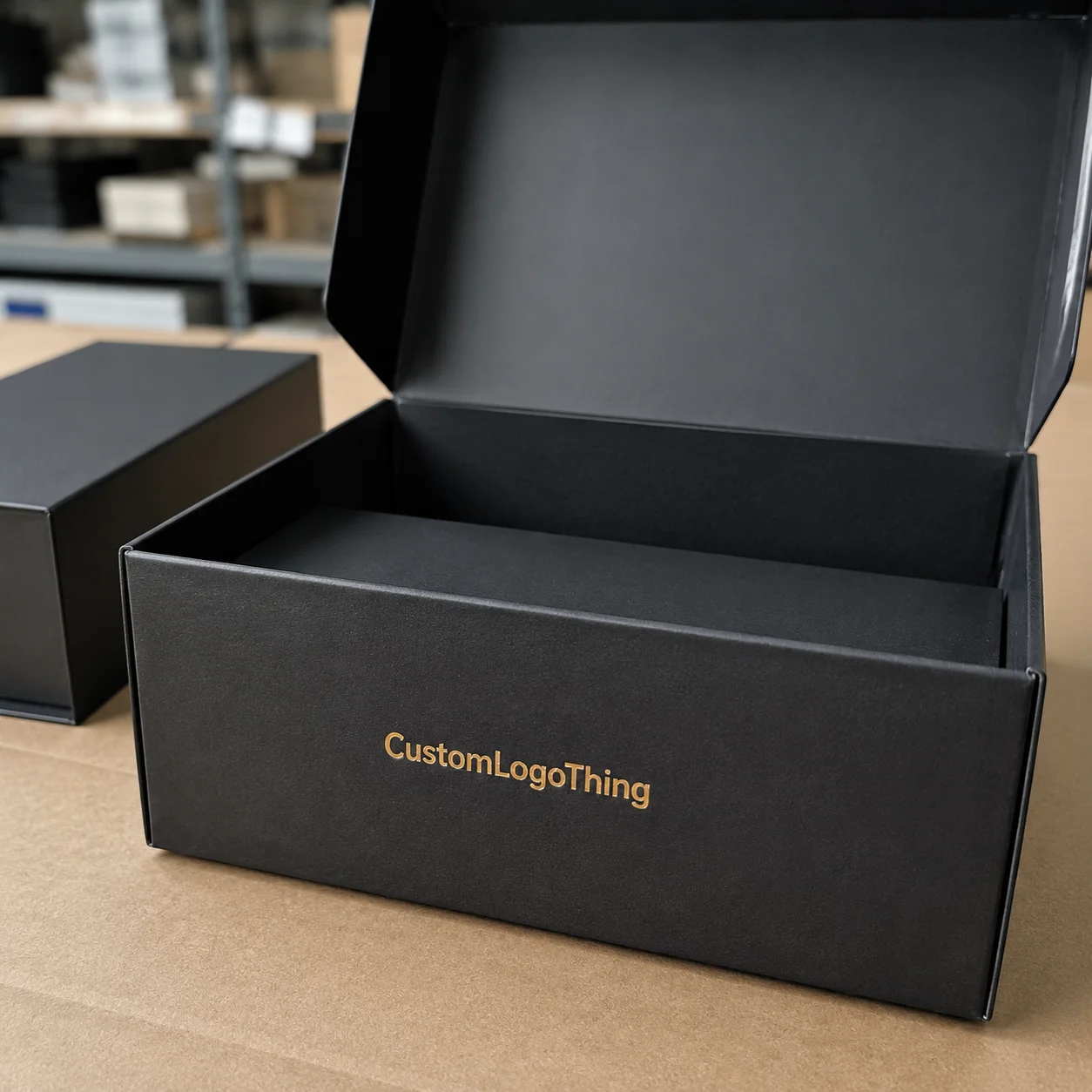
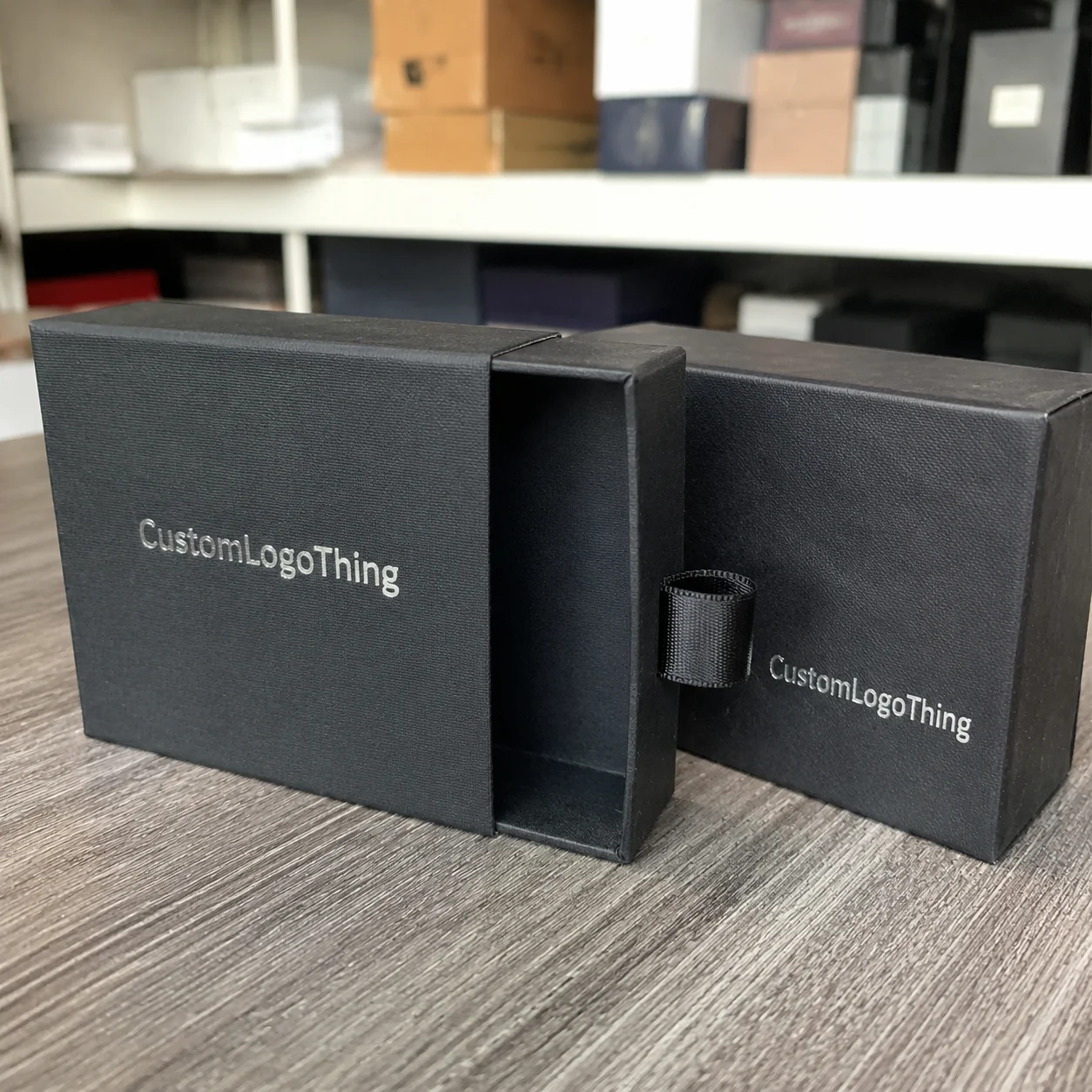
Buyer Fit Snapshot
| Best fit | Custom Folding Carton Packaging projects where brand print, material claims, artwork control, MOQ, and repeat-order consistency need to be specified before quoting. |
|---|---|
| Quote inputs | Share finished size, material target, print colors, finish, packing count, annual reorder estimate, ship-to region, and any compliance wording. |
| Proofing check | Approve dieline scale, logo placement, barcode or warning zones, color tolerance, closure strength, and carton packing before bulk production. |
| Main risk | Vague material claims, crowded artwork, missing packing details, or unclear freight terms can make a low unit price expensive after revisions. |
Fast answer: Custom Folding Carton Packaging: Structure, Print Proof, Packing, and Reorder Risk should be specified like a repeatable production item. The safest quote records material, print method, finish, artwork proof, packing count, and reorder notes in one written spec.
Production checks before approval
Compare the actual filled-product size with the drawing, then confirm tolerance on folds, seals, hang holes, label areas, and retail display edges. Reserve space for logos, QR codes, warning copy, and material claims before decorative graphics fill the panel.
Quote comparison points
Review material grade, print process, finish, sampling route, tooling charges, carton quantity, and freight assumptions side by side. A quote is only useful when the supplier can repeat the same color, closure quality, and packing count on the next order.
On a packing line in New Jersey a few years back, I picked up two cartons that looked almost identical from six feet away. Both were cleanly printed. Both were sitting neatly on a pallet in Edison. One had a smarter board spec, a tighter score pattern, and a glue joint that ran through the folder-gluer at 220 cartons a minute without complaint. The other? Pretty, but basically begging for trouble. That kind of detail is exactly why Custom Folding Carton packaging matters. It can look simple on the shelf, yet the engineering behind it decides whether your product ships well, fills efficiently, and supports the brand story without wasting paperboard or labor.
If you sell cosmetics, supplements, candles, electronics accessories, or small household goods, Custom Folding Carton Packaging sits in that sweet spot between branding and practicality. It gives you a printed surface for product information, a structure that ships flat, and a retail-ready presentation that usually costs far less than a rigid box. I’ve watched brands fall in love with expensive packaging samples, then come back to folding cartons once the freight quote lands from Los Angeles to Chicago. Funny how math works. It always shows up right when the mood board gets ambitious.
What Is Custom Folding Carton Packaging?
Custom folding carton packaging is printed paperboard packaging that starts as a flat blank, gets die-cut and scored, and then folds into a finished carton with glue, tuck flaps, or locking tabs. In plain English, it is the kind of box you can stack by the thousand on a pallet, send to a co-packer flat, and assemble only when you need it. A typical run might use 18pt to 24pt board for a skincare carton or a supplement box, depending on the product weight and how much stiffness you need. That has kept it a workhorse in retail packaging for decades, and honestly, that’s because it just makes sense.
I’ve seen brands confuse folding cartons with rigid boxes or corrugated shippers, and the difference matters more than people think. A folding carton is usually made from paperboard in the 12pt to 24pt range, sometimes a little heavier depending on the product. A rigid box uses thick chipboard, often wrapped with printed paper, and arrives pre-built. Corrugated shippers are designed for transit strength, not shelf appeal, while paper sleeves are simple wraps that add branding but very little structure. Custom folding carton packaging sits in the middle: strong enough for many retail uses, lighter than a rigid box, and far more brandable than a plain shipper.
One of the smartest things about custom folding carton packaging is how many jobs it can do at once. It can carry UPCs, ingredients, warnings, dosage instructions, and marketing copy while reinforcing package branding with a spot UV logo or a matte black finish. For many products, that means you do not need extra inserts, extra labels, or a second packaging layer just to communicate what the product is. I like that. It’s efficient without being boring. Rare, I know.
Where do I see it most often? Cosmetics tubes, vitamin bottles, tinctures, soap bars, candles, razor refills, charging accessories, earbuds, and small kitchen goods. In one Philadelphia fulfillment center, I also saw it used for tea samplers, snack assortments, and mini bath sets packed into 5,000-piece batches because the brand wanted retail presence without paying luxury-box pricing.
“A good folding carton should do three things at once: protect the product, explain the product, and sell the product before anyone ever opens it.”
That is the real value of custom folding carton packaging. It lets brands build Product Packaging That feels intentional without jumping all the way to luxury-level construction.
How Custom Folding Carton Packaging Works
The production flow for custom folding carton packaging starts long before ink ever hits paperboard. First comes structural design, where a packaging engineer or converter maps the carton dimensions, tuck styles, glue flaps, and scores into a dieline. Then artwork gets built to that dieline, print files get checked for bleed and safe zones, and the material is selected based on weight, shelf life, finish requirements, and converting behavior on the press and folder-gluer. A standard cosmetic carton might be 65 x 35 x 120 mm, while a supplement carton could be 50 x 50 x 140 mm with a crash-lock bottom and a 1.5 mm tuck allowance.
On the factory floor, the process usually moves like this: printed sheets come off an offset lithography press, a digital press, or a flexographic line depending on run size and image complexity. After printing, the sheets may receive aqueous coating, UV coating, soft-touch lamination, or a specialty finish like foil stamping, embossing, or spot varnish. Then the blanks are die-cut, stripped, scored, sometimes window-patched, and sent to the folder-gluer where the carton is folded and glued into its final shape. If you’ve ever watched a folder-gluer run smoothly, you know it’s weirdly satisfying. Like watching a machine do exactly what it was paid to do.
I remember one supplier meeting in Shenzhen where the client wanted a high-end white cosmetics carton with a deep matte finish and silver foil. The first prototype looked beautiful, but the foil cracked on the tightest fold because the score depth was too aggressive for that board. We changed the score rule, adjusted the glue flap tolerance by 1.5 mm, and the second run held up beautifully. That is the kind of practical adjustment that separates good custom folding carton packaging from a box that only looks good in a render.
Printing method matters more than most buyers realize. Offset lithography is usually the go-to for crisp graphics, tight color control, and mid-to-high volume custom printed boxes. Digital printing works well for shorter runs, frequent design changes, or projects where speed matters more than the lowest unit cost. Flexographic printing is common in some carton and sleeve applications, especially when the design is simpler or the supply chain favors roll-fed production. A 3,000-piece test run in Dallas might be better on digital, while a 30,000-piece retail launch in Atlanta often makes more sense on offset. Each method has tradeoffs, and I’ve watched teams save money by choosing the right one instead of just asking for the fanciest option.
Finishing choices change both the feel and the line performance. Aqueous coating is a common, practical choice because it helps scuff resistance and is usually friendly to converting. Soft-touch lamination gives a velvety feel, but it can add $0.03 to $0.08 per unit on a 10,000-piece run and sometimes slow down recycling depending on the full build. UV coating can make colors pop, foil stamping can add a premium cue, and embossing or debossing can create tactile depth. With custom folding carton packaging, the finish should support the brand and the filling line, not fight either one. I’ve seen a gorgeous finish turn into a production headache because nobody asked how it would behave in a humid warehouse in Savannah. That gets old fast.
Typical lead times depend on how much custom work is involved. A stock-style carton with a standard structure and ready artwork may move in 10 to 15 business days from proof approval. A fully custom structural job with special coatings, window patching, and multiple sample rounds can take 3 to 6 weeks, sometimes longer if approvals drag. In my experience, the biggest schedule killers are late artwork changes and client indecision on finish samples. The words “can we just tweak one more thing?” have probably delayed more launches than any factory machine ever has.
For readers comparing packaging formats, here is a simple side-by-side view:
| Packaging Format | Typical Use | Shipping Profile | Brand Presentation | Relative Cost |
|---|---|---|---|---|
| Folding carton | Retail products, cosmetics, supplements, small goods | Ships flat, efficient cube utilization | High print area, strong shelf branding | Moderate |
| Rigid box | Luxury gifts, premium electronics, presentation sets | Arrives pre-built, more freight volume | Very high, premium feel | Higher |
| Corrugated shipper | E-commerce transit, bulk shipping, warehouse protection | Strong for shipping, less shelf ready | Low to moderate | Low to moderate |
| Paper sleeve | Simple branding, secondary wrap, light products | Very flat and light | Limited structure, good for minimal branding | Low |
That table is why I often steer smaller brands toward custom folding carton packaging instead of jumping straight to rigid boxes. You get far better retail packaging economics, and you still keep enough room for package branding, regulatory copy, and decent shelf presence. A 10,000-piece folding carton program out of northern New Jersey can land at roughly $0.12 per unit for a simple 4-color tuck-end build, while a rigid box of the same size can run several times higher before freight even enters the chat.
Key Factors That Shape Custom Folding Carton Packaging Cost
Pricing for custom folding carton packaging looks simple on paper and gets messy the second you start specifying details. Two cartons can have the same outside dimensions and still price very differently because one uses 16pt SBS with a single aqueous coating while the other uses 24pt board, full bleed graphics, foil, embossing, and a custom insert tray. The quote is really a sum of the material, the press time, the finishing, the conversion steps, and the labor needed to get it all out the door. A converter in Guangdong is not quoting the same way a domestic plant in Ohio does, and the freight math changes again if the cartons are moving to a co-packer in Texas.
The main cost drivers are board grade, carton size, print coverage, number of colors, finishing complexity, structural style, quantity, and assembly requirements. A larger carton uses more paperboard, of course, but print coverage can be just as important. Full-coverage dark solids and heavy ink builds can increase press control time. Multi-step finishes like foil plus embossing or soft-touch plus spot UV raise both setup and spoilage risk. In other words, custom folding carton packaging costs more when the package asks more of the press and the converting line. A 4-color box with aqueous coating may be quoted at $0.09 per unit for 25,000 pieces, while a similar size carton with foil and embossing can jump to $0.28 or more at 5,000 pieces.
Minimum order quantity is another big one. At 5,000 pieces, setup costs are spread over fewer units, so the unit price may sit noticeably higher than a 25,000-piece run. I’ve seen quotes land around $0.18 per unit for 5,000 simple cartons and drop toward $0.09 or even $0.07 per unit at 25,000, depending on board and finishing. That is not a universal number, just a real-world example of how scale changes custom folding carton packaging economics. If the carton is being produced in Ho Chi Minh City for a U.S. launch, transit time and container planning can change the landed cost by another $0.01 to $0.03 per unit.
There are also hidden costs that first-time buyers often miss. Inserts can add design and tooling expense, especially if you need a fold-in divider or a product-holding tray. Window patching adds a separate operation. Freight can swing wildly depending on whether the cartons are shipping from an overseas converter or a domestic plant. Warehousing, palletization, and quality-control checks can also show up in the final landed cost. If you are comparing custom printed boxes across vendors, ask whether the quote includes those line items or leaves them for later. I’ve had more than one buyer nearly choke on a “surprise” charge that was sitting there all along, just not in bold. A crate of cartons moving from Shanghai to Los Angeles can also pick up $600 to $1,400 in drayage, which nobody likes to discover at the end.
Here is a practical pricing snapshot to help frame expectations for custom folding carton packaging:
| Spec Level | Common Build | Example Unit Cost | What Usually Drives the Price |
|---|---|---|---|
| Entry | 12pt SBS, 1-color or 4-color, aqueous coating, standard tuck end | $0.07–$0.14 at 25,000 pcs | Setup, board, basic print |
| Mid-range | 18pt SBS or recycled board, 4-color, matte finish, crash-lock bottom | $0.12–$0.24 at 10,000 pcs | Structure, finishing, material grade |
| Premium | 20pt+ board, foil, embossing, soft-touch lamination, insert tray | $0.25–$0.55 at 5,000 pcs | Multiple finishes, tooling, manual assembly |
Those numbers are directional, not a promise, because custom folding carton packaging can vary with geography, paper market swings, and press availability. Still, they are close to what I have seen in supplier negotiations when teams ask for clear, apples-to-apples pricing. A plant in Dongguan may quote differently than one in Minneapolis, and both can be right for their own cost structure.
Value engineering is where smart brands save real money. If the product weighs 2 ounces and the carton does not travel far, you may not need the heaviest board or three specialty finishes. On the other hand, over-specifying can be expensive and unnecessary. I once saw a client spend extra money on a double-wall style concept for a 60 ml serum bottle that would have worked perfectly in a well-designed 16pt folding carton with a molded paper insert. The package looked elegant, but the board grade was doing more than the product actually needed. We cut the spec back, dropped the price by $0.06 per unit on a 12,000-piece order, and the bottle still arrived upright.
That is why custom folding carton packaging should be priced around product realities, not just what looks impressive in a sample room.
How to Choose the Right Structure, Material, and Finish
Board choice starts with product weight, fragility, shelf life, and the retail environment. A lightweight lip balm or tea sachet can run beautifully in a 14pt or 16pt carton, while a glass bottle or a multi-pack accessory kit may need thicker paperboard or a structural insert. If the carton has to survive distribution, warehouse stacking, and repeated handling by shoppers, custom folding carton packaging needs to be engineered for those stresses, not just drawn to fit a CAD file.
SBS, or solid bleached sulfate, is popular because it prints cleanly and gives a crisp retail look. CUK, coated unbleached kraft, is tougher-looking and often used when a natural paper aesthetic or a little more stiffness is desired. Kraft paperboard can support a more organic, eco-forward brand story, especially for candles or personal care. Recycled-content boards help with sustainability goals, but I always tell clients to confirm runnability and print result before locking in a spec. A 350gsm recycled C1S artboard may look great in samples from a plant in Xiamen, then show slight fiber variation once it runs on a larger press in Suzhou. Some recycled stocks behave beautifully; others show more variation in shade and fiber structure. That is just the truth from the converting floor.
For custom folding carton packaging, structure matters just as much as board. Tuck-end cartons are common because they are fast to assemble and simple to fill. Crash-lock bottoms are a strong choice when the product has weight and the bottom panel needs better load distribution. Window cartons create visibility, which is useful for food packaging or consumer goods with a strong visual sell. Insert trays help stabilize bottles, jars, and accessories, but they need fit testing so the product does not rattle or jam during insertion. A 200 ml candle jar, for example, might need a 2 mm side clearance and a 3 mm headspace allowance to avoid scuffing in transit.
Finishes should follow brand positioning. Premium matte or soft-touch works nicely for luxury skincare, fragrance, and higher-end supplements because it feels controlled and intentional in the hand. High gloss can make color pop for kids’ products, food items, or energetic brand personalities. Minimal finishes, such as a simple aqueous coat on natural board, can support an eco-forward story without making the package look unfinished. With custom folding carton packaging, I always ask one question: what should the shopper feel in the first three seconds?
Sustainability deserves a practical view, not just marketing copy. FSC-certified materials can help support responsible sourcing, and you can review the standard directly at FSC. Soy-based inks, water-based coatings, and recyclable paperboard are all useful options, but the package still has to perform. A carton that collapses in transit or requires extra outer packaging is not truly sustainable in the full sense. If you want a broader packaging viewpoint, the EPA’s packaging guidance is a solid reference point.
I think too many brands chase finish effects before they settle the material spec. A soft-touch lamination looks lovely, but if the carton sits in a humid back room in Miami or has to pass through an automated case packer, You Need to Know how that finish behaves. That is where experienced custom folding carton packaging suppliers earn their keep.
Step-by-Step Guide to Developing Custom Folding Carton Packaging
The cleanest way to develop custom folding carton packaging is to treat it like a project with checkpoints, not just a design exercise. Start by defining the product dimensions, weight, closure needs, and any regulatory copy that must fit on pack. Then decide the carton style, request a dieline, and build artwork around real structural limits rather than around a loose mockup in a design file. If the bottle is 48 mm wide and the inner product height is 132 mm, write that down. Guessing is how people end up with a box that “almost fits.” Almost is not a spec.
Here is the workflow I recommend when a brand is serious about getting it right:
- Measure the product in millimeters, not guesses, and record the weight to the nearest gram.
- Set performance goals for shelf display, shipping, and line efficiency.
- Choose the carton style and board grade.
- Request a dieline and confirm glue flap, tuck, and score dimensions.
- Build artwork with bleeds, safe zones, barcode placement, and legal copy.
- Review a prototype or sample run.
- Approve production after fit testing and print review.
- Plan receiving so cartons arrive before the filling schedule starts.
In real terms, a straightforward custom folding carton packaging project might take 7 to 10 business days for dieline review and prepress, another 3 to 5 business days for sample creation, and 10 to 15 business days for production after approval. More complex work can stretch beyond that, especially if embossing tools, foil dies, or insert tooling need to be built. I have seen one supplement client delay launch by almost two weeks because they approved artwork before verifying that the bottle neck finish actually fit through the carton opening. That was an expensive lesson and one that could have been avoided with a physical fit test.
Several people need to be involved at the right moment. Brand managers care about presentation and package branding. Procurement watches cost, MOQ, and supplier risk. Product developers track fit and function. Designers handle artwork and regulatory layout. Packaging engineers make sure the structure runs on the line. If one of those voices is missing, custom folding carton packaging projects tend to drift into rework.
Barcode placement deserves more attention than it usually gets. A barcode needs enough quiet zone around it, and it must stay readable after printing, coating, and folding. Net weight declarations, ingredient lists, warning statements, and country-of-origin copy need to be placed before the artwork is finalized, not squeezed in at the end. For food packaging and supplements especially, line-specific compliance checks are worth the extra hour.
Custom folding carton packaging should also be planned around inventory timing. If your fill line needs cartons by the first week of next month, then your receiving schedule should allow for transit, quality inspection, and some buffer for damage or count discrepancies. I’ve watched more than one launch stumble because cartons arrived “on time” in the narrow sense but not early enough for a full receiving audit and staging at the co-packer.
Common Mistakes Brands Make With Custom Folding Carton Packaging
One of the most common mistakes is designing for the shelf first and the structure second. A carton can look gorgeous in a mockup and still fail badly when the bottom buckles, the tuck flap opens too easily, or the insert does not hold the product centered. Custom folding carton packaging must carry the product through handling, storage, and opening, not just win the first glance in a render. I have seen a 16pt carton work perfectly for a lipstick and fail immediately for a 180 ml bottle because nobody checked the weight load on the bottom panel.
Skipping physical samples causes trouble all the time. I worked with a candle brand that approved digital artwork but never checked the actual box fit with the glass vessel. The candle fit, technically, but the friction on the insert made packing slow and awkward. They ended up paying for a second run with a wider opening and a cleaner insert geometry. That extra step would have been cheap to test early and expensive to fix later. I still remember the look on their face when the line workers said, basically, “Yeah, this is annoying.” That’s not the feedback you want after printing 20,000 cartons.
Wrong board caliper is another classic problem. If the board is too thin, the carton feels flimsy and may crush under stacking. If it is too thick, scores crack, folds look bulky, and folder-gluer performance can suffer. Overusing special finishes can also backfire. Foil, embossing, soft-touch lamination, and spot varnish all have a place, but layering too many effects can drive up cost and create converting headaches. In custom folding carton packaging, restraint often looks more premium than clutter. A crisp 18pt SBS carton with one foil hit in the logo can outshine a box that throws every effect at the wall.
Artwork errors show up more often than brands like to admit. I’ve seen incorrect bleed areas, tiny legal copy that vanished under the fold, dieline layers left visible in final files, and barcodes placed too close to a seam. Those are not cosmetic issues; they can trigger reprints. Even simple compliance omissions can create delays if the carton is meant for food, wellness, or regulated product packaging. One misplaced ingredient line can cost three days and a lot of bad coffee in the approval room.
Lead time is another place where people underestimate the work. A carton with foil and embossing is not the same as a plain printed tuck box. Tooling has to be made. Samples need review. Coating and glue behavior may need testing. That is why custom folding carton packaging should be scheduled with realistic timing, especially when a retail launch or e-commerce rollout date is fixed. I’ve seen a launch in Minneapolis get pushed because the foil die came back late from the tool shop in Taiwan. Nobody likes that phone call.
“The most expensive carton is rarely the one with the highest unit price. It is the one that gets reworked after the product launch is already on the calendar.”
Expert Tips for Better Custom Folding Carton Packaging
Design with converting tolerances in mind. That means leaving enough room for glue flaps, fold memory, and machine-fed insertion. I always tell clients to think about the carton as a mechanical object, not just a printed surface. The most elegant custom folding carton packaging I have seen on paper can become a nuisance if the tolerances are too tight for real production. Pretty on screen does not pay the bills. Smooth on the line does.
Match the carton to the filling line. If your co-packer is using a semi-automatic setup, a complex structure may slow throughput and increase labor. If the product will be hand inserted, you need enough opening width and a stable shape that workers can assemble without fighting the box. That practical alignment saves far more than a flashy design detail ever will. On a run in Columbus, a 12,000-piece order moved 18% faster after we simplified the tuck shape and widened the entry panel by 2 mm.
Test the package under real conditions. I mean actual vibration on a pallet, actual stacking in a warehouse, actual customer opening at a kitchen counter or bathroom shelf. A carton that survives 30 seconds in the studio may fail after three days in transit. Good custom folding carton packaging should handle the way the product is truly handled.
Think about unboxing and photography, too. For e-commerce, the top panel, side panel, and inside print may all appear in product photos, social media clips, and unboxing videos. If the package is meant to support branded packaging or a cleaner package branding story, internal messaging can be as valuable as the exterior graphics. A simple hidden message or pattern on the inside flap can add delight without adding much cost. And yes, sometimes the inside is what people photograph first. Humans are weird like that.
Keep a repeatable spec sheet for reorders. Board grade, caliper, coating, print method, dieline version, glue spec, insert dimensions, and approved artwork files should all live in one place. That way, when you reorder custom folding carton packaging six months later, the carton does not drift because someone used the wrong version or assumed the supplier would remember the old setup. A good spec sheet also helps if production shifts from a plant in Toronto to one in Monterrey.
One more factory-floor tip: ask for a running sample, not just a pretty flat sample if your volume is meaningful. The difference between a display sample and a production-ready carton is the difference between a nice photo and a box that behaves correctly on the line. That distinction has saved my clients plenty of headaches over the years. If your supplier can show you a 1,000-piece pilot run before the 15,000-piece order, even better.
For more packaging options that can complement your carton program, browse Custom Packaging Products and compare structures before you settle on the final spec.
Next Steps for Planning Custom Folding Carton Packaging
If you are starting a custom folding carton packaging project, begin with the basics: measure the product, note the target quantity, gather artwork, list sustainability preferences, and write down any compliance or retail requirements. A simple brief goes a long way. Include dimensions, weight, finish expectations, budget range, and your target launch date so suppliers can quote something that reflects reality instead of guesswork. If you can, add the target carton material too, such as 350gsm C1S artboard or 18pt SBS, because that gets you a more accurate number on day one.
Request at least one prototype or sample run before full production. If the carton has a weird closure, a window, a custom insert, or a premium finish, the sample phase is where you catch problems cheaply. I cannot stress that enough. A sample may cost a little more up front, but it is far cheaper than finding out the fit is wrong after 20,000 units are already printed. I would rather spend $150 on a prototype in Chicago than eat a $3,500 reprint because the insert sat 4 mm too high.
When quotes arrive, compare more than price. Look at material, board grade, print method, finishing steps, freight terms, and whether inserts or assembly are included. A low quote for custom folding carton packaging can become the expensive quote if the supplier leaves out window patching, testing, or setup details that matter later. The best quote is the one that matches your actual need, not the one with the lowest number in isolation. A $0.11 unit price with no testing and a $0.15 unit price with proof approval, sampling, and pallet wrap included can tell two very different stories.
If I had to reduce the whole process to one sentence, I’d say this: custom folding carton packaging works best when design, cost, and manufacturing reality are aligned from the first sketch, not patched together at the end. That is how you get cartons that protect the product, support the brand, and run cleanly in the plant.
For brands that want retail packaging with real shelf impact and practical performance, custom folding carton packaging remains one of the smartest choices in the market, especially when the spec is grounded in what the product truly needs. A carton built in 12 to 15 business days from proof approval in a plant near Shenzhen or Louisville is usually a lot less dramatic than a luxury box, and that is precisely the point.
FAQ
What is the difference between custom folding carton packaging and a rigid box?
A folding carton ships flat and is typically made from paperboard, while a rigid box is pre-assembled and uses thicker chipboard wrapped with printed paper. Custom folding carton packaging is usually better for retail efficiency and cost control, while rigid boxes are chosen for a heavier premium presentation. For example, a 10,000-piece folding carton order in the U.S. might land near $0.12 per unit, while a comparable rigid box can move past $1.00 per unit fast.
How long does custom folding carton packaging take to produce?
Simple projects can move quickly if artwork is ready and the structure uses standard materials, but custom structural work, special finishes, and sample approval will extend the schedule. The biggest timeline variables are dieline approval, proofing, and finishing complexity, so custom folding carton packaging should be scheduled with some buffer. A typical timeline is 12 to 15 business days from proof approval for straightforward production, and 3 to 6 weeks for more complex cartons with foil, embossing, or inserts.
What affects the price of custom folding carton packaging the most?
Order quantity, board type, print coverage, special finishes, and structural complexity are usually the biggest pricing drivers. Shipping, inserts, and any hand assembly can also add meaningful cost, which is why custom folding carton packaging quotes can vary a lot even when the boxes look similar. A plain 4-color tuck-end carton might be $0.09 per unit at 25,000 pieces, while a soft-touch carton with foil at 5,000 pieces can reach $0.35 per unit or more.
Can custom folding carton packaging be made with recycled or sustainable materials?
Yes, many folding cartons can use recycled-content boards, FSC-certified paperboard, soy-based inks, and recyclable coatings. The best sustainable option still needs to protect the product and run efficiently on the packaging line, which is why custom folding carton packaging should be evaluated for both performance and material choice. In practice, that might mean choosing a 16pt recycled board in a plant in Guangdong or a FSC-certified SBS board from Wisconsin depending on your launch region.
How do I know which carton style is right for my product?
Start with the product’s size, weight, fragility, and retail display needs, then match those requirements to the right closure and board grade. A sample fit test is the most reliable way to confirm the carton style before production, and that applies especially to custom folding carton packaging with inserts or unusual closures. If your item weighs 180 grams or more, test a crash-lock bottom and compare it with a standard tuck-end before you place the 5,000-piece order.