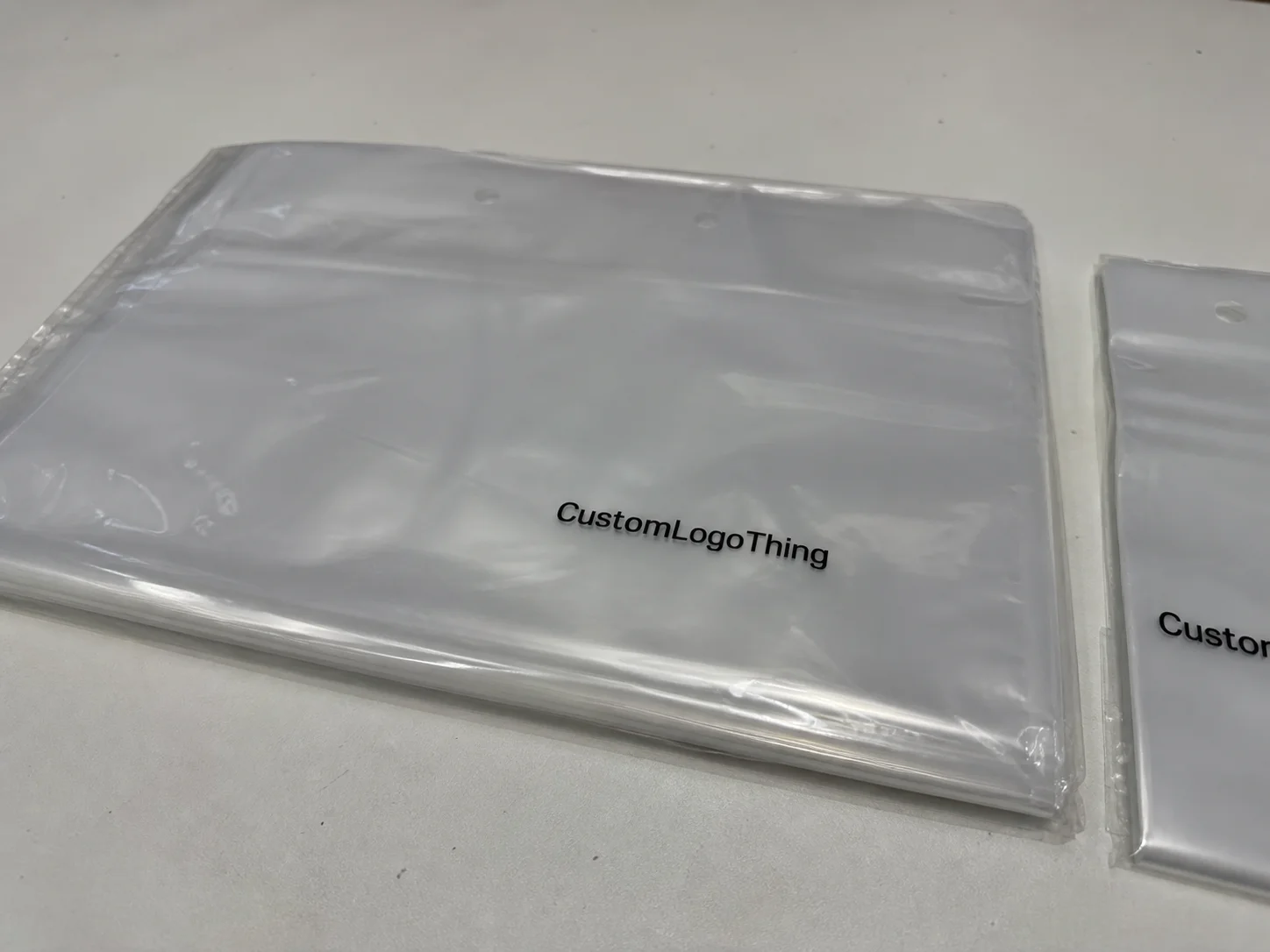
Buyer Fit Snapshot
| Best fit | Custom Label Printing for Cosmetics projects where brand print, material claims, artwork control, MOQ, and repeat-order consistency need to be specified before quoting. |
|---|---|
| Quote inputs | Share finished size, material target, print colors, finish, packing count, annual reorder estimate, ship-to region, and any compliance wording. |
| Proofing check | Approve dieline scale, logo placement, barcode or warning zones, color tolerance, closure strength, and carton packing before bulk production. |
| Main risk | Vague material claims, crowded artwork, missing packing details, or unclear freight terms can make a low unit price expensive after revisions. |
Fast answer: Custom Label Printing for Cosmetics: Material, Print, Proofing, and Reorder Risk should be specified like a repeatable production item. The safest quote records material, print method, finish, artwork proof, packing count, and reorder notes in one written spec.
Production checks before approval
Compare the actual filled-product size with the drawing, then confirm tolerance on folds, seals, hang holes, label areas, and retail display edges. Reserve space for logos, QR codes, warning copy, and material claims before decorative graphics fill the panel.
Quote comparison points
Review material grade, print process, finish, sampling route, tooling charges, carton quantity, and freight assumptions side by side. A quote is only useful when the supplier can repeat the same color, closure quality, and packing count on the next order.
Custom label printing for cosmetics sounds simple until you stand on a factory floor in Dongguan at 6:40 a.m. and watch a $0.02 label choice turn a $40 serum into something that looks bargain-bin cheap. I remember one visit where the bottle was gorgeous, the formula was solid, and the carton looked polished enough to make the client smug. Then the labels came off the line looking flat and tired. No shine. No presence. Just sad little stickers pretending to be premium packaging. I’ve seen that kind of disappointment more times than I’d like to admit, especially on 5,000- and 10,000-piece launches where every cent suddenly matters.
That’s why custom label printing for cosmetics is never just “printing a sticker.” It sits at the intersection of branding, compliance, and sales. In one job, the label has to carry the logo, the ingredient list, the barcode, the warnings, and the visual personality of the brand. In another, it has to survive condensation on a bathroom shelf in Miami, oil from a hand cream in Seoul, and a last-minute regulatory revision because someone forgot the INCI name on line 14. Fun times. Honestly, I think labels get too little respect for how much nonsense they have to survive over a 12-15 business day production cycle.
At Custom Logo Things, I like to think of labels as the small piece of retail packaging that does the heaviest lifting. They’re part package branding, part legal document, and part shelf salesperson. If you get custom label printing for cosmetics right, the product looks intentional. If you get it wrong, it looks rushed, even if the serum inside is excellent. And yes, customers absolutely notice. They may not say it out loud, but they do the little pause-and-walk-away thing. Brutal. I’ve watched it happen in showrooms from Los Angeles to Shenzhen, and it takes about three seconds.
Custom Label Printing for Cosmetics: What It Really Means
Custom label printing for cosmetics means the label is built around your exact product, container, and brand position instead of forcing your design onto a generic stock option. A face cream in a 50 ml frosted jar needs a different label structure than a lip gloss tube, and a fragrance bottle with curved shoulders is a different problem again. I’ve sat across from brand founders who spent $18,000 on packaging design and then tried to save a few hundred dollars on labels. That’s usually backwards. I usually say it plain: don’t polish the whole brand and then cheap out on the thing people actually touch at retail every single day.
Here’s the blunt version: custom label printing for cosmetics is not only about colors and logos. It’s about matching the material to the formula, the adhesive to the surface, and the finish to the price point. A minimalist skincare line with a matte label and clean typography sends a different signal than a bright, high-gloss makeup brand. One says clinical and calm. The other says loud, bold, and ready for a display tray. The wrong choice can make a decent product look confused, which is not exactly the vibe anyone is chasing. I’ve seen a $12 cleanser look like a $3 drugstore copy because the label stock was too glossy and the typography was too thin.
Labels also do a compliance job. Depending on the market, you may need ingredients, net contents, warnings, batch codes, UPCs, recycling marks, and space for country-specific information. In the European Union, that can mean tight multilingual layouts for France, Germany, and Italy on the same panel. In the United States, you may need a 1D or 2D barcode, lot code space, and the right net quantity format. That is why custom label printing for cosmetics is part branding and part regulatory tool. If your cosmetic label looks beautiful but can’t legally carry the required copy, it’s not a useful label. It’s expensive decoration. Pretty? Sure. Useful? Not even a little.
Stock labels are the easier route. You pick from a preset size, a preset material, and maybe a limited color set. Fully custom printed labels are built around your bottle diameter, your jar height, your bottle curve, and your brand system. The difference is huge. Stock labels can work for test runs or very simple SKUs. Custom label printing for cosmetics makes more sense when the product needs stronger shelf presence, better durability, or a cleaner fit on nonstandard packaging. I’ve seen stock labels save $80 on a small run and cost $800 in rework because the corners lifted on a tapered bottle.
I learned this the hard way during a client meeting in Shenzhen. They brought me a luxury hand cream in a beautiful glass jar, then showed me a paper label quote that was $0.04 cheaper per unit. I told them, “Sure, save four cents and spend the next six months explaining why the edges bubble.” We tested both versions in our facility. The paper label failed after a few humidity cycles. The BOPP label held. That’s what custom label printing for cosmetics is really about: making the label survive reality in places like Shenzhen, Guangzhou, and even warehouse docks in humid Florida.
If you want the label to work with the rest of your line, it should be planned alongside Custom Labels & Tags, broader Manufacturing Capabilities, and any Custom Packaging Products that share the same visual language. A label on its own is nice. A label that fits the whole brand system is better. And if you’re ordering cartons from another supplier in Ningbo or Foshan, send the label dieline early so nobody pretends the spacing “should be fine.” It won’t be.
Factory-floor truth: I’ve watched one adhesive decision add three days of cleanup because labels slipped on curved bottles during application. On paper, it looked fine. On the line, it was chaos. That’s why custom label printing for cosmetics should always be tested on the actual container, not just approved in a PDF. I’ve had teams in Dongguan and Huizhou learn that lesson the expensive way.
How Custom Label Printing for Cosmetics Works
Custom label printing for cosmetics usually starts with artwork, but not the pretty part. The first real step is measurement. I want bottle dimensions, jar panel width, label wrap area, nozzle clearance, and a sample if possible. No sample? Then send photos with a ruler next to the container. A dozen times over, I’ve seen a label quote fail because someone said “about 2 inches” and “roughly square.” Roughly is not a measurement. It’s a shrug with a ruler nearby. In my experience, a 62 mm wrap on a 50 ml bottle is a totally different animal from a 68 mm wrap, even if the marketing team thinks “close enough.”
Once the dimensions are locked, the printer or converter chooses the print method. For most cosmetic runs, the main options are digital printing, flexographic printing, and offset printing. Digital printing works well for shorter runs, multiple SKUs, and faster turnarounds. Flexographic printing is more efficient for larger quantities and repeat jobs. Offset printing can deliver excellent detail and color consistency, especially for flat label stock, though it may not fit every adhesive label application. The right choice depends on volume, artwork complexity, and finish requirements. For a 1,000-piece pilot in Shanghai, digital is often the cheapest way to get moving. For 50,000 pieces headed to a U.S. distributor, flexo usually wins on unit economics.
Then comes material selection. For custom label printing for cosmetics, common choices include paper, BOPP, PET, clear film, and textured stocks. Paper can be fine for dry products or lower-moisture environments. BOPP and PET are better when the label needs moisture resistance, oil resistance, or better durability against handling. Clear labels are popular for “no-label” looks, but they’re unforgiving. If the bottle surface is dusty, curved, or not perfectly clean, clear film will expose every flaw. I’ve seen brand teams fall in love with clear labels in a meeting and then stare at the first sample like the bottle had personally betrayed them. That’s usually because the surface prep in the factory was not good enough, or the bottle supplier in Jiangsu left a little residue behind.
Adhesives matter more than most people think. A label on glass behaves differently from a label on polypropylene plastic, and both behave differently from a label on a tube that gets squeezed daily. Permanent acrylic adhesives are common, but low-temperature or removable adhesives can make sense in special cases. If the product will be refrigerated, exposed to bathroom humidity, or stored in an e-commerce fulfillment environment where boxes get stacked for days, you need the right glue. Yes, glue. The glamorous side of branding never gets enough credit. Also, yes, I have had a client try to solve a humidity issue with “better design.” That was adorable. The adhesive should be specified with the container surface, not guessed after the first 500 units fail in Atlanta or Sydney.
Finishing options are where custom label printing for cosmetics starts to separate “nice” from “sellable.” Spot gloss can emphasize a logo. Matte lamination softens the look. Soft-touch finish creates a velvety feel that screams premium if the rest of the design earns it. Foil adds shine and contrast, and white ink is essential for clear labels or dark containers. A label with white ink underprint on transparent film can look crisp on amber glass. Without it, your brand colors may disappear. Fast. Like they got shy and left the room. For premium skincare, I often see 350gsm C1S artboard used for cartons, while labels stay on 60–80 micron BOPP or PET, depending on whether the product is a serum, shampoo, or cream.
After proofing, the printer moves into production, then die-cutting, slitting, and packing. For standard jobs, I’ve seen turnaround times of 10-15 business days after proof approval. Specialty labels with foil, multiple layers, or unusual materials can take 15-25 business days. Rush jobs usually cost more. That is not a factory conspiracy. That is just reality. Machines still need setup, and human beings still need sleep. Shocking, I know. If your supplier is in Guangzhou or Shenzhen, ask for the actual calendar, not a vague promise. Vague promises are how launch dates get eaten alive.
One thing clients often miss: exact quotes depend on exact samples. A factory can’t price custom label printing for cosmetics accurately if the bottle has a taper, the surface is textured, or the adhesive needs to survive freezing. I’ve had suppliers in Guangdong refuse to quote until they saw a physical bottle. Annoying? Yes. Reasonable? Also yes. Once you’ve watched a label lift because a bottle shoulder was just a little too sharp, you stop fighting that request. I’ve seen the same on a 30 ml dropper in Suzhou and a 100 ml lotion bottle in Dongguan. Geometry wins every time.
For clients who need a visual comparison, here’s the basic tradeoff map I use when quoting custom label printing for cosmetics:
| Print Method | Best For | Typical Strength | Typical Limitation |
|---|---|---|---|
| Digital printing | Short runs, multiple SKUs, fast sampling | Flexible setup, quick changes | Higher unit cost at larger volumes |
| Flexographic printing | Higher volumes, repeat orders | Efficient for scale, strong consistency | Plate setup adds cost upfront |
| Offset printing | Flat labels, fine detail, color fidelity | Excellent print quality | Less flexible for unusual label formats |
That table won’t make the decision for you, but it will keep you from choosing a process based on habit. I’ve seen buyers insist on offset printing because they heard it was “higher quality,” only to discover digital printing gave them the same visual result at lower cost for a 3,000-piece launch in New Jersey. Honestly, half the fight is getting people to stop treating one printing method like a religion.
Key Factors That Affect Cosmetic Label Quality and Cost
Material choice is the biggest cost lever in custom label printing for cosmetics, and people underestimate it constantly. A standard paper label may land around $0.03 to $0.06 per unit at higher quantities, depending on size and color count. A BOPP or PET label with better moisture resistance may push into the $0.05 to $0.12 range. Add foil, soft-touch, emboss-like effects, or specialty adhesives, and the price can move well above that. Exact numbers depend on quantity and specs, but the pattern is steady. For a 5,000-piece run with a 4-color BOPP label in Foshan, $0.08 per unit is not unusual; with foil and soft-touch, $0.15 per unit is very believable.
Let me make it painfully clear with a real example. A client wanted 10,000 labels for a vitamin C serum. The base label quote was $0.07 each. They then asked for metallic foil, matte lamination, and a clear seal layer. The revised price came back at $0.19 each. They flinched. I didn’t blame them. But once we compared the shelf impact, they realized the premium version made sense for a product retailing at $48. If your pricing can’t support the packaging, the label will punish you. No mercy. No refund. I’ve had the same conversation in Qingdao and Los Angeles, and the math doesn’t care about your feelings.
Finish changes cost too. Gloss lamination is usually more economical than soft-touch. Spot UV can add visual contrast without a full foil coverage bill. Foil stamping, however, tends to increase setup and tooling expenses. For custom label printing for cosmetics, the finish should match the brand promise. Natural skincare brands usually look better with matte or uncoated textures. Bright makeup brands can tolerate gloss. Luxury fragrance lines often benefit from foil, clear film, or heavy tactile effects. A matte label on a $22 moisturizer in Toronto can look elegant. The same label on a neon lip gloss line in Bangkok might look underpowered.
Size and shape also matter. A small 1 oz dropper bottle might need a label that is 1.5 inches wide by 1 inch tall, with tight wrap tolerances. A jar label might need a larger front panel and a wraparound back panel with room for copy. Curved surfaces, tapered bottles, and pump dispensers increase difficulty because the label must lie flat without wrinkling. Tiny surfaces are especially unforgiving. On a 15 ml bottle, one extra millimeter can ruin alignment. One. Tiny. Millimeter. And then everyone acts surprised. I’ve seen a 2 mm shift on a lip oil bottle in Guangzhou turn a premium layout into a crooked mess.
Compliance copy can change the whole layout. Ingredients, INCI names, warnings, and batch code space can force the design to be denser than the brand team wants. That’s where custom label printing for cosmetics stops being just a visual project and becomes a layout puzzle. I always tell clients to reserve a text zone early. Don’t “find room later.” Later is where people end up shrinking type to 5 pt and praying nobody notices. I prefer to block out that panel before the first proof so the brand team doesn’t discover too late that “minimal” has legal limits.
Another cost driver is reorder complexity. If a brand has six shades, two languages, and three bottle sizes, custom label printing for cosmetics turns into a matrix. Every variation can require separate setup, separate inventory, and separate proofing. Keeping a shared label system can reduce waste. For example, I’ve seen brands use one master design with variable batch codes and flavor color bands. Smart. Efficient. Less warehouse drama. A warehouse in Dongguan with 18 SKUs and no master system becomes a paperwork swamp by month two.
Here’s a practical pricing snapshot I’ve used with clients. Not every supplier will match these numbers, but the ranges are realistic enough to keep people grounded:
| Label Type | Example Specs | Approx. Unit Cost at 5,000 pcs | Notes |
|---|---|---|---|
| Basic paper label | 1 color, standard adhesive | $0.03-$0.06 | Good for dry products and simple branding |
| BOPP label | 4-color print, moisture resistant | $0.05-$0.10 | Common for skincare and bath products |
| PET label with lamination | 4-color, glossy or matte finish | $0.08-$0.14 | Better durability on handled containers |
| Premium label with foil | Soft-touch, foil accent, white ink | $0.14-$0.28 | Used for premium shelf presence |
Those figures are why I tell buyers to think in total packaging economics, not just label cost. If a label adds $0.10 but raises perceived value enough to support a $6 retail increase, the math is not hard. The hard part is admitting the product packaging has to do some of the selling. In one London launch, the team spent $1.85 on the jar and $0.12 on the label; the $0.12 was the part customers actually saw first.
For brand teams also developing cartons, I often compare cosmetic label decisions to Custom Printed Boxes. The same logic applies: the material, finish, and print method must match the product position. A label that feels inconsistent with the box creates friction. Consumers notice that mismatch faster than most teams expect. If the label says “luxury” and the carton says “clearance bin,” someone on the shelf is confused. Usually the shopper.
When suppliers build quotes, they may also ask about standards. For packaging durability and shipping performance, references to ISTA testing can be useful if your products are traveling through rough distribution channels. For material and sustainability considerations, FSC certification matters if you’re using paper components and want forest stewardship credibility. I’ve also had clients review packaging guidance from industry organizations before approving final retail packaging specs. Good habit. If your labels are headed to a fulfillment center in Dallas or a distributor in Rotterdam, test the packaging like the boxes are going to get tossed around, because they probably will.
Step-by-Step Process for Custom Label Printing for Cosmetics
Step 1: Define the product and the buyer. Before you sketch anything, decide what the label must do. Is it for a clinical skincare line, a playful makeup collection, a salon haircare product, or a luxury fragrance? The answer changes the typography, the finish, and the amount of information you can squeeze onto the panel. Custom label printing for cosmetics works best when the brand position is clear before design starts. A $9 hand lotion sold in bulk at Target is not the same brief as a $62 serum shipped from Milan.
Step 2: Measure the container properly. I want exact dimensions: width, height, wrap area, corner radius, taper angle, and any obstructions like pumps or caps. For round bottles, diameter matters. For jars, the flat panel may be smaller than it looks. For tubes, squeeze distortion needs to be considered. If you don’t have a physical sample, send photos with a ruler and a technical drawing if possible. No guessing. Guessing is how reprints happen. And if you think “close enough” is fine, I have bad news for your budget. I’ve seen a 40 ml bottle from Shenzhen that needed a 58 mm wrap, not the 60 mm the sales deck claimed.
Step 3: Pick the material, adhesive, and finish together. This is where custom label printing for cosmetics gets practical. A moisturizing body oil in a humid bathroom should probably not use paper. A cold-stored eye cream may need stronger adhesion. A luxury serum can benefit from soft-touch lamination and foil accents. A budget toner probably shouldn’t carry three specialty effects unless the economics are there. The package has to earn the effect. If you’re using a 60-micron BOPP label with permanent acrylic adhesive in a humid climate like Singapore, that decision should be made on purpose, not by accident.
Step 4: Build the artwork with hierarchy. The product name should be readable at arm’s length. The subcopy should support it. The compliance text should be present but not overpower the branding. I always tell clients to design for a shelf shopper first and a microscope second. If the customer can’t identify the product in three seconds, the label is working against the sale. Put the eye-catcher at the top, the claim in the middle, and the legal text where it belongs instead of letting it swallow the whole layout.
Step 5: Request proofing and test it hard. Printed proof, physical sample, or both. Check color against your brand guide. Check barcode readability. Check adhesion on the actual container after 24 hours, not just at minute one. I once saw a beautifully printed label fail on a frosted bottle because the surface had a faint mold-release residue from the supplier. The art was perfect. The bottle was the problem. Welcome to packaging. A proof approval in the morning can still be wrong by the afternoon if the bottle finish varies between lots.
Step 6: Approve production and inspect the first run. Once custom label printing for cosmetics moves into production, review the first cartons carefully. Look for alignment, color variation, edge lift, and any cut defects. If you can, request a retained sample from the run. That way, when the reorder comes, you have a real reference instead of relying on memory, which is famously unreliable in busy product launches. I keep samples labeled by city and month because “the blue one from last spring” is not a real reference.
I’ve had a brand team call me three days before launch because the barcode on a lip gloss label scanned at only 78% on their in-house reader. The supplier hadn’t tested it, the art team had shrunk it, and the sales team had already promised a retailer shipment. One barcode check would have saved a headache and a rescheduled freight booking. That was a very long afternoon, and the shipment from Ningbo was already on the water by the time anyone admitted the problem.
Timelines are usually straightforward if nobody keeps changing the art. A simple custom label printing for cosmetics project can move from approved file to shipment in about 10-15 business days. Add special finishes, tricky dielines, or compliance revisions, and you may need 2-4 extra weeks. If the supplier is honest, they’ll tell you early. If they say “no problem” to everything, they may be overpromising. I’ve negotiated enough factory schedules in Dongguan, Shenzhen, and Xiamen to know that “no problem” sometimes means “we’ll see.”
Common Mistakes in Custom Label Printing for Cosmetics
The most common mistake is using the wrong substrate. Paper labels on oily, refrigerated, or frequently handled products can fail. I’ve seen a toner label curl at the corner after being in a bathroom cabinet for two weeks. Not because the design was bad. Because the material was wrong. Custom label printing for cosmetics needs to account for real-world conditions, not a pristine studio shelf. If the product is going into spas in Bangkok or humid retail in Florida, paper may be the wrong choice unless it is heavily protected.
Another mistake is ignoring container geometry. A label that looks centered in a flat mockup may land awkwardly once wrapped around a curved bottle. Tapered jars can distort text. Pumps can cover part of the design. Nozzles can interfere with the top edge. If your label lives near a dispenser, design around the hardware. Otherwise the hardware wins. Every time. I’ve watched people argue with a pump cap as if the pump cap was going to move. It will not. A 2 mm misalignment on a 30 ml glass bottle can look tiny on screen and huge on a retail shelf in real life.
Brands also make the “pretty first, functional later” mistake. They design a label with giant decorative graphics, then discover there’s no room for ingredients, warnings, or a barcode. That’s not a creative challenge. That’s a layout failure. For custom label printing for cosmetics, compliance space should be planned from the start. You can still have a beautiful label. You just need discipline. I’ve had to pull back a gold foil pattern in a Hong Kong project because it crowded the batch code zone. Pretty design does not excuse unreadable information.
Wrong adhesive is another headache. Glass and PP plastic do not behave the same. Neither do glossy and textured surfaces. A label may stick beautifully in the sample room and fail on the line if the product surface has dust, oil, or condensation. I’ve seen teams blame the printer when the real issue was a filling line that didn’t leave the bottle dry enough before application. The label wasn’t defective. The process was. If your production line in Suzhou is running fast, a 1-second delay in wipe-down can make a big difference.
Skipping proofing is a classic. Don’t do it. Barcode scan tests, spelling checks, color checks, and size checks are non-negotiable. One spelling error on a 20,000-piece run can cost far more than the proof fee you were trying to avoid. That is a strange place to save money. Like skipping the brakes because the car already has a horn. I’ve seen a French ingredient line miss a single accent mark and trigger a full reprint because the compliance team in Paris refused to sign off. Painful? Yes. Avoidable? Also yes.
Lead time mistakes are also common. People assume reorder speed will match launch speed. Sometimes it won’t. A premium custom label printing for cosmetics job with foil and soft-touch may need plate production, drying time, and finish setup. If you sell through the first run, you need reorder planning before inventory gets thin. I advise brands to set a reprint threshold at 30% remaining stock, not 5%. Five percent is panic territory. At 30%, you still have time to repeat a 12-15 business day cycle without bribing everyone on the calendar.
Expert Tips for Better Cosmetic Labels That Sell
First, use contrast. I know minimalist brands love restraint, but restraint without contrast is just unreadable. Your product name should pop at arm’s length. Dark text on light backgrounds, or light text on darker containers, usually works better than a soft gray on beige. Custom label printing for cosmetics is a visual contest, not an art-school exercise. In a crowded aisle in Manhattan or Seoul, the label with the clearest contrast usually wins the first glance.
Second, match finish to price point. A $12 cleanser does not need the same tactile finish as a $68 serum, and a $4 lip balm doesn’t need to cosplay as luxury. Matte can signal clean and natural. Gloss can feel energetic and mass-market. Soft-touch suggests premium if your typography and materials support it. The finish should support the story, not argue with it. I’ve seen a $28 moisturizer in a matte BOPP label feel credible, while a $6 toner with excessive foil felt like it was trying too hard.
Third, test on the actual container. Not “similar.” Not “close enough.” The actual bottle, jar, or tube. I’ve tested labels on a flat sheet and felt great, then watched them wrinkle on the real container because the shoulder curve was sharper than expected. That one test can save a lot of embarrassment. Custom label printing for cosmetics rewards people who verify assumptions. If possible, test on two containers from the same supplier lot, because container variation can be sneaky.
Fourth, think in SKU systems. If your line will grow, create a labeling structure that can handle new shades, scents, or variants without rebuilding the whole brand. Keep typography, layout, and spacing consistent. Change one color band or icon for each variant. That’s cleaner, cheaper, and easier for customers to navigate. Good product packaging should scale without chaos. I’ve seen a six-color skincare line in Singapore use one master template with only the shade stripe changed, and it saved them a pile of proofing time.
Fifth, use tactile detail sparingly. Foil, spot gloss, and soft-touch are great, but too many effects can make a label look busy and drive costs up faster than the marketing team expects. One strong premium cue is usually enough. Maybe a foil logo. Maybe a soft-touch base with gloss accents. Not all three unless you really want the invoice to have a personality. A restrained label with one foil element at $0.15 per unit for 5,000 pieces often lands better than a crowded label that costs twice that.
Here’s the shelf test I use: if I walked past this product in a store and had three seconds, would I know what it is, who it’s for, and why it costs what it costs? If the answer is no, the label needs work. Custom label printing for cosmetics is not about decorating space. It’s about earning attention with intention. In a store in Tokyo or a pop-up in Los Angeles, three seconds is generous. You usually get less.
And yes, branded packaging matters beyond the label. If you also use cartons, inserts, or display units, keep the visual system consistent across the product packaging family. A sharp label on a sloppy box looks unfinished. A coordinated label and carton system makes the whole line feel more expensive, even before anyone touches the formula. I’ve seen a simple 60 ml serum with a clean label and a 350gsm C1S artboard carton outsell a fancier formula because the packaging looked coherent from top to bottom.
Next Steps After You Choose Custom Label Printing for Cosmetics
Start with a one-page label brief. Include product type, container material, exact dimensions, expected quantity, finish preferences, and all required text. Add your logo files in vector format, barcode requirements, and any language versions you need. This short document saves time, reduces quoting mistakes, and makes custom label printing for cosmetics much easier to manage. If you’re comparing suppliers in Dongguan, Yiwu, and Shenzhen, this brief is the difference between clean quotes and a week of back-and-forth.
Then ask suppliers for samples. Not just paper swatches. Ask for adhesive and finish combinations applied to your actual container if possible. A label that looks beautiful on a sample card may behave very differently on a curved serum bottle. In my experience, the best suppliers will tell you what they need before you ask twice. The average ones wait for you to discover the problem after approval. That gets old fast. I prefer a sample on the bottle, a sample on the carton, and a clear note on who approved what and when.
Compare at least three quotes, but compare them with the same specs. If one supplier quotes BOPP with lamination and another quotes paper with no finish, the numbers are meaningless. I’ve sat in pricing calls where the cheapest quote was missing half the requirements. That’s not a bargain. That’s a misunderstanding with a price tag. Ask for the exact material, adhesive, finish, quantity break, and lead time. If one factory in Guangzhou says 12 business days and another in Ningbo says 18, You Need to Know whether that gap is due to press capacity or because one quote quietly skipped a finishing step.
Set your approval deadline early. Proofing can stall a launch if five people need to sign off on a comma. Keep the decision chain short. One brand manager, one compliance reviewer, one final approver. That’s enough. Custom label printing for cosmetics moves faster when nobody is trying to reinvent the label at the last minute. If your launch is tied to a retail event in New York on the 15th, your internal approval should happen before the supplier starts production, not after someone notices a typo in week two.
Finally, plan for reorders. The fastest-selling SKUs should have a replenishment schedule. If a product sells through 1,000 units a month, don’t wait until you’re down to 50 labels before ordering more. Reprint thresholds, lead times, and storage space all matter. Cosmetic brands that plan their labels like inventory assets usually waste less money and miss fewer launches. I tell teams to reorder around 30% inventory remaining and to keep the artwork, dieline, and supplier contacts in one shared folder, not buried in somebody’s inbox.
If you’re building out the rest of your line, keep the conversation connected to broader product packaging decisions. Labels, cartons, and outer packaging should work together, not fight each other. That’s the difference between a good product and a shelf-ready brand. And yes, custom label printing for cosmetics is a big part of that equation. If your carton uses a 350gsm C1S artboard with matte lamination, your label finish should feel like it belongs in the same family, not like it wandered in from another brand.
When you’re ready, bring the specs, not guesses. That’s how you get cleaner print, better adhesion, and a label that makes the formula look like it belongs at its price point. In my experience, that’s the real win with custom label printing for cosmetics: it turns a container into a credible brand moment. One good label can move a product from “nice idea” to “put it in the cart,” and yes, I’ve seen that happen in real stores from Singapore to Chicago.
FAQs
How does custom label printing for cosmetics differ from regular product labels?
Custom label printing for cosmetics usually needs better resistance to moisture, oil, and friction because products live in bathrooms, handbags, and salon environments. Cosmetic labels also tend to carry more compliance copy in a smaller space, including ingredients, warnings, and batch details. On top of that, the finish has to support the brand story because cosmetics are heavily shelf-driven and buyers judge fast. A lotion label that works in a dry warehouse in Phoenix may still fail in a steamy bathroom in Bangkok if the substrate is wrong.
What is the typical cost of custom label printing for cosmetics?
Basic labels are usually cheaper at higher quantities and simpler color setups, often in the $0.03 to $0.10 range depending on material and size. Special finishes like foil, soft-touch, or spot gloss raise the price, sometimes to $0.14-$0.28 or more at 5,000 pieces. Material choice, adhesive type, and label size can change pricing more than people expect. For example, a 5,000-piece BOPP order in Shenzhen might price at about $0.08 per unit, while a premium foil label can land closer to $0.19 per unit.
How long does custom label printing for cosmetics usually take?
Artwork approval and proofing often take longer than the actual print run because cosmetic brands have multiple stakeholders and compliance checks. Standard production can be about 10-15 business days after proof approval, while specialty materials or rush orders may take longer. Complex shapes, sample revisions, or regulatory changes can extend the timeline further. A foil-and-soft-touch label for a launch in London, for instance, may need 15-25 business days if the die and finish are new.
What label material is best for skincare and cosmetic containers?
BOPP and PET are common choices for moisture-prone products because they hold up well on bottles and jars that see daily handling. Paper can work for dry products or premium looks if the environment is mild and the formula is not oily or refrigerated. The best option depends on the container surface, product formula, storage conditions, and the finish you want. For a bathroom-facing serum or shampoo, I usually lean toward BOPP with a permanent acrylic adhesive rather than paper on a hope and a prayer.
What should I send a supplier for custom label printing for cosmetics?
Send exact container dimensions, label placement area, and details about the product formula so the supplier can recommend the right material and adhesive. Include final text copy, logo vectors, barcode needs, quantity estimates, and finish preferences. If you have a deadline tied to a launch or retail shipment, include that too so the supplier can plan production properly. A supplier in Dongguan or Guangzhou can quote much more accurately when they have a sample bottle, a dieline, and the target quantity, such as 3,000, 5,000, or 10,000 pieces.