Custom Labeling Stickers do more than decorate packaging. They affect shelf appeal, readability, barcode performance, compliance space, and whether a package still looks credible after shipping, refrigeration, or repeated handling.
For buyers, the main issue is not whether a label looks good in a mockup. It is whether the construction fits the container, surface, and use conditions. A stronger adhesive can keep edges flat on a chilled bottle. A film face stock can outperform paper around moisture. A matte laminate can reduce visible scuffing during transit.
This guide focuses on the decisions that actually affect results: materials, adhesives, artwork setup, lead times, pricing, testing, and inspection. If you are comparing options for Custom Labels & Tags or coordinating labels with broader Custom Packaging Products, clear specs early will reduce rework later.
Why custom labeling stickers matter more than most brands expect
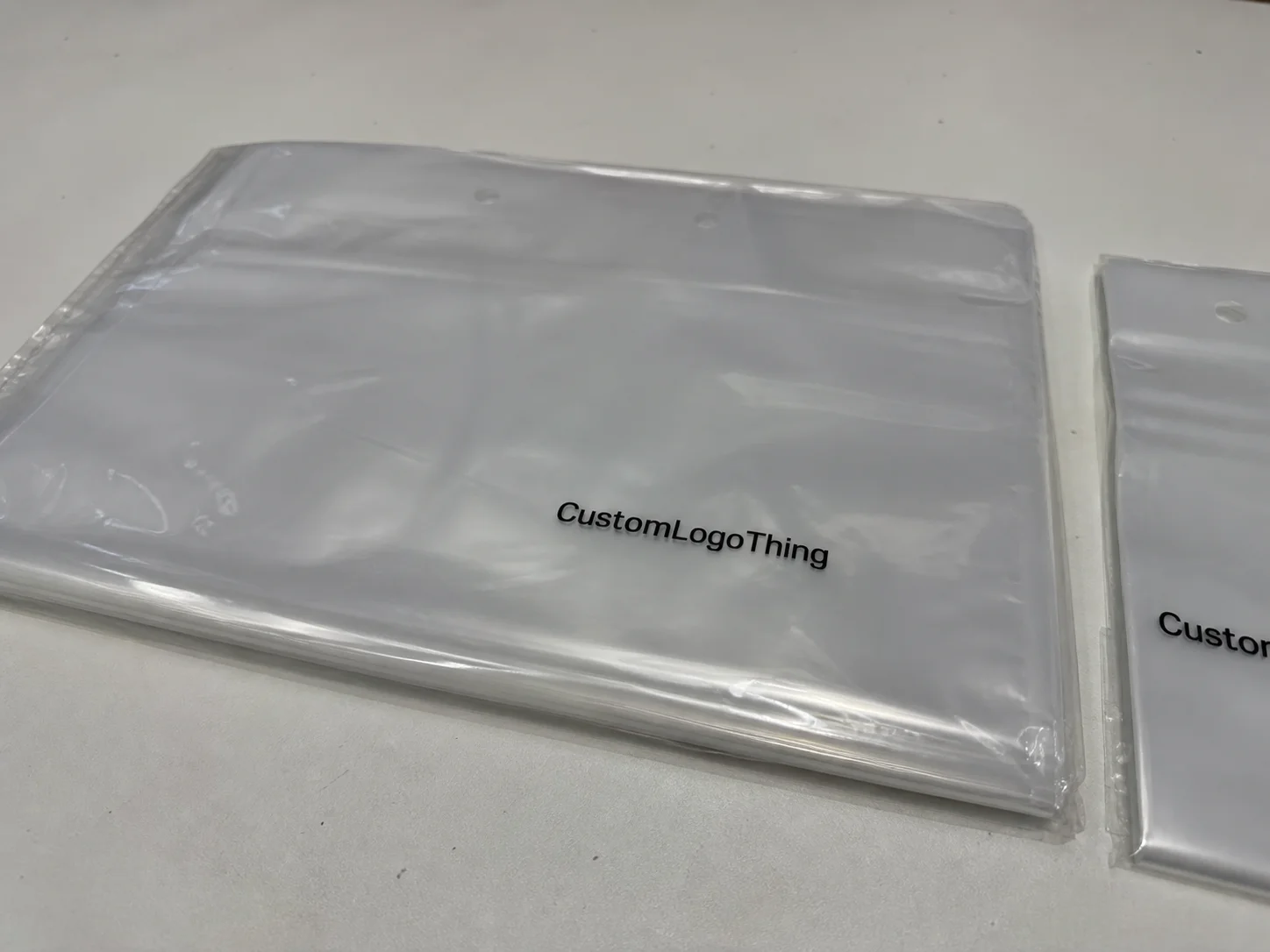
Labels often carry most of the communication burden on a package. They may need to fit the brand mark, ingredients, directions, warnings, net contents, a barcode, a QR code, and a lot-code zone on one limited surface.
Small specification mistakes show up quickly in the real world. Thin paper on a premium jar can cheapen the presentation. Clear film without enough white ink can disappear on dark packaging. The wrong adhesive on a textured pouch can start lifting after filling or case packing.
Use case matters too. E-commerce packaging usually needs better scuff resistance. Retail packaging often needs stronger visual clarity under store lighting. If labels must match printed cartons or inserts, color and finish consistency become part of the buying decision.
There is also an operating cost angle. Labels that wrinkle, dispense poorly, or arrive in the wrong roll direction can slow an application line and increase labor. That is why the right comparison is not only unit price. It is total performance on the product and in production.
How custom labeling stickers work on real packaging surfaces
A packaging label usually includes five parts: face stock, adhesive, liner, printed image, and an optional coating or laminate. Each affects durability and application.
Common face stock choices include:
- Paper for dry indoor products and lower-cost runs
- White BOPP for bottles, jars, food, and bath packaging where moisture resistance matters
- Clear BOPP for a no-label look, usually with white ink layers
- Vinyl for heavier handling or outdoor exposure
- Textured paper for wine, candles, and boutique food packaging
- Foil paper or film for metallic appearance without foil stamping
- Specialty films for freezer, chemical, or industrial uses
Paper is often the lowest-cost option, but it scuffs more easily and is less reliable in wet or cold conditions. White BOPP is a common upgrade because it handles moisture better and flexes well on jars and bottles.
Adhesive choice is just as important as the face stock. Glass is generally forgiving. HDPE and some flexible plastics are less so because of lower surface energy. Corrugated board may need more aggressive tack, especially if the surface is dusty or textured. “Permanent” is not one standard; adhesive strength varies widely by substrate and environment.
Application method matters too. Hand application works for small runs. Machine application requires correct roll orientation, core size, outer diameter, and gap spacing. A label can print perfectly and still fail operationally if the roll specs are wrong.
Finish affects both look and wear. Gloss boosts color pop. Matte gives a quieter, often more premium appearance and can reduce glare. Laminates usually add more scuff and moisture resistance than a simple coating. For buyers shipping through rough fulfillment channels, that difference can matter more than appearance alone.
Exposure should drive the build. Moisture, freezer storage, oils, UV light, and abrasion all narrow the right material choice. For broader testing reference, the International Safe Transit Association offers useful packaging resources.
Key specs to choose before you request artwork or samples
Before requesting pricing or proofs, define the core specifications: size, shape, material, adhesive, finish, print method, quantity, and format. Without those details, quotes are only rough estimates.
Start with real measurements from the actual container. Curved and tapered surfaces need special care. A label that is too tall on a tapered bottle can wrinkle. A wraparound label that crosses a seam or pinch point can fail during application.
Typical shape options include circles, rectangles, ovals, squares with rounded corners, full Custom Die Cuts, wraparound labels, tamper-evident seals, and separate front-and-back sets. Standard shapes often cost less. Custom shapes can improve shelf impact, but they also raise setup sensitivity and material waste.
On print, CMYK is enough for many jobs. Pantone matching helps when brand color consistency is critical, especially if labels must align with cartons or displays. Clear labels often need white ink beneath selected graphics or text. Very fine reverse text and extremely small type can become risky depending on stock and print method.
Operational content needs attention as well. Barcodes need proper quiet zones and contrast. Ingredient panels need readable spacing. If the label needs a blank area for lot coding or expiration printing, that zone should remain suitable for thermal transfer or inkjet printing.
Format also affects use:
- Sheets are practical for lower volumes and hand application
- Rolls are usually better for faster dispensing and machine application
If you need rolls, confirm core size, unwind direction, outside diameter limit, and preferred labels per roll before finalizing artwork.
Custom labeling stickers process and timeline: from file review to delivery
The usual production flow is straightforward: requirements review, dieline setup, artwork check, proofing, material confirmation, printing, finishing, inspection, packing, and shipping.
Prepress is where avoidable problems are caught. Files are checked for bleed, safe zones, cut line position, resolution, barcode clarity, and color mode. Low-resolution art softens in print. Text too close to the cut line can trim poorly. Clear labels that use white ink need that layer separated and approved correctly.
Proofing may be digital or physical. Screen proofs are fine for content and layout, but they are less reliable for metallic effects, transparent materials, and the final look on dark or frosted containers. A physical sample is much more useful when opacity or substrate color will change the appearance.
Print method depends largely on quantity and complexity. Digital printing often works well for short runs, versioning, and multiple SKUs. Other press methods can make more sense for longer runs where repeat color consistency and scale pricing matter.
Finishing may include lamination, varnish, slitting, sheeting, kiss cutting, and rewinding. Roll orders may also need exact core size and maximum outer diameter to fit dispensers or applicators.
Inspection should cover color drift, registration, die-cut accuracy, matrix removal, roll count, splice count, barcode readability, and visible defects such as scratches, edge lift, or laminate issues. On clear films, dust and surface marks are especially visible.
Lead time is often shaped more by approvals than by press time. A simple repeat order may ship in about 5 to 8 business days after approval. A first-time order with samples, revisions, or specialty materials may take 12 to 15 business days or longer.
For launches, build in time for sampling and testing. If transit handling is part of the evaluation, resources from the Institute of Packaging Professionals can be helpful.
Cost and pricing: what changes the quote for custom labels
Label pricing depends on size, material, adhesive, print coverage, finish, quantity, and format. A small paper sheet label and a larger clear BOPP roll label with white ink and laminate may differ sharply in cost even if both are called stickers.
Main cost drivers usually include:
- Prepress and file setup
- Material grade and thickness
- Custom die cutting or shape complexity
- Specialty inks such as white ink
- Lamination or varnish
- Variable data or sequential numbering
- Packing requirements by roll count, sheet count, or SKU split
Short runs cost more per piece because setup is spread across fewer labels. Larger runs usually reduce unit cost if the specifications are stable and the labels will not become obsolete.
| Label Construction | Typical Use | Approx. Quantity Example | Estimated Unit Range |
|---|---|---|---|
| Paper, sheet format, basic CMYK | Dry indoor product labels | 500 pieces | $0.18–$0.40 |
| White BOPP roll label with gloss or matte finish | Bottles, jars, food or bath packaging | 5,000 pieces | $0.03–$0.09 |
| Clear BOPP with white ink | No-label-look retail packaging | 5,000 pieces | $0.05–$0.12 |
| Vinyl or specialty durable film | Outdoor, industrial, heavy handling | 2,500 pieces | $0.10–$0.28 |
Use those numbers only as planning ranges. Final cost still depends on dimensions, coverage, material yield, number of SKUs, and finishing details.
Ask quotes to spell out freight, proof fees, sample fees, die charges if applicable, rush charges, and repeat-order setup terms. Compare line by line. A lower price may reflect a thinner stock, no laminate, a different adhesive, or a roll format that will not work on your equipment.
Step-by-step guide to ordering labels that actually fit and perform
- Measure the actual product. Record the usable label panel, taper, seams, and squeeze zones.
- Define use conditions. Note moisture, refrigeration, oils, sunlight, and shipping friction.
- Choose stock and adhesive by function. Appearance comes after performance needs.
- Prepare artwork correctly. Include bleed, cut lines, readable type, barcode spacing, and white ink layers if needed.
- Select sheets or rolls. If rolls are needed, confirm orientation, core size, and roll count.
- Request a proof or sample. This is especially important for clear materials, dark containers, and fine text.
- Test on the real package. Filled containers are better test samples than empty ones.
- Approve final specs in writing. Quote, proof, purchase order, and production file should match.
Following that order prevents many common failures, including wrinkling on tapered bottles, dull print on tinted packaging, and barcode problems caused by compressed layouts.
Common mistakes that cause peeling, reprints, and wasted budget
One of the most common mistakes is choosing stock based on appearance alone. A paper label may look right in concept and fail in refrigeration or around oils.
Surface mismatch is another frequent problem. Glass is easy. Some plastics are not. Low-energy surfaces such as certain HDPE containers may need more aggressive adhesive. Corrugated stock can also need higher tack because of dust and texture.
Artwork errors still drive many reprints: missing bleed, tiny legal copy, low-resolution images, and barcodes with poor quiet zones. A barcode that looks acceptable visually may still scan badly in retail use.
Operational details are often missed. Wrong roll direction, core size, outer diameter, or label gap can disrupt machine application and increase labor.
Another expensive mistake is approving only a screen proof for clear labels or white ink jobs. The container color can change the final result dramatically.
Ordering errors matter too. Too many labels before copy or compliance details are stable can leave you with obsolete stock. Too few can raise the blended annual cost through repeated small runs.
Practical callout: If the label must handle moisture, cold storage, abrasion, or repeated squeezing, test the exact construction on the actual package before full approval.
What should you do before ordering custom labeling stickers?
Start with the basics in the right order: measure the product, define use conditions, shortlist materials, confirm format, review the proof, and test before full production.
A useful spec sheet should include container material, target label size, quantity, finish, adhesive needs, storage conditions, application method, and any required elements such as barcode, ingredient panel, lot-code zone, or expiration area. Keep approved dielines and roll specs documented so repeat orders move faster.
For new SKUs or unfamiliar surfaces, a pilot run is often safer than a large first order. It costs more per piece but can prevent a larger failure. It also helps to compare an economical build with a higher-performance build instead of forcing all requirements into one option.
If sustainability matters, ask about paper sourcing and the full construction, not just the face stock. The Forest Stewardship Council is a useful fiber-sourcing reference, but liners, films, adhesives, and end-of-life handling also affect the answer.
The key buying question is simple: which label construction fits the container, use conditions, and brand requirements with the least risk? Once that is clear, ordering becomes much easier.
FAQs
What are the best materials for custom product labeling stickers?
The right material depends on the surface and environment. Paper suits dry indoor use and budget runs. BOPP film is common for moisture resistance on bottles, jars, food, and bath packaging. Clear film works for a no-label look but often needs white ink planning. Vinyl and other durable films are better for heavy handling or outdoor exposure. Match the stock to the substrate, storage conditions, and finish goals.
How much do custom labeling stickers usually cost per unit?
Unit cost depends on size, quantity, material, adhesive, print complexity, and finishing. Short runs usually cost more per piece because setup is spread across fewer labels. Larger roll runs are often more efficient than repeated small sheet orders. Clear stock, white ink, specialty materials, and lamination increase cost. The most accurate comparison is always a line-by-line comparison of matching specs.
How long is the turnaround for custom labeling stickers?
Turnaround depends on proof approval speed, quantity, material availability, and finishing steps. Repeat orders usually move faster than first-time custom jobs. In many cases, artwork revisions and specification changes add more time than printing itself. Difficult surfaces and curved containers are worth sample testing before final approval.
Should I order custom labeling stickers on rolls or sheets?
Sheets are practical for low-volume hand application and simple storage. Rolls are usually better for faster application, cleaner dispensing, and machine labeling. For rolls, core size, unwind direction, label gap, and outer diameter all affect usability.
How do I make sure custom labeling stickers will stick properly?
Match the adhesive to the substrate, whether that is glass, HDPE, PET, metal, or corrugated board. Then account for moisture, refrigeration, oils, and temperature swings. Labels should be applied to clean, dry surfaces and tested on the real package whenever possible. Ask about permanent, removable, freezer-grade, or high-tack adhesive options. A real-world sample test is still the safest way to prevent peeling or edge lift.


