Buyer Fit Snapshot
| Best fit | Custom Labels Affordable for Brand Moves Today projects where brand print, material claims, artwork control, MOQ, and repeat-order consistency need to be specified before quoting. |
|---|---|
| Quote inputs | Share finished size, material target, print colors, finish, packing count, annual reorder estimate, ship-to region, and any compliance wording. |
| Proofing check | Approve dieline scale, logo placement, barcode or warning zones, color tolerance, closure strength, and carton packing before bulk production. |
| Main risk | Vague material claims, crowded artwork, missing packing details, or unclear freight terms can make a low unit price expensive after revisions. |
Fast answer: Custom Labels Affordable for Brand Moves Today: Material, Adhesive, Artwork, and MOQ should be specified like a repeatable production item. The safest quote records material, print method, finish, artwork proof, packing count, and reorder notes in one written spec.
Production checks before approval
Compare the actual filled-product size with the drawing, then confirm tolerance on folds, seals, hang holes, label areas, and retail display edges. Reserve space for logos, QR codes, warning copy, and material claims before decorative graphics fill the panel.
Quote comparison points
Review material grade, print process, finish, sampling route, tooling charges, carton quantity, and freight assumptions side by side. A quote is only useful when the supplier can repeat the same color, closure quality, and packing count on the next order.
The Riverside flexo room still smells like warm rubber, and when new clients walk through the door, the idea of custom labels affordable usually sounds like wishful thinking—until they see Ana, by the clamps, trade a 3-inch gloss sleeve for a 2.5-inch matte callout and I pause my stopwatch to highlight the 27-second die change. The inspection mirror catches the first label before the conveyor drags the next roll toward the Los Angeles retail launch, and by that point, they realize every mechanical minute is compressed without sacrificing design fidelity. That 5,000-piece run at $0.15 a unit ships in 12-15 business days post-proof, toggling between gloss, matte, and tactile varnish, which keeps the costs predictable while the ink laydown stays precise with tension locked under the stroboscope. I’m gonna say the stroboscope is the best disco ball around—it keeps registration tight enough that even my sister, who thinks print is a magic trick, nods along in approval.
When a Seattle craft-gin team once insisted our numbers were just a nice story, we let them start the stopwatch themselves while still debating the colorway; we were already running the next label when they finally admitted the timeline was real. Planning packaging for a downtown liquor brand meant I kept reminding their marketing folks that stable tooling savings could feed bolder embossing choices and consistent varnish runs. We specified the same 350gsm C1S artboard across custom-printed boxes, glass clusters, and shelf-ready retail systems; that consistent matte swatch—calibrated in Glendale—was literally paying for the extra 1.2mm embossing they craved. They could tell the difference between a hazy matte and a glare-throwing sheen, and when they finally agreed, it felt like winning the overtime period of a playoff game.
Reusing die sets, zeroing-in on logistics, and issuing single estimates for multi-brand partners keeps custom labels affordable and predictable, and watching transitions from proof to shipment on the Ontario bonded floor feels eerily similar to the smooth inventory flow we rely on for seasonal beverage relabels. Carefully scheduling forklift lanes, logging adhesives such as 3M 200MP and Avery Dennison Permacel by lot, and tying die numbers to every 18-inch roll lets our flexible label production respond when a retailer suddenly wants an extra trailer. Once, right before a holiday weekend, a retailer request landed on my desk and I nearly lost it—but because die numbers threaded through bonded storage, we shifted without making the crew sweat (well, not too much). Those fast pivots? They’re why clients keep telling me our agility is rare.
Value Proposition: Custom Labels Affordable Without Compromise
With the Riverside flexo room still humming, I have a stopwatch tucked under my sleeve to prove custom labels affordable doesn’t mean you trade speed for accuracy. When Press 4 flips rollers in under 30 seconds and the conveyor greets the next roll, that choreography compresses mechanical minutes without losing a sliver of design fidelity. It also helps keep custom labels affordable because our 12-15 business day timeline needs to deliver at least 15,000 units per run, and every second saved on the press translates into fewer overtime hours.
That kind of choreography explains why 85% of our short-run orders reuse existing dies or plate sets, keeping tooling expenses low so custom labels affordable stays practical for brands leaning on Prattville to dispatch rolls already amortized by earlier campaigns. Anaheim’s branding and production planners sit down together, building one blended estimate that keeps the story intact without forcing anyone to second-guess deadlines or detail levels they plan to run. The color-coded spreadsheets note run lengths—typically 7,500 linear feet—and adhesive batches so procurement can lock the same 4 mil PET liner; keeping label printing costs consistent is key even as art direction shifts.
Every element links back through packaging design reviews and the Custom Labels & Tags lineup, pairing adhesives like 3M 200MP (40 N/in tack strength) or Avery Dennison Permacel with 1.5 mil films or 350gsm C1S board. Layered approvals, coupled with the marketing team’s preferred terminology, keep custom labels affordable while honoring tactile cues that audiences expect. I always remind clients that adhesives are the quiet heroes—they don’t glam up the label, but they absolutely keep it on the bottle and box—and that philosophy keeps custom labels affordable no matter how many embellishments they ask for.
"You kept our brand's retail packaging consistent across glass and film, even when we ramped the season launch," the packaging director told me after watching those 27-second changeovers, "and I could feel custom labels affordable supporting the same story from design to shelf."
Product Details: Durable Materials and Design Freedom
Our standard palette starts with 1.5 mil biaxially oriented polypropylene from Anaheim’s spool tower, moving through matte kraft, tamper-evident varnished stock, and clear PET that mirrors the gloss on Glendale displays. Each substrate aligns with the product packaging teams so they can dial in the right weight, finish, and surface energy for their fill variations—and avoiding rareboard materials keeps custom labels affordable because the 12-15 business day window most launches budget for doesn’t stretch out. I remember promising a brand we could match their sheen without ordering a rareboard; the joy on their face when our sample passed was priceless, and that moment is exactly the kind of win custom labels affordable exists to deliver.
Pairing those substrates with adhesives such as 3M 200MP for secondary glass, Avery Dennison Permacel for low-energy plastics, and linerless silicone coatings for wraparound solutions keeps custom labels affordable while delivering dependable adhesion across chilled, frozen, and UV-treated runs. Each adhesive system arrives with a certificate showing release values in grams per inch, so we prove they meet chill-room pull requirements. I’m not kidding when I say tailoring that lineup is the most satisfying puzzle—each adhesive is a character who needs to work with the substrate family while keeping costs sane.
The printing arsenal includes Heidelberg 6-color UV flexo in Anaheim for long runs (up to 25,000 linear feet per hour), Konica Minolta HD toner in Austin for gradients that feel premium, HP Indigo in Austin for quick-turn short runs, and combination processes that hit exact Pantone matches without inflating waste. That keeps both the color management reports and the custom labels affordable story aligned; the Konica crew still insists on listening to the same jazz playlist during gradient proofs—call it superstition, call it rhythm.
Matte/gloss lamination, 0.5 mil cold foil, tactile varnishes with 3 micron buildup, and Kamber right-angle diecutting ensure art direction follows the Custom Packaging Products we consult on. Digital caulking and slit tolerances lock in requests for five degrees of embossing while keeping custom labels affordable—a delicate balance we keep by treating each embellishment as a precise parameter.
Specifications: Precision Meets Packaging
The spec checklist starts with a minimum width of ½ inch, a maximum 12-inch repeat, tolerances held within ±0.005 inches on the X and Y axes, adhesive temperature ranges from -40°F to 180°F, and liner weights that correlate with roll diameters. Sharing that data in your initial upload keeps custom labels affordable from the first quote because our estimating team already knows whether the chosen film needs extra lay-flat processing or stiffeners. Quoting a standard matte film with 350gsm C1S backing and a 25 lb liner typically puts the first price point around $0.16 per unit for a 5,000-piece trial. I always remind clients that the spec sheet is our scoreboard—if the entries stay honest, everyone wins, especially your budget.
Compliance requirements feed the spec sheet too; FDA-grade adhesives for food-safe jobs, UL flame resistance for electronics, and tamper bands for pharmaceuticals each receive their own lot codes at our Austin QA lab. We cross-reference those needs with the resources hosted at packaging.org so approvals move quickly and custom labels affordable stays realistic even for high-regulation runs. That documentation cuts the approval window from 18 to about 14 business days when certificates are ready before artwork hits press. Side note: I once called packaging.org at midnight because a client forgot a certification—still waiting on their ‘thank you’ card.
Serialization, barcodes, and QR codes plug into the same inspection matrix. Field teams use X-Rite spectrophotometers to capture L*a*b* curves, calibrating for repeat orders and tying every matrix back to an ISTA-authorized drop-test record. Custom labels affordable runs carry traceable color and adhesive performance before rolling into bonded storage; each ISTA report lists the 3A fixture, drop height, and 18-inch roll tension we tested, which proves we’re backing affordability with real data.
Pricing & MOQ: Custom Labels Affordable in Volume
Breaking down the cost curve shows how the digital and flexo lanes keep custom labels affordable. Digital runs from 250 to 5,000 units usually fall under $0.12 because toner costs are spread over short runs, while flexo volumes between 5,000 and 50,000 drop to about $0.04 once setup amortizes and Prattville’s raw material spend locks in at $0.18 per linear foot for standard 1.5 mil BOPP. I still chuckle about the time I explained to a client we couldn’t lower the per-unit number without sacrificing something, so we added a clever varnish that made the label read premium without raising the sticker price. I told them custom labels affordable doesn’t mean boring, and they thanked me for the honesty—transparency keeps the label printing costs from bending mid-run.
The MOQs mirror each press lane—250 units for HP Indigo (Austin), 1,000 for Heidelberg UV flexo, 2,500 for inline holographic press. Because we gang up label sizes or run matrix layouts, those numbers keep custom labels affordable while letting brands scale without oversized minimums. Gang runs typically split die costs across 3-4 SKUs, and the split appears in a shared spreadsheet listing the adhesive lot, estimated run time (usually 13 hours for a 10,000-unit gang), and exact finish requested.
Quotes include preflight checks, printed proofs from Glendale, and both couriered and digital approvals so nothing slips past creative or procurement teams. That transparency keeps custom labels affordable by compressing revision loops and avoiding surprise charges when adhesives or varnish layers change at the last minute. Even the buyer who nearly doubled varnish coverage at the eleventh hour saw the updated cost stay within the original $0.06 flexo threshold because our documentation was already in hand.
The table below clarifies how each lane mixes setup amortization with bulk purchases and lean material ordering to keep custom labels affordable.
| Run Type | Quantity Range | Lead Time | Per Unit Cost | Notes |
|---|---|---|---|---|
| Digital (HP Indigo) | 250-5,000 | 7-10 business days | ~$0.09-$0.12 | Variable data, 3M 200MP adhesive, full-color proof, suited for brand launches and short campaigns. |
| Flexo (Heidelberg UV) | 5,000-50,000 | 12-21 business days | ~$0.04-$0.06 | Pantone matches, Kamber diecut, Avery Dennison Permacel, gang runs for multiple SKUs. |
| Inline Holographic | 2,500-25,000 | 15-18 business days | ~$0.08-$0.13 | Special finishes, cold foil, linerless, matched adhesives for distinctive branding. |
Seeing those costs aligned reminds me of the negotiation at Prattville where I argued for using the same 3M 200MP adhesives across both digital and flexo rolls. I almost threw the spreadsheet out the window then remembered how much I like my clipboard intact.
Process & Timeline: From Artwork to Warehouse
The end-to-end process kicks off with a discovery call to our Raleigh spec desk, continues with artwork uploaded into the Leo workflow, moves through Glendale preflight, plate approval, Anaheim press scheduling, and finishes at the Austin converting center. That chain keeps custom labels affordable because every operator, supervisor, and forklift driver knows exactly when the next substrate loads, and the 12-15 business day proof-to-pallet window is booked into our ERP. I’m always on call during that chain, which sounds dramatic but mostly just means my phone stays on the proofing table (and yes, I have a coffee cup that says “Proof or Perish”).
Rapid digital batches ship in 7-10 business days, flexo requires 12-15 depending on material demand for BOPP or matte kraft, and that window stays steady unless brands request cold foil, which adds two days. Expedited slots squeeze in within nine days by pulling overtime at Riverside’s finishing bay; freight schedules stay locked so custom labels affordable survives last-minute retail shifts. We even mark rush dates in neon on the whiteboard to track how extra 4-hour shifts change lead times.
Quality checks at each stage include inline spectrophotometry for color, adhesive pull tests for Avery Dennison Permacel and 3M 200MP, and final inspections tied to our ERP for traceability before labels are rolled, slit, packed, and staged for freight. That documentation keeps custom labels affordable runs carrying the audit-ready proof our partners expect. The crews at Austin know if a drop-test report is missing, I’ll pepper them with questions until we find it—guess you could call me the unofficial paper trail guardian.
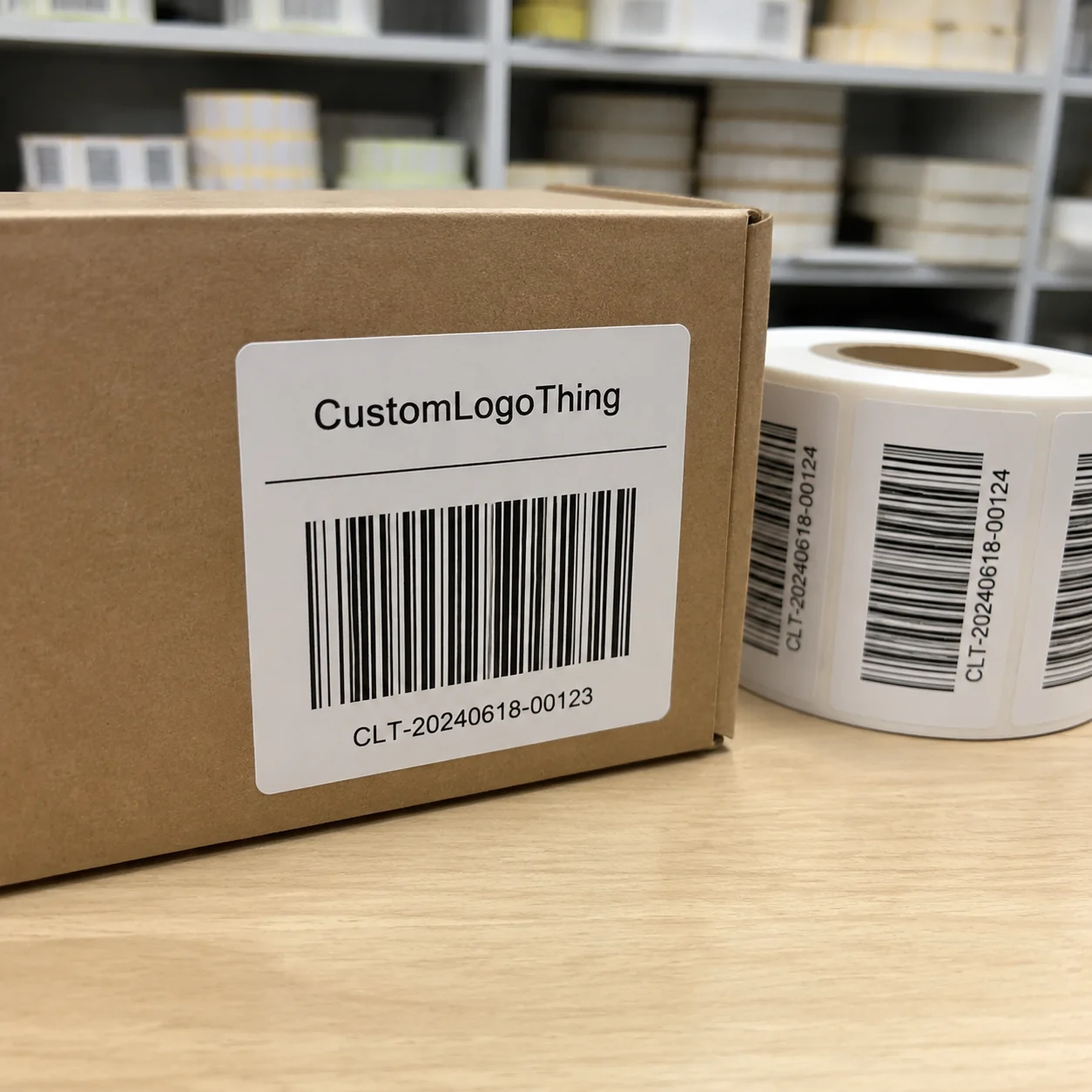
The finishing bay documents every roll with barcode-heavy paperwork, and when the Austin operator scans the batch we capture the adhesive lot, die number, and shipping lane, ensuring custom labels affordable stays aligned with audit-ready traceability in case a retailer requests an ISTA 3A report from our Glendale QA log.
How can custom labels affordable stay aligned with premium finishes?
We answer by keeping finishing cells, adhesives, and run schedules orchestrated so premium embellishments don’t bust the cost story. Supervisors map each varnish pass, cold foil application, and embossing height through the Leo workflow so label printing costs stay stable even when tactile art directives arrive late. The Riverside crew can still swap tooling in 27 seconds when needed, which keeps the promised 12-15 day window intact.
That discipline lets budget-friendly packaging ambitions thrive even when art pushes for micro-embossing or double laminations. We treat each embellishment as a variable in our flexible label production plan—adjusting liner stocks, die spacing, and adhesive lots (3M 200MP, Avery Dennison Permacel, linerless silicone coatings) before the schedule locks. The same documentation that keeps auditors calm also keeps the cost story honest, and I can tell clients premium finishes are the reward for precision, not the reason the budget explodes.
Why Choose Custom Logo Things
Over my twenty-year footprint across Anaheim, Austin, Riverside, Glendale, and Raleigh, I’ve watched cross-trained operators keep the crew schedules consistent whether prepping beverage labels or cosmetic packaging. That continuity keeps custom labels affordable by avoiding start-stop costs from rotating crews. The Anaheim team can flip from an 18,000-foot flexo run to a 4,000-piece HP Indigo job within four hours because they understand which minute matters and why, and honestly, the cross-training is what keeps the shop feeling like family.
Certifications such as ISO 9001, FSC chain of custody via FSC, and G7 Master Qualification guard color, adhesion, and regulatory consistency. We only recalibrate when a formula truly changes instead of with every new SKU. I still have a small stack of ISO stickers on my desk—a reminder that paperwork can be oddly satisfying when it keeps the run flawless.
During a Glendale proofing session with a grocery chain buyer, we reviewed a full-color bottle wrap, adhesive strength matrix, and digital proofs while they matched augmented reality die lines on their tablet. The clarity from that meeting solidified their confidence in Riverside’s finishing bay, and I cracked a joke about the tablet loving our die lines more than the staff love coffee. Everyone laughed, which reminded us we’re in this together.
Logistics coordination—including bonded warehousing in Ontario and direct shipping programs synced with vendor-managed inventory—keeps customs duties low and custom labels affordable for steady-state runs feeding big-box assembly lines. We lean on on-site logistics partners to coordinate freight within the Ontario, Anaheim, and Riverside corridors so clients with multiple SKUs receive identical documentation. That reduces the scramble between warehouse receipts and brand managers expecting rollout alignment with marketing calendars, and those freight lanes usually clear within 24 hours of scan.
Actionable Next Steps: Partnering for Custom Labels Affordable Success
- Submit your dieline, material preferences, adhesion environment (3M 200MP, Avery Dennison Permacel, linerless, etc.), and order volume through our quote portal so estimators can lock the right machine, run accounts receivable, and keep custom labels affordable from the very first data point.
- Review the sample and proof bundle from Glendale, confirm adjustments with the production team—especially for QR codes or adhesive passes—and lock production dates once the PO, artwork, and payment details arrive so your custom labels affordable timeline stays intact.
Following that sequence keeps procurement, creative, and production aligned and turns custom labels affordable plans into reality with clarity and confidence. When a rush request sneaks in, we’ve dealt with it before—sometimes while juggling a cup of cold coffee—but we get it done; the record is a nine-day turnaround from proof to dock for 3M 200MP-backed matte labels with cold foil. Takeaway: keep the specs honest, the approvals documented, and the adhesives standardized so the affordability you promised stays true no matter how many finishes you throw at it.
How can I get custom labels affordable for a startup launch?
Submit your dielines and volumes through the online portal so we can rely on the HP Indigo line, spreading short-run plate costs over fewer units to keep digital per-piece rates below $0.12. Work with Austin’s design team to simplify embellishments and stick to standard adhesives like 3M 200MP that perform across glass and plastics while keeping tooling minimal. Those runs typically ship in 7-10 business days, which helped one startup keep their launch on budget by replacing a custom adhesive with a proven label grip—we still laugh about how much easier that made everything.
What materials keep custom labels affordable yet durable?
Choose widely stocked substrates—BOPP, matte paper, and clear PET—from our Anaheim inventory so we avoid rush purchases. These handle moisture, cold storage, and UV exposure while remaining budget-friendly, and pairing them with adhesives like Avery Dennison Permacel keeps bottles and cartons secure without bespoke blends that raise per-roll costs. I’ll nudge you toward the substrate that worked well on a similar application last season because that’s how we keep the process grounded in real performance.
Do you provide proofs so custom labels affordable runs start accurate?
Yes, every quote includes a PDF proof and a printed color proof from Glendale so you can approve Pantone matches, register, and adhesive specifications before production. Dieline outlines, bleed guides, and adhesive notes keep the total label cost predictable, and I’ll even walk you through the proof—sometimes holding the stack in front of you and explaining why that tiny registration mark matters for your retail display.
Can I mix SKUs to keep custom labels affordable across product lines?
Absolutely; we batch multiple SKUs on a single flexo run by staggering die setups and gang-layed layouts, which spreads setup fees and keeps each SKU within budget. Our logistics team then slits, packs, and labels each finished roll separately so fulfillment stays organized without paying extra for individual runs.
How quickly can I receive custom labels affordable with complex finishes?
Digital runs with embossing or cold foil typically ship in 7-10 days because Riverside’s finishing cell handles specialty finishes inline. If you need faster, mention the rush request—Austin’s finishing bay can pull an earlier slot once proofs and payments clear, ensuring cost transparency stays intact. I still remember the weekend we squeezed a rush job through before a tradeshow; the team was exhausted but thrilled, and the client sent over donuts the next day—my kind of gratitude!