Custom made PVC bags: what they are and why buyers notice them instantly
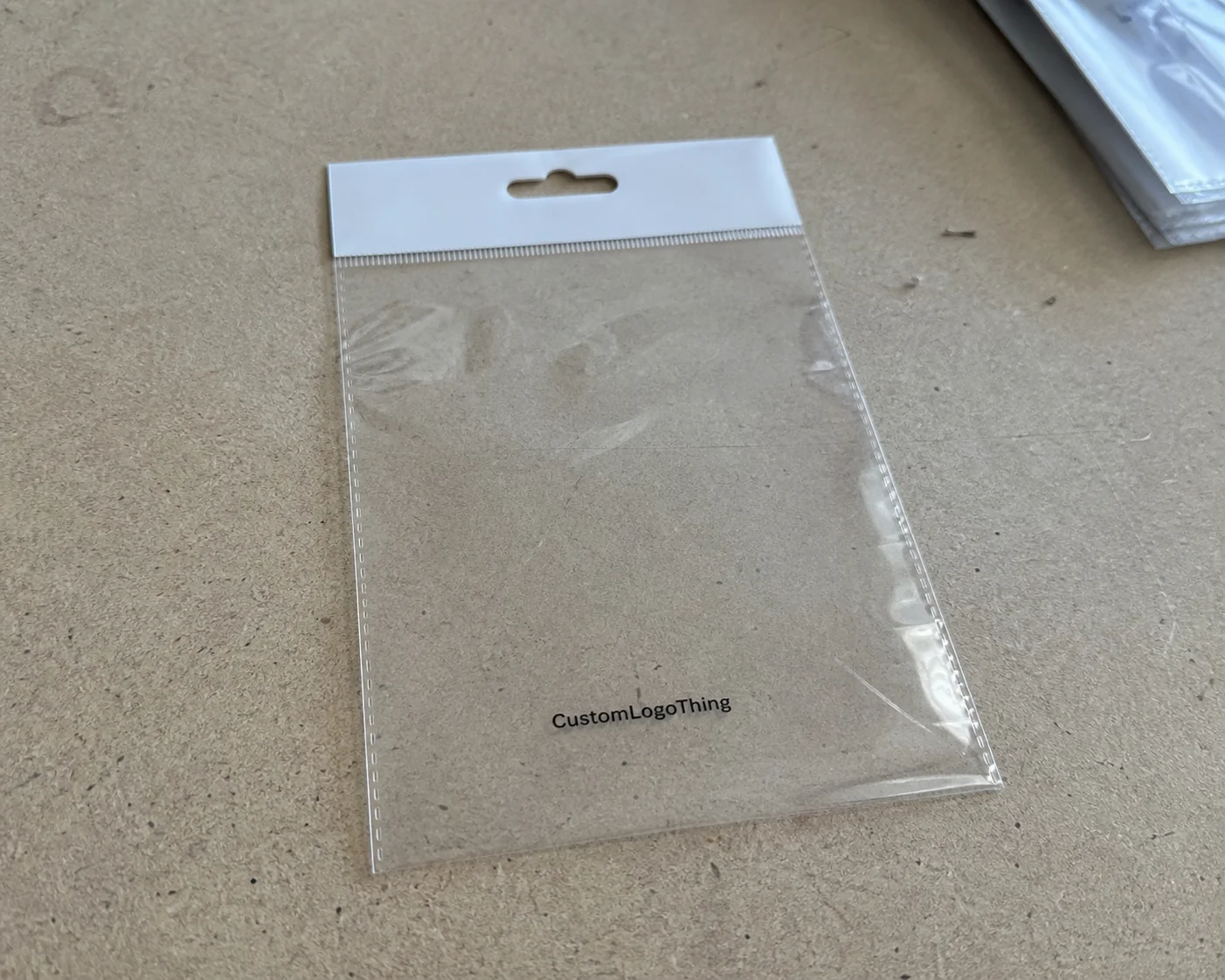
Custom Made PVC bags get attention for a simple reason: people can see what is inside almost immediately. That visibility works hard in retail packaging, cosmetics, event kits, travel pouches, and branded carry items where presentation matters as much as protection. A clear or lightly tinted bag changes the buying experience because the contents look organized, cleaner, and easier to inspect before anyone opens the package.
PVC is a plastic film, usually supplied in rolls or sheets, that can be converted into bag shapes by sewing, heat sealing, or RF welding. It behaves differently from softer polyethylene films and from laminated fabrics. Polyethylene tends to feel more flexible and casual; laminated fabric has more body and often a textile look; PVC sits in the middle with clarity, structure, and a firmer hand that many buyers associate with a more polished presentation.
That is why custom made PVC bags are not just “clear bags.” They can be built with zippers, snap closures, handles, gussets, inserts, printed logos, hanging holes, reinforced seams, or binding around the edges. That range matters because the same material can serve very different jobs: a retail display pouch, a travel organizer, a cosmetic case, or a giveaway item at a show.
Good packaging design is not only about appearance. It is about how the bag behaves once it is filled, carried, stacked, and handled by real people.
The smartest way to think about custom PVC bag ordering is to treat it like product packaging, not a simple plastic accessory. The questions that matter are practical: how is it made, what changes the price, and what spec will look good on paper but fail in use?
If you are comparing options across a broader packaging program, it helps to review other formats too, such as Custom Packaging Products, especially when your brand uses both display packaging and flexible carry items.
How custom PVC bags are made from film to finished bag
The production flow usually starts with material selection. A buyer or supplier chooses film thickness, color, clarity, and finish, then confirms the bag size and construction method. After that comes cutting, printing if needed, assembly, closure installation, final inspection, and packing for shipment. It sounds simple, but small changes in the spec can alter the whole process.
There are three common ways to build these bags. RF welding is often used for clean, sealed edges and strong joins on compatible films. Heat sealing works well for simpler forms and can move quickly on straightforward runs. Sewing adds flexibility and is common when the bag needs a softer feel, trim, or a design that can tolerate some give at the seams. The right method depends on the look you want, the weight inside the bag, and how the bag will be used.
Flat pouches are generally the easiest to make. Once you move into tote-style bags, structured organizers, or bags with inserts and gussets, labor increases because there are more parts to align and more points where quality can drift if the process is not controlled. Printed artwork, zipper pulls, binding, and custom handles also add setup steps.
Here is a practical comparison of common build styles:
| Construction style | Typical use | Relative complexity | Buyer benefit |
|---|---|---|---|
| Flat sealed pouch | Cosmetics, inserts, small kits | Low | Lower cost, clean look, fast production |
| Gusseted bag | Retail packaging, travel items, larger kits | Medium | More volume, better shape, better shelf presence |
| Zipper tote or organizer | Promotional items, carry bags, reusable packaging | Higher | Better reuse, stronger perceived value |
| Structured bag with inserts | Premium product packaging, display kits | High | More rigidity, more polished presentation |
Customization can include frosted surfaces, colored PVC, debossed logos, one-color or multi-color printing, zipper closures, snap buttons, reinforced stitching, and binding around stress points. The finish changes the feel quite a bit. A crystal-clear bag reads differently from a frosted one, and a tinted film can make branding feel more selective and premium while still showing the contents.
Sample approval matters more than many buyers expect. Film thickness that sounds fine on a spec sheet may feel flimsy once the bag is filled. Seams may look neat on a flat sample but behave differently when the bag is loaded, stacked, or pulled open repeatedly. If the order is tied to retail packaging or a launch, that sample is not a formality; it is a risk check.
Cost, pricing, and MOQ factors that change your quote
Most pricing differences come down to five things: PVC thickness, bag size, closure type, print coverage, and assembly complexity. If you keep those five variables under control, quotes become much easier to compare. If one supplier quotes a zipper pouch with full print and another quotes a plain open-top bag, the numbers do not mean much until the specs are matched.
Thicker film usually costs more, but there is a reason buyers choose it. A heavier gauge can improve durability, help the bag hold shape, and give the package a more substantial hand feel. For repeated use, a thin film that saves a few cents can become expensive if it cracks, warps, or triggers customer complaints.
MOQ, or minimum order quantity, matters because setup labor, cutting, print preparation, and waste are spread across the whole run. Smaller runs often carry a higher unit price, not because anyone is being difficult, but because the fixed work is the same whether you make 300 bags or 30,000. That is normal in custom printed boxes, retail packaging, and flexible packaging alike.
For practical quoting, these are the usual price movers:
- Film thickness: lighter gauges are cheaper; thicker gauges often improve durability.
- Dimensions: larger bags use more material and may need heavier sealing.
- Closures: zippers, snaps, and magnetic or metal hardware add cost.
- Print coverage: one-color logos cost less than full-coverage art.
- Structure: gussets, inserts, reinforced handles, and binding add labor.
For a buyer setting expectations, a simple transparent pouch with minimal finishing might land around $0.18-$0.35 per unit at mid-volume, while a more elaborate zipper bag with print, gussets, or reinforcement can move well above that range depending on quantity and spec. That is not a quote, just a realistic planning range. The exact number depends on run size, artwork, and hardware choices.
The fastest way to control unit cost is to lock the size, closure, and print scope before requesting quotes. If you keep changing those three items, every revision resets the math. One clear spec sheet saves a lot of back-and-forth and makes packaging decisions easier to defend internally.
Process and lead time: from artwork approval to delivery
The usual process starts with inquiry and specification review, then moves to a mockup or dieline, sample approval, mass production, quality check, packing, and shipment. The buyer’s job is to make each step as clear as possible so the supplier is not guessing about dimensions, logo placement, seam locations, or packing method.
Simple orders move faster. More complex prints, special finishes, unusual hardware, or repeated revisions slow things down. The sample stage helps reduce risk, but it adds calendar time, and that should be built into the schedule instead of treated as a surprise. For a project with a launch date or trade show deadline, that buffer is not optional.
Typical production timing depends on the design, but many custom runs land in the 12-20 business day range after proof approval, with samples sometimes taking a week or more depending on complexity. International freight adds another layer. Air shipment is faster and more expensive; ocean freight is slower but often better for larger volumes.
Clear communication speeds things up more than people realize. If you provide exact dimensions, a marked logo area, preferred closure type, and a simple packing instruction, the supplier can move with fewer questions. If you leave those details open, the job can stall while everyone clarifies what should have been defined on day one.
For packaging buyers working across multiple SKUs, it helps to keep the same internal approval format for all retail packaging items. The more consistent the review process, the easier it is to compare custom made PVC bags against other product packaging options without losing time in each round of revisions.
Shipping mode matters too, especially if the bags are going to multiple warehouses or direct-to-retail destinations. Split shipments can help distribution, but they also need tighter labeling and packing control. If the bags are meant to sit inside a larger branded packaging program, make sure freight cartons, inner packs, and pallet counts are confirmed before production begins.
How to spec the right size, thickness, closure, and finish
The best spec starts with the product, not with a guess at the bag size. Measure the item as it will actually sit inside the bag, including inserts, folding, hang tags, display cards, or protective wrap. A bag that fits a retail box perfectly on paper may be too tight once the box includes a sleeve or foam insert.
Thickness should be chosen according to weight, handling, and presentation. A lighter promotional pouch can use thinner film, but a reusable travel case or a bag carrying heavier contents should use thicker material and stronger seams. There is no universal “right” gauge. The right gauge is the one that survives the real handling pattern.
Closure options usually come down to four families:
- Zipper: best for repeat access, travel use, and higher perceived value.
- Flap or fold-over: useful for simpler retail packaging and light contents.
- Snap closure: practical for some organizers and promo items.
- Open-top: simplest and lowest cost, but least secure.
Finish matters more than many people expect. Crystal-clear PVC shows the contents plainly, which helps for inspection and presentation. Frosted film softens the appearance and can hide scuffs better. Tinted film gives a more branded feel, especially when the artwork is minimal. Printed surfaces work well if the logo needs more presence, but too much print can defeat the transparency advantage that made the bag attractive in the first place.
There are also practical details that get missed in early quotes: handle reinforcement, gussets for volume, hanging holes for retail display, easy-open tabs, and edge binding to prevent wear. These are not decorative extras. They influence usability, freight efficiency, shelf presentation, and the chance that the bag will still look good after distribution.
A buyer who thinks ahead about storage often saves money later. Bags that nest well, stack flat, and pack tightly can reduce freight and warehouse friction. That is one reason packaging design should always account for the journey after production, not just the first customer touch.
If sustainability is part of the conversation, review the material plan carefully. PVC has a different environmental profile than paper or some other plastics, so it is worth aligning the bag choice with your broader policy and compliance needs. The EPA’s general packaging and waste resources can be a useful reference point for that discussion: EPA recycling and materials guidance. For broader packaging standards and industry resources, the Packaging Machinery Manufacturers Institute is also a helpful reference point.
Common mistakes buyers make with PVC bag orders
The first mistake is buying on appearance alone. A bag can look clean in a photo and still be wrong for the job if the seam strength is weak, the film is too thin, or the closure is not suited to the contents. The second mistake is vague artwork files. Unclear logo placement, low-resolution files, or missing color references can trigger delays and extra rounds of proofing.
Another common issue is under-specifying the closure. If the contents are valuable, small, or likely to be reused, an open-top design can create problems later. It may be cheaper upfront, but if the contents fall out or the package feels incomplete, the savings disappear quickly.
Price shopping without comparing the same spec is another trap. One quote might include reinforcement, a zipper pull, or a stricter inspection standard, while the other does not. That is why a quote comparison should always ask for the same thickness, size, print area, and packing method.
Here are the failures I see most often in practice:
- Choosing a bag that is too tight, which stresses welds and looks cheap.
- Choosing a bag that is too large, which makes the contents shift and the presentation feel loose.
- Skipping sample approval, then discovering the print tone is off.
- Ignoring how the bag will be stored, stacked, or shipped.
- Forgetting that repeated handling changes how seams and closures perform.
Sometimes buyers assume a clear bag will automatically feel premium. It can, but only if the spec is right. If the bag fogs, warps, or wrinkles badly under load, the whole presentation drops. That is exactly why the most successful orders treat custom made PVC bags as part of the package experience, not just as a container.
Expert tips for better-looking bags and smoother ordering
Request a physical sample whenever possible, especially if the design includes print, unusual dimensions, or a nonstandard closure. If a physical sample is not practical right away, ask for detailed photos of the material, seam method, and closure hardware before you approve the run. That small step can prevent a lot of back-and-forth.
Share the actual product dimensions, not the rough retail box size. I have seen enough packaging projects to know that “about eight inches by ten inches” can become a bad fit once a sleeve, insert, or edge treatment is added. Measurements should reflect the real packed form.
Design with the bag’s structure in mind. Clear margins, balanced logo placement, and artwork that respects the transparent surface usually look stronger than a crowded layout. If the bag is intended to support package branding, the logo should feel intentional, not pasted on as an afterthought.
A simple spec sheet makes the whole process cleaner. Include size, thickness, color, closure, print locations, quantity, delivery deadline, and any special notes about packing. That one document can replace a dozen scattered messages and keeps everyone aligned.
The most cost-efficient orders are often the easiest to inspect. Straightforward construction, clear tolerances, and realistic artwork reduce rejects and speed approval. That matters in procurement, and it matters just as much in branded packaging programs where consistency across SKUs is part of the brand promise.
If your buying team also uses other formats, such as Custom Packaging Products, it can help to standardize naming, measurements, and proof review so every item in the assortment follows the same approval logic. The cleaner the process, the fewer surprises when you reorder.
Next steps for ordering custom PVC bags that fit your use case
Start with a one-page spec sheet. Keep it simple, but complete: size, intended contents, closure type, finish, quantity, target delivery date, and any special requirements for print or reinforcement. That is the fastest route to a usable quote and a better first sample.
Then gather your artwork files and decide whether the logo needs print, embossing, or a fully clear presentation with no decoration. If the goal is retail packaging, the visibility of the product may matter more than heavy graphics. If the goal is promo or gift use, the logo may need stronger presence. Your intent should guide the design, not the other way around.
Ask for quotes using the same spec across suppliers. That sounds obvious, but it is where a lot of comparisons fall apart. A quote is only useful if everyone is pricing the same thickness, the same closure, the same print coverage, and the same packing method.
Before mass production, request a sample or proof. That is especially valuable if the bag must protect, display, or resell a finished product. Once the sample is approved, hold the line on dimensions and construction notes through production and reorders. That consistency makes custom made PVC bags easier to manage, easier to budget, and much more reliable across the full life of the program.
What are custom made PVC bags best used for?
They work well when visibility matters, such as retail display, cosmetic packaging, event kits, travel organization, or branded promotional items. They are also useful when the buyer wants a cleaner, more premium presentation than a standard opaque plastic bag.
How thick should custom PVC bags be for regular use?
Thickness depends on what the bag carries and how often it will be handled. Lighter items can use thinner film, while heavier or repeated-use bags usually need thicker material and stronger seams.
Do custom PVC bags usually require a minimum order quantity?
Yes, most custom runs have an MOQ because setup, cutting, and finishing take time and labor. The exact quantity varies by design complexity, print requirements, and the manufacturing method.
How long does the production process for custom PVC bags usually take?
Timeline depends on sampling, artwork approval, bag complexity, and order size. Simple designs move faster, while printed or highly customized bags need more steps before bulk production.
Can custom made PVC bags be printed with a logo or design?
Yes, many styles can be printed on one or both sides depending on the film, ink method, and finish. The best result usually comes from clear artwork files and a print plan that matches the bag’s surface and intended use.

