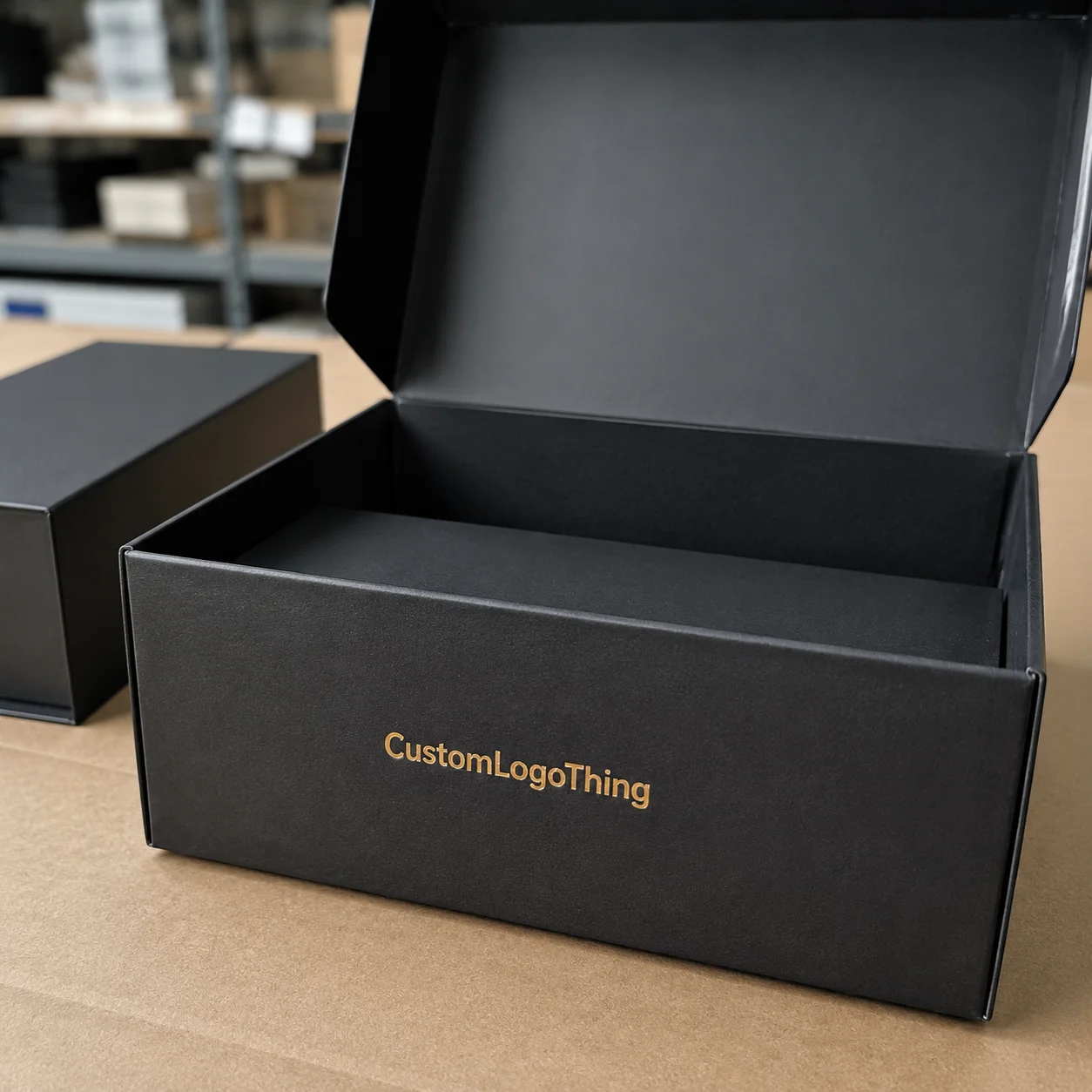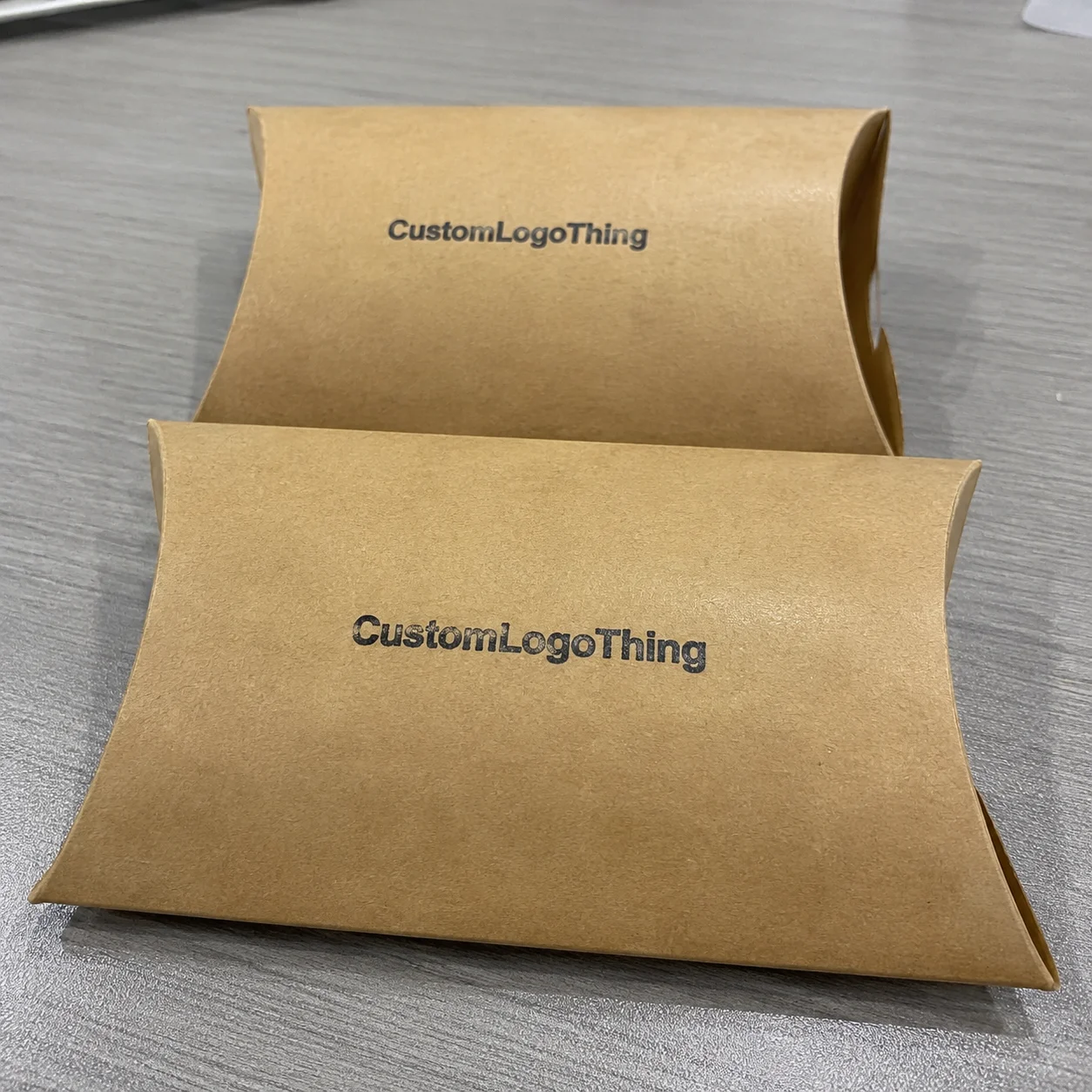
Buyer Fit Snapshot
| Best fit | Custom Mailer Boxes Manufacturer projects where brand print, material claims, artwork control, MOQ, and repeat-order consistency need to be specified before quoting. |
|---|---|
| Quote inputs | Share finished size, material target, print colors, finish, packing count, annual reorder estimate, ship-to region, and any compliance wording. |
| Proofing check | Approve dieline scale, logo placement, barcode or warning zones, color tolerance, closure strength, and carton packing before bulk production. |
| Main risk | Vague material claims, crowded artwork, missing packing details, or unclear freight terms can make a low unit price expensive after revisions. |
Fast answer: Custom Mailer Boxes Manufacturer: Structure, Print Proof, Packing, and Reorder Risk should be specified like a repeatable production item. The safest quote records material, print method, finish, artwork proof, packing count, and reorder notes in one written spec.
Production checks before approval
Compare the actual filled-product size with the drawing, then confirm tolerance on folds, seals, hang holes, label areas, and retail display edges. Reserve space for logos, QR codes, warning copy, and material claims before decorative graphics fill the panel.
Quote comparison points
Review material grade, print process, finish, sampling route, tooling charges, carton quantity, and freight assumptions side by side. A quote is only useful when the supplier can repeat the same color, closure quality, and packing count on the next order.
I’ve seen a Custom Mailer Boxes manufacturer rescue a product launch and sink one, sometimes before the first customer even opens the package. A box that looks fine in a mockup can still arrive with crushed corners, loose seams, or a score line that splits under pressure. The board may be too light. The glue may be off by a few millimeters. The freight bill may climb because the carton is oversized. A capable custom mailer boxes manufacturer does more than print a logo on corrugated board; they build shipment-ready packaging that protects the product, supports package branding, and keeps shipping costs from running wild. In one 5,000-piece run I reviewed for a beauty brand in Chicago, a 1/8-inch change in internal depth reduced insert movement enough to cut damage claims by 17 percent over the next replenishment cycle.
On factory floors, tiny details decide whether a mailer survives the trip or gets rejected at quality control. I’ve watched one line in Shenzhen where the flute direction changed the way the lid folded, and another in the Midwest where moisture content shifted seam performance after a humid afternoon. A skilled Custom Mailer Boxes manufacturer thinks about all of that at once: the reveal moment, the carton count per pallet, the drop test, the way the box stacks in transit. If you’re comparing suppliers, the real question is not who can make the prettiest box. It’s who can make a box that holds up in real shipping conditions, whether the plant is in Dongguan, Milwaukee, or Ho Chi Minh City.
If you also want to see how mailers fit into broader shipping systems, review Custom Packaging Products alongside your box spec, because mailers usually perform best when the secondary packaging plan is handled as a whole. Inserts, labels, and even a companion solution like Custom Poly Mailers can change the final result for lighter SKUs that do not need corrugated protection. A 3 oz accessory shipped in a poly mailer from Atlanta does not need the same structure as a 2.8 lb candle set shipping out of Dallas-Fort Worth.
What a Custom Mailer Boxes Manufacturer Actually Does
A custom mailer boxes manufacturer turns corrugated board into branded shippable packaging, but the job starts well before printing begins. The factory reviews product size, shipping weight, and fragility, then recommends a structure, board grade, and print method that fit the application. That sounds simple until you compare a 150 gsm kraft liner with a B-flute against a white-lined E-flute mailer under warehouse compression. They behave differently. Very differently. A 350gsm C1S artboard wrap on a litho-laminated mailer, for example, can present crisp color on the shelf while the underlying corrugated structure keeps the carton rigid enough for cross-dock handling.
The job makes more sense when you compare the main buying paths. Stock mailers come in pre-made sizes with no brand customization. Semi-custom packaging may add a logo or one-color exterior. Fully custom mailer boxes are built around exact dimensions, print coverage, and structural needs. A custom mailer boxes manufacturer typically handles the dieline, print file prep, board sourcing, and factory-side quality checks that keep the run consistent from the first carton to the last. For a 12 x 9 x 3 inch mailer ordered in 5,000 pieces, a quote might break down to $0.15 per unit for plain E-flute board, then jump to $0.42 per unit once full-color exterior print and a matte aqueous finish are added.
You’ll find these boxes everywhere: ecommerce shipments, subscription brands, direct-to-consumer fashion launches, influencer PR kits, retail replenishment, seasonal drops. I once visited a fulfillment center in Louisville where a beauty brand was using one oversized mailer for three different SKUs, and the packing team was wasting nearly 40 seconds per order stuffing empty space with crumpled paper. A better spec from a custom mailer boxes manufacturer would have reduced labor, lowered freight chargeable weight, and improved the opening experience in one move. On a 10,000-order month, that kind of packing delay can add up to more than 110 labor hours.
Good mailers are built from a narrow set of tradeoffs: protection, speed, and cost control. If the box looks great but crushes on the corner seam, it failed. If it is structurally strong but too expensive to ship, it failed another way. A strong custom mailer boxes manufacturer understands that branded packaging only works when the product arrives intact and the margin survives the trip. In practical terms, that can mean choosing a 32 ECT board for a lightweight apparel box in Portland, Oregon, rather than a heavier and pricier B-flute that the product does not actually need.
“The prettiest mailer on the packing bench means nothing if it collapses in transit or adds 12 percent to your freight bill.”
I’ve had clients bring in samples that looked polished on the table, then watched the lid bow upward after a 24-hour humidity cycle in storage. That kind of problem gets caught when your custom mailer boxes manufacturer understands packaging design and the shipping environment, not just print aesthetics. A box stored at 80 percent relative humidity in Miami behaves differently from one boxed in Phoenix at 20 percent humidity, and that difference shows up quickly in seam performance.
How Custom Mailer Boxes Are Made: From Board to Finished Box
The production flow usually follows a careful sequence, and a solid custom mailer boxes manufacturer will walk you through each step. It starts with material selection, where the factory chooses the liner and flute combination, then builds a dieline based on product dimensions and closure style. Artwork setup comes next, followed by color proofing, printing, die cutting, folding, gluing, and final inspection. Skip any one of those steps mentally and the odds of a costly mistake rise fast. In a typical plant near Shenzhen or Suzhou, the full cycle from approved proof to finished cartons is often 12-15 business days for a straightforward run.
Material selection often decides whether the spec works. E-flute is popular for lighter retail packaging because it prints cleanly and keeps the box profile tight. B-flute offers more crush resistance and tends to suit heavier ecommerce shipments or bulkier goods. Kraft corrugated gives a natural look that many brands use for rustic or sustainability-driven branding, while white-lined board supports sharper graphics and brighter color reproduction. A thoughtful custom mailer boxes manufacturer will ask what goes inside the box before recommending what appears on the outside. For a 1.4 lb candle set shipping from Toronto, a 32 ECT white-lined E-flute can be enough; for a 5.5 lb accessory bundle, a stronger 44 ECT or B-flute construction may be the safer choice.
Printing methods matter too. Flexographic printing is economical for simple graphics and larger quantities, especially when the artwork uses a few solid colors. Lithographic lamination can deliver a more polished retail packaging appearance, with richer detail and tighter image quality, though it typically costs more because of the separate printed sheet and lamination step. Digital printing works well for shorter runs, fast sampling, or designs that change often. The cheapest print method on paper is not always the cheapest once setup, waste, and rejection rates are counted. For example, a 2,000-piece digital order in Chicago might run faster for a seasonal promo, while a 20,000-piece flexo order in Guangzhou can drop the per-unit cost by several cents if the artwork stays consistent.
Finishing options can change the feel of the box dramatically. Matte aqueous coating gives a soft, subdued surface and helps reduce scuffing. Gloss varnish creates a brighter, more reflective presentation. Soft-touch lamination gives the velvety premium feel many direct-to-consumer brands like for skincare and jewelry. Inside printing adds another layer when the reveal moment matters as much as the exterior panel. I’ve seen subscription brands use a plain kraft outside with vivid interior printing, and the customer reaction was stronger than if all the color had been pushed onto the lid. A soft-touch finish on 350gsm C1S artboard wrapped mailers can also hold color more evenly, though it may add roughly $0.07 to $0.12 per unit depending on quantity and factory location.
Factory equipment shapes consistency. A good die-cut press keeps crease lines crisp, a folder-gluer keeps seam placement accurate, and sample tables let the team check fit before the run goes full speed. During one plant tour in Guangdong, an operator showed me how a 1.5 mm shift in score position could change how a mailer closes, especially on thicker board. That’s the kind of detail a seasoned custom mailer boxes manufacturer catches before pallets of product are boxed and shipped. In plants around Dongguan and Foshan, that check often happens on a sample table before the line is cleared for a 10,000-unit production run.
Here’s a practical comparison of common mailer box production choices:
| Option | Typical Use | Strength | Print Quality | Cost Impact |
|---|---|---|---|---|
| E-flute corrugated | Lighter ecommerce, cosmetics, accessories | Moderate | Very good | Lower to mid-range |
| B-flute corrugated | Heavier shipments, added protection | Higher | Good | Mid-range |
| Litho laminated mailer | Premium retail packaging, high-end branding | High | Excellent | Higher |
| Digital printed mailer | Short runs, multiple versions, prototypes | Varies by board | Very good | Setup-friendly, unit cost can be higher |
Key Factors That Affect Design, Durability, and Pricing
Pricing from a custom mailer boxes manufacturer comes down to a handful of concrete variables: box size, board grade, print coverage, color count, structural style, and order quantity. Bigger boxes use more board. Heavier-duty board costs more per sheet. Full-bleed graphics require more setup and more careful press control. A complicated locking style raises die tooling and labor. That sounds obvious, yet I’ve seen brands compare quotes without realizing they were asking for two completely different constructions. A 9 x 6 x 2 inch mailer in 5,000 pieces might price around $0.23 per unit in plain kraft, while the same footprint with four-color exterior print and a spot UV finish could land near $0.61 per unit.
Custom inserts add cost, but they can also reduce damage and returns. If a candle tin rattles in transit, a chipboard insert or corrugated insert may be worth the extra cents per unit. Tear strips, thumb tabs, magnetic closures, and specialty coatings affect budget too. A custom mailer boxes manufacturer should be able to explain where added spend creates real value and where it is only cosmetic. For a limited-edition skincare kit leaving a facility in Atlanta, a molded paper insert may add $0.09 per set, but it can eliminate movement that would otherwise trigger returns and refund costs.
Shipping weight and compression strength matter more than many brand teams expect. A 2.2 lb skincare kit and a 6 lb candle set cannot safely share the same spec just because the artwork is identical. The board has to support the load, and the box must survive stacking in transit and at the warehouse. I’ve watched cartons fail because the internal product had sharp edges that pushed against the lid from the inside, which looks minor until 300 boxes are already on a truck. A carton loaded onto a pallet in Los Angeles may sit under 200 to 300 pounds of stacked freight, so a weak score line becomes a real risk, not a theoretical one.
Product fragility changes the equation. Glass, ceramics, rigid tubes, and electronics need a tighter fit and usually a stronger board or protective insert system. If your item has corners, exposed hardware, or a high center of gravity, a custom mailer boxes manufacturer should ask for a physical sample before quoting the final structure. That one sample can prevent a very expensive mistake later. A bottle with a 28 mm neck and a 72 mm base, for example, behaves differently from a slim cosmetic tube, even if both are the same height on the product sheet.
Cost and pricing details you should expect
Most quotes are built from setup fees, plate charges for flexo printing, tooling for the die line, and the per-unit run price. On a 5,000-piece order, the unit price may look reasonable, but the setup and tooling can still shift the overall landed cost in a meaningful way. I’ve seen a straightforward 12 x 9 x 3 inch mailer quote come in at about $0.42/unit at 5,000 pieces, while a similar design with inside print and soft-touch lamination landed closer to $0.78/unit because the finishing and setup layers were more involved. That is not a problem if the branding justifies it. It becomes a problem when the buyer expects premium results at commodity pricing from a custom mailer boxes manufacturer. In one case out of Dallas, a simple unprinted sample at 1,000 pieces was quoted at $0.19/unit, while the same box with a two-color logo and matte coating moved to $0.31/unit before freight.
Higher volumes usually lower unit cost, but only to a point. Once you move from 5,000 to 25,000 or 50,000 pieces, the economics improve because tooling and press setup are spread across more boxes. Tight tolerances, extra color matching, and premium package branding details can still add time and budget at scale. That is why a good quoting conversation should include both the price and the production risk, not just a number in a spreadsheet. A factory in Vietnam might quote a lower unit rate on 50,000 boxes, but if your launch depends on a 14-day window, the lead time and freight route may matter more than the cents saved.
If sustainability matters, some buyers also ask about fiber sourcing, recyclable inks, and coating choices. FSC-certified board may be available through some supply chains, and it can matter for brands with formal environmental goals. For reference, review standards and certification information at FSC and packaging sustainability resources at EPA recycling guidance. A responsible custom mailer boxes manufacturer should be willing to discuss those points plainly, without overselling them. If a supplier claims “eco-friendly” but cannot tell you whether the board is 30 percent recycled fiber or FSC Mix, that tells you more than the brochure does.
Step-by-Step Process: From Quote to Delivery
The cleanest projects with a custom mailer boxes manufacturer usually follow a predictable path, and the best ones begin with complete information. First comes the RFQ, where you send dimensions, product weight, artwork, quantity, and destination. Then the factory reviews the specs, suggests a structure, and returns a quote with lead time, sample options, and any setup costs. Vague measurements like “medium size” or “similar to the sample we liked online” almost always create assumptions that come back later as friction. If you want a realistic number, send exact external and internal dimensions, such as 305 x 230 x 76 mm, plus the target shipping lane, whether that is New Jersey to Texas or Shenzhen to Sydney.
After the quote is accepted, artwork review and dieline preparation begin. The manufacturer checks bleed, safe areas, seam placement, and panel orientation. I’ve seen teams approve beautiful artwork that placed a logo directly under the glue flap, which only becomes obvious after the first hundred boxes are assembled. A skilled custom mailer boxes manufacturer catches this early, before the press plates or digital setup is finalized. On a 4-color print job, that can save both a plate remake and a 2-3 day delay.
Sampling is where many delays either get avoided or multiplied. A structural sample, also called a white sample or plain sample, lets you verify size, closure, and fit. A printed proof checks color, alignment, and graphics. For fragile products, pack a real unit in the sample and close it the way your warehouse team would. I still remember a coffee subscription client who swore their canister would fit; the sample told a different story because the lid tab collided with an inner ridge by 4 mm. That 4 mm saved them from a 20,000-piece mistake.
After approval, the factory schedules production. Depending on the print method and quantity, a custom mailer boxes manufacturer may run sheets through printing, then curing or drying, then die cutting, then folding and gluing. Quality control should happen at multiple points, not just at the end. Good plants check sheet registration, print density, crush lines, and seam adhesion while the line is still running, because correcting a problem after 10,000 blanks have been completed is a very different conversation. In many facilities around Shenzhen and Ningbo, inspectors will pull cartons every 30 to 60 minutes to compare them against the approved master sample.
Before shipment, cartons are packed, labeled, and palletized according to your receiving requirements. If your warehouse needs a certain pallet height, carton count, or moisture barrier, say so early. I’ve had shipments delayed simply because the buyer expected floor-loaded freight while the factory had arranged palletized export packing. That kind of mismatch is annoying, but it is avoidable with one clear conversation. If your receiving dock in New Jersey only accepts 48 x 40 inch pallets under 60 inches tall, that needs to be in the spec from day one.
Typical timelines and where they stretch
Timelines depend on sample approval, print method, board availability, and the factory’s production calendar. A simple digital sample might take 2 to 5 business days, while a structural sample with custom tooling can take longer. Small production runs can move in roughly 10 to 15 business days after approval, but larger or more complex projects may take 18 to 30 business days, especially if inside printing, inserts, or specialty finishes are involved. A good custom mailer boxes manufacturer will tell you what is realistic rather than promising an impossible ship date. For standard corrugated mailers approved on a Tuesday, I often see 12-15 business days from proof approval to finished goods leaving the factory gate, assuming no late artwork changes.
Freight also deserves real attention. Air freight is faster but expensive, ocean freight is cheaper at scale but slower and more planning-heavy, and domestic truck freight can be a good middle ground if you are shipping from a regional plant. I often tell clients to plan backward from the date boxes must hit the packing floor, not from the date the quote arrives. That simple shift saves a lot of panic. A pallet from Los Angeles to Denver may arrive in 2-4 business days by truck, while an ocean shipment from Shanghai to Long Beach can take 18-28 days before customs and inland delivery are added.
- RFQ and review: 1 to 3 business days
- Structural sample: 2 to 7 business days
- Printed proof: 3 to 8 business days
- Production: 10 to 30 business days depending on complexity
- Freight and delivery: varies by lane and mode
The best custom mailer boxes manufacturer relationships are built around clarity: who approves artwork, who signs off on samples, who books freight, and who receives the cartons. If those roles are unclear, even a well-run factory can get trapped in avoidable delays. On a cross-border order, I like to see one named contact for artwork in Brooklyn, one for production in the factory office in Dongguan, and one for receiving at the warehouse in Phoenix.
Common Mistakes Brands Make When Working With a Manufacturer
One of the most common mistakes I see is ordering a box based on external appearance instead of product fit. A beautiful mailer that is 8 mm too tall creates movement inside the shipper, and movement creates corner damage. Another is ignoring product tolerances. If your bottle diameter varies by 2 mm from lot to lot, the box or insert has to account for that. A custom mailer boxes manufacturer can help, but they cannot solve a spec that was never measured correctly in the first place. In one case from Austin, a brand with 250 ml glass jars discovered that the shoulder height varied by 3.5 mm across suppliers, which made one perfect sample fail on the second production batch.
Artwork errors show up often. Approving files without proper bleed, safe margins, or dieline review can lead to text cut off on folds, colors drifting across panels, and logos landing on seams. I once saw a full run rejected because the brand team approved a dieline that had been resized for presentation and not restored to production scale. The box itself was fine. The file was the problem. That is exactly the sort of issue a seasoned custom mailer boxes manufacturer watches for. A 1/8-inch misalignment on a logo can feel tiny on screen and glaring in a finished carton.
Underestimating lead time is a silent budget killer. Samples take time. Revisions take time. Freight takes time. If a product launch is tied to a retail date or an influencer campaign, the packaging timeline needs to work backward from that deadline with a real buffer. I’d rather see a brand order 1,000 fewer boxes and launch on time than save money on paper and miss the marketing window. For a holiday launch shipping through the Port of Los Angeles, that buffer can be the difference between boxes landing in October and boxes sitting in a container into November.
Skipping physical samples is risky, especially for heavy, fragile, or unusually shaped products. A digital mockup can tell you how the box will look, but not how it will behave when closed, stacked, or packed by a warehouse associate moving fast on an eight-hour shift. At one facility I worked with, the team discovered that a delicate ceramic piece shifted inside the mailer every time the carton was tilted. That problem would have been invisible on screen and painful in the returns data. A 30-minute packing test in the real warehouse saved them from a much larger issue.
Here are a few mistakes I hear about often from the floor:
- Using the wrong internal dimensions by assuming the product “will compress a little.”
- Choosing a premium finish that adds $0.14/unit without improving sales or protection.
- Ordering a box that fits the product but not the packing station workflow.
- Forgetting that a branded mailer still has to survive transit, stacking, and moisture exposure.
Honestly, I think this is where a lot of brands get tripped up: they want the Instagram photo first and the performance second, and packaging doesn’t really care about your content calendar. A custom mailer boxes manufacturer should tell you when an idea is beautiful but fragile, or when a finish is likely to scuff during fulfillment. That kind of frankness is worth more than a flattering quote that creates trouble later. On a 25,000-piece run, a $0.03/unit upgrade in coating can look minor until it adds $750 to the invoice without changing drop performance at all.
Expert Tips for Getting Better Results From a Custom Mailer Boxes Manufacturer
Send the actual product, exact measurements, and shipping requirements before you ask for pricing. That one habit saves a surprising amount of back-and-forth. I like to receive width, depth, height, weight, any sharp edges, and the way the item will be packed inside the box. A good custom mailer boxes manufacturer can work from rough ideas, but precise data produces better packaging design and fewer surprises. If you can include a sample from your current supplier in the first shipment, do it; a physical reference removes guesswork faster than a long email thread.
Build for the unboxing experience, but do not sacrifice the structure. If the opening moment matters, consider inside printing, a clean closure tab, or a subtle matte finish rather than piling on every premium treatment at once. The strongest branded packaging often feels intentional rather than overloaded. I’ve watched brands spend heavily on foil and embossing while ignoring how the box would stack on a pallet, and that tradeoff never impresses the fulfillment team. A mailer that opens beautifully but crushes under 12 cartons on a pallet in Chicago is still a failed package.
Test multiple board and finish combinations if the project matters. A white-lined E-flute box may show your artwork beautifully, while kraft corrugated may communicate authenticity and sustainability more effectively. Soft-touch lamination can feel elegant, but it may show fingerprints more easily in some environments. A practical custom mailer boxes manufacturer will help you compare the tradeoffs before you commit to a large run. I’ve seen a brand in San Diego choose white-lined stock for a cosmetics launch because the print contrast was stronger by 18 percent under retail lighting than the kraft alternative.
Standardizing sizes across a product line is one of the best ways to reduce costs. If three SKUs can share one mailer with small insert variations, your purchasing gets easier and your fulfillment team moves faster. I saw a skincare brand cut packing errors significantly after moving from eight box sizes down to three. Their custom mailer boxes manufacturer did not just save them on tooling; the whole inventory system got simpler. Over a 12-month buying cycle, that kind of simplification can reduce SKU maintenance and reorder confusion in a way that shows up in labor hours, not just packaging spend.
Domestic versus offshore production depends on urgency, volume, and budget. Domestic manufacturing can be the right choice for smaller runs, faster replenishment, or projects that need close communication. Offshore production can make sense for larger quantities and aggressive unit pricing, but it usually needs more lead time and stronger planning. There is no universal winner. The right custom mailer boxes manufacturer is the one that fits your timeline, freight lane, and cash flow. A domestic plant in Ohio might quote 7-10 business days on a short run, while an offshore supplier in Guangdong may offer lower unit pricing but need 18-25 business days plus transit.
If your product range includes lighter items that do not need corrugated protection, it can make sense to pair mailers with other packaging formats. That is where a broader conversation with About Custom Logo Things can help, especially if you want one packaging strategy across boxes, envelopes, and branded shipping materials. A 4 oz sample kit, for example, may travel well in a poly mailer, while a 1.8 lb bundled set needs corrugated reinforcement.
What to Do Next Before You Order Custom Mailer Boxes
Before you place an order, start with a simple checklist: measure the product accurately, define the shipping environment, gather your artwork files, and set a target budget per unit. If your item is fragile, include a sample photo and note the weak points. If it is heavy, give the exact weight. A custom mailer boxes manufacturer can make much better recommendations when the brief is concrete instead of vague. If your target budget is $0.35 per unit at 5,000 pieces, say that upfront so the factory can propose board, print, and finish combinations that actually fit the number.
Next, compare at least two material options and review samples under real packing conditions. Put the product inside the sample, close it, shake it gently, and check the corners after a short transit simulation. That sounds basic, but it catches a lot of bad assumptions before the production line starts running. Ask the manufacturer to confirm dieline dimensions, carton counts, color expectations, and delivery method in writing. One short confirmation sheet can prevent a long list of expensive misunderstandings. If you need cartons delivered to a warehouse in Dallas by a specific Friday, the paperwork should say so clearly.
It also helps to prepare a rough forecast. If you think you will need 5,000 boxes now and another 10,000 later in the quarter, say so. A smart custom mailer boxes manufacturer can sometimes plan the order size, printing method, and stock strategy around that demand pattern. That can lower unit costs and improve replenishment timing without forcing you into a huge upfront commitment. A forecast also helps the plant reserve board in advance if the paper mill is running tight, which happens more often than most buyers expect.
My final advice is simple: request a quote with full specs, artwork, and sample details, then judge the response by how clearly the custom mailer boxes manufacturer explains the tradeoffs. The right partner will talk about board grade, print method, protection, freight, and lead time in plain language, not jargon. That is how you get packaging that looks good, ships well, and keeps your margins healthy. If they can tell you exactly why one spec costs $0.12 more per unit and why it saves 3 business days, you’re probably talking to the right team.
Frequently Asked Questions
How do I choose the right custom mailer boxes manufacturer for my brand?
Look for a custom mailer boxes manufacturer that can explain board grades, print methods, and structural options clearly, and ask for real samples plus dielines from similar products or industries. I also recommend checking whether they can support your target quantity, delivery window, and shipping destination without hand-waving, because a supplier that only talks about price usually leaves out the operational details that matter later. If they can describe a 350gsm C1S artboard wrap, a B-flute insert, and a 12-15 business day turnaround from proof approval without stumbling, that is a good sign.
What information should I send to a custom mailer boxes manufacturer for an accurate quote?
Send product dimensions, weight, fragility concerns, artwork files, and estimated order quantity, then add whether you need inserts, coatings, inside printing, or any special finish. Also share your target delivery date and where the boxes need to ship, because a custom mailer boxes manufacturer cannot quote freight or production timing accurately without those details. A quote for 5,000 pieces shipping to Phoenix will look different from one for 25,000 pieces headed to Rotterdam, even if the box size is identical.
How long does it take to produce custom mailer boxes?
Timing depends on sample approval, print method, quantity, and factory capacity, so a simple run may move quickly while a complex branded project with inserts or specialty finishes may take longer. I usually tell clients to build in extra time for proofing, revisions, and freight so the launch does not get squeezed by one late approval or one slow truck. For many straightforward jobs, production is typically 12-15 business days from proof approval, but larger runs or heavily finished boxes can stretch to 18-30 business days.
Why do custom mailer boxes prices vary so much between suppliers?
Pricing changes with board type, box size, print coverage, quantity, tooling, and finishing, and some quotes include setup and samples while others separate those costs. Lower unit prices often come with higher minimums or longer lead times, so a custom mailer boxes manufacturer that seems more expensive at first can actually land cheaper once all the moving parts are counted. One supplier may quote $0.21 per unit at 10,000 pieces from a factory in Guangdong, while another in Texas quotes $0.34 per unit but saves two weeks of transit and customs delay.
Are custom mailer boxes strong enough for shipping products safely?
Yes, when the board grade, box structure, and insert design match the product weight and fragility, and that match should be tested with a real sample before full production. For delicate items, I always recommend validating the box with transit simulation if possible, because a custom mailer boxes manufacturer can build a strong carton, but only the right carton will protect the specific item you are shipping. A 2.5 lb glass item in a 32 ECT E-flute mailer may be fine with an insert, while the same item without support can fail after a single 24-inch drop test.
If you’re ready to move from research to production, reach out with measurements, artwork, quantity, and a sample request. A capable custom mailer boxes manufacturer will help turn those details into branded packaging that looks sharp, performs under pressure, and ships with fewer surprises. That is the kind of result I’ve seen hold up not just on the bench, but in the warehouse, on the truck, and on the customer’s doorstep. For a brand ordering 5,000 pieces in Los Angeles or 25,000 pieces in Manchester, the difference between a decent box and the right box often shows up in the first month of returns data.