Buyer Fit Snapshot
| Best fit | Custom Mailer Boxes Premium Quality projects where brand print, material claims, artwork control, MOQ, and repeat-order consistency need to be specified before quoting. |
|---|---|
| Quote inputs | Share finished size, material target, print colors, finish, packing count, annual reorder estimate, ship-to region, and any compliance wording. |
| Proofing check | Approve dieline scale, logo placement, barcode or warning zones, color tolerance, closure strength, and carton packing before bulk production. |
| Main risk | Vague material claims, crowded artwork, missing packing details, or unclear freight terms can make a low unit price expensive after revisions. |
Fast answer: Custom Mailer Boxes Premium Quality: What Matters Most should be specified like a repeatable production item. The safest quote records material, print method, finish, artwork proof, packing count, and reorder notes in one written spec.
Production checks before approval
Compare the actual filled-product size with the drawing, then confirm tolerance on folds, seals, hang holes, label areas, and retail display edges. Reserve space for logos, QR codes, warning copy, and material claims before decorative graphics fill the panel.
Quote comparison points
Review material grade, print process, finish, sampling route, tooling charges, carton quantity, and freight assumptions side by side. A quote is only useful when the supplier can repeat the same color, closure quality, and packing count on the next order.
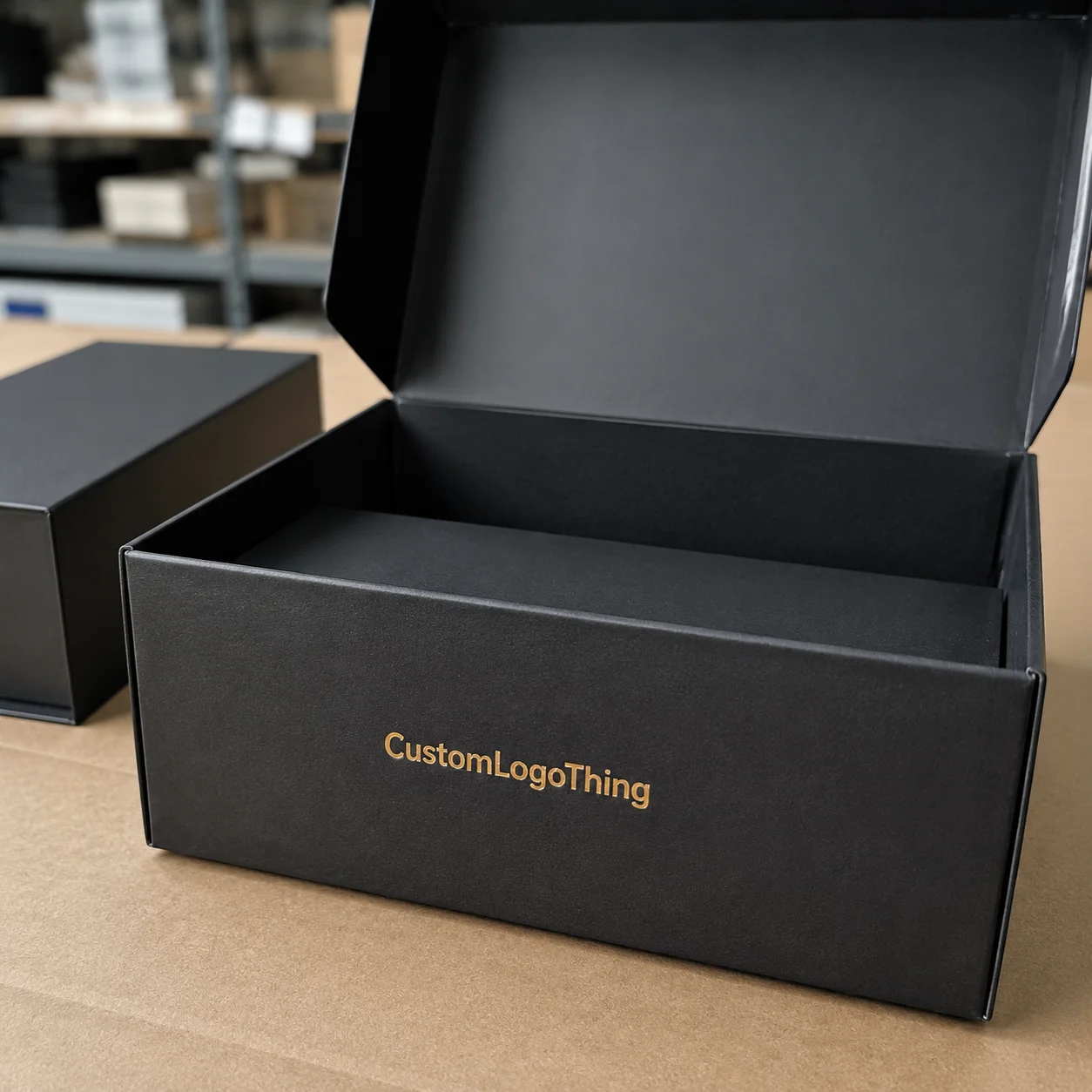
I’ve stood next to enough folder-gluer lines in New Jersey, Ohio, and Guangdong to know this: Custom Mailer Boxes premium quality can look flawless on a mockup and still fail the real test the moment a case of them hits a stacker, a pallet wrapper, or a bumpy parcel route. I remember one run where the sample looked so good I nearly trusted it on sight. Rookie move, honestly. The box that wins is the one that keeps its shape, prints cleanly, closes square, and still feels like branded packaging when the customer opens it on a kitchen table or office desk.
At Custom Logo Things, the conversation usually starts with appearance, but the packaging that truly performs is a balance of board strength, die-line accuracy, print control, and finishing choices that all work together. That is what people mean, or should mean, when they talk about Custom Mailer Boxes premium quality. And yes, I’m biased toward the boxes that hold up after the third touch, not just the first photo, because pretty cardboard that caves in is a very expensive mood. A box that survives a 3-foot drop, 20 minutes in a delivery van, and one impatient unboxing is doing real work.
What Makes Custom Mailer Boxes Premium Quality?
On a factory floor, a mailer box reveals its true character fast. I remember one corrugated line in New Jersey where a beautifully printed sample looked amazing on the sample table, but when we ran a dozen cartons through the flexo folder-gluer at 180 boxes per minute, the weak crease memory and slightly off-score panels caused the top flaps to spring open by a few millimeters. That tiny gap was enough to make the whole run feel less refined, and it’s exactly why Custom Mailer Boxes premium quality has to mean more than a pretty outside surface.
Premium quality, in practical terms, means the board grade is right for the product, the fold structure holds true after repeated handling, the print registration lands where it should, and the die-cuts leave clean edges without feathering or tearing. It also means the unboxing experience matches the brand promise, whether that brand sells apparel, candles, skincare, supplements, or subscription kits. Good product packaging should protect the item and support the story, and the best custom mailer boxes premium quality do both without drawing attention to the mechanics underneath.
The most common high-end constructions use E-flute corrugated for a crisp print face and refined feel, or B-flute corrugated where a bit more crush resistance is needed. E-flute typically measures around 1.2 to 1.8 mm thick, while B-flute sits closer to 2.5 to 3.2 mm, depending on liner and caliper. Kraft liners give a warm, natural look that many brands use for eco-forward positioning, while white liners carry darker colors and photographic artwork with more visual punch. I’ve also seen specialty coatings, like aqueous varnish, soft-touch lamination, and matte aqueous systems, elevate the perceived value of custom printed boxes without making the package feel overly glossy or plastic-heavy.
Premium quality is not one feature. It is the sum of packaging design, material choice, manufacturing discipline, and finishing control. If one of those pieces slips, the whole box can lose the polished feel that buyers expect from custom mailer boxes premium quality. A box with fancy ink but a crushed flap still reads cheap. A strong box with sloppy artwork alignment does too. Packaging can be annoyingly unforgiving that way, especially once it has moved through a warehouse in Dallas or a fulfillment center outside Chicago.
“A mailer box can survive the truck and still lose the customer if the closure feels flimsy or the print looks tired under warehouse lights.”
In subscription and retail packaging, that first tactile impression matters. A firm tuck, a sharp corner, and a consistent opening action all signal care. That is why premium custom mailer boxes premium quality often outperform generic shipping cartons when a brand wants to look established, trustworthy, and worth the price point. The difference can be as small as 2 mm of flap overlap, but customers notice it in seconds.
How Custom Mailer Boxes Premium Quality Are Made
The production flow starts long before paperboard is cut. In a serious packaging plant, the process begins with artwork prep, structural engineering, and a careful check of the product’s exact dimensions, especially if inner trays, inserts, or tissue are part of the packout. I’ve sat in prepress rooms in Shenzhen and Milwaukee where a 1.5 mm change in product width saved a whole run from rubbing the sidewall, and that kind of detail is exactly why custom mailer boxes premium quality requires disciplined planning, not just good taste.
First comes the structural design. The die line must account for wall thickness, flap depth, glue area, and closure pressure. Then the board is selected, usually by looking at flute profile, caliper, liner surface, and compression needs. For many premium orders, buyers specify a 350gsm C1S artboard over a rigid insert or a laminated corrugated structure when the goal is a smoother print face and a more presentation-driven finish. After that, the artwork is laid out with bleed, safe zones, and fold compensation in mind. If you have ever seen a logo drift across a side seam by three or four millimeters, you know how fast a premium concept can start looking amateurish.
On the printing side, digital printing tends to shine on shorter runs and highly variable artwork because setup is faster and versioning is easier. Flexographic printing, on the other hand, is a workhorse for larger orders, especially when a plant wants strong throughput and stable repeatability. Both can produce custom mailer boxes premium quality, but each one has strengths. Digital often gives you flexibility and fast proofing; flexo often gives you better economics at scale and solid consistency on long runs. For a run of 5,000 units, I’ve seen pricing land around $0.15 per unit for a simplified one-color build, while a more finished retail-style box with inside print can land several times higher.
After printing, the board moves into die cutting. This is where tolerance control gets serious. A clean die cut, a proper crease depth, and an aligned glue flap can make the difference between a box that folds naturally and one that fights the operator at the packing bench. I’ve seen plants in Toronto and Suzhou both reject full pallets because the crease was just a touch too shallow, which led to spring-back on the flaps and messy final closure. That kind of defect is not glamorous, but it absolutely affects how people judge custom mailer boxes premium quality.
Moisture control matters too. Corrugated board will move with humidity, and a board that is too wet can warp, crush, or lose crispness in the score lines. On one afternoon shift in Atlanta, I watched a stack of white-lined mailers bow slightly because the warehouse had a moisture swing after a rainstorm, and the operators had to slow the folder-gluer to keep the glue seams square. Real packaging environments live and die by these small variables, which is why premium mailers are made with process control, not wishful thinking. Even a 5 percent humidity shift can change fold behavior enough to affect stack stability.
Here is a simple production timeline that reflects what I see most often for custom mailer boxes premium quality:
- Artwork and spec review: 1 to 3 business days
- Structural sample or prototype: 3 to 7 business days
- Proof approval: 1 to 2 business days, depending on revisions
- Full production: typically 12 to 15 business days from proof approval, sometimes up to 18 for specialty finishes
- Freight and delivery: 3 to 7 business days depending on destination and mode
That schedule can shift if you add inserts, specialty coatings, foil, or complex color matching. Still, a well-run packaging operation keeps the path clear: design, sample, approve, produce, inspect, ship. That is the rhythm behind reliable custom mailer boxes premium quality.
I also recommend reading up on industry testing and sustainability standards if you want your packaging decisions grounded in something real. The ISTA site is a practical reference for transit testing, and the FSC organization is useful if you are sourcing responsibly managed fiber for branded packaging. For broader packaging insights, the Packaging Machinery Manufacturers Institute also has solid educational material. Those standards matter whether your boxes are produced in Dongguan, Los Angeles, or Warsaw.
Key Factors That Affect Quality and Pricing
If two quotes look different, there is usually a reason hiding in the board spec, print method, or finishing stack. One client meeting comes to mind: a skincare brand in Miami wanted custom mailer boxes premium quality at a “near-promo” price, and after a few minutes of digging we found they were asking for white-lined B-flute, four-color graphics, soft-touch lamination, and inside print on 12,000 pieces. That is a premium build, and the price should reflect the build, not the wish. A quote that misses those details by even 10 cents per unit can distort the whole budget.
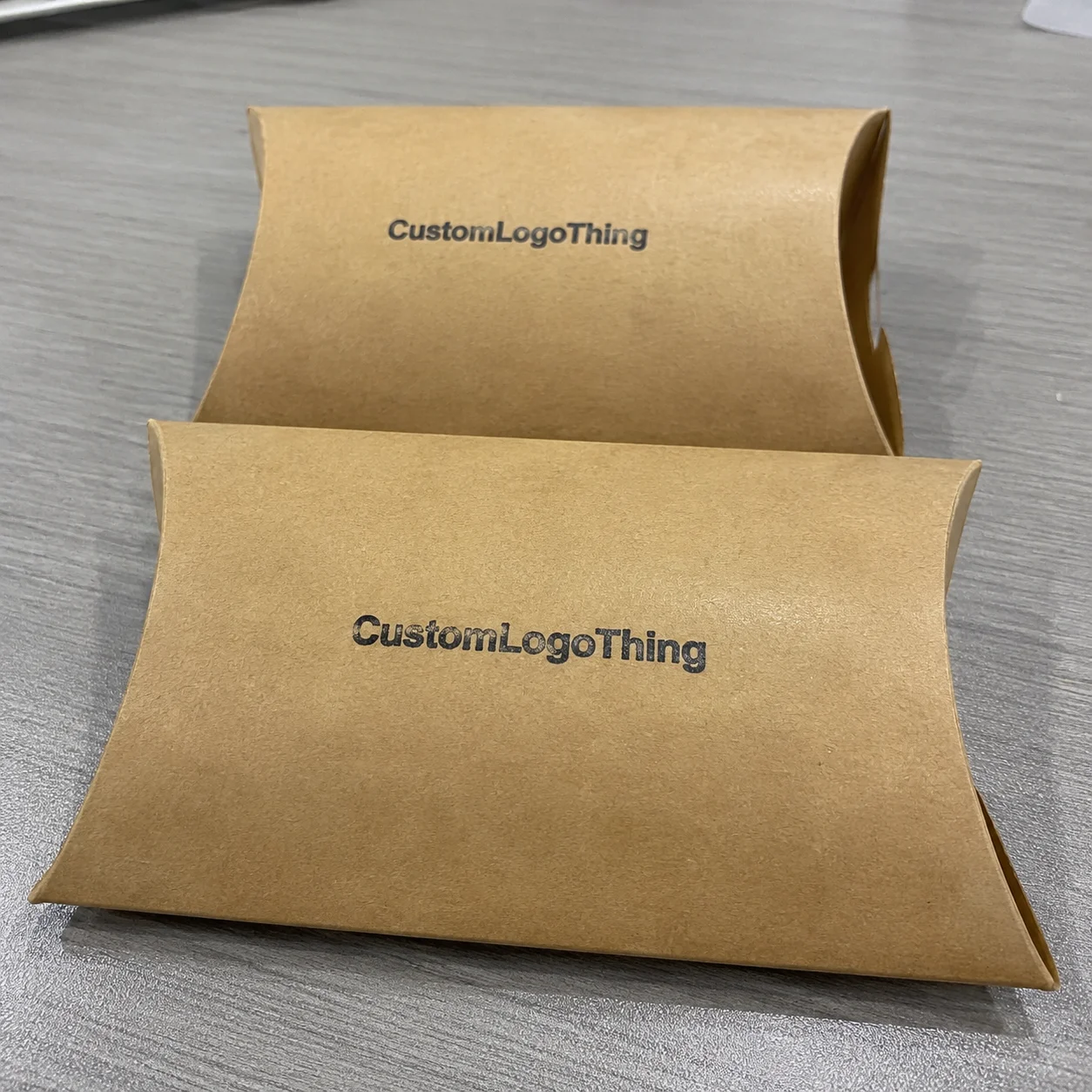
Material choice is the biggest driver. E-flute generally gives a smoother print surface and a more refined profile, while B-flute offers thicker walls and more cushioning. A kraft liner usually costs differently than a bright white liner because the visual finish changes the board selection. If the product is lightweight apparel, E-flute may be plenty. If it is a glass jar, a heavier board or reinforced structure may make more sense for custom mailer boxes premium quality. For some beauty brands, a white-lined construction on 350gsm board creates a cleaner upscale look than a heavier brown kraft option.
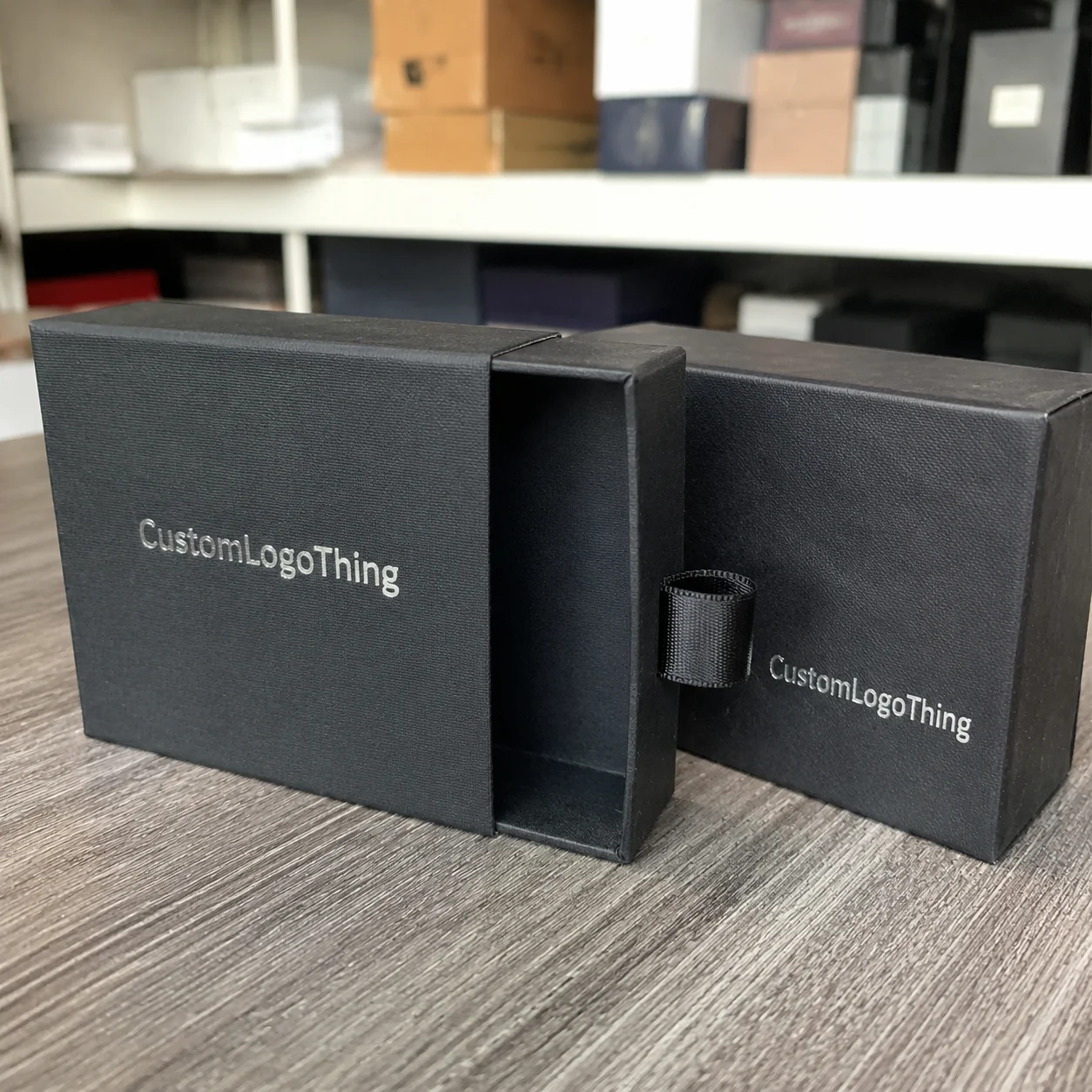
Print coverage matters next. A box with simple one-color logos uses less ink and usually less production complexity than a full-bleed, photographic wrap with registration-sensitive details. Add inside printing, a second pass, or specialty effects such as spot UV, foil stamping, or embossing, and the quote rises. Those extras can absolutely elevate brand packaging, but they also introduce more setup, more waste, and more quality checks. A foil stamp in gold or silver can add $0.08 to $0.20 per unit depending on order size and coverage, and that is before any die charge.
Structural complexity changes pricing too. A standard tuck mailer is generally simpler than a self-locking bottom, a reinforced front panel, or a design built around custom inserts. More folds mean more die precision, more gluing accuracy, and sometimes slower packout. I’ve watched plant managers in Pennsylvania calculate the labor difference down to a few seconds per box, because on a 25,000-piece order those seconds become real money. That is the practical side of custom mailer boxes premium quality. A box that saves 4 seconds per packout can be worth more than a cheaper quotation on paper.
| Option | Typical Use | Relative Unit Cost | Quality Impact |
|---|---|---|---|
| E-flute with one-color print | Apparel, light subscription kits | $0.72 to $1.10 | Clean, lightweight, solid retail feel |
| B-flute with four-color print | Heavier products, fragile items | $0.95 to $1.45 | Better crush resistance and stronger hand feel |
| White-lined board with soft-touch finish | Luxury beauty, premium gifts | $1.20 to $1.85 | High-end presentation and strong shelf appeal |
| Kraft board with minimal print | Eco-forward brands, artisan products | $0.68 to $1.00 | Natural aesthetic, simple and honest look |
Order quantity is another major lever. Setup costs get spread out better when you print 10,000 or 25,000 boxes instead of 1,000, so the per-unit price usually drops as volume rises. Freight efficiency matters too, because a truckload ships more efficiently than partial pallets. That said, smaller brands should not assume low volume means poor custom mailer boxes premium quality; it just means the cost structure is different. A 2,500-piece order in Chicago may cost more per unit than a 15,000-piece order in Austin, but both can still feel premium if the specs are right.
Here are a few budget levers I use when helping teams balance cost and presentation:
- Simplify the dieline before adding decorative effects.
- Keep the print area focused on the primary brand panels.
- Use inserts only where the product truly needs them.
- Match the coating to the product category instead of defaulting to gloss.
- Avoid oversized void space, which wastes board and shipping cube.
Honestly, the smartest buyers of custom mailer boxes premium quality do not ask, “How cheap can we make it?” They ask, “Where does the customer actually feel the difference?” That question leads to better decisions almost every time.
Step-by-Step: How to Specify the Right Box for Your Product
Start with real measurements, not guesses. Measure the product with its inner protection, whether that is bubble wrap, molded pulp, tissue, or a tray insert. Leave enough room for easy packing, but not so much that the item shifts and rattles. I once helped a candle brand in Portland trim 4 mm from the inner length and the closure suddenly felt much tighter, which improved both packout speed and the sense of custom mailer boxes premium quality. A 1 mm error on every side adds up quickly in a 20,000-piece run.
Then match the box style to the use case. Apparel often does well with a lighter mailer that opens cleanly and stacks neatly. Cosmetics may need a more refined presentation with white liners and a soft-touch surface. Electronics often need better crush performance and perhaps an insert to keep cables, chargers, or devices in place. Subscription bundles need efficient packout because the packing team will handle the box hundreds or thousands of times. A beauty brand in Austin may want presentation first; a battery accessory brand in Detroit may want compression resistance first.
Choose board grade and finish based on how the box will travel. If the shipment goes straight to consumers through parcel carriers, transit durability matters more than a showroom feel alone. If the box is also used for retail display, then surface finish and print clarity matter more because the box may sit under bright light or on a shelf. That balance is at the heart of custom mailer boxes premium quality. In practical terms, a matte finish may hide scuffs better than high gloss on a 48-hour cross-country route.
Artwork should be built for production, not just for the screen. Keep logos away from folds, allow bleed where panels wrap, and check your colors against the board type. A deep navy on kraft board will not read the same as the same ink on white-lined board. If you are using layered graphics or fine type, ask for a proof on the actual substrate if possible. That step saves headaches later, especially when the art file includes small type below 6 pt or a barcode that needs exact quiet space.
Before full production, request a sample or prototype. Then test a real product inside it, not a dummy weight. Check closure strength, corner crush, stacking behavior, and how the box holds up after several openings. In a busy fulfillment environment, a box that opens too easily can be just as frustrating as one that is too stiff. Both affect the customer experience and the internal pace of the operation, which is why custom mailer boxes premium quality should always be tested in use, not just admired on a desk. A 5-pound product should not ride in a box designed for 2 pounds.
Common Mistakes That Lower Perceived Quality
The fastest way to make good packaging look ordinary is to choose the wrong board thickness. If the board is too thin, the walls flex, the corners soften, and the box loses the reassuring hand feel that buyers connect with quality. I have seen brands spend good money on artwork, only to undercut themselves by specifying a board that buckled at the flaps. That is not a print problem; it is a structure problem, and it hurts custom mailer boxes premium quality every time. A shift from 1.8 mm to 1.2 mm caliper can be the difference between “firm” and “flimsy.”
Another common issue is using too much ink coverage without considering the substrate. Heavy solids on a rough liner can look mottled, especially if the print method is not tuned for the board surface. Poor registration can make small typography fuzzy or shift logos off-center by a few millimeters. If the dieline is off, the panels will not meet cleanly, and even a beautiful design can look cheap the moment the box closes. I’ve seen a 2 mm misalignment make a luxury candle box look like a sample reject in under five seconds.
Finishing mistakes are easy to spot once you know what to look for. Over-glossy coating can make premium skincare feel less luxurious because it reflects too much light and hides the tactility people expect. Mismatched spot colors can make a logo look inconsistent across repeat orders. Too many effects, stacked together, can make the box feel busy instead of intentional. In packaging design, restraint usually ages better than decoration overload, especially on a shelf in Los Angeles or a marketplace photo taken under LED lighting.
Rushed approvals cause their own kind of damage. A team sees a digital proof, signs off too fast, and misses the fact that the logo sits on a fold or the barcode is too close to the glue flap. The result is a reprint, extra freight, and a delayed launch. I’ve had clients call in a panic because the artwork looked fine in a PDF but ignored the production dieline. That happens more often than people admit, and it is one reason custom mailer boxes premium quality needs a careful prepress review. A 24-hour rushed approval can cost a 2-week launch delay.
One more thing that gets overlooked: shipping tests. The box may survive one hand-carry around the office and fail after three distribution touches. For transit-sensitive brands, I like to see some basic ISTA-informed testing or at least a realistic shake test, drop test, and stack test before committing to a full run. That is not overkill; it is smart risk control for product packaging. If your boxes are going into regional fulfillment from Memphis or Louisville, route testing matters.
How Do You Choose Custom Mailer Boxes Premium Quality for Your Product?
Choose by use, not by trend. Start with the product’s weight, fragility, and shipping route, then decide whether presentation or protection carries more weight. A lightweight apparel brand might do well with E-flute and minimal print, while a glass skincare set may need B-flute, a reinforced structure, or custom inserts. The best custom mailer boxes premium quality are the ones that match the item, the channel, and the customer’s expectation in one clean decision.
If the box must work as both shipping container and retail presentation, build for the harsher environment first. Then refine the finish so the unboxing still feels intentional. In practical terms, that means checking closure strength, board caliper, print placement, and coating choice before approving the design. A sample that looks elegant on a desk may not survive a parcel network, and a shipping-safe box can still feel premium if the structure and artwork are handled well. That balance is the real test of custom mailer boxes premium quality.
Expert Tips for Better Results on Every Run
Design with the production line in mind. If the box will run on a high-speed folder-gluer, keep the structure simple enough that operators can keep the pace up without snagging flaps or fighting memory in the scores. If your fulfillment team packs by hand, think about closure feel, easy opening, and how quickly the product can slide into place. The best custom mailer boxes premium quality fit the workflow as well as the brand. A box that saves 8 seconds per packout on a 10,000-piece order can reduce labor enough to justify a better spec.
Use texture intentionally. Soft-touch lamination can give a luxury feel, but it should be chosen because it reinforces the brand story, not because it looks expensive in isolation. A matte aqueous finish on a clean white box may be a better choice for premium wellness or beauty brands than a heavy coating that adds cost without adding value. I’ve seen brands save several cents per unit by choosing a finish that matched the product category more naturally. On 20,000 boxes, 3 cents is $600, which is real money.
Factory quality checks should be simple and repeatable. I like to see teams check score consistency, flap alignment, ink density, glue seam hold, and compression response. On one run in a Midwest plant, a tiny change in glue temperature improved seam closure enough to reduce rejected boxes at packing by nearly 2 percent. That may not sound dramatic, but on a 40,000-piece order it matters a great deal, especially when the promise is custom mailer boxes premium quality. Even a 1.5-second slowdown per unit becomes painful across a large run.
Build a packaging spec sheet and keep it current. Record the exact dimensions, board grade, liner type, print colors, finish, tolerance range, and any insert requirements. Save sample photos and approval notes. When you reorder, use the same reference document so the second run matches the first one as closely as possible. Consistency is one of the biggest markers of premium package branding. A spec sheet that lists 250 x 180 x 70 mm, 350gsm C1S artboard, and matte aqueous finish is much more useful than “same as last time.”
Also test with the real people who will touch the box. Packing teams notice issues fast, and carrier routes reveal problems that office samples never will. If the box is part of a larger packaging program, consider how it works alongside other pieces like labels, tissue, and Custom Poly Mailers. A strong shipping program often uses more than one format, and the best brands coordinate them under one visual standard. A warehouse in Nashville and a retail shelf in Boston should tell the same brand story.
If your packaging program spans different product lines, it can help to review the wider selection of Custom Packaging Products so the mailer box, mailer bag, and any secondary packing materials feel like one family. That kind of coordination strengthens branded packaging and makes the entire delivery experience feel deliberate. It also reduces the odds that one channel looks like a discount version of another.
Your Next Steps for Ordering Custom Mailer Boxes Premium Quality
Before you request quotes, gather the basics: product dimensions, target quantity, shipping method, artwork files, and the finish level you want to achieve. If you have a target unboxing style, write that down too. “Premium” is vague; “matte white mailer with black logo, inside print, and a firm tuck closure” is useful. That kind of specificity helps suppliers quote custom mailer boxes premium quality correctly the first time. It also helps avoid surprises when you get an estimate for 5,000 versus 25,000 pieces.
Then compare two or three structural options. Ask for samples if possible, because board feel and closure behavior are difficult to judge from a spec sheet alone. One sample may have a more rigid hand feel, while another may be easier to pack but slightly lighter. You need to know which quality cues matter most for your product. A luxury candle might prioritize presentation, while an electronics accessory might prioritize crush resistance and insert fit. If you can, test both under the same conditions: 72 hours on a shelf, one shipping simulation, and one real packout session.
Use a checklist during pricing conversations. It should include board grade, print method, coating, insert needs, inside print, order quantity, and timeline expectations. I also recommend asking whether the quote includes prepress checks, sample fees, and freight assumptions. I’ve watched too many budgets get blown apart by small assumptions that were never written down. Clarity saves money, and it makes custom mailer boxes premium quality easier to repeat. A quote that excludes freight from Dongguan to Los Angeles can look 12 percent cheaper until the invoice lands.
Review proofs slowly. Check dimensions, panel order, logo placement, barcode size, safe zones, and hidden areas like inside flaps or glue flaps if they are printed. If there is a color-critical element, ask how it will be matched across reorders and which standard will be used. A good proof review catches errors before they become a pallet of costly disappointment. I have seen a single misplaced barcode delay a launch by 9 business days.
Here is the implementation plan I usually recommend:
- Define the product spec and box size.
- Choose the board, print method, and finish.
- Approve a sample or prototype.
- Confirm the production timeline and freight path.
- Lock the spec sheet for future reorders.
That process keeps the program repeatable, which is the real hallmark of quality. A one-off impressive box is nice; a repeatable system for custom mailer boxes premium quality is what protects margin, brand consistency, and customer trust over time. In many cases, the most useful packaging decision is the one that can be repeated in six months without drama.
If you are building a broader packaging program, think of the mailer box as one part of the whole system rather than a standalone object. The right corrugated construction, the right finish, and the right artwork all support product packaging that feels intentional from the warehouse shelf to the customer’s hands. That is true whether your operation ships from Phoenix, Rotterdam, or a third-party warehouse in Atlanta.
FAQ
What makes custom mailer boxes premium quality compared with standard mailers?
Premium mailers usually use stronger board, cleaner die cuts, tighter folding accuracy, and better print control. They are built to look polished on arrival while still protecting the product during transit and handling. In many programs, that means a higher caliper board, a better liner, and a finish like matte aqueous or soft-touch lamination.
How much do custom mailer boxes premium quality usually cost?
Pricing depends on board grade, box size, print method, order quantity, and finishing choices. Smaller runs and specialty finishes usually cost more per unit, while larger quantities lower the unit cost. In my experience, a 5,000-piece run can start around $0.15 per unit for a simple build, while premium finishing and inserts can move the price well above $1.00 per unit.
What is the typical timeline for premium custom mailer box production?
Most projects include design approval, sampling, and full production scheduling. A straightforward run typically takes 12-15 business days from proof approval, and freight often adds another 3 to 7 business days depending on the destination. Custom inserts, complex artwork, or special coatings can extend the schedule.
Which materials are best for custom mailer boxes premium quality?
E-flute and B-flute corrugated are common choices because they balance print quality with shipping strength. Kraft or white liners change the visual feel, and the right choice depends on the product, the brand story, and how the box will be used. For a more presentation-led build, 350gsm C1S artboard laminated to corrugated is often specified for a smoother face and sharper print detail.
How can I make sure my custom mailer boxes premium quality stay consistent across reorders?
Keep a detailed packaging spec sheet with dimensions, material, finish, and color standards. Approve samples, save production references, and hold the same tolerance standards for every reorder so the second run matches the first as closely as possible. Reordering from the same plant in Suzhou, Monterrey, or Chicago also helps reduce variation if the spec stays unchanged.
After two decades around corrugators, die cutters, and packing tables, I can say this with confidence: custom mailer boxes premium quality is not an accident, and it is not just decoration. It is the result of the right board, the right print, the right structure, and the right discipline in production. If you get those pieces aligned, the box does more than ship a product; it strengthens branded packaging, supports retail packaging goals, and gives the customer a first impression that feels worth remembering. In many cases, that first impression is earned in under 10 seconds and remembered long after the tape is gone.