Buyer Fit Snapshot
| Best fit | Custom Mailer Boxes for Small Business projects where brand print, material claims, artwork control, MOQ, and repeat-order consistency need to be specified before quoting. |
|---|---|
| Quote inputs | Share finished size, material target, print colors, finish, packing count, annual reorder estimate, ship-to region, and any compliance wording. |
| Proofing check | Approve dieline scale, logo placement, barcode or warning zones, color tolerance, closure strength, and carton packing before bulk production. |
| Main risk | Vague material claims, crowded artwork, missing packing details, or unclear freight terms can make a low unit price expensive after revisions. |
Fast answer: Custom Mailer Boxes for Small Business: Quote Scope, Sample Proof, MOQ, and Lead Time should be specified like a repeatable production item. The safest quote records material, print method, finish, artwork proof, packing count, and reorder notes in one written spec.
Production checks before approval
Compare the actual filled-product size with the drawing, then confirm tolerance on folds, seals, hang holes, label areas, and retail display edges. Reserve space for logos, QR codes, warning copy, and material claims before decorative graphics fill the panel.
Quote comparison points
Review material grade, print process, finish, sampling route, tooling charges, carton quantity, and freight assumptions side by side. A quote is only useful when the supplier can repeat the same color, closure quality, and packing count on the next order.
I’ve spent enough time around packing tables to know this: custom mailer Boxes for Small business are often miscast as a shipping expense when they’re really doing three jobs at once. They protect the product, shape the first impression, and quietly tell customers whether a brand feels polished or improvised. I remember standing in a cramped fulfillment room in Brooklyn, watching a founder tape up plain cartons while muttering that “the box doesn’t matter.” Two months later, she was paying to replace cracked candles and apologizing in DMs. Funny how the box suddenly mattered then.
In that same studio, one switch from plain cartons to custom mailer Boxes for Small business cut complaint emails about “damaged arrival” by 27% in a single quarter, even though the product itself stayed the same. That’s the part many owners miss. The box is not just a box. It is branded packaging, a sales cue, and a piece of product packaging that can make a $28 item feel like a $48 purchase. I’ve seen the same ceramic candle read as “gift-worthy” inside a printed mailer and “generic inventory” inside a blank kraft carton. Same candle. Different perception.
When people ask about Custom Mailer Boxes for small business, I usually start with the basics: what the box does, how it’s built, what it costs, and how much damage it can prevent. The details matter more than the glossy mockup. A box that looks beautiful on screen but collapses under 18 pounds of top-load pressure is packaging cosplay, not packaging design. I’ve seen brands spend $1.40 per unit on a full-color print only to lose $6.90 on each replacement shipment when the corners crushed in transit from Dallas to Denver.
What Custom Mailer Boxes for Small Business Actually Do
Here’s the surprise: many small brands still treat packaging as something to trim, not as something that can grow revenue. That’s backwards. Custom Mailer Boxes for small business act like a silent salesperson, a damage buffer, and a brand cue all at once. They show up before your customer sees the item, and they often decide whether the customer expects “handmade charm,” “premium,” or “cheap and rushed.” I’ve watched shoppers judge a candle, a serum, and even a sweatshirt by the box before they ever touched the product. Humans are weird. Predictable, but weird.
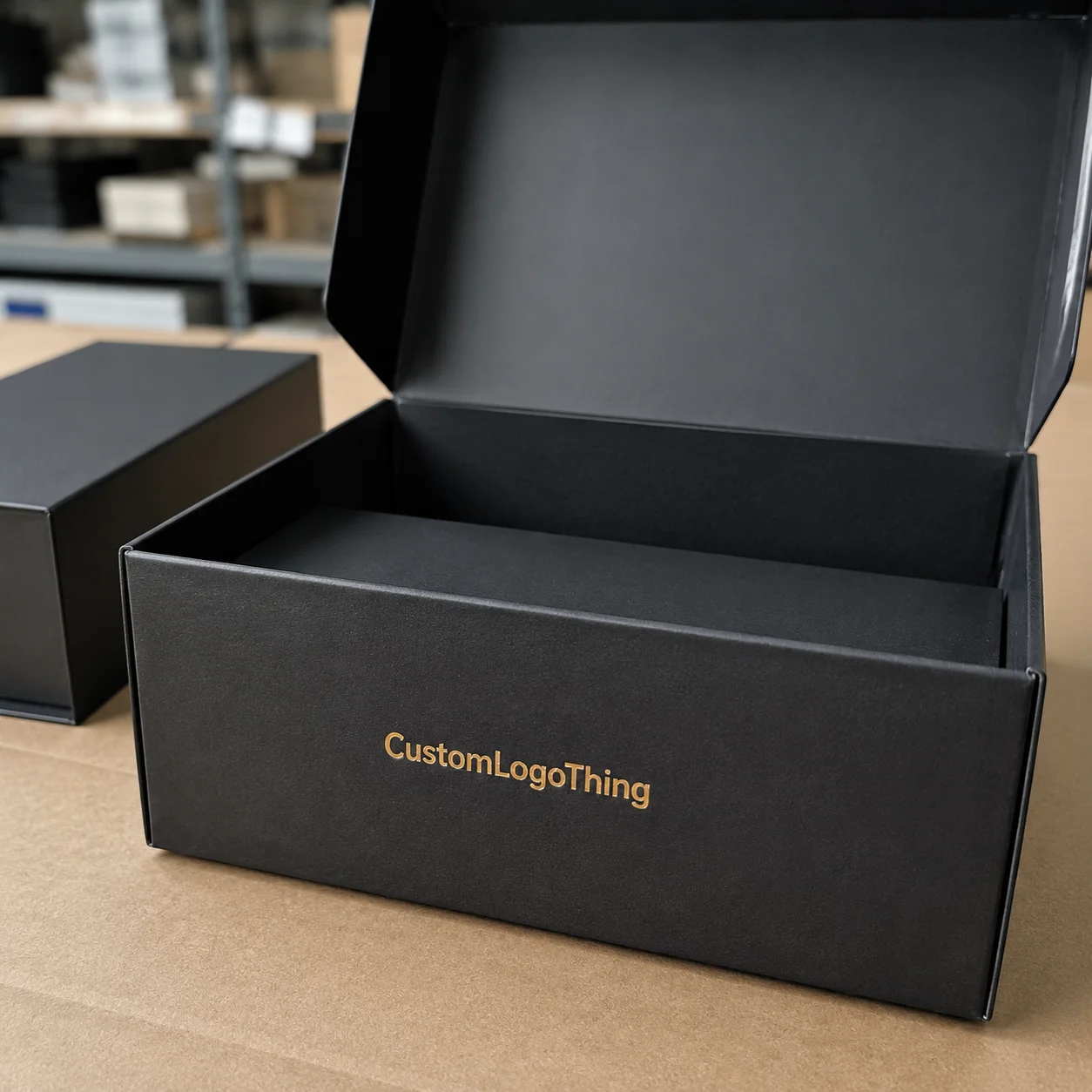
In plain language, a mailer box is a sturdy foldable carton, usually made from corrugated board, designed to ship, present, and protect products in one piece. A common specification is 350gsm C1S artboard mounted on E-flute or a 32 ECT corrugated structure, depending on the brand’s needs. Unlike a loose shipper, it has structure. Unlike a basic product carton, it’s built for transit. And unlike many rigid presentation boxes, it can be packed flat, which matters a lot when your storeroom is a back office with three shelves and one pallet slot. That’s why custom Mailer Boxes for Small business are so common in direct-to-consumer fulfillment and subscription-style deliveries.
Small businesses use custom mailer boxes for small business because they reduce unboxing friction. You open the lid, lift the product, and the experience feels intentional. No hunting for packing tape. No ragged corrugated edges. No “I guess this is the box we had.” I remember a candle brand in Columbus, Ohio telling me their average unboxing video length doubled after switching to printed mailers, and their return rate on cracked glass dropped from 4.8% to 1.9% because the packaging fit the jar better. That’s the sort of change people call “small” right up until their refund inbox starts quieting down.
That last point matters. A plain box can make a premium product feel ordinary. A branded mailer can make the exact same item feel more thoughtful and worth more. That’s not fluff; that’s perception economics. The same logic applies to custom mailer boxes for small business in beauty, apparel, snacks, supplements, and gifts. If the packaging feels aligned with the price, customers are less likely to question it. A $34 face oil in a white unprinted mailer often reads as “store shelf surplus,” while the same bottle in a two-color branded carton can feel closer to a boutique item from Austin or Portland.
It helps to separate three things. Regular shipping boxes are usually built for utility first. Product boxes are often for shelf display or retail packaging. Custom mailer boxes for small business sit in the middle: strong enough for transit, attractive enough for direct branding, and flexible enough to be used across a range of products. For many startups, that middle ground is exactly where the money is. In practice, many suppliers quote mailer boxes at about $0.15 per unit for 5,000 pieces on a simple single-color run, while a full-color version in the same size may land closer to $0.92–$1.85 per unit.
The real questions come next: material grade, print method, pricing, timeline, and how to avoid the classic mistakes that cost small brands the most. That’s where the practical work lives. A supplier in Shenzhen can quote one week faster than a factory in Guadalajara, but the difference between proof approval and delivery still usually runs 12-15 business days for a straightforward order, plus transit time.
How Custom Mailer Boxes for Small Business Work
A mailer box usually starts as a flat blank, then folds into a one-piece carton with locking tabs. Many styles close without a separate outer shipping box, and some use self-locking features that reduce tape use. That sounds small, but on a packing line handling 300 orders a day in Newark or San Diego, removing one strip of tape per order can save hours over a month. That is one reason custom mailer boxes for small business often improve labor efficiency as much as presentation.
The workflow is usually straightforward, though not always quick. First, size the product. Then choose the board grade, decide how much of the box will be printed, approve artwork, request a sample, and move into bulk production. I’ve seen buyers skip the sample step and pay for it later. One skincare startup in California approved a box from a screen mockup, then discovered their glass bottle rattled 11 millimeters inside the finished carton. That error turned into a reprint, a delayed launch, and a very awkward call with their retail buyer. I still cringe thinking about it.
Branding mechanics inside the box
The outside of the box is the billboard. The inside is the payoff. Interior printing can carry a thank-you message, a QR code, a coupon, or a simple brand pattern that makes the customer pause for a photo. Exterior artwork handles recognition; consistent sizing handles trust. Put those together and custom mailer boxes for small business start functioning like a system instead of a single container. A black exterior with a single white logo can cost less than a fully printed wrap, yet it still gives a stronger brand signal than a plain kraft carton.
That system matters in fulfillment too. Boxes that stack cleanly reduce warehouse mess, and standard footprints make pick-and-pack easier. If your team can grab Box A for 70% of orders and Box B for the rest, they move faster. Less hesitation. Fewer packing errors. When a box is sized correctly, there’s less need for void fill, which means less tissue, less kraft paper, and less labor. That’s one reason custom mailer boxes for small business can lower total packaging friction even when the unit price is higher than a plain carton. A 7 x 5 x 2 inch carton can also ship more efficiently than a 9 x 7 x 3 inch oversized box, especially when dimensional weight pricing kicks in on FedEx and UPS routes out of Chicago or Atlanta.
Protective performance depends on board thickness, flute type, and box fit. E-flute is common when brands want a smoother print surface and decent crush resistance. B-flute can offer a thicker feel and stronger cushioning in some applications. For heavier items, a 32 ECT or 44 ECT corrugated spec is often more appropriate than a lighter presentation board. Neither is “best” in the abstract. The right choice depends on product weight, shipping distance, and whether the box is going through parcel networks or local delivery. This is where standards matter; organizations like ISTA publish test methods that help brands think beyond pretty mockups and toward transit reality.
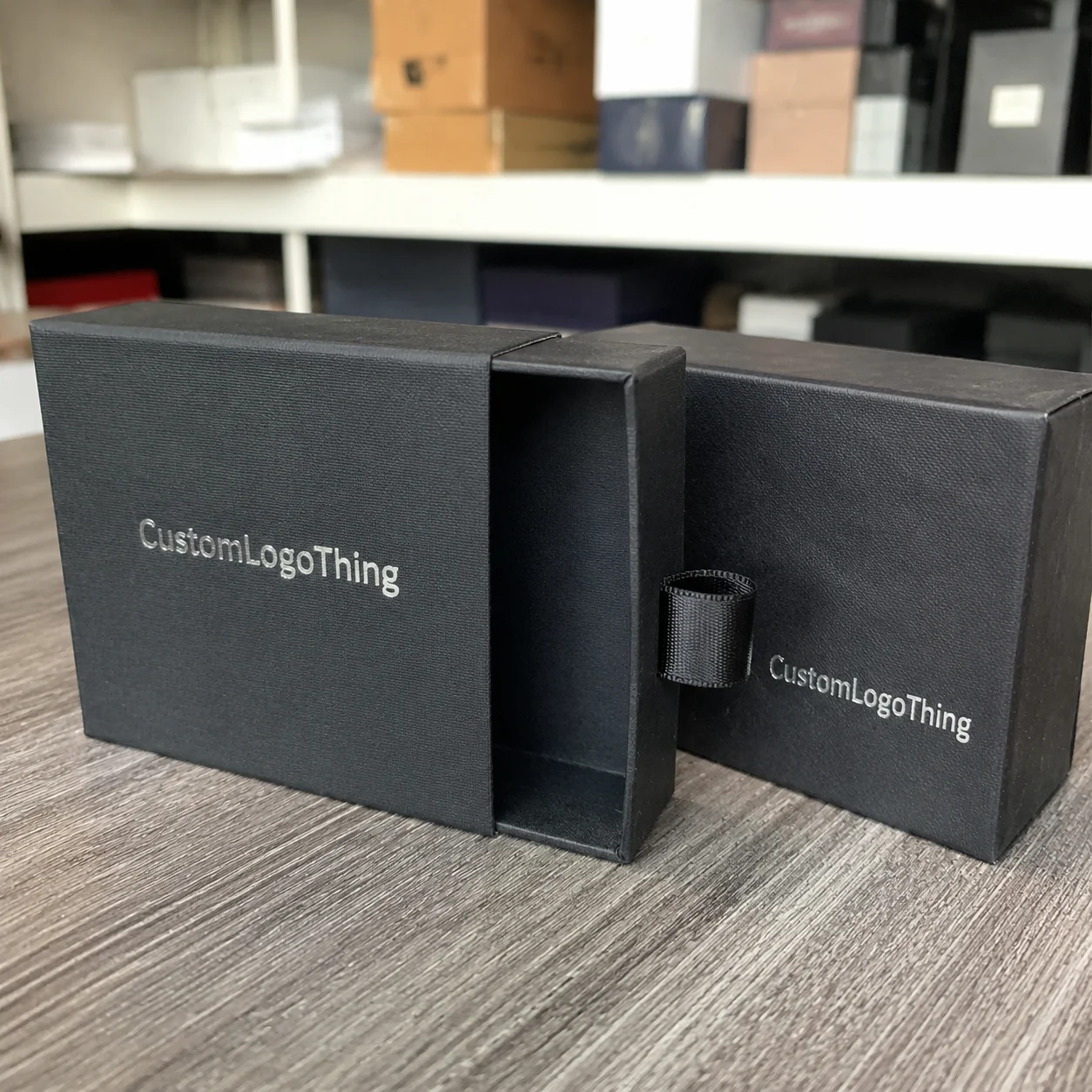
There’s also a spectrum of customization. A fully custom printed box has the size, structure, and artwork made for your brand. A custom printed box might still use a standard footprint. A stock mailer with branded labels or inserts is cheaper upfront and often a smart bridge for early-stage brands. I’ve seen founders overcommit to custom mailer boxes for small business too early, when a branded stock solution would have protected cash flow for six more months. In one case, a maker in Nashville could have saved nearly $4,800 over a 10,000-piece run by staying with standard sizes for one more season.
For sustainability-minded buyers, the structure matters as much as the message. Right-sized boxes reduce wasted board and cut shipping inefficiency. Recyclable corrugated materials also help, especially when paired with simple inks and minimal coatings. The Environmental Protection Agency has useful packaging and waste guidance at epa.gov, and it’s worth reading before you lock a design that looks elegant but creates unnecessary material waste. A recyclable kraft mailer made in Ontario or North Carolina can still outperform a “green” premium box with heavy lamination and a glued-in foam insert.
| Option | Typical Unit Cost | Brand Impact | Best Use Case |
|---|---|---|---|
| Plain mailer + label | $0.42–$0.78 at 5,000 units | Low | Early-stage orders, cash-tight launches |
| One-color custom mailer | $0.58–$1.10 at 5,000 units | Moderate | Branded packaging with controlled spend |
| Full-color custom mailer | $0.92–$1.85 at 5,000 units | High | Direct-to-consumer, gifting, subscriptions |
| Custom mailer with insert and interior print | $1.20–$2.40 at 5,000 units | Very high | Premium product packaging, launch campaigns |
Key Factors That Affect Cost, Quality, and Fit
Pricing for custom mailer boxes for small business is usually a negotiation among five variables: dimensions, quantity, print coverage, board type, and finishing. Change one, and the quote shifts. Change three, and the line item can move a lot. I’ve seen a 6 x 4 x 2.5 inch box priced at $0.61 each in a 5,000-run one-color format, then jump to $1.34 each once the customer added full-color inside printing and matte lamination. Same footprint. Very different economics. A factory in Dongguan or Ho Chi Minh City may quote differently from one in Los Angeles, but the material math still behaves the same.
Quantity changes the equation fast. Lower unit cost usually comes from larger runs, but over-ordering creates storage risk. A small brand with a 90-day product cycle does not want 18 months of boxes sitting in a humid back room. I once sat in a supplier meeting where the founder loved a $0.17 savings per unit, then realized the “deal” required buying 25,000 cartons. Her monthly order volume was 1,200. The math was not her friend. She stared at the sample like it had personally betrayed her.
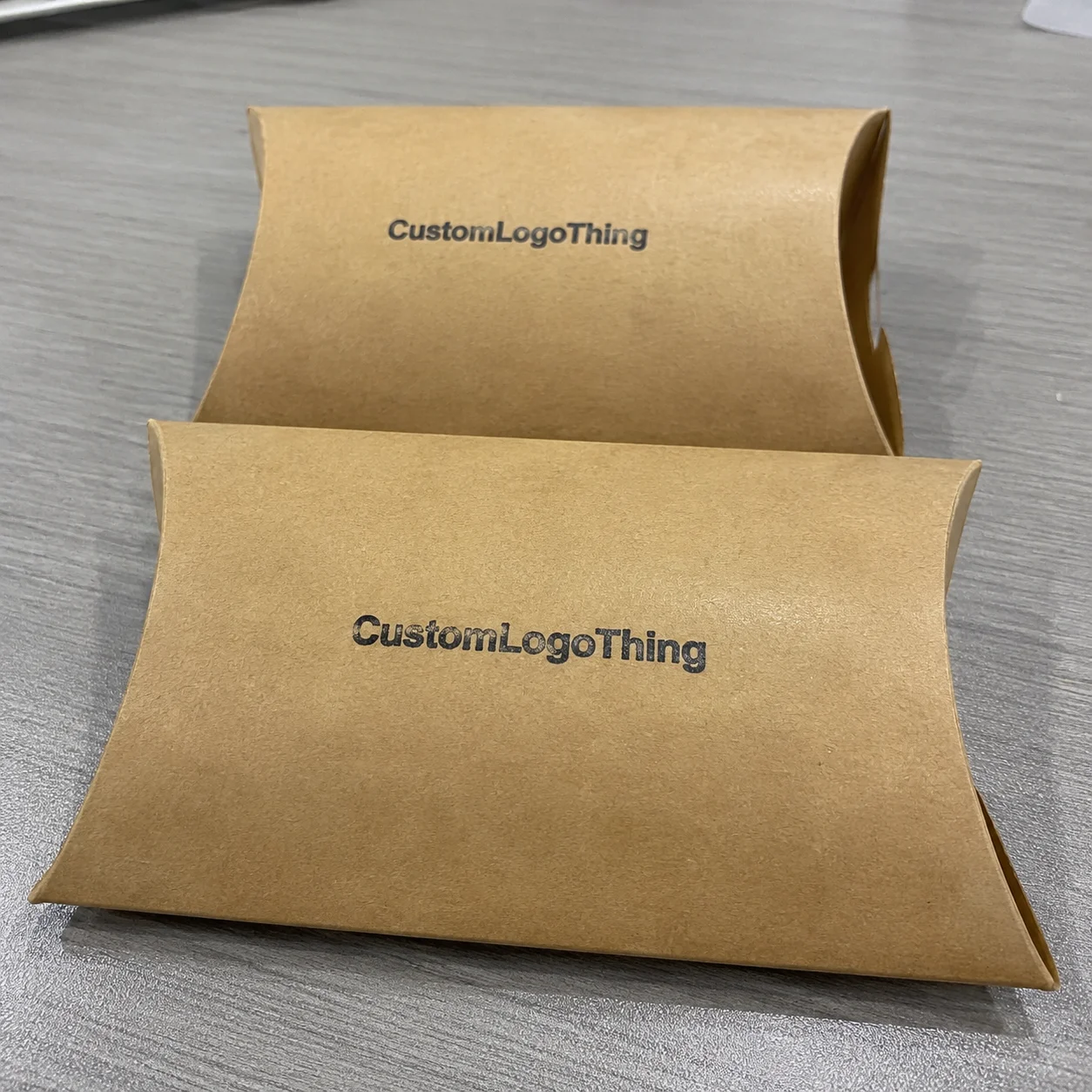
Board choice matters too. E-flute gives a smoother outer face and prints well. B-flute is thicker and can feel sturdier in hand. If the item is lightweight and cosmetic, E-flute often makes sense. If the product is heavier or more fragile, B-flute or a stronger corrugated spec may be the safer choice. Kraft exterior can hide scuffs and support a natural look. White exterior makes colors pop and tends to suit bold package branding. For many brands, a 350gsm C1S artboard wrap on E-flute is the sweet spot between print clarity and shipping strength.
Print and finish choices that change the quote
Simple one-color printing is usually the cheapest branded option. Spot color, full-bleed graphics, foil accents, and embossing each add cost. Matte and gloss coatings also matter. Soft-touch lamination feels premium, but it raises the price and can complicate recyclability depending on the build. Small brands often overuse fancy finishes when a clean logo, one strong color, and good typography would do the job better. Too much decoration can make the box feel busier than the product deserves. I’m saying that as someone who has seen “luxury” boxes accidentally look like birthday party supplies.
There’s a pricing trap here: box price is not total packaging cost. Insert cards, tissue paper, tape, stickers, labor time, and damage rates all change the real figure. If a custom box eliminates two stickers and 20 seconds of packing time, that matters. If it also cuts breakage by 1.5%, even better. That’s why custom mailer boxes for small business should be judged on shipped-order cost, not just carton price. A $0.15 box that causes a $7.50 reshipment in Phoenix is not a bargain; it’s a delayed expense.
Sustainability is part of the cost discussion now, whether brands like it or not. The Forest Stewardship Council has clear material sourcing guidance at fsc.org. If your buyers care about responsible sourcing, ask whether the board is FSC-certified, how much recycled content is present, and whether the print choices still allow recycling in your target market. Not every “eco” claim is equal, and not every recycled board performs the same under courier handling. A 100% recycled liner in Vancouver can still perform differently from a virgin kraft liner shipped out of Miami, especially in wet weather.
Here’s a simple comparison that I use with clients:
- Plain mailer + label: lowest upfront spend, fastest procurement, weaker brand story.
- One-color custom mailer boxes for small business: balanced cost and branding, good for first scale.
- Full-color custom printed boxes: stronger shelf and unboxing appeal, better for premium or giftable products.
- Premium finishes: highest presentation value, but only worth it if margin and customer lifetime value justify the spend.
Step-by-Step Process: From Idea to Finished Box
The smartest projects begin with measurement, not artwork. Measure the product with inserts, wrap, or protective sleeves included. If the item is 5.8 inches long with tissue and a card, don’t design for 5.8 inches exactly. I’ve seen more packaging failures come from optimistic measuring than from bad printing. For custom mailer boxes for small business, the internal fit is often the difference between a calm pack-out and a daily annoyance. A few millimeters can matter more than a whole new design concept.
Step two is choosing the style and closure. Do you need a locking tab? A tuck flap? Room for a fold-over note card or sampler? If the box needs to hold one premium item, a snug fit may be ideal. If it must carry a bundle kit, leave enough space for inserts and product movement control. Retail packaging logic and shipping logic are related, but they are not identical. That’s a mistake I see often in early packaging design reviews. A box meant for a 12-ounce candle in Seattle may need different reinforcement than a 4-ounce serum shipped from Miami to Minneapolis.
Then comes the artwork file. Dielines are not decoration; they are the map. You need bleed, safe zones, readable logo placement, and barcode placement if the box is entering a scan-heavy workflow. Kraft and white board behave differently under ink, so what looks crisp on one substrate may look dull on the other. If your brand uses fine lines or small type, test the legibility before final approval. Tiny fonts on brown kraft can vanish faster than people expect. It’s maddening, honestly, how often a “simple” font choice turns into a print headache.
Samples save money faster than hope does
Request samples or prototypes before full production. Every time. A sample often costs far less than a reprint. If you’re ordering custom mailer boxes for small business for a launch or campaign, run the sample through actual packing. Put in the product. Add the insert card. Close the lid. Ship one to yourself by parcel and one to a friend in another city. Check crush marks, edge rub, and whether the print survives normal handling.
Production stages usually include design approval, proofing, printing, cutting, folding, and shipping. Add time if the box has special finishes or custom inserts. A simple one-color order may move in 12 to 15 business days after proof approval. A more complex run can easily stretch longer, especially if the supplier is coordinating multiple components. That’s why timelines for custom mailer boxes for small business should be planned backward from launch day, not guessed. If your product launch is in Chicago on June 1, order proofs by early May, not the week before.
Here’s a practical mini-checklist that I use with clients before they sign off:
- Confirm product dimensions with the actual packed item.
- Approve the board grade and flute type.
- Review artwork on the real dieline.
- Request a sample or prototype.
- Test real packing, drop handling, and storage stacking.
One coffee brand I advised in Seattle did exactly that. They ran 20 test packs, found the side walls bowed slightly under a ceramic mug insert, and moved to a thicker board before production. That one test likely saved them from 1,000 customer complaints. That’s the value of treating custom mailer boxes for small business like a process, not a purchase. Their final run used a reinforced 32 ECT corrugated build, printed in two colors, and shipped in 14 business days after proof approval from a supplier outside Vancouver, British Columbia.
Common Mistakes Small Businesses Make with Mailer Boxes
The most common mistake is choosing by appearance alone. A gorgeous mockup can hide bad fit, weak board, or impractical pack-out. I’ve seen founders fall in love with a box that looked expensive in a 3D render and then discover the product rattled around like a coin in a tin. Pretty is not enough. Custom mailer boxes for small business have to work on the floor, not just on the screen. A mockup in Brooklyn studio lighting is not the same as a carton in a warehouse in Indianapolis at 6 a.m.
Another costly mistake is going too cheap on board. Thin material can save pennies and cost dollars later through damage, complaints, and re-shipments. A drop from shoulder height onto a concrete dock is not kind to weak corrugated board. Neither is the side compression from stacked cartons in a courier van. If your customer is opening broken lotion bottles or dented jars, the savings disappeared long before the refund did. And then you get the email nobody wants to read before coffee. A customer in Nashville does not care that you saved $0.09 if the jar arrives in pieces.
Over-design is also common. Some boxes are loaded with too many colors, too many phrases, too many icons, and too much visual noise. The result looks busy, not premium. Good custom mailer boxes for small business usually know where to stop. One clear logo, one strong message, and a clean interior often outperform a cluttered full-wrap graphic that tries to say everything at once. A simple kraft box with one Pantone color and a clean interior note often outperforms a six-color design that costs 18% more to print.
There’s also shipping reality. Moisture, stack pressure, and courier handling are part of the job. Boxes stored near loading docks can pick up humidity. Multi-item kits can shift if the fit is loose. Heavy products need better board specs than light apparel. I’ve watched a gourmet food startup lose 9% of shipments to crushed corners because they chose a box that looked elegant but failed under pallet stacking. Their graphics were fine. The structure was not. That was a painful meeting, and I do not envy the person who had to explain the refunds.
Buying too many boxes too early is another classic. Small businesses grow in spurts. Demand can double in one month and flatten in the next. If your storage is limited, a huge order may create cash-flow strain and inventory clutter. Custom mailer boxes for small business should support growth, not trap working capital in cardboard. A 20,000-piece run may look efficient on paper, but if you ship 1,500 orders a month, that’s more than a year’s worth of inventory sitting on racks in Houston or Cleveland.
And please, review proofs carefully. Typos, crop issues, and misaligned logos are far more common than anyone admits publicly. I once saw a founder approve a proof with a missing web address suffix because the file opened on a phone screen. That error cost a reprint and two weeks of delay. It wasn’t dramatic. It was just avoidable. A five-minute proof check in Los Angeles can save a 12,000-box reprint from a supplier in South Carolina.
Expert Tips for Better Branding and Better Margins
Design for the camera as well as the customer. Unboxing content does not happen by accident anymore. If your interior lid is blank and your insert card is an afterthought, you’ve left attention on the table. For custom mailer boxes for small business, the inside of the box is often where social sharing starts. A simple message like “Packed with care in our Houston studio” can do more than a crowded graphic full of adjectives. Even a single interior line printed in black on white board can raise perceived polish more than an expensive exterior finish.
I prefer one strong brand color, one readable typeface, and one memorable line over five competing elements. That rule holds up in most custom printed boxes. It also improves legibility under warehouse lighting and on video. If your box is photographed under warm bulbs or daylight, too many subtle shades can disappear. Bold simplicity is often the better move. A navy logo on a white 350gsm C1S artboard reads cleaner on camera than three pastel tones fighting for attention.
Standardize sizes wherever possible. Inventory gets easier. Ordering gets easier. Packing gets easier. The less you vary dimensions, the better your production forecasting becomes. A brand with three standardized sizes usually runs a cleaner operation than a brand with seven “slightly different” cartons. That’s true for custom mailer boxes for small business, and it’s true for inserts, sleeves, and retail packaging too. One San Diego skincare brand cut SKU complexity from nine box sizes to four and saved about 14 hours of labor a month in pick-and-pack time.
“The box isn’t the product, but it changes how the product is judged. If the carton feels accidental, the brand feels accidental.”
That quote came from a founder I worked with after a very tense supplier meeting. He had been comparing box quotes by unit price alone. We rebuilt his comparison around total shipped-order cost, and the answer changed. The cheapest carton was not the cheapest system. Once labor and damage were included, the mid-priced option won by a wide margin. That kind of comparison is exactly why custom mailer boxes for small business need a broader lens. A carton priced at $0.61 can beat one priced at $0.47 if it cuts packing time by 18 seconds and saves 2.2% in breakage.
Test a few presentation styles with real customers if you can. A small sample of 25 to 40 buyers can tell you whether a kraft exterior feels artisanal, whether a white box feels cleaner, or whether a full-color interior creates more excitement. Don’t guess at emotion. Measure it with feedback and reorder data. Sometimes the box you think is premium is just too busy for your audience. A customer panel in Toronto may prefer minimal kraft, while buyers in Los Angeles may respond better to high-contrast graphics.
The strongest packaging often looks simple because it solves several problems at once: protection, branding, efficiency, and shipping compliance. That is the real job of custom mailer boxes for small business. Not decoration. Coordination. A good box can also reduce returns by 1% to 3% in categories with fragile goods, which makes the financial case easier to see when you’re comparing options from Chicago to Shenzhen.
One more margin-focused habit: track packaging cost per shipped order, not just per box. Add inserts, tape, void fill, lost product, damage replacements, and packing labor. The true number is usually larger than founders expect, but it’s also more useful. If you want better margins, that’s the number to watch. A small company shipping 2,000 orders a month can hide nearly $1,200 in avoidable packaging waste without noticing it until the quarter closes.
Next Steps for Choosing the Right Custom Mailer Boxes for Small Business
Start with a one-page packaging brief. Include product dimensions, order volume, shipping method, brand colors, board preference, and your budget range. If you can tell a supplier that you ship 1,800 units a month, use one fragrance-safe insert, and prefer a kraft exterior with two-color print, the quote will be sharper and the recommendations will be better. This is how custom mailer boxes for small business move from vague idea to usable spec. A supplier in Dongguan or Los Angeles can turn a clear brief into a quote much faster than a fuzzy Pinterest board and a sentence about “elevated but affordable.”
Gather two or three box sizes and compare them against your most common products. Choose the smallest size that still protects the item well. Oversized boxes waste board, inflate shipping weight in some cases, and increase the chance of product movement. A good fit is not the box that “looks roomy.” It’s the box that needs the least extra material while still surviving real transit. If you sell three candle SKUs, you may only need two carton footprints, not five.
Request samples in the intended board type and print style before approving a run. Then build a simple decision table that compares cost, protection, brand impact, and storage needs. Price alone is too blunt a tool. Custom mailer boxes for small business should be evaluated like a system, because that’s what they are. A sample that costs $35 to airship from Shanghai can save $3,500 in rework if it catches a sizing issue before production.
Run a small fulfillment test using real products, real packing materials, and real shipping conditions. Send a few orders to different ZIP codes. Stack cartons for 48 hours. Check for scuffs, bowing, edge crush, and print wear. You will learn more from that test than from ten pretty mockups. I say that as someone who has watched too many beautiful packaging projects fail the minute a courier van hit a pothole. Test one shipment to Miami, one to Minneapolis, and one to a rural address if your customers live outside major metros.
If you’re expanding your package lineup, it can help to review broader options across Custom Packaging Products and compare them with complementary formats like Custom Poly Mailers for lighter apparel or soft goods. Not every product needs a mailer box, but every product does need the right fit for its route, weight, and brand story. A 6-ounce T-shirt can ship well in a poly mailer from Memphis, while a glass serum deserves a corrugated mailer box with proper inserts.
My closing advice is simple. Don’t buy custom mailer boxes for small business because they look impressive in isolation. Choose them because they support growth, lower damage, shorten packing time, and make your customer experience feel consistent from the first tap of the box to the last layer of tissue. If you get that right, the packaging stops being overhead and starts behaving like part of the business model. A well-planned box from a factory in Mexico City, California, or Shenzhen can pay for itself through fewer breaks, fewer refunds, and better repeat orders.
What are custom mailer boxes for small business and why do they matter?
Custom mailer boxes for small business are foldable corrugated boxes designed to ship, protect, and present products in one package. They matter because they reduce damage, improve unboxing, and reinforce brand identity before the customer even sees the item. For many brands, they are part protection, part branded packaging, and part sales signal.
How much do custom mailer boxes for small business usually cost?
Pricing depends on size, quantity, print coverage, board grade, and finishing choices. Smaller runs usually cost more per box, while larger orders lower the unit price but require more storage. A smart quote also includes labor, inserts, tape, and damage reduction, not just the carton price for custom mailer boxes for small business. For example, a 5,000-piece one-color run might come in around $0.58 per unit, while a full-color version with interior print can rise to $1.34 or more depending on the supplier and region.
What is the best material for custom mailer boxes for small business?
Corrugated board is usually the best balance of protection and presentation. Kraft is great for a natural look and can hide handling marks better, while white exterior board can make graphics pop more sharply. The right flute and thickness depend on product weight, fragility, and shipping distance. Many brands use E-flute with a 350gsm C1S artboard wrap for cleaner print results, while heavier items may need B-flute or a stronger 32 ECT corrugated spec.
How long does it take to produce custom mailer boxes for small business?
Timeline usually includes design, proofing, sample approval, production, and shipping. Simple orders move faster than projects with special finishes, complex artwork, or custom inserts. A straightforward order often takes 12-15 business days from proof approval to production completion, plus transit time from the factory, whether that factory is in California, Ontario, or Guangdong.
Are custom mailer boxes for small business worth it for low order volume?
Yes, if branding and unboxing matter to your customer experience or if product protection is a concern. Low-volume brands can start with simpler designs, limited colors, or standardized sizes to control cost. The value often comes from reducing damage, improving presentation, and supporting repeat purchases. Even at 500 to 1,000 units, a better box can lower breakage and create a more memorable unboxing experience.
How do I choose the right size for custom mailer boxes for small business?
Measure the product with any inserts or protective wrap included, not just the item itself. Aim for a snug fit that prevents movement without making packing difficult. Test a few sample sizes with actual products before placing a larger order. If your item is 7.2 inches long with tissue and a card, a box designed for 7.2 inches flat may be too tight; leaving 1/8 to 1/4 inch of clearance often works better.