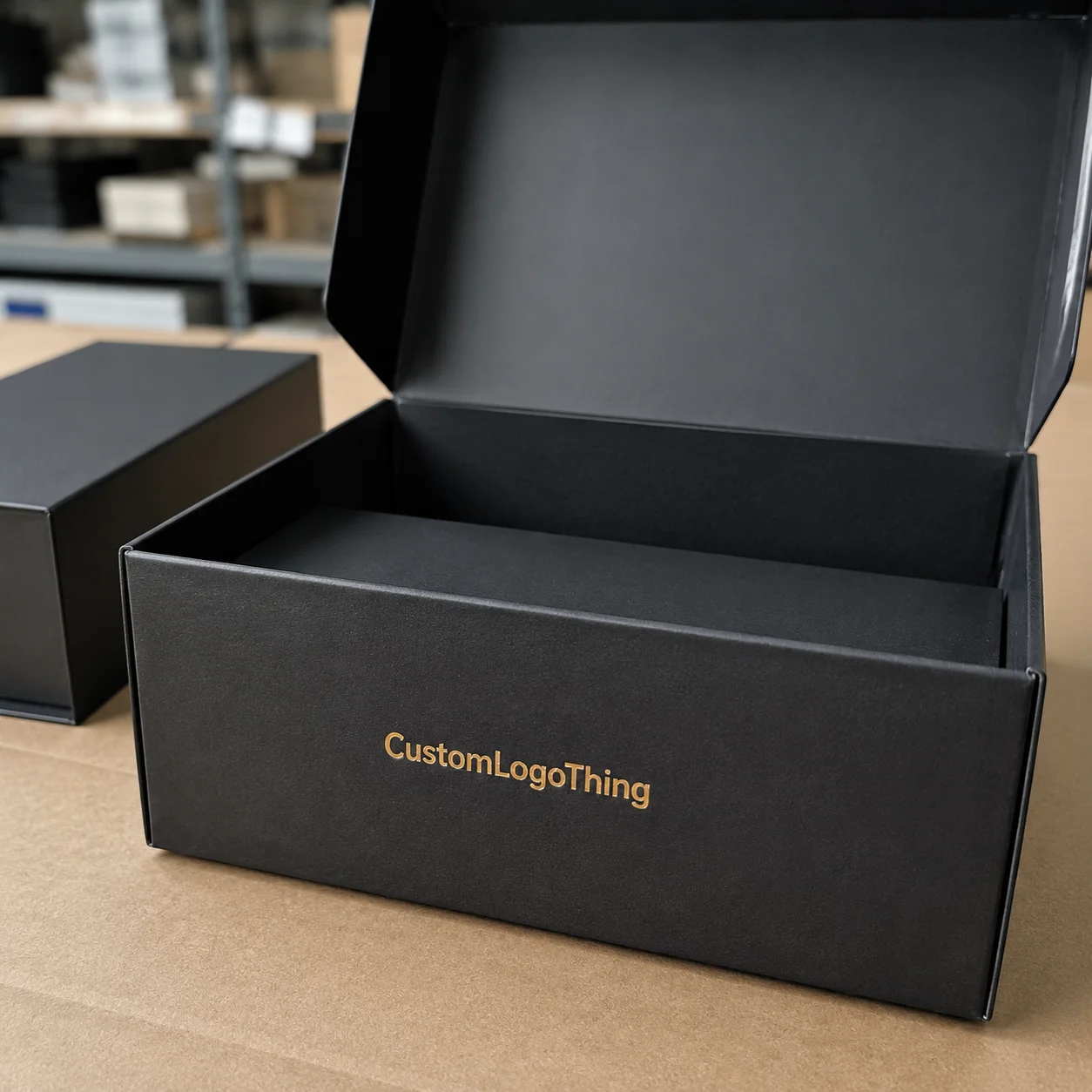
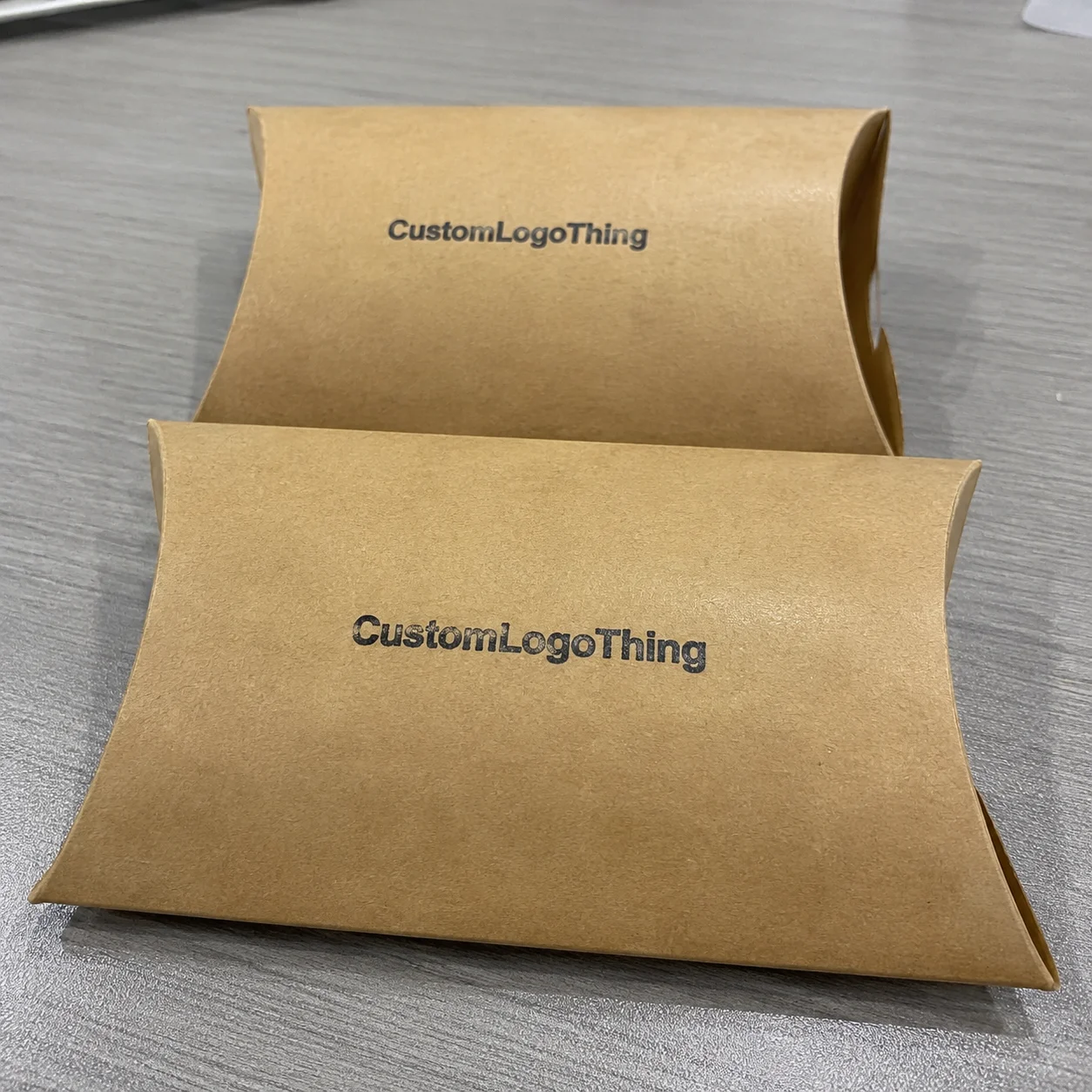
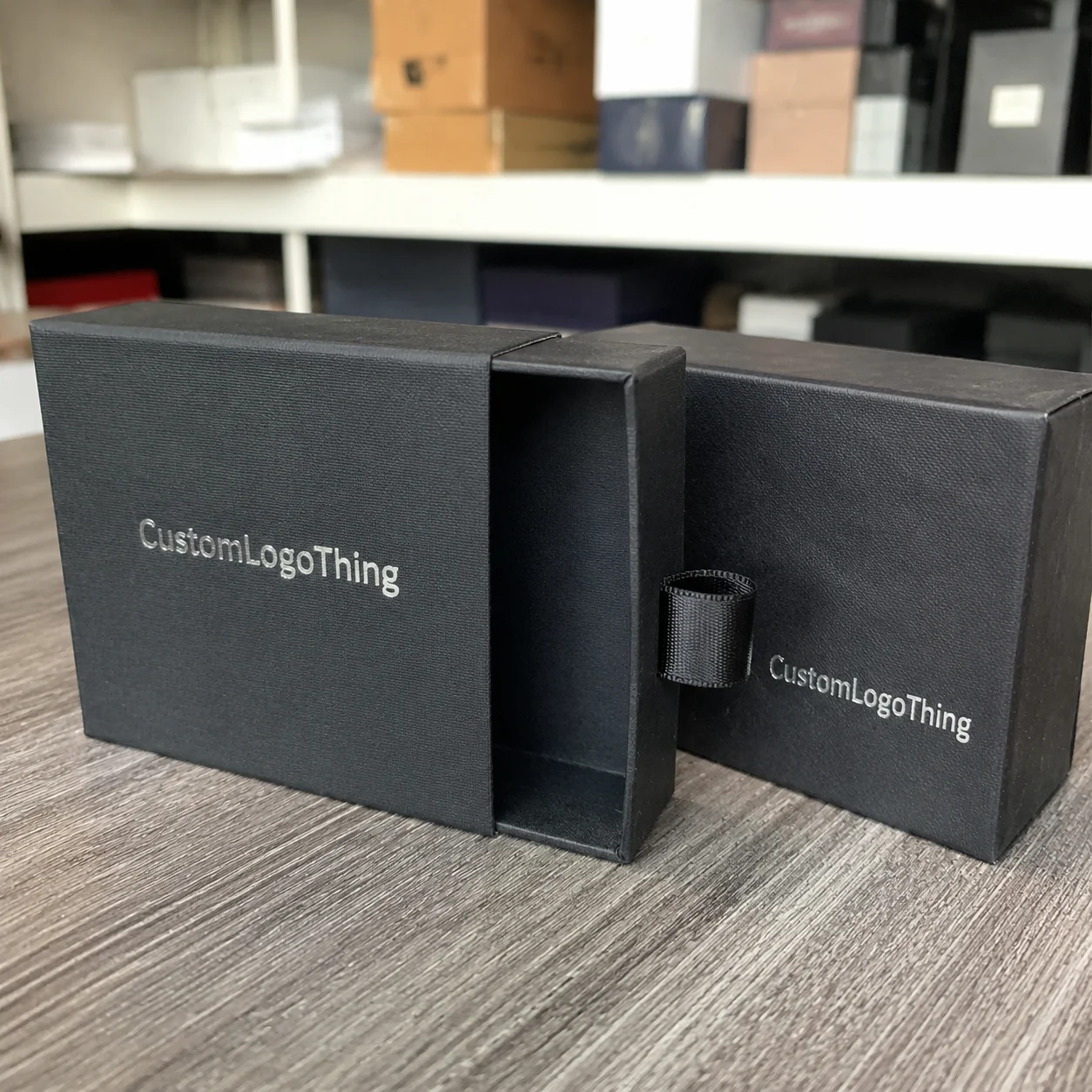
Buyer Fit Snapshot
| Best fit | Custom Mailer Boxes Supplier projects where brand print, material claims, artwork control, MOQ, and repeat-order consistency need to be specified before quoting. |
|---|---|
| Quote inputs | Share finished size, material target, print colors, finish, packing count, annual reorder estimate, ship-to region, and any compliance wording. |
| Proofing check | Approve dieline scale, logo placement, barcode or warning zones, color tolerance, closure strength, and carton packing before bulk production. |
| Main risk | Vague material claims, crowded artwork, missing packing details, or unclear freight terms can make a low unit price expensive after revisions. |
Fast answer: Custom Mailer Boxes Supplier: Material, Print, Proofing, and Reorder Risk should be specified like a repeatable production item. The safest quote records material, print method, finish, artwork proof, packing count, and reorder notes in one written spec.
Production checks before approval
Compare the actual filled-product size with the drawing, then confirm tolerance on folds, seals, hang holes, label areas, and retail display edges. Reserve space for logos, QR codes, warning copy, and material claims before decorative graphics fill the panel.
Quote comparison points
Review material grade, print process, finish, sampling route, tooling charges, carton quantity, and freight assumptions side by side. A quote is only useful when the supplier can repeat the same color, closure quality, and packing count on the next order.
I’ve watched polished launches stumble because a packaging supplier missed a deadline by four days, and the shipment landed in Chicago after the warehouse crew had already shifted to another project. That kind of thing sticks with you. I still remember one launch where the team had color proofs lined up, the product photos were booked, and the samples were stacked neatly in the conference room, and then the boxes simply did not show up. That is exactly why a Custom Mailer Boxes supplier guide matters more than most brand teams realize: the box is only beautiful if it arrives on time, fits the product, and survives the trip from a factory floor in Dongguan or Ningbo to a fulfillment center in Dallas.
At Custom Logo Things, I’ve seen brands obsess over foil and artwork while ignoring the supplier’s actual production discipline. Honestly, I think that’s backwards. A strong Custom Mailer Boxes supplier guide should help you compare reliability, print quality, and total landed cost, not just the prettiest mockup. In my experience, the “best-looking” quote often becomes the most expensive once you count reprints, freight surprises, and damage claims, especially on a 5,000-piece run where a difference of even $0.08 per unit can change the entire budget. Packaging has a sneaky way of humbling people, usually right before a launch, which feels especially rude.
Custom Mailer Boxes Supplier Guide: What It Is and Why It Matters
A custom mailer boxes supplier guide is a practical framework for choosing the company that will make your folding shipping box, subscription mailer, or retail-ready carton. The box itself is usually a corrugated structure—often E-flute, B-flute, or a paperboard build—designed to open neatly, protect the product, and carry your brand identity without extra outer packaging. If you ship ecommerce orders, sample kits, PR boxes, or direct-to-consumer bundles, that one structure can affect first impressions, freight cost, and return rates all at once, whether the box is a 9 x 6 x 2 inch mailer or a deeper 12 x 10 x 4 inch format built for heavier bundles.
Here’s the surprise many buyers learn too late: the supplier matters more than the artwork file. A gorgeous print file can still fail if the board warps, the cut is off by 2 mm, or the closure flaps don’t hold. A good custom mailer boxes supplier guide keeps you focused on the things customers actually experience—crushed corners, ink rub, inconsistent folds, and that annoying moment when a mailer pops open inside a shipping carton after a 14-inch drop from a warehouse conveyor.
I remember a subscription brand meeting where the creative team had approved a soft-touch finish with full-coverage black ink. The samples looked incredible. Then the first shipment arrived with 7% corner crush because the supplier used a thinner board than promised, a 300gsm board instead of the specified 350gsm C1S artboard over E-flute corrugate. The box still looked premium on a conference table; it just didn’t survive parcel handling through regional hubs in Louisville and Phoenix. That’s the real test of custom mailer boxes supplier guide thinking: appearance plus performance, not one or the other.
Supplier choice also affects more than aesthetics. The right partner can keep damage rates low, hold color within a sensible tolerance, and ship within a predictable window. The wrong one can create a chain reaction: late launches, customer complaints, reorders, and extra warehouse labor. A buyer comparing manufacturers, brokers, and local converters needs a custom mailer boxes supplier guide that separates marketing claims from production facts, especially when a factory in Guangzhou quotes one schedule and a converter in Ohio quotes another.
That’s the lens I use: pricing, timeline, structural performance, communication, and quality control. If you are also building out broader Custom Packaging Products or planning a family of custom printed boxes, this evaluation gets even more valuable because your mailer box supplier may influence every future SKU, from 1,000 sample kits to 25,000 holiday mailers.
Client note I’ve heard more than once: “We didn’t lose the sale because of the design. We lost it because the box arrived dented.” That line tends to end the debate quickly, especially when the return rate reaches 4% on a 10,000-unit campaign.
How a Custom Mailer Boxes Supplier Works
A solid custom mailer boxes supplier guide starts with the workflow. Most suppliers follow a similar sequence, though the quality of execution varies a lot. First comes inquiry and spec gathering: dimensions, product weight, branding goals, destination, and quantity. Then the supplier selects or develops a dieline, quotes the job, checks artwork, and moves into sampling or proofing. After approval, production begins, then finishing, packing, freight booking, and delivery, often with a 12 to 15 business day window from proof approval on standard runs.
Direct manufacturers usually own the machinery, board sourcing, and print process. That often means better control over lead time and a lower per-unit cost at scale. Brokers and sourcing agents, by contrast, may coordinate multiple factories in places like Shenzhen, Wenzhou, or Yiwu. That can be useful if you want broader vendor access or more hand-holding, but it can also add another layer between you and the pressroom. A good custom mailer boxes supplier guide should help you decide which model fits your risk tolerance and budget.
In a factory visit I made in Shenzhen, the prepress room was where the real decisions happened, not on the production floor. One operator showed me three artwork files for the same box. Two had the same brand color on screen, but one had no bleed on the side panel, one had a fold-safe zone violation, and one used a black build that would have printed muddy on recycled board. That is why prepress review is not admin work. It is where the project lives or dies, especially when plates for offset printing cost $120 to $350 and a file fix can avoid a full re-run.
During prepress, the supplier checks file format, resolution, dieline alignment, bleed, panel placement, and sometimes structural stress points. If the box has a thumb notch, a tuck tab, or a custom insert, those details matter. A custom mailer boxes supplier guide should make clear that a good prepress team prevents expensive mistakes before the press starts running. I’ve seen brands save thousands simply because a technician caught a 3 mm layout shift before plates were made, which is the sort of boring detail that quietly protects a launch.
Minimum order quantities, tooling, and print method shape the workflow too. Digital printing can handle shorter runs and faster turnaround, often without plates, with 200 to 1,500 units being a common range for testing new designs. Offset usually shines on larger quantities, especially when color consistency matters. Flexo can be efficient for simpler graphics and larger volumes. Your custom mailer boxes supplier guide should help you connect the print method to the order size, not treat them like interchangeable options.
Timelines vary because not every mailer is built the same way. A stock-style brown mailer with one-color print may move through production in 10 to 15 business days after proof approval. A fully customized structure with inside print, foil, and a special insert can take 20 to 35 business days, depending on the factory’s queue and freight route from South China or the U.S. Midwest. That range belongs in any serious custom mailer boxes supplier guide.
If you are also shipping apparel, beauty items, or lightweight accessories, a supplier may suggest pairing mailers with Custom Poly Mailers for certain SKUs. That’s not a gimmick; it’s often a cost and weight decision. I’ve seen brands cut outbound freight by switching low-risk items to poly mailers and reserving corrugated mailers for fragile or premium orders, which saved roughly $0.19 to $0.34 per shipment on lightweight apparel in one California fulfillment center.
Key Factors to Compare in a Custom Mailer Boxes Supplier Guide
If you reduce a custom mailer boxes supplier guide to “who is cheapest,” you will probably regret it. I’ve sat in too many procurement meetings where a 6-cent savings turned into a 19-cent problem after damages, rework, and customer service time. The better comparison looks at five areas: material, print, customization, quality control, and communication, with a 5,000-piece order often revealing the differences most clearly.
Material quality comes first. Corrugated mailers are commonly made from E-flute or B-flute board, depending on the product and the shipping abuse expected. E-flute is thinner and often preferred for premium presentation; B-flute offers more crush resistance. Recycled content can be 30%, 50%, or even higher, but recycled fiber behaves differently under moisture and pressure. A useful custom mailer boxes supplier guide will ask how the board performs in transit, not just whether it is “eco-friendly.” For paperboard mailers, 350gsm C1S artboard or 400gsm SBS may be used over the liner, depending on stiffness and print finish.
Print and finishing capabilities matter just as much. Digital printing works well for shorter runs and variable artwork. Offset brings sharper detail and lower cost at scale. Spot UV, foil stamping, matte lamination, gloss lamination, and inside printing can elevate package branding, but each finish changes cost and lead time. A supplier with good color control can keep a kraft box from looking dull or a black mailer from printing streaky. That level of consistency belongs in a real custom mailer boxes supplier guide, especially when Pantone matching is requested for a color like PMS 186 C or PMS 287 C.
Customization flexibility is the next filter. Can the supplier adjust dimensions by 2 mm? Can they add a thumb cut, locking tabs, a partition, or branded inserts? Can they build a structure around a bottle, candle, or folded apparel item without wasting space? The best custom mailer boxes supplier guide does not treat “custom” as a sales word. It treats it as a structural capability, like being able to switch from a 9 x 6 x 2 inch mailer to a 10 x 8 x 3 inch mailer without redesigning the entire die line.
Quality control is where many suppliers overpromise and underdeliver. Ask how they measure color variation, cutting tolerances, and glue performance. Ask whether they approve a first article sample. Ask what happens if 200 units in a run are out of spec. I’ve been in facilities where operators checked every 100th box, and others where the “inspection” was one person visually scanning a pallet. Those are not the same. A rigorous custom mailer boxes supplier guide should push you toward documented checks, ideally with compression testing at 12 to 18 kg and corner-drop testing from 24 inches.
Communication and support often decide whether the project feels smooth or exhausting. A responsive project manager can save days by spotting a dieline error or suggesting a board change before production. Slow responses are usually a warning sign. If a supplier takes 48 hours to answer a simple question before you’ve paid, they are not likely to speed up later. That is one of the least glamorous but most useful lessons in any custom mailer boxes supplier guide, whether the contact is in Los Angeles, Toronto, or Hangzhou.
| Supplier Type | Typical Strength | Typical Weakness | Best Fit |
|---|---|---|---|
| Direct manufacturer | Better cost control and production oversight | May require larger MOQs | Brands needing repeat runs and tighter pricing |
| Broker / sourcing agent | Broader factory access and more coordination support | Extra communication layer, less direct control | Teams wanting help managing multiple vendors |
| Local converter | Faster sampling and easier site visits | Sometimes higher per-unit cost | Urgent launches or frequent design revisions |
I also encourage buyers to look at standards and testing language. If the supplier mentions ISTA drop testing or compression testing, ask which protocol they follow and whether they can document results. For broader industry context, the ISTA site is a useful reference, and the EPA recycling guidance helps brands think more clearly about material claims. A reliable custom mailer boxes supplier guide should steer you toward evidence, not slogans.
Custom Mailer Boxes Supplier Guide to Pricing and Cost Drivers
Pricing gets messy fast, which is exactly why a custom mailer boxes supplier guide needs real numbers. The main price drivers are size, board grade, print coverage, finishing, quantity, and freight destination. A 10 x 8 x 3 inch mailer in kraft board with one-color exterior print will not price like a 12 x 10 x 4 inch box with full coverage, matte lamination, and inside printing. Even when the outer dimensions look close, board usage and press time can change the quote meaningfully, especially if the board spec changes from 32ECT to 44ECT or from a single-wall to a reinforced structure.
For example, I’ve seen a simple mailer run at $0.42/unit for 5,000 pieces when using one-color flexo on kraft board with no finishing. The same size box, changed to full-color digital print with matte lamination and inside print, climbed to $0.88/unit for 5,000 pieces. A paperboard mailer using 350gsm C1S artboard with foil and soft-touch film can land even higher. That spread is normal. A credible custom mailer boxes supplier guide helps you see why the quote moved instead of assuming someone is padding the bill. I’ve had clients stare at the two numbers like the universe personally offended them, but the math really does make sense once you break it down.
Low unit cost can hide higher total cost. A cheaper supplier may use thinner board, skip protective packing, or run looser quality checks. If damage rates increase by just 3% on a 10,000-unit order, the math can erase the savings quickly. Then there is the labor cost of inspecting, relabeling, and replacing bad stock. A disciplined custom mailer boxes supplier guide looks at landed cost, not just the number on the quote sheet, and that includes inland trucking from a port like Long Beach or Newark when the cartons are arriving from overseas.
Short-run digital pricing behaves differently from larger-volume production economics. Digital often wins when you need 200 to 1,500 units and fast artwork changes. Offset usually becomes more economical as quantities rise, especially if the design is stable. Flexo can be attractive for simpler graphics on corrugated board. The trick is not picking the “best” method in theory; it is choosing the method that fits your actual usage pattern. That is one of the most practical lessons in a custom mailer boxes supplier guide.
Hidden costs show up everywhere if you do not ask the right questions. Dieline changes may cost $35 to $150 depending on complexity. Sample sets can be free, or they can cost $25 to $100 plus freight. Rush fees may add 10% to 20%. Plates for offset or flexo can add $75 to several hundred dollars. Freight is often the sleeper cost, especially for bulky corrugated shipments; a pallet of 1,000 mailers can be relatively inexpensive to make and surprisingly expensive to move. A good custom mailer boxes supplier guide makes these line items visible before they become surprises.
Here is a simple way to compare quotes:
- Match the exact dimensions, board grade, and finish.
- Confirm print coverage: one color, full color, inside print, or spot effects.
- Check whether the quote includes sampling, tooling, and freight.
- Ask for the same quantity break from each supplier.
- Compare damage risk, not just unit price.
That process sounds basic, but I’ve watched brands skip step two and compare completely different products. A polished quote is not the same thing as an apples-to-apples quote. If you keep your custom mailer boxes supplier guide anchored to identical specs, you will make a smarter decision faster, whether the final order is 2,500 pieces or 25,000 pieces.
On the sustainability side, buyers often ask whether recycled board or FSC-certified fiber changes cost. Sometimes it does. Sometimes the premium is small, especially for larger runs where sourcing is routine. If certified fiber matters to your brand story, ask the supplier whether they can provide documentation and chain-of-custody details from FSC. A serious custom mailer boxes supplier guide should separate verified claims from broad “eco” language, because a recycled-content claim without paperwork is just a slogan printed on a box.
Step-by-Step Process and Timeline for Ordering
A workable custom mailer boxes supplier guide should give you a realistic order flow, because timelines slip most often when buyers assume packaging runs like standard stock goods. It does not. Every custom mailer depends on dimensions, artwork, sampling, machine availability, and shipping distance. The order may look simple from the outside, but inside the factory it is a sequence of checkpoints, often spread across prepress in Shanghai, converting in Jiaxing, and freight pickup at a port two provinces away.
Step 1: Define your product and packaging needs. Measure the product in three directions, then add enough clearance for inserts, tissue, or protective wrap. I prefer measuring actual packed samples rather than catalogue dimensions, because a candle box or apparel bundle often expands once a label or insert is added. Your custom mailer boxes supplier guide should insist on real measurements and weight, not rough guesses, because a difference of 5 mm can turn a perfect fit into a loose, rattling package.
Step 2: Request samples or spec sheets. Ask for board thickness, flute type, closure style, and print examples. If you can get a physical sample, even better. I once handled a client project where a “premium” mailer looked perfect in PDF form but arrived with a weak tuck that popped open after two folds. That sample saved the brand from ordering 12,000 unusable boxes, which was a relief because nobody wants that awkward warehouse conversation. A smart custom mailer boxes supplier guide treats physical proof as insurance, and a sample fee of $35 to $75 is usually cheap compared with a pallet of bad cartons.
Step 3: Review the artwork and dieline carefully. Check every panel, barcode, legal line, and fold-safe area. Make sure your bleeds extend beyond the trim line by the amount the supplier specifies, often 3 mm to 5 mm. If the box includes inside print, confirm orientation twice. People are remarkably good at spotting a color mismatch and remarkably bad at seeing a 4 mm panel misalignment. A good custom mailer boxes supplier guide compensates for that blind spot, especially when the artwork is headed to a factory in Suzhou for plate making.
Step 4: Confirm production lead time and freight. A simple run can take 7 to 15 business days after approval, while more complex work may require 20 to 35 business days. Shipping may add another 3 to 10 business days domestically, or longer if goods move internationally. I’ve had brands budget for production and forget the freight window, then wonder why the boxes missed the launch date by a week. Your custom mailer boxes supplier guide should separate manufacturing time from transit time, and it should say plainly that “12-15 business days from proof approval” is a common benchmark for standard corrugated mailers.
Step 5: Inspect the first shipment immediately. Check box count, print quality, glue lines, folds, and crush resistance. Compare the shipment against the approved sample. If something is wrong, document it with photos the same day. Suppliers respond better when the evidence is specific: 14 crushed corners, not “some damage.” This is where a disciplined custom mailer boxes supplier guide pays for itself, because an issue caught in the first 48 hours can usually be corrected before the next run.
Here is a realistic timeline comparison for common mailer projects:
| Project Type | Sampling | Production | Typical Total Window |
|---|---|---|---|
| Simple kraft mailer, one-color print | 2-4 business days | 7-12 business days | 2-3 weeks |
| Full-color digital mailer with matte finish | 3-5 business days | 10-15 business days | 3-4 weeks |
| Custom structural mailer with inserts and foil | 5-10 business days | 15-25 business days | 4-6 weeks |
One more thing: machine schedules can shift. If a supplier is transparent about that, I trust them more, not less. I’d rather hear “we can commit to 18 business days if artwork is approved by Tuesday” than receive a vague promise of “fast turnaround.” A credible custom mailer boxes supplier guide favors honest ranges over cheerful fantasy, and that honesty is often easier to hear from a factory manager in Xiamen than from a sales rep trying to close a quote.
For technical buyers, it also helps to ask about compression testing, drop tests, and transit simulation. These are not fancy extras. They are practical checks tied to retail packaging performance. When a supplier understands the difference between shelf presentation and parcel abuse, your custom mailer boxes supplier guide becomes much easier to follow, and the box is less likely to fail after a 36-inch conveyor drop or a week in a humid trailer.
Common Mistakes Buyers Make with Mailer Box Suppliers
The most expensive mistake I see is choosing a supplier only by price. It happens constantly. A buyer receives three quotes, spots one that is 11% lower, and signs immediately. Then the board is thinner, the print is inconsistent, and the boxes arrive in a pallet wrap that offers almost no edge protection. A practical custom mailer boxes supplier guide keeps you from buying the cheapest failure, which is still a failure even if the invoice looks friendly.
Another common problem is submitting print files without checking the dieline. I’ve seen logos sit too close to the fold, legal text end up under a flap, and QR codes land exactly where a tuck tab obscures them. Those are avoidable errors. A solid custom mailer boxes supplier guide should make artwork review as routine as approving price, especially when your design uses a 2 mm type size on a dark background.
Ordering before finalizing product dimensions is another classic mistake. I watched one startup order 8,000 mailers for a skincare kit, then change the inner tray size by 6 mm after the box run was already in motion. The result was a stack of attractive but unusable inventory. That kind of thing makes you want to put your head on the desk for a minute. If your product changes, your packaging may need to change too. That is why any custom mailer boxes supplier guide should begin with finished product measurements, not marketing sketches.
Shipping tests are also overlooked, especially for heavier items like candles, glass bottles, and supplements. A box that looks strong on a desk can still fail after vibration, stacking, or corner drops. If the supplier has tested to an ISTA-related protocol, ask for the specifics. The point is not to turn everyone into a lab technician. It is to avoid avoidable breakage. That belongs in every custom mailer boxes supplier guide, particularly when the destination is a warehouse in Atlanta or a distribution center in Nevada.
Finally, many buyers forget to ask about tolerances, color matching, and replacement policies. A supplier may state that color variation within a certain range is normal, and that is fair. But if nobody mentions the range before the order, expectations become a problem later. I’ve seen brands reject acceptable cartons because they expected photographic uniformity on a recycled board substrate. A realistic custom mailer boxes supplier guide sets expectations before the first press run, down to acceptable ΔE color variation and whether one pallet can include up to 3% overrun.
Factory-floor observation: the brands that get the cleanest outcomes are not always the biggest ones. They are usually the ones that ask the annoying questions early, while there is still time to fix the job.
Expert Tips and Actionable Next Steps for Better Supplier Selection
If I had to condense a custom mailer boxes supplier guide into one habit, it would be this: build a scorecard. Score each supplier on pricing, lead time, sample quality, technical support, communication speed, and customization range. Use a 1-to-5 scale, then compare the totals. A supplier with a slightly higher quote but better sample consistency and faster response time may save you money and stress over the full life of the program, especially on repeat monthly orders of 2,000 to 10,000 units.
Ask for one physical sample and one production reference if possible. Photos can hide a lot. Texture, rigidity, closure resistance, and ink lay all reveal themselves in the hand. I once had a brand team switch suppliers after feeling a sample that “looked premium” but flexed too much in the corner panels. That tactile difference does not show up in email. Any serious custom mailer boxes supplier guide should make room for physical inspection, ideally with a sample shipped by courier so the team sees the exact packaging condition on arrival.
Start with a pilot run before placing a large order, especially if the box affects unboxing experience, repeat purchase rates, or returns. A pilot of 500 to 1,000 pieces can expose fit issues, print problems, and warehouse handling problems early. Yes, it may cost more per unit. No, that is not wasteful. It is a controlled test. That is one of the smartest moves in a custom mailer boxes supplier guide, and it often saves 20% or more in correction costs later.
Create a simple approval checklist before you sign off:
- Exact dimensions and board grade
- Dieline version and artwork proof
- Finish type and print method
- Sample approval date
- Production lead time and freight window
- Inspection criteria for the first shipment
This checklist sounds almost too basic, but it prevents the most common mistakes. Packaging projects often go sideways because nobody wrote down what “approved” actually means. A disciplined custom mailer boxes supplier guide turns vague agreement into measurable sign-off, which is a lot easier to manage when the supplier’s quote already says the run will be 12 to 15 business days after proof approval.
If your brand is building out broader branded packaging or coordinating retail packaging across several SKUs, think beyond this one order. Ask whether the supplier can support future sizes, inserts, and seasonal runs. A supplier that understands your long-term packaging design language can become part of your brand system instead of just a print vendor. That is where package branding starts to compound, especially when one factory in Ningbo can keep a family of sizes aligned across spring, summer, and holiday releases.
My recommendation is straightforward: shortlist three suppliers, request comparable quotes, order sample packs, and verify turnaround before approving artwork. Then compare them side by side with a scorecard and a real sample in hand. If you do that, a custom mailer boxes supplier guide stops being a theory piece and becomes a procurement tool. That is exactly how I would buy the next round of packaging for a client, whether the budget is $2,500 or $25,000.
What should I ask a custom mailer boxes supplier before ordering?
Ask about MOQ, board grade, print method, turnaround time, sampling cost, and whether they can match your shipping needs. I also recommend asking about tolerances, proofing steps, and what happens if the first run has defects. Those details tell you whether the supplier can handle a real production job or just talk about one, and a supplier that can quote a 5,000-piece run with a clear $0.15 per unit setup profile is usually easier to trust than one who stays vague.
How do I compare custom mailer boxes supplier quotes fairly?
Compare quotes using the same dimensions, material, print coverage, finish, quantity, and delivery terms. Then check for hidden costs like setup, samples, freight, and revision fees. If one quote is far lower, ask which spec has changed. Usually something has, and a quote difference of $0.12 per unit can disappear once you add freight from Shenzhen to Los Angeles.
How long does it usually take to produce custom mailer boxes?
Lead time depends on sampling, artwork approval, box complexity, order size, and shipping distance. Simple runs may move faster, while custom structures, special finishes, or multiple revisions can add days or weeks. For planning, I usually advise buyers to allow extra time beyond the supplier’s first estimate, with 12 to 15 business days from proof approval being a common baseline for standard mailers.
What is the best material for custom mailer boxes?
Corrugated board is usually best for shipping strength, while lighter paperboard options may suit premium presentation or lighter products. The right choice depends on product weight, transit risk, branding goals, and sustainability requirements. If the item is fragile or heavy, I generally favor corrugated, and for presentation-heavy kits I may specify 350gsm C1S artboard over a reinforced corrugated base.
How can I avoid quality issues with a mailer box supplier?
Approve a physical sample when possible, verify dielines and artwork carefully, and inspect the first shipment on arrival. Choose suppliers that document quality checks and communicate clearly about tolerances and color variation. In my experience, those three habits prevent most of the expensive surprises, especially when the factory is producing a 10,000-piece order in batches of 500 to keep inspection tight.
If you use this custom mailer boxes supplier guide the way I use it on real packaging projects, you will ask better questions, spot weak quotes faster, and avoid the mistakes that hurt margins. That is the difference between ordering boxes and buying a packaging system. Start with exact specs, insist on a physical sample, and compare suppliers on proof quality, lead time, and documented testing before you place the order. That is the cleanest path to mailers that look good, survive transit, and arrive exactly when the launch calendar needs them.