Custom mailers with logo: what they are and why they work
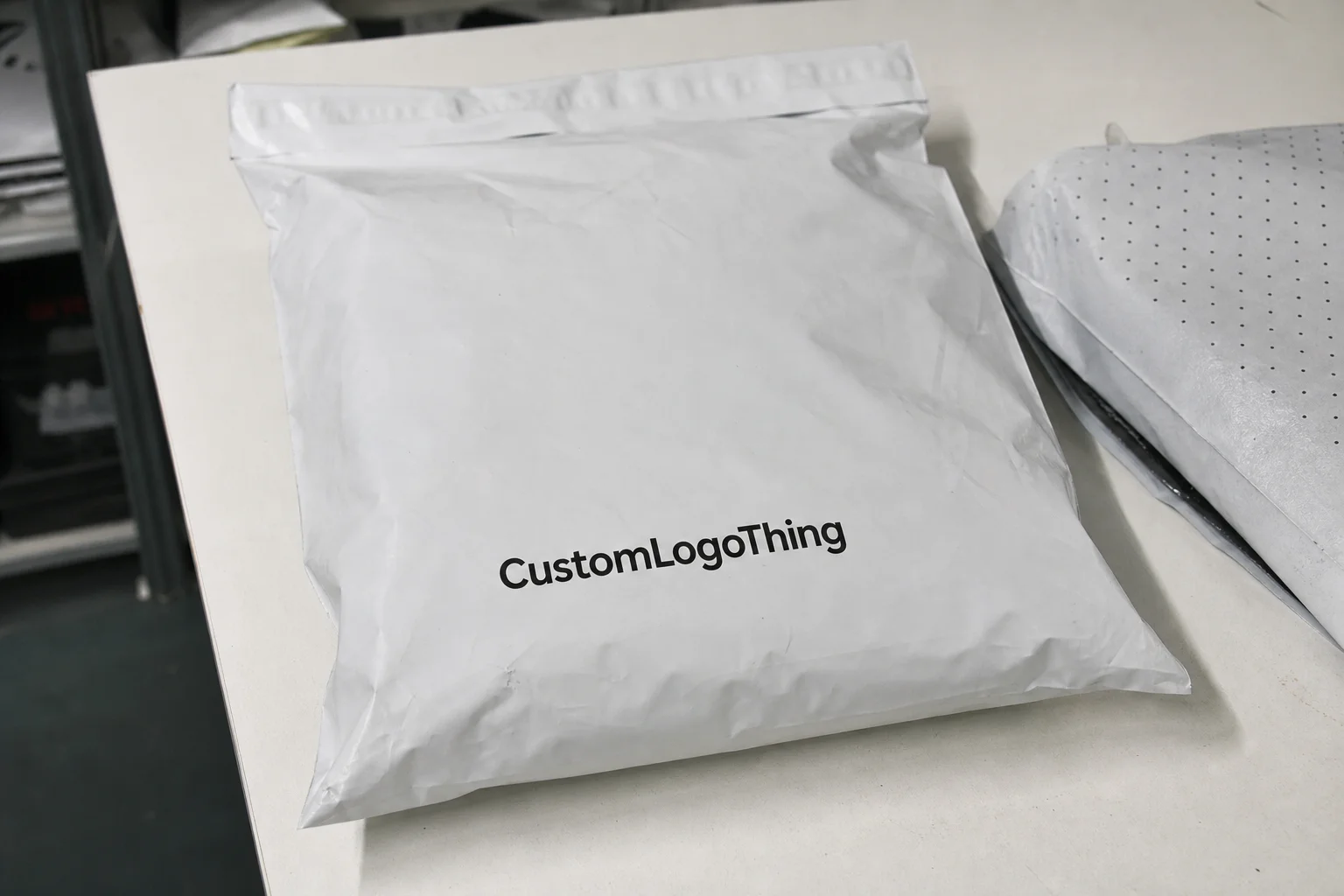
A plain mailer protects the shipment, but it does not do much for brand recognition. Custom Mailers with Logo combine shipping function with visible branding, so the package makes an impression before it is opened. That matters on the porch, in a mailroom, and anywhere else a delivery sits in view.
These are usually flexible shipping bags or envelopes printed with a logo, pattern, or broader artwork. They are common in apparel, cosmetics, accessories, subscription kits, and printed collateral because those products do not always need a rigid carton. For those orders, flexible packaging keeps weight down and simplifies packing.
The buying case is practical, not decorative. A properly sized poly mailer or paper mailer can reduce wasted space, protect against dust and splashes, and speed up fulfillment. The right format depends on the product, transit risk, and how much of the brand you want exposed before opening.
Buyers usually start with the same questions: which material should we use, how many colors should the art include, what is the minimum order, and how long will production take? Those are the right questions. A useful quote has to match the product, the artwork, and the shipping reality.
How the printing and converting process works
The finished mailer is only the last step. Artwork prep, film selection, printing, converting, sealing, and packing all affect cost and lead time. A logo file can create extra work if it is built badly or placed too close to a seam.
For larger runs, flexographic printing is common because it handles repeat production efficiently. Gravure is often used when color consistency and premium print detail matter at scale. Digital print can make sense for smaller runs, test launches, or frequent design changes. The best method is the one that fits the run length and artwork requirements.
Material choice matters as much as the print method. Polyethylene mailers usually offer better moisture resistance and lower unit cost. Paper mailers can support a more natural look and may fit certain sustainability programs, but they usually require different expectations around tear resistance and weather exposure.
The convert stage is where the flat web becomes a finished bag or envelope. That is where seals are formed, closures are added, and the final dimensions are locked in. If the artwork ignores that stage, logos can drift into seam zones and QR codes can end up too close to the edge.
Proofing is the checkpoint that prevents expensive mistakes. Confirm size, closure type, artwork placement, color expectations, and any area reserved for mailing labels, barcodes, or return information. If the package will be handled by a 3PL or fulfillment team, they should review the proof too.
For teams that want a baseline for shipping performance, references such as ISTA and the Packaging School and related packaging resources can help frame the testing conversation. They do not replace a sample trial, but they do help set better expectations for strength and transit handling.
Cost, pricing, and MOQ factors to compare
Pricing usually comes down to bag size, film thickness, print count, finish, closure style, and order volume. One-sided print is typically cheaper than two-sided coverage. Small logos cost less than full-bleed artwork with tight registration. Special finishes, metallic ink, and custom construction push the number upward.
Volume is the biggest lever. Once setup costs are spread across more units, the unit price falls. That is why a 50,000-piece run can look dramatically better than a 5,000-piece run, even when the design is identical. Short runs still have a place for seasonal campaigns, tests, and limited drops.
MOQ means minimum order quantity. In packaging, it usually reflects setup labor, print prep, material waste, and the work required to convert film into usable bags. A supplier may accept a lower quantity, but the minimum is not arbitrary. Machines, plates, ink prep, and finishing all have startup costs.
Freight, plate charges, sample charges, and artwork revision fees are easy to miss. A unit price that looks good can become expensive once you include inbound freight, prototyping, and any rush fee tied to timing pressure. Compare the total landed cost, not just the bag price.
| Option | Typical Use | Approximate Unit Cost | Tradeoff |
|---|---|---|---|
| Stock white poly mailer with one-color logo | Basic e-commerce shipping | $0.18-$0.32 at moderate volume | Lowest complexity, limited brand impact |
| Custom printed poly mailer with standard closure | Apparel, soft goods, subscription orders | $0.22-$0.45 depending on size and coverage | Better branding, moderate setup cost |
| Premium finish mailer with heavier film and custom artwork | Retail-ready shipments and higher-end brands | $0.35-$0.75+ depending on quantity | Stronger shelf impact, higher landed cost |
Those numbers are directional, not universal. A 5,000-piece order and a 50,000-piece order are different jobs with different setup economics and freight behavior. The useful comparison is unit price plus landed cost plus fit. A mailer that is too large, too thin, or too visually weak can erase the savings you thought you had.
If sustainability is part of the brief, the material decision affects cost too. Recycled-content films, downgauged structures, and paper-based systems all carry different pricing and performance profiles. Claims should also be accurate. Verify the material structure, local disposal guidance, and any label language before approval. The EPA’s materials resources are a useful reference point: EPA packaging and materials information.
Process, timeline, and lead time expectations
The ordering path is simple in theory: Request a Quote, review the spec, approve artwork, confirm the proof, run production, and ship. In practice, the slowest part is usually decision-making. Teams pause over color matching, logo placement, or whether the bag should skew toward cost or presentation.
Artwork approval deserves attention because it determines whether the package can be made cleanly. A proof should answer a few direct questions: does the logo sit where it should, does the art fit inside the safe zone, do barcodes or return details remain readable, and will the printed area avoid seams and seals?
Lead time depends on construction. Stock-based options move faster because the base material already exists. Fully custom sizes, special inks, or unusual finishes take longer because the production chain has more moving parts. Revisions stretch the calendar quickly, even when the change looks minor.
- Quote and spec review: 1-3 business days
- Proofing and revisions: 2-5 business days, sometimes longer if multiple teams are involved
- Production: often 7-15 business days after approval, depending on print method and volume
- Shipping: added on top, based on destination and freight method
Rush orders are possible in some programs, but they are not free. Speed usually narrows material choices, reduces proof margin, or raises freight cost. If the launch date is fixed, the better move is to send final files, correct dimensions, and a realistic ship window at the first inquiry.
Key specs that determine fit, durability, and shelf impact
Size is more than length and width on a spec sheet. It has to account for thickness, folds, inserts, and the space needed for a clean seal. A mailer that looks correct in a spreadsheet can still fail when the product presses against the seams or slides around inside the bag.
Film gauge matters because it changes puncture resistance and perceived quality. Many common poly mailers fall in the 2.5 to 3 mil range, while heavier-duty versions can go thicker depending on the product and transit risk. A lighter film may be fine for soft apparel; sharper or heavier items usually need a stronger structure.
Closure style should match the workflow, not just the branding. Self-seal adhesive works for standard outbound shipping. Peel-and-reseal closures help with returns or reuse. Tamper-evident seals matter when first-opening visibility is part of the promise.
Finish affects perception quickly. Gloss tends to make colors feel sharper and brighter. Matte reads softer and more restrained. Soft-touch can feel premium, but it may show scuffs more clearly, so it is not the best choice for every project.
Quality control lives in the details. Check print registration, seal width, adhesive performance, fold consistency, and whether the artwork remains centered after converting. A good supplier should be able to show how those checks are performed.
For brands already using Custom Poly Mailers, the next improvement is often not a format change. It is a better spec: tighter fit, cleaner art placement, stronger closures, and better print discipline. Those changes usually create more value than switching package types without a clear operational reason.
Step-by-step buying checklist for custom mailers
Start with the product, not the artwork. Measure the packed item with inserts, folds, or multi-SKU combinations included. If that step is skipped, the package spec becomes guesswork. A mailer should fit the real shipment, not the idealized product photo.
- Measure the packed product, not just the flat item.
- Add clearance for folding, sealing, and label placement.
- Choose the mailer style based on product type and shipping method.
- Prepare artwork in the correct format with clear bleed and safe zones.
- Request a proof and review it line by line.
- Ask for a sample if the order is brand-sensitive or size-sensitive.
- Save the approved spec sheet for future reorders.
Artwork should be built for the package surface, not copied from a website banner and dropped in. Confirm logo size, color values, and any required text that must remain readable at arm’s length. If the mailer includes a return address, barcode, QR code, or promotional copy, those elements need spacing and hierarchy.
A good mailer does three things at once: it fits the product, survives the trip, and still looks intentional when the customer opens it.
Samples matter because packaging is tactile. The feel of the film, the stiffness of the bag, the sound of the closure, and the sharpness of the print all influence perceived value. That is better discovered before the full run than after thousands of units are already in transit.
Documentation closes the loop. Keep the approved size, film thickness, print colors, seal type, and artwork version in one place. That makes reorders cleaner and prevents quiet changes from slipping in later.
Common mistakes that raise costs or weaken the brand
The most common mistake is sizing from the product alone and forgetting the full pack-out. That leads to a tight package that strains the seams or a loose package that wastes material and looks unpolished. Both are avoidable.
Artwork is another weak point. Tiny text, thin strokes, and low-contrast color choices may look acceptable on a monitor, then disappear on film. Flexible substrates are less forgiving than a carton, so a logo may need simplification before it will print well on a mailer.
Shipping conditions get overlooked too often. A mailer that survives a short parcel route may behave differently in automated sorting, mixed freight, or longer transit lanes. If the package will be handled by multiple carriers or packed in volume, test it under realistic conditions instead of assuming the sample tells the whole story.
Chasing the lowest quote without checking construction quality is another expensive habit. Thin film, weak adhesive, and poor seal control can trigger tears, replacements, and customer service issues. The real cost of a mailer includes the failed ones.
If your line also uses custom printed boxes, the mailer should still feel like part of the same packaging design system. Consistent logo placement, color treatment, and tone strengthen the overall brand; inconsistency weakens it quickly, even if each package works on its own.
Next steps for ordering the right mailer
The cleanest way to get an accurate quote is to build a short spec sheet before contacting suppliers. Include product dimensions, packed weight, order volume, print colors, finish preference, target ship date, and any handling requirements. Vague requests produce vague numbers.
If possible, ask for two options: one optimized for unit cost and one optimized for appearance or durability. Comparing both makes the tradeoff visible. In many cases, the better-built mailer is the smarter purchase because it lowers damage risk and raises perceived value.
For brands that treat the package as part of the product experience, request a sample or mockup before committing to the full order. That step shows the real stiffness, the real print clarity, and the real size in hand. Those details matter most in apparel, subscription, and direct-to-consumer shipments.
Use the approved spec sheet for reorders. That keeps future quotes aligned and prevents subtle changes from creeping in, such as a thinner adhesive strip, a slightly different closure, or an artwork revision nobody intended. Stable specs reduce friction and make procurement easier.
Ask vendors to spell out MOQ, pricing breaks, production steps, proofing process, and lead time in writing before approval. For a clean result, treat custom mailers with logo as a packaging decision first and a print job second.
How do I choose the right size for custom mailers with logo?
Measure the packed product with inserts, folds, and any secondary items included. Leave enough room for sealing without stretching the seams or creating excess empty space. If you ship multiple SKUs in the same package, size the mailer for the most common configuration first, then test edge cases before placing a full order.
What affects the price of custom mailers with logo the most?
Order quantity, bag size, material thickness, and print complexity usually drive the biggest price swings. More colors, heavier film, custom closures, and premium finishes raise setup and production cost. Freight, samples, and proof revisions can also change the landed total, so compare quotes on identical terms.
What is the usual lead time for custom printed mailers?
Lead time depends on artwork approval, print method, and whether the mailer is stock-based or fully custom. Fast approvals and final files in the correct format keep the schedule moving. Rush orders may be possible, but they often reduce flexibility on materials and can raise cost.
Can custom mailers with logo be used for products beyond apparel?
Yes. They work well for light, non-fragile goods such as accessories, printed materials, subscription items, and soft goods. For heavier or breakable products, check seam strength, thickness, and closure performance before ordering. A sample test in actual shipping conditions is the safest way to confirm fit and durability.
What should I ask for before approving an order?
Ask for a proof that shows logo placement, colors, dimensions, and closure details clearly. Confirm MOQ, unit cost breaks, turnaround time, and freight terms before approval. Request a sample when the order is brand-sensitive or the fit is tight, so you can catch problems before the full run starts.


