What custom name stickers for cars actually are—and why drivers use them
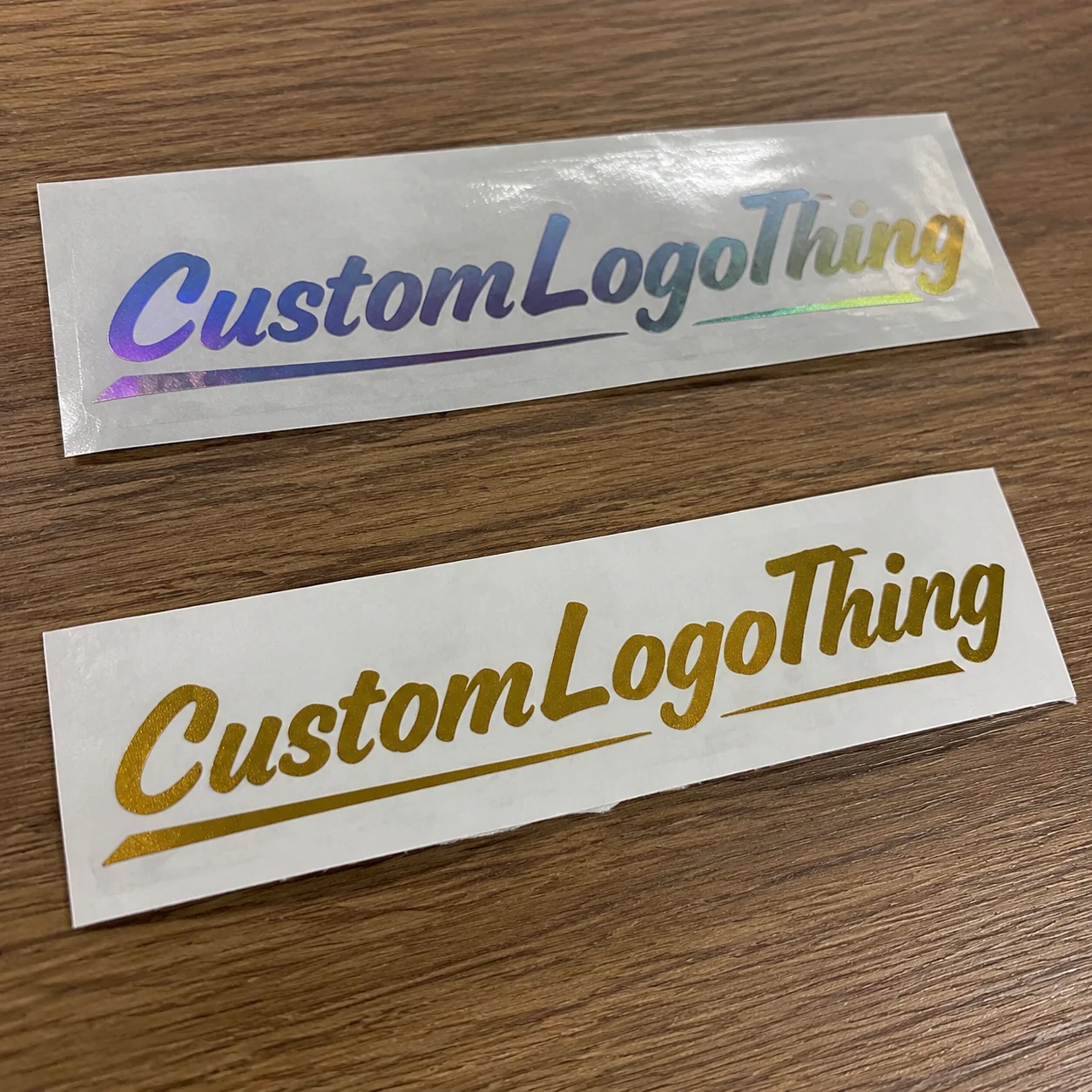
Custom name Stickers for Cars are text-first decals made to identify a vehicle, support brand visibility, or keep similar-looking cars from being mistaken for one another. They appear on fleet vehicles, school pickup cars, club rides, contractor vans, and personal vehicles where a name, department, or contact line matters more than decorative artwork. In practice, they are part label, part identification system, and part visual cue.
Most buyers choose between cut vinyl names, printed window labels, door decals, and removable stickers for temporary use. The right version depends on how long the decal needs to stay put, whether the vehicle lives outdoors, and how often it gets washed. A label for a one-day event can be built very differently from a name decal that has to survive years of sun and road grime.
The biggest advantage is simple: clear identification without adding clutter. A well-sized decal can help a business vehicle look organized and legitimate, or help a personal vehicle stand out in a crowded parking area. For a brand, that consistency can extend beyond the car itself and work alongside package branding, product packaging, and other printed touchpoints. For a private owner, the goal may be no more complicated than making sure the right vehicle is easy to find.
Bad decals usually fail for practical reasons, not design reasons. The wrong vinyl, weak adhesive, poor edge protection, or a mismatch between finish and surface will create peeling, fading, or trapped air no matter how clean the artwork looks. That is why material choice should come before font selection. Pretty does not override adhesion.
Before approving a proof, decide what the sticker actually needs to do. Does it need to be removable after a few weeks, or permanent enough for daily driving? Will it sit on glass, painted metal, or textured plastic? Those details shape everything that follows, including price, timeline, and the best installation method.
For businesses already using Custom Labels & Tags or broader Custom Packaging Products, the same logic applies here: the material must fit the use case, not just the artwork. That holds true in retail packaging, packaging design, and car decals alike.
How the production steps and timeline work
The production path is straightforward once the spec is clear. It starts with artwork review and proof approval, then moves to material selection, cutting or printing, finishing, quality checking, packing, and shipping. The process sounds simple, but most delays happen before the job ever reaches production. Unclear measurements, missing vehicle details, and late revisions create more problems than the machine work itself.
There are three common build types. Cut vinyl uses colored film cut into letters or shapes and is usually the fastest route for simple names. Printed decals are better when the design needs multiple colors, gradients, or a small logo. Laminated decals add a clear protective layer that improves scratch resistance and helps the printed surface hold up under sun and washing. That extra layer adds cost and time, but it usually makes sense for outdoor use.
For small runs, a simple cut-vinyl job may move in about 3-7 business days after proof approval. Printed or laminated orders often fall in the 7-15 business day range, depending on revision count, drying time, and finishing steps. If a project needs color matching, contour cutting, reflective film, or special adhesive, the schedule stretches. That is normal production, not delay for the sake of delay.
| Sticker type | Typical use | Usual production speed | Durability level | Typical price range |
|---|---|---|---|---|
| Cut vinyl name decal | Simple names, door labels, window text | Often fastest | Good outdoors with proper vinyl | $8-$25 each for small orders |
| Printed name sticker | Names with logos, color gradients, small graphics | Moderate | Good to very good with laminate | $12-$35 each depending on size |
| Laminated outdoor decal | Sun-exposed vehicles, frequent washing | Moderate to slower | Highest for standard use | $15-$45 each |
| Removable short-term label | Events, rentals, temporary branding | Fast to moderate | Lowest, by design | $6-$20 each |
A solid ordering flow keeps the job moving. Ask for a proof, confirm the size against the actual vehicle, check whether the sticker is cut vinyl or printed film, and approve the artwork quickly once everything matches. Silence slows production more than machinery does. The cleaner the brief, the fewer back-and-forth rounds the order needs.
For material testing and shipment performance, suppliers sometimes lean on standards language from groups such as ISTA and ASTM. Those organizations do not define sticker design, but the underlying idea is familiar: spell out performance expectations before assuming a product should survive every surface and weather condition without help.
Key specs that affect cost and pricing
Price comes down to a handful of variables, and none of them are mysterious. Size matters because larger decals use more material and more cutting or printing time. Quantity matters because setup costs spread out better over larger runs. Material choice matters because standard vinyl, reflective film, and removable adhesive all behave differently. Lamination raises the price, but so does full-color printing, unusual sizing, and complex die cutting.
For small orders, the unit cost often feels high because setup and proofing are spread over very few pieces. A single custom name decal may land around $10-$30 depending on size and finish. Once the order grows into a larger run, the unit cost can fall noticeably. That is why a 10-piece job and a 100-piece job can look like completely different products from a pricing standpoint.
When comparing quotes, ask for the same variables every time:
- Size: width and height in inches or millimeters.
- Quantity: total pieces per name or per vehicle.
- Material: standard vinyl, reflective, removable, or specialty film.
- Print method: one-color cut vinyl or full-color printed.
- Finish: matte, gloss, transparent backing, or laminate.
- Application surface: glass, painted metal, plastic trim, or bumper material.
Buyers sometimes pay for more protection than the application needs. A sheltered window decal for a garage-kept car does not need the same spec as a delivery vehicle parked in full sun every day. On the other hand, an outdoor fleet car with frequent washing should not be ordered with a thin indoor-grade film just because it is cheaper. That is a false economy, and it usually shows up as early edge lift or faded color.
For teams that also manage custom printed boxes or other retail packaging, the same rule applies: premium finishes should solve a real durability or visibility issue, not just make a line item look more polished.
Ask for quotes that compare like with like. If one estimate uses outdoor-rated vinyl and another uses a basic indoor film, the lower number is not truly the better deal. It is just an underbuilt product with a nicer price tag.
Choosing the right material, finish, and placement
Material choice decides whether the decal stays put or starts curling at the corners after a season of heat and washing. For short-term use, removable adhesive is convenient and usually easier to take off cleanly. For longer outdoor use, outdoor-rated vinyl is the safer default. For fleet vehicles, sun exposure, and frequent cleaning, lamination is often worth the added cost because it improves resistance to scratches and UV wear.
Finish affects readability more than many buyers expect. Gloss can make colors look sharper, but it also reflects light. Matte cuts glare and tends to look more restrained. Transparent backing works when the surface color should show through. Reflective film improves visibility at night, which can matter for service vehicles or identification labels used after dark. On dark paint or tinted glass, low-contrast text can vanish fast, so white ink or a high-contrast material may be necessary.
Placement changes both appearance and durability. Windows are good for visibility and text that needs to be seen quickly. Doors offer more room and better daytime readability. Bumpers can work, but they are exposed to grime, flexing, and impact. Flat body panels give the cleanest look, while textured trim can create adhesion issues. In some cases, local rules also matter, especially if the decal resembles registration text or blocks part of a required view.
“A decal lasts longer when the surface is ready for it. Clean, dry, and fully cured beats expensive regret every time.”
Surface prep is not glamorous, but it decides whether the adhesive can do its job. Clean the area with a mild alcohol wipe, let it dry fully, and avoid fresh wax, ceramic coatings, or recently repainted panels until they cure. If the vehicle was detailed the same day, wait. Adhesive needs direct contact with a stable surface, not a glossy film of residue.
Match the sticker to the actual duty cycle of the vehicle. A personal car that spends most of its life in a garage needs a different spec than a delivery van or a service truck. If the sticker must be read quickly, keep the layout simple and the contrast strong. If the goal is brand presentation, the finish and placement matter just as much as the text itself.
Step-by-step ordering process for custom name decals
Start with the use case. Is the decal for a personal vehicle, a business fleet, an event car, or a school transport application? That decision shapes the material, finish, size, and adhesive. A two-week event sticker does not need the same construction as a name decal that must survive years of weather and routine washing.
- Define the text: exact spelling, capitalization, and any title or department name.
- Pick the location: door, window, bumper, or panel.
- Measure the space: actual width and height on the vehicle, not an estimate from the screen.
- Choose the material: removable, permanent, reflective, or laminated.
- Select the finish: gloss, matte, or transparent backing if needed.
- Request a proof: confirm sizing, cut lines, and orientation.
- Approve quickly: production starts after approval, not after another round of tiny changes.
Artwork prep should stay precise. Send the exact name text, preferred font direction if you have one, the size range, and any logo file in the cleanest format available. Low-resolution screenshots usually create fuzzy edges or broken detail, and that problem becomes expensive when the sticker is already in production. If the decal includes a logo, the original artwork file is always safer than a screenshot copied from a message thread.
When reviewing the proof, check the spelling, dimensions, contrast, and cut line. If the decal installs on the inside of a window, confirm whether the artwork is mirrored. That one detail is easy to miss and very difficult to forgive after installation.
After approval, the order moves to production and then shipping. For installation, keep a squeegee, masking tape, a clean cloth, and a measured layout plan nearby. A mild application temperature, usually around 60-80°F unless the manufacturer says otherwise, gives the adhesive a better chance to bond evenly. Wind, rain, and freezing conditions all make the job harder than it needs to be.
For businesses that connect decals with broader product packaging or fleet branding, the same ordering discipline helps across the whole system. Whether it is a vehicle label, a retail carton, or a box insert, clear specs reduce waste and improve consistency.
Common mistakes buyers make with car name stickers
One of the most common mistakes is choosing a font that looks elegant on a screen but collapses at driving distance. Thin script can be beautiful on a label and nearly useless on a moving vehicle. If the decal needs to be read quickly, readability should win over style every time.
Another problem is sizing from mockups instead of measuring the real surface. Screens distort scale, and a design that looks large online can look oddly small on a van door. Measure the available area on the vehicle, then check it again before approving the proof.
Weather is also easy to underestimate. UV exposure, salt, road dust, and repeated washing all reduce lifespan over time. For outdoor vehicles, choose outdoor-rated vinyl and consider lamination. If the decal will face pressure washing or brush washes, keep the layout simple and expect the edges to work harder.
High contrast is another non-negotiable. Dark vinyl on dark paint can disappear almost completely, especially in low light. If the point of the decal is identification, invisibility is a defect, not a design choice.
Proof review gets skipped more often than it should. A typo on a permanent decal is rarely a production mystery. It is usually a missed review step that could have been caught in thirty seconds.
Expert tips for longer-lasting, cleaner results
Keep the message short. A name, department, or vehicle label should read instantly. If the eye has to work too hard, the design is probably too long or too delicate. Simple layouts not only read faster, they also hold up better because there are fewer thin edges and less chance of failure.
Use realistic sizing rules. Door decals often work well in the 8-18 inch range depending on the vehicle size and the viewing distance. Window labels can be smaller, but the text still needs enough stroke width to stay legible. Bumper stickers usually need bolder lettering because the surface curves and dirt collect quickly at the edges.
Choose lamination or UV protection if the vehicle spends most of its time outdoors. The added cost is easier to justify when the car is exposed to direct sun, washing chemicals, or heavy wear. For fleet use, that upgrade often pays for itself in longer service life and fewer replacements.
Installation matters just as much as material. Apply on a clean, dry surface in mild weather. Do not place the decal over fresh wax. Do not install in the rain. Avoid extreme cold. Use firm, even pressure and check the edges after the first few days of driving so any lift can be corrected early.
Maintenance is basic: clean gently, avoid aggressive scrubbing around the edges, and inspect adhesion after weather changes or repeated washing. A corner that starts lifting should be fixed quickly rather than left to spread. Once wind gets under a lifted edge, the repair gets harder.
Next steps before you request a quote
Before asking for pricing, gather the exact text, preferred size range, vehicle surface, quantity, and whether the decal should be removable or permanent. That gives the supplier enough information to quote a real product instead of a vague estimate. If the order has multiple versions, list each one clearly so there is no confusion later.
A simple reference photo of the vehicle area helps more than most people expect. A photo shows the available space, nearby curves, and any trim that might affect sizing or placement. A good quote should also state whether proofing, production time, and shipping are included. Surprises usually come from assumptions, not from the press run itself.
If the sticker will live outdoors, decide early whether it needs UV resistance, weatherproof film, or reflective visibility. If it is a short-term promotion, keep the spec lean and avoid paying for features the decal will never use. If it is tied to a business fleet, spend where durability protects the asset.
Check spelling, contrast, and placement one last time before ordering Custom Name Stickers for cars. The cheapest mistake is the one caught in proof, not the one already stuck to a vehicle.
FAQ
How do custom name stickers for cars differ from regular car decals?
They are usually text-first decals made for identification or branding rather than decorative artwork. Readability, contrast, and durable adhesion matter more than complex graphics. Depending on the application, they can be cut vinyl, printed decals, or removable labels.
What size should car name stickers be for doors or windows?
Door decals usually need larger lettering than window labels because they are read from farther away. The best size depends on vehicle size, viewing distance, and whether the sticker is for branding or identification. A proof with exact measurements is the safest way to avoid under-sizing.
How much do custom name stickers for cars typically cost?
Pricing depends on size, quantity, material, and whether the design is one-color cut vinyl or full-color printed. Small orders usually carry higher unit costs because setup and proofing are spread across fewer pieces. Premium finishes, lamination, and specialty adhesives raise price but improve durability.
How long does production usually take?
Simple designs can move quickly once artwork is approved. Complex prints, contour cuts, or revision-heavy orders usually take longer. Shipping time adds to the total, so buyers should plan around proof approval and delivery windows.
What is the best way to make sure car name stickers last outdoors?
Choose outdoor-rated vinyl with adhesive suited to the target surface. Use a protective laminate or UV-resistant finish if the vehicle sits in sun or gets frequent washing. Install on a clean, dry surface and avoid applying in extreme temperatures.


