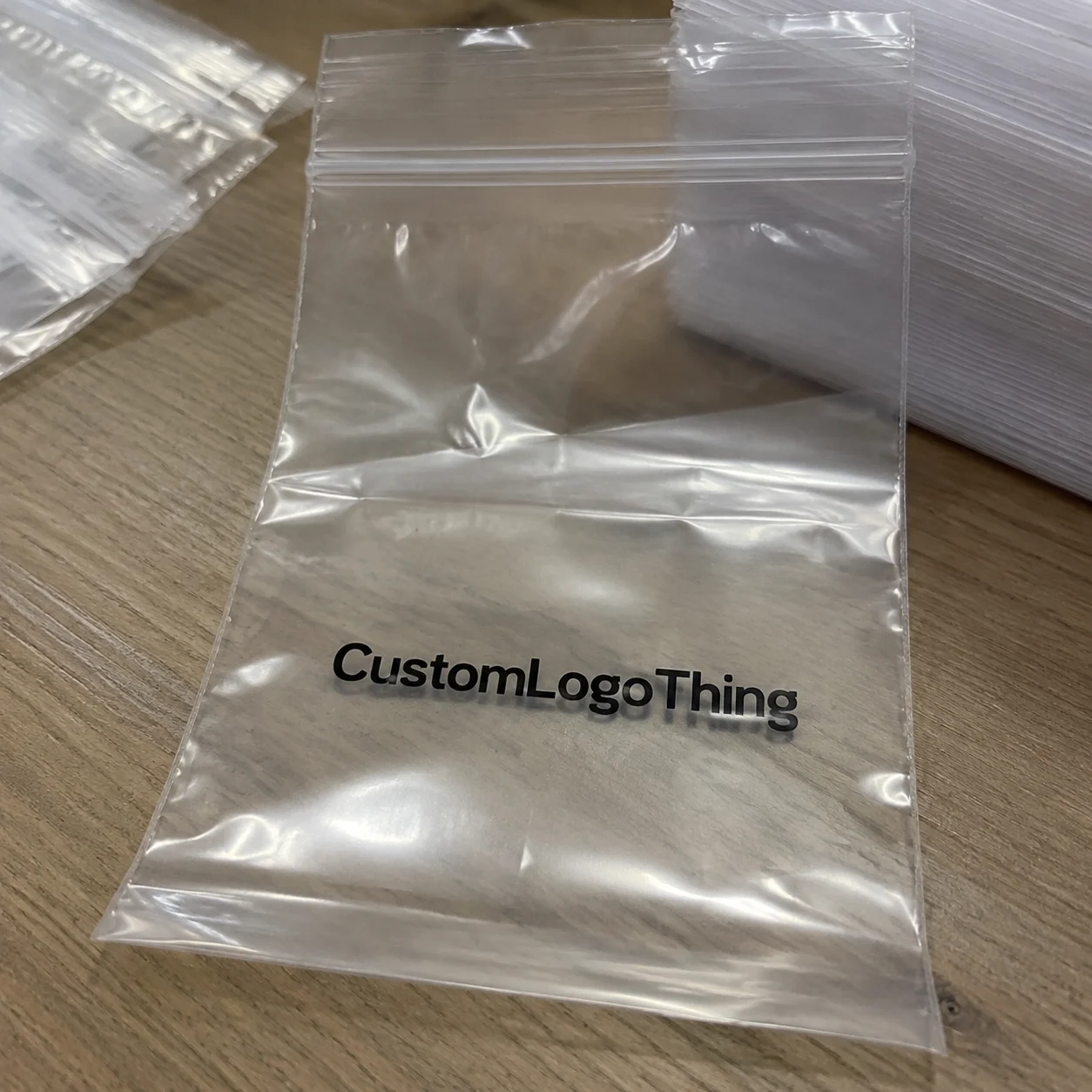
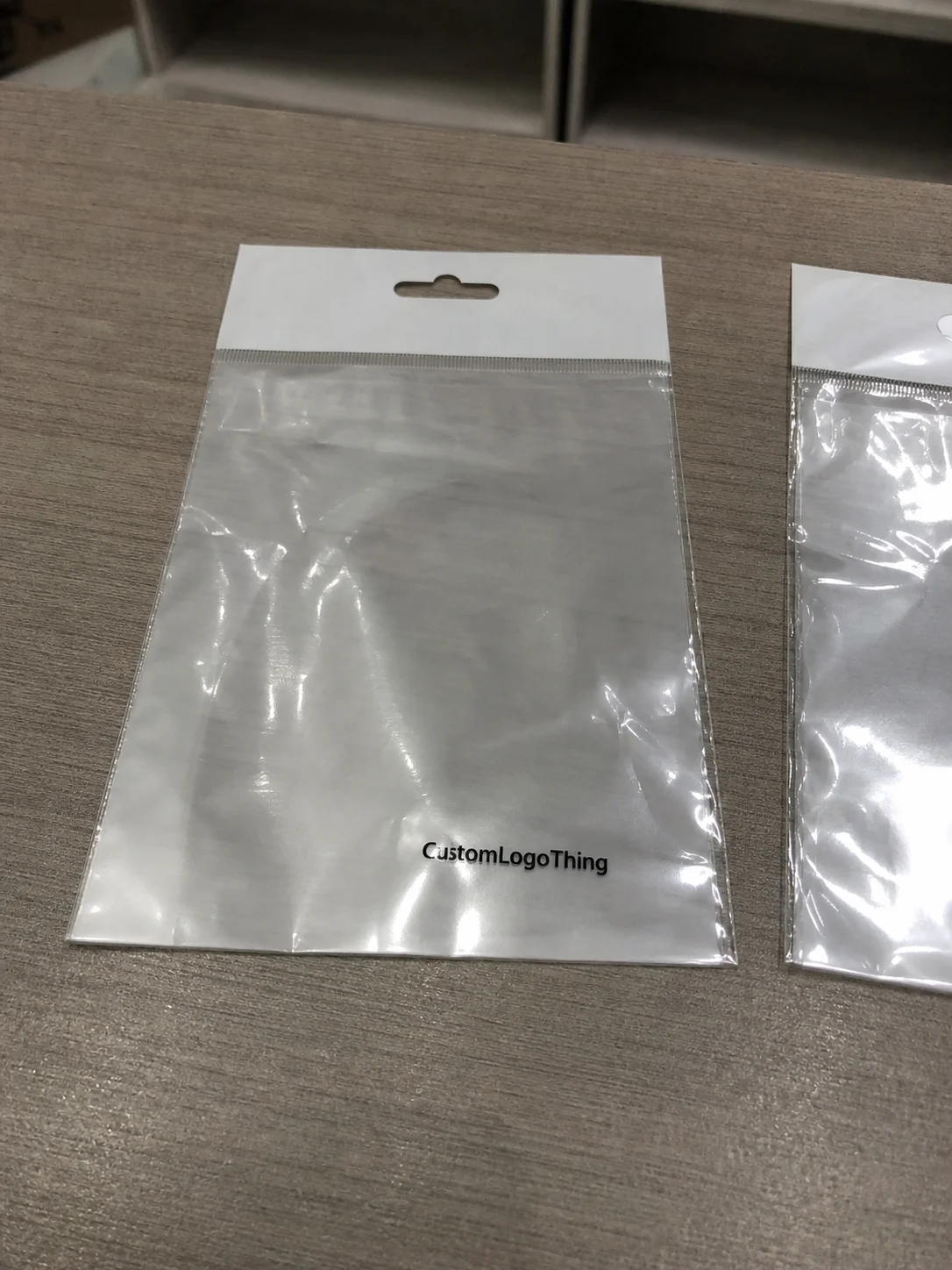
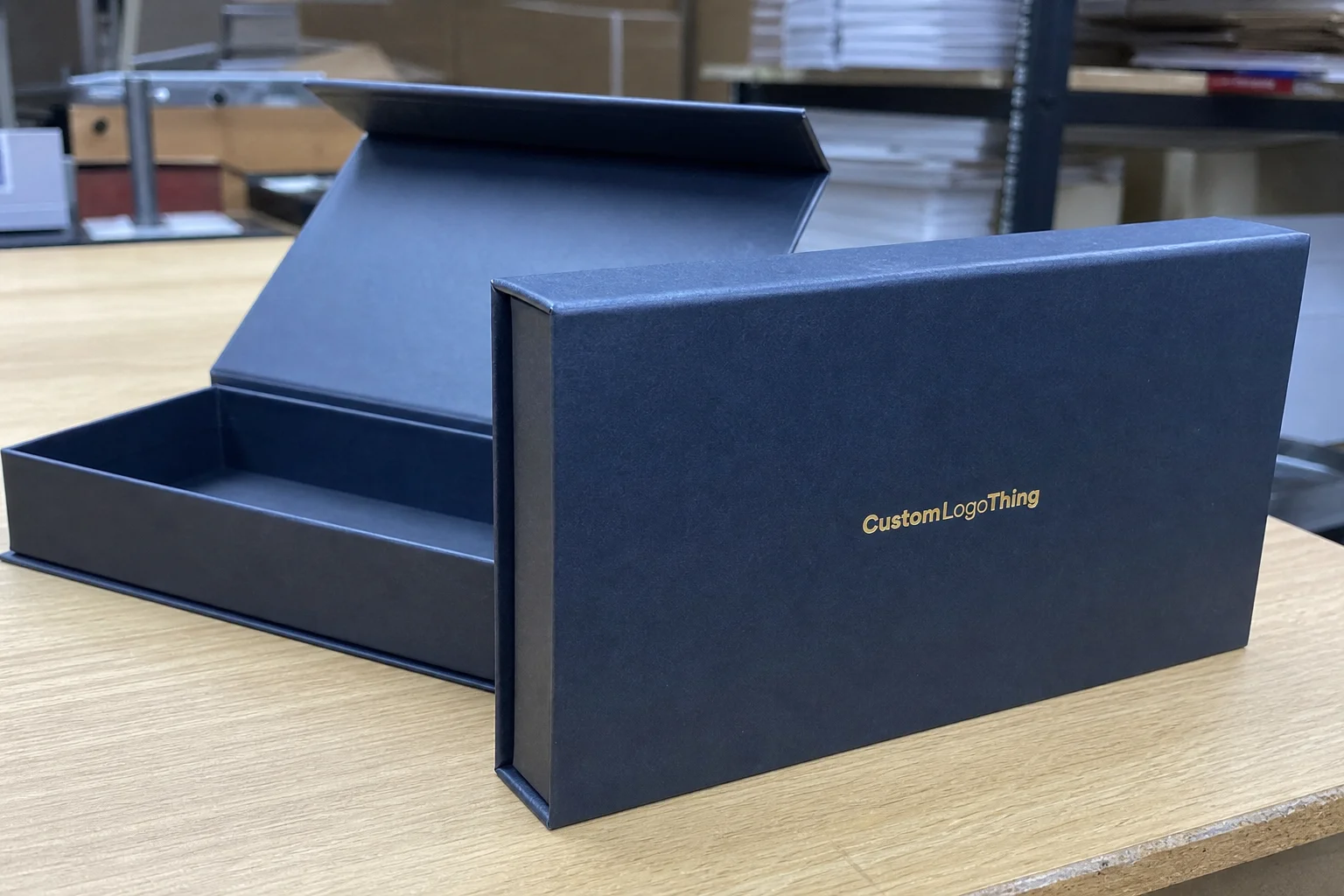
Buyer Fit Snapshot
| Best fit | packaging cost calculation where hidden tooling, scrap, and freight assumptions must be visible where brand print, material, artwork control, and repeat-order consistency matter. |
|---|---|
| Quote inputs | Share finished size, material target, print colors, finish, packing count, annual reorder estimate, and delivery region. |
| Proofing check | Approve dieline scale, logo placement, barcode or warning zones, color tolerance, and any recyclable or compostable wording before bulk production. |
| Main risk | Vague material claims, crowded artwork, or missing packing details can create delays even when the unit price looks attractive. |
Fast answer: Packaging Cost Calculator Inputs: Material, Tooling, Print, Freight, and Scrap should be specified like a repeatable production item. The safest quote includes material, print method, finish, artwork proof, carton packing, and reorder notes in one written spec.
What to confirm before approving the packaging proof
Check the product dimensions against the actual filled item, not only the sales mockup. Ask for tolerance on folds, seals, hang holes, label areas, and retail display edges. If the package carries a logo, QR code, warning copy, or legal claim, reserve that space before decorative graphics fill the panel.
How to compare quotes without losing quality
Compare board or film grade, print process, finish, sampling route, tooling charges, carton quantity, and freight assumptions side by side. A lower quote is only useful if the supplier can repeat the same color, closure quality, and packing count on the next order.
I’ve stood on production floors in Dongguan and Longhua where two cartons looked almost identical from five feet away, yet the Custom Packaging Cost per unit calculators showed a gap of more than 20% once the board grade, coating, and print coverage were fully specified. That is not a fluke. It is how packaging economics works: tiny design decisions can move unit cost faster than most buyers expect, especially when the order is still at the quote stage and the spec sheet is only half complete.
For Custom Logo Things, the point of custom packaging cost per unit calculators is not to guess a fantasy low number. The point is to build a realistic budget around material cost, setup cost, production efficiency, freight, and waste allowance so your product packaging actually lands on schedule and within margin. I’ve seen brands save more by simplifying a die line than by negotiating every last penny on print, and that is exactly the kind of fact that changes a packaging budget. A switch from a five-panel insert to a plain paperboard cradle can save $0.07 to $0.14 per unit on a 10,000-piece run, which is the sort of number that turns a nice idea into a workable launch.
Custom Packaging Cost Per Unit Calculators: Why Small Changes Move Price Fast
Custom packaging cost per unit calculators are measuring more than a box price. They estimate how much material is consumed, how much machine setup is required, how efficiently the design runs on press, how much scrap will be expected, and what freight may cost once cartons, inserts, or shippers are packed for delivery. In a real quoting workflow, those variables rarely move independently. A stronger board choice can change cutting speed. A wider box can reduce sheet yield. A full-bleed print can add ink coverage and press time. A one-millimeter shift in the dieline can also change whether a 41" x 29" press sheet fits 16-up or 18-up, and that difference shows up quickly in the unit price.
Here’s the reality most buyers miss: two boxes that appear nearly the same can differ in unit cost by 20% or more because one uses 16pt C1S with limited ink coverage and the other uses 24pt SBS, soft-touch lamination, and a custom insert. I saw that exact pattern during a client meeting in Los Angeles for a skincare launch where the founder wanted “the same box, just cleaner.” The “cleaner” version added foil, a window cutout, and a magnetic closure request, and the calculator immediately shifted the budget from $0.48 to $0.61 per unit on a 5,000-piece estimate. I remember thinking, “Sure, just cleaner” is packaging code for “let the budget have a headache.”
Custom packaging cost per unit calculators are useful because they help buyers compare options before artwork is finalized. That matters. A startup with a 3,000-unit launch does not need the same packaging strategy as a mature SKU shipping 60,000 units a month. Early budgeting is about direction, not perfection. A formal quote becomes the better tool once the structure, finish, shipping location, and MOQ are locked. In practice, a buyer in Chicago asking for 2,500 folding cartons for a beauty launch will see a very different result than a buyer in Dallas ordering 25,000 for a subscription program, even if the art file is identical.
I tell clients to think of calculator results as a range, not a promise. If a calculator says $0.62 to $0.78 per unit for a folding carton, that range is doing real work. It is telling you where the variance lives: material grade, print coverage, finishing, and quantity. A buyer who understands that range can make smarter decisions before asking for a sample or committing to production. A range also helps when the quote moves from a Shenzhen supplier to a plant in Suzhou or Ho Chi Minh City, because labor and freight structures are not interchangeable across regions.
There is also a strategic side to this. The lowest number on paper is not always the lowest reliable unit cost. If a cheaper board causes scuffing, reprints, or crushed corners in transit, the “savings” disappear fast. I’ve seen this happen in a warehouse in Shenzhen where a brand tried to shave $0.03 per carton and ended up with a 7% damage claim rate after palletized freight. That is not savings. That is delayed loss. I still remember the look on the ops manager’s face—equal parts disbelief and “well, that’s going to be a fun email.”
For that reason, custom packaging cost per unit calculators should be used to answer a better question: what is the lowest usable cost per approved unit that still protects the product, supports retail packaging goals, and holds up in shipping? That one question keeps packaging design grounded in operations instead of wishful thinking. A carton that survives UPS Zone 8 transit from New Jersey to Texas is more valuable than a cheaper carton that collapses after 180 miles on a cross-dock pallet.
- Material cost changes with board grade, thickness, and coating.
- Setup cost rises when structures, tooling, or print complexity increase.
- Production efficiency shifts with sheet yield and machine run speed.
- Shipping changes with pack-out size, weight, and destination.
- Waste allowance covers overruns, trims, and QC rejects.
If you want a fast reference point while evaluating options, browsing Custom Packaging Products can help you compare structural formats before you run the numbers through custom packaging cost per unit calculators. That comparison step often reveals the cheapest path without reducing shelf impact, especially if you are deciding between a sleeve-and-tray format and a full rigid structure.
Product Details That Affect Custom Packaging Cost Per Unit Calculators
The first question I ask in a pricing call is not “What is your budget?” It is “What are you packaging?” That answer drives everything. Custom packaging cost per unit calculators need product type, protection level, and presentation goals before they can produce a useful estimate. A folding carton for cosmetics, a corrugated mailer for subscription goods, and a rigid box for premium electronics are not priced the same way because they do not behave the same way on the line or in transit. A 120 ml glass serum bottle needs different crush resistance than a 30 g lip balm tube, and the difference often starts with board selection rather than artwork.
The packaging formats most often run through custom packaging cost per unit calculators include folding cartons, rigid boxes, mailer boxes, corrugated shippers, sleeves, and custom inserts. Each one carries different labor and material assumptions. A straight tuck carton is relatively efficient. A magnetic-closure rigid box with an EVA insert is not. If the structure needs hand assembly, the calculator should reflect that labor burden directly. In a Guangdong factory, for example, a standard tuck box can run on an automatic gluer at thousands of units per hour, while a hand-built rigid box with ribbon pulls may slow to a few hundred units per hour.
I remember visiting a supplier floor in Guangzhou where a buyer had requested a “simple” rigid box for a gift set. The box itself was standard, but the inside tray had four cutouts, a ribbon pull, and a printed paper wrap. The operator laughed—not unkindly—and pointed out that every extra hand-fold step reduced output per hour. That matters because custom packaging cost per unit calculators are fundamentally about throughput as much as raw materials. A hand-wrap step can add $0.12 to $0.25 per unit on a 2,000-piece order, and that is before the board is even printed.
Dimensions are another quiet cost driver. A change of just 3 mm in width or depth can alter how blanks fit on a press sheet, how many cartons are stacked per master case, and how much freight volume is consumed. If your packaging goes from 92 mm wide to 98 mm wide, the sheet layout may lose one-up or two-up efficiency. That turns into a measurable unit cost shift, especially at scale. On a 20,000-unit run, losing one-up layout efficiency can add roughly $0.02 to $0.05 per unit depending on paper grade and press size.
Print method also changes the estimate. Digital printing is often best for short runs because there is little or no plate setup, while offset printing is generally more efficient for higher volumes. Flexographic printing is common for corrugated because it handles larger surfaces and simpler graphics well. The right answer depends on quantity, artwork coverage, and turnaround. Custom packaging cost per unit calculators should reflect that print method difference from the start. A 1,000-piece digital carton may quote at $0.95 each in Atlanta, while a 20,000-piece offset run using the same dieline might land closer to $0.28 per unit before freight.
| Packaging Format | Typical Cost Drivers | Best Use Case | Relative Unit Cost |
|---|---|---|---|
| Straight tuck folding carton | Board grade, print coverage, die-cutting | Light consumer goods, cosmetics, supplements | Lower |
| Mailer box | Corrugate flute, ink coverage, ship size | E-commerce, subscription, branded unboxing | Moderate |
| Rigid box | Chipboard thickness, wrap material, hand assembly | Premium retail packaging, gift sets | Higher |
| Corrugated shipper | Board strength, print method, freight volume | Protection-first transport packaging | Moderate |
Add-ons create real premiums. Foil stamping adds tooling and press steps. Embossing requires pressure and setup. Soft-touch lamination changes both material and finishing cost. Custom inserts, especially molded pulp or EVA, can influence not only unit cost but also lead time. I’ve watched buyers focus on the outside shell and forget the insert, only to discover the insert was 18% of the total packaging spend. Custom packaging cost per unit calculators should capture those extras, not hide them in vague “finishing” language. A molded pulp tray made in Dongguan may run at $0.09 per unit in volume, while a die-cut PET insert could be $0.15 or more depending on thickness and cavity count.
One more practical point: if your packaging design needs a window patch, a special closure, or a multi-panel structure, the calculator should be treated as directional until the dieline is approved. In my experience, the biggest pricing swings happen when a brand starts with a visual concept and only later asks whether the structure can actually be produced efficiently. A mockup approved in New York can still turn into a different cost structure once a plant in Shenzhen confirms the closure mechanism and the glue line width.
Specifications That Change Custom Packaging Cost Per Unit Calculators
A strong estimate starts with a clean specification sheet. Custom packaging cost per unit calculators work best when the buyer has dimensions, material preference, thickness, print coverage, finish, insert details, and delivery location ready. If those inputs are missing, the calculator has to guess, and guesses usually tilt conservative. That means the early unit cost can look higher than necessary, or sometimes unrealistically low if key structure details are omitted. A spec sheet for 350gsm C1S artboard is far more useful than a note that says “premium carton.”
Material choice is one of the biggest levers. SBS, kraft, corrugated, chipboard, and rigid board each behave differently. SBS works well for high-end custom printed boxes that need crisp graphics and a smooth surface. Kraft can support a natural, recycled look and often pairs well with simpler branded packaging. Corrugated is stronger for shipping. Chipboard and rigid board are common for premium retail packaging, but they can add labor and weight. The best material is not the fanciest one. It is the one that matches the product, the channel, and the margin target. For a cosmetic carton, 350gsm C1S artboard with matte aqueous coating is often enough; for a shipper, E-flute or B-flute corrugate is usually the smarter choice.
Thickness matters too, but not always in the way buyers expect. Heavier board can improve stiffness, yet it also increases material spend, sometimes slows folding efficiency, and can raise freight weight. I’ve had a client in Miami push for a thick rigid structure for a light accessory, only to find the product itself weighed less than the packaging. That is an expensive mismatch. Custom packaging cost per unit calculators should reflect function, not vanity. I was polite about it at the time, but inside I was thinking, “We are not building a tiny castle for a keychain.”
Color count and ink coverage are easy to underestimate. A two-color layout with open white space is cheaper than a full flood print with dark solids that require more ink and more control on press. Spot colors add accuracy, but they also create setup variables. Rich black backgrounds, metallic inks, and special PMS matches can all shift the quote. A calculator that assumes “standard print” might miss the real number if the artwork is heavy on coverage. In Shenzhen, a four-color full-bleed carton with white underprint and gloss varnish can price $0.04 to $0.08 higher per unit than a simpler one-color kraft print at the same quantity.
There is another detail people skip: tolerance and fit. Tight tolerances matter when you are housing a product with inserts, closures, or retail shelf expectations. But tighter tolerances can increase waste, inspection time, and sometimes tooling complexity. A 1 mm tolerance might be fine for one structure and costly for another. Custom packaging cost per unit calculators are stronger when they account for fit sensitivity instead of treating every carton like a generic rectangle. A luxury candle box in Paris and a vitamin carton in Toronto may share the same footprint, but not the same tolerance, and the cost follows that difference.
Here is the specification checklist I ask clients to prepare before they request pricing:
- Exact dimensions of the product or packed unit.
- Packaging style: folding carton, mailer, rigid box, sleeve, or insert.
- Material and thickness: for example, 350gsm C1S artboard or E-flute corrugate.
- Artwork coverage: partial print, full-bleed, inside print, or spot colors.
- Finish: matte, gloss, soft-touch lamination, foil, embossing, varnish.
- Insert type: paperboard, molded pulp, EVA, foam, or none.
- Shipping destination and target delivery date.
If one of those items is still undecided, that does not block pricing. It just means custom packaging cost per unit calculators should be used as planning tools rather than final commitments. I prefer that honesty over a fake precision number every time. A calculator that says “about $0.33 to $0.41 per unit” is more useful than a false $0.29 if the spec will still change after artwork review.
For brands building package branding into a launch strategy, structure and finish are part of the marketing equation. Retail packaging is not just a container; it is a sales tool. But good packaging design still has to survive the calculator. A beautiful box that destroys margin is not a brand asset. It is a budget problem. A launch in London or Singapore still has to work at the unit level, whether the product sits on shelf or lands at a fulfillment center in New Jersey.
One useful external benchmark for distribution resilience is the testing framework from ISTA, which covers transport simulation and product protection principles: ISTA. If your packaging will ship through parcel networks or retail distribution, that standard thinking can save expensive returns and rework. A 10-drop test and vibration protocol are cheap compared with 300 damaged units and a reprint order.
Custom Packaging Cost Per Unit Calculators: Pricing, MOQ, and Volume Breaks
MOQ is where many packaging budgets get real. Minimum order quantity is often the single biggest factor in custom packaging cost per unit calculators because setup costs, die cutting, tooling, plate prep, and press calibration have to be spread across the run. At 1,000 units, those fixed costs can push the per-unit price up sharply. At 10,000 units, the same setup gets diluted and the price per box usually falls. That is the basic math, but the curve is not always smooth. A die-cut carton made in Dongguan at 1,000 pieces may land near $1.16 each, while the same structure at 10,000 pieces may drop to around $0.30 to $0.38 depending on finish and carton size.
In a supplier negotiation I sat in on last spring in Shanghai, the buyer was certain that doubling quantity would cut the unit cost in half. It didn’t. The savings were real, but not dramatic, because the structure required hand assembly and the finishing stayed constant. That is the part many buyers get wrong. Custom packaging cost per unit calculators often show volume breaks, but those breaks depend on whether the bottleneck is material, machine time, or labor. If the bottleneck is a magnetic closure that needs manual placement, the line will not suddenly double in speed just because the order size did not change.
The relationship between setup cost and unit cost is simple in concept and brutal in practice. If a $900 setup fee is spread across 1,000 units, that is $0.90 per unit before material and production. Spread across 10,000 units, it becomes $0.09 per unit. That is why short runs often look expensive. The machine did not become less efficient; the fixed cost just had fewer pieces to carry. I’ve seen that exact pattern in Mexico City quotes too, where a small order looked “too expensive” until the buyer realized the die charge and plate prep alone were nearly a third of the total.
Volume discounts matter, but they do not always follow a neat linear pattern. Sometimes the best price jump happens at a press sheet efficiency breakpoint. Sometimes the break comes from reduced handling time. Sometimes it is freight, because fuller cartons or pallet optimization reduce shipping waste. Custom packaging cost per unit calculators should help you see where those breakpoints sit instead of promising a straight line down the page. A 5,000-piece run can be priced at $0.42 each, while 8,000 pieces might only fall to $0.35 if the layout and finishing stay the same.
Here is a practical comparison of how quantity can affect pricing for a standard folding carton with moderate print coverage and matte finish:
| Quantity | Estimated Setup Share Per Unit | Estimated Production Share Per Unit | Approximate Total Unit Cost |
|---|---|---|---|
| 1,000 units | $0.85 | $0.31 | $1.16 |
| 5,000 units | $0.18 | $0.24 | $0.42 |
| 10,000 units | $0.09 | $0.21 | $0.30 |
Those figures are illustrative, not universal, but they show the logic clearly. A calculator is useful because it exposes the setup burden. Buyers who only look at the total invoice can miss where the money is going. Custom packaging cost per unit calculators make MOQ visible, and visibility is usually the first step toward better budgeting. The difference between 1,000 and 5,000 pieces is often less about “volume” in the abstract and more about whether the plant can keep the same machine configuration without resetting the line twice.
Sampling is another question I hear constantly. Can a sample fee be credited toward production? Sometimes, yes. Sometimes no. It depends on whether the sample is a digital prototype, a structural mock-up, or a full production-grade sample with final materials and finishes. A plain white mock-up may cost far less than a fully printed sample, but it also may not predict final appearance accurately. If the visual result matters, request the closer sample and budget accordingly. A pre-production sample in Hong Kong might take 3 to 5 business days, while a full material sample from a specialty supplier in Italy can take 10 to 14 business days before it even reaches your office.
My rule of thumb is straightforward. If the SKU is still being tested and the risk of redesign is high, start with a smaller batch. If sell-through is already proven, a larger run usually improves unit cost enough to justify storage and cash flow. Custom packaging cost per unit calculators are most valuable when they help you decide whether to pay a little more now or commit to a larger, more efficient production run. A 12-month forecast in Toronto or Austin can make that answer clearer than a hunch ever will.
Process and Timeline: From Calculator Estimate to Finished Packaging
Once a buyer uses custom packaging cost per unit calculators, the next step is not production. It is validation. The path usually moves from estimate to quote review, then dieline confirmation, artwork proofing, sampling, production, and delivery. Each step can change both price and timeline, and approvals matter more than most teams expect. A project in Shenzhen might move from proof approval to finished cartons in 12 to 15 business days for a standard foldable box, while a rigid box with hand assembly and specialty lamination can take 18 to 25 business days after final approval.
I’ve seen launch schedules slip by nine days because one brand changed the inside print after the first proof. The factory was ready, the material was on hand, and the line was booked. The delay came from decisions, not machines. That is why the smartest teams treat packaging approvals like a project schedule, not an inbox task. Custom packaging cost per unit calculators help with budget, but the timeline depends on people. People, bless them, are also the reason half the follow-up emails exist. In one New York-to-Guangzhou project, a single revised bar code moved the ship date by four business days because the artwork had to be rechecked for registration.
Typical timing variables include quote turnaround, sample production, proof revisions, material sourcing, and press availability. A quote can come back quickly if the spec sheet is complete. A sample may take several days or longer, depending on structural complexity and material availability. If the design uses specialty finishes or imported components, lead time grows. I would rather tell a client 18 business days and beat it than promise 10 and miss the ship date. Honest timing builds trust. A supplier in Shenzhen can often turn a standard sample in 4 business days, but a foil-stamped rigid prototype in Dongguan can take 7 to 10 business days if the wrap paper is not already stocked.
Rush orders almost always increase cost. Expedited production can require overtime labor, shorter press windows, special freight bookings, or air transport instead of sea freight. Those premiums are real. A late approval can cost more than a better material choice, because speed has a surcharge built into nearly every step. If the calculator does not account for rush behavior, it is not giving a complete budget picture. Air freight from Shenzhen to Los Angeles can add $1.20 to $2.50 per kilogram compared with ocean freight, and that difference alone can erase the savings from a cheaper board.
For launches tied to retail onboarding, holiday demand, or a product drop date, work backward from the shelf date, not the production date. If your packaging must arrive before fulfillment begins, then your schedule needs room for transit, receiving, and QC inspection. Custom packaging cost per unit calculators should fit into that planning model so the quote reflects a real delivery target instead of a best-case fantasy. A holiday launch in September needs a cushion for September port congestion, not a hope that the boxes will leave Ningbo on a perfect Wednesday.
Here is the workflow I recommend:
- Run the custom packaging cost per unit calculators with your best current specs.
- Compare at least two structures or material options.
- Request a formal quote with quantity, finish, and ship-to details.
- Review the dieline and artwork proof carefully.
- Approve a sample if fit, color, or durability matters.
- Place the production order only after the final spec is signed off.
That sequence sounds basic, but it prevents the most common failure I see: using an estimate as if it were a locked price. It is not. Custom packaging cost per unit calculators are stronger when paired with disciplined approvals and clear responsibilities on both sides. A sign-off on Thursday at 4:15 p.m. in London is not the same as a sign-off on Monday morning in Shenzhen, and the calendar is usually less forgiving than the email thread suggests.
Why Choose Us for Custom Packaging Cost Per Unit Calculators
At Custom Logo Things, we treat custom packaging cost per unit calculators as decision tools, not sales tricks. That sounds simple, but it is not how every supplier works. Some hide setup fees in a single line. Some bury freight assumptions. Some quote a number that looks good until you add finish, inserts, and delivery. We prefer clarity, because unclear pricing usually becomes a time-consuming correction later. A clean breakdown matters whether the project is built in Shenzhen, printed in Suzhou, or assembled in Ho Chi Minh City.
Our approach is practical. We break out material, print, finishing, tooling, and freight so you can see where the unit cost comes from. If a client wants to reduce cost, we look at structure first, then finish, then material, then volume. That sequence matters. A small design simplification can save more than aggressive negotiating ever will. Switching from a magnetic lid to a tuck-top closure, for example, can trim $0.10 to $0.35 per unit depending on quantity and board spec.
I’ve had brand owners tell me they only needed “branded packaging” for a launch, then discover their packaging had to survive warehouse handling, retail display, and direct-to-consumer shipping. Those are different jobs. Good packaging design has to balance all three. Our team helps customers align packaging structure with the actual use case so they are not paying for appearance at the expense of durability, or paying for durability they do not need. A carton for a boutique shelf in Milan does not need the same crush resistance as a shipper leaving a fulfillment center in Kentucky.
Quality control also protects budget. Color drift, print misalignment, weak gluing, and inconsistent folding all create hidden costs through rework and returns. A well-managed production run keeps waste down and consistency up. In my experience, that consistency is one of the most underrated savings on a packaging project. It does not show up as a line item, but it absolutely affects profit. One weak glue line on a 6,000-unit order can create enough rework to erase the advantage of a lower quoted price by $400 to $800 before freight is even counted.
If your project involves custom printed boxes, retail packaging, or complex package branding, our job is to help you select the right spec before the quote hardens. That is where calculator estimates become actionable. The goal is not merely to purchase boxes. The goal is to buy the right packaging at the right MOQ and the right unit cost for the way your product actually sells. A 2,000-piece beauty launch in Austin and a 20,000-piece subscription reorder in Seattle need different economics, even when the logo is the same.
For buyers concerned about sustainability claims, material selection can also affect compliance and marketing. FSC-certified paper options may be available for qualifying projects, and that can support sourcing goals. For additional reference on responsible paper sourcing, the Forest Stewardship Council is a useful benchmark: FSC. If waste reduction or material responsibility matters to your brand, that discussion should happen before production, not after. A recycled-content carton sourced from a mill in Jiangsu Province can support a sustainability story, but only if the specification is approved before the quote closes.
What to Do Next After Using Custom Packaging Cost Per Unit Calculators
Once you have a calculator estimate, the next move is to tighten the inputs. Gather your exact dimensions, target quantity, material preference, print method, finish, insert requirement, delivery destination, and target ship date. With those details in hand, custom packaging cost per unit calculators become much more useful, because the estimate is built on real production assumptions rather than placeholders. A quote based on 350gsm C1S artboard and matte aqueous coating is simply more useful than a quote based on “premium paperboard.”
Then compare at least two structures. A simple folding carton and a mailer box may both satisfy the packaging need, but they will not behave the same way on the shelf or in shipping. A kraft mailer may save money but change the brand presentation. A rigid box may elevate perceived value but raise the unit cost. The right answer depends on margin, channel, and customer expectation, not just the calculator result. If your order ships from Shenzhen to Dallas, for example, a mailer box might lower shipping density enough to offset a slightly higher board cost.
If the visual presentation, fit, or durability could affect sales or returns, request a sample or prototype. I would especially recommend that for cosmetics, electronics, gift sets, and subscription packaging. A 3D render does not always reveal how a closure feels, how a sleeve slides, or whether the insert grips the product properly. Those physical details often determine whether a customer sees the packaging as premium or cheap. A $35 prototype can prevent a $3,500 reprint, and that trade is rarely hard to justify.
Use this simple workflow:
- Estimate with custom packaging cost per unit calculators.
- Confirm the structure and materials.
- Request a formal quote with line-item clarity.
- Review the proof and dieline carefully.
- Approve a sample if needed.
- Place the order and track the production milestones.
That process keeps the budget honest and the schedule realistic. It also helps you avoid paying extra for changes that could have been made earlier. In packaging, the earliest decisions are usually the cheapest ones. A 2 mm adjustment in a carton dimension can cost nothing on paper but save a full cutting form in production, which is the kind of detail that only shows up if you ask for it before the order is signed.
Honestly, I think the smartest buyers use custom packaging cost per unit calculators the way a good merchandiser uses a forecast: not to predict the future perfectly, but to make better choices before money leaves the building. If you need help turning a rough estimate into a verified price, start with the spec sheet, compare the format options, and move from calculator to quote with the numbers already in hand. A brand in Toronto, a startup in Berlin, and a distributor in Sydney all face the same question: what does the right package cost per unit, and what does that choice buy you in return?
How accurate are custom packaging cost per unit calculators?
They are useful for budgeting, but accuracy depends on how complete your inputs are. Exact pricing usually changes once dimensions, materials, finishes, and MOQ are confirmed. The best custom packaging cost per unit calculators provide a realistic range, not a guaranteed final quote. A $0.29 estimate can become $0.37 once foil, lamination, and freight to Chicago are added.
What is the biggest factor in custom packaging cost per unit calculators?
Quantity usually has the biggest impact because setup costs are spread across more or fewer units. Material choice and finishing can also move pricing sharply. Complex structures often cost more than simple folding or mailer formats, even when the outside dimensions look similar. A 5,000-piece rigid box run in Dongguan will often price very differently from a 5,000-piece tuck box in Shenzhen.
Do custom packaging cost per unit calculators include shipping?
Some calculators estimate shipping, but many do not include full freight until the destination is known. Packaging size and weight can change shipping costs significantly. Ask whether pricing is ex-works, FOB, or delivered to avoid surprises. A carton shipping to Los Angeles from Ningbo will not cost the same as the same carton moving by truck to Atlanta.
How can I lower my custom packaging unit cost without lowering quality?
Simplify the structure if possible and reduce unnecessary finishing effects. Choose a material that matches the product’s actual protection needs. Increase order quantity if demand is stable enough to justify it. Those changes often improve unit cost without hurting shelf appeal. A move from soft-touch plus foil to matte aqueous on 10,000 units can save $0.06 to $0.18 per unit.
What information should I have ready before using custom packaging cost per unit calculators?
Have your packaging dimensions, quantity, material preference, print details, and finish preferences ready. Include any insert requirements, shipping destination, and desired delivery date. If possible, prepare artwork and a rough dieline or product sample for better estimates. A spec sheet with 350gsm C1S artboard, 4-color print, and a 12-business-day target is far more useful than a rough email summary.
In my experience, the brands that get the best results from custom packaging cost per unit calculators are the ones that treat packaging like a controlled investment, not a decorative afterthought. If you come prepared with dimensions, quantity, material, print method, and delivery targets, you get closer to a real number faster—and that is how you protect margin, reduce waste, and order packaging That Actually Works. That discipline matters whether your production runs through Shenzhen, Guangzhou, or a domestic plant in Ohio.
The most actionable takeaway is simple: use custom packaging cost per unit calculators early, but only trust the number after you have confirmed the structure, material, finish, MOQ, and shipping terms. If any one of those moves, the unit cost moves too. So build the estimate, pressure-test the spec, and lock the production details before you treat the price as final. That’s the cleanest way to keep packaging from quietly eating your margin.