Buyer Fit Snapshot
| Best fit | Custom Packaging Design projects where brand print, material claims, artwork control, MOQ, and repeat-order consistency need to be specified before quoting. |
|---|---|
| Quote inputs | Share finished size, material target, print colors, finish, packing count, annual reorder estimate, ship-to region, and any compliance wording. |
| Proofing check | Approve dieline scale, logo placement, barcode or warning zones, color tolerance, closure strength, and carton packing before bulk production. |
| Main risk | Vague material claims, crowded artwork, missing packing details, or unclear freight terms can make a low unit price expensive after revisions. |
Fast answer: Custom Packaging Design: Quote Scope, Sample Proof, MOQ, and Lead Time should be specified like a repeatable production item. The safest quote records material, print method, finish, artwork proof, packing count, and reorder notes in one written spec.
Production checks before approval
Compare the actual filled-product size with the drawing, then confirm tolerance on folds, seals, hang holes, label areas, and retail display edges. Reserve space for logos, QR codes, warning copy, and material claims before decorative graphics fill the panel.
Quote comparison points
Review material grade, print process, finish, sampling route, tooling charges, carton quantity, and freight assumptions side by side. A quote is only useful when the supplier can repeat the same color, closure quality, and packing count on the next order.
I’ve watched a box change a buying decision in under five seconds. That still surprises people, but I’ve seen it enough times to stop doubting it. That’s why Custom Packaging Design trends 2024 matter far beyond aesthetics: in retail packaging and e-commerce alike, the package often earns the first look, the first touch, and sometimes the first trust signal before the product even comes into view. A 350gsm C1S artboard carton in matte white can feel like a different business than a thin uncoated sleeve, even when the product inside costs the same $18. The gap is not subtle when you’re standing at the shelf in Chicago or opening a parcel in Manchester.
Too many brands still treat packaging like wrapping paper. That’s a mistake, and honestly, a pricey one. The strongest custom Packaging Design Trends 2024 are less about decoration and more about product packaging that protects, persuades, and survives real operations. I’ve seen beautiful concepts collapse when a corrugated mailer failed a drop test from 1.2 meters, and I’ve seen a plain kraft sleeve outperform a glossy carton because the structure felt more honest. A 32 ECT corrugated mailer might cost $0.42 per unit at 5,000 pieces, while a foiled rigid setup can jump past $2.60 per unit with inserts. Packaging can be a little rude that way; it doesn’t care how nice the render looked.
At Custom Logo Things, the pattern is clear: Custom Packaging Design trends 2024 work best when they support function, branding, and cost control at the same time. If they only look good on a mood board, they usually get expensive fast. I remember a client who fell in love with a foiled black box—gorgeous, dramatic, all that—and then the production quote landed like a brick. The room got very quiet. The quote came back at $1.85 per unit for 3,000 pieces from a plant in Dongguan, with a 14-business-day timeline after proof approval, and suddenly “luxury” had a line item attached to it.
What Custom Packaging Design Trends Actually Mean
Packaging gets noticed early. Sometimes much earlier than the product itself. I’ve had clients tell me their unboxing photos got more comments than the item inside, which says plenty about how package branding shapes perceived value. A box, sleeve, insert, or rigid set-up can imply “premium,” “eco-conscious,” or “mass-market” before a customer reads a single line of copy. A 240gsm folding carton from Ho Chi Minh City can whisper “value,” while a 1200gsm rigid board made in Shenzhen can signal “gift-worthy” before the lid comes off. That first impression is doing a lot of heavy lifting, and it never gets paid overtime.
So what are Custom Packaging Design trends 2024, really? They’re not just temporary looks borrowed from social media. Real trends are shifts in material choices, structural design, finishes, and fulfillment logic that keep showing up across brands because they solve a problem. Short-lived fads might use a loud color or a gimmicky opening mechanism. A real trend will reduce waste, improve shelf appeal, simplify assembly, or create a stronger brand memory. In practical terms, that can mean a switch from plastic inserts to molded fiber, or from full-coverage CMYK to a 2-color print system that cuts press time by 18%.
That distinction matters. A matte black box with metallic foil can be striking, but if it adds 18% to unit cost and slows pack-out by 22 seconds per order, it may be the wrong move. In my experience, the strongest custom packaging design trends 2024 are the ones that show up in custom printed boxes, inserts, closures, and materials that make sense for the product’s size and fragility. Novelty fades. Good packaging design survives. A 5000-piece run in 350gsm C1S artboard from a Guangzhou supplier may look modest on paper, but if it reduces returns by 2.7%, it beats a louder box that gets damaged in transit.
Brands care because packaging touches three outcomes at once: conversion, retention, and repetition. Conversion happens when the package catches the eye. Retention happens when the unboxing feels intentional. Repetition happens when the customer remembers the brand after the box is gone. That’s a hard trio to beat, and it’s exactly why custom packaging design trends 2024 keep drawing attention from product teams, marketers, and operations managers. A subscription brand in Austin can measure this in repeat orders; a cosmetics startup in Berlin can measure it in social shares and giftability.
“The package sold the idea before the product did.” I heard that from a cosmetics founder in a supplier meeting, and she was right. The carton’s texture, 350gsm feel, and restrained typography made the line look more expensive before a single jar was opened. I still think about that meeting whenever someone says packaging is “just the box.” The sample came from a factory in Foshan, the proof cycle took 9 business days, and the carton cost $0.61 per unit at 8,000 pieces. Those numbers stuck with me almost as much as the founder’s expression.
One more thing most people get wrong: trends are not only visual. They include structure, material, finish, insert design, and even how a box opens on camera. That’s why custom packaging design trends 2024 are really packaging systems, not decoration alone. And yes, I mean systems in the least glamorous sense possible—design, engineering, and logistics all sitting at the same table and refusing to be ignored. A magnet closure, for example, can add $0.35 to $0.90 per unit and 4 extra seconds of assembly time; a paper lock tab may do the same job for far less.
How Custom Packaging Design Trends Work Across the Supply Chain
The path from idea to finished carton is longer than most teams expect. It usually starts with a brief, then moves into structural design, dielines, prototype samples, testing, production, and fulfillment. Each stage can either reinforce or break the trend the brand wants to express. A design that looks simple in a PDF may need a new die line, a different folding sequence, or a revised glue pattern once it hits the line. I’ve learned that the hard way, usually while staring at an “easy” revision that somehow turned into three extra production questions. A sample cycle from first proof to approved physical prototype can take 7–10 business days, and a structural revision can add another 3–5 days if the insert fit changes.
That’s where custom packaging design trends 2024 become operational decisions. A brand may love a magnetic closure or a nested insert, but those elements can affect machine speed, labor cost, and carton depth. I visited a folding carton plant outside Shenzhen where a two-panel insert looked elegant on screen, yet the hand-assembly time doubled from 9 seconds to 18 seconds per unit. Multiply that by 25,000 units and the “small design tweak” becomes a budget item large enough to cause a procurement headache. It also becomes the kind of thing nobody wants to explain twice. The same layout, if shifted to a factory in Dongguan with a semi-automated line, might shave 2 seconds off assembly, which becomes real money by the time you hit 30,000 pieces.
Supply chain realities also shape what spreads. DTC brands usually push trends faster because they need packaging that photographs well and ships in one piece. Retail packaging moves more slowly because it has to satisfy planograms, vendor compliance sheets, and shelf-readability requirements. Social media unboxing gives a trend visibility, while sustainability reporting gives it legitimacy. Together, they explain why custom packaging design trends 2024 appear to move in waves rather than in straight lines. A skincare label in Los Angeles may prioritize camera-ready unboxing for Instagram; a snack brand in Toronto may care more about shelf stacking and case pack efficiency.
There’s a hidden trap here. A trend that looks light and minimal online can create new requirements in production. A soft-touch coating may require a different print sequence. A foil alternative may need color testing to avoid dulling under warehouse abrasion. A molded fiber tray can lower plastic use, but it may raise mold cost and extend sampling. This is why custom packaging design trends 2024 often succeed only when operations can support them. Pretty is not a production plan. A molded pulp tool can run $8,000 to $25,000 depending on cavity count and finish, and that changes the equation immediately.
From an execution standpoint, I always ask three questions:
- Can the packaging be produced at the target MOQ without driving unit cost above margin?
- Will it survive shipping, retail handling, or ISTA-style transit stress?
- Does the design still reinforce branded packaging once it is flattened, packed, stacked, and opened?
If the answer is “no” to any one of those, the trend needs revision. And yes, that sometimes means telling a client that a fashionable choice is simply not worth it. Nobody claps for that moment, but it usually saves a future mess. A project that looks elegant at 2,000 units can become a problem at 20,000 if the carton style takes 14 extra labor hours per thousand pieces.
For teams evaluating sustainability or compliance, external standards matter too. The International Safe Transit Association provides testing guidance that many shippers use to reduce damage in transit, and the EPA’s recycling resources are helpful when a brand wants to understand end-of-life claims more responsibly. Custom packaging design trends 2024 should fit those realities, not ignore them. If you’re sourcing in Vietnam, Poland, or the U.S. Midwest, those standards still matter at the pallet level, not just the proposal stage.
Key Factors Shaping Custom Packaging Design Trends
Materials are the biggest lever. Recycled paperboard, corrugated board, molded fiber, mono-material formats, and premium rigid setups each push custom packaging design trends 2024 in a different direction. In one client meeting, I watched a brand compare a 24pt SBS carton with a 400gsm recycled paperboard option. The recycled board had a slightly rougher feel, but the founder liked that it communicated authenticity. That decision mattered more than the gloss level because the brand’s audience cared about visible restraint, not sparkle. A 24pt SBS stock from a supplier in Shenzhen may feel smoother, but a 400gsm recycled sheet from a mill in Jiangsu can make sustainability feel tangible instead of performative.
Finish is the next major factor. Soft-touch lamination still has strong appeal for premium packaging, but it’s not the only route. Embossing, debossing, spot UV, low-ink printing, and foil alternatives can create tactility without turning the package into a cost sink. Minimalist color systems are also growing because they photograph cleanly, reduce print complexity, and make product photography easier across channels. That’s a practical reason, not just a style one. And, frankly, it saves everyone from the “why is this shade different in every image?” email chain I dread every quarter. A 2-color design can print in 6–8 business days at a regional shop in Melbourne, while a 4-color plus foil build may stretch into 15 business days before freight.
Consumer behavior is changing the brief too. Shoppers increasingly expect sustainability cues, but they also expect the package to feel considered. That means unboxing structure matters. A tuck flap that opens too loosely feels cheap; an overbuilt rigid box can feel wasteful. The sweet spot is often a smartly engineered carton with a controlled reveal, an insert that protects the item, and a finish that supports the brand story. That is where custom packaging design trends 2024 get their staying power. A 1.5 mm greyboard rigid with a paper wrap can feel premium without the weight penalty of a thicker board that pushes freight up by 12%.
Branding is just as important as the materials. Typography can signal precision or warmth. Color psychology can make a brand feel clinical, playful, or luxury-led. Structural shape matters too. A tall slim mailer says something different from a square rigid box, even if both use the same artwork. I’ve seen package branding improve simply because the brand chose a box proportion that looked less generic on shelf and in unboxing videos. A 220 x 160 x 60 mm carton can read very differently from a 300 x 200 x 50 mm format, even with identical ink coverage.
Pricing sits in the middle of all this. Material choice, print complexity, order size, and finish selection all affect Cost Per Unit. A 1-color kraft print on corrugated mailers can be economical at 10,000 units. A four-color process carton with foil and embossing is a different story. If a brand asks for premium perception at commodity pricing, the math usually breaks somewhere. That’s why custom packaging design trends 2024 should always be measured against margin, not just mood. A good benchmark is simple: at 5,000 units, a basic mailer might land at $0.15 per unit for a very straightforward spec, while a premium rigid set-up can sit above $2.00 before freight.
Here’s a practical comparison I use in client discussions:
| Packaging option | Typical feel | Approx. unit cost | Best use case | Tradeoff |
|---|---|---|---|---|
| Simple corrugated mailer | Functional, lightweight | $0.42–$0.78/unit at 5,000 units | E-commerce shipping, subscription brands | Less premium shelf presence |
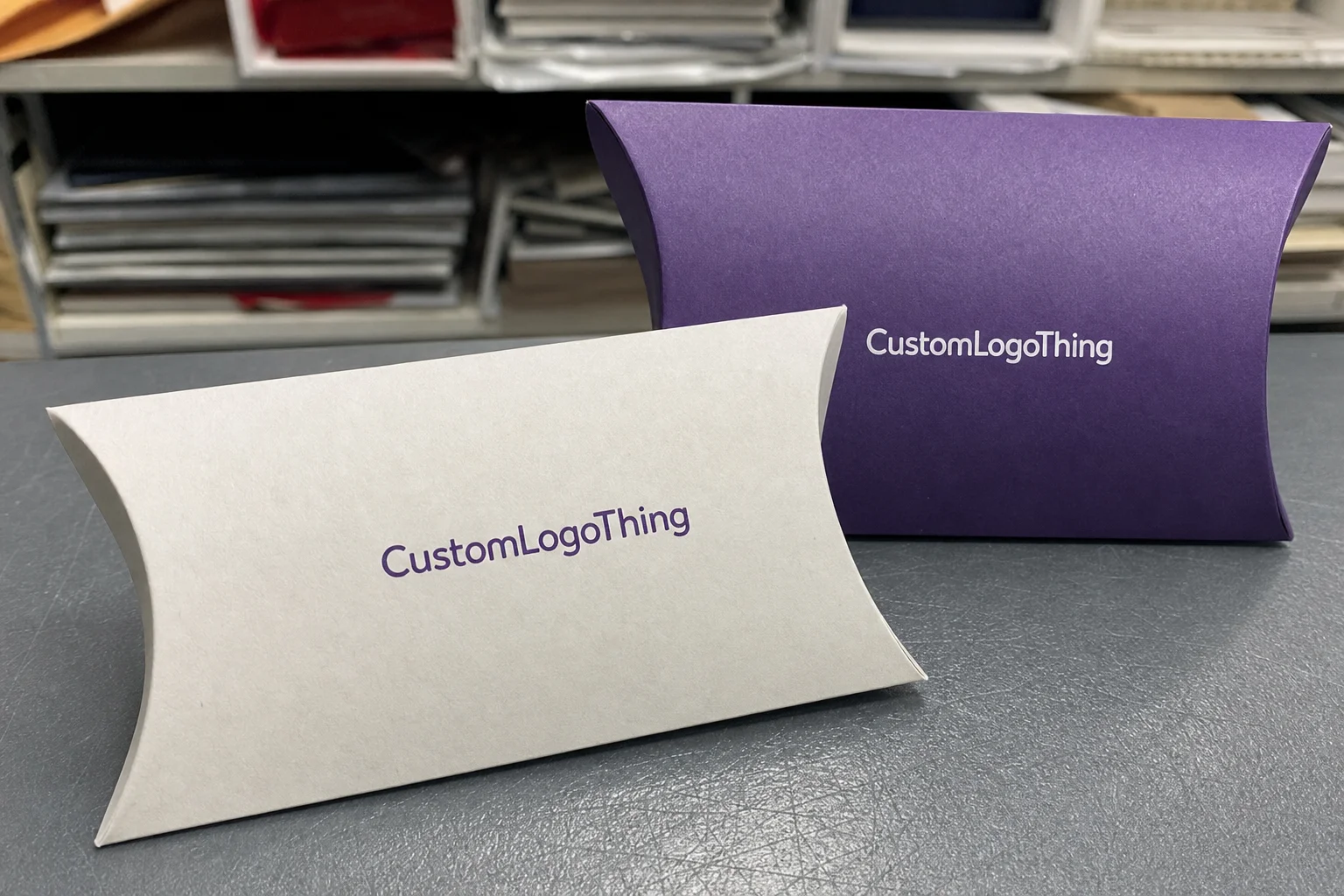
| 350gsm custom printed box | Clean, branded, versatile | $0.58–$1.20/unit at 5,000 units | Retail packaging, direct-to-consumer kits | Needs careful structural testing |
| Rigid box with insert | Premium, gift-like | $1.90–$4.80/unit at 3,000 units | Luxury, electronics, beauty sets | Higher freight and storage cost |
| Molded fiber package | Eco-forward, tactile | $0.65–$1.75/unit at 8,000 units | Sustainable product packaging | Tooling and lead-time can be longer |
None of those choices is automatically best. The “best” one is the one that fits the product, the order profile, and the customer experience. That’s the honest answer, even if it’s less exciting than a trend report. I know that sounds annoyingly simple, but simple answers are often the expensive truth hiding in plain sight. A 10,000-unit run in a Dallas fulfillment center with manual pack-out has different needs than a 50,000-unit wholesale drop into stores across Germany.
For sourcing and product planning, brands often start with a stable range of components. Our Custom Packaging Products page is a useful reference when teams want to compare formats before committing to a final direction. I’ve seen that simple comparison step save a brand two weeks of revision time and one costly sample round. It also helps when a supplier in Guangzhou gives you three material options and a 12-business-day lead time, because at least the decision has a structure.
Custom Packaging Design Trends and Pricing: What Drives Cost
Pricing is where enthusiasm meets arithmetic. custom packaging design trends 2024 can raise perceived value, but they can also raise cost fast if the design stack gets too complicated. The main drivers are straightforward: custom inserts, specialty coatings, complex die-cuts, multi-step printing, and low-volume production runs. A folded carton printed in Shenzhen may be quoted at $0.62 per unit for 5,000 pieces, while the same design with foil stamping and an EVA insert can climb to $1.48 or more, depending on the supplier and finish.
A custom insert might add only $0.12 to $0.40 per unit in some cases, but if it requires manual assembly, the labor cost can double the impact. Specialty coatings such as soft-touch lamination or textured varnish often add another layer of expense. And every time a design asks for a new cut line or unusual fold, tooling becomes part of the conversation. I’ve seen first-time founders underestimate that by 30% to 40%. Usually right before they say, “Wait, that’s the price per unit?” with the same expression people use when they discover a parking ticket under the windshield. A steel rule die can cost $180 to $600 depending on size and complexity, and a complex insert tool can run much higher.
MOQ matters too. A run of 2,000 units can carry a much higher unit cost than 10,000 units because setup cost gets spread across fewer pieces. Lead times also affect cash flow. A package that takes 12–15 business days from proof approval is easier to plan around than a design requiring 4–6 weeks of sample iteration before production can begin. Freight can surprise brands as well, especially when rigid boxes are bulky and chargeable weight climbs quickly. A shipper in Rotterdam or Los Angeles will charge differently once a carton moves from flat-packed to assembled, and that alone can change landed cost by 8% to 15%.
There are hidden costs nobody likes to discuss at the pitch stage. Color matching can require extra proofs. Structural engineering might need a second dieline. Sample revisions can add a week each time the artwork changes. If the brand decides to adjust typography after a prototype is made, that change can trigger another round of sampling. In one meeting, a client wanted a metallic navy that looked beautiful on screen but printed two shades too dark on recycled board. Three rounds later, the final color was less dramatic and far more usable. Honestly, it was better for the brand and less likely to make people squint under store lighting. One re-proof cycle alone can add $75 to $250 in labor and courier charges, especially if samples travel between Hong Kong, New York, and a London office.
Here’s the useful mindset: the cheapest package is not always the lowest-cost package. If a flimsy carton increases damage rates by 3% on a 50,000-unit shipment, the replacement cost can dwarf the savings from choosing a cheaper board. If a “premium” design slows fulfillment by 20 seconds per order, labor cost can quietly eat the benefit. That’s why custom packaging design trends 2024 should be evaluated in total system cost, not only unit price. A $0.18 carton that causes 1,500 damaged returns is more expensive than a $0.32 carton that stays intact.
To keep the conversation practical, I break packaging options into three categories:
- Value-first: simple print, standard board, minimal finishing, lower setup cost.
- Balanced: one standout finish, thoughtful structure, moderate MOQ, strong brand fit.
- Premium: rigid materials, specialty inserts, tactile finishes, gift-like unboxing.
Most brands do best in the balanced middle. It gives enough design signal to feel intentional without creating a cost structure that punishes growth. That’s especially true for custom packaging design trends 2024 aimed at e-commerce and retail packaging at the same time. A 5,000-piece balanced run can often hit the sweet spot between $0.60 and $1.10 per unit, depending on board spec, finish, and factory location.
Step-by-Step Process for Applying Custom Packaging Design Trends
The best packaging projects start with research, not art direction. Before choosing any visual direction, I want a clear read on the audience: who buys, why they buy, how often they reorder, and what they already expect from competitors. That matters because custom packaging design trends 2024 should be selected to fit the buyer, not the designer’s mood board. Otherwise you end up solving for taste instead of behavior, which is a very expensive hobby. A skincare buyer in Seoul and a home fragrance buyer in Milan will not respond to the same cues in the same way, even if both claim to want “clean” packaging.
Step one is product audit. Measure the item precisely. Check fragility. Record shipping method. Ask whether the package needs to survive parcel networks, retail shelves, or both. A serum bottle in a mailer has different needs than a candle gift set in a rigid box. Even a 3 mm change in product height can alter insert design and carton depth. A 70 mm bottle neck versus a 73 mm bottle neck can be the difference between a clean tuck and an insert that rattles.
Step two is brand positioning. Are you trying to look clinical, playful, artisan, luxury, or performance-led? A startup skincare brand and a protein snack company should not copy the same packaging language. This sounds obvious, yet I’ve seen brands chase the same muted beige aesthetic because it looked popular on social feeds. That’s one way to blend in while paying more for it. A powder-coated black rigid box made in Shenzhen may be perfect for electronics, while a 400gsm natural board carton from Suzhou might be the better fit for botanical supplements.
Step three is trend selection. Choose one or two directions that actually help. Maybe that means recycled paperboard plus a restrained monochrome system. Maybe it means molded fiber plus a stamped logo. Maybe it means a window cut-out and no lamination. The key is restraint. If every trend gets added at once, the packaging becomes confused and expensive. Smart custom packaging design trends 2024 are edited, not piled on. A 2-color print with one embossed mark can communicate more than five finishes fighting each other.
Step four is prototyping. I always recommend a physical sample because screen proofing lies. A texture that looks premium in a PDF can feel scratchy in hand. A dark green can look muted under warehouse lighting. A box that appears crisp may be frustrating to assemble at scale. Prototype for assembly speed, transit safety, and unboxing. Then test again if the product is delicate or the branding is exacting. A sample approved in 10 business days may still need another round if the lid depth is off by 1.5 mm.
Step five is timeline planning. A straightforward project can move from concept to approved proof in roughly 7–10 business days if artwork is ready. Sampling can add another 5–12 business days depending on board availability and finish complexity. Production may take 12–20 business days. Freight and customs, if relevant, can add more. I’ve learned not to promise a “quick” schedule without asking about ink matching, insert construction, and delivery destination. Quick is one of those words that makes everyone nervous for a reason. If the shipment is headed to the Netherlands or the U.S. West Coast, add customs clearance and port timing into the calendar before anyone books launch day.
Here’s a simple workflow that helps teams stay sane:
- Define the product and audience.
- Choose the packaging format.
- Limit the design direction to 1–2 strong options.
- Review structural drawings and dielines.
- Approve a sample only after testing.
- Lock production specs and order quantities.
- Plan for storage, fulfillment, and reorders.
I’ve seen brands skip directly from concept to production, and it almost always costs them more. One food client approved a beautiful carton before checking folding performance, then discovered the tuck flap resisted closing during pack-out. A small issue, right? Except it added 14 seconds per unit across a 30,000-unit run. That’s labor, and labor is where a lot of packaging budgets quietly disappear. At a warehouse rate of $18 per hour, those seconds add up faster than most teams expect.
One practical note: if you need help aligning format, print, and quantity, our Custom Packaging Products selection can help teams compare paths before they send a full brief. That’s often the difference between a clean approval and three rounds of avoidable revisions. It also helps when you need to decide between a 350gsm artboard carton and a corrugated mailer before the supplier in Guangzhou starts cutting boards.
Common Mistakes Brands Make with Custom Packaging Design Trends
The biggest mistake is chasing aesthetics before performance. A package can look gorgeous and still fail the actual job. I’ve seen a rigid-style mailer crush corners in transit because the internal support wasn’t matched to the product weight. I’ve also seen a glossy finish that photographed beautifully but scuffed so badly during shipping that the first customer batch looked inconsistent. That’s the sort of mistake custom packaging design trends 2024 should help avoid, not create. A carton that passes visual review but fails a 1-meter drop test is not a good spend, even if it won the room for 90 seconds.
Another common error is overusing trends. If every surface screams “premium,” the brand stops looking distinctive. Too much foil, too much pattern, too much contrast. The result can feel dated quickly. Good package branding depends on recognition, and recognition needs consistency. A brand that changes its packaging style every six months often weakens memory instead of building it. I’ve seen a brand in Paris rebrand three times in 18 months; by the third version, customers recognized the color less than the logo.
Cost surprises are another trap. Teams sometimes approve a design without fully understanding the implications of specialty coatings, revised tooling, or low order quantities. By the time procurement sees the quote, the budget is already partially committed. That is a hard conversation. I’ve had it more than once, and I’d rather have it early than after a sample is approved. A project quoted at $0.74 per unit can quietly become $1.29 once a soft-touch layer, custom insert, and a second proof are added.
Compliance gets ignored too often. Labels, recycling marks, product claims, warning statements, and region-specific requirements can all affect the final layout. That matters for retail packaging as well as shipping packaging. A beautiful box that lacks the required information is not a beautiful box for long. In California, the exact wording on recycling and product claims can matter just as much as the spot varnish.
Then there’s the fulfillment problem. Brands sometimes forget that what looks elegant in the studio must also run at speed in a warehouse. If a box needs six extra hand movements, workers will feel it immediately. If an insert shifts during packing, damages rise. If the package is hard to stack, storage cost creeps up. That is why custom packaging design trends 2024 should always be checked against operational reality. A line running 400 orders a day in Phoenix will notice a 5-second slowdown far sooner than a creative team reviewing a mockup in Slack.
Here are the mistakes I see most often:
- Choosing a trend because competitors use it.
- Approving artwork before confirming structural specs.
- Ignoring insert fit on heavy or fragile products.
- Underestimating lead time for samples and revisions.
- Skipping transit tests or drop tests.
- Prioritizing looks over shipping durability.
One factory-floor memory sticks with me. A young brand wanted a complex magnetic closure for a subscription kit. It looked impressive, but the assembly line kept slowing because the magnets required careful alignment. The result was a beautiful box with a painful labor profile. We switched to a paperboard sleeve with a crisp reveal, and the final packaging still felt premium because it fit the product, the workflow, and the price point. That’s the kind of decision that makes custom packaging design trends 2024 useful rather than decorative. The final assembly time dropped from 21 seconds to 12 seconds per unit, which mattered more than the original render ever did.
Expert Tips to Make Custom Packaging Design Trends Work for You
If I had to compress years of packaging conversations into one rule, it would be this: prioritize function first, then let the trend support the function. A better-opening box, a lighter shipping format, or a more efficient insert is often more valuable than another decorative layer. The smartest custom packaging design trends 2024 make the package easier to use and easier to remember. A box that opens cleanly in one motion from a warehouse shelf in Dallas or a boutique counter in Amsterdam has done part of the marketing before the customer has even read the label.
Use trends as accents. That could mean a tactile logo emboss, a recycled kraft base with one bold ink color, or a custom printed box with a restrained interior message. These touches matter because they keep the brand recognizable without turning the whole design into a passing style experiment. Brands often overestimate how much they need to shout and underestimate how much customers notice well-placed restraint. A 350gsm C1S carton with a single foil mark can feel more deliberate than a box covered in effects from edge to edge.
Balance sustainability with premium perception. You do not need heavy ink coverage and laminated shine to look expensive. In many cases, a tighter color palette, a cleaner structure, and a smart material choice feel more premium than a louder package. I’ve seen a 2-color uncoated carton outperform a more elaborate competitor because it felt confident instead of noisy. That’s a useful lesson for anyone tracking custom packaging design trends 2024. A brand in Copenhagen may prefer that quiet confidence, while a brand in Miami might still want a brighter palette for shelf heat and speed.
Plan for scale. The packaging that works at 1,000 units should still make sense at 20,000. Ask what happens when order volumes increase. Will the insert still be hand-assembled? Will the board still be available? Will the same print method remain cost-effective? Scalability is where many early packaging wins are lost. A plant in Zhejiang can produce beautifully at 3,000 units, but if the same line can’t hold quality at 25,000, the trend is not ready for prime time.
Testing should be non-negotiable. If the package ships through parcel networks, use transit testing informed by standards like ISTA. If the brand makes environmental claims, review the material language carefully and keep recycling guidance aligned with local systems. A little diligence prevents a lot of embarrassment later. I’d rather sound picky in the sample stage than apologetic after launch. A $120 prototype round is cheaper than replacing 2,000 damaged units after a launch weekend.
Here’s the best sequence I recommend for any brand applying custom packaging design trends 2024:
- Audit current packaging performance and damage rates.
- List three goals: protection, shelf appeal, and cost control.
- Choose one packaging format to improve first.
- Request samples in at least two material or finish options.
- Compare unit cost, assembly time, and visual impact.
- Test with real products, not empty mockups alone.
- Roll out in phases before a full switch.
That phased approach saves money and gives teams room to learn. It also reduces the risk of ordering a large run of packaging that solves the wrong problem. I’ve seen that happen with startups and established brands alike. Size doesn’t immunize anyone from packaging mistakes. A phased rollout in batches of 2,500 pieces is often safer than committing 25,000 units before the first customer response comes in.
If you want one final filter, use this: would the package still feel strong if the trend disappeared next year? If yes, you’re probably making a good decision. If no, rethink it. The best custom packaging design trends 2024 are durable in both structure and reputation.
For brands shopping formats, Custom Packaging Products is a practical starting point because it helps teams compare options before they commit to a print-ready direction. That comparison step is boring, maybe, but it is also where better margin and fewer reprints begin. It also helps you compare a 24pt paperboard carton against a 1.5 mm rigid setup before the supplier quote arrives from Dongguan or Ahmedabad.
FAQ
What are the biggest custom packaging design trends right now?
The strongest trends usually combine minimalism, sustainability, tactile finishes, and distinctive unboxing structure. Brands are also leaning into recycled materials, simplified color palettes, and packaging that photographs well without looking gimmicky. In 2024, a 2-color carton on 350gsm C1S artboard, a molded fiber insert, and a restrained logo lockup are showing up in launches from Seoul to San Francisco.
How do custom packaging design trends affect pricing?
More complex structures, specialty finishes, and low-volume runs usually raise unit cost. Simple materials and print setups can reduce pricing, but the best value depends on product protection and brand impact. A 5,000-piece run can land at $0.58 per unit for a basic printed carton, while foil, embossing, and inserts can push the same job well above $1.50 per unit.
How long does it take to implement a new packaging design trend?
Timing varies by complexity, but the process often includes concept development, sampling, revisions, production, and shipping. Simple refreshes may move quickly, while structural changes and custom inserts take longer because they require testing. A common timeline is 7–10 business days for proof approval, 5–12 business days for sampling, and 12–20 business days for production after final sign-off.
Which custom packaging design trends are best for e-commerce brands?
E-commerce brands usually benefit from durable, lightweight, easy-to-ship designs with strong unboxing appeal. Protective inserts, recyclable materials, and clear branding often outperform flashy finishes that add weight or waste. A 32 ECT corrugated mailer with a 1-color print and a paper insert can be more effective than a rigid box that adds $1.40 in freight per order.
How can a small brand use custom packaging design trends without overspending?
Start with one high-impact change, such as a better structure, upgraded insert, or cleaner print system. Avoid stacking too many premium features at once, and compare prototypes before committing to a full production run. A smart first move might be a 350gsm printed carton at 3,000 pieces with a single spot color, which can keep the budget closer to $0.72 per unit instead of jumping into a $2.10 rigid box.
Custom packaging can be a quiet profit tool or a loud expense line. The difference usually comes down to judgment. If you treat custom packaging design trends 2024 as a framework for better product packaging, stronger package branding, and smarter operations, they can improve shelf appeal without wrecking your margins. The practical takeaway is simple: pick one trend that strengthens protection or efficiency, test it in physical samples, and only then scale it into production. That’s the move I’d make every time, whether the boxes are made in Shenzhen, printed in Chicago, or finished in Manchester. A 350gsm carton that ships cleanly, looks sharp, and lands at $0.68 per unit beats a flashy idea that fails in transit every single time.