Buyer Fit Snapshot
| Best fit | Custom Packaging for Artisanal Home Goods projects where brand print, material claims, artwork control, MOQ, and repeat-order consistency need to be specified before quoting. |
|---|---|
| Quote inputs | Share finished size, material target, print colors, finish, packing count, annual reorder estimate, ship-to region, and any compliance wording. |
| Proofing check | Approve dieline scale, logo placement, barcode or warning zones, color tolerance, closure strength, and carton packing before bulk production. |
| Main risk | Vague material claims, crowded artwork, missing packing details, or unclear freight terms can make a low unit price expensive after revisions. |
Fast answer: Custom Packaging for Artisanal Home Goods: Quote Scope, Sample Proof, MOQ, and Lead Time should be specified like a repeatable production item. The safest quote records material, print method, finish, artwork proof, packing count, and reorder notes in one written spec.
Production checks before approval
Compare the actual filled-product size with the drawing, then confirm tolerance on folds, seals, hang holes, label areas, and retail display edges. Reserve space for logos, QR codes, warning copy, and material claims before decorative graphics fill the panel.
Quote comparison points
Review material grade, print process, finish, sampling route, tooling charges, carton quantity, and freight assumptions side by side. A quote is only useful when the supplier can repeat the same color, closure quality, and packing count on the next order.
On one candle packing line I watched in a small fulfillment room outside Pittsburgh, Pennsylvania, the owner told me she was losing more money to broken jars, crushed corners, and weak first impressions than she spent on custom Packaging for Artisanal home goods each month. That sounds dramatic until you see a hand-poured soy candle arrive in a plain mailer with no insert, then hear the clink of glass at the bottom of the carton. Not exactly a luxury moment, especially when the SKU costs $18.00 and the replacement shipment eats another $7.40 in freight.
I’ve spent more than 20 years around folding-carton folder-gluers, corrugated converters, and rigid box wrapping stations in places like Dongguan, Shenzhen, and Milwaukee, and the pattern never changes: handmade brands treat packaging like an afterthought, then wonder why the product feels cheap in transit. custom Packaging for Artisanal home goods is usually the difference between a piece that feels worth its price and one that looks like it was packed between meetings. For artisanal home goods, packaging is not decoration alone. It is protection, presentation, and brand storytelling all in one structure. Honestly, I think that’s the part people underestimate until the first broken shipment lands on their desk, or worse, in a customer review with three stars and a photo of shattered ceramic.
At Custom Packaging Products, I’ve watched small-batch makers turn a modest ceramic bowl, a linen spray, or a wooden tray into a premium retail experience with a better packout, a cleaner board grade, and a finish that did not try too hard. A 350gsm C1S artboard folding carton with a simple 1-color print can add only $0.15 to $0.28 per unit on a 5,000-piece run, but the shift in perception can justify a much higher selling price. That is why custom Packaging for Artisanal home goods deserves real attention. I remember one buyer telling me, dead serious, “I just need a nicer box.” After we fixed the structure, the complaints dropped and the product suddenly looked like it belonged in a boutique in Brooklyn instead of a discount bin in a strip mall.
What Custom Packaging for Artisanal Home Goods Really Means
In practical terms, custom Packaging for Artisanal home goods means the structure, print, insert, and opening experience are built around the product instead of forcing the product into whatever box happens to be sitting in stock. A hand-thrown mug needs different carton tolerance than a fabric napkin set, and a soy candle in a glass vessel has different risks than a cedar soap dish or a ceramic oil bottle. A 12 oz candle in a 3.25-inch diameter glass jar does not belong in the same packout as a 9-inch woven tray, and the packaging should reflect those realities down to the millimeter.
That package usually does three jobs at once. First, it protects the item through fulfillment, parcel transit, and shelf handling. Second, it gives the product a clean retail presence, which matters whether the item lands in a boutique in Portland, a market stall in Asheville, or an e-commerce unboxing on a kitchen counter in Dallas. Third, it tells the customer something about the maker’s values, whether those values lean rustic, minimal, luxury, or eco-conscious. Good custom packaging for artisanal home goods does all three without looking overworked, and it does them with a board grade and print finish the customer can actually feel in their hands.
There’s a big difference between stock packaging, semi-custom packaging, and fully custom packaging. Stock packaging is what it sounds like: standard sizes, standard materials, and no structural changes worth bragging about. Semi-custom packaging may use a stock footprint with custom print, an insert, or a belly band. Fully custom packaging for artisanal home goods starts with the product dimensions and builds outward from there, often with a custom dieline, a tailored insert, and selected finishes. For a maker selling 100 units a month, stock or semi-custom can be sensible. For a brand trying to support premium pricing or reduce damage claims, fully custom packaging often pays back faster than people expect, especially once breakage drops from 5% to under 1.5%.
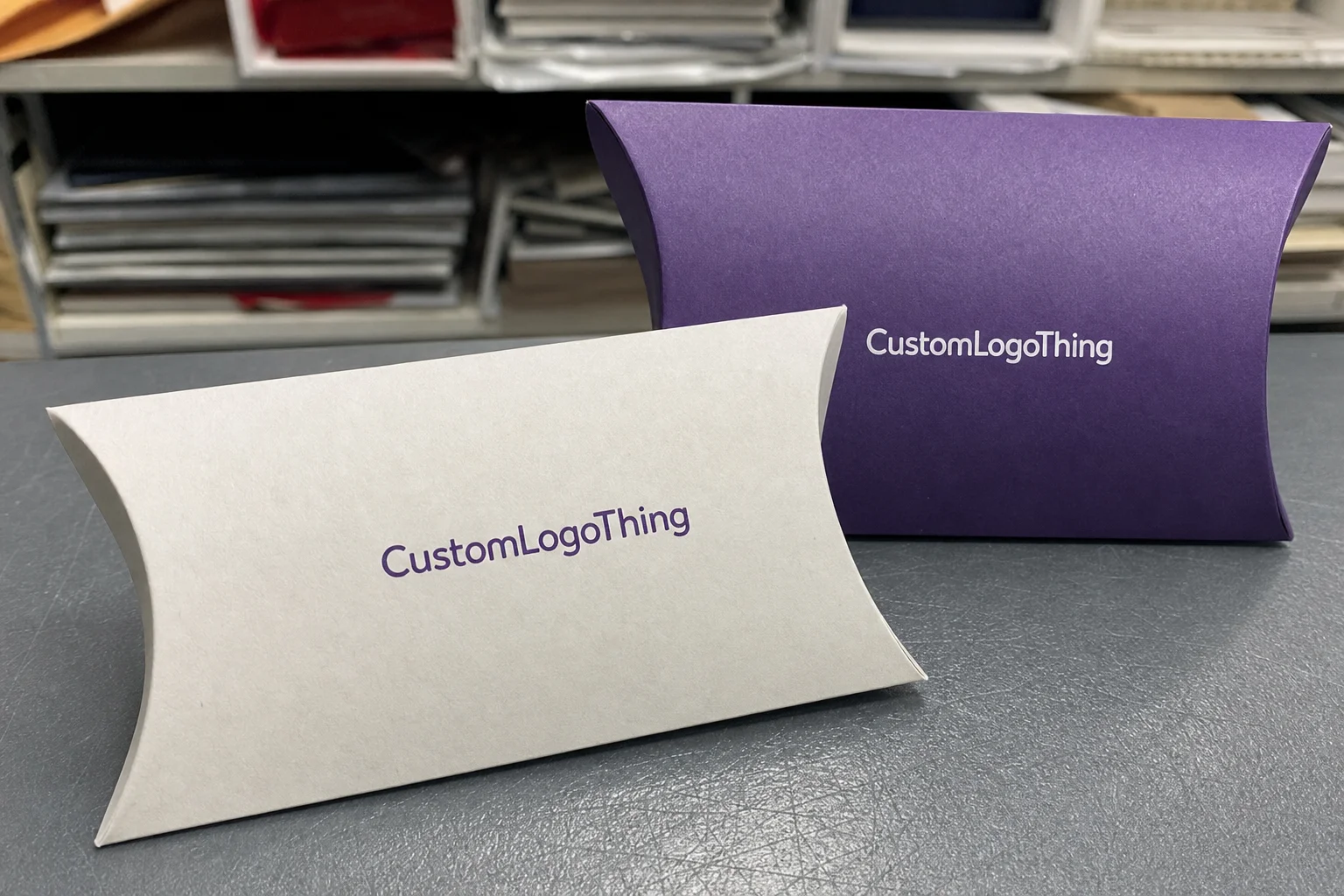
Common formats include mailer boxes, folding cartons, rigid boxes, belly bands, corrugated shipping cartons, and molded pulp inserts. I’ve seen linen brands use a simple kraft folding carton with a printed sleeve and still look upscale, while a bath salts company used a rigid setup box because its seasonal gift sets needed more shelf theater. A 16 pt folding carton with aqueous coating is not the same thing as a 2-piece rigid box wrapped in 157gsm specialty paper, and the structure should fit the channel, not just the mood board. That is the real heart of custom packaging for artisanal home goods.
“The best packaging I ever approved on a pilot line looked almost boring in CAD, but once the ceramic vessel sat snug in the insert, the drop-test failures disappeared.” — a packaging engineer I worked with on a Midwest home fragrance program
How Custom Packaging for Artisanal Home Goods Works
The process starts with measurements, and I mean exact measurements, not “about four inches.” A good packaging team will ask for product length, width, height, weight, center of gravity, surface finish, and fragility. For custom packaging for artisanal home goods, that may also include scent sensitivity, moisture exposure, and whether the item arrives nested, wrapped, or loose. A glazed ceramic planter and a beeswax candle do not behave the same way in transit, and the packaging should reflect that. If the item weighs 1.8 lbs and has a glossy glaze, it needs a different insert strategy than a 6 oz matte ceramic soap dish.
Next comes the structural recommendation. A packaging designer may propose a folding carton for retail display, a corrugated mailer for direct-to-consumer shipment, or a rigid box if the item is being positioned as a gift. Dielines matter here because a 2 mm shift can create a loose fit that rattles during parcel vibration. I’ve stood beside operators on corrugated converting lines in Suzhou where the difference between a successful packout and a return request came down to a five-ply insert that held a bottle neck 1/8 inch tighter. That kind of tiny detail is annoying, yes, but packaging is basically a long argument with gravity, and gravity usually wins if you get lazy.
Prototype samples usually follow. That might mean a plain white mockup on a plotter, a digitally printed proof, or a structural sample with no graphics at all. The point is to test the fit before committing to a full production run. In serious custom packaging for artisanal home goods work, prototype testing should include packing by hand, stacking cartons, moving them on a pallet, and shipping a few pieces through the same carrier service the customer will use. A 3-foot drop test from each face, edge, and corner exposes weak spots faster than a drawing on a screen, and it saves you from discovering a failure after 2,000 pieces are already printed.
Printing and finishing come after structure, though plenty of buyers think about finishes first. Digital printing is ideal for smaller runs and version changes. Offset printing gives cleaner control on larger lots, especially if you need exact brand colors like Pantone 7528 C or a specific warm kraft tone. Foil stamping can add a metallic accent, embossing gives a tactile lift, matte lamination softens the visual field, soft-touch coating creates a velvet feel, and spot UV highlights a logo or pattern. Used well, those details can make custom packaging for artisanal home goods feel considered instead of crowded, especially on a 6 x 4 x 3 inch carton that would otherwise disappear on a shelf.
In real production environments, you’ll see corrugated converting lines punching out mailers, folder-gluers knocking out folding cartons, and rigid box wrapping stations where boards are wrapped by hand or semi-automatically. I still remember a supplier meeting in Shenzhen where a rigid box line was running so cleanly that the operator could spot an off-square wrap from three stations away. That level of control is what gives premium packaging its edge, and it is one reason custom packaging for artisanal home goods can feel expensive in the best possible way, especially when the outer wrap is 157gsm art paper and the board is 1200gsm chipboard.
For brands trying to understand the process from a standards angle, I often point people toward the ISTA packaging test standards and the general packaging resources from the U.S. EPA recycling guidance. Those references won’t design the box for you, but they do help frame testing and material choices in a more disciplined way, especially if you’re trying to sell into retail chains in California or the Northeast where material declarations come up fast.
Key Factors That Shape Custom Packaging for Artisanal Home Goods
Protection comes first, even when the brand is luxury-forward. If a ceramic vase breaks in a retailer’s back room, the packaging failed no matter how beautiful the outer print looked. For custom packaging for artisanal home goods, board grade and flute profile should match the stress level. A lightweight linen spray may do fine in SBS paperboard with a well-designed insert, while a heavier candle vessel may need E-flute corrugated or B-flute shipper protection. For fragile items, I’ve seen molded pulp outperform foam in real use because it holds shape, adds cushioning, and feels more responsible to the customer. A molded pulp insert with a 2.5 mm wall can hold up better than cheap EPS that crushes if someone leans on the carton in a warehouse queue.
Material choices affect both presentation and cost. Kraft paperboard signals earthy, handmade authenticity. SBS gives a bright, smooth print surface. CCNB can be a practical middle ground for retail cartons. Rigid chipboard creates the dense, premium feel associated with gift boxes. Corrugated board is usually the workhorse for shipping. Molded pulp is increasingly common when brands want a protective insert with a lower plastic profile. In custom packaging for artisanal home goods, the best material is usually the one that serves the product, the channel, and the brand image all at once, whether that means 18 pt SBS for a soap bar or E-flute corrugate for a 24 oz glass jar.
Branding is where many teams spend in the wrong places. Too many small makers add three foils, two laminations, and a spot varnish because they want the box to “feel premium,” when one textured paper wrap and a precise logo emboss can do more. Color palette matters. Typography matters. Surface texture matters. A rustic soy candle line may look best with uncoated kraft and one-color ink, while a boutique bath brand might earn better shelf appeal from soft-touch coating and a restrained gold accent. custom packaging for artisanal home goods should make the brand feel intentional, not noisy, and it should do that with one clear hierarchy instead of seven competing design ideas.
Sustainability deserves a clear-headed approach. Use recycled content where it does not compromise protection. Right-size the carton so there is less void fill. Choose mono-material structures when possible, especially if your customer cares about curbside recyclability. Avoid making claims you can’t back up with supplier documentation. I’ve sat through more than one client call where “eco-friendly” meant almost nothing because no one could explain the exact board grade, ink set, or recovery path. In custom packaging for artisanal home goods, the honest sustainability story is usually stronger than the flashy one, and it’s a lot easier to defend if a retailer in Seattle asks for proof.
| Packaging Option | Typical Use | Approx. Unit Cost at 5,000 pcs | Notes |
|---|---|---|---|
| Kraft folding carton | Light retail goods, soap, linens | $0.22–$0.48 | Good print feel, modest protection |
| Mailer box with insert | E-commerce candles, mugs, gift sets | $0.68–$1.45 | Strong transit performance, better unboxing |
| Rigid box | Premium sets, seasonal gifts | $1.90–$4.80 | High perceived value, more assembly labor |
| Molded pulp + shipper | Fragile ceramics, glass, jars | $0.55–$1.20 | Protective and more sustainable-looking |
Those numbers are directional, not universal. Thickness, print coverage, and assembly complexity can move them up fast. A 1-color kraft carton in a 5,000-piece run from a supplier in Dongguan may come in near the bottom of that range, while a rigid magnetic closure box produced in Ho Chi Minh City with foil and embossing can jump well beyond it. Still, they show the core point: custom packaging for artisanal home goods can fit a surprisingly wide range of budgets if you decide where to spend and where to simplify.
Step-by-Step Process for Designing and Ordering Custom Packaging for Artisanal Home Goods
Step 1: Audit the product line. Measure every item in millimeters, not guesses. Note weight, finish, breakability, scent, and whether the product can scratch itself or neighboring pieces. I once reviewed a linen-and-soap gift set where the soap bars were shaving little flakes off the paper wrap because the spec never accounted for friction inside the shipper. That kind of detail matters in custom packaging for artisanal home goods, especially when a 4 oz soap is sharing space with a folded hand towel and a 2 oz glass bottle.
Step 2: Define the customer experience goals. Ask whether the package is primarily for retail display, e-commerce unboxing, giftability, or wholesale shipping. A boutique shelf carton needs different graphics than a DTC shipper. If the package has to do both, the structure may need a dual role, such as a printed mailer with a clean interior and a branded insert. Good custom packaging for artisanal home goods starts by naming the channel clearly, because a box that works in a candle shop in Nashville may not survive a UPS route through Chicago in February.
Step 3: Select the structure and request a sample. Do not skip prototyping. A dieline might look perfect in a PDF and fail the minute a customer tries to open it with damp hands after a shower. Ask for a mockup, test the closure, test the tear strip if there is one, and check how the insert behaves after packing. In custom packaging for artisanal home goods, a single prototype can save you from thousands of failed units, and it can prevent a last-minute redesign when your first 1,000 cartons arrive 3 mm too tight.
Step 4: Review artwork requirements. Confirm bleed, safe zones, barcode size, care icons, batch codes, and any legal copy. If the item contains fragrance or is a bath product, regulatory language may need to be considered depending on the market. Make sure the design team knows where text can live without crowding the logo. I’ve seen beautiful packaging ruined by a barcode shoved across a front panel because nobody planned the print map early enough. That is avoidable in custom packaging for artisanal home goods, and it’s easier to fix on a screen than after plates are already made in Guangzhou.
Step 5: Approve pre-production samples and align packout with fulfillment. Before the full run, confirm assembly method, carton count per case, pallet pattern, and how the fulfillment team will actually load it. If your packout takes 90 seconds per unit by hand, the labor cost can erase the margin benefit. The best custom packaging for artisanal home goods is the one your team can use consistently on a busy Tuesday at 4 p.m., not just in a sample room where three people and a clipboard are standing around pretending everything is fine.
For sourcing support, many brands begin by reviewing Custom Packaging Products options alongside structural samples from their converter, then narrowing the field to the two or three designs that balance look, Cost, and Protection most effectively. If your manufacturer can quote both a 16 pt C1S fold and a 32 E-flute mailer in the same meeting, you’ll usually get to a better answer faster.
Timeline, MOQ, and Pricing Realities for Custom Packaging for Artisanal Home Goods
Most packaging projects move through concept, structural sampling, artwork proofing, production, finishing, and freight. That sounds simple until you realize each stage has an approval gate, and one delayed proof can push the whole schedule. A straightforward custom packaging for artisanal home goods job might take 12 to 15 business days from proof approval on a domestic run, while more complex rigid packaging can stretch to 20 to 30 business days once assembly and inbound materials are included. If a vendor promises near-immediate custom work on a complex box, I’d ask how they are handling tooling, proofing, and print consistency. I’ve been in enough “sure, no problem” meetings to know that vague optimism is not a production plan.
Minimum order quantities vary by format. Digital print folding cartons may start lower, sometimes in the 500 to 1,000 unit range, while offset and rigid structures often become more efficient around 2,500 to 5,000 pieces. That does not mean a smaller maker should wait until they can buy huge volumes. It means You Need to Know where the cost curve flattens. For custom packaging for artisanal home goods, smaller makers often start with simpler structures or shared tooling, then move up once the sell-through proves the design. A 1,000-piece test run in a 6 x 6 x 4 inch mailer can tell you more than a spreadsheet full of guesses.
Pricing is driven by setup fees, die cutting, print plates, board grade, insert complexity, special finishes, and assembly labor. If you add foil, embossing, and a multi-part insert, you will feel it in the quote. If you move from a one-color kraft print to full-coverage offset graphics, the price changes again. I usually tell clients to budget packaging the way they budget freight: the cheapest line item is not always the cheapest outcome. With custom packaging for artisanal home goods, a box that prevents one damaged return can pay for itself faster than expected, especially if the replacement item costs $22.00 and the round-trip shipping costs another $14.00.
Here is a simple way to compare the economics:
| Option | Best For | Setup Complexity | Typical Cost Behavior |
|---|---|---|---|
| Stock box + custom label | Testing demand | Low | Lowest upfront cost, limited brand impact |
| Semi-custom mailer | DTC orders | Moderate | Good balance of cost and presentation |
| Fully custom printed packaging | Premium retail or gift sets | Higher | Best brand fit, better unit economics at scale |
For artisanal brands, a slightly higher unit cost is not always a problem. If the carton reduces breakage from 4% to 1%, improves reorder rates, and cuts customer service complaints by half, that extra $0.20 or $0.40 can be well spent. I’ve seen one Vermont candle maker move from a $0.31 stock mailer to a $0.58 custom insert system and save nearly $1,200 in replacement shipments over a quarter. That is why custom packaging for artisanal home goods should be judged on total economics, not carton price alone.
Common Mistakes to Avoid When Choosing Custom Packaging for Artisanal Home Goods
The first mistake is designing for aesthetics only. I understand the temptation because packaging design is fun, and a good mood board can make everyone feel creative. But a pretty box that fails drop testing or crushes under pallet stacking is a liability. With custom packaging for artisanal home goods, beauty has to survive handling, not just a photo shoot. A box that looks great on a Canva board but collapses under a 300 lb top load is not premium. It’s decorative disappointment.
The second mistake is choosing a carton that is too large. Oversized packaging increases void fill, freight expense, and movement inside the box. I’ve seen a small ceramic cup shipped in a mailer so large that the product bounced between two corners like a marble in a shoebox. The customer paid for air, and the brand paid for the return. Right-sizing is a practical win in custom packaging for artisanal home goods, and it often means shaving 1/2 inch off each dimension can cut both carton cost and DIM weight charges.
The third mistake is overcomplicating the structure. Too many materials, inserts, and finishes slow assembly and make quality control harder. A package with one clever insert, one strong print finish, and a clean closure is often better than a box stacked with decorative layers. Keep the packout efficient. If your fulfillment crew has to fold four flaps, insert a liner, add tissue, tape a seal, and then place a sticker, the labor math will start to hurt. That is true in custom packaging for artisanal home goods just as much as in any other category, especially when you’re paying $18 to $22 per hour for packing labor in a city like Denver or Philadelphia.
The fourth mistake is forgetting the channel. A design that works for boutique retail may not survive e-commerce parcel handling, and a subscription box structure may not look premium enough on a shelf. Handmade brands often sell through multiple channels, so the packaging has to be chosen with those routes in mind. Sometimes the answer is a dual system: retail packaging for stores and shipper Packaging for Direct orders. That split is common in custom packaging for artisanal home goods, particularly for makers selling through both a store in Austin and a Shopify site shipping nationwide.
The fifth mistake is skipping real prototype testing. Not just one sample on a desk. I mean real product, real insert, real closure, real tape, and a few actual shipping simulations. When a packaging team skips this step, the first discovery often happens after a customer opens a damaged order. That is the expensive moment nobody wants in custom packaging for artisanal home goods, especially when the replacement has to cross the country from California to Maine at the brand’s expense.
Expert Tips to Make Custom Packaging for Artisanal Home Goods Work Harder
Tell a small, specific story. A package does not need a long essay to feel personal. A short note about the maker’s studio, the clay source, the reclaimed wood, or the hand-poured process often carries more weight than four crowded panels of copy. That kind of restraint is one reason custom packaging for artisanal home goods can feel warm instead of busy, especially if the inside panel includes one clean sentence and a website URL instead of a wall of marketing fluff.
Choose one tactile premium detail and let it do the work. Embossing, textured paper, or a custom insert can create a stronger impression than piling on finish after finish. When I toured a rigid box line near Guangzhou, the cleanest-looking gift set had only two upgrades: a soft-touch wrap and a tight-fitting molded insert. Customers loved it because it felt deliberate. Good custom packaging for artisanal home goods usually wins by precision, not clutter, and a $0.09 emboss can do more than $0.60 in extra decoration.
Design for fulfillment efficiency. Reduce fold steps. Standardize insert sizes. Minimize loose fill. If your team can pack ten units in the time it once took to pack six, that affects labor, throughput, and morale. Packaging should help the operation breathe, not slow it down. That is an often-missed advantage of smart custom packaging for artisanal home goods, especially in a small warehouse where one extra motion per carton becomes 500 extra motions by lunch.
Think modular. One outer box can support multiple products if the insert changes intelligently. That lets a candle brand, for example, use one printed shipper for two jar sizes, with only the internal fit adjusted. It simplifies purchasing and keeps brand presentation consistent across the line. For growing makers, modular custom packaging for artisanal home goods is one of the cleanest ways to scale without redesigning everything from scratch, and it can cut SKU count by 30% or more if the ranges are planned well.
Build in useful post-purchase features. A box that reseals well, opens cleanly, or stores beautifully has a second life. Customers may reuse it for gift storage, seasonal decor, or shipping a return. That extra utility deepens brand goodwill. Honestly, I think this is where many artisan brands can stand out, because thoughtful custom packaging for artisanal home goods can still feel practical long after the first unboxing, especially if the carton is sturdy enough to live on a closet shelf for six months.
What to Do Next With Your Custom Packaging for Artisanal Home Goods
Start with the facts. List your top three products, their exact dimensions, their weights, and the one packaging problem each item has today. Is it breakage? Is it shelf appeal? Is it labor time? Once you know the problem, custom packaging for artisanal home goods becomes a lot easier to scope. A 7.25 x 7.25 x 4.5 inch jar candle needs a very different answer from a 12-inch cutting board or a set of three linen napkins.
Then gather reference images. Save examples of packaging you like and write down what you want to keep, what you want to avoid, and what would fit your budget. A good brief might mention uncoated kraft, magnetic rigid boxes, printed mailers, or molded pulp inserts. The clearer the brief, the better the first prototype. That clarity matters in custom packaging for artisanal home goods because every visual choice has a cost and a functional consequence, and every extra finish usually adds real dollars to the quote.
Build a short packaging brief that includes quantity targets, shipping method, desired finish, and brand personality. If you can, request one prototype for the most fragile product and one cost-efficient path for the best-selling product. That side-by-side comparison often reveals which direction makes business sense. In my experience, the smartest brands do not ask, “What is the fanciest option?” They ask, “Which custom packaging for artisanal home goods option protects the product, supports the brand, and stays inside the margin we actually have?” That’s the question that keeps the accounting team from sending you a passive-aggressive email at 5:12 p.m.
Finally, test the box the way the customer and fulfillment team will use it. Pack it. Seal it. Stack it. Open it. If it feels awkward in your hands, it will feel awkward in the warehouse. If it rattles on the bench, it will rattle in transit. That simple reality has saved more packaging programs than any glossy presentation ever did, and it is why custom packaging for artisanal home goods deserves a practical, hands-on approach from the first sample in a Brooklyn studio to the last pallet leaving a factory in Dongguan.
FAQ
How does custom packaging for artisanal home goods reduce damage during shipping?
It matches the box, insert, and cushioning to the product’s exact shape, weight, and breakage risk. That tighter fit reduces movement inside the carton and improves resistance to drops, vibration, and compression during parcel handling, whether the order ships from a warehouse in Ohio or a fulfillment center in Southern California.
What is the most cost-effective packaging format for custom packaging for artisanal home goods?
Simple folding cartons with a custom mailer or shipper are often the most economical starting point. The best choice still depends on whether the product needs retail display, premium presentation, or heavier transit protection, and a 500-piece test run can reveal that faster than guessing.
How long does custom packaging for artisanal home goods usually take from concept to delivery?
Timing depends on sampling, proofing, production, and freight, so the full process usually includes several approval stages. A typical domestic run can take 12 to 15 business days from proof approval, while complex rigid boxes from overseas factories may take 20 to 30 business days plus ocean or air freight.
What materials work best for artisanal home goods packaging?
Kraft paperboard, SBS, corrugated board, rigid chipboard, and molded pulp are all common depending on the product and brand style. Fragile or premium items often benefit from a mix of protective structure and a visually refined outer finish, such as 350gsm C1S artboard on a folding carton with an E-flute shipper.
Can custom packaging for artisanal home goods be sustainable and still look premium?
Yes, by using recycled content, right-sized structures, and thoughtful print choices instead of excessive coatings or mixed materials. Premium can come from texture, structure, and precision fit just as much as from heavy decoration, especially when the board is sourced from a certified mill and the insert is molded pulp rather than plastic foam.
custom packaging for artisanal home goods is one of those investments that looks simple on paper and reveals its value on the factory floor, in the warehouse, and on the customer’s kitchen table. When the fit is right, the print is clean, and the structure matches the product’s real risks, custom packaging for artisanal home goods protects margin, supports brand perception, and makes a handmade product feel finished in the best possible way. If you are mapping your next package, start with exact product measurements, a real shipping method, and one prototype that proves the structure before you spend money on the full run. That’s the move that keeps pretty boxes from turning into expensive problems.