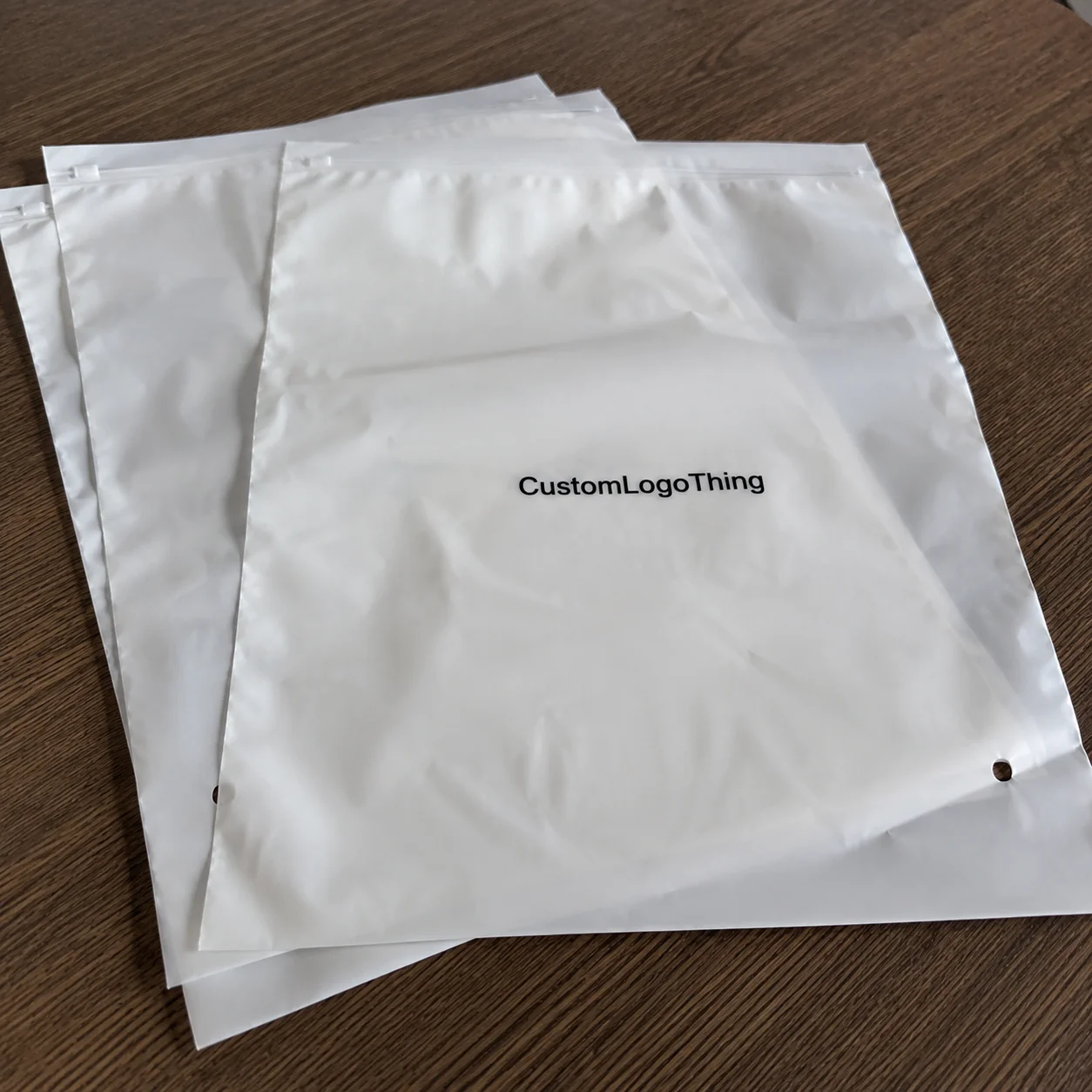
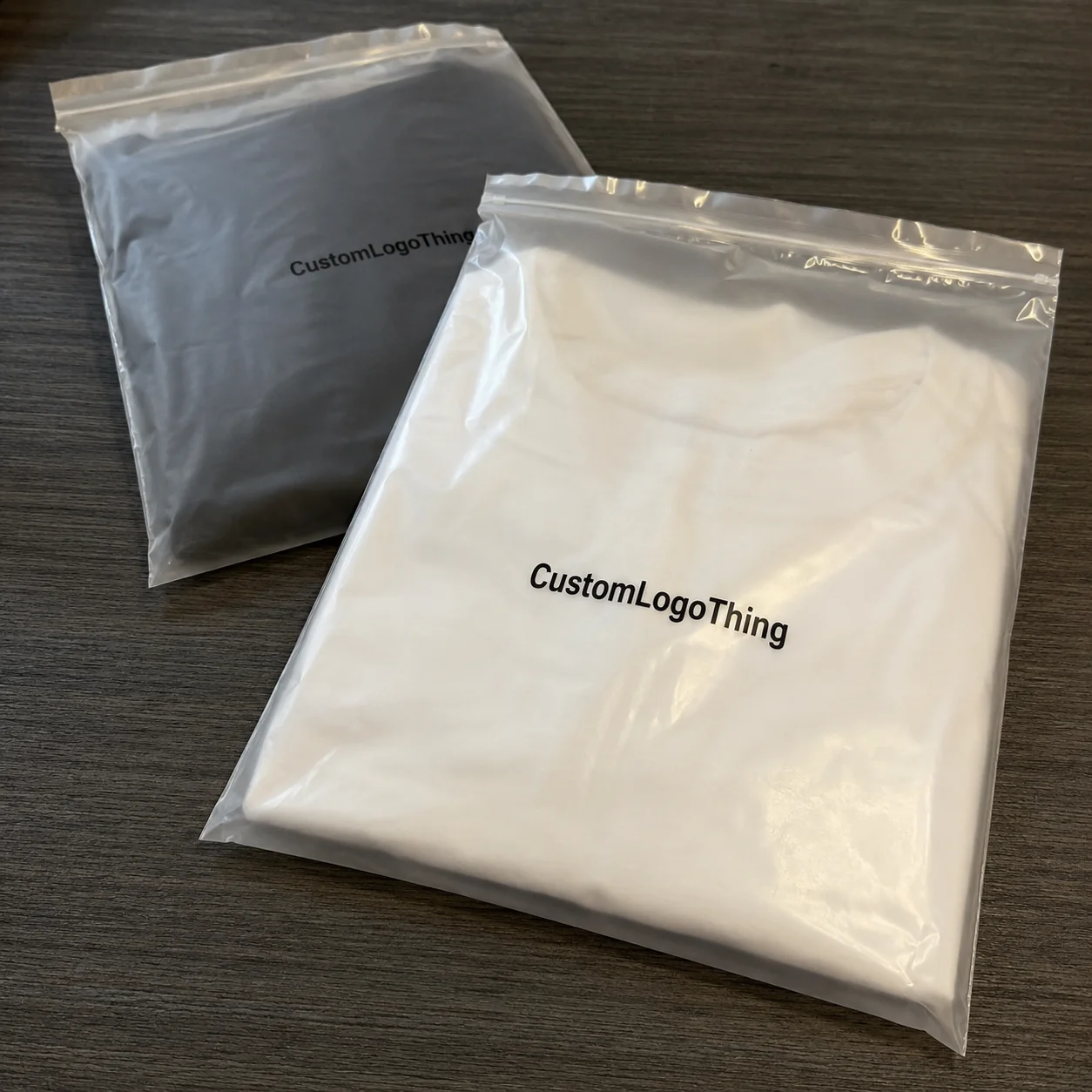
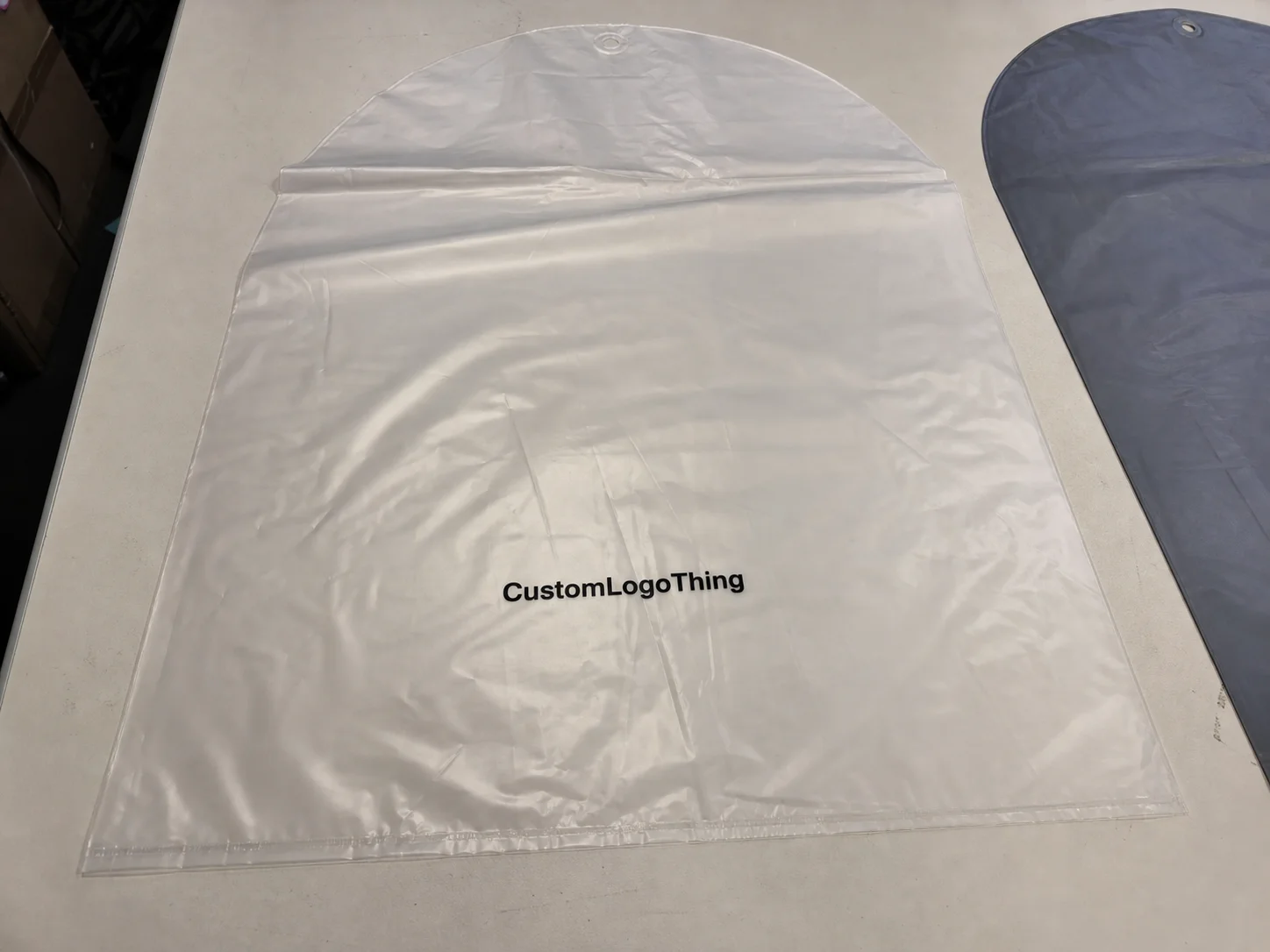
Buyer Fit Snapshot
| Best fit | Branded Packaging for Artisan Brands projects where brand print, material claims, artwork control, MOQ, and repeat-order consistency need to be specified before quoting. |
|---|---|
| Quote inputs | Share finished size, material target, print colors, finish, packing count, annual reorder estimate, ship-to region, and any compliance wording. |
| Proofing check | Approve dieline scale, logo placement, barcode or warning zones, color tolerance, closure strength, and carton packing before bulk production. |
| Main risk | Vague material claims, crowded artwork, missing packing details, or unclear freight terms can make a low unit price expensive after revisions. |
Fast answer: Branded Packaging for Artisan Brands: Quote Scope, Sample Proof, MOQ, and Lead Time should be specified like a repeatable production item. The safest quote records material, print method, finish, artwork proof, packing count, and reorder notes in one written spec.
Production checks before approval
Compare the actual filled-product size with the drawing, then confirm tolerance on folds, seals, hang holes, label areas, and retail display edges. Reserve space for logos, QR codes, warning copy, and material claims before decorative graphics fill the panel.
Quote comparison points
Review material grade, print process, finish, sampling route, tooling charges, carton quantity, and freight assumptions side by side. A quote is only useful when the supplier can repeat the same color, closure quality, and packing count on the next order.
Why Branded Packaging for Artisan Brands Feels Different
On a hot afternoon at a folding carton plant outside Dongguan, I watched a press operator slow the line down by just 6 seconds per stack because a soft-touch coating was picking up tiny dust specks under the lights. That kind of discipline is exactly why branded Packaging for Artisan brands can feel handmade even when it is built on very controlled printing, folding, and finishing steps. The irony is almost funny: the most “organic-looking” carton on the shelf is often the one that has been measured, caliper-checked, and fold-tested the most carefully.
In practical terms, Branded Packaging for Artisan brands is the collection of cartons, labels, inserts, wraps, mailers, sleeves, and shipper boxes that carry a maker’s story while still protecting the product. I’m talking about a 350gsm C1S carton for a candle, a kraft corrugated mailer for soap bars, a belly band on a pastry box, or a rigid lid-and-base presentation box for a small batch tea set. The packaging is not just decoration; it is the first physical handshake between the customer and the brand.
Honestly, I think a lot of people underestimate how much emotion lives in the first 10 seconds after unboxing. If the tissue paper is wrinkled, the insert is loose, or the sleeve arrives scuffed, the whole brand can feel cheaper than it really is. I’ve seen a $14 jam jar presented in a simple but beautifully printed sleeve feel more premium than a $40 gift set packed in a box that looked overdesigned and overstuffed. That is the quiet power of branded Packaging for Artisan brands.
Artisan packaging differs from mass-market packaging because it usually leans on texture, restraint, material honesty, and personality rather than loud graphics and aggressive shelf shouting. You might see uncoated stock, blind embossing, a single foil accent, or a natural kraft finish with one deep Pantone color. That restraint is not laziness. Done well, it signals confidence, small-batch care, and package branding that matches the product story instead of drowning it out.
Here’s what most people get wrong: they think “handcrafted” packaging should look rough. In my experience, the opposite is true. The packaging can look warm, tactile, and artisanal, but the dimensions still need to hold within a millimeter, the glue lines need to stay clean, and the print registration needs to sit right on the fold. The charm comes from the finish choices, not from sloppy production.
Over the next few sections, I’ll walk through how branded packaging for artisan brands actually gets made, what drives cost, what timelines look like, and the mistakes I see most often when brands rush from concept to print without enough testing. If you are comparing packaging design options or mapping out your next run of custom printed boxes, this will give you a grounded place to start.
How Branded Packaging for Artisan Brands Works
Branded packaging for artisan brands usually begins with a structure decision, not a graphic one. A good packaging supplier will ask for the product dimensions, the shipping method, the retail environment, and the target price point before anyone opens Illustrator. From there, the workflow typically moves through dieline creation, structural testing, artwork setup, proofing, production, finishing, and fulfillment. Each step matters because a beautiful box that doesn’t close properly is just an expensive paper sculpture.
When a maker brings us a new product, I like to think in terms of the packaging system rather than the individual box. A system might include a folding carton for retail, a corrugated shipper for e-commerce, a custom insert to hold glass jars upright, and a branded sleeve or label to unify the presentation. That is how branded packaging for artisan brands starts feeling cohesive across retail packaging and shipping packaging, even when the product moves through very different channels.
Printing method changes the mood as much as the artwork does. Offset lithography gives sharp image quality and strong color consistency on medium and larger runs. Digital printing can be a smart choice for smaller batches or frequent artwork changes. Flexographic printing is still common for labels, mailers, and high-volume corrugated work. Then you have foil stamping, embossing, debossing, and spot UV, each adding a different tactile and visual note. I’ve seen a simple two-color label feel far more premium than a crowded eight-color design because the finishing was chosen with discipline.
Materials that show up most often
Paperboard is the workhorse for a lot of branded packaging for artisan brands, especially for tea, candles, confections, cosmetics, and small gift items. Kraft board is a strong choice when the brand wants a natural, earthy look with decent stiffness and good print contrast. Corrugated board comes into play when shipping strength matters, especially for DTC orders that may be dropped, stacked, or left in a delivery van for hours. Specialty stocks can add texture and tone, while coatings like aqueous, matte varnish, and soft-touch lamination change both durability and feel.
Food-safe and moisture-resistant options matter too. A chocolatier, for example, may need a board with a grease-resistant barrier or a liner that handles product migration properly. A soap maker may need a wrap that tolerates light humidity without curling at the edges. None of that is glamorous, but it is exactly the sort of detail that separates decent product packaging from packaging that performs in the real world.
ISTA testing standards are worth knowing if you plan to ship fragile or premium items by parcel, because a package that survives a pretty countertop display still has to survive vibration, impact, and compression. I’ve sat through transit simulations where a box looked pristine until the drop test revealed a loose insert and a cracked jar. That is why structural testing belongs in the process before you lock artwork.
Branded packaging for artisan brands also has to balance beauty with practical concerns like retail display requirements, warehouse storage, and shipping efficiency. Flat-packed cartons are easier to store, but they need assembly time. Pre-assembled rigid boxes save labor on the line, but they cost more to ship and warehouse. If you are ordering custom printed boxes for a small team, those tradeoffs matter just as much as the color palette.
Key Factors That Shape Branded Packaging for Artisan Brands
Brand identity is the first big lever in branded packaging for artisan brands. A minimalist skincare label in an apothecary style does not need the same treatment as a playful bakery gift box or a heritage-style coffee sleeve. Typography, color palette, and visual density should match the product’s personality. If the brand story is quiet and craftsmanship-led, packaging design should leave room for that voice instead of crowding every panel with copy and icons.
Product characteristics come next. A 2.5-ounce bar of soap behaves very differently from a 16-ounce ceramic candle vessel or a fragile glass bottle of syrup. Weight, fragility, moisture sensitivity, shelf life, and temperature exposure all affect the format. I once worked with a small olive oil client whose first carton looked gorgeous but failed because the neck of the bottle pressed too hard against the top flap during thermal expansion. We solved it with a 1.5 mm insert adjustment and a slightly taller tuck, which saved the project and a lot of inventory.
Sustainability is part of the conversation almost every time now, but it needs to be handled honestly. Recycled content, FSC-certified paper, reduced plastic, and right-sized packaging can all lower environmental impact, yet not every green claim fits every product. If the item is oily, wet, or highly fragile, you may need a barrier or protective element that uses more material than a brand team would prefer. That is where the practical side of branded packaging for artisan brands has to meet the sustainability brief.
FSC certification can help brands communicate responsible sourcing, especially for paper-based cartons, sleeves, and inserts. I do, however, tell clients not to treat any one certification as a magic answer. If the structure is oversized and the shipper is half empty, the material story gets weaker no matter how good the logo looks.
Cost drivers are often more connected to complexity than to pure size. A one-color kraft sleeve with a single die-cut window is usually far less expensive than a six-color carton with foil, embossing, and a custom thermoformed insert. Quantity matters too, because setup costs, press prep, and die charges get spread over the run. For branded packaging for artisan brands, every extra component, every extra color, and every extra finish should earn its place.
Operational fit matters as much as design. If your fulfillment team is packing 500 orders a day, a box that takes 40 seconds to assemble may be a real bottleneck. If your warehouse only has 10 pallet positions open, a pre-assembled rigid box might be a bad fit even if it looks beautiful. I always ask whether the packaging needs to be flat-packed, kitted, or ready-to-fill, because the line speed and storage reality can make or break a launch.
Cost and Pricing: What Artisan Brands Should Expect
Branded packaging for artisan brands usually costs more per unit than big-run commercial packaging, and the reason is straightforward: setup is spread across fewer pieces. If a die costs $180, press prep costs another $250, and you only print 1,000 units, that overhead gets felt hard. The same project at 10,000 units looks very different on a per-unit basis. That is why small brands should always ask for tiered quotes rather than accepting one number and hoping it scales later.
Here is a simple way I explain the cost buckets to clients during supplier negotiations: design and dielines, plates or dies, substrate choice, print method, finishing, inserts, and freight. Design often gets underbudgeted because people focus on the box artwork and forget the structural work. Freight gets overlooked too, especially on heavier rigid boxes or shipper cartons. A 1,200-piece order of custom printed boxes can feel cheap until you add international shipping, palletization, and local delivery charges.
| Packaging option | Typical unit cost range | Best use case | Tradeoff |
|---|---|---|---|
| Simple folded label or sleeve | $0.08 to $0.22 each | Soap, candles, small gifts | Lower protection, limited structure |
| Folding carton with 1-2 color print | $0.22 to $0.65 each | Retail packaging for light products | Needs careful dieline setup |
| Corrugated mailer with branding | $0.70 to $1.80 each | E-commerce shipping | Less shelf elegance than rigid boxes |
| Rigid presentation box | $2.20 to $7.50 each | Gift sets, premium launches | Higher material and labor cost |
Those numbers are broad, of course, and they depend on quantity, geography, and finish choices. A 5,000-piece run of a 2-color folding carton in 350gsm paperboard might land around $0.28 to $0.42 per unit, while a 500-piece rigid setup with a wrapped lid and base can be several dollars each before freight. I’ve seen brands save real money by simplifying from three components to two, or by using one premium material rather than mixing multiple stocks that each require separate setup.
Where should a brand spend more? Usually on the things customers touch and keep. A rigid presentation box for a gift set, a custom insert that prevents breakage, or a tactile finish like embossing can carry more perceived value than an extra ink color no one notices. For branded packaging for artisan brands, tactile quality often beats graphic complexity. People remember how the box felt in hand long after they forget the exact pantone number.
One more practical point: ask for quotes at 1,000, 3,000, and 5,000 units if the project is new. The jump in price between tiers can reveal a lot about setup efficiency and minimum order realities. If your storage space can only hold 2 pallets, ordering 8 pallets of packaging may create a bigger headache than the savings justify. That is the kind of tradeoff most brands only learn after the first awkward warehouse day.
Step-by-Step Process and Timeline
The cleanest branded packaging for artisan brands projects follow a fairly predictable path, even when the brand is small and the product is highly custom. It usually starts with discovery: product dimensions, weight, shipping method, shelf environment, and brand mood. Then comes structure development, followed by artwork setup, sample production, revision, final approval, manufacturing, and freight. If one of those steps gets skipped, the project usually pays for it later in rework or delays.
Simple packaging moves faster. A basic label or folding carton might be ready in 10 to 15 business days after proof approval if artwork is clean and stock is available. A multi-component rigid box with a custom insert, foil stamping, and soft-touch lamination can take 25 to 40 business days, especially if specialty papers need to be sourced or if the project requires multiple physical samples. I’ve had factory teams finish a job early on paper, only to lose 5 days because a supplier missed the exact shade of uncoated stock the client had approved.
Sampling is where good projects get protected. You need to see color under real lighting, test the fit with actual products, and check how closures behave after repeated opening. I still remember a cosmetics client who loved the first sample until we set it on a retail shelf under warmer light. The ivory stock turned a little yellow, and the logo contrast dropped more than expected. We switched to a brighter substrate and adjusted the black ink density by 8 percent. Small change, big difference.
In the factory, the checkpoints that matter most are prepress review, first article inspection, in-line quality control, and final carton count verification. Prepress catches the bad dieline or typo before plates are made. First article inspection confirms that the first printed sheet or assembled unit matches the approved standard. In-line QC watches for registration drift, glue misalignment, and finish defects. Final count verification protects the brand from short shipments, which can cause a whole launch to slip by a week if there are not enough units to pack.
Here is a realistic sequence for a small but polished packaging program:
- Brief and product measurements: 2-3 days
- Dieline and structural review: 3-5 days
- Artwork setup and proofing: 4-7 days
- Sample production and testing: 5-10 days
- Final approval and production: 12-25 business days
- Freight and delivery: 3-12 days depending on route
That timeline can stretch if you add foil, embossing, specialty die-cuts, or imported paper stocks. It can also tighten if the design is simple and the supplier has the right paper in house. My advice is to plan backward from the launch date and leave a buffer of at least 10 business days. Packaging delays are rarely dramatic; they are usually death by a dozen little slips, like a late proof or a missing barcode.
Common Mistakes in Branded Packaging for Artisan Brands
One of the biggest mistakes I see is designing packaging that looks beautiful online but fails in transit or on a shelf. A matte black carton may photograph well, but if it scuffs badly against other boxes during shipment, the customer’s first impression is compromised. Branded packaging for artisan brands has to survive handling, humidity, and friction, not just a product photo shoot.
Another common issue is inconsistency across touchpoints. A maker may invest in a gorgeous folding carton but send products out in plain shipper boxes, or use a label style that doesn’t match the insert card. That inconsistency makes the brand feel less intentional. I once sat in a client meeting where the product itself was strong, but the carton, mailer, and thank-you card each looked like they came from three different businesses. The fix was not expensive: one color system, one type family, and one clear packaging hierarchy.
Fragile materials and delicate finishes can also backfire if they are not tested properly. Soft-touch lamination feels elegant, but it can show abrasion if stacked in a busy warehouse. Uncoated papers can feel authentic, but they may pick up dirt more easily. A foil detail can look refined, yet an over-pressed die might crack the print surface. None of these are dealbreakers, but they need to be considered before production starts.
Overcomplication is another trap. Too many SKUs, too many components, or too many finish effects can raise cost and slow operations. I’ve seen artisan brands create separate box versions for every flavor, scent, and seasonal variant when a modular label system would have done the job for less. The smarter move is often a core package with interchangeable panels or sleeves, especially when the product line changes often.
And please, do not skip the practical checks. Barcode placement matters. Ingredient panels matter. Legal copy matters. Closure testing matters. If the box has to stand upright on a shelf, the top flap should not bow. If it must be packed by hand, assembly time should be measured with real staff and not guessed in a design meeting. Packaging design only works when it is built for the actual workflow.
“The box looked perfect in the render, but the first real samples taught us that the insert was too tight by 2 millimeters. Once we corrected that, the whole launch felt calmer.”
Expert Tips for Stronger Branded Packaging
If I could give one rule to every maker investing in branded packaging for artisan brands, it would be this: choose one signature tactile element and let it do the heavy lifting. Maybe that is uncoated stock with a natural fiber look, maybe it is blind embossing, maybe it is a custom insert that cradles the product just right. When you try to layer foil, spot UV, embossing, and multiple textures all at once, the result often feels busy rather than premium.
Design for both e-commerce and retail if you can. A package should feel special when the customer opens the shipping carton at home, but it also has to read clearly on a shelf where shoppers may only give it 4 seconds of attention. That means strong hierarchy, legible typography at 6 to 8 point minimum where appropriate, and enough contrast that the key information is visible under store lighting. Branded packaging for artisan brands works best when it serves both moments with the same voice.
Build a packaging system, not just a box. The outer mailer, inner wrap, insert, label, and thank-you card should all share the same brand language, even if they are printed on different substrates. I like to keep a spec sheet with paper stock names, Pantone references, varnish notes, glue requirements, and fold orientation so future reorders stay consistent across runs and suppliers. That little file has saved me more than once when a client reordered six months later from a different production team.
Test with real products and real people before locking the design. Put the finished sample in the hands of fulfillment staff, not just designers. Ask a small group of customers whether the opening experience feels clear and satisfying. Check whether the box opens too tightly or whether the insert slows packing. This is where honest feedback beats polished opinion every time, especially for artisan Product Packaging That depends on a sense of care.
For more examples of finished structures and custom presentation formats, it helps to review a range of Custom Packaging Products and compare them against your product needs. If you want to see how other makers handled presentation, protection, and unboxing, the Case Studies page is a useful place to study real-world outcomes rather than mockups.
Next Steps to Plan Branded Packaging for Artisan Brands
The easiest way to get started with branded packaging for artisan brands is to document the facts first: product dimensions, shipping method, fragility, shelf life, and the overall brand mood. A packaging brief grounded in real measurements beats a vague style request every time. If the product is 3.25 inches wide, 2.1 inches deep, and 5.8 inches tall, write that down and include the tolerated variance, because that detail will shape the dieline.
Then build a short list of formats that genuinely fit the product. For some artisan brands, that means a folding carton and a corrugated shipper. For others, it might be a rigid presentation box with a tissue wrap and a small insert card. Compare protection, presentation, and unit cost side by side so you can see where the tradeoffs live. Branded packaging for artisan brands should feel intentional, not improvised.
Request physical samples of paperboard, corrugated board, and finishing options before you commit. There is no substitute for touching the stock, bending the flap, and seeing how the ink sits on the surface. I have watched clients change direction after seeing a single sample under natural light because the material told a better story than the original render did. That is not indecision; that is good buying.
Ask for quotes at two or three quantity tiers, then compare the unit price against storage space and cash flow. A lower per-unit cost only helps if you can actually hold the inventory without choking your back room. If your warehouse can comfortably store 1 pallet, a 5-pallet order may look attractive on paper and painful in practice. The smartest branded packaging for artisan brands decisions are the ones that support operations as well as marketing.
Before production begins, review the final proof with a checklist that covers size, copy, barcode, finish, color, and assembly instructions. If the packaging includes legal text or ingredient panels, verify those too. A 15-minute proof review can prevent a 3-week delay. That is a trade I will take every time, and after two decades on the floor, I can say that the brands who respect this step usually enjoy smoother launches and fewer emergency reprints.
If you are planning your next run of branded packaging for artisan brands, start with one clear format, one strong tactile choice, and one production partner who will tell you the truth about cost, lead time, and durability. That combination usually gets a small brand much farther than chasing every possible finish. The best packaging does not just look refined; it protects the product, fits the operation, and gives customers a reason to remember your name the moment they open the box.
FAQs
What makes branded packaging for artisan brands different from standard packaging?
It focuses more on storytelling, texture, and perceived craftsmanship instead of purely high-volume efficiency. In branded packaging for artisan brands, you often see uncoated stock, restrained color use, and tactile details that match a handmade or small-batch product. It still has to protect the item and work in shipping, retail display, and storage.
How much does branded packaging for artisan brands usually cost?
Pricing depends on quantity, material, print method, finishes, inserts, and whether custom tooling is needed. Small runs often cost more per unit because setup costs are spread over fewer boxes or labels. I always recommend requesting quotes at multiple volume levels so you can compare true per-unit cost against inventory and warehouse needs.
What packaging materials work best for artisan products?
Paperboard and kraft are common for lightweight cartons and sleeves, especially when the brand wants a natural look. Corrugated board is better for shipping protection and e-commerce orders. Rigid board, specialty papers, and food-safe or moisture-resistant stocks can be a better fit for gift items, cosmetics, candles, and gourmet products that need stronger presentation.
How long does the packaging process usually take?
Simple packaging like labels or basic folding cartons can move quickly once artwork and structure are approved. Custom rigid boxes, specialty finishes, and inserts take longer because they involve more setup, sampling, and quality checks. I tell clients to leave room for revisions, testing, and freight so the schedule does not become the bottleneck.
How can small brands keep packaging premium without overspending?
Use one strong design idea rather than many expensive effects, and choose a material that feels good on its own before adding a single finish where it matters most. Reduce component count, simplify artwork, and avoid unnecessary SKUs so production stays manageable. In my experience, branded packaging for artisan brands feels more premium when the brand is disciplined, not crowded with effects.