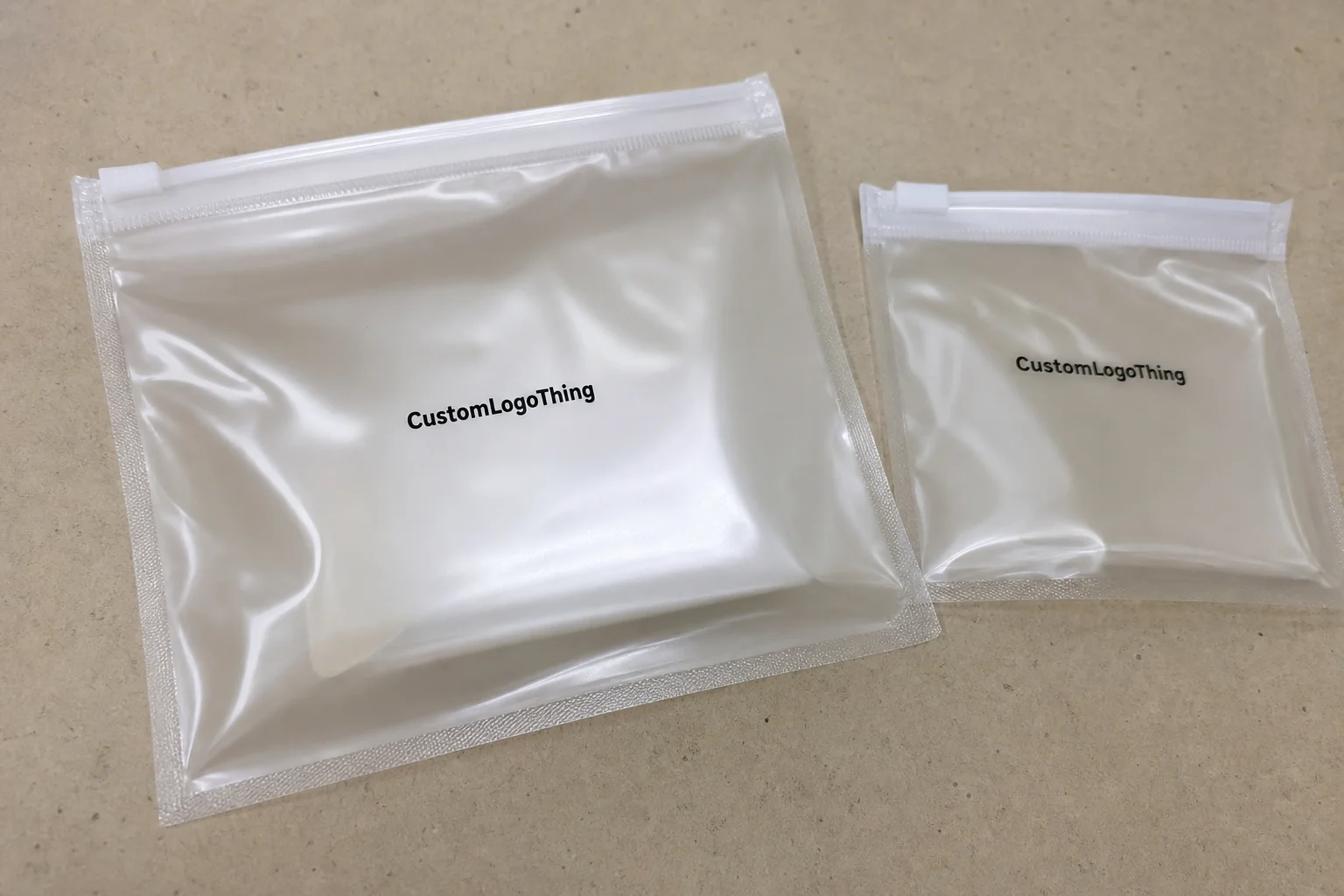
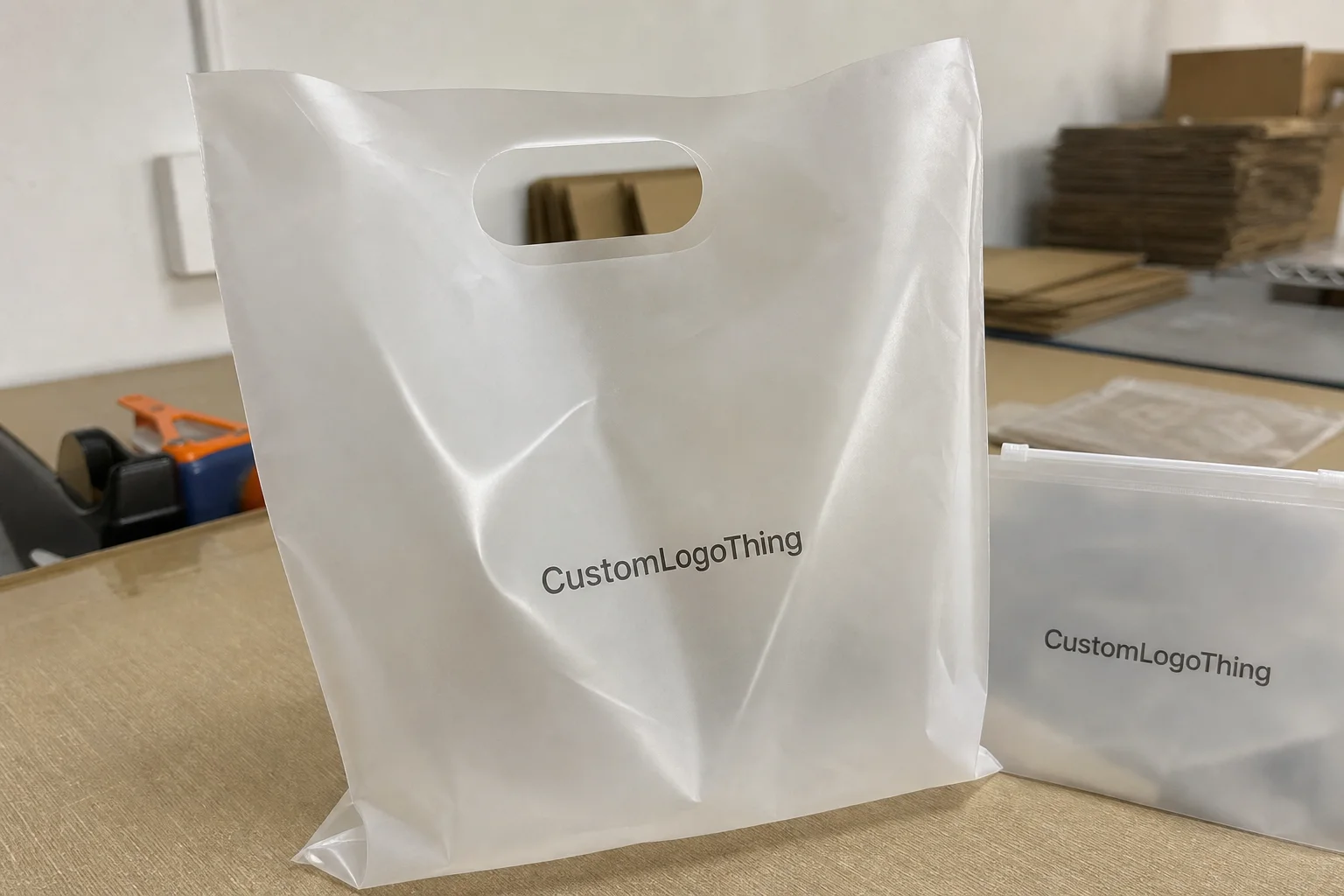
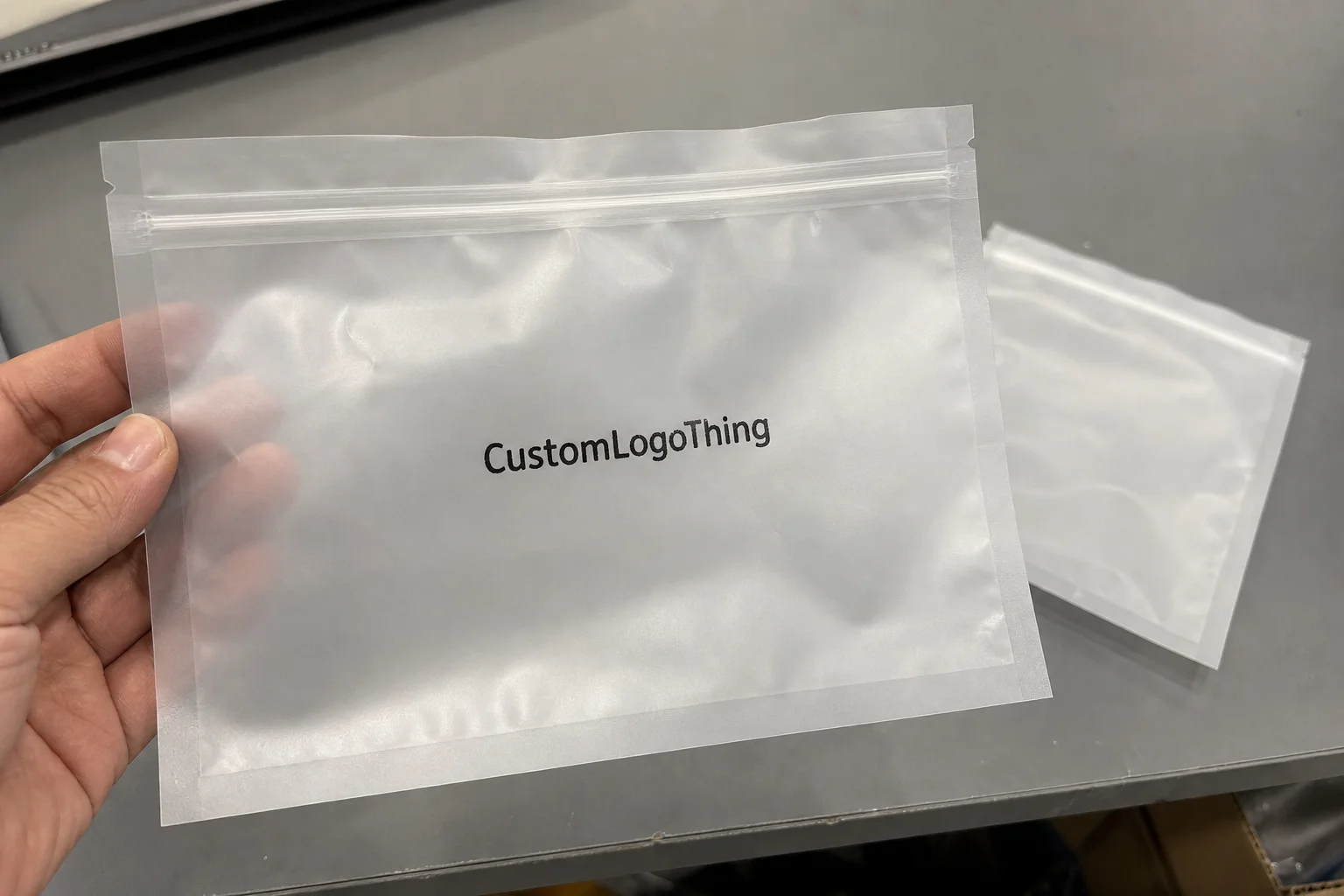
Buyer Fit Snapshot
| Best fit | Custom Packaging Solutions for Startups projects where brand print, material claims, artwork control, MOQ, and repeat-order consistency need to be specified before quoting. |
|---|---|
| Quote inputs | Share finished size, material target, print colors, finish, packing count, annual reorder estimate, ship-to region, and any compliance wording. |
| Proofing check | Approve dieline scale, logo placement, barcode or warning zones, color tolerance, closure strength, and carton packing before bulk production. |
| Main risk | Vague material claims, crowded artwork, missing packing details, or unclear freight terms can make a low unit price expensive after revisions. |
Fast answer: Custom Packaging Solutions for Startups: Material, Print, Proofing, and Reorder Risk should be specified like a repeatable production item. The safest quote records material, print method, finish, artwork proof, packing count, and reorder notes in one written spec.
Production checks before approval
Compare the actual filled-product size with the drawing, then confirm tolerance on folds, seals, hang holes, label areas, and retail display edges. Reserve space for logos, QR codes, warning copy, and material claims before decorative graphics fill the panel.
Quote comparison points
Review material grade, print process, finish, sampling route, tooling charges, carton quantity, and freight assumptions side by side. A quote is only useful when the supplier can repeat the same color, closure quality, and packing count on the next order.
Custom packaging solutions for startups can look simple on a screen and still wreck your margin in real life. I’ve watched a founder approve a beautiful mailer, then lose money on every order because the insert was 3 mm too loose and the box had to ship in an outer carton. That’s the kind of quiet leak that turns a “nice unboxing” into a finance problem. Custom packaging solutions for startups need to do three jobs at once: protect the product, support the brand, and keep shipping costs from eating the gross margin alive. On a $12 product, even an extra $0.18 in packaging and $0.22 in dimensional freight can hurt fast.
Honestly, that balance is where most first-time founders struggle. They focus on the mockup, then discover pack-out speed, damage rates, and freight dimensional weight are the real bosses in the room. I’ve been on factory floors in Shenzhen and Dongguan where a $0.07 change in board grade saved a client $8,400 across a 120,000-unit run. That’s not theory. That’s a supplier calling me back after seeing the purchase order and saying, “Sarah, you can do better than this spec.” In one case, switching from 300gsm SBS to 350gsm C1S artboard cut scuffing by 40% in transit.
If you’re building a DTC brand, subscription box, or crowdfunding product, custom packaging solutions for startups become part of the product experience. The box is often the first physical touchpoint. Sometimes it is the only touchpoint before a review gets written. So yes, packaging design matters. But so does structure, print method, storage space, and whether the warehouse team can actually fold the thing without cursing your name (which, frankly, happens more often than anyone admits). A 6,000-piece launch sitting in a 3PL in New Jersey can add $180 to $420 per month in storage if the box footprint is oversized by even 10 mm.
Custom Packaging Solutions for Startups: What It Really Means
Let me put this in plain English: custom packaging solutions for startups are packaging systems built around your product, your brand, your shipping method, and your budget. Not a generic brown box with a logo slapped on it. Not a fantasy prototype that only works if a team of angels hand-pack every order. Real custom packaging solutions for startups fit the item, survive transit, and still make the unboxing feel intentional. If the product is 92 mm wide and your insert cavity is 95 mm, that’s not “close enough.” That’s a rattle waiting to happen.
I had a client shipping ceramic mugs who wanted a slim mailer because it looked cleaner. On paper, fine. In a real drop test, not fine. The mug cracked in the corner because the insert had no crush resistance. We moved them to a 32ECT corrugated mailer with a molded pulp insert, and their damage rate dropped from 6.3% to under 1%. That’s what custom packaging solutions for startups are for. They solve actual logistics problems, not just mood-board problems. The finished system cost $0.41 more per unit, but returns fell enough to pay for it in six weeks.
There are three broad levels you’ll see in packaging design:
- Stock packaging — ready-made boxes or mailers with no structural changes. Cheapest to start, but limited in brand expression.
- Semi-custom packaging — stock structures with custom printing, labels, sleeves, inserts, or tape. Good middle ground for many startups.
- Fully custom packaging — die-cut dimensions, custom printed boxes, custom inserts, and finishes designed around one exact product or kit.
The trade-off is simple. The more flexible the packaging, the higher the unit cost and setup work. The more standardized the packaging, the easier it is to buy in small quantities and move quickly. Custom packaging solutions for startups usually start in the semi-custom zone because that’s where budget and brand can still shake hands. A stock mailer with a $0.09 custom label and a $0.06 insert can often beat a fully printed $1.10 box for an early launch.
And don’t forget the boring stuff. A gorgeous box that looks premium but takes 45 seconds to pack is a disaster for fulfillment. A package that feels cheap but ships safely may be the right move for a budget-sensitive launch. I’ve seen founders spend $1.80 on an outer box and then lose $4.20 in labor because the insert was a headache. That math gets ugly fast. On a 5,000-unit run, that is $21,000 in labor pressure before anyone notices the line item.
For brands in retail packaging, e-commerce, or subscription kits, package branding becomes part of your sales funnel. The product arrives. The customer opens it. The box does a little silent pitch. If it feels cheap, your brand feels cheap. If it’s overbuilt, your margins feel cheap. Cute, right? That’s why custom packaging solutions for startups need discipline, not just taste. A matte laminate on a 350gsm C1S mailer can feel premium without jumping into rigid-box territory at $2.50 a unit.
For more product options, I often point teams to Custom Packaging Products when they want to compare boxes, mailers, inserts, and branded accessories before locking a direction. A quick sample request from a supplier in Guangzhou or Ho Chi Minh City usually clarifies more than ten design calls.
Here’s the real definition I use with clients: custom packaging solutions for startups are a packaging system tailored to product dimensions, brand story, shipping method, and cost target, with enough flexibility to scale from pilot orders to repeat production. If your first order is 500 pieces and your second order is 5,000, the packaging should still work without redesigning the entire structure.
How Custom Packaging Solutions for Startups Work
Custom packaging solutions for startups usually follow a pretty predictable path, even if the paperwork feels messy. First comes the product brief. Then the dieline. Then material selection. Then print method. Then proofing. Then production. Then freight. If any one of those steps is vague, the project grows teeth. A clean brief with exact dimensions like 180 x 120 x 45 mm can save a week of back-and-forth with a supplier in Dongguan or Xiamen.
The packaging vendor handles pricing, material sourcing, production coordination, and often compliance guidance. A structural designer focuses on the shape and fit. The printer manages the actual ink, board, and finishing. A freight partner takes care of shipment from the facility to your warehouse, Amazon prep center, or 3PL. New founders often assume one supplier owns everything. Sometimes they do. Often they don’t. Ask. Clearly. I’ve learned that the hard way, usually while staring at a quote that mysteriously “didn’t include” half the project. One quote from Ningbo looked low until I saw palletizing, export cartons, and fumigation paperwork were all extra.
I remember one startup that wanted Custom Printed Boxes for a skincare line. Their vendor quoted a nice number, but nobody checked whether the jar lids could scuff against the rigid insert during transit. A simple revision to a deeper cavity and a 350gsm C1S sleeve fixed it. That was a two-day delay, not a two-month disaster. Small difference. Big result. The corrected insert added only $0.03 per unit across 8,000 pieces, which was cheaper than replacing 190 damaged jars.
Dielines and samples are not decorative extras. They are the reason custom packaging solutions for startups don’t blow up after the PO is signed. A dieline tells you exactly where folds, cut lines, glue flaps, and bleed areas go. A sample shows whether your product actually fits. A pre-production proof shows what the final print will likely look like. Skip those and you are basically ordering regret in bulk. I ask for physical samples whenever the product is fragile, liquid, or oddly shaped, because a JPEG won’t tell you if a 76 mm closure actually clears the flap.
Production methods matter too. Here’s the short version:
- Offset printing — best for sharper detail and larger runs, often with better color consistency.
- Digital printing — good for smaller quantities, faster changes, and lower setup costs.
- Flexographic printing — common for corrugated packaging, labels, and high-volume runs.
- Labeling — a strong option for low-volume custom packaging solutions for startups that want brand presence without full print tooling.
If you are doing 500 units, digital or labeled stock might make more sense. If you are doing 25,000 units, offset or flexo may drive the unit price down enough to matter. The honest answer is always volume-specific. Anyone selling you a one-size-fits-all answer is either new or trying to hit quota. In my notes, the break-even between digital and offset often shows up around 2,000 to 3,000 pieces, depending on ink coverage and setup fees.
Lead time depends on complexity. A simple mailer with one-color print might take 12–15 business days after proof approval. A fully custom setup with inserts, specialty coating, and imported freight can stretch to 5–8 weeks, sometimes more if the artwork keeps changing. Custom packaging solutions for startups work best when the decision-maker stays available and the file prep is clean. If the supplier is in Shenzhen and the freight is going to Los Angeles or Newark, build another 3–7 days for booking and customs clearance.
Cost and Pricing Factors That Shape the Final Quote
Let’s talk money, because that’s usually the first question and the one people dance around. Custom packaging solutions for startups are priced by size, material, print coverage, finish, quantity, and destination. If your box is larger, uses thicker board, has full-color printing inside and out, and ships halfway across the ocean, yes, the quote will be higher. Shocking, I know. A 250 x 180 x 80 mm mailer in Shenzhen will not price the same as a 310 x 240 x 120 mm rigid box from a factory in California.
The biggest cost drivers usually look like this:
- Dimensions — bigger packaging uses more board and freight space.
- Material grade — kraft paperboard, SBS, C1S, E-flute corrugate, RSC corrugated, rigid grayboard; each has a different price point.
- Ink coverage — one-color print is cheaper than full-coverage CMYK with white ink or metallic accents.
- Finishes — matte lamination, soft-touch, foil stamping, embossing, and spot UV all add cost.
- Inserts — molded pulp, EVA foam, pulp trays, and die-cut cardboard inserts all price differently.
- Quantity — more units usually means lower per-unit cost.
- Shipping destination — domestic freight, ocean freight, and air freight are not remotely the same animal.
Minimum order quantities matter a lot. A startup ordering 1,000 boxes may pay $1.10 per unit, while 10,000 units might drop to $0.42 per unit for the same spec. That doesn’t mean the 10,000-unit order is automatically smarter. It means the cost curve gets better if you can actually use them. Custom packaging solutions for startups should support growth, not warehouse clutter. A 500-piece pilot in Dallas or Toronto can be smarter than a 20,000-piece overcommitment if your product is still changing.
There are hidden costs too. People forget tooling, die-cut plates, sample fees, file corrections, import duties, and pallet freight. I once had a founder celebrate a “cheap” box quote at $0.29/unit, then call me angry when the landed cost jumped by 31% after duties and delivery to their 3PL in New Jersey. The supplier wasn’t lying. The founder just asked the wrong question. I hate that moment for them, because the invoice always arrives with zero sympathy. Add $85 to $180 for a pre-production sample, and suddenly the “cheap” order looks a lot less cute.
Here’s a simple comparison I use with clients:
| Packaging option | Typical startup use | Approx. cost range | Best for |
|---|---|---|---|
| Stock mailer + custom label | Low-volume launches | $0.18–$0.55/unit | Speed, low setup, testing demand |
| Semi-custom printed mailer | DTC subscriptions | $0.45–$1.10/unit | Branding with controlled spend |
| Custom printed box with insert | Premium product packaging | $0.85–$2.75/unit | Protection and presentation |
| Rigid box with specialty finish | Luxury or gift sets | $2.20–$6.50/unit | High perceived value |
Those numbers are not magic. They move with volume, material choice, and where you source. But they give you a sanity check before a supplier dazzles you with a “great deal.” Custom packaging solutions for startups should always be compared on landed cost, not just factory price. If a supplier in Vietnam quotes $0.38 per unit but freight adds $0.09 and duties add $0.05, the real number is $0.52.
Comparing quotes fairly means checking whether each supplier included the same assumptions: same size, same board grade, same ink coverage, same insert, same freight terms, same sample process. Otherwise you are comparing apples to a forklift. I like to ask for line-item quotes with the board spec, print method, carton count, pallet count, and destination zip code spelled out. That clears up confusion fast.
“The cheapest quote is often the one with the most missing line items.” I say that to clients all the time, because it’s usually true.
Step-by-Step: Choosing the Right Packaging for Your Startup
Custom packaging solutions for startups start with the product, not the logo. Measure the product length, width, height, and weight. Add fragility, shelf life, and shipping channel to the brief. A glass bottle, a protein powder pouch, and a phone accessory do not need the same packaging system. One is likely to need crush protection. Another may need a moisture barrier. Another just needs a decent mailer and a clean insert. If your jar is 84 mm tall, say 84 mm, not “roughly small.”
Next, decide what the packaging has to do for the brand. Are you trying to look premium? Reduce returns? Win retail shelf visibility? Keep fulfillment fast? Support sustainability claims? These goals can conflict. A rigid box may feel luxurious but be expensive and bulky. A kraft mailer may be cheap and recyclable, but it may not tell the story you want. Custom packaging solutions for startups work best when the priority is clear. A Shopify brand shipping 1,500 orders a month may care more about labor speed than about a foil stamp nobody notices.
I like to build a packaging brief with exact numbers. Not “small box.” Not “eco-friendly look.” I want dimensions, target unit cost, monthly forecast, print area, and any mandatory text. If the pack needs a barcode, ingredients, warning copy, FSC certification mark, or compliance details, list it early. That saves revisions. And revisions are where deadlines go to die. A clean brief with a $0.65 target unit cost and a 4,000-piece forecast gets a much cleaner response from a supplier in Guangzhou than a fuzzy idea and a Pinterest board.
When samples arrive, test them in real operations. Put the actual product in the box. Seal it. Shake it. Drop it from 30 inches if appropriate. Send three or five units through your normal shipping method. Better yet, have someone on the warehouse side pack 20 units and time them. If it takes 18 seconds more per order, that labor cost matters. Custom packaging solutions for startups are not just design exercises. They’re operational systems. At $18 per hour labor, those 18 extra seconds equal about $0.09 per order.
Here’s a practical decision flow I use:
- Step 1: Confirm product dimensions and shipping weight.
- Step 2: Decide whether protection or presentation comes first.
- Step 3: Choose box style, insert type, and print coverage.
- Step 4: Request samples and compare fit.
- Step 5: Test with a small internal shipment run.
- Step 6: Lock artwork only after final proof approval.
A lot of founders ask me whether they should start with custom printed boxes or custom labels. My answer is usually, “What are you selling, and how much can you really spend?” For a supplement brand shipping 3,000 units a month, a stock mailer plus branded label may be enough. For a premium candle brand, custom packaging solutions for startups may need printed sleeves, inserts, and a stronger structural box from day one. A candle shipped in a 32ECT corrugated carton with an 18 mm insert behaves very differently from one in a thin retail carton.
Industry standards also help. For shipping durability, I often reference ISTA testing protocols, and for paper sourcing, FSC certification can matter if you want to back up sustainability claims. If your pack needs to survive transit with fewer claims, look at ISTA resources at ISTA. If you are making environmental claims, check paper sourcing and recycled content guidance through FSC. You do not need to become a packaging engineer. But you do need to know the difference between marketing fluff and tested performance. A claim like “recyclable” means more when the substrate is actually a single-material kraft board from a documented mill in Taiwan or Malaysia.
Timeline and Process: From First Sample to Delivery
Custom packaging solutions for startups usually take longer than people expect, mostly because nobody finalizes anything on the first try. A realistic process looks like this: briefing, quote, dieline, sample, revision, proof, production, freight, delivery. If you are moving fast, the bottleneck is almost always artwork or feedback speed. One founder in Austin shaved nine days off a launch just by answering sample questions within 24 hours instead of three business days.
Here’s a typical timeline I’ve seen for a simple printed mailer: 2–4 days for quoting and structural confirmation, 3–7 days for sample review, 1–3 days for artwork revisions, 10–15 business days for production, and 3–8 days for shipping depending on location. Add more time if you need specialty finishes, custom inserts, or international freight. Custom packaging solutions for startups rarely punish the supplier first. They punish the team that delayed approvals by a week. If proof approval lands on a Monday, you can often see finished goods leave the factory in Shenzhen or Dongguan by the second or third week, depending on the run size.
Delay usually comes from five places:
- Artwork files with missing bleed or low-resolution logos.
- Last-minute size changes after the product changes.
- Color matching disputes because nobody approved a Pantone target.
- Freight booking issues, especially before peak shipping periods.
- Decision churn from too many internal stakeholders.
I once had a founder in Los Angeles lose nine days because three different people kept “finalizing” the copy on the back panel. One sentence changed. Then another. Then the legal team wanted a disclaimer. The sample was already in production. That is how custom packaging solutions for startups get delayed for no good reason. Everyone wanted to be helpful. Everyone was also somehow making it worse. The final proof moved from revision 2 to revision 6, and the supplier in Dongguan charged a $65 art correction fee. Fair, honestly.
International sourcing can help on cost, but it changes the calendar. Domestic production may be quicker for low-volume runs or rush launches. Overseas production can be cheaper at scale, especially for custom printed boxes and corrugated formats, but ocean freight, customs clearance, and port delays can stretch the schedule. There is no free lunch. There is only a different bill. A 6,000-unit order from a factory in Shenzhen may save $0.11 per unit, but the ocean leg could add 18 to 24 days versus a domestic run in Ohio or Texas.
If you want to keep a project moving, assign one decision-maker, finalize artwork early, and keep a checklist. I like these three items at minimum:
- Approved dieline with dimensions locked
- Print-ready artwork in vector format
- One contact authorized to approve changes
And yes, sampling matters even when time is tight. A physical sample can save a launch. A bad assumption can bury one. I’d rather see a founder spend $90 on a sample from Guangdong than lose $4,500 on unusable inventory in a warehouse outside Chicago.
Common Mistakes Startups Make With Custom Packaging
The first mistake is designing for the mockup instead of the shipment. People fall in love with a render, then realize the box costs too much, stores badly, or crushes product corners in transit. Custom packaging solutions for startups need to be judged by what happens after the package leaves the warehouse, not just how it looks on a pitch deck. A shiny mockup won’t stop a glass dropper bottle from breaking in an 18-inch fall test.
The second mistake is ordering too early. I’ve seen founders place a 20,000-piece order before the final bottle mold was approved. Then the product dimension changed by 4 mm. Four. Millimeters. Suddenly the inserts didn’t fit, the boxes were wrong, and the “cheap” order became expensive scrap. Patience is boring. Scrap is worse. In one case, the rework in Yiwu would have cost an extra $2,300, not counting the six-week delay.
The third mistake is overbranding every surface. Full ink coverage, foil on the lid, spot UV on the insert, printed interiors, custom tissue, stickers, tape, and a thank-you card with die-cut edges. Cute. Also pricey. Sometimes a single-color logo, a clean sleeve, and one strong insert create the right level of branded packaging without eating margin. Custom packaging solutions for startups should make your brand memorable, not bankrupt. A clean kraft outer box with a two-color sleeve can hit the same shelf impact for $0.38 less per unit than a fully printed wrap.
Skipping sample testing is another classic move. Some teams approve based on photos alone, then discover the closure is weak, the board scuffs, or the product rattles. You cannot see how a package behaves in a still image. You need to handle it. You need to ship it. You need to see whether the warehouse team hates it. A 30-second pack-out test on a live line tells you more than a polished PDF ever will.
Fulfillment gets ignored more often than it should. If pack-out takes too long, labor costs climb. If the box shape is awkward, storage gets messy. If the insert needs three hands to assemble, your 3PL will quietly resent you. I’ve stood in a packing line where a beautifully designed kit slowed workers enough to add almost $0.14 in labor per order. That’s a real cost. Custom packaging solutions for startups must fit the operation, not just the brand deck. At 10,000 orders a month, that’s $1,400 gone.
One more thing: sustainability claims need proof. If you say recyclable, make sure the materials and structure support that claim. If you say FSC-certified, verify the documentation. The EPA has useful resources on waste reduction and packaging impact at EPA. Good packaging choices are measurable. Not vibes. If your carton is 78% recycled fiber and your insert is molded pulp from a supplier in Malaysia, say that clearly and keep the paperwork.
Expert Tips for Better Custom Packaging Solutions for Startups
If I had to give one practical tip, it would be this: design one core box size that can serve multiple SKUs with inserts. I’ve seen startups create six box sizes for six products when one outer box and three insert options would have done the job. That’s more inventory, more storage, and more headache than you need. Custom packaging solutions for startups should scale without multiplying complexity. A single 220 x 160 x 70 mm box can often support three SKUs with different die-cut inserts.
Inside the box is where you can spend smart. You do not need to print every surface to create impact. A well-placed tissue wrap, a die-cut insert, a simple message card, or a kraft sleeve can do a lot. I’m a fan of using the inside experience for the emotional hit and the outside for the operational job. That split keeps branded packaging effective without overcommitting budget. A message card printed in one color on 250gsm uncoated stock can feel more thoughtful than a half-printed lid with expensive foil.
Negotiate like you actually want a business, not a trophy. Ask suppliers for alternate materials, different quantity breakpoints, and consolidated shipping options. I’ve had vendors shave 9% off a quote just by changing board thickness from 2.5 mm rigid grayboard to a more suitable 1.8 mm board with a better insert design. Same customer experience. Less waste. Better margin. In one negotiation in Dongguan, a switch from a full rigid set to a folding carton plus EVA insert saved $0.62 per unit on a 12,000-piece order.
Sustainability can be practical, not performative. Right-size the packaging so you are not shipping air. Use recyclable substrates where they fit the product. Avoid mixed-material structures that make disposal annoying. If the customer needs to peel off four layers before recycling, your “eco” story is going to feel flimsy fast. Custom packaging solutions for startups should support both the brand and the planet without getting preachy. A 100% paper-based mailer from a supplier in Vietnam or Taiwan can be easier to explain than a mixed-material design nobody wants to recycle.
Build for scale even if you start small. That means choosing a packaging system that can expand into new SKUs, seasonal sets, or retail packaging later without a full redesign. Maybe the first version is a custom label on a stock mailer. Fine. But make sure the dimensions and print direction won’t box you in later. Packaging design should leave room for growth, not trap you in the first launch idea. If your forecast goes from 800 units in month one to 8,000 units by quarter three, your packaging should be ready for that jump.
Here’s a short checklist I often hand to founders before they lock production:
- One packaging size that fits at least 70% of SKUs
- One internal insert family, not one-off inserts for every product
- Print specs approved in Pantone or CMYK
- Packaging tested with real products and real shipping
- Documentation for any sustainability claim
One factory visit in Guangdong sticks with me. A client wanted to upgrade from plain corrugated mailers to custom printed boxes with a soft-touch finish. The sample looked gorgeous. Then we ran it through a stack test and the corners crushed because the board spec was too soft for the product weight. We changed the board, dropped the finish to a matte lamination, and kept the perceived value while protecting the product. That is what experience looks like. Not fancy words. Just fewer broken units. The final spec was a 350gsm C1S artboard over a 32ECT corrugated structure, which was a lot less glamorous and a lot more useful.
Another time, a subscription brand negotiated with three suppliers and nearly picked the cheapest one. I pushed them to compare freight terms and sample policy. The lowest quote excluded palletizing and landed in a warehouse two states away, which would have added $780 in handling. The “expensive” supplier was actually cheaper once everything was counted. Custom packaging solutions for startups are only cheap if you count correctly. The winner was a factory in Ningbo with a $0.47 unit cost at 8,000 pieces and included sample credit.
For a deeper look at packaging options and components, Custom Packaging Products is a useful place to compare formats before you commit to tooling or larger runs.
What Should Startups Ask Before Ordering Custom Packaging Solutions?
Start with the questions that affect cost, fit, and lead time. Ask for the exact material spec, dieline, minimum order quantity, sample policy, print method, and landed cost. If a supplier cannot answer those clearly, custom packaging solutions for startups are going to get messy fast. I also ask who is handling palletizing, export cartons, and customs paperwork, because surprise fees are never a fun hobby.
Ask how the packaging will be tested. Will the supplier do a drop test, stack test, or transit test? Can they show a sample of the board grade or insert material? Will they confirm the packaging works with your actual product dimensions, not just a rough estimate? That’s the difference between a quote and a plan. Custom packaging solutions for startups should come with proof, not just confidence and a nice PDF.
Ask about reorders too. If your first run goes well, how fast can the supplier repeat it? Will the same paper stock, finish, and insert be available later? Can they store artwork and structural files for the next batch? A lot of startups forget that repeatability matters. You do not want to redesign the box every time sales spike. I learned that one after watching a supplier in Xiamen keep an old dieline on file and save a client two weeks on the second order.
Ask what happens if the product changes. Because it will. Maybe the bottle height moves by 3 mm. Maybe the closure changes. Maybe the label thickness changes the fit. Custom packaging solutions for startups should have some tolerance for product evolution, or you will be back in revision hell before the first shipment clears. A flexible insert or modular box size can save a lot of unnecessary rework.
Ask for a line-item quote and a landed-cost estimate. Factory price is only part of the story. Freight, duties, sample fees, and local delivery all matter. I would rather see a clear quote at $0.58 landed than a foggy $0.41 factory price that becomes $0.79 after everything else is added. The second version has a talent for disappointment.
Next Steps to Build the Right Packaging System
Before you talk to suppliers, get your numbers straight. Exact product dimensions. Product weight. Monthly volume. Shipping method. Budget ceiling. Brand priorities. Launch date. If you can send a supplier a clean brief, you will get a cleaner quote. That sounds obvious. It is also where a lot of startup projects fall apart. A brief with 5,000-piece forecast, 0.85 lb ship weight, and a launch date in March gets a much better response than “need packaging soon.”
Gather product photos, logo files, and any compliance text. If you need a barcode, add it. If you need FSC language, prepare it. If your unit economics only allow $0.65 per pack, say so. Custom packaging solutions for startups work best when the supplier knows the target instead of guessing. Guessing is how pricing drifts. I’ve seen a quote swing from $0.52 to $0.79 per unit just because the founder forgot to mention an insert and a black-on-black print on the inside flap.
I always recommend asking for two options: a cost-first version and a premium version. That side-by-side view makes trade-offs obvious. Maybe the cost-first version is a stock mailer with a custom label and insert, while the premium version is a custom printed box with a soft-touch finish. Seeing both helps founders decide whether the customer experience is worth the extra $0.48 or $1.20 per order. Sometimes it is. Sometimes it absolutely is not. A 12,000-unit run makes that difference add up to $5,760 or more.
Do a small internal shipment test Before You Order big. Send ten units through your normal fulfillment path. Track damage, pack time, and customer feedback if possible. That tiny test can prevent a 5,000-unit mistake. I’ve never once had a founder complain that the test run was too careful. I have heard plenty complain that the full order was too expensive. Ten shipped units to a 3PL in Chicago and ten to a warehouse in Dallas can tell you whether the corners hold up in real lanes.
Custom packaging solutions for startups should support growth, not just look pretty in a render. If the packaging does not protect the product, fit your operation, and keep your margin alive, it is not a solution. It is a very expensive decoration. And nobody needs that. A better packaging system is usually the one that ships safely at $0.58, packs in under 12 seconds, and scales to 15,000 units without redesigning the whole thing. So pick the spec that survives the warehouse, not the one that just photographs well.
What are the best custom packaging solutions for startups with low order volume?
Digital printing, stock mailers with custom labels, and semi-custom boxes usually work best when quantities are small. Pick options with lower setup costs and flexible minimum order quantities so you do not overbuy before demand is proven. Inserts and branded stickers can create a custom feel without paying for fully bespoke construction. For example, a stock mailer plus a $0.06 label and a $0.12 insert can work well for a 500-piece test run.
How much do custom packaging solutions for startups usually cost per unit?
Cost depends on size, material, print coverage, finishing, and order quantity, so there is no honest one-size-fits-all number. Small runs often carry a higher per-unit price because setup and production costs are spread across fewer pieces. Ask suppliers for tiered quotes at multiple quantities so you can see where the unit price starts to drop. A 1,000-piece quote might come in at $1.10 per unit, while 5,000 pieces of the same spec could land at $0.52 per unit.
How long do custom packaging solutions for startups take to produce?
Simple packaging can move faster, while structural custom work, specialty finishes, or imported production usually take longer. Expect extra time for sampling, revisions, color approval, and freight booking. If your launch date is fixed, finalize artwork and dimensions early so you do not burn time on avoidable changes. A basic printed mailer often takes 12–15 business days from proof approval, while a complex rigid box from a factory in Shenzhen may need 5–8 weeks including freight.
How do I choose materials for custom packaging solutions for startups?
Match the material to the product’s weight, fragility, and shipping method first. Then consider budget, sustainability goals, and the look you want customers to experience. Ask for sample boards or physical samples so you can compare strength and print quality before ordering. For example, 350gsm C1S artboard can work for lightweight retail packs, while 32ECT corrugated is better for shipping heavier items like ceramics or glass.
What details should I prepare before requesting custom packaging solutions for startups quotes?
Have exact product dimensions, weight, estimated monthly volume, and shipping method ready. Bring logo files, brand colors, required copy, and any retail or compliance details the pack must include. The more specific your brief, the faster suppliers can quote accurately and avoid costly revisions. If possible, include target factory price, target landed cost, and your preferred delivery city, such as Los Angeles, New Jersey, or Toronto.