Buyer Fit Snapshot
| Best fit | Custom Boxes with Logo projects where brand print, material claims, artwork control, MOQ, and repeat-order consistency need to be specified before quoting. |
|---|---|
| Quote inputs | Share finished size, material target, print colors, finish, packing count, annual reorder estimate, ship-to region, and any compliance wording. |
| Proofing check | Approve dieline scale, logo placement, barcode or warning zones, color tolerance, closure strength, and carton packing before bulk production. |
| Main risk | Vague material claims, crowded artwork, missing packing details, or unclear freight terms can make a low unit price expensive after revisions. |
Fast answer: Custom Boxes with Logo: Quote Scope should be specified like a repeatable production item. The safest quote records material, print method, finish, artwork proof, packing count, and reorder notes in one written spec.
Production checks before approval
Compare the actual filled-product size with the drawing, then confirm tolerance on folds, seals, hang holes, label areas, and retail display edges. Reserve space for logos, QR codes, warning copy, and material claims before decorative graphics fill the panel.
Quote comparison points
Review material grade, print process, finish, sampling route, tooling charges, carton quantity, and freight assumptions side by side. A quote is only useful when the supplier can repeat the same color, closure quality, and packing count on the next order.
I’ve watched custom Boxes with Logo turn a $12 product into something that feels like it belongs behind glass, and I’ve also seen the exact same logo printed on the wrong board look flat, fuzzy, and cheap enough to sink a retail pitch. The difference usually isn’t the artwork itself; it’s the box structure, the material caliper, the print method, and whether the packaging was engineered with the product and transit path in mind. That is why custom boxes with logo deserve a lot more planning than most brands give them at the start.
I remember one plant visit near Chicago, Illinois, where a cosmetics client brought in a gorgeous metallic logo file. Looked sharp on screen. Honestly? On the wrong board, it went from “premium” to “why does this look like it came out of a discount bin?” The press operator and I both stared at it for a second like, yep, that’s not saving itself. The following week, the same artwork on a 350gsm SBS paperboard carton with matte aqueous coating looked like a different brand entirely. That’s the real lesson with custom boxes with logo: packaging design is physical, not just visual, and the exact same art can behave differently on a 24pt carton in Ontario, California than on a rigid box wrapped in Shanghai.
Custom Boxes with Logo: What They Are and Why They Matter
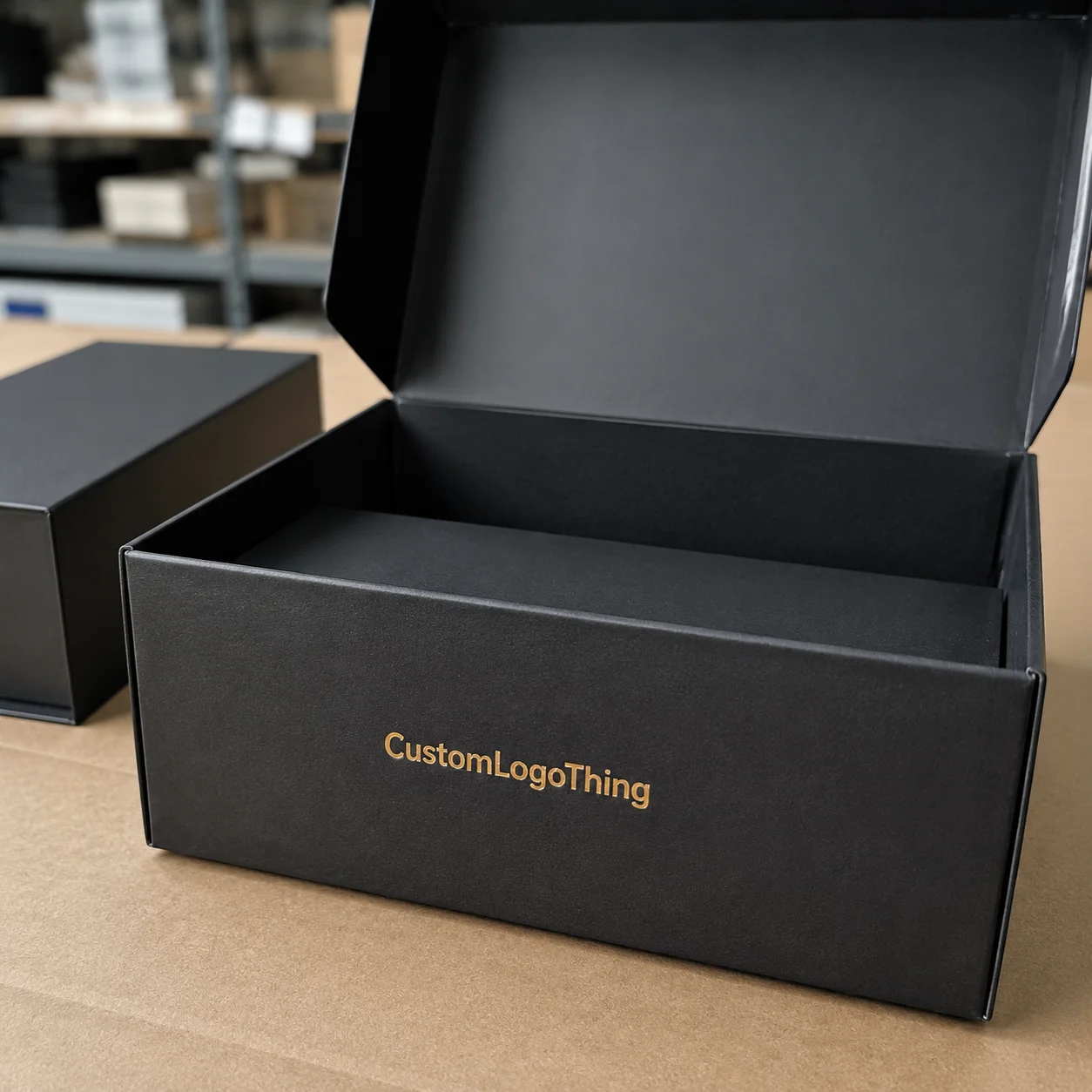
At the simplest level, custom boxes with logo are packaging built to a specific size, structure, material, and finish so a brand can present its product in a deliberate, repeatable way. That could mean a mailer box for eCommerce, a tuck end box for retail shelves, a rigid two-piece carton for premium gifting, or a corrugated shipper that has to survive parcel handling, warehouse stacking, and the occasional rough toss from a conveyor. The phrase sounds simple, but the production choices behind it are not, especially when a 6" x 4" x 2" box has to ship from Dallas, Texas, to Denver, Colorado without crushing a lotion bottle inside.
I like to explain it this way: a logo is only as strong as the surface it sits on. If you print a clean, bold mark on a poorly scored box with weak board memory, crooked folds and crushed corners can make the entire package feel off. Put that same mark on a well-engineered carton with proper registration and the right coating, and custom boxes with logo start doing real brand work for you before the customer ever touches the product.
That matters because packaging is often the first tactile encounter a buyer has with your company. In subscription, cosmetics, apparel, and specialty food, the box is part of the product story. A thoughtful unboxing can reinforce trust, make sharing on social media more likely, and support brand recall the next time someone sees your color palette or pattern in a store. I’ve seen brands spend heavily on ads and then underinvest in packaging, which is a mistake because custom boxes with logo keep working every time a package is shipped, shelved, or gifted, whether the order goes out of a fulfillment center in Louisville, Kentucky, or a warehouse in Los Angeles, California.
There are several common formats you will run into:
- Mailer boxes for subscription kits, apparel, and direct-to-consumer orders.
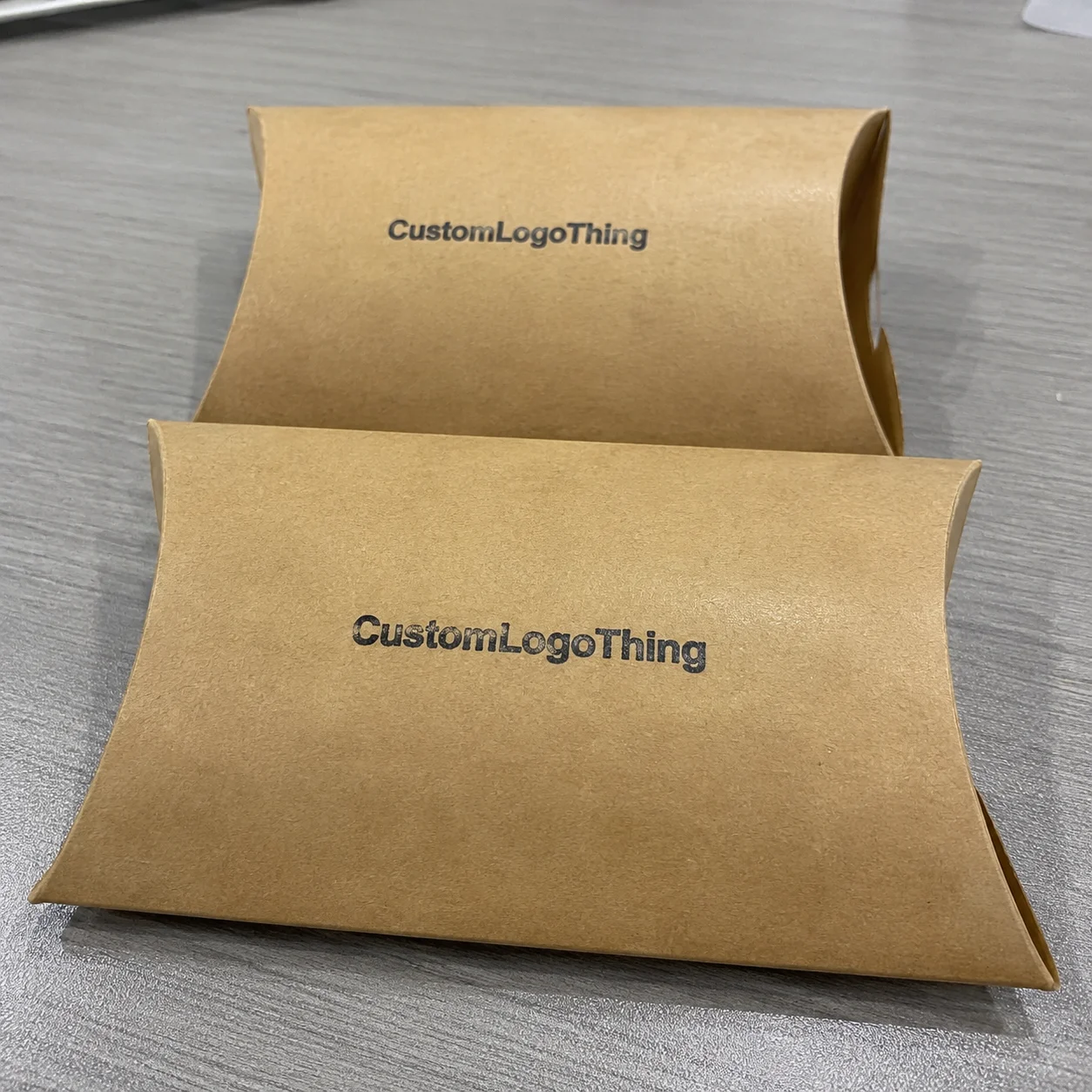
- Tuck end boxes for lightweight retail items like supplements, cosmetics, and small electronics.
- Rigid boxes for premium gifting, high-end accessories, and presentation sets.
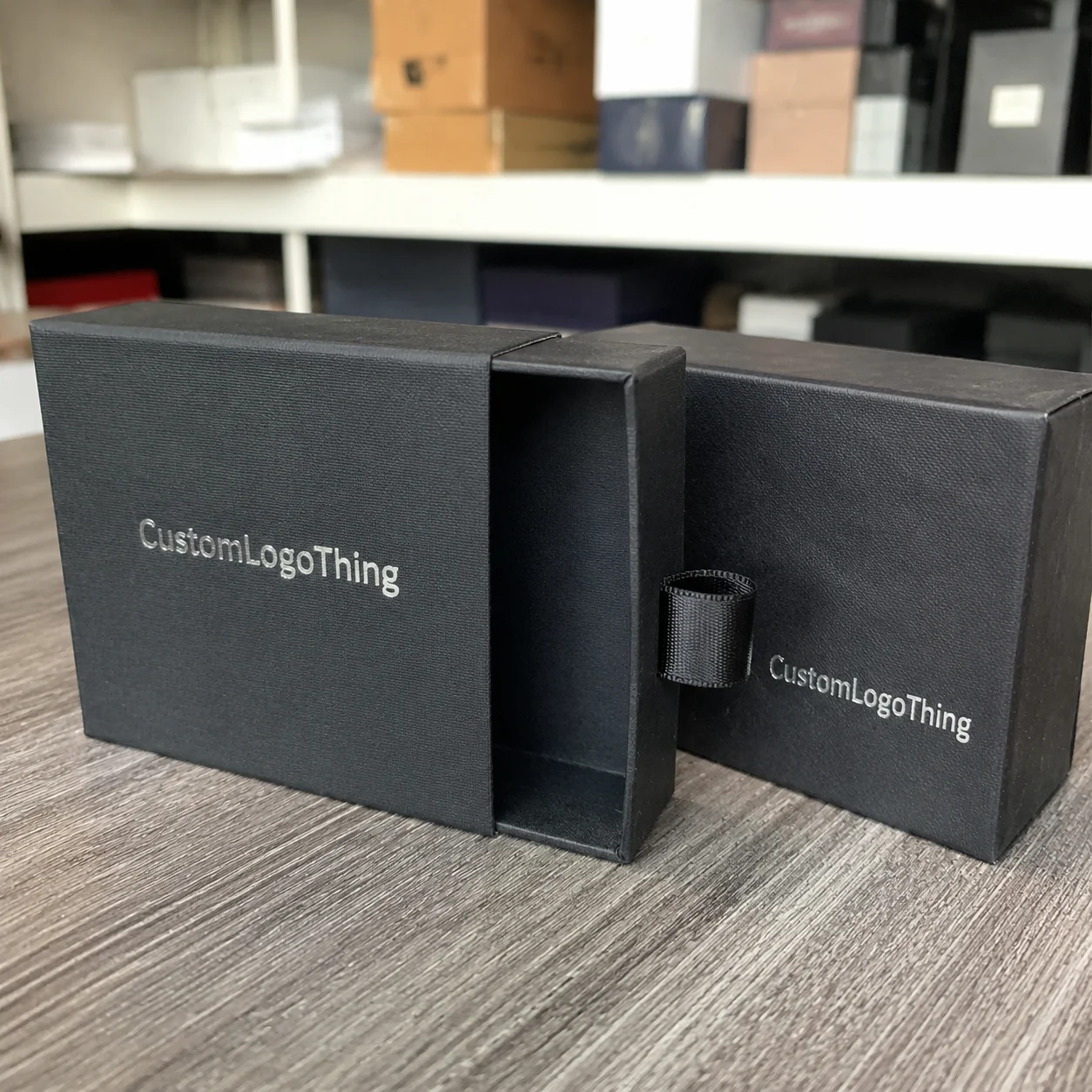
- Sleeve boxes that wrap around an inner tray or carton for layered branding.
- Corrugated shipping boxes for transit protection and warehouse efficiency.
Different industries use custom boxes with logo differently too. Food brands often need grease resistance and clear regulatory space, especially on 16pt or 18pt SBS cartons with a window patch. Apparel companies usually care more about crisp graphics and a clean opening experience. Cosmetics brands tend to obsess over finish quality, color consistency, and shelf presentation, while subscription brands want a box that feels special but still ships efficiently. That is why packaging design should start with the product, not with the artwork mockup.
For brands building out a broader packaging system, I usually suggest reviewing your overall lineup of Custom Packaging Products before ordering a single box style. A mailer, insert, label, and outer shipper should feel like they belong to the same family, not four unrelated decisions made in different meetings, especially if your production is split between a domestic converter in Ohio and an overseas carton plant in Guangdong.
How Custom Boxes with Logo Are Made
The production path for custom boxes with logo starts long before ink ever touches paper. First comes the dieline, which is the flat pattern showing fold lines, glue tabs, score locations, and artwork boundaries. In a converting room, that dieline is the difference between a box that folds cleanly and one that fights the machine at every station. I still remember standing beside a folder-gluer in a supplier’s facility in New Jersey while the operator kept slowing the line because a tab placement was off by less than a quarter inch; tiny errors become expensive very quickly when you are running 8,000 to 12,000 boxes an hour.
After the dieline is approved, artwork is laid out, usually in a vector program like Adobe Illustrator. The printer or packaging engineer checks bleed, safe zones, panel alignment, and panel sequencing so the logo lands where it should after the sheet is folded. If you want custom boxes with logo to look professional, this stage has to be treated like engineering, not decoration, because a logo that sits 1/8 inch too close to a score line can disappear the second the carton is folded.
The next step is proofing. Depending on the job, that may mean a digital proof, a press proof, or a structural sample. For a simple mailer, a high-resolution PDF proof might be enough to verify colors and panel placement. For a new rigid box with inserts, I prefer a physical sample because the box depth, lid fit, and insert tolerance matter more than a screen can show. A branded package can look perfect in a mockup and still fail in hand if the tolerances are off by 1 to 2 mm, which is the sort of tiny miss that ruins a $4.50 premium carton in seconds.
Then the print method is chosen. Here is the practical difference, explained the way I would to a production manager over a noisy press room:
- Digital printing is best for short runs and fast changeovers. It handles variable artwork well, but the color depth and spot consistency can be more limited than offset on large runs.
- Offset printing gives very sharp detail and excellent color control for larger volumes. It works well on paperboard cartons and high-end retail packaging.
- Flexographic printing is common on corrugated boxes and handles long production runs efficiently, especially for shipping cartons.
- Foil stamping adds metallic detail through heat and pressure, and it is often paired with embossing or debossing for premium custom printed boxes.
Material choice matters just as much as the print method. Corrugated board, paperboard, kraft, and rigid chipboard all behave differently on press and during converting. Corrugated board has fluting that gives it strength and cushioning, but very fine detail can get lost if the liner surface is rough or the ink gain is too high. Paperboard is smoother and more elegant for retail packaging, while kraft gives a natural, earthy look that many sustainable brands like. Rigid chipboard feels dense and premium, but it usually needs wrap paper or printed wrap stock to carry the branding cleanly, whether the job is being made in Toronto, Ontario, or in Shenzhen, China.
Once printing is done, the sheet moves into finishing. That can include aqueous coating, UV coating, matte lamination, gloss lamination, soft-touch lamination, spot UV, embossing, debossing, or foil stamping. After that comes die cutting, stripping, folding, gluing, and packing. On a good line, quality control happens at several points: color consistency, registration, score accuracy, adhesive strength, and final box fit. If a box does not close square or the seams pull apart under light pressure, it should not ship, period.
For technical reference and standards that matter in packaging work, I often point brands toward trade and testing resources like ISTA for transit testing and the Packaging Institute for broader packaging education. When a supplier can speak in those terms, I tend to trust their process more, especially if they can explain compression testing, edge crush, and drop-test expectations in plain English.
Key Factors That Affect Custom Boxes with Logo
If you want better results from custom boxes with logo, start by understanding the four levers that move cost and quality the most: material, size, print coverage, and finishing. Nearly every pricing conversation I have in packaging circles ends up here, because the spec sheet determines whether the job is straightforward or full of surprises. Honestly, I think many brands ask for a quote before they know what they really need, and that is how budgets get distorted by a $0.20 packaging decision that turns into a $2.00 problem.
Material choice and perceived value
Material affects durability, color clarity, and how the box feels in the hand. A 16pt paperboard carton with a coated surface will usually print sharper than an uncoated kraft stock, but kraft can be the right choice if the brand story leans natural, recycled, or handmade. Corrugated E-flute gives a smoother print surface than B-flute for some retail applications, while RSC shipping boxes in C-flute or B/C double wall are better when product protection matters more than shelf appearance. The wrong material can make custom boxes with logo look less premium, even if the artwork is excellent, and I’ve seen that happen on a 350gsm C1S artboard carton that should have been specified as SBS instead.
Sizing and inserts
Box size affects board usage, shipping cost, and product movement. A box with too much headspace lets the product slide, which can crush corners or create a cheap-feeling unboxing. Too tight, and the box can bow, tear, or split at the seams. Inserts matter too. A folded paperboard insert, molded pulp tray, or corrugated partition can stabilize fragile products, especially glass jars, skincare bottles, or accessory kits. For custom boxes with logo, the insert should support the product without fighting the branding, and the cavity should be measured to the nearest 1 mm, not “close enough,” because close enough tends to become reprint number two.
Print coverage and finish
Full-bleed graphics use more ink and require tighter registration, so they can cost more than a one-color mark on kraft. Special finishes add another layer of complexity. Matte lamination lowers glare and feels calm and upscale. Gloss varnish makes color pop. Embossing raises the logo physically. Debossing presses it down into the surface. Foil stamping adds a metallic accent that catches light on retail shelves. I have seen a simple one-color logo on a rigid box outsell a busy full-color layout simply because the finish choices were disciplined, and because the box was wrapped in 157gsm art paper instead of an overworked, low-grade liner.
Pricing drivers you should expect
Here are the variables that usually affect the unit price of custom boxes with logo:
- Order quantity: 5,000 pieces will usually cost less per unit than 500 because setup gets spread out.
- Box style: A straightforward mailer costs less than a rigid two-piece box with custom inserts.
- Ink coverage: Heavy solids and full-wrap printing increase press time and waste.
- Tooling: New dies, embossing tools, and foil plates add setup cost.
- Finishing steps: Lamination, spot UV, foil, or special coatings add labor and machine time.
As a very rough market reference, I have seen simple corrugated mailers quoted around $0.15 to $0.42 per unit at 5,000 pieces depending on size and print, while rigid presentation boxes with foil and inserts can move into the $2.20 to $5.00 per unit range at moderate quantities. A plain 9" x 6" x 3" E-flute mailer in Texas may land closer to the bottom end, while a rigid shoulder box with a foam insert and foil stamp in Guangzhou, China, will obviously sit much higher. That is not a universal price list, because board grade, shipment volume, and supplier geography shift everything, but it gives you a practical bracket. If a quote looks far below that, I usually ask what got removed from the spec.
There is also the sustainability side, which more buyers care about now than they did a few years ago. Recyclable paperboard, kraft liners, soy-based inks, water-based coatings, and lighter-weight structures can all help reduce environmental impact. The EPA has useful packaging and waste reduction resources at epa.gov/recycle, and I have seen brands use that guidance to justify cleaner material choices in procurement meetings. Sustainable custom boxes with logo are not always the cheapest option, but they can be designed intelligently so you are not paying for unnecessary weight or extra layers, especially when a 24pt carton does the same job as a 32pt one.
| Box Option | Typical Material | Best For | Relative Cost |
|---|---|---|---|
| Mailer box | E-flute corrugated | Subscription, apparel, DTC shipments | Low to moderate |
| Tuck end carton | 16pt to 24pt paperboard | Retail shelves, cosmetics, supplements | Moderate |
| Rigid box | Chipboard wrapped with printed paper | Luxury gifting, electronics, premium sets | High |
| Shipping box | B-flute or C-flute corrugated | Transit protection, warehouse logistics | Low to moderate |
Step-by-Step Process for Ordering Custom Boxes with Logo
The cleanest way to order custom boxes with logo is to treat the job like a short project with a real brief, not a casual print request. When brands send a clear specification package, the quotes are better, the proofing is faster, and the factory spends less time guessing. I’ve sat in supplier meetings where a two-page brief saved a week of back-and-forth because everyone knew the product dimensions, the finish target, and the target ship date from the start, and that was before lunch.
- Define product dimensions and shipping conditions. Measure the product at its widest, tallest, and deepest points, then factor in inserts, inner wrap, and freight method. A box for local retail pickup is not the same as a box going through parcel networks.
- Choose the box structure. Decide whether you need a mailer, tuck end carton, rigid box, sleeve, or corrugated shipper. Structure should follow function first, then branding.
- Set a budget range and quantity. A run of 3,000 boxes behaves differently than 30,000 pieces because plate costs, setup charges, and inventory planning change the math.
- Prepare artwork correctly. Vector logos in AI, EPS, or print-ready PDF are usually best. Convert fonts to outlines, confirm color values in CMYK or Pantone, and ask for the printer’s dieline before laying out graphics.
- Review proofs and samples. Check panel alignment, fold lines, logo placement, finish notes, and product fit. If the package is structural or premium, request a physical prototype.
- Approve production timing. Account for proof revisions, material sourcing, press scheduling, finishing, quality checks, and freight time. A simple job may take 12 to 15 business days after proof approval, while complex custom printed boxes with inserts can take longer.
One of the best habits I ever picked up came from a corrugated plant supervisor in Pennsylvania who insisted on marking the proof with three things before any run started: outside dimensions, flute direction, and final seam location. That saved him from expensive reprints more than once. The same discipline applies to custom boxes with logo. If those details are fuzzy, the rest of the project gets fuzzy too.
Another thing brands often miss is that production is not just the box itself. It is the box plus the packing method, the outer carton, and the freight path. A rigid box may look perfect coming off the line, but if it is shipped loose on a pallet without edge protectors, corner damage can erase all the value you paid to create. Good custom boxes with logo are designed for the real journey, not the ideal one, whether that journey starts in Ho Chi Minh City, Vietnam, or ends in a retail store in Austin, Texas.
If you are comparing packaging options, it helps to ask for a quote, a sample, and a spec confirmation at the same time. That makes it easier to compare Custom Packaging Products side by side, especially if you are deciding between two structures that look similar but behave very differently in production.
Common Mistakes When Buying Custom Boxes with Logo
The first mistake I see is designing the box before the product measurements are final. That sounds obvious, but in practice it happens all the time, especially when teams are waiting on product changes, insert revisions, or last-minute marketing tweaks. If your dimensions shift after the dieline is approved, custom boxes with logo can turn into a chain reaction of rework, and one small change can force a new insert, a new proof, and a new timeline.
The second mistake is using low-resolution artwork. A logo pulled from a website header, social profile, or old brochure is often not suitable for print. Once enlarged, it can pixelate or lose edge clarity. Vector files keep logos sharp at almost any size, which is why printers keep asking for them. I once watched a brand try to launch premium retail packaging with a logo file that looked fine at 250 pixels wide and terrible at 9 inches across; the difference was painful and expensive, especially after the production sample was already made in Dongguan, China.
Overcomplicating the design is another common issue. Heavy ink coverage, multiple foil colors, spot UV, embossing, and custom structural inserts all sound appealing on a mood board, but every added element increases cost, setup time, and failure points. Sometimes the strongest-looking custom boxes with logo use one bold color, one clean panel, and a disciplined finish. Simplicity can be a manufacturing advantage, and a cleaner spec can save you $0.07 to $0.15 per unit on a 5,000-piece run.
People also forget to design for shipping stress. A carton that looks beautiful on a shelf may fail in transit if the corners are weak, the glue seam is underspecified, or the product moves inside the box. If your packaging is going through parcel networks, ask about compression strength, edge crush, and whether the construction should follow ISTA testing logic. A supplier who understands transit performance will often save you from returns later, especially when cartons are stacking 5 high on a pallet bound for a warehouse in New Jersey.
Finally, some buyers assume sampling is optional. It is not, especially for first-time runs, premium retail packaging, or any structure with inserts. Skipping the sample stage can mean discovering a bad fit only after 10,000 pieces are already in motion. In packaging, a one-hour approval can prevent a one-week disaster, and a $75 prototype can spare you a $7,500 mistake.
Expert Tips for Better Results with Custom Boxes with Logo
The best custom boxes with logo I have seen all have one thing in common: they balance brand expression with manufacturing reality. That sounds simple, but it takes discipline. A beautiful concept that cannot be produced consistently is not really a good packaging design, because packaging only succeeds when it holds up on press, in the warehouse, and in the customer’s hands.
My first tip is to design for both shelf impact and factory practicality. A logo needs breathing room. A small shift in panel layout can make the difference between a logo that reads instantly and one that gets swallowed by a fold line or seam. The same is true for type size, barcode placement, and legal copy. Keep the important brand marks clear of major scores and glue zones so your custom boxes with logo stay crisp at production speed, especially on a 20pt or 24pt board where scoring can visibly compress the print.
Second, choose one or two finishes that do real work. A soft-touch laminate with foil can be stunning. Soft-touch, foil, embossing, spot UV, and a metallic ink system all on the same carton can start to feel crowded. I usually advise clients to ask what the finish is trying to communicate. Premium? Natural? Clean? High contrast? Once the message is clear, the finish choices usually get easier, and the spec stops looking like a random wish list from three different meetings.
Third, communicate like a production partner. Send target quantities, preferred ship date, product dimensions, finish ideas, and logo files in one organized package. When a supplier receives a complete brief, they can quote more accurately and flag issues before production starts. That matters because custom boxes with logo often fail in the quote stage, not the pressroom, and fixing a bad brief after the first proof costs more than doing it right the first time.
Fourth, test one or two options before rolling out a large program. I have seen brands save thousands by comparing a 24pt paperboard carton against a 32ECT corrugated mailer, then choosing the one that protected the product and looked right without overbuilding the package. One client in specialty tea switched from a heavy rigid style to a refined tuck box with a belly band and saved nearly 28% in Packaging Cost Without Losing shelf presence. That was not luck; it was testing, and it happened after three prototypes, two price revisions, and one very honest call with a supplier in Minnesota.
“The strongest packaging decision I ever made was not the fanciest one. It was the one that still looked right after palletizing, shipping, and opening fifty times in a row.”
That quote came from a brand manager I worked with during a supplier review, and it stuck with me because it reflects the real job of custom boxes with logo. The box has to be beautiful, yes, but it also has to behave like a manufacturing component.
One more factory-floor insight: small changes in board grade or coating can change the whole print result. I have seen a move from a rougher recycled liner to a smoother coated liner sharpen logo edges dramatically, and I have also seen a heavy matte coating dull a design that was supposed to feel bright and energetic. Ask for samples on the actual substrate whenever possible. Paper behaves differently from board, and board behaves differently from rigid wrap stock. That is just the nature of packaging materials, whether the sample comes from a converter in Ohio or a plant in Vietnam.
For brands aiming to keep their packaging strategy aligned with broader sustainability goals, I also recommend reviewing the FSC system at fsc.org if certified fiber matters to your buyer base. Certification does not replace good design, but it can strengthen trust when your audience expects responsible sourcing.
What to Do Next Before Ordering Custom Boxes with Logo
Before you place an order for custom boxes with logo, build a short packaging brief that includes product dimensions, box style, quantity, target budget, shipping method, and brand goals. If you only have a logo and a rough idea, that is still a start, but the more specific you are, the more accurate the quotation will be. Good suppliers do better work when they are not guessing at the basics, and a simple brief can save you from a 3-round proof cycle that drags on for two extra weeks.
Gather your print-ready files next. Ideally that means vector logo files, brand colors, any reference photos, and the dieline template from the supplier. If you have a current package that you like, send a sample or a photo with measurements. That gives the packaging team a real point of comparison for structure, finish, and panel spacing, and it helps them spot issues like a too-small tuck flap before the job hits the press in Wisconsin or South Carolina.
Then ask for a quote that includes the sample or prototype path. A price without a sample plan can hide issues that show up later, especially on structural packaging. I would rather see a slightly slower quote with a prototype attached than a quick number that turns into surprise changes. That is one of the healthiest habits you can build when ordering custom boxes with logo, especially if your launch window is fixed to a trade show in Las Vegas or a retail reset in Atlanta.
It also helps to create a simple approval checklist before production starts:
- Final box dimensions
- Artwork placement and orientation
- Color target and finish type
- Insert fit, if any
- Shipping or palletization plan
- Approval date and production start date
That checklist may look basic, but it keeps everyone honest. I have seen a two-minute signoff prevent a two-week delay because the buyer caught a barcode issue before the press run. Small details matter in custom boxes with logo, especially when the order has a fixed launch date or retail rollout window and the freight booking in Savannah, Georgia, is already locked.
My practical advice is this: order the box around the product, the handling method, and the brand story, not just around a logo placement. The best custom boxes with logo are the ones that hold the product securely, print clearly, and feel right in the customer’s hands. If you get those three things right, the packaging does its job every time it is shipped, displayed, or opened.
FAQ
How much do custom boxes with logo usually cost?
Pricing depends on box style, size, material, print complexity, finish options, and order quantity. Simple corrugated mailers usually cost less than rigid gift boxes with foil or embossing, and higher quantities typically reduce per-unit cost because setup expenses get spread across more boxes. As a rough reference, I have seen straightforward mailers around $0.15 to $0.42 per unit at 5,000 pieces, while premium rigid styles can reach $2.20 to $5.00 per unit depending on the spec. A 10" x 8" E-flute mailer printed in one color from a supplier in Michigan will sit in a very different price band than a rigid box with a soft-touch wrap and magnetic closure out of Shenzhen.
What file format is best for custom boxes with logo printing?
Vector files such as AI, EPS, or print-ready PDF are usually best because they keep logos sharp at any size. Fonts should be outlined, and any raster images should be high resolution if they are part of the design. Always ask for the printer’s dieline template before placing artwork, because the fold lines and glue zones affect where graphics can safely sit. If you are working with a plant in California or a converter in Bangkok, sending the wrong file type can add a full day of revision time before proofing even starts.
How long does it take to make custom boxes with logo?
Timeline depends on proofing, sampling, material availability, production method, and finishing steps. Straightforward runs may move faster than complex jobs with special coatings or structural inserts. For planning purposes, a simple order may move in about 12 to 15 business days after proof approval, but freight time should always be included, especially for larger or palletized orders. If the job needs a physical sample first, add 3 to 5 business days for prototype production before the full run is scheduled.
Which box type is best for shipping products safely?
Corrugated boxes are often the best choice for shipping because they provide strength and cushioning. The right flute grade and wall construction depend on product weight, fragility, and transit conditions. Internal inserts can improve protection and reduce movement during delivery, which is especially helpful for glass, cosmetics, and assembled kits. For heavier products shipping out of Pennsylvania or New Jersey, B-flute or double-wall C/B constructions often perform better than thin paperboard cartons.
Can custom boxes with logo be made sustainably?
Yes, many packaging options use recyclable paperboard, kraft board, or corrugated materials. Sustainable designs can also reduce ink coverage, eliminate excess inserts, and simplify coatings. Ask about recycled content, FSC certification, and recycling compatibility before approving the final spec so the box supports your packaging goals without adding unnecessary material. In practical terms, a 24pt recyclable carton with water-based coating from a domestic plant in Ohio can be a smarter choice than a heavier multi-layer package imported from halfway around the world.
If you are ready to move forward, start with the product, then the structure, then the artwork. That order saves money, shortens revision cycles, and usually produces better custom boxes with logo than trying to force a brand concept onto the wrong box from the beginning. I have spent enough time on factory floors in Illinois, New Jersey, and Guangdong to know that the cleanest jobs are the ones where the packaging was treated as part of the product from day one.