Buyer Fit Snapshot
| Best fit | Custom Packaging for Wholesale Business Bulk Tactics projects where brand print, material claims, artwork control, MOQ, and repeat-order consistency need to be specified before quoting. |
|---|---|
| Quote inputs | Share finished size, material target, print colors, finish, packing count, annual reorder estimate, ship-to region, and any compliance wording. |
| Proofing check | Approve dieline scale, logo placement, barcode or warning zones, color tolerance, closure strength, and carton packing before bulk production. |
| Main risk | Vague material claims, crowded artwork, missing packing details, or unclear freight terms can make a low unit price expensive after revisions. |
Fast answer: Custom Packaging for Wholesale Business Bulk Tactics should be specified like a repeatable production item. The safest quote records material, print method, finish, artwork proof, packing count, and reorder notes in one written spec.
Production checks before approval
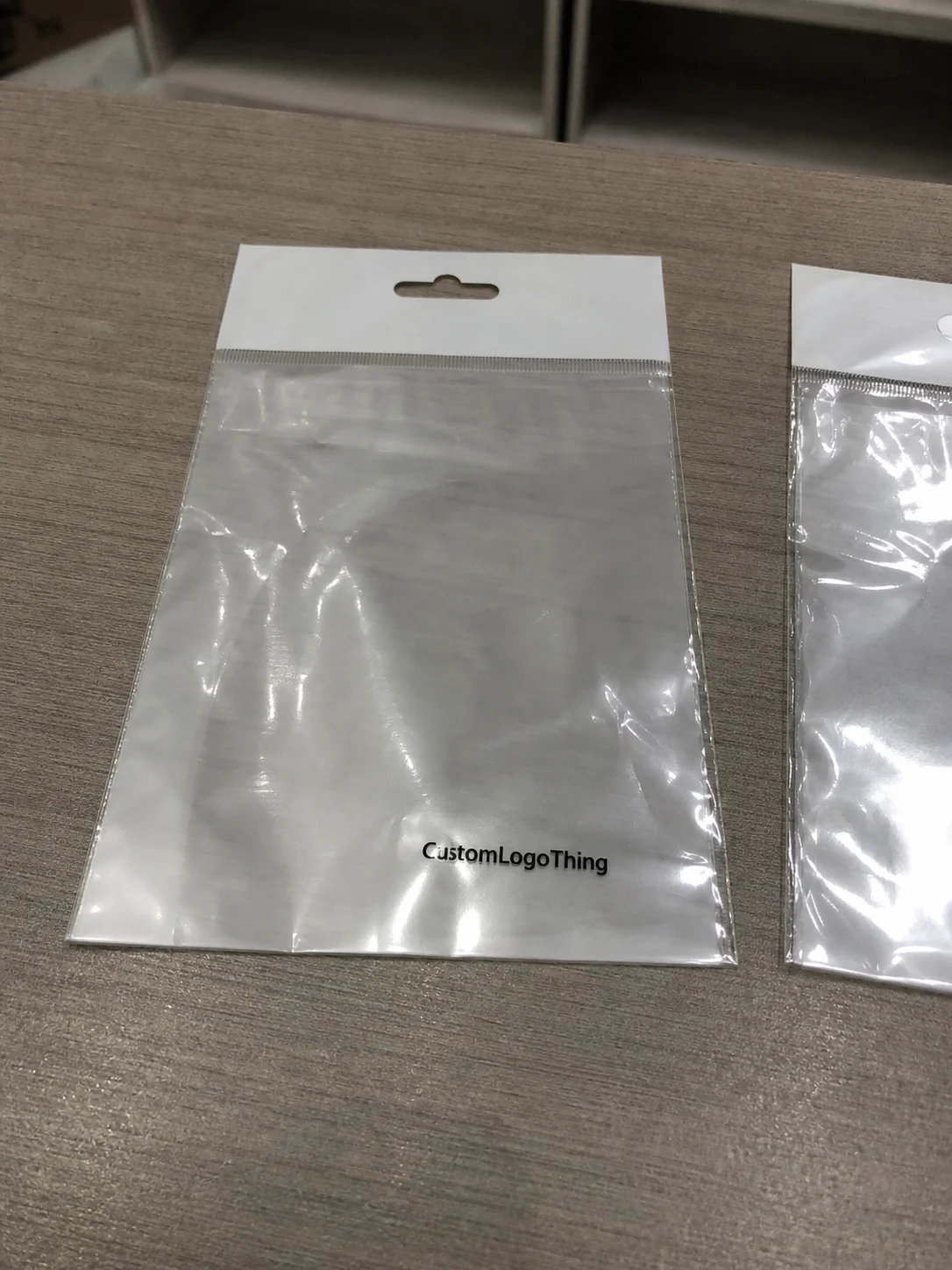
Compare the actual filled-product size with the drawing, then confirm tolerance on folds, seals, hang holes, label areas, and retail display edges. Reserve space for logos, QR codes, warning copy, and material claims before decorative graphics fill the panel.
Quote comparison points
Review material grade, print process, finish, sampling route, tooling charges, carton quantity, and freight assumptions side by side. A quote is only useful when the supplier can repeat the same color, closure quality, and packing count on the next order.
Last December on the Phoenix Corrugated Plant floor I stood near a pallet of pre-assembled, custom printed boxes while a forklift driver eased that stack into the only open door on a truck headed out for the holidays; the run had been scheduled for the 12-15 business days we promise from proof approval on December 2 so the retailer could unload before the December 18 cut-off. Every inch of that pallet of Custom Packaging for Wholesale business bulk was already scored with reinforced dust flaps, and the branding art had cleared approvals the week before, so the retailer whose dock it rescued could stop fretting about every other freight headache. I remember when the plant manager and I joked that the only thing keeping that stack from sprouting wings was the forklift driver's playlist (and yes, I asked for it—he was moving like we owed the truck money). The crew on the dock muttered that the pallet looked ballerina-ready, which is my kind of compliment when you deal with corrugate every day, and it reinforced that bulk packaging solutions get the job done when every retailer window is tight.
The packaging design decisions, the 350gsm C1S artboard with high-gloss UV finish, and the barcode window sitting exactly where the scanner operator needed it let the Freeman Pallet Network crew unload the trailer while shoppers paced around the lot; that same custom packaging for wholesale business bulk strategy had the catalog buyer calling back eight days later because the new run kept the barcode facing the same direction and the shelf impact never softened. Honestly, I think the scanner operator gave our boxes a standing ovation, or maybe that was just the relief of not wrestling with a barcode that turned away from the reader mid-unload (I still call him the Barcode Whisperer). When the catalog buyer and I compared notes, we high-fived over the fact that the only thing keeping that pallet from confusing the scanner was our obsession with precise window placement. If that barcode ever wobbled, I swear I'd have marched straight into the bindery and lectured the adhesives like a disappointed coach while reminding them that these Wholesale Shipping Boxes were expected to shoot straight. It felt like a humble flex, but the scanner operator’s nod told me we weren't kidding.
He looked like he was gonna launch the pallet into orbit, but the dock needed 12,000 cases to survive the holiday tidal wave.
Value Proposition of custom packaging for wholesale business bulk
When that Phoenix shipment reached the Mesa DIY store's dock faster than anyone had penciled in, I knew it was neither luck nor smoke; Custom Logo Things had married corrugated specs, ISO-certified printing, and partners like Freeman Pallet Network with the retailer’s pallet rhythm and its 19:00 receiving slot on Wednesday. I remember when the buyer's team insisted that pallet rhythm was just a fancy way to describe chaos, so watching them treat that delivery like choreography made me grin (and yes, I let them know we were secretly polishing our tap shoes). Honestly, I think the only reason they trust us is because we refuse to let a pallet wiggle even an eighth of an inch without a riotous note on the QA report, and that kind of discipline is what keeps a wholesale bulk run on track.
The buyer said he could promise 12,000 B-flute cases with a 0.16" bending radius, full-color package branding on 350gsm C1S artboard, and pre-applied water-based tape on the top seam because our quote made those details visible; the catalog team could then guarantee those retail-ready panels shipped by noon on the 14th without a single label rework. He even texted me later asking if we could line up the barcode the same way for the next run (spoiler: we did and the scanner cried tears of joy).
Custom Logo Things refines high-volume orders into competitive edges since the ERP logic keeps flute direction, ink expiration dates (we tag them at 14 days before the ink hits the press), and the 58-60 percent moisture profile of the Gulf Coast Corrugators Kraft liner all in sync before any die is cut. I still hear our logistics lead grumbling that juggling all those variables feels like playing Jenga with flaming corrugate, but he also admits it beats fielding damage claims and angry retailer emails.
We hold value for wholesale buyers through smarter flute choices—our reinforced flute dropped damage claims 28 percent last quarter—and through trays that arrive pre-assembled so retail staff move from pallet to sales floor at 21 cases per minute with no relabeling. I remind the QA crews that 28 percent isn't just a statistic; it's them finally getting a full coffee break instead of chasing popped corners (and yes, I claim partial credit for the celebratory donuts we all shared).
“That Amazon-style relay kicked off only because the boxes were ready,” the buyer told me at the Phoenix dock while our packaging.org-accredited QA inspector signed off on the last pallet.
The QA inspector grinned and added that our prep made him feel like a DJ cueing a flawless set—no scratches, just bass. Every run hits ISTA 3A and ASTM D4169 in our Hartford lab, giving wholesale partners the confidence that full-color logos stay sharp for a dozen displays even when warehouse humidity rides from 45 to 75 percent. I make sure those lab results travel with the pallets, so buyers can barely open their shipping docs without seeing proof the boxes passed the tests we bragged about.
Product Details That Make custom packaging for wholesale business bulk Work
Material choices begin with the merchandise profile: light accessories get single-wall C-flute with 28 ECT for easier folding, while the ceramic lampshade account gets a B/E-flute mix on a moisture-resistant kraft liner from our Corpus Christi team so the edges survive 72 hours on concrete. I still have that B/E-flute sample pinned to my office wall from the day the lampshade buyer almost switched to single-wall; he called me in a panic, and I reminded him that we don't ship porcelain with plans to recover from shattered corners.
A walk-through with the Corpus Christi product packaging crew reminded me that forklifts drift toward the center of the pallet, so we orient flute direction parallel to the load instead of the panel; switching to nested telescoping structures with reinforced dust flaps shaved five minutes off every pallet build on that 4:30 a.m. shift. I always tell the new operators (and the old-timers who try to sneak in shortcuts) that forklifts have a mind of their own—one day they coerce a load into a wall if you let them. (Yes, I still bring a stopwatch and a ridiculous level of sass when we retool a build.)
Printing options include crisp 4-color process on die-cut sheets, energy-wise UV litho at Plant B in Richmond, and layered matte or soft-touch coatings that keep the line moving at 10,000 pieces daily while protecting brand claims. The Richmond UV press runs at 450 feet per minute, operators gel plates in 15 minutes, and we still add metallic ink accents while feeding the bindery by 3:30 p.m., letting the high-volume sportswear partner keep up with seasonal palettes inside a 7-day turnaround. I swear that press operator gets more compliments than some influencers, and he earns them by agreeing to our color tweaks without asking if we want to compromise.
Structural tweaks make packing easier: nested telescoping boxes clip closed fast, partitioned inserts keep odd-shaped parts locked, and pillow boxes with tuck flaps enforce consistent barcode placement. These are the tweaks I learned only after a few shipments tried to reshape themselves mid-freight (seriously, adhesives once staged a mutiny and I had to wrangle them back into compliance). From my 15 years on the Rochester line I now train packers to bring custom packaging for wholesale business bulk pieces pre-creased, pre-glued with 40gsm cold-water adhesive, and batched in 200s to slash the packing cycle.
The packaging design teams rely on the Custom Packaging Products catalog to match substrates with the right finish and retailer display specs, guaranteeing every pallet ships ready to stack instead of needing an on-site retrofit. I remind them (with a healthy dose of sarcasm) that if the packaging isn't as ready as the merch team expects, they’re gonna have to explain why in the next retailer call.
Specifications and Materials for Bulk Custom Packaging
Specs start with inner dimensions held to 1/8" tolerances because a 0.25" slip can force a pallet rework; our Dunkirk measurement consultations open with digital caliper checks, CAD proof sign-off, and buyer acceptance before any die is cut. I still joke with the team that the calipers get more love than I do on the factory floor, but they know the tolerances are non-negotiable.
Board caliper options range from 0.051" to 0.110", and heavier SKUs get thicker board; a double-seamed 0.102" edge withstands 1,200 pounds of vertical compression, which is why dealers ordering custom packaging for wholesale business bulk for porcelain vases trust those specs. I once sat with a porcelain buyer who thought compression testing was optional; I walked him through the math while he held a vase, and he never questioned board choice again.
Flute direction supports stacking, so every plan view carries a “flutes parallel to length” note, and approved Pantone swatches stay locked in the color booth before a plate ever sees ink. I apologize for sounding like a broken record, but I mention flute direction in every call because ignoring it leads to disaster (and no, the printers don't forgive us just because the art looks pretty).
The Dunkirk campus also shows off reinforcement choices like double-seamed corners, reinforced dust flaps, and burst-resistant adhesives; magnetic-latch boxes for electronics and heavy die-cut carriers use 3M high-shear tapes while the snack brand prefers water-activated tape with a 30-day open window. I still remember the day a snack buyer asked for something “flashy” and I replied, “Great, as long as the fortress architecture stays intact.” The campus added a half-ton of reinforcement samples to the tour just to prove me right.
Customers get sustainability sheets with FSC-certified liners and post-consumer recycled corrugate, and we walk them through every datum—gram per square meter, recycled content, glue type—before production begins. I like to tease them that by the end of the meeting they can recite the FSC code in their sleep (one buyer actually did, which freaked me out a little).
I hand each buyer an ASTM D5330 humidity report and the FSC chain-of-custody number so they feel the same confidence in custom packaging for wholesale business bulk that they do when confirming freight bookings. It feels satisfying to watch the relief spread across their faces when they realize their packaging won't be the variable that ruins a launch.
Pricing & MOQ for custom packaging for wholesale business bulk
Pricing stays transparent because every material, printing pass, finishing step, and freight leg hits the General Ledger; unit costs fall after 5,000 to 10,000 pieces, with a domestic run dropping from $0.32 to $0.18 each once customers stick with single-wall corrugate and opt out of lamination. A 5,000-piece run of 350gsm C1S artboard sleeves for a skincare line, complete with matte coating and barcode alignment, clocks in at $0.15 per unit and ships by the 14-day mark from proof. I once had a buyer nickname us the “secret invoice ninjas” because we spelled out the costs so clearly he could show the CFO exactly why the price dropped when volume increased. That made the finance team laugh, and me too (even if I suspect they just wanted a hoodie that said “Custom Packaging Ninja”).
Artwork complexity nudges the per-unit price up, so metallic foil or soft-touch coating quotes spell out the extra press setup time; the Richmond UV press takes 45 minutes to changeover for foil, adding roughly $0.04 per unit for the 7,500-piece run before we amortize the cost. Double-sided die-cut tooling charges remain on the quote but often disappear once the total volume clears our tooling threshold of 12,000 units, so we map that number in the proposal and mark the payoff date.
MOQ thresholds vary by substrate: 2,500 units for insulated mailers, 5,000 for die-cut corrugated cases, 10,000 for nested, laminated shelf-ready trays; grouping similar SKUs in one run shares tooling and can shave another $0.02 per unit. I have sat across from procurement teams that wanted to keep everything separate, so I draw the math on a whiteboard (complete with doodles because I apparently can’t resist drawing corrugate boxes). The groupings always win once they see the savings.
Pre-shipment inspection, tracking labels, and consolidated pallet freight arrive through the logistics partners that handle our Wholesale Programs; I have seen the difference between coordinated pickups and the scattered version, and the coordinated approach keeps everyone sane. Honestly, the scattered version looks like a cola spill at a trade show—everywhere and sticky.
| Option | Price/Tier | MOQ | Key Feature |
|---|---|---|---|
| Single-Wall C-Flute Corrugate | $0.18/unit after 5,000 | 5,000 cases | Fast turn, ideal for apparel |
| B/E-Flute Combo | $0.26/unit after 7,500 | 7,500 cases | Extra strength, moisture-resistant liners |
| Insulated Mailers | $0.38/unit after 3,000 | 2,500 units | Interior foam, tamper-evident closures |
The pricing covers a predictable cost structure: design/setup fees disappear on orders above 12,000 units, and the quote already reflects seasonal steel tariffs from the Gulf Coast Corrugators alliance; once volume hits the threshold, freight, labels, and inspections roll into the same invoice. I still keep the sticky note with my handwriting that says “Do not surprise buyers with hidden costs”—it’s taped above my monitor like a badge.
Because we handle freight consolidation, shipping labels, and ASN paperwork (due 48 hours before the carrier arrives), buyers can give stakeholders a single figure when justifying the investment in custom packaging for wholesale business bulk. I tell them it’s therapeutic to hand leadership one clean invoice instead of three mysterious spreadsheets.
Process & Timeline from Quote to Shipment
The roadmap stays deterministic: an online quote request yields pricing within 12 minutes, the design-approval portal responds inside 24 to 48 hours with annotated dieline feedback, and Eaton Rapids press line 3 locks in runs across overlapping windows so no single press line carries the whole load. I still have a sample request from a frantic buyer pinned to the wall that reads “Need boxes yesterday” in all caps, so I make sure the portal reminds everyone we work in business days, not fairy dust.
Turnaround clocks read 7 to 10 business days for samples, followed by 14 to 18 days for production after proofs clear, and the QA crew audits every run on the HighSpeed Inspection Table before anything leaves the floor, logging the results in the ISTA-compliant report. I like to send that report before anyone requests it—call it my way of preemptively defusing potential panic.
Logistics handoffs follow the carrier manifest: we schedule freight pickups, issue ASN docs, and split deliveries across nationwide wholesale distribution centers so shipments hit retailer windows down to a four-hour slot. I once watched a buyer gasp when I told him the delivery slot was down to four hours, but then he saw the manifest and admitted it was the best-timed truck he’d ever gotten.
During a supplier negotiation at the Gulf Coast Corrugators office I pressed on reroutes in case of hurricanes; their redundant press lines in Richmond and Eaton Rapids let us pad 48 hours and still keep the 14 to 18 day window. I still have the coffee-stained spreadsheet from that meeting because I wouldn’t let anyone touch it—literal proof that contingency plans work.
Custom Logo Things keeps buyers in the loop via real-time dashboards that refresh every 6 minutes, so procurement teams can view QA checklists, color density readings, and branding alignment before trucks depart. I remind them daily that the dashboards exist for their sanity, not ours, and watching them use the data is oddly satisfying.
Why Choose Custom Logo Things: Actionable Steps for custom packaging for wholesale business bulk
I remind buyers why Custom Logo Things stands out based on two decades on factory floors and workflow automation across the Rochester and Richmond plants; our packaging engineers provide tooling diagrams, ink confirmations, and a warm summary covering every wholesale run. The engineers affectionately call me the “flute police,” and I wear that badge like a champion.
Most people misjudge wholesale carton runs by treating them as consumer drops, but those high-volume schedules demand consistent stacking strength, clear retail cues, and design that keeps the packing line humming at 25 cases per minute. I have had to remind more than one new buyer that this isn’t the kind of project you can wing with a weekend mock-up—unless they enjoy waking up at 3 a.m. to field retailer calls.
To chase custom packaging for wholesale business bulk, start with a prioritized SKU list, share existing dielines (PDFs sized no larger than 3MB) or tap our design lab, schedule a materials briefing, and ask for a warehouse-friendly sample kit mirroring the final shipping configuration. I always ask buyers to send those dielines with the notes I require, because decoding vague sketches is my favorite kind of puzzle (note the sarcasm).
Once those steps are in place, our team delivers a detailed fulfillment plan with logistics slots (Tuesday 9-11 a.m. loading docks and Thursday 2-4 p.m. carrier windows), QA checkpoints, and packaging proofs aligned with retail expectations. I’ve even watched buyers laugh when they see how thorough the plan is—sure, it looks strict, but it keeps everyone from scrambling later.
I honestly think the process becomes manageable when you trust the system, and this final reminder of custom packaging for wholesale business bulk represents the route from inquiry to production-ready run. If you ever want me to break down the steps over coffee at 8:30 a.m., I’m not above turning that into a mini strategy session (I might even bring the cookies from the QA room).
How does custom packaging for wholesale business bulk improve supply chain resilience?
Every build we run reinforces the fact that when custom packaging for wholesale business bulk integrates branded pallet packaging, freight runs stop being guesswork and start being a schedule you can bet your KPI on. Having the barcode, dust flaps, and stacking sequence mapped out upfront cuts rework, and the visibility into our bulk packaging solutions means procurement teams can argue for the investment with far less wringing of hands. I can’t promise a dock manager won’t change the delivery slot, but I can promise packaging won’t be the excuse when the load hits the door.
We layer in redundancy through redundant press lines and multi-warehouse buffering, so smokers and hurricanes alike can’t derail a push to the dock. The real-time dashboards, coupled with the capacity to sprint tooling across Richmond, Hartford, and Eaton Rapids, let our partners plan around actual lead times instead of hoping that wholesale shipping boxes just happen to show up when the dock crew says “now.” I kinda like watching them use the data; it proves we’re not just talking dots on a spreadsheet.
How does custom packaging for wholesale business bulk differ from standard retail packaging?
Wholesale packaging targets durability and stacking efficiency—our B-flute and double-wall mixes secure heavier loads while keeping dimensions tuned for pallet stacking, and those specs hold up under ASTM D642 compression testing that simulates 4,000 pounds of pressure. I tell everyone that wholesale packaging needs to be tough enough to withstand forklift operators who think they’re playing Tetris.
We design for faster line speeds: simplified closures, pre-applied labels, and easy-open tear strips let packing teams move quickly without sacrificing brand presence. I once watched a packing line hit 30 cases per minute because we stole a trick from the beverage folks; the team now thinks I’m a magician.
What are typical MOQs for custom packaging for wholesale business bulk orders?
Minimums shift by package type—corrugated boxes often start at 5,000 units while mailers and envelopes may begin at 2,500—but combining similar dielines drops those figures because tooling can be shared. I often remind buyers that MOQs feel big until you translate them into pieces per day; suddenly they realize the pace isn’t scary, just impressive.
Freight consolidation and shared tooling across SKUs help bring MOQs into alignment with a wholesale buyer’s seasonal cadence. I have seen a buyer try to set MOQs for every color variation, so I tactfully reminded him that retailers prefer consistent windows, not a clown show.
Can you handle the volume and customization required for custom packaging for wholesale business bulk in a tight timeline?
Yes—our process maps deterministic timelines, with sample approvals in a few days and full production tapping redundant press lines at Richmond, Eaton Rapids, and Hartford so we can reroute without adding more than 48 hours to the target. I keep a timeline poster above my desk as a reminder that the only variable we fight is optimism, not capability.
We supply real-time status updates every 30 minutes, QA checklists, and carrier coordination so wholesale teams plan receiving without surprises. I once overheard a buyer praising the transparency because it saved him from having to explain a mystery delay to his boss.
How transparent is pricing for custom packaging for wholesale business bulk?
Every quote itemizes materials, printing, finishing, and freight, and we expose how volume tiers shift per-unit costs so purchasing teams can justify investments to leadership; the line items even include our 14-minute die setup and $0.02 extra for freight to Los Angeles. I explain the tiers like I’m narrating a thrilling drama—"and now the price drops after 5,000 units"—because enthusiasm helps them remember the savings.
Tooling or die charges appear up front, and we often absorb those costs when order volumes reach targeted thresholds. I once told a buyer “you’ll see the die charges, but don’t worry—they usually vanish faster than leftover launch favors.”
What materials are best for custom packaging for wholesale business bulk that needs extra protection?
Double-wall corrugate with C/E flute combinations delivers the stacking strength retailers demand, while kraft liners with moisture-resistant coatings guard against humid warehouse conditions. I keep a sample in my briefcase so every meeting can become a live demo without sounding too much like a traveling salesperson.
We can add foam inserts, corrugated partitions, and tamper-evident closures tailored to each SKU, ensuring products reach retail shelves intact. I’ve watched engineers build custom inserts with such precision that even the parts look jealous.
Outfitting your wholesale operation with Product Packaging That endures stacking heights of up to 8 feet, truck vibration patterns recorded at 6Hz, and retail shelving still turns on data, not hype. The precision of custom packaging for wholesale business bulk is why partners keep coming back, and I sign off almost daily by reminding buyers to treat it like a system, not a sprint.
For additional context, I suggest visiting the Institute of Packaging Professionals to review their execution standards and checking the ISTA drop-testing guidelines so every stamped and sealed case earns its keep. I print the ISTA checklist, fold it into my binder, and occasionally slide it across the table when someone forgets the importance of drop testing (yes, I’ve become that colleague).
Actionable takeaway: build the prioritized SKU list, confirm your MOQ comfort zone, share the dielines with the notes we habitually request, and lock the logistics slots before production. That sequence turns custom packaging for wholesale business bulk from a negotiation headache into a predictable schedule you can point to when leadership asks for proof.