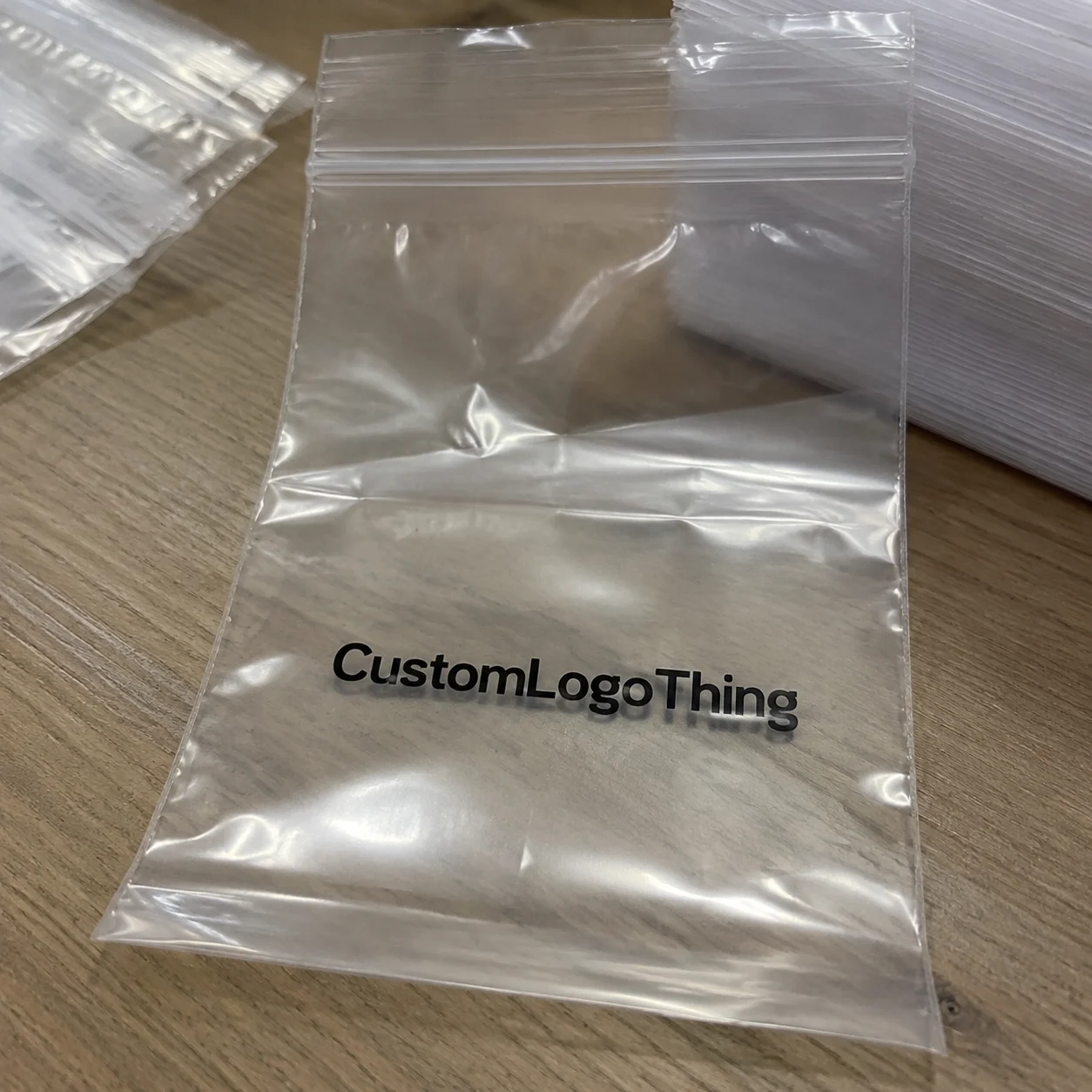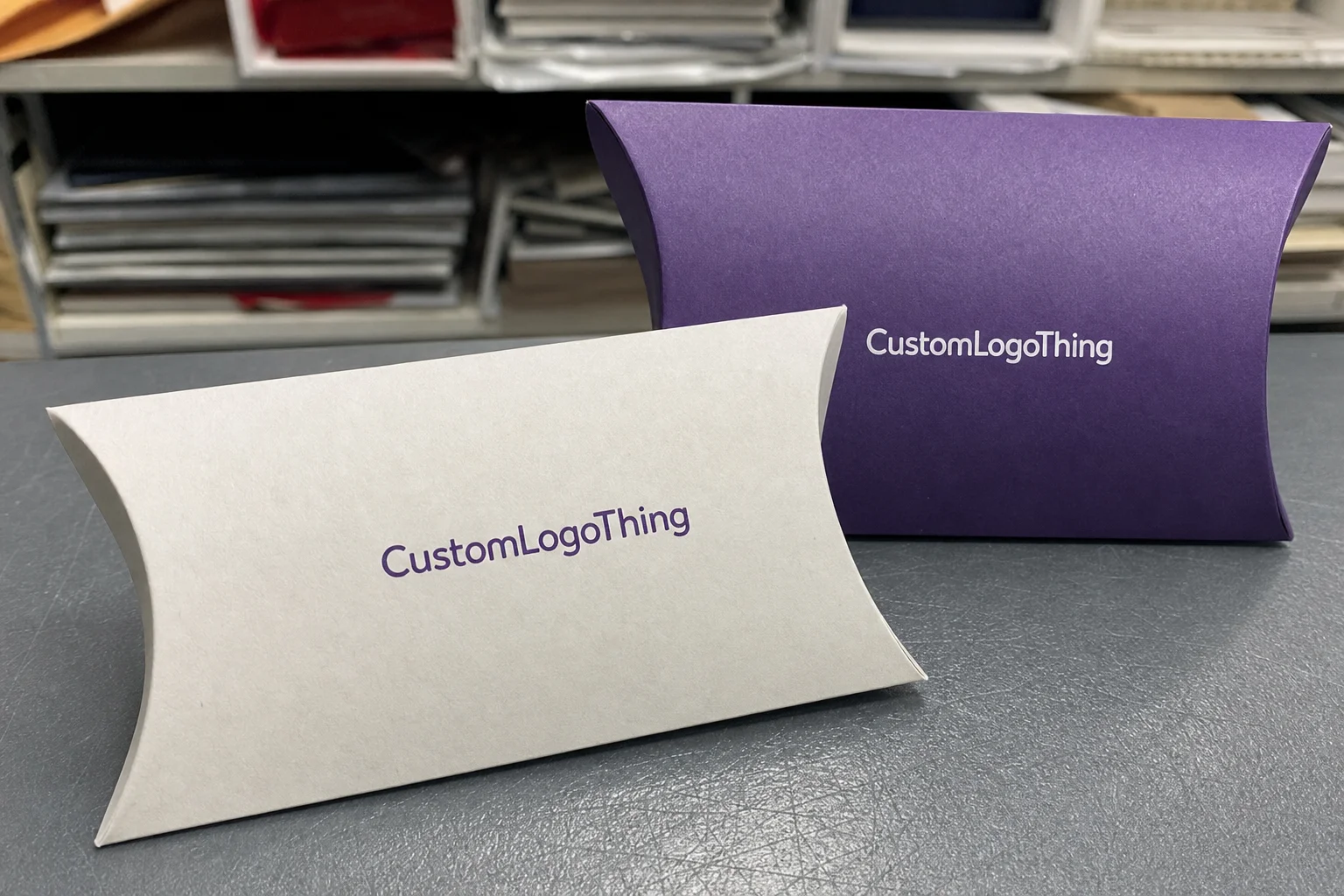
Buyer Fit Snapshot
| Best fit | Price Quote Custom Poly Mailers with Transparent Cost projects where brand print, material claims, artwork control, MOQ, and repeat-order consistency need to be specified before quoting. |
|---|---|
| Quote inputs | Share finished size, material target, print colors, finish, packing count, annual reorder estimate, ship-to region, and any compliance wording. |
| Proofing check | Approve dieline scale, logo placement, barcode or warning zones, color tolerance, closure strength, and carton packing before bulk production. |
| Main risk | Vague material claims, crowded artwork, missing packing details, or unclear freight terms can make a low unit price expensive after revisions. |
Fast answer: Price Quote Custom Poly Mailers with Transparent Cost should be specified like a repeatable production item. The safest quote records material, print method, finish, artwork proof, packing count, and reorder notes in one written spec.
Production checks before approval
Compare the actual filled-product size with the drawing, then confirm tolerance on folds, seals, hang holes, label areas, and retail display edges. Reserve space for logos, QR codes, warning copy, and material claims before decorative graphics fill the panel.
Quote comparison points
Review material grade, print process, finish, sampling route, tooling charges, carton quantity, and freight assumptions side by side. A quote is only useful when the supplier can repeat the same color, closure quality, and packing count on the next order.
During a visit to the Wilmington extrusion bay, I watched a resin gauge wiggle by $0.0015 per pound while the finance team described how that tiny swing in a price quote custom poly mailers once triggered a $40,000 monthly overrun for a national retailer after the estimate shifted from $0.15 per unit for 5,000 pieces to $0.19 when the supplier swapped from metallocene LDP-57 to a secondary blend; the tale insists that every quote must anchor teams in fact rather than guesswork. I remember when the engineers jokingly called that wiggle “the ant that toppled the empire,” and honestly, I think a little levity kept the room from spiraling into spreadsheets and salty remarks (there was a point where I muttered something about needing a hazmat suit for all 27 tabs of cost data). That story still lives in my head every time I press “send” on a new quote, especially when I know the approval loop usually takes 12-15 business days. I’m also kinda grateful for that moment because it taught me to spot a supplier code discrepancy before a contract hits legal.
That recollection surfaces whenever I sit with operations teams who depend on the granular detail we capture at Plant 3 in Aurora—calling out the quoted resin blend (92% metallocene LDP-57 with a 0.5MI), the 1.8-micron barrier coating thread, and the targeted 3.2-mil film gauge plus the 3M 3009 peel-and-seal adhesive. Delivering that precise price quote Custom Poly Mailers helped us set the client’s expectations, prevent unexpected freight surcharges tied to sudden adhesive swaps, and keep merchandising, purchasing, and fulfillment departments marching in step on the 12- to 15-business-day horizon from proof to shipment. I’m convinced these conversations are the only reason we haven’t accidentally turned a lunch break into a war room scenario (seriously, the tension when someone says “We guessed the resin supplier” is real, and I’m not above doing a little eye-rolling in solidarity with the planners on the call in Denver). Those calls also remind me to lean into the data we collect from the Wilmington lab because it keeps every forecast honest.
Why a Precise Price Quote Custom Poly Mailers Saves Your Supply Chain
Tracing that half-cent swing back to whether the LDPE resin arrived from prime lot 427A or secondary blend 512B made all the difference for the $0.15-per-unit quote custom poly mailers we promised to a regional retailer. Pulling the same gauge data from Plant 3’s quality lab revealed a repeatable savings path by locking the quote to the exact metallocene blend (92% LDP-57, 0.5MI) and proprietary 1.8-micron matte coating the client insisted upon; the next Price Quote Custom Poly mailers reflected a guaranteed tensile strength of 1,500 psi, 35 gloss units at 60 degrees, and consistent opacity at 38 D65. Honestly, I think anyone who has seen our lab lamps flip through the night on the 10-week testing cycle would agree those minute details are the real heroes—those lamps have witnessed more debates about gloss levels than most design studios. The precision also synced purchasing, merchandising, and fulfillment in a way that let the buyer defend the number to their CFO without needing a tutorial.
Operations teams live or die on clarity, and a confident price quote custom poly mailers becomes the foundation budgets attach to; you can see it across purchasing spreadsheets populated with supplier codes like LDP-57, merchandising forecasts that assume 3.8-mil film density at 0.92 g/cc, and logistics run plans based on the truckload of 220,000 pieces we reserve for the Chicago fulfillment hub. Freight surcharges stop being surprises once the quote is secured to the approved film density, specified 3M 3009 adhesive, and freight lane from Long Beach to Atlanta, so buyers, store teams, and fulfillment can align forecasts and ship dates. I’ll admit, I’ve wanted to scream in the middle of a meeting when someone throws out “low fidelity” for a quote, but instead I take a breath, share the exact supplier code and adhesive cure temperature, and remind them we’re not in the business of guessing.
Most people underestimate how much trust transfers when a quote lists the resin supplier, film roll width, and adhesive type; that transparency is the standard top-tier retail packaging programs require, especially around the unpredictable climates of coastal shipping centers such as Long Beach, where the humidity index spikes to 70% between June and September. I’ve seen clients literally lean forward when we mention the coastal-rated 3M 3009 seal process and the 0.5-inch overlap that compensates for sea salt corrosion—they’re like, “Wait, you counted humidity?”—and yeah, we counted it, because a sagging seal is more dramatic than a soap opera cliffhanger. This level of detail earns nods from procurement and keeps shipping audits peaceful.
Product Details Behind Every Price Quote Custom Poly Mailers
The polymer chemistry is not just jargon in our quotes. Clients choose between traditional LDPE and higher-performing metallocene blends; the former offers flexibility, the latter boosts tear and puncture resistance, which proves critical when branded packaging accompanies angular consumer electronics, as we reviewed last quarter with a Seattle-based eyewear brand shipping 3,000 units per run with a promised 1,250-psi tear strength. Those materials arrive from our Maricopa film supplier, and their influence on tensile strength, clarity, and hand feel is spelled out directly on the price quote custom poly mailers, alongside specific melt index values (0.5MI for metallocene, 2.0MI for LDPE) and heat seal strength requirements of 18 lb/inch. I remember telling the eyewear team, “You’re basically investing in a little fortress for your sunnies,” and they appreciated the enthusiasm (and the fortified specs). Seeing their marketing team lean in and jot down the melt index felt like proof that the quote had done its job.
At our Chicago flexo finishing line, I stood beside the machine lead as he dialed in inline 8-color process work, matte varnish, and ultra-durable UV coatings for a client requiring food-safe printing—yes, the FDA-compliant inks we use are documented in the quote, including whether the system runs water-based or solvent-based. Each ink choice shifts the final figure, and customers appreciate seeing that the price quote custom poly mailers reflects the differences between standard CMYK coverage at a 350-line screen and special inks for food-safe applications, translating to a $0.04 delta per unit. I even joked (mildly, with a smirk) that the last time someone tried to run solvent inks on a water-based line, the ink tech staged a short protest with his clipboard. That anecdote probably made the spec sheet more memorable, which is the whole point.
Every accessory a buyer requests—peel-and-seal adhesives, tamper-evident strips, corner weld reinforcement—appears in the quote. During negotiations with a Midwest pharmacy brand headquartered in Indianapolis, we walked through the document line by line and showed how the tamper-evident strip increased the per-unit cost by $0.04 but also prevented costly rework from their audit team; the quote also listed the required die hours for the reinforcement corners (6 hours at Plant 2). When the quote spells it out, buyers understand what they receive and can defend the upgrade to their compliance teams. Sometimes I throw in a playful aside, like “think of it as a tiny miracle tape that saves your audits,” because why not keep things human?
Specifications That Anchor Your Custom Poly Mailers Order
Specification clarity is the moment the quote moves from hopeful to actionable. Bag dimensions (10" x 13" for the e-commerce kit, 14" x 18" for the oversized drop), film gauge (our standard range runs from 2.3 to 6 mil), opacity targets (at least 95% light-blocking for privacy), and whether 0.15-inch registration marks are needed for automated packing lines are all core to the price quote custom poly mailers. I remember a client whose automated sorting system in Phoenix could not read the barcode because we had not agreed on the registration mark spacing; once we captured the 0.15-inch spacing, delays vanished and no extra cost appeared. The relief on their faces was so tangible I half expected them to break into celebration (I probably would have, if I weren’t busy beating out a rhythm with my pen).
Structural requirements also matter: deciding between back seal or side seal construction, wallet-style or gusseted options, ties directly into tooling setups at our Dallas sealing department. A wallet-style mailer with a back-seal weld requires a different die and sealing plate than a side seal, so tooling setup hours (usually 8 to 10 hours, including the 2-hour heat calibration) are noted in the quote and stay predictable as long as the specs remain final. Honestly, I think the tooling folks deserve a marching band every time they get a clean spec sheet—those setups demand focus, and they’d tell you the same (though they might also remind you that the dies aren’t cheap, generally $450 per plate). When the specs include those notes, our tooling planner can forecast labor for the month without stress.
Finishing details such as UV varnish, embossing, or custom closure tapes flow from Plant 2’s finishing cell, and every addition is itemized so the price quote custom poly mailers never surprises procurement teams; you see exactly how much the embossing pad costs ($0.55 per pad run of 5,000 units), what the UV station charges ($0.03 per linear foot), and the per-roll fee ($48 per 100-yard roll) for custom tape whenever the scope is spelled out. I’ve learned to add a little friendly commentary on those rows—something like, “Yes, the embossing pad is worth it, trust me.” (I can feel the smiles from buyers who have sat through enough bland quotes to appreciate the human touch.)
Pricing & MOQ for Custom Poly Mailers
A solid quote shows the math: film thickness (2.5 mil vs 4 mil), print coverage (85% or higher), adhesives (peel-and-seal or permanent), liner additions, and reinforcement features are combined and presented so purchasing can see unit price, die costs, and freight separately. The price quote custom poly mailers format we use even lists the supplier code, color profile (sRGB vs PANTONE 137C), and ink type so finance teams can trace back every component; for instance, switching from standard LDPE to metallocene adds $0.04 but increases puncture resistance by 45%. Honestly, I find joy in those spreadsheets—call me odd—but when the numbers line up, it feels like composing a symphony of supply chain certainty. We also flag the energy usage per run, referencing Plant 1’s induction sealer meter so sustainability and cost teams both stay happy.
For example, running a pre-production sample pack from our Oklahoma City press to verify color bars costs $125, and we always note that in the quote along with the fact that the sample uses the same 3.2-mil film gauge, 350gsm C1S artboard for any reinforcing sleeve, and ink load as the production run; the client therefore understands the sample fee before production release, and the proof is made with the exact film gauge and ink load so the verified sample locks both the quote and timeline. I still grin thinking about the time a client nervously whispered, “You’re sure this isn’t a surprise?” and I assured them, “Nope, every little penny is in there, even the ink squiggle.” They later told me the transparency helped them get internal approval faster.
Minimum order quantities begin at 5,000 units per SKU for standard sizes, yet we can drop to 2,500 when the job runs a single color and uses standard peel-and-seal adhesives; that flexibility is critical when regional launches require 3-4 pallets per location rather than a full truckload. Tiered pricing arrives at 25,000 pieces: expect about a $0.03 reduction per unit once volume scales, and the quote points this out so phased rollouts or regional bundles can be planned. I’m not going to lie—watching a client map their regional orders to hit those tiers is like watching someone master a puzzle, and the excitement is contagious. This approach keeps any CFO from asking for revisions every month.
When we evaluate batch runs of 7,500 pieces or a flush production of 40,000, the custom Poly Mailers Pricing we present outlines how film gauge choices, print coverage, adhesive type, and die hours stack; it even references the energy meter readings from Plant 1’s induction sealer so procurement sees the exact poly mailer quote months in advance and can map it to their funding cycle without wondering where a nickel disappeared. We include a quick disclaimer: while these numbers mirror current commodity and labor rates, they may adjust if resin or freight markets spike unexpectedly, so the quoted values remain valid for 30 days unless otherwise noted.
| Option | Details | Estimated Unit Cost | MOQ |
|---|---|---|---|
| Standard LDPE | 2.5 mil, CMYK, peel-and-seal | $0.18 | 5,000 units |
| Metallocene with Tamper Strip | 3.5 mil, 8-color process, tamper-evident | $0.27 | 5,000 units |
| Gusseted Gusset Mailer | 4 mil, matte varnish, gusseted sides | $0.23 | 10,000 units |
| Eco Recyclable Film | 3 mil Sunrise recyclable, single-color | $0.21 | 2,500 units |
How Does a Price Quote Custom Poly Mailers Capture Every Variable Before the Presses Start?
Every time someone asks that question, I remind them a price quote custom poly mailers is more than a number—it is a blueprint that tells Plant 3 whether the film needs to be extruded at 2.3 mil or 3.2 mil, whether the 0.5MI metallocene comes from lot 427A for the tensile target or a secondary blend with added slip agent, what heat seal open time the adhesives team must hold, and which exact PANTONE palette the flexo operators are prepped to hit next Thursday; that level of detail keeps the board of shipping approvals from panicking when the forecast changes by a handful of pallets.
That same rigor keeps logistics conversations grounded, so we can point to specific lanes, CARRIER IDs, and humidity allowances when we compare the expedited lane versus the standard run; once buyers see the freight buckets, demurrage waivers, and adhesives cross-referenced to the quote, the question of “did you include the weather buffer?” disappears before the final approval call. I’m always honest about the variables—if a carrier raises its rate mid-journal, we flag it right away so the quote remains a trusted reference.
Process & Timeline to Deliver Custom Poly Mailers
The quoting process follows defined steps: first we collect your spec sheet (including brand guidelines, 10" x 13" versus 14" x 18" requirements, film preference, and orientation for the drop), then our in-house prepress studio generates a digital proof, which is reviewed and approved before sample sign-off; this approach gives you a price quote custom poly mailers that mirrors the actual work order and avoids last-minute revisions, and it also keeps the average cycle to 12-15 business days from proof approval to production release. I’ve been in too many meetings where someone tries to add another color during the final hour, and I’ll just say, “Guys, the quote is already a beautiful thing—keep it sacred.”
Manufacturing timelines stay equally detailed—24-hour film extrusion, 48-hour print plate preparation, 72-hour sealing and pad formation, 5 days for flexo color runs, and another 2 days for QA and packaging; these phases align with Plant 4’s production calendar so every quote includes realistic lead times, and once we confirm your approval we reserve the slot and communicate the estimated ship date (typically 12-15 business days from proof approval). It’s a small victory every time those phases stay on track (and yes, I do a little celebration dance in my head when the production team hits those windows on the Thursday it rolls out of Plant 4).
Logistics coordination is handled with freight partners out of Long Beach (Carrier 128 for LTL) and Savannah (Carrier 217 for full truckloads), and transit days of 3 to 5 business days appear in the quote along with the applicable $225 demurrage waiver when port hold times exceed 48 hours; that visibility keeps freight line items obvious, we know when a specific carrier’s rate applies, and we can flag when a particular rate such as the 3-day expedited lane is triggered. I swear, the only thing worse than a surprise freight bill is trying to explain it to a CFO—and trust me, I’ve seen the look.
Why Custom Logo Things Excels in Custom Poly Mailers
Decades-long partnerships with resin suppliers, along with the dedicated QA team at Plant 4 running ASTM D1922 tear testing, ASTM D2572 seal strength testing, and verifying 0.38% shrinkage per 48 hours, mean every price quote custom poly mailers we send is backed by real data. Reliability shows up in the quote through documented shrinkage percentages (0.38% at 100°F), seal specifications (18 lb/inch, 0.3-second dwell), and the 95% humidity cycle pass rate, which reassures clients we are not guessing. Sometimes I’ll lean into a bit of drama during the walkthrough, saying, “We even measure how much the film breathes,” and that usually earns a chuckle and a nod. That’s experience speaking—our teams have been knocking out these specs together for so long they can cite them almost without glancing at the spreadsheet.
The customer success team stationed in the Plant 1 control room offers real-time updates, so numbers in the quote match the factory floor status. I still recall a meeting in Plant 1 with a New York-based retail packaging partner who appreciated the clarity on labor hours (480 man-hours for the month), ink meters (250 linear meters for the 8-color run), and film roll tracking (120 rolls per truck)—details seldom seen in other quotes. They told me it felt like reading a diary of production, and honestly, I’ll take that compliment (even if the diary has a few very technical entries). That level of clarity earns trust, especially when we also include honest caveats about commodity fluctuations.
We also commit to sustainability: the Sunrise extrusion line delivers recyclable films with 80% post-consumer recycled content, and the quote highlights the lower-impact film cost (typically $0.21 per unit for 3-mil) so environmentally conscious brands can factor it into their packaging story. The same document spells out the premium for recycled resin (an additional $0.03 per unit) and the minor impact on unit price, keeping everything transparent. I'm proud of that transparency—it's not just a checklist; it's a story about the planet we’re trying to babysit responsibly.
Custom Packaging Products extend beyond poly mailers—our team balances packaging design, retail packaging, and custom printed boxes alongside these mailers, so the quote often references how the 350gsm C1S artboard sleeves complement the 4-mil mailers and support the broader brand narrative. When a partner requests a custom packaging quote bundling those sleeves with the mailers, I walk them through the incremental tooling leaps and how the combined spend hits the same timeline, which usually earns a sigh of relief from the brand lead. I’ve been known to nudge clients toward combining orders when it makes sense (and when the CFO gives me the “thank you” glare, I know I did the right thing).
Next Steps to Secure Your Price Quote Custom Poly Mailers
Start by compiling your specs (size, film, print, adhesives) referencing work orders from our ERP system and noting the SKU or PO number so nothing drifts; submit the request through our portal or Contact Us with the spec sheet so we can build accurate quotes, and request a detailed breakdown to compare film, labor, and logistics line by line. Schedule a sampling run if you require physical approval before committing, typically 12-15 business days after sample requests, and approve the final layout to lock in the quoted timeline and price. I’m always thrilled to see when teams submit polished spec sheets—it makes my heart (and the planners’) happy.
Completing these steps ensures the precise price quote custom poly mailers you need to move forward with confidence, and if a particular style sparks your interest, visit our Custom Poly Mailers portfolio for inspirations that suit your brand; we have matte varnish samples, 3.2-mil crystal-clear options, and 14" x 18" gusseted prototypes ready to ship for review. I remember a brand team lighting up when they saw the matte varnish option; one of them even said, “That actually looks like art,” which, to me, is mission accomplished. Keep the specs steady, honor the quoted timeline, and the process hands you that reliable price quote custom poly mailers each season.
Seeing the line-item clarity, the quoted resin blend (92% metallocene with a 0.5 melt index), tooling costs ($450 per die), and the exact freight partner spelled out proves you have a reliable partner who can support your product packaging strategy without surprises; I’m not shy about pointing out those specifics—if a quote feels bland, I’ll rewrite it until it sings facts (and maybe an emoji or two, depending on the client). Yep, I’m that person.
What drives the price quote custom poly mailers proposals from Custom Logo Things?
Unit cost is influenced by film weight (for example, 2.5 mil versus 4 mil), print coverage percentages (standard CMYK at 80% vs 100% coverage), adhesives (peel-and-seal vs permanent 3M 3009), and any reinforcement features you select, which typically add $0.02 to $0.05 per unit.
We itemize tooling (such as the $450 die fee and 8-hour setup for gusseted styles), sample runs ($125 per pack from the Oklahoma City press), and freight (Long Beach LTL at $0.12 per pound) so you can see the exact contribution of each component.
Volume tiers and repeat orders unlock savings, with jumps at 10,000 (dropping $0.015 per unit) and 25,000 pieces (another $0.03 drop), and the quote clearly shows when those thresholds are met.
How do I request a poly mailers price quote with exact specifications?
Send a filled-out spec sheet with dimensions (for example, 10" x 13" or 14" x 18"), film gauge (2.3 to 6 mil), print colors (CMYK, spot PANTONE 214C, or silver metallic), and adhesive preference to our quoting desk.
Attach textures or PDFs for any logos, and review a digital proof showing color bars and trapping before we commit to tooling so you can approve the 400-line screen details.
If needed, book a video walk-through with our prepress technician to confirm register marks, barcode placement, and any 0.15-inch bleed requirements.
What minimum order quantity affects the price quote for custom poly mailers?
Standard MOQ starts at 5,000 pieces per SKU for most sizes, but we can drop to 2,500 for simple single-color jobs with standard peel-and-seal adhesives, which is ideal for test markets.
We present tiered pricing in the quote so you can see how per-unit costs decrease as volume increases—hitting 10,000 reduces the price by about $0.015, and 25,000 pieces unlocks another $0.03 drop.
Split runs are available through our co-pack partners if you need multiple sizes without inflating the MOQ, typically adding one additional tooling setup ($375) per new die.
Can I expedite the price quote custom poly mailers timeline for a rush order?
Yes; request a rush quote and we’ll prioritize prepress, often within 24 hours depending on the current queue at Plant 3, and note any overtime costs (usually 1.5x labor) in the document.
Rush production usually involves overnight extrusion shifts and expedited freight, which we clearly note in the quote, including the $275 premium for Long Beach to Chicago 2-day freight.
We also keep clients updated through our project dashboard so you know when approvals are due to keep the timeline intact and avoid the typical 3-business-day delay from missed sign-offs.
Do you offer a sample run before finalizing the price quote custom poly mailers?
We can produce samples from our Phoenix proofing press using the exact film (2.5 mil or 3.2 mil) and ink you specified to validate the quote.
Samples incur a nominal fee ($125) that is credited back when you move into production, and the quote clearly states that reimbursement schedule.
Once you approve the sample, we update the quote with confirmed measurements, color densities, and issue a production-ready document that includes the 12-15 day lead time.
For additional context on packaging standards, feel free to reference ISTA for testing protocols (we reference ISTA 3E 4-foot drop testing) or The Packaging Foundation for compliance guidance on recycled content; both reinforce the precise numbers we include in every price quote custom poly mailers. Honestly, those organizations make me feel like we’re all part of some nerdy but noble club of packaging obsessives.
Armed with these real-world insights, a detailed spec sheet, and a willingness to lock in specs early, you’re set to secure a price quote custom poly mailers that stays honest, supports your launch timeline, and gives your teams the confidence to move forward without second-guessing.