Buyer Fit Snapshot
| Best fit | Custom Paper Bags with Logo Printing Near Me projects where brand print, material claims, artwork control, MOQ, and repeat-order consistency need to be specified before quoting. |
|---|---|
| Quote inputs | Share finished size, material target, print colors, finish, packing count, annual reorder estimate, ship-to region, and any compliance wording. |
| Proofing check | Approve dieline scale, logo placement, barcode or warning zones, color tolerance, closure strength, and carton packing before bulk production. |
| Main risk | Vague material claims, crowded artwork, missing packing details, or unclear freight terms can make a low unit price expensive after revisions. |
Fast answer: Custom Paper Bags with Logo Printing Near Me: Artwork Proof, Packing Count, and Landed Cost should be specified like a repeatable production item. The safest quote records material, print method, finish, artwork proof, packing count, and reorder notes in one written spec.
Production checks before approval
Compare the actual filled-product size with the drawing, then confirm tolerance on folds, seals, hang holes, label areas, and retail display edges. Reserve space for logos, QR codes, warning copy, and material claims before decorative graphics fill the panel.
Quote comparison points
Review material grade, print process, finish, sampling route, tooling charges, carton quantity, and freight assumptions side by side. A quote is only useful when the supplier can repeat the same color, closure quality, and packing count on the next order.
People searching for custom paper Bags with Logo printing near me usually think they’re hunting for the closest vendor. Fair enough. But the real win is usually bigger than distance. It’s the right board weight, the right handle reinforcement, and a supplier who catches a print issue before 10,000 bags are already on a truck. On a 5,000-piece run, catching a 2 mm misalignment before production can save a reprint bill of $600 to $1,200, depending on the paper and finishing.
I’ve spent enough time on factory floors in Guangdong, Zhejiang, and a few tight converting shops in Dongguan to know that two bags can look almost identical from across the room and feel completely different in the hand. One feels premium. The other feels like it might collapse if you blink at it wrong. That gap comes from details like 120gsm kraft versus 150gsm art paper, a 15mm glued patch at the handle, and tighter print registration on the side panel. So yes, custom paper Bags With Logo printing near me is about location. It’s also about control, speed, and not making expensive mistakes. And if you’ve ever tried to fix a bad print run after the cartons are sealed, you already know that feeling. Deep joy, obviously.
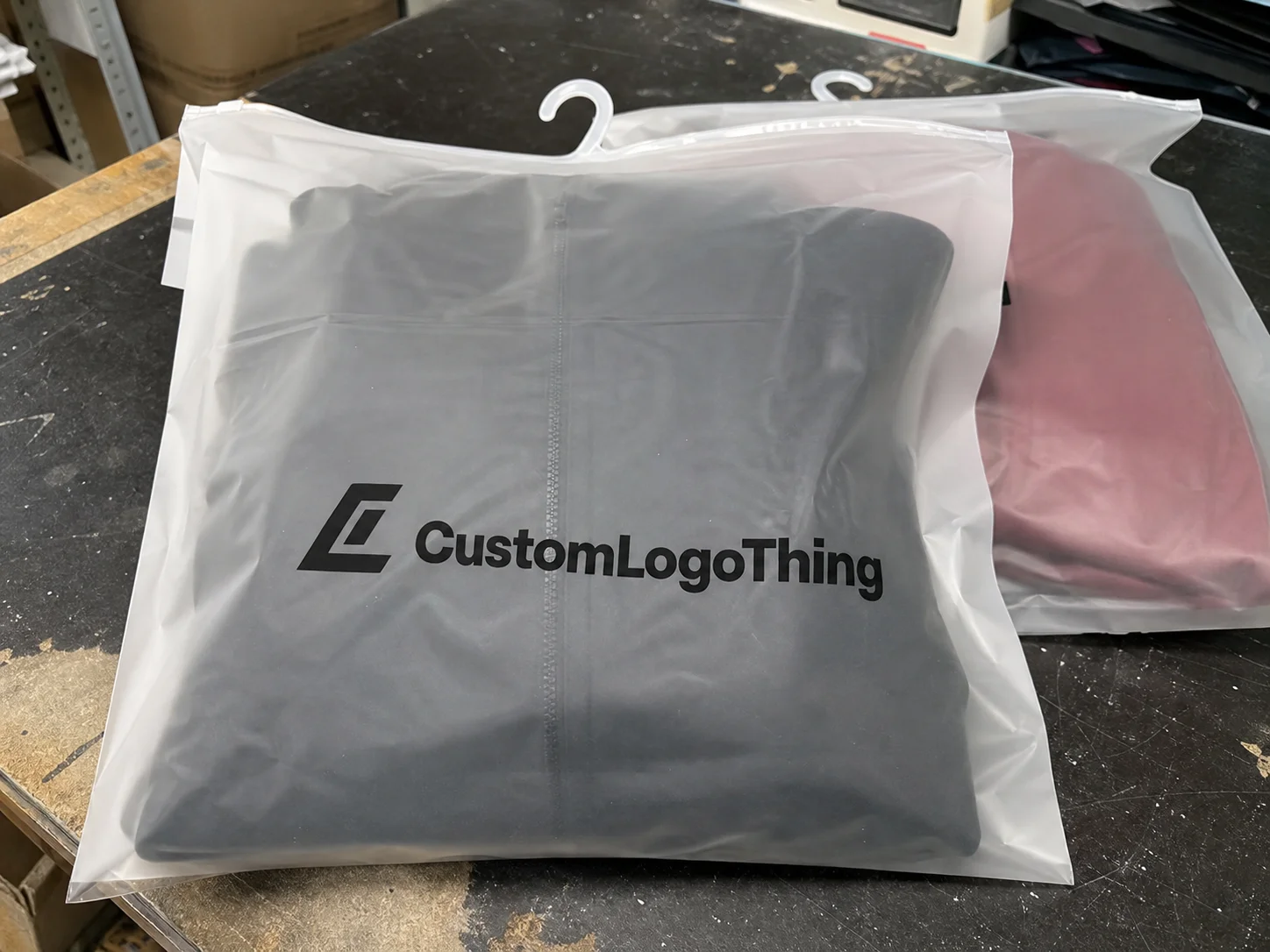
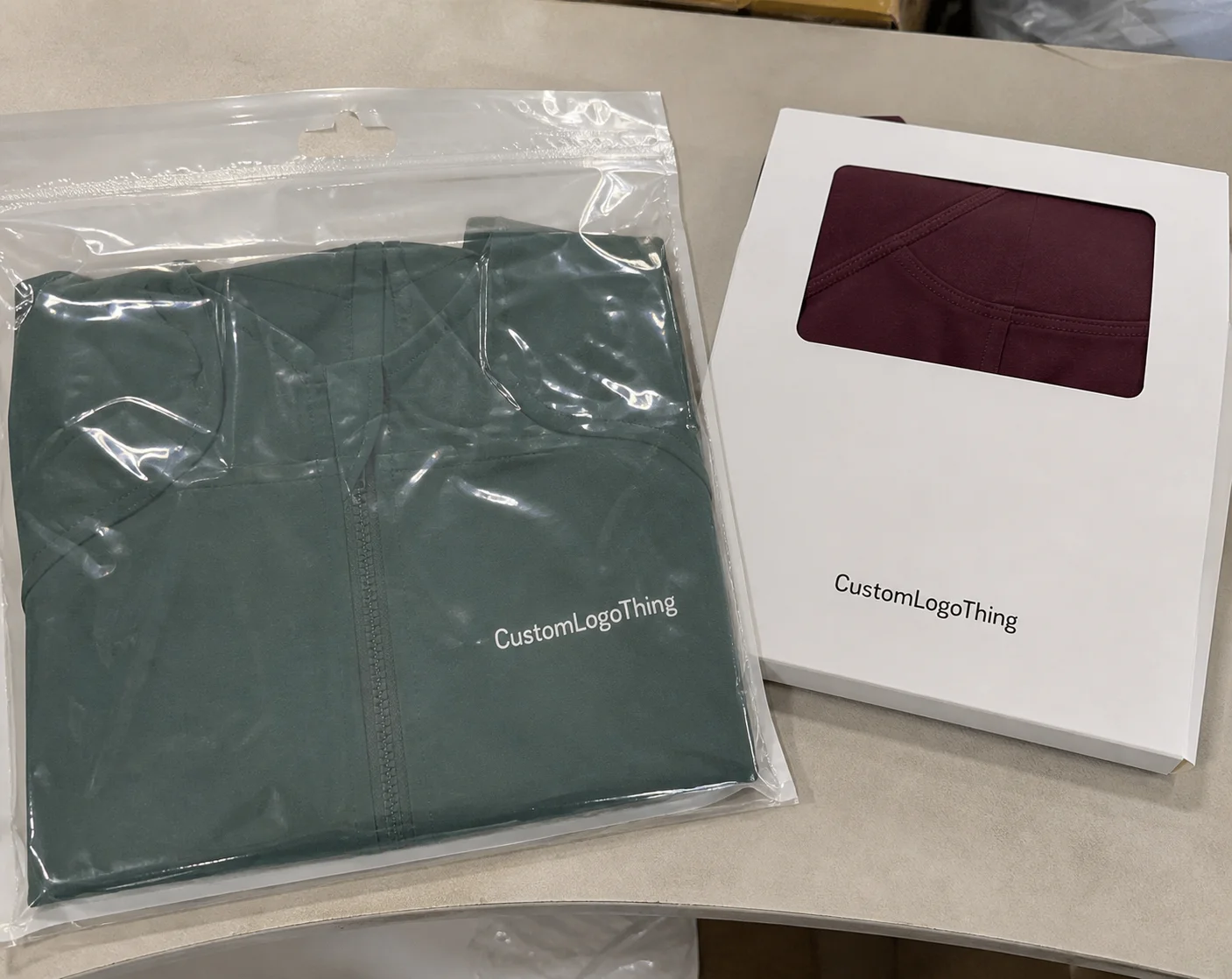
At Custom Logo Things, this question comes up constantly from boutique retailers, cafés, bakeries, gift shops, trade show teams, and takeout brands that want packaging to do more than transport an item. They want the bag to act like a small billboard, a branded handoff, and a quiet reminder that the purchase mattered. A clean paper bag with a sharp logo can do more for package branding than a stack of generic inserts ever will. A 1-color logo on 150gsm kraft can look more expensive than a cluttered 4-color print on cheap stock. That’s just the annoying truth.
Why Custom Paper Bags with Logo Printing Near Me Matter
The phrase custom paper Bags with Logo printing near me usually means three things at once: faster communication, easier sample review, and fewer misunderstandings. I’ve worked with cafés in Austin and retail brands in Chicago that got burned by a distant supplier because the proof looked fine on screen, then the final white ink shifted warm under store lighting. A supplier you can reach quickly lets you catch that sort of thing early, while there’s still time to fix it. That matters when your opening date is Friday and the cartons are due Wednesday.
A paper bag is not just a paper bag. I know, shocking. In a converting shop, the same basic structure can feel upscale or cheap depending on the board construction, the bottom patch, the handle attachment, and the finish on the print. A 90gsm white sulfite bag with a loose twisted handle behaves very differently from a 150gsm kraft bag with reinforced gussets and a rope handle. Buyers looking for Custom Paper Bags with logo printing near me should pay attention to build details before they fall in love with artwork. For a bakery carrying two pastry boxes, I’d rather see 120gsm to 150gsm kraft with a reinforced base than a pretty logo on flimsy stock.
The use cases are easy to spot if you spend time around retail packaging lines. I’ve seen bakery teams in Toronto use these bags for croissants and gift boxes, apparel stores in Dallas use them for folded garments, and event managers in Las Vegas use them for sponsor giveaways at trade shows. I’ve also seen takeout businesses move away from plastic because a paper carrier gives a cleaner presentation, especially when the logo is printed in one strong color and the bag opens flat at the counter. A 260 x 140 x 330 mm bag with a flat handle is a common sweet spot for lunch takeout and smaller retail bundles.
There’s a real difference between stock paper bags, custom-printed bags, and fully tailored product packaging. Stock bags are fastest and cheapest if you just need a plain carrier, often around $0.08 to $0.12 per unit in large cartons. Custom-printed bags add your logo, usually on one or two panels, and can land near $0.15 per unit for 5,000 pieces if the spec is simple. Fully tailored bags go further: they match your brand colors, bag size, handle style, and sometimes even the finish of your Custom Packaging Products so the whole presentation feels deliberate. I’ve watched brands gain credibility just by moving from generic carryout bags to coordinated retail packaging.
And “near me” is not only about geography. It also means the supplier answers the phone, sends a dieline in an afternoon, and moves a sample through approval without three days of delay. For a store opening in Houston, a product launch in Miami, or a last-minute holiday run in Atlanta, that responsiveness matters more than the postal code on the invoice. I’ve had suppliers in Shenzhen beat local U.S. brokers on speed simply because they replied before the coffee cooled.
“The bag is the handshake after the sale. If the seams split, the print smears, or the logo sits too close to the fold, the customer remembers that long after they forget the receipt.”
If you want to compare bag builds across different programs, our Manufacturing Capabilities page is a good place to see how size, paper grade, print method, and finishing choices fit together in real production. We’ve worked with 350gsm C1S artboard for rigid retail carriers and lighter 120gsm kraft for café takeout, and the difference is immediate once you hold the sample.
How Custom Paper Bags with Logo Printing Near Me Work
Most orders for Custom Paper Bags with logo printing near me follow the same production path, even when the artwork and materials change. First comes the quote request. The supplier needs bag size, quantity, paper type, handle style, print colors, and target delivery date. If you send only a logo and say “something nice,” the estimate will be vague, and vague estimates usually become vague results. A proper quote for 5,000 pieces should show unit pricing, plate or setup charges, carton count, and estimated freight, not just one shiny number at the bottom.
After the quote, the next step is file setup and dieline confirmation. A dieline is the flat template showing panels, folds, gussets, seam areas, and handle zones. On one client visit in Shenzhen, I watched a designer place a large logo exactly where the fold line would crush the middle of the wordmark. The proof looked attractive on a monitor, but on the bag it would have landed on a crease. That’s the kind of problem a good dieline catches before production starts, especially on a 280 x 100 x 360 mm bag where the side gusset eats more space than the client expects.
Printing comes next, and the method matters more than many buyers think. Offset printing is usually the best choice when you need sharp detail, fine typography, or more elaborate branding across a large run. Digital printing works well for shorter runs and faster setup, especially when you want to test a seasonal design or a small retail campaign. Flexographic printing is common too, especially for simpler graphics and high-volume runs where the artwork does not demand photographic detail. The best method depends on the order quantity, color count, and how strict the brand color matching needs to be. For a 3-color logo on 10,000 paper bags in Ho Chi Minh City, flexo can keep costs down; for a soft-touch boutique bag in Los Angeles, offset usually looks cleaner.
The paper itself changes the whole experience. Kraft paper, white sulfite, recycled board, and coated stock each behave differently in the press and in the hand. Kraft gives a natural, earthy look that many cafés and bakeries love. White sulfite gives a cleaner background for bright logos. Recycled board can be a strong fit for sustainability-focused retail packaging, especially when paired with water-based inks. Coated stock can enhance color saturation, though it may need more careful handling during folding and gluing. If you want a crisp black logo on a white retail carrier, 350gsm C1S artboard with matte lamination can look far more premium than plain kraft.
Handle style is another major decision. Twisted paper handles are common, economical, and sturdy enough for many retail uses. Flat paper handles work well for lightweight bags and can be comfortable to carry. Die-cut handles are neat and minimal, often used for gift bags or apparel packaging. Rope handles, while more premium, add cost and usually support a higher-end presentation. I’ve seen plenty of brands assume the handle is a tiny detail until a customer carries three heavy items from a shop and the handle starts to pull away. Then everyone suddenly becomes very interested in “the little details.” A 15mm to 18mm reinforced patch at the handle can make the difference between a reliable bag and a customer’s bad review.
Inside the converting room, the print sheet is cut, folded, glued, and packed. Good factories monitor glue seam width, bottom reinforcement, and handle attachment points because those three areas decide whether the bag survives real use or fails at the worst moment. Color consistency gets checked against approved proofs, and operators watch for registration drift, especially on multi-color artwork. If the logo sits 2 mm too far left, a brand manager will notice it immediately. I wish that was an exaggeration. It is not. On a 10,000-piece run, that 2 mm can be the difference between “nice” and “why does the logo look crooked?”
That communication loop is where local or responsive sourcing pays off. When a supplier is easy to reach, revisions move faster, sample approval happens sooner, and the order stays on track. That’s one reason people searching for custom paper bags with logo printing near me often end up choosing a supplier they can actually talk to rather than just a website that promises speed. A quote answered in 4 hours beats a glossy promise that takes 4 days.
| Printing Method | Best For | Typical Strengths | Typical Tradeoffs |
|---|---|---|---|
| Offset printing | Mid to large runs with sharp branding | Excellent detail, strong color control, clean logo edges | Higher setup time and plate preparation |
| Digital printing | Short runs and fast turnaround | No plates, easy artwork changes, good for smaller quantities | Can cost more per unit on large orders |
| Flexographic printing | High-volume, simpler artwork | Efficient for repeat jobs, dependable on straightforward designs | Less ideal for very fine detail or complex gradients |
For buyers comparing branded packaging options, it helps to see where paper bags fit alongside custom printed boxes and other carrier formats. Boxes are better for product protection and stacked presentation, while bags win on convenience, speed at point of sale, and easy brand visibility. The best retail programs often use both, with boxes inside bags for premium purchases and simple paper carriers for everyday transactions. I’ve seen a London cosmetics brand use 300gsm folding cartons inside white sulfite bags, and the combo looked far more polished than either item alone.
Key Factors to Compare Before You Order Custom Paper Bags with Logo Printing Near Me
If you want custom paper bags with logo printing near me to work well in real life, start with the technical basics: paper weight, bag size, gusset depth, and bottom reinforcement. These four choices shape how the bag looks, how much it carries, and how likely it is to hold up under customer use. A 220 x 120 x 280 mm bag is fine for apparel or light gift items, while a wider 320 x 140 x 420 mm format may make more sense for retail boxes or bakery bundles. For a bottle shop, I’d go wider and add a thicker base patch without hesitation.
Paper weight is often measured in gsm. A 120gsm kraft bag is common for everyday use, while 150gsm or higher can provide a firmer feel and better resistance to wrinkling. If a customer is carrying glass jars, two pastry boxes, or multiple catalog items, I usually recommend checking handle reinforcement and bottom patch style before focusing on the ink design. On one project for a specialty food client in Portland, switching from a standard base to a reinforced base reduced field complaints dramatically, and the bag still looked simple and clean. We used 170gsm kraft with a 20mm bottom patch and the carry test got much less dramatic.
Branding decisions come next. You need to decide whether the logo should be front-only, front and back, or full-panel. You also need to know whether the artwork is a one-color imprint or a multi-color design with screens, gradients, or solid coverage. Deep ink coverage can look fantastic, but on uncoated kraft stock it may absorb differently and appear slightly softer than on coated white paper. That is normal, not a defect, but it should be discussed early so expectations stay realistic. A Pantone 186 red on uncoated kraft will never look exactly like the same ink on a 350gsm C1S artboard, and pretending otherwise is a great way to annoy everyone later.
Cost is driven by more than quantity. I’ve seen quotes change by 15% to 30% based on handle style alone, especially when comparing twisted paper to rope handles. Special finishes like matte lamination, soft-touch coating, embossing, foil accents, or custom insert cards all add labor and materials. Rush production and air freight can also swing the total, sometimes more than the print itself. If a buyer says “cheapest,” but also wants a premium look and a five-day turnaround, the numbers usually won’t cooperate. Packaging has a way of humbling wishful thinking. On a 5,000-piece order, a switch from twisted handles to cotton rope can add $0.06 to $0.12 per unit very quickly.
Minimum order quantity matters too. Some factories can run 1,000 bags with digital printing, while others prefer 5,000 or 10,000 because the press setup and folding line are more efficient at volume. Smaller runs are useful for test launches, but the unit price will usually be higher because setup costs are spread over fewer bags. That is not a trick; it’s just how converting plants work. I’ve negotiated with factories in Shenzhen where 3,000 pieces cost more per unit than 10,000 because the first run barely covered setup and proofing.
Sustainability is another point worth comparing carefully. If your brand talks about eco-conscious retail packaging, ask whether the paper has recycled content, whether the supplier can support FSC-style sourcing, and whether the inks are water-based or low-VOC. The environmental angle should be real, not just a claim on the quote sheet. The EPA has useful guidance on sustainable materials and waste reduction here: EPA Sustainable Materials Management. For paper sourcing questions, FSC certification information is available at FSC. If a supplier can’t tell you where the paper mill is, that’s not a great sign.
Comparison Points That Actually Affect the Final Bag
- Paper grade: kraft, sulfite, recycled, or coated stock
- Handle style: twisted paper, flat paper, die-cut, or rope
- Print method: offset printing, digital printing, or flexographic
- Structure: bottom patch, gusset depth, seam width, reinforcement
- Finish: matte, gloss, soft-touch, embossed, or uncoated
Honestly, I think many buyers overfocus on the logo and underfocus on the bag body. A crisp logo on weak paper still feels weak. That’s one of the biggest lessons I’ve learned from supplier negotiations and post-production complaints: the substrate is the story, and the ink is only the headline. If the bag uses 100gsm stock when your product needs 150gsm, no amount of pretty printing will save it.
Step-by-Step: Ordering Custom Paper Bags with Logo Printing Near Me
The cleanest way to order custom paper bags with logo printing near me is to treat it like a short packaging project, not a casual purchase. Step one is defining the use case. A bakery needs a bag that can fit a pastry box and resist oil transfer. A boutique may need something tall and narrow for apparel. A trade show exhibitor might want a bag that looks premium but also stacks efficiently in a booth drawer. If you don’t define the use case first, the supplier is guessing. Guessing is how you end up with 230 x 80 x 300 mm bags for products that really need 260 x 120 x 330 mm.
Step two is gathering artwork in the right format. Vector files such as AI, EPS, or print-ready PDF are usually the safest because they scale without pixelation and keep line art sharp. If the logo is old, ask for the master file from the brand team rather than grabbing a JPEG off a website banner. I’ve seen buyers send screen grabs with gray backgrounds and low-resolution edges, then wonder why the printed bag looked blurry. It started with the file, not the press. If the original file is missing, a clean rebuild can take 1 to 2 business days, which is still better than printing a fuzzy logo 5,000 times.
Step three is requesting a dieline and checking the artwork placement against folds, seams, and handles. A logo that looks perfect on a flat mockup can still land across a gusset edge or sit too close to the bottom fold. That’s especially true for custom paper bags with logo printing near me when the bag size is unusual or the design wraps around multiple panels. A proper proof should show bleed, trim, and safe areas clearly. I like to see at least 3 mm bleed and a 5 to 8 mm safe zone on all critical text.
Step four is reviewing the production timeline. A typical order includes artwork setup, proof approval, printing, drying or curing, folding, gluing, packing, and shipment. Depending on quantity and print method, you might see 10 to 20 business days from approval to dispatch, and sometimes longer if specialty paper must be sourced. In our factory notes, a standard 5,000-piece offset run usually takes 12 to 15 business days from proof approval, plus 3 to 7 business days for domestic freight or 20 to 30 days for ocean shipping. If a supplier promises a complex custom bag in three days, I would ask exactly what’s being skipped.
Step five is approval and inspection. Confirm the final proof, the shipping or pickup terms, and the carton count. When the first cartons arrive, inspect the bags for print registration, color consistency, handle attachment strength, seam alignment, and scuffing. A spot check of 10 to 20 bags is usually enough to reveal whether the run is clean or whether something went off during converting. For a larger 10,000-piece order, I’d check one carton from every pallet if the shipment is coming from a factory in Shenzhen or Dongguan.
Here’s a simple workflow I’ve used with clients who wanted predictable results:
- Confirm size, paper weight, and handle style.
- Share logo files and brand colors.
- Review the dieline with the printer.
- Approve sample or digital proof.
- Lock the schedule and shipping method.
- Check the first cartons on arrival.
That process sounds basic, but it saves real money. I remember a restaurant group in San Diego that skipped the sample phase on a rush order for custom paper bags with logo printing near me. The bags arrived on time, but the logo was printed 8 mm too low, which made the brand look unplanned. They used them anyway because the opening event was the next morning, but they reordered with a corrected layout the following week. No one wants to explain “we were almost right” to a room full of customers, especially not at a $0.17 per unit price point that suddenly becomes $0.34 after a reprint.
Common Mistakes When Buying Custom Paper Bags with Logo Printing Near Me
The first mistake is choosing size based on appearance instead of product measurements. A bag that “looks about right” can still fail if the product is too wide for the gusset or too heavy for the handle construction. I’ve seen retailers order elegant narrow bags for boxed candles, only to find the boxes scraping the sides and damaging the print at the seam. Measure the product, then build the bag around it. If the candle box is 95 mm wide, don’t spec an 80 mm gusset and hope for the best.
The second mistake is submitting artwork that is too small, too old, or too inconsistent with the brand system. If the logo has changed recently, make sure the file you send is the approved version. If the brand uses Pantone references or specific CMYK builds, include them. If not, the printer will estimate, and that can lead to slight shifts that are obvious once the bags are lined up under store lighting. That matters a lot in retail packaging, where color consistency becomes part of the brand’s credibility. I once saw a navy logo drift blue-gray across three cartons because nobody confirmed the Pantone number.
The third mistake is assuming the print will behave the same on every paper. It won’t. Offset printing on coated stock can look very different from offset or flexographic printing on kraft. Dark inks may sink a little into uncoated papers, and bright colors can lose some punch. That is why a proof or sample is so useful for custom paper bags with logo printing near me; it reveals the real behavior of the materials, not just the ideal version on a monitor. A 1-color black logo on 120gsm kraft often looks softer than the same logo on 250gsm white sulfite.
The fourth mistake is ignoring turnaround realities. Drying, curing, folding, and glue set time all matter. If the supplier needs 12 business days after approval, that does not mean 12 calendar days. Freight scheduling can add another layer, especially if the bags must cross regional hubs or clear a busy holiday logistics window. I’ve watched more than one client miss an opening by three days because they counted from the quote date instead of the proof approval date. Tiny timing mistakes have a very loud way of showing up at launch. If the truck leaves Qingdao on a Friday, it will not magically appear in Dallas on Monday.
The fifth mistake is staring only at unit price and ignoring hidden costs. Setup fees, plate charges, sample shipping, revision rounds, rush handling, and cartonization can all change the total. A low unit price on a quote is not meaningful if the print method cannot achieve the finish you actually need. That’s where comparison shopping matters: compare the same bag size, same print method, same paper weight, same handle, and same delivery terms. A quote for $0.15 per unit at 5,000 pieces means nothing if the supplier quietly swaps 150gsm kraft for 100gsm stock.
| Ordering Choice | What It Usually Costs | What You Gain | Common Risk |
|---|---|---|---|
| Plain stock bags | Lowest unit cost, often $0.08 to $0.12 each in volume | Fast availability | No brand impact, generic presentation |
| Simple one-color custom bags | Moderate cost, often around $0.15 to $0.18/unit for 5,000 pieces depending on specs | Strong branding at checkout | Artwork and paper choice still matter a lot |
| Premium custom bags with special finish | Higher cost, especially with rope handles or embossing, often $0.28 to $0.60/unit | Stronger retail packaging presence | Longer lead time and more approval steps |
One more mistake I see often: forgetting that bags are part of broader brand packaging, not a separate item. If your printed bag clashes with your labels, tissue, or countertop display, the whole presentation feels disjointed. That’s why I always ask clients to show me the bag alongside their Custom Packaging Products before approving a final design. I’ve seen a premium candle line use elegant boxes and then hand them over in a flimsy carrier. Great candle. Messy exit.
Expert Tips for Better Results with Custom Paper Bags with Logo Printing Near Me
If you want stronger results from custom paper bags with logo printing near me, ask for the exact paper grade and the handle reinforcement method before you approve anything. A bag that will carry a single T-shirt does not need the same build as a bag carrying boxed candles and a small brochure pack. In one client meeting in Minneapolis, I saw a small gourmet retailer upgrade from a standard glued patch to a reinforced insert at the handle, and the bag immediately felt more dependable in the hand. That upgrade added only about $0.03 per unit on a 5,000-piece run, which was cheaper than one bad customer complaint.
Use bold shapes and clear contrast if the bag will be seen from a distance. Fine typography can disappear in a busy street scene or under warm store lighting. Strong logos, larger letterforms, and simpler layouts usually print more consistently, especially on kraft stock. If the brand wants a premium feel without overloading the bag, subtle embossing or a matte finish often works better than flooding the panel with heavy ink coverage. I’ve seen a one-color black logo on 150gsm kraft outperform a four-color illustration because the silhouette read better from 10 feet away.
For high-end retail packaging, consider pairing a clean paper bag with a matching insert card or tissue wrap. That combination can improve the unboxing moment without changing the bag build too much. I’ve also seen brands use a restrained one-color logo on the bag while reserving richer graphics for the box inside, which is a smart way to balance cost and presentation. A soft-touch bag plus a 350gsm C1S artboard insert can make even a modest purchase feel intentionally packaged.
Give yourself a buffer of at least 3 to 5 business days beyond the supplier’s best-case timeline. That margin can absorb proof corrections, paper delays, or freight changes without putting your launch at risk. It sounds conservative, but I’d rather see a client approve early than hear them explain to a store manager why the bags are stuck in transit. If the factory says 12 to 15 business days from proof approval, plan for 15 to 20 and thank yourself later.
Keep a reorder spec sheet that lists bag dimensions, paper weight, print method, handle style, approved file name, and carton pack count. That little document saves a surprising amount of time on future runs. When a seasonal promotion comes back around, you won’t need to rebuild the order from scratch, and the supplier can match the previous job more reliably. In practical terms, it’s one of the easiest ways to protect continuity in packaging design. I’ve seen brands save a full week just because they kept the exact spec from the April run and reused it in November.
From a standards perspective, many buyers also ask how bags fit into testing and sustainability goals. While paper bags are not usually tested like heavy transit cartons, it still helps to think in terms of handling stress and distribution quality. For broader packaging guidance, the ISTA site is useful for understanding how packaging survives shipping and distribution conditions, especially when bags are part of a larger kit or bundled product program. A carrier that survives a 2-meter drop test in a warehouse is a better story than one that tears while leaving the dock.
What to Do Next After Choosing Custom Paper Bags with Logo Printing Near Me
Once you’ve identified the right custom paper bags with logo printing near me supplier, the best next move is to create a one-page spec sheet. Include bag size, quantity, paper grade, handle style, print colors, artwork file name, and target delivery date. If you can hand that sheet to two suppliers and get comparable quotes, you’ll be able to compare real value instead of comparing apples to oranges. A spec sheet for 5,000 pieces in 320 x 140 x 420 mm kraft is much easier to price than a vague request for “a nice bag.”
Then ask for a sample or proof package, especially if the bag will represent a premium gift experience, a boutique retail line, or a customer-facing launch. A physical sample can reveal handle feel, paper texture, and print behavior in a way no monitor can match. Even a digital proof should show bleed, trim, and safe areas clearly, and it should list all critical specs so there are no surprises later. I like to see the paper weight printed on the proof sheet, not just hidden in the email thread like a secret.
Check whether the supplier can support repeat orders, color updates, or seasonal changes without starting over. That matters if you run promotions quarterly or if your retail packaging shifts for holidays. A supplier who keeps your previous spec sheet and approved artwork on file can usually turn around the next run much faster, and the process feels much calmer on your side. I’ve had jobs in Dongguan repeat in 8 business days simply because the factory already had the plates, carton spec, and file naming locked in.
Before final approval, confirm that the bag meets three tests: strength, branding, and timeline. Strength means it survives the load you actually plan to carry. Branding means the logo and colors look right in person. Timeline means it arrives when you need it, not when it is merely convenient for production. If all three line up, your custom paper bags with logo printing near me order is probably in good shape. If one of them is off, fix it before the press starts.
I’ve seen brands spend a lot of energy chasing the lowest quote, only to end up paying more for reprints, rush freight, or emergency substitutions. The smarter play is to balance materials, print method, lead time, and supplier communication. That is the real difference between a bag that just exists and a bag that supports the brand every time a customer walks out the door. A well-made bag in the right market can turn a $0.15 carrier into a moving ad that gets seen 30 or 40 times before it lands in the trash.
If you are still narrowing down options, Custom Logo Things can help you think through materials, print methods, and presentation choices for custom paper bags with logo printing near me. The right bag does more than carry a purchase. It gives your brand a clean, reliable, and visible finish at the exact moment customers are paying attention. And yes, that moment is worth getting right.
FAQs
How much do custom paper bags with logo printing near me usually cost?
Pricing depends mainly on bag size, paper weight, print colors, handle style, and order quantity. For example, a simple one-color kraft bag at 5,000 pieces may land around $0.15 to $0.18 per unit, while a premium rope-handle bag with special finish can cost several times more. Short runs usually carry higher unit costs because setup work is spread over fewer bags. If you want a realistic quote, send the exact dimensions, paper spec, and print method.
How long does it take to produce custom paper bags with logo printing near me?
Typical timelines include artwork setup, proof approval, printing, drying or curing, converting, and packing. A straightforward order usually takes 12 to 15 business days from proof approval, while more complex jobs can take 18 to 25 business days if paper sourcing or revisions are involved. Add another 3 to 7 business days for domestic shipping or longer for ocean freight. A responsive supplier can reduce delays by shortening sample and approval loops.
What artwork files work best for custom paper bags with logo printing near me?
Vector files such as AI, EPS, or print-ready PDF are usually preferred because they scale cleanly and keep edges sharp. High-resolution PNG or JPEG files can work for simple designs, but they need to be large enough for print. Always ask for a dieline before finalizing placement so the logo stays away from folds, seams, and handle zones. If the bag uses a 260 x 120 x 330 mm layout, you want that file locked before the press starts.
Can I order a small quantity of custom paper bags with logo printing near me?
Yes, many suppliers can produce smaller runs, especially with digital printing or other short-run methods. Expect a higher per-bag price on low quantities because setup work is still required. Small orders are useful for testing size, color, and handling before committing to a larger production run. A 1,000-piece test run is often the cheapest way to find out whether a 140gsm kraft bag is strong enough for your product.
What should I check before approving custom paper bags with logo printing near me?
Confirm bag dimensions, paper grade, handle type, print colors, and logo placement. Review the proof for spelling, crop marks, bleed, and seam alignment. Make sure the timeline fits your event, store opening, or replenishment schedule before production begins, because once the job starts, changes can add both time and cost. I also recommend checking the carton count and confirming whether the final approval date is the real start of the 12 to 15 business day clock.