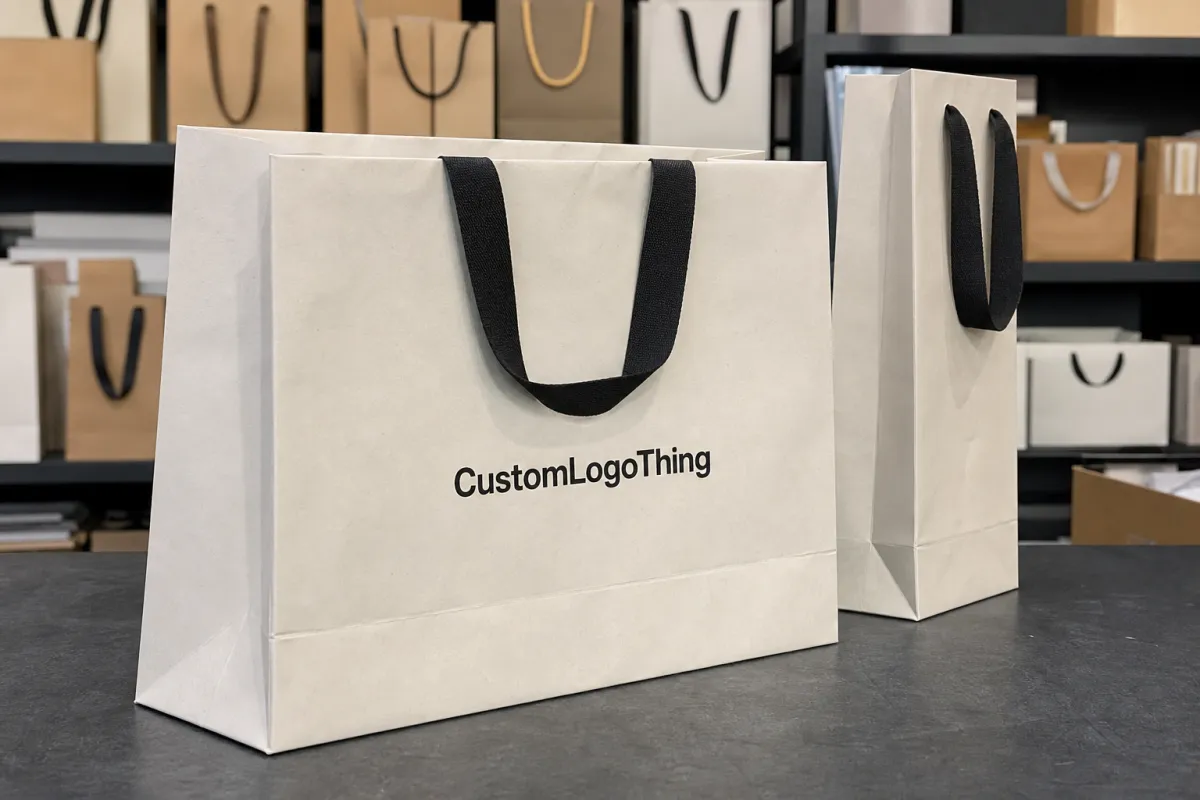
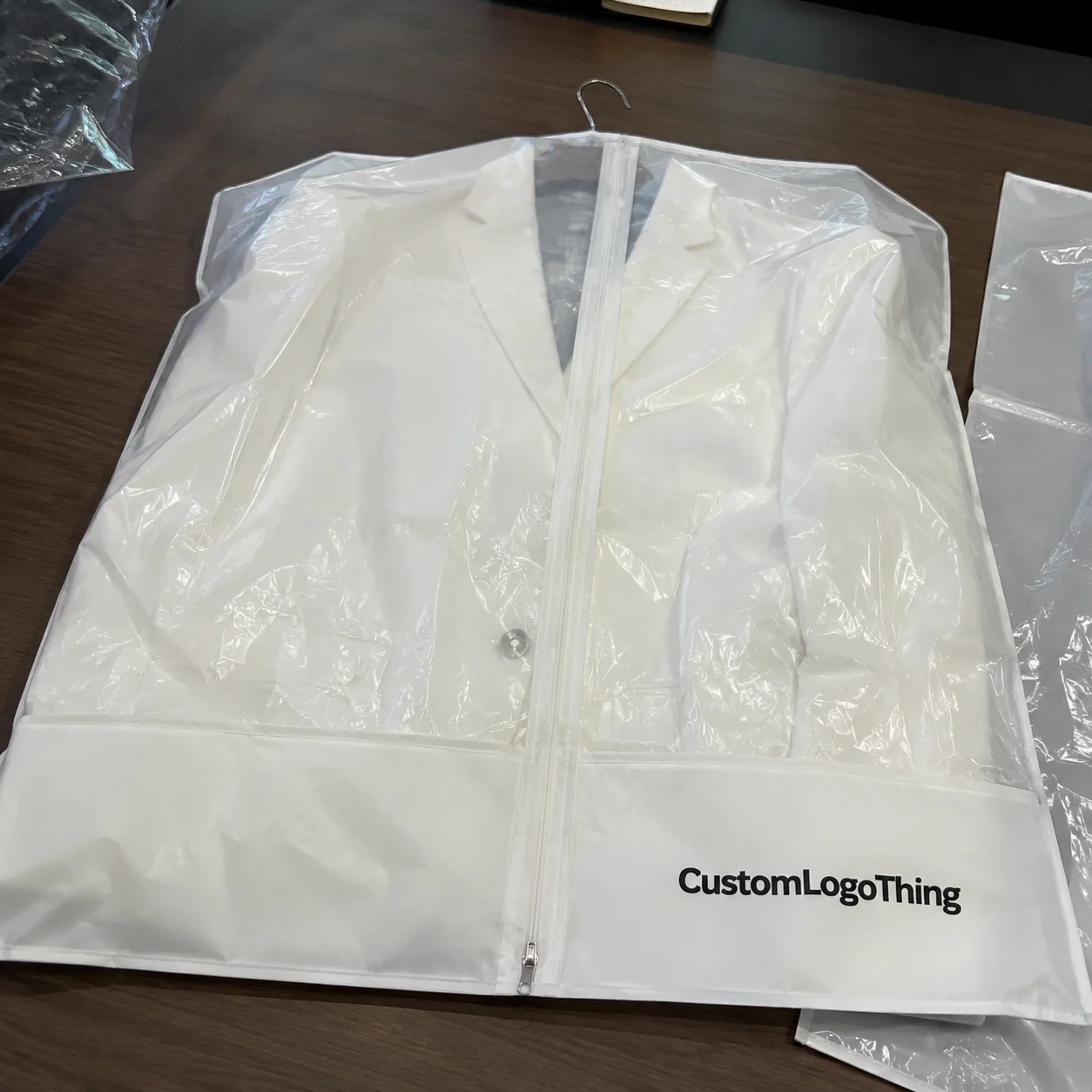
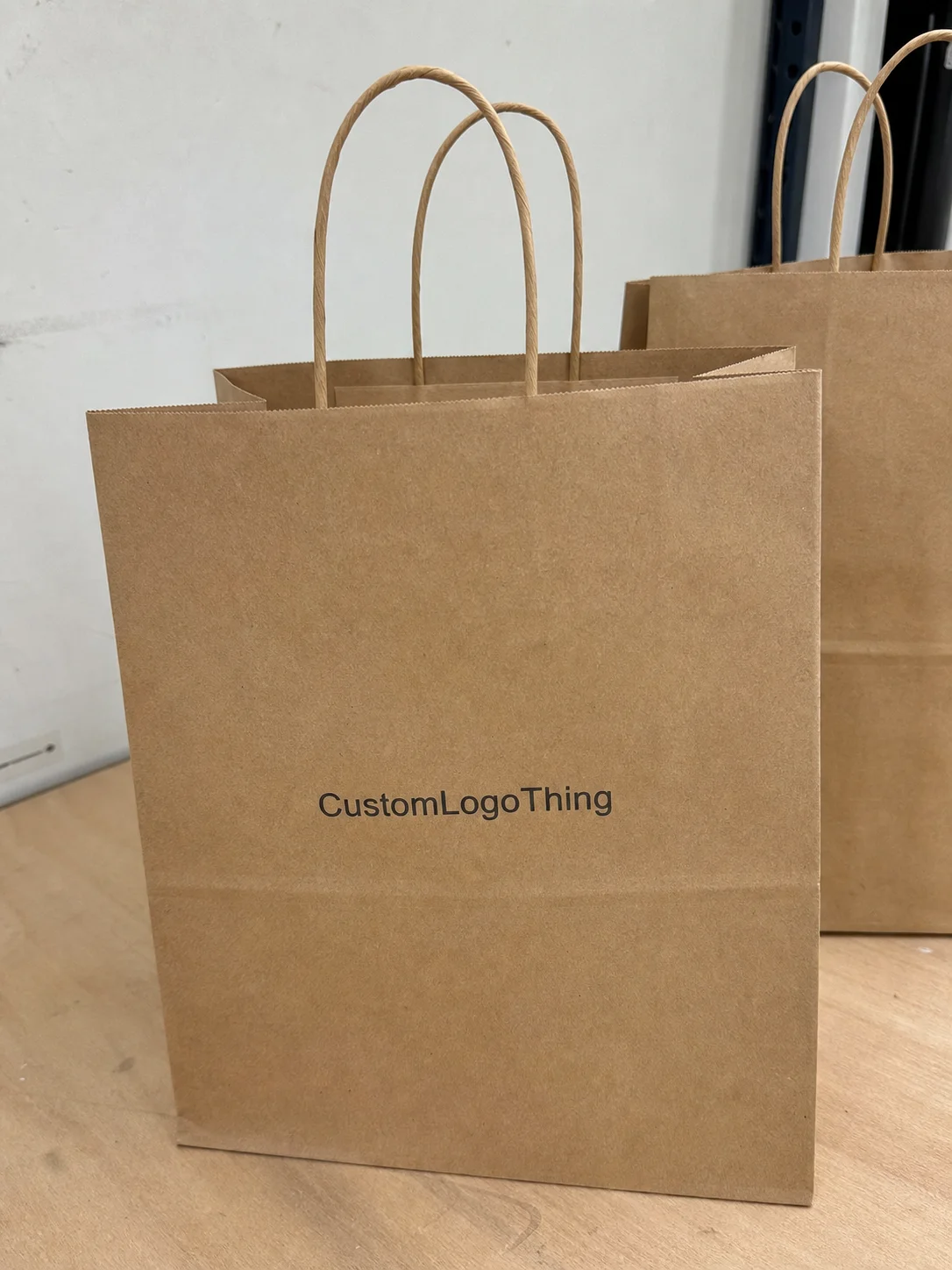
Buyer Fit Snapshot
| Best fit | Package Holiday Gift Sets Custom projects where brand print, material claims, artwork control, MOQ, and repeat-order consistency need to be specified before quoting. |
|---|---|
| Quote inputs | Share finished size, material target, print colors, finish, packing count, annual reorder estimate, ship-to region, and any compliance wording. |
| Proofing check | Approve dieline scale, logo placement, barcode or warning zones, color tolerance, closure strength, and carton packing before bulk production. |
| Main risk | Vague material claims, crowded artwork, missing packing details, or unclear freight terms can make a low unit price expensive after revisions. |
Fast answer: Package Holiday Gift Sets Custom: Quote Scope, Sample Proof, MOQ, and Lead Time should be specified like a repeatable production item. The safest quote records material, print method, finish, artwork proof, packing count, and reorder notes in one written spec.
Production checks before approval
Compare the actual filled-product size with the drawing, then confirm tolerance on folds, seals, hang holes, label areas, and retail display edges. Reserve space for logos, QR codes, warning copy, and material claims before decorative graphics fill the panel.
Quote comparison points
Review material grade, print process, finish, sampling route, tooling charges, carton quantity, and freight assumptions side by side. A quote is only useful when the supplier can repeat the same color, closure quality, and packing count on the next order.
How to package holiday gift sets custom sounds simple until you’re standing on a factory floor at 11:40 p.m. in Shenzhen, watching a full pallet of premium sets wobble because the insert was 2 mm too loose. I remember that exact mistake in a Dongguan facility during a December run. Beautiful outer box. Expensive foil. Terrible fit. The cartons made it through printing, then turned into a holiday headache the second they hit transit. Classic. Painful. Very much not what anyone wants two weeks before launch.
If you want to know how to package holiday gift sets custom the right way, start with this: holiday buyers judge the box before they touch the product. The package is part of the gift. It sets the price expectation, protects the contents, and decides whether your brand feels thoughtful or thrown together at the last minute. I’ve worked with brands that spent $0.38 on product presentation and $4,000 fixing damage claims because they treated packaging like an afterthought. Honestly, that kind of math makes my eye twitch. It’s expensive in all the dumbest ways, especially when the product itself only costs $6.50 to make.
So let’s keep this practical. I’ll walk through the full production path, the material choices, the budget math, and the mistakes I’ve watched smart teams make in real factories in Shenzhen, Dongguan, and Ningbo. We’ll talk about custom printed boxes, gift box inserts, product packaging, packaging design, and the stuff nobody mentions until the freight forwarder starts asking questions. If you need a place to start with sourcing, you can also browse Custom Packaging Products alongside this breakdown.
How to Package Holiday Gift Sets Custom: Why the First Unboxing Matters
Holiday packaging sells emotion before it sells function. That sounds soft, but the numbers are hard. In retail packaging, the box is the first proof of quality, and in gift packaging, it’s usually the first thing someone photographs. A neat unboxing sequence can make a $22 set feel like a $60 gift. A sloppy one can make a $60 set feel like a clearance item. And yes, people absolutely notice. They may not say it out loud, but they feel it immediately, usually in under five seconds.
When I visited a candle client’s co-packer in Dongguan, they had a gorgeous magnetic box with a velvet tray and gold foil logo. The candles arrived shifted inside because the insert was cut from the wrong sample file. Two millimeters. That tiny gap meant every box had a faint scuff on the inner sleeve. They had already approved the artwork, paid for the finish, and booked freight from Yantian Port. Guess what fixed it? Not another expensive redesign. We tightened the insert spec and changed the carton load pattern. Problem solved for $0.06 per unit instead of a full reprint. That’s why learning how to package holiday gift sets custom matters before you spend money on the fancy stuff.
Custom holiday gift set packaging usually includes the outer box, the insert, printing, finish, tissue, ribbon, message card, and a shipping master carton. Sometimes there’s a sleeve. Sometimes there’s a belly band. Sometimes there’s molded pulp instead of paperboard. The best packaging design depends on the product mix, the shipping method, and how much “wow” you need on opening. I’ve seen teams obsess over the ribbon color like it was a royal wedding, then forget to spec the insert. Naturally, that’s when the bottle starts rattling like a maraca during a 500-kilometer truck ride.
Here’s the part most people get wrong: they obsess over the lid finish and ignore the transport layer. A set can look premium on a desk and still fail in a courier lane. Packaging is not just decoration. It’s protection, presentation, and package branding in one stack. If you’re figuring out how to package holiday gift sets custom, you need all three, especially if the route includes parcel carriers in the U.S., EU, or Southeast Asia.
And yes, the first unboxing matters because holiday buyers are emotionally primed. They’re buying for someone else. They want the gift to look thoughtful in under five seconds. That’s why the box, not the product, often sets the perceived value. I’ve watched buyers at trade shows in Hong Kong and Guangzhou pick the package up, feel the finish, and decide in seconds whether the brand looked premium or cheap. Brutal. True. Very efficient, actually.
Real talk: if the packaging feels flimsy in your hand, customers will assume the product inside is flimsy too. That’s the whole game, and it usually gets decided before the first ribbon is untied.
How to Package Holiday Gift Sets Custom: The Production Process
The production path is the same whether you’re making 500 sets or 50,000. What changes is how many times people panic along the way. If you want to master how to package holiday gift sets custom, you need to understand the workflow before approving anything. Otherwise you end up making decisions under pressure, and pressure makes everyone suddenly “just trust me,” which is always a thrilling sentence to hear in a factory in Shenzhen at 8:15 p.m.
- Concept brief — define the products, target retail price, unboxing style, and shipping method.
- Structural dieline — build the box size, insert layout, and fold lines.
- Artwork setup — place logos, copy, compliance text, and finish callouts.
- Sampling — produce a physical prototype or white sample.
- Revisions — fix fit, color, glue points, or folds.
- Production — print, laminate, cut, glue, and assemble.
- Packing and shipping — final QC, master carton packing, freight booking, and dispatch.
Stock packaging with custom labels is the cheaper path. It works when you need speed and your gift set is simple. I’ve used this approach for smaller seasonal runs where the product mix changed late and nobody wanted to pay for new tooling. For a 3,000-piece test run, a stock folding carton with a custom label can save 2 to 4 weeks versus a fully custom structure. But if you want strong brand recall and a cleaner presentation, fully custom printed packaging is usually the better move. It gives you control over size, inserts, finish, and the opening sequence.
Common structures include rigid boxes, folding cartons, sleeve boxes, drawer boxes, magnetic closure boxes, and corrugated mailers. Each has a role. A rigid setup with a custom insert looks premium and protects fragile items well. Folding cartons cost less and ship flat. Sleeve boxes are good when you want one base platform with different seasonal artwork. Magnetic boxes feel expensive, but they add cost and weight fast. I’ve had clients fall in love with magnetic closures, then grimace when freight from Shenzhen to Los Angeles came back 18% higher. Beautiful? Yes. Cheap to ship? Absolutely not.
In one supplier negotiation in Dongguan, I pushed back on a factory that wanted to charge $0.21 extra for a die-cut insert upgrade. We compared the standard E-flute corrugate insert to a 350gsm C1S artboard insert with a tighter fold. The paperboard version cut enough material cost that the final unit landed only $0.08 higher, not $0.21. That’s the kind of trade-off that matters when you’re trying to figure out how to package holiday gift sets custom without burning margin for fun.
Sample approval saves expensive mistakes
A physical sample is not optional if the set is anything beyond a flat box with one item. Digital mockups lie. They don’t show depth. They don’t show how the lid catches. They don’t show whether the bottle rubs against the edge once vibration starts on a 1,200-mile freight route. I learned that the hard way years ago on a skincare set with a frosted window and paper insert tabs. The art looked fine on screen. The sample revealed a 1.5 mm drag point that would have torn the tray after 20 openings. One prototype saved a full production mistake. That’s the difference between “looks good” and “actually works.”
For holiday runs, sample timing matters because everybody is trying to grab the same factory slot. If your box uses foil stamping, embossing, soft-touch lamination, or specialty paper, add buffer time. Those finishes need more setup and more QC. The people who wait until the last minute usually end up asking for air freight, which is a lovely way to turn a reasonable packaging budget into a sad spreadsheet. On a typical premium project, I ask for sample approval at least 10 business days before the final production slot opens.
For trade references, I often point clients to ISTA testing standards and the Packaging Corporation guidelines and resources. Not because every brand needs full lab certification, but because those standards give you a sane framework for transit and compression testing. If you’re shipping direct-to-consumer from a warehouse in New Jersey or California, those checks are not decoration. They’re insurance with a better haircut.
Key Factors When You Package Holiday Gift Sets Custom
If you want to know how to package holiday gift sets custom well, stop thinking only about looks. Fit, protection, branding, and sustainability all sit in the same decision tree. Ignore one, and the whole package gets weaker. That’s not me being dramatic. That’s just how packaging works, especially when the box has to survive a 30-day sales window and a 10-day freight cycle.
Size and product fit come first. Measure each item with real calipers, not eyeballs. Add clearance for inserts, lid depth, and any gift tissue or message card. A perfume, a snack tin, and a candle may all fit in the same outer size on paper, but their center of gravity will behave differently in transit. That’s why one box size rarely works for every set. A 145 mm x 145 mm x 55 mm set may look perfect in a deck and fail once the jar lid adds another 4 mm.
Branding choices matter, but not every box needs to scream. I’ve seen brands spend $1.40 per unit on foil, embossing, and spot UV, then forget to align the logo properly. Money does not fix bad layout. Strong package branding usually comes from a clean composition, controlled color matching, and one or two finishes used with restraint. A subtle foil mark on a rigid lid can look more expensive than a fully covered box that feels busy. In Guangzhou, I’ve watched a 1-color matte box beat a 5-color glossy one just because the logo sat dead center and the Pantone match held within ΔE 2.
Materials should match the product and the channel. Paperboard works well for lighter gifts and flat shipping. Rigid chipboard is the go-to for premium presentation. Corrugate is the safer pick for e-commerce and direct shipping. Kraft is useful when the brand wants an earthy story. If sustainability is part of the pitch, ask for FSC-certified paper sources and document it correctly. You can review FSC resources at fsc.org. Don’t slap an eco claim on a box unless the supply chain can back it up. I’ve seen that go sideways fast, usually after someone prints “recyclable” on a laminated box that isn’t actually recyclable in the target market.
Gift experience is the emotional piece. A holiday set should open in layers. Outer box. Tissue. Insert. Product reveal. Message card. That sequence can cost almost nothing if you plan it early. I once helped a tea brand add a two-color printed belly band and a simple seasonal card. Cost increase: $0.09 per set at 10,000 pieces. Perceived value? Way more than that. The buyer said it felt “gift ready” instead of “retail repackaged.” That’s a huge difference, and it took less than 20 seconds to assemble on the line.
Durability and shipping are non-negotiable. If the box is going through parcel carriers, test compression, vibration, and drop risk. Ask for corner protection. Check whether the outer mailer fits the inner box with enough cushion. A nice box crushed in a master carton is still a failed box. Period. I like to see at least 3 mm of clearance on each side for DTC shippers, and more if the route includes long-haul truck transport.
Sustainability expectations need clear communication. Recyclable paperboard is great, but only if the finishes don’t make recovery harder than necessary. Heavy lamination and mixed materials can complicate recycling. If you’re trying to package holiday gift sets custom with a greener angle, keep the structure simple and the instructions explicit. Print the disposal guidance if needed. Customers do read it when the brand makes it obvious, especially in markets like Germany, Canada, and California where recycling questions come up fast.
| Packaging option | Best use | Typical look | Relative cost | Transit strength |
|---|---|---|---|---|
| Folding carton | Lighter gift sets, retail shelving | Clean, efficient, branded | Lower | Medium |
| Rigid box | Premium gifts, high perceived value | Stiff, upscale, gift-worthy | Higher | High |
| Corrugated mailer | DTC shipping, fragile items | Practical, protective | Low to medium | Very high |
| Sleeve + insert | Seasonal line changes, modular sets | Flexible, polished | Medium | Medium to high |
That table is the shortcut. If you’re still deciding how to package holiday gift sets custom, let the product and shipping route choose the structure. Don’t let the mood board boss you around, especially if the mood board was made at 1 a.m. with three font choices and no transit data.
How to Package Holiday Gift Sets Custom on a Budget
Budget talks get weird because people want a premium look at a near-wholesale price. I get it. I’ve sat through enough quote reviews to know everyone loves the glossy sample until the per-unit price shows up in the spreadsheet. Still, you can absolutely figure out how to package holiday gift sets custom without wrecking the margin. You just need to make a few boring choices on purpose, which is less exciting than a shiny box, but far less annoying than a budget blowout in Q4.
The biggest cost drivers are box style, print coverage, finishing, insert complexity, quantity, and tooling/setup. A simple 2-color folding carton might land around $0.28 to $0.55 per unit at 5,000 pieces, depending on size and paper stock. A premium rigid gift box with soft-touch lamination, foil stamping, and a custom insert can easily move into the $1.80 to $4.50 range per unit, especially at lower volumes. Add specialty paper or complex assembly, and the price climbs fast. Those numbers vary by supplier and destination, so don’t treat them like gospel. Treat them like the starting line, whether the order is going to Miami, Toronto, or Manchester.
Ordering more units usually reduces the per-unit cost, but only if you actually need the stock. I’ve seen brands overbuy 20,000 holiday boxes because the quote looked prettier at volume, then spend the following spring paying storage fees in a warehouse outside Los Angeles. That’s not savings. That’s expensive inventory with ribbon on it. Cute. Useless. Expensive.
If you need to keep costs sane, start with standard sizing, one-color or two-color print, and a single finish upgrade. For example, a matte box with one foil logo often looks more premium than a fully printed box with five clashing elements. Minimal can look expensive if the material is right. Cheap can look cheap even when the design team worked overtime and drank three coffees each. No amount of enthusiasm fixes a weak board grade.
Here’s a rough comparison I use in supplier calls:
- Low-cost path: standard paperboard carton, one-color print, no foil, basic insert, $0.22 to $0.60 per unit in moderate quantities.
- Mid-range path: custom printed boxes with sleeve, internal tray, spot UV or light foil, $0.65 to $1.80 per unit.
- Premium path: rigid box, custom insert, soft-touch finish, foil, emboss/deboss, $1.80 to $4.50+ per unit.
Supplier negotiation is where a lot of teams leave money on the table. Ask for alternate material specs. Ask whether the insert can be simplified from foam to paperboard or from two layers to one. Ask for freight estimates before final approval, because a cheap ex-works quote can turn into a mediocre landed cost once shipping and duties show up. I once shaved 12% off a holiday program just by changing the insert die from three nested parts to a single folded cradle. Same look. Less waste. Better assembly speed. The factory in Shenzhen liked it too, because their line time dropped by 14 seconds per unit.
And here’s the honest part: cheap-looking packaging can cost more than premium packaging if it causes returns, damaged goods, or weak repeat sales. I’d rather spend $0.16 more per unit on a sturdier structure than lose a retailer account because three sample sets arrived with crushed corners. That’s just business math, not design romance. Also, returns cost labor, not just replacement boxes, and labor is where budgets quietly bleed out.
Timeline: How to Package Holiday Gift Sets Custom Without Missing the Rush
Holiday packaging schedules get tight because every brand wakes up at the same time. Then everybody wants the same factory slot. Funny how that happens. If you want to master how to package holiday gift sets custom, plan early enough that your supplier doesn’t sound like they’re doing you a favor by answering the email. A supplier in Dongguan or Ningbo is much easier to work with in August than in late October.
A realistic timeline depends on complexity. Simple custom labels on stock boxes may take a few weeks. Fully custom printed boxes with insert engineering, finish approvals, and freight can take several months if you want breathing room. The planning window should include concept, sample, revisions, production, and shipping. If your set has multiple SKUs, add even more buffer because artwork and fit checks multiply fast. For most custom programs, I’d build in 6 to 10 weeks before the boxes even leave the factory.
Here’s a practical schedule I’ve used for seasonal programs:
- Week 1: brief, dimensions, product photos, and budget target.
- Week 2: dieline and structural concept.
- Week 3: artwork placement and first sample request.
- Week 4: prototype review and revisions.
- Weeks 5-6: final proof approval and order confirmation.
- Weeks 7-10: production, QC, and packing.
- Weeks 11-14: freight booking, transit, customs, and delivery buffer.
Where do delays happen? Artwork revisions. Dieline mismatches. Color proofing. Finish approvals. And shipping congestion. I’ve watched a box design sit untouched for nine days because the client approved the mockup, then realized the logo should be 4 mm lower. That tiny adjustment pushed the schedule back, which then pushed production into a busier window. Small changes can make a big mess, especially when the factory is already booked through the first week of December.
Holiday packaging should be locked early because factories prioritize large repeat runs and clients who already have files ready. That is not cruelty. That is scheduling reality. If you need air freight, budget for it honestly. Sea freight is cheaper, but timing can swing wildly depending on port congestion and customs review. I’ve had good plans go sideways because a container missed a vessel by 18 hours. Eighteen hours. The kind of number that makes a merchandiser stare at the ceiling like the ceiling personally betrayed them.
For direct-to-consumer programs, also think about packaging line speed. A box that takes 40 seconds to assemble manually is cute in a sample room and awful in a warehouse. If you’re scaling up, design for assembly labor as much as for aesthetics. That’s part of smart product packaging, not just pretty branding. At 10,000 units, saving 8 seconds per box can cut more than 22 labor hours.
Common Mistakes When You Package Holiday Gift Sets Custom
I’ve seen the same mistakes repeat every holiday season. Different brand. Same problem. If you want to know how to package holiday gift sets custom Without Wasting Money, avoid these traps.
First: choosing packaging before measuring the products correctly. People fall in love with a box size, then discover the bottle cap hits the lid or the insert leaves the jar loose. Measure everything, including closures, labels, and protective wrap. Real measurements beat enthusiasm. Use calipers and a ruler, not a “looks fine” estimate from a designer in another time zone.
Second: overdesigning the box. A brand can burn budget on three finishes, a custom ribbon, and a foil interior print that nobody sees after the first open. I’m not anti-bling. I’m anti-waste. Spend where the customer touches first. That might be the outer lid, the insert, or the card. Not all three plus glitter. Unless your brand is literally glitter, in which case, fine. Go wild. Just know the extra foil can add $0.12 to $0.28 per unit.
Third: ignoring shipping stress tests. If the set will move by parcel carrier, run a drop test or ask your supplier to perform a basic transit check. Compression, vibration, and corner damage are predictable. There’s no glory in discovering them after launch. Standards from groups like ISTA exist for a reason, and if your packaging gets tossed around in fulfillment, it needs to survive the toss. A box that survives one 76 cm drop on each corner is a lot less exciting than it sounds, but it saves refund emails.
Fourth: forgetting the gift-opening experience. Some teams build a box that functions like retail packaging and call it done. But holiday sets need a reveal. A little pause. A sense of occasion. If the customer opens the lid and sees a wall of plastic, the mood drops. Fast. Even a simple printed tissue sheet or a 100 x 150 mm message card can change that first impression.
Fifth: using too many SKUs or box sizes. One set with six different box dimensions looks good on a planning deck. It looks terrible in production. It complicates inventory, raises tooling costs, and turns assembly into a puzzle nobody enjoys. I’ve watched a warehouse in California waste 40 minutes just hunting the right insert because the SKU tree got cute and complicated.
Sixth: skipping sample approval and assuming the digital proof tells the truth. It doesn’t. The screen cannot show paper grain, lamination feel, glue alignment, or the exact shade shift under warm light. That’s why every serious packaging program needs a physical check. Every time. If the sample is off by 1 mm, production will not magically improve it.
Here’s a blunt quote from a retailer client after a failed sample run:
“The mockup looked elegant. The real box looked like the gift was trapped in a moving truck.”
That was a hard lesson, but it saved the entire rollout from a worse fate. The fix cost $0.11 per unit. The alternative would have cost the whole program.
If you’re serious about how to package holiday gift sets custom, the goal is not just to make the box pretty. The goal is to make it ship, stack, open, and resell emotionally. That’s the real job, and it starts with decisions made before the first proof gets signed.
Expert Tips to Package Holiday Gift Sets Custom Like a Pro
Here’s where I get opinionated. After enough factory visits, supplier calls, and client rescue missions, I’ve learned that the best packaging is usually the simplest version that still feels special. That’s the sweet spot for how to package holiday gift sets custom. Not stripped down. Not overbuilt. Just smart, with enough structure to survive a rough route through Hong Kong, Chicago, or Rotterdam.
Design for the camera. Holiday gift sets often get sold on social media before they’re sold in person. That means your packaging needs a strong front face, a readable logo, and one clean feature that looks good in a quick photo. I’ve seen brands double their organic shares just by adjusting the lid contrast and moving the logo 12 mm higher. Tiny change. Big visual difference. On one beauty set, that tweak cost nothing and improved the perceived shelf value enough to raise wholesale interest at a trade show in Las Vegas.
Create contrast. An outer box in deep matte navy with a warm gold interior can feel richer than a fully gold exterior. A kraft sleeve over a black rigid base can also feel expensive if the materials are balanced. Contrast gives the reveal some drama. That matters for gift packaging, especially when the customer opens the set under warm indoor light.
Keep branding consistent, not loud. Subtle logos and strong materials often outperform loud graphics. A clean deboss on the lid, a sharp color match, and a tidy insert can say “premium” without shouting. Honestly, I think shouting is usually the mark of a packaging team that ran out of better ideas. If the logo needs a megaphone, the structure is already doing too little.
Build a backup option. Holiday demand changes fast. Product substitutions happen. Shipment delays happen. Keep a secondary insert plan or a simplified finish spec ready if your volume jumps or a component goes late. One client saved a promotion by switching from a custom molded tray to a paperboard cradle in 48 hours. Not ideal. Still better than canceling the launch. The backup spec cost $0.14 less per unit and got the line moving again in Ningbo.
Test with actual operations teams. Ask the warehouse crew to assemble 20 sets. Watch them. Don’t explain. Just watch. If they struggle to fold a tab or keep the ribbon aligned, customers will too. Packaging design should make life easier in production, not just prettier on a render. A 15-second assembly improvement on 8,000 units saves more than 33 labor hours.
Confirm compliance and sourcing. If your outer carton needs recycled fiber claims, verify it. If your market requires certain labeling, place it early. If the box will be retail packaging in one channel and shipping packaging in another, confirm both use cases. A little checking now beats a legal cleanup later. And yes, customs will ask for paperwork if your claim language looks fuzzy.
Use suppliers who understand seasonal pressure. In my experience, the best factories are not the ones promising miracles. They’re the ones who tell you the truth about lead times and give you a clean backup spec. I’d rather hear “12-15 business days after proof approval, if the paper is in stock” than some fantasy promise that collapses when the foil plate shows up late. The honest suppliers in Shenzhen and Xiamen are usually the ones who save your launch.
If you’re comparing options, keep the buying process simple:
- Measure the products and note any fragile points.
- Choose the box style that matches the channel.
- Request a physical sample before finalizing art.
- Compare per-unit pricing and shipping costs.
- Lock production early enough to absorb revisions.
That is the practical version of how to package holiday gift sets custom. Not glamorous. Very effective. And a lot cheaper than finding out your “premium” box fails at the last mile.
One last thing: if your budget allows, keep a small contingency. Even 5% extra can cover freight swings, a revised insert, or an emergency reprint if a color comes back off by a mile. Packaging programs go smoother when somebody planned for reality instead of hoping for perfection. Reality tends to win, usually on a Tuesday.
FAQ
How do you package holiday gift sets custom for fragile products?
Use inserts or molded partitions that stop movement during transit. Choose a rigid box or corrugated mailer if the set will ship directly to customers. For glass or ceramic items, I like a 350gsm C1S artboard insert inside an E-flute shipper, then a drop sample before full production so you catch weak points early.
What is the cheapest way to package holiday gift sets custom?
Start with a standard box size, simple one-color printing, and minimal finishing. Reduce custom insert complexity by grouping products into a simpler layout. Compare folded cartons and mailers before moving to premium rigid packaging. At 5,000 pieces, a basic folding carton can land around $0.28 to $0.55 per unit, depending on size and board grade.
How long does it take to package holiday gift sets custom from sample to delivery?
Simple packaging can move faster, but custom structures and premium finishes add time. Allow time for design, sampling, revisions, production, and freight booking. For a typical run, I expect 12-15 business days from proof approval for production on a straightforward carton, then another 7-21 days for freight depending on whether it ships by air or sea.
What packaging materials work best for holiday gift sets custom?
Rigid chipboard works well for premium gift presentations. Paperboard is efficient for lighter products and lower-cost runs. Kraft and recyclable options are good when sustainability is part of the brand story. In practice, 350gsm C1S artboard, 1.5 mm chipboard, and E-flute corrugate cover most holiday programs I see in Shenzhen and Dongguan.
Can I make holiday gift set packaging custom without a big MOQ?
Yes, but the per-unit price is usually higher on smaller runs. Ask suppliers about digital print, stock structures, or simplified finishes to keep costs sane. Smaller quantities are easier if you want to test demand before scaling up, and a 500-piece pilot often avoids a lot of expensive guessing.
If you want how to package holiday gift sets custom to work in the real world, not just in a render, keep it simple: measure correctly, sample early, Choose the Right structure, and protect the product like it matters. Because it does. The packaging is the gift’s first handshake. Get that right, and the whole set feels more valuable before anybody opens a single lid. The clear takeaway: lock the structure, approve a physical sample, and build in shipping protection before you greenlight the final run. That’s how to package holiday gift sets custom without wasting time, money, or your holiday season.