The smallest component on a garment can cause the biggest durability complaints. Custom permanent labels are often the difference between a shirt that still feels finished after repeated laundering and one that looks worn out before the fabric does.
Buyers in uniforms, kidswear, basics, and workwear pay close attention to label construction for that reason. A label is not decorative filler. It carries identification, care information, compliance text, and part of the brand presentation. If it fails, the customer notices quickly, usually after the garment has already been sold.
A good label has to stay attached, stay readable, and stay comfortable. Miss one of those, and the product feels unfinished.
Why Some Labels Survive Wash After Wash
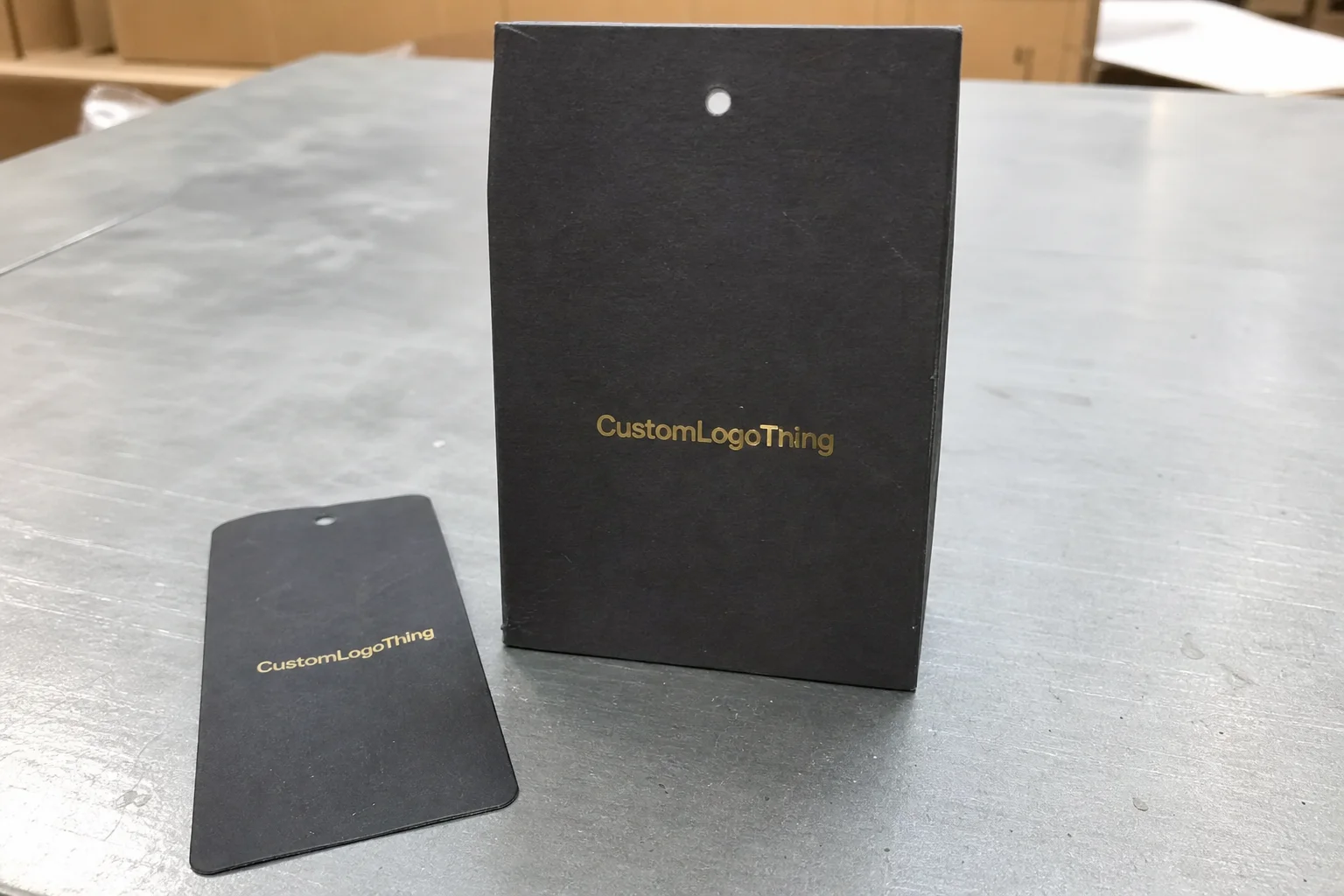
The Labels That Last usually look plain at first glance. That is not a weakness. The strongest constructions are built for repetition, not for a dramatic first impression. Custom permanent labels need to hold up to washing, tumble drying, seam friction, folding, warehouse handling, and the flex that happens every time a garment is worn.
Permanent, in apparel terms, means more than being stitched in place. The label has to remain legible, comfortable, and intact across the garment’s usable life. A label that stays sewn on but frays badly is not truly permanent. A label that prints cleanly but cracks after a few wash cycles is not permanent either.
The best-fit applications are garments with long service lives or heavy touchpoints. Uniforms need identification that survives weekly washing. Kidswear gets pulled, twisted, and laundered aggressively. Basics and premium tees depend on the label to keep the garment feeling considered once the hang tag is gone.
From a buyer’s perspective, a good label spec is risk control. Choosing the wrong construction early can lead to returns, complaints, and rework. Choosing the right one keeps production moving and protects the brand image across repeated runs.
How the Materials and Attachment Methods Work
Four constructions account for most label orders: woven labels, printed labels, heat-applied labels, and sewn-in formats. Each has a place. None is automatically right for every garment.
Woven labels are the classic option for premium branding. Fine polyester yarns are woven into the design, so the logo and text become part of the structure instead of sitting on the surface. A tighter weave gives cleaner edges and better detail, which is why woven labels are common for neck labels, side-seam branding, and exterior tabs.
Printed labels fit cases where fine text, variable data, or a softer hand feel matters more than texture. Satin, polyester taffeta, and similar substrates can take ink or thermal transfer well. They also tend to cost less than a highly detailed woven piece once the color count rises. For care instructions and size information, clarity usually matters more than tactile presence.
Heat-applied labels are common on performance apparel and some kidswear because they reduce bulk. They are applied under heat and pressure, and the correct settings depend on the film and the garment fiber. Many suppliers work in the 280-320 F range, but stretch fabrics, coatings, and textured knits need testing on the actual garment before approval.
Sewn-in labels remain the safest choice for products that take serious abuse. Stitching provides a mechanical hold that adhesive alone cannot match. If the garment is heavyweight, abrasive, or likely to be washed constantly, sewn-in construction usually delivers the best long-term reliability.
Attachment method matters as much as material. A soft cotton tee can tolerate a different edge finish than a fleece hoodie. A jacket lining may accept a rougher internal label than a jersey top worn directly against skin. Comfort becomes critical wherever the label touches the body. A technically durable label can still trigger complaints if it scratches, curls, or bunches.
That is why experienced buyers ask for samples on the actual fabric before approving production. Paper proofs show artwork. Fabric tests show behavior.
For transit and packing considerations, the ISTA testing standards are a useful reference point, especially if the labels travel with folded apparel, inserts, or hang tags through distribution.
Cost, Pricing, and MOQ Basics
Pricing for custom permanent labels usually comes down to size, color count, construction, finishing method, and quantity. Artwork complexity matters too. Tight weave detail, small type, special folds, and extra compliance text tend to push pricing upward because production slows down.
Setup is where new buyers get surprised. A run of 500 labels can cost more per unit than a run of 5,000 because art prep, proofing, and machine setup are spread over fewer pieces. Larger quantities usually lower unit cost, but only if the design is stable and the labels will actually get used.
MOQ is not just a supplier rule. It usually reflects how the label is made. Heat-transfer and printed pieces can often support lower minimums, sometimes in the 100-500 piece range. Woven sew-in labels often make more sense at 1,000 pieces or more because loom setup and finishing are more efficient at scale.
| Label type | Best use | Typical unit cost at 5,000 pcs | Notes |
|---|---|---|---|
| Woven sew-in label | Premium branding, neck labels, outer branding | $0.08-$0.18 | Strong detail, good wash life, tighter setup discipline required |
| Printed satin label | Care info, size runs, softer garments | $0.05-$0.14 | Good readability, lighter feel, less tactile bulk |
| Heat-applied label | Performance apparel, minimal inside finish | $0.10-$0.25 | Low bulk, but application testing matters a lot |
| Custom patch-style label | Workwear, hoodies, heavier branded trims | $0.22-$0.60 | More visual presence, usually the most expensive option |
To compare quotes properly, ask every supplier for the same inputs: exact dimensions, artwork file type, quantity, attachment method, fold style if any, care text, and any compliance text that must appear. If one quote includes proofing and another does not, the lower number is not really lower.
If the label order sits inside a broader retail packaging program, line it up against the rest of the spend too. A strong label can be weakened by mismatched inserts, weak box graphics, or inconsistent package branding. For that wider mix, our Custom Packaging Products category is useful for aligning labels with the rest of the presentation.
Process, Timeline, and Production Steps
The production path is usually straightforward. First comes artwork intake. Then the supplier confirms the dimensions, material, attachment method, and any copy that must remain legible for care or origin requirements. After that comes the proof. If needed, there may be a sample or strike-off approval before production starts. Then the run, finishing, packing, and shipment follow in order.
Lead time depends on how clean the artwork is and how many changes happen during proofing. A simple label with final artwork may move through proofing in 1-3 business days. Production often lands in the 12-15 business day range after approval, though woven runs and larger quantities can take longer. Shipping adds another variable.
Pre-production checks are where good suppliers save money for the buyer. They should confirm the final size in millimeters or inches, inspect logo legibility at actual print size, and check whether the chosen attachment method works on the garment fabric. A satin label can look perfect on screen and still wrinkle on a textured knit. A heat-applied label can bond well on cotton and fail on a fabric with stretch or finish.
- Artwork review and size confirmation
- Material and attachment recommendation
- Proof or sample approval
- Production and finishing
- Packing, shipment, and receiving
Build extra lead time before retail launches, seasonal drops, or uniform rollouts. If the label is tied to product packaging or custom printed boxes, one delay can ripple across the rest of the line.
How to Choose the Right Specs for Custom Permanent Labels
The best label spec starts with the garment, not the logo. A soft tee, a heavy hoodie, a children’s item, and a performance garment all create different expectations for comfort, stretch, and wash resistance. Custom permanent labels should match those conditions instead of forcing one label style across every product in the range.
A premium fashion piece may call for a clean woven finish with fine thread detail and a restrained look. Workwear may need a tougher sewn-in label with larger type and clearer care symbols. Kidswear often benefits from softer edges and lower internal bulk. For performance apparel, low-profile heat-applied or printed labels can work better because they reduce irritation during movement and sweat.
The visual tone needs to match the brand as well. Dense weave, matte finish, and tight typography read differently from a bright printed label with stronger contrast. If the rest of your packaging system uses quiet typography and minimal graphics, the label should not suddenly feel loud. Consistency across the box, insert, tag, and garment label makes the product feel intentional instead of assembled from disconnected parts.
There is a compliance side too. Care information, size, fiber content, and country-of-origin details all need a place. A strong label layout balances branding with information. Too much text on a small label makes everything hard to read. Too little information creates problems later for fulfillment, retail handling, and customer service.
A practical way to narrow the spec:
- Choose the garment type and fabric content first.
- Decide whether comfort or durability matters more at the skin-contact point.
- Match the construction to the expected wash cycle.
- Set the visual tone so the label fits the brand and the product line.
- Test a sample on the actual garment before approving the run.
The last step is the one too many buyers skip. A label can look fine in a render and still fail on the real garment. Sample testing is not extra caution. It is a low-cost check against a much larger mistake.
If you are building a new line and need a starting point, our Custom Labels & Tags category is a practical place to compare materials and formats before the spec gets locked.
Common Mistakes That Shorten Label Life
The most common failure mode is simple: the label looks right in the mockup, but the construction does not fit the garment. That happens often. A fabric that is soft and stretchy can make a rigid label feel harsh. A label that is too heavy for a lightweight tee can distort the seam. A fine woven design can lose clarity if the logo details are too small for the chosen weave count.
Another mistake is trying to cram too much into one label. Tiny type, too many color changes, and dense legal text create legibility problems once the label is folded or sewn in place. A label is not a brochure. It has one job: communicate enough, clearly, and then disappear into the product.
Skipping wash testing is another costly shortcut. Repeated laundering exposes every weak point: color shift, edge curl, adhesive lift, stitch failure, and print cracking. A label that survives one home wash is not automatically ready for a product that will be washed weekly. That matters most for work uniforms, activewear, and children’s apparel.
Placement matters as much as material. A scratchy neck label can trigger returns even if the branding is strong. A label sewn into a high-friction seam can abrade faster than expected. A heat-applied label placed on a difficult fabric can peel at the corners and create the impression that the whole garment is low quality.
For sustainability-minded programs, material selection also connects to broader sourcing choices. If your branded packaging includes paper elements, an FSC-aligned supply chain can support the story. If the product line ships through retail or distribution, choosing components that hold up in transit helps protect the experience from carton opening to first wear.
Next Steps for Ordering Labels That Last
If you want a clean order, gather the basics before requesting quotes. The more complete the brief, the fewer surprises in proofing and the fewer back-and-forth rounds before production can begin.
- Garment type and fabric content
- Label dimensions and placement
- Artwork files in a usable format
- Quantity and target reorder volume
- Care text, fiber content, and compliance language
- Attachment preference such as sew-in, heat-applied, or printed
- A reference sample or fabric swatch if available
Then compare at least two or three specs side by side. Do not choose on price alone. Compare durability, hand feel, legibility, turnaround, and how well the label fits the garment. A slightly higher unit cost can be the better buy if it cuts complaints or survives more wash cycles.
If the order supports a new product launch, ask for a sample or proof. That matters especially for custom permanent labels going onto a new fabric blend, because the first production run is where compatibility problems usually surface.
Keep the label decision tied to the whole presentation, not just the logo. Good labels reinforce the brand, support retail packaging, and sit comfortably alongside custom printed boxes, inserts, and other product packaging elements. If the spec stays grounded in the fabric, the wash cycle, and the brand promise, the label will do its job quietly for a long time.
What are custom permanent labels for clothing made from?
They are usually made from woven, printed, or heat-applied materials chosen for wash resistance, comfort, and the amount of detail the artwork needs. Polyester is common because it holds shape and color well, but the right material still depends on the garment fabric and where the label sits.
Are custom permanent labels better than removable hang tags?
Yes, if the goal is long-term branding and garment identification after purchase. Hang tags are temporary and support retail presentation, while permanent labels stay with the item through wear and washing. Many brands use both: one for sales messaging and one for identity and care information.
How do I know which label type will hold up best?
Start with the fabric and the expected wash cycle, then match that to the label construction and attachment method. Garments washed often or worn close to the skin usually need a softer, more secure format. If you are unsure, test samples on the actual garment before placing a full order.
What affects the price of custom permanent labels the most?
Quantity, size, color count, material choice, and finishing method usually have the biggest impact on unit cost. Special folds, custom cuts, and rush production can raise pricing as well. Clear specs make quotes easier to compare and reduce surprises later.
What should I send to get an accurate quote?
Send the label dimensions, artwork, garment type, quantity, and any care or compliance text that must appear on the label. Include attachment preferences if you already know them, such as sew-in or heat-applied. If possible, share a reference sample or fabric swatch so the supplier can judge fit and durability more accurately.


