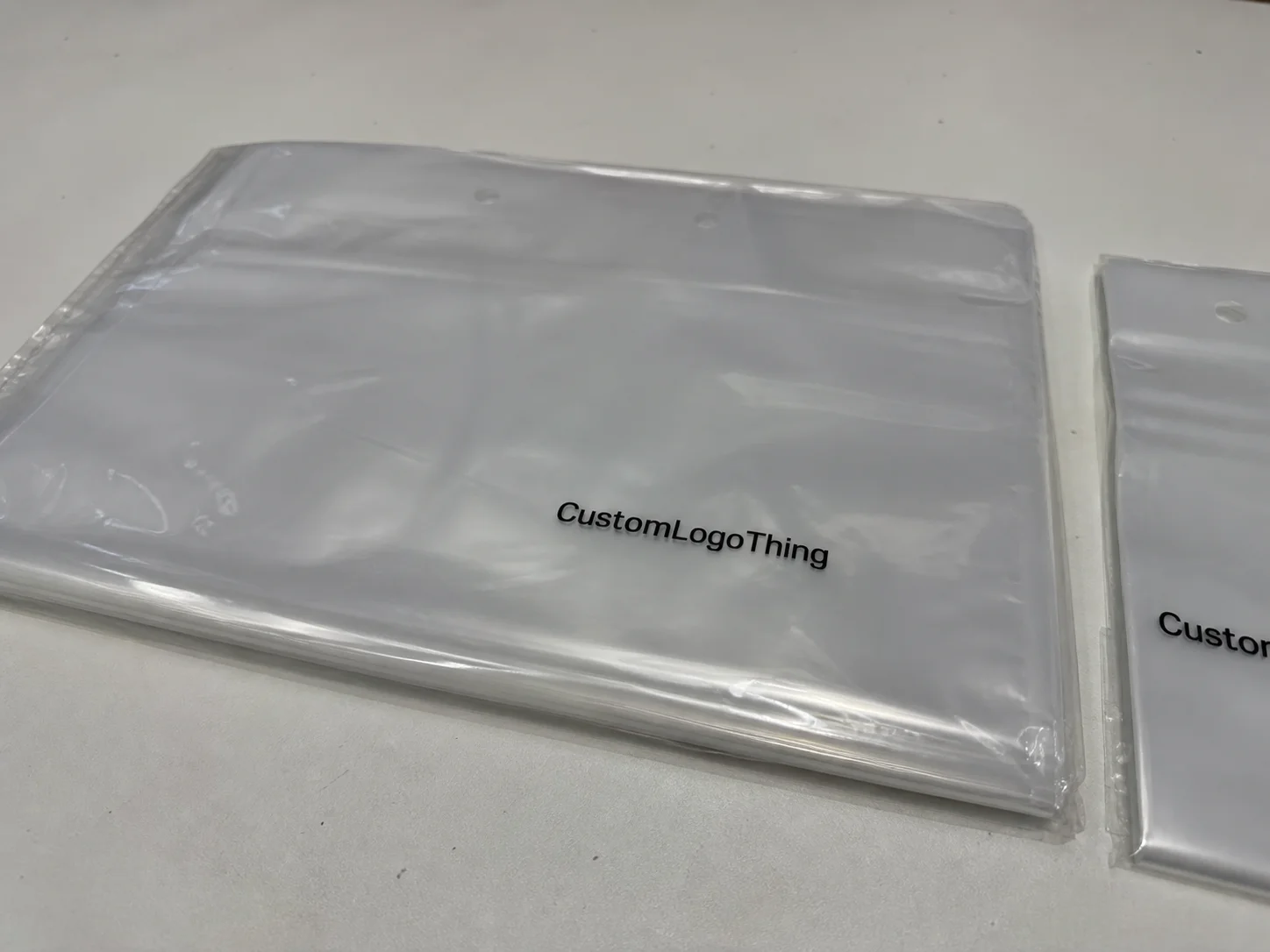
Why custom pet product label printing matters on shelf and in transit
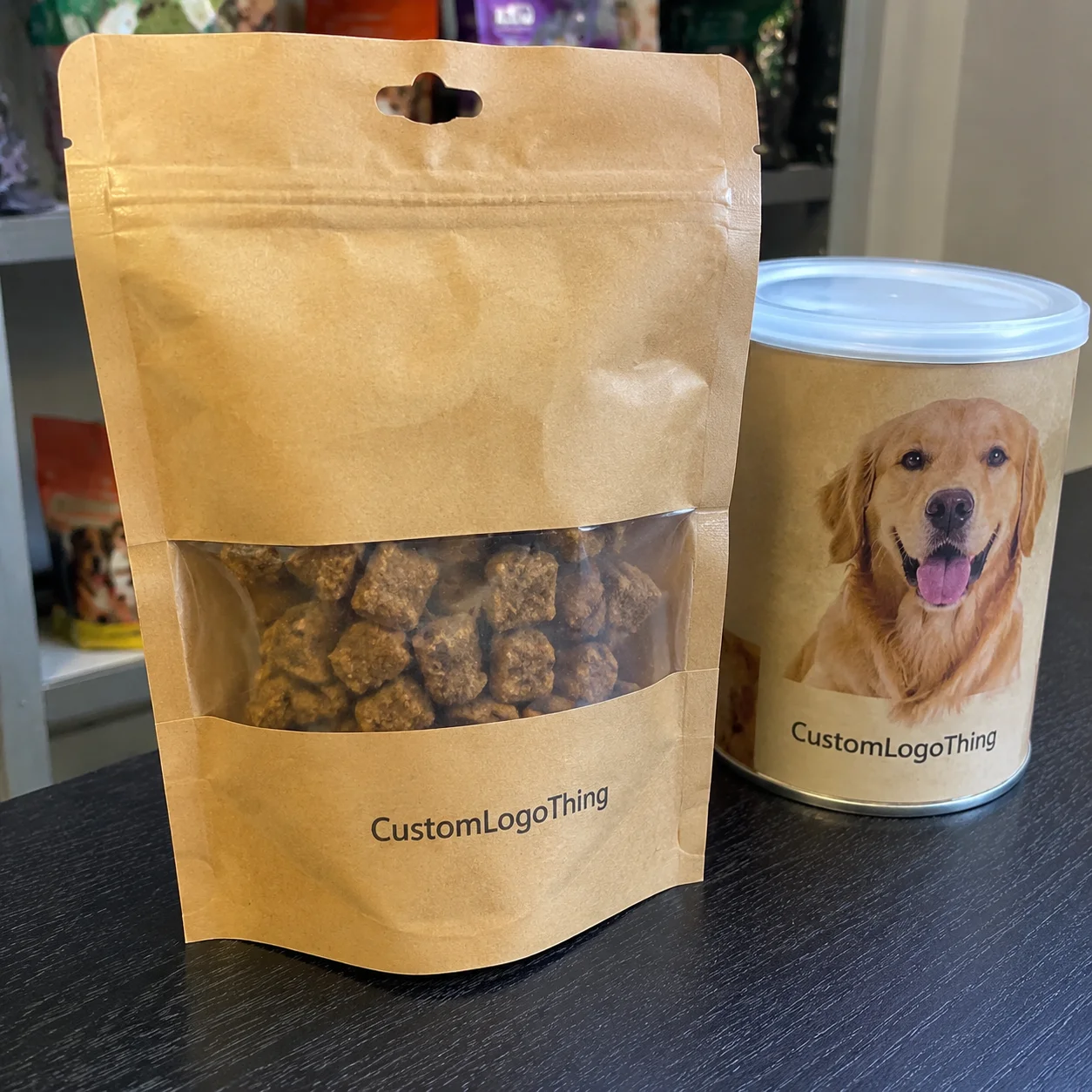
Pet buyers make quick decisions. A label has only a few seconds to communicate trust, product type, flavor, benefit, and quality cues before the shopper moves on. That makes custom pet Product Label Printing far more than a design exercise. It is part of the product’s working structure, because the label has to look right, read right, and survive the conditions the package will actually face.
That last part is where many projects get underplanned. A label may look excellent in a flat mockup and still fail once it is wrapped around a curved bottle, exposed to refrigeration, handled in shipping, or rubbed against another package on a retail shelf. Pet products see a wide range of environments: dry kibble bags, oily treat pouches, frozen food tubs, supplement bottles, shampoo containers, and supplement jars that live in humid bathrooms or busy storage rooms. The label requirements are not identical across those formats, and treating them as if they were is usually expensive.
A practical label build combines the right substrate, adhesive, print method, and finish for the container and use case. If a product is shelf-stable and dry, a paper stock may be enough. If it is chilled, frozen, oily, or frequently handled, film construction is often the safer choice. The point is not to make the label fancy. The point is to make it survive.
Brand presentation still matters, of course. The label is often the first visual proof that the packaging is legitimate, organized, and worth a closer look. But the best packaging design only works when the production details support it. A premium gloss finish can look polished on a dry carton and become a problem on a cold bottle if condensation starts lifting edges. A soft-touch coating can feel elevated, but if the artwork is too dark or too busy, readability can suffer. Good packaging is not just attractive; it is engineered around the real product.
“Most label failures come from material mismatch, not print quality.”
That is the useful framing for buyers. If the build is wrong, the label will fail in exactly the environment it was supposed to withstand. If the build is right, the label can do its job quietly and consistently, which is usually the best result a packaging team can ask for.
How the label printing process moves from artwork to rolls
Most label orders follow a predictable sequence, but each step has a few points where a small mistake can create a large delay. It usually starts with artwork review. The printer checks size, bleed, safe area, color targets, barcode placement, and any copy that sits close to a cut edge or wrap. If the dieline is off, even by a small amount, a label can appear crooked on the container or lose important text in the seam area. That is why a clean file is more valuable than a polished mockup.
Once the file is ready, the team chooses the print method. Digital printing is often a strong fit for shorter runs, multiple SKUs, and launches that may still need design adjustments. Flexographic printing becomes more attractive when volumes rise and artwork stabilizes, especially on repeat jobs. Offset has its own strengths on certain flat label applications, particularly where color consistency and higher production volumes matter. None of those methods is inherently superior. The right one depends on quantity, artwork complexity, budget, and how fast the labels need to move through production.
Proofing is where disciplined buyers save money. A digital proof can confirm text placement, layout, and overall structure, but it does not always tell the whole story about material feel or adhesion. When the order carries barcode data, regulatory copy, or front-panel claims, the approval process should include a close check of every number, unit, and line break. Missing ingredients, a misread UPC, or a feeding direction error can stall a shipment even if the printed sheet looks clean.
The final stages are die cutting, finishing, inspection, and packing. Labels may ship on rolls for automatic applicators or on sheets for hand application. If the order is going to a labeling line, roll direction, unwind orientation, core size, and spacing need to be confirmed before production starts. Those details do not sound dramatic, but they matter a great deal once the labels arrive and operators have to run them at speed.
Good files still matter more than most buyers expect. A production-ready label file usually includes:
- Bleed that extends beyond the trim line, commonly 1/8 inch.
- Safe margins that keep type away from cut edges and seams.
- Vector dielines so cutting and placement stay accurate.
- High-resolution images, usually 300 dpi or better at final size.
- Barcodes with proper quiet space for reliable scanning.
- Clear placement for lot codes, directions, and required product copy.
That list becomes even more important as the package gets smaller. A large pouch gives the designer some room to breathe. A narrow bottle label or small supplement jar does not. On small formats, every millimeter counts, and the production room will not compensate for a crowded layout.
For brands with a growing line, the print method itself becomes part of the packaging strategy. A digital launch run may be the right move for a new SKU. A flexographic reorder may make more sense once demand is steady and the artwork has stopped changing. That planning is less exciting than the design phase, but it is usually where budget efficiency begins.
Materials, adhesives, and finishes that hold up in real use
Material selection is where label projects usually win or lose. Paper, film, and specialty stocks each serve a different purpose, and none of them is universally correct. Paper is typically the lower-cost option and can work well for dry goods, cartons, and lower-touch packaging. It prints sharply and can look clean under retail lighting, but it is not the best choice when moisture, oil, or abrasion enters the picture.
Film labels are usually a better fit for pet products that encounter cold storage, handling, or repeated contact. Polypropylene and polyethylene constructions are common because they resist moisture better than paper and tend to stay intact on curved or flexible containers. If the product is a refrigerated supplement or a grooming bottle that gets handled often, film gives the label a better chance of staying attractive through the product’s life.
Adhesive choice matters just as much as stock selection. A label that holds on a warm test surface may fail when applied to a chilled bottle or a textured pouch. Permanent adhesives, removable options, freezer-grade adhesives, and high-tack versions are not interchangeable. Surface condition matters too. Smooth plastic, coated cartons, recycled containers, and slightly dusty production environments all behave differently. Buyers often overlook this until a label starts lifting at the corners after a few days in storage.
Finish affects both appearance and readability. Matte reduces glare and often makes small text easier to read. Gloss usually deepens color and creates a brighter shelf presence. Soft-touch adds a tactile feel that can signal premium positioning, although it is not always the most durable choice under rough handling. Metallic accents and pearlescent finishes can work well when the brand wants a more upscale look, but they should be used carefully if the label also needs to carry dense regulatory text.
In some categories, the safest build is not the prettiest one on the sample table. Waterproof, tamper-evident, chemical-resistant, or freezer-ready constructions may be necessary when the package is exposed to temperature swings, cleaning agents, or condensation. A shampoo bottle needs different performance from a dry treat pouch. That sounds obvious in theory, yet many brands still try to force one label spec across several SKUs and storage conditions.
For that reason, it helps to think in terms of application, not just appearance. The right label construction should fit the container shape, the expected shelf life, the environment, and the way the end user handles the product. If those four things are not aligned, the label usually tells the truth faster than the marketing deck does.
| Label Construction | Best For | Typical Strength | Watchouts |
|---|---|---|---|
| Paper stock | Dry treats, cartons, lower-touch products | Lower material cost, crisp print surface | Less moisture resistance, easier scuffing |
| Polypropylene film | Supplements, bottles, refrigerated goods | Good durability and water resistance | Usually costs more than paper |
| Freezer-grade film | Frozen pet food, cold-chain products | Stronger adhesion in low temperatures | Needs correct application conditions |
| Specialty textured stock | Premium grooming, boutique positioning | Distinct tactile feel and shelf presence | Not always ideal for heavy moisture or oil exposure |
Finish also needs to support the information hierarchy. If the label uses dark artwork on a glossy film, glare can make small copy harder to read. If the finish is soft-touch, the tactile effect may feel premium, but very light text or fine detail can lose sharpness if the design was already too thin. A label should look good at a glance and still remain functional when someone picks it up and reads the directions.
Pricing, MOQ, and the quote details buyers should compare
Label pricing is rarely a single number problem. Size, quantity, material, ink coverage, finishing, die shape, roll configuration, and freight all affect the final quote. Two orders that both say “5,000 labels” can still land in very different price ranges if one uses a standard film with a simple cut and the other requires lamination, a complex die, or specialty finishing.
For standard custom pet label projects, a common price range may land around $0.18 to $0.28 per label for 5,000 units, depending on coverage, stock choice, and finish. Smaller runs typically raise the unit price because setup costs are spread over fewer labels. That is not unusual. It is the tradeoff for lower inventory risk and more flexibility during the early stages of a product launch.
Minimum order quantity is where launch strategy and print economics meet. A new brand with several flavors or formulas may want a smaller run so it does not sit on unused inventory while the market is still adjusting. A mature line with stable volume may do better with a larger order that lowers unit cost and reduces reorder frequency. Neither approach is inherently better. The mistake is ordering a volume that does not match the product’s actual sales rhythm.
Comparing vendors by headline price alone is a weak way to buy labels. Some quotes include setup, proofing, and standard freight. Others separate those items. Reprint policy matters as well, especially if a printer error or material defect causes the order to miss spec. Ask what is included before comparing numbers, or the cheapest quote may end up being the most expensive once extras are added.
| Quote Factor | Why It Matters | Buyer Question to Ask |
|---|---|---|
| Material | Drives durability and appearance | Will this hold up in the real storage environment? |
| Quantity | Spreads setup cost across the run | What are the price breaks at 2,500, 5,000, and 10,000? |
| Finish | Affects scuff resistance and shelf look | Is lamination or coating included? |
| Freight | Can change the total project cost materially | Does the quote include shipping to my receiving dock? |
| Rush fee | Adds cost when the timeline is compressed | What is standard lead time versus expedited lead time? |
There are ways to keep cost under control without making the label weaker. Standard sizes reduce tooling complexity. Fewer finish effects simplify production. A repeatable base layout lets a brand create multiple flavors or formulas without redesigning the whole line. That kind of planning is not flashy, but it is usually the difference between a label program that scales and one that keeps getting rewritten.
Timelines, proofing, and turnaround expectations
Once artwork is approved, the project moves into production planning, and the schedule becomes much more concrete. A typical label order may pass through prepress, scheduling, printing, finishing, quality inspection, packing, and shipment. Simple digital jobs can move quickly, while specialty materials or detailed finishing naturally take longer. The more variables involved, the more carefully the schedule needs to be managed.
Lead time usually comes down to five things: proof approval speed, quantity, print method, finish complexity, and shipping distance. If the file is clean and the customer approves quickly, production can begin sooner. If ingredient copy changes after proofing, or if a barcode needs to be corrected, the schedule shifts. That is not unusual; it is how a real print workflow behaves.
A practical planning window for standard runs is often around 12 to 15 business days from proof approval, although that can move up or down depending on the job. Rush orders can shorten the timeline, but compressed schedules usually bring a premium and leave less room for revision. Brands with seasonal launches or retail commitments should protect themselves with extra lead time, especially if labels are tied to a hard launch date.
Proofing deserves more attention than it often gets. A digital proof is useful for layout, copy, and hierarchy, but it is only one part of the approval process. For jobs that will be scanned at retail, the barcode should be checked carefully. For jobs with legal or nutritional copy, the text should be reviewed line by line. A clean-looking label is not enough if the regulatory information is wrong.
Packaging teams also need to think beyond the label alone. If the product uses cartons, sleeves, or other secondary packaging, the schedule should be coordinated so all components land together. When labels, boxes, and inserts arrive out of sequence, line scheduling gets messy fast. A good print plan prevents that by treating the label as part of the full packaging system rather than an isolated purchase.
Mistakes that lead to reprints, waste, or compliance problems
The most expensive label mistakes are usually the least dramatic. Wrong adhesive. Wrong roll direction. Tiny text. Barcode too close to a seam. Artwork approved before the final ingredient list was locked. None of those errors sounds catastrophic on its own, but any one of them can create reprints, hold up inventory, or leave a product looking unfinished when it reaches the shelf.
Moisture is one of the most common failure points. A label may survive a dry warehouse and then start to wrinkle, lift, or smear in refrigerated display. Oil can create a similar problem for treats and grooming products, especially if the package surface is touched often. Abrasion matters too. If a container is packed tightly in a box or moved through a busy distribution chain, the label should be able to take a little wear without losing legibility.
Small-format labels create another set of problems. A design that feels balanced on a screen can become cramped when it is reduced to fit a narrow bottle or compact jar. Text may remain technically compliant while becoming hard to read in real use. Barcodes may print clearly but still lack enough quiet space to scan reliably. That is a bad compromise, and it usually shows up only after production has already started.
Compliance issues are especially sensitive on supplements and products with detailed claims. Ingredients, warnings, directions, and net contents should be checked carefully before approval. A printer can flag layout problems, but the brand owns the content. That division of responsibility matters, because the press can only print what it is given.
Testing on the actual container is the simplest defense. Apply the label to the same bottle, jar, pouch, or tub the product will use. Let it sit under the same conditions it will see in storage and shipping. Check edge lift, print rub, and barcode readability after a day or two, not just immediately after application. If a label fails in a small test, it will usually fail more visibly in production.
Packaging performance standards can help structure those tests. Resources from organizations such as the ISTA and the Packaging School are useful references for distribution and packaging performance. For paper-based components, sustainability discussions may also involve the FSC, depending on the construction and supplier claims.
Practical ways to improve performance and shelf appeal
The strongest pet labels usually start with the container and the shelf distance, not the logo. That distinction matters. A product seen from three feet away needs a clear category signal, strong contrast, and enough hierarchy for the shopper to recognize the type of item quickly. A product handled at arm’s length can carry more detail, but the front panel still has to work instantly.
Color is a useful tool when it is used with discipline. Warm tones can make flavor cues feel inviting. Cooler tones often suggest freshness or cleanliness. Metallic accents can communicate premium positioning, but they can also add visual noise if the layout is already busy. The best label system is not the one with the most effects. It is the one with the clearest reading order.
Requesting material samples is one of the better habits a buyer can build. A printed swatch in hand tells you more than a screen preview. Ask for the actual stock if possible, and test the label on the same container you plan to use. If the product will face condensation, rubbing, or freezer storage, test those conditions before the full run rather than after.
For brands with more than one SKU, a label family pays off quickly. Keep the core layout consistent so new flavors, strengths, or formulas can be added without starting over. That keeps the line recognizable and makes reorder planning much simpler. It also helps the brand look organized as it grows, which matters more in pet care than many teams realize.
Good packaging rarely needs to shout. Usually it needs to feel intentional. That means a label with the right material, a readable hierarchy, proper contrast, and a finish that fits the environment. That is where custom pet product label printing earns its place in the packaging budget: not as decoration, but as a controlled part of product performance.
For buyers comparing options, the most useful questions are practical ones. Will this label stay attached? Will the text remain readable? Will the finish survive the distribution route? Will the materials still look good after handling and storage? If the answer to those questions is yes, the label is doing the real work a good label should do.
What should I confirm before ordering custom pet product label printing?
Confirm the container type, surface texture, and storage conditions first. Decide whether the label needs moisture resistance, oil resistance, freezer performance, or extra abrasion protection. Final copy, barcode data, and dieline dimensions should be locked before you Request a Quote.
Which label material works best for pet food and treat packaging?
Film is usually the safer option when moisture, cold storage, or frequent handling are part of the use case. Paper can work well for dry, lower-touch products, especially on cartons or short-life items. The right choice depends on the package and environment, not only the budget.
How does MOQ affect pricing?
Higher MOQs typically lower unit cost because setup is spread across more labels. Lower MOQs are useful for launches, seasonal items, and test runs. Compare total project cost, including freight and storage, rather than looking only at the unit price.
How long does label production usually take?
Lead time depends on proof approval speed, order size, print method, and finish complexity. Straightforward digital jobs can move faster than specialty or high-volume runs. Build extra time for revisions, testing, and shipping.
How can I reduce the chance of reprints or label failure?
Use high-resolution artwork, correct bleed, and proper quiet space around barcodes. Test the label on the actual container under real storage conditions before approving production. Review regulatory copy carefully and confirm roll specs if the labels will run on an applicator.