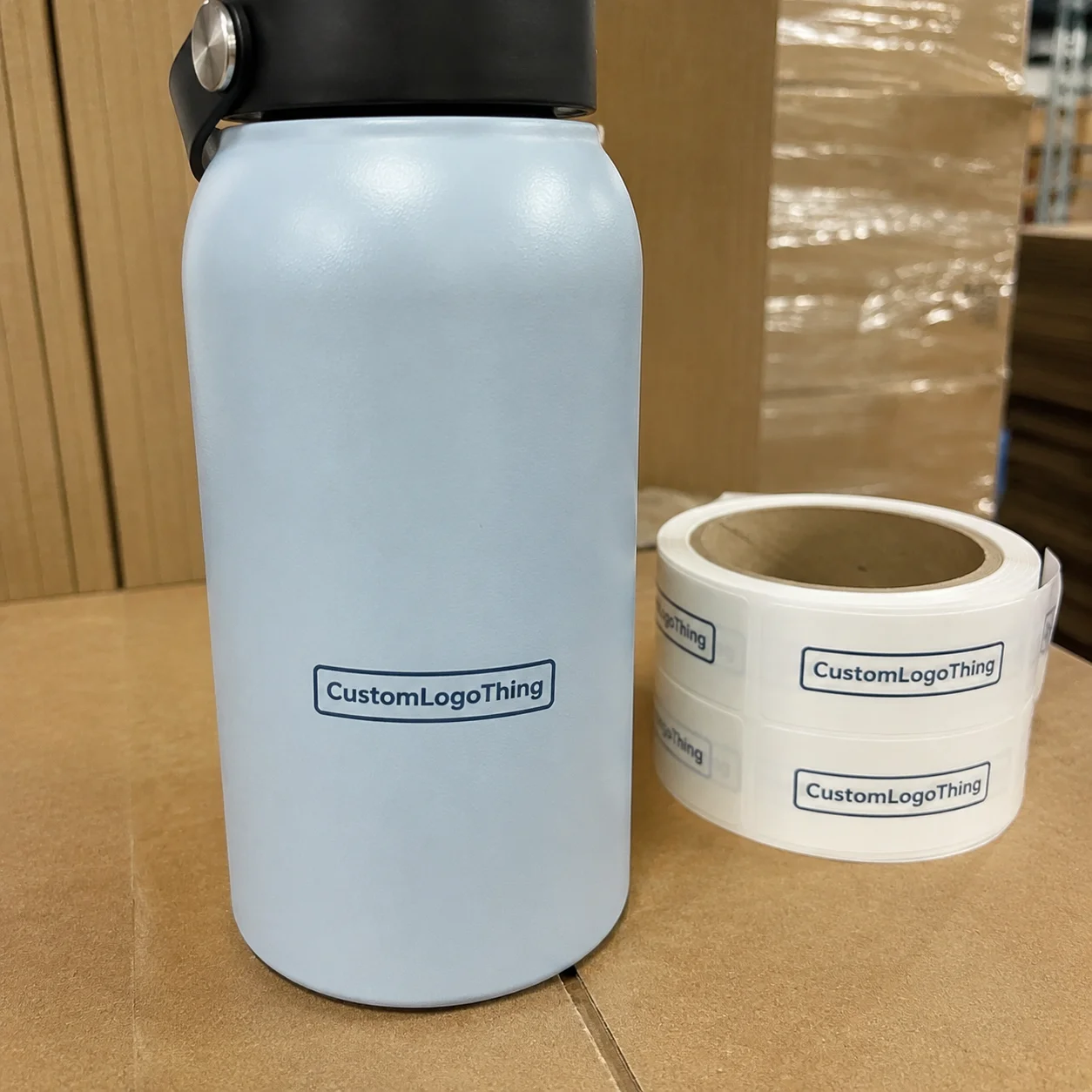
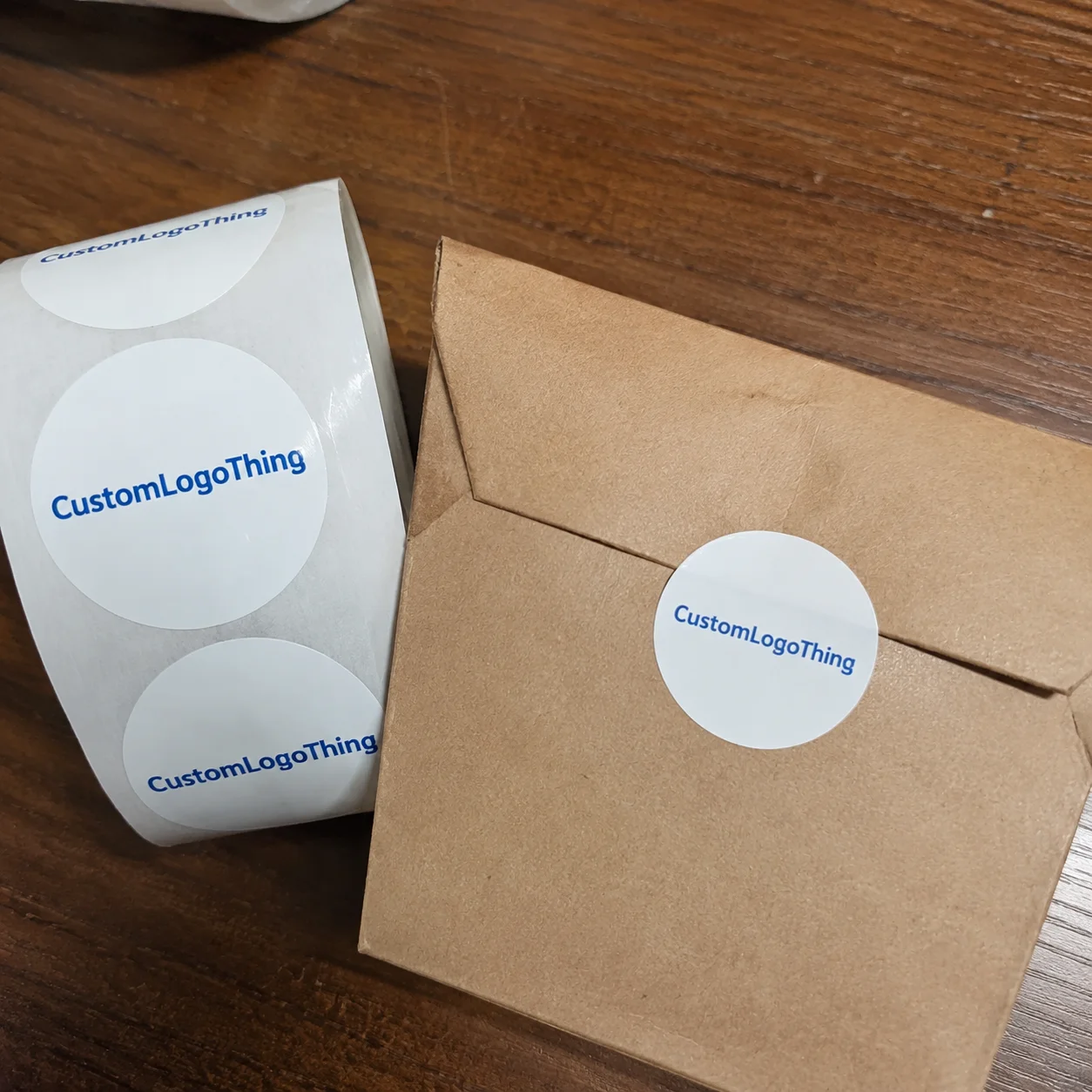
For clothing brands, Custom Product Label Printing is rarely just a finishing touch. The label is one of the first physical details a customer handles, and that moment carries more weight than many teams expect. If the material feels rough, the print looks faint, or the fold sits awkwardly in the seam, the product can start off with the wrong impression even when the garment itself is well made.
Labels also do practical work. They communicate size, fiber content, care instructions, country of origin, and brand identity, often in a space smaller than a business card. That means the decision is part design and part production planning. A label that looks good on screen but fails in the wash, curls after sewing, or turns unreadable after a few laundry cycles is not a branding win; it is a packaging mistake that follows the product into the customer’s hands.
For buyers comparing apparel suppliers, label decisions sit right between brand presentation and manufacturing reality. The best results usually come from clear specifications, realistic material choices, and a proofing process that treats the label like a functional component rather than an accessory.
“A label can quietly support the brand, or it can quietly create problems. The difference usually comes down to material choice, print clarity, and whether the spec was built for the actual garment.”
Labels also need to work with the rest of the product presentation. If a brand invests in retail cartons, tissue, inserts, or swing tags, the sewn-in or printed label should feel like it belongs to the same system. That consistency matters because customers tend to read quality through small details, especially in apparel where touch, wash performance, and visual finish all tell part of the story.
Why custom labels can make or break a clothing line
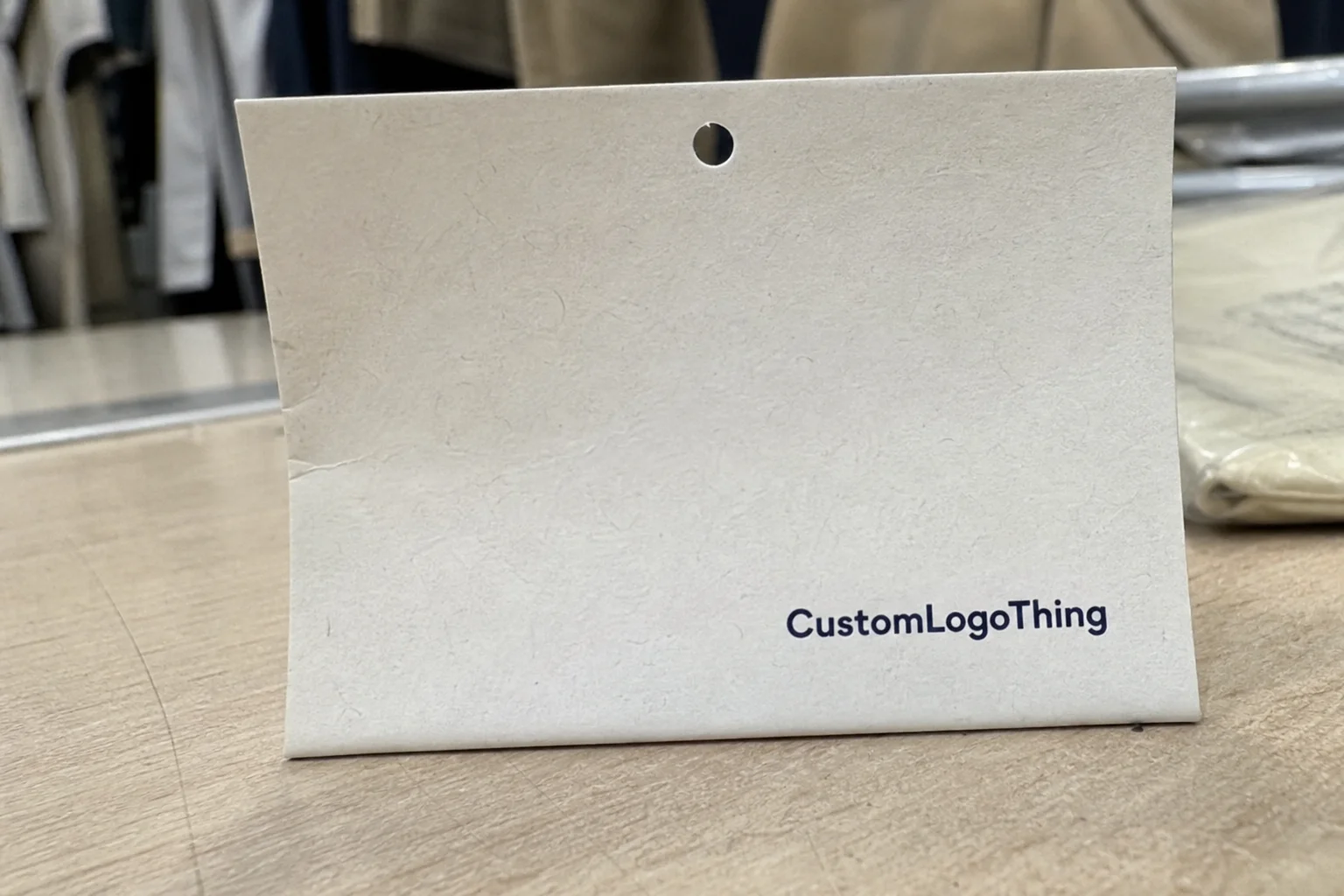
A label is usually the first piece of brand communication a customer touches after picking up a garment. If it feels scratchy, frays at the edge, or looks thin and poorly printed, that impression can affect the rest of the purchase. Even strong stitching and good fabric can lose some of their value if the label makes the product feel unfinished.
That matters most in categories where the label sits against the skin. Neck labels, side seam labels, and care labels are handled constantly, and if they are rough or bulky, customers notice quickly. For children’s apparel, activewear, sleepwear, and premium basics, comfort is not a secondary concern. It is part of the product spec.
There is also a retail side to this. A clean label helps staff and customers identify size, care requirements, and product details quickly. That is useful on the sales floor and in fulfillment, but it also reduces errors in packing and returns. When garment labels are vague or badly formatted, warehouse teams spend more time checking items manually, and customers are more likely to misread size or care information.
Different garments call for different label structures. A lightweight tee does not need the same construction as a denim jacket. A performance legging may be better served by a heat-transfer label, while a premium sweatshirt may benefit from a soft woven neck label and a separate compliance label. Good labeling follows the product, not the other way around.
That is why the label should be treated as part of the manufacturing spec. It needs to survive the intended wash cycle, fit the sewing method, and remain readable after use. If a label only looks good in a proof file, it is not ready.
For brands that already think carefully about product packaging, the label deserves the same attention. It is one of the last details set before production and one of the first details customers judge once the item is in hand. A consistent label, swing tag, and box presentation can make an entry-level garment feel more considered without adding unnecessary complexity.
How the label printing process works from artwork to finished rolls
The process usually starts with artwork setup. That means confirming the logo file, text content, font size, dimensions, fold style, and placement of every element. Vector artwork is the safest starting point for logos and line work because it scales cleanly. Low-resolution images can look acceptable on a screen and still print poorly once they are reduced to label size. Tiny text is especially unforgiving; if the copy is too small, it can lose clarity very quickly.
After the artwork is organized, the material and construction method are chosen. Some labels are woven, meaning the design is built into the fabric structure itself. Others are printed on satin, polyester, nylon, cotton, or heat-transfer film. Woven labels usually feel more premium and are well suited to simple logos and text. Printed labels are often better for care information, flexible layouts, or soft-touch applications where the brand wants less bulk inside the garment.
Printing method depends on the substrate and the run size. Digital printing can work well for short runs and detailed graphics. Flexographic printing is common for longer runs and repeatable layouts. Heat transfer is used when the brand wants a tagless feel, and woven production is selected when the label itself needs to carry the branding through the material structure rather than through ink on the surface.
Proofing is the step that saves the most money when it is taken seriously. A proof should show dimensions, color references, fold style, text placement, and any compliance wording. If brand colors matter, ask how they will be matched. Some suppliers work from Pantone references, while others match visually within the limits of the material. That distinction matters because color can shift across satin, woven tape, coated films, and different backings. A deep black on screen may print slightly softer, and a light color on a textured substrate may need more contrast than expected.
Once the proof is approved, the order moves into production and finishing. Depending on the spec, labels may be delivered on rolls, as sheets, or as individual cut pieces. Rolls are common for sewing lines because they help speed application and reduce handling. Cut pieces are useful for manual application or when the label needs to be separated by style or size before it reaches the garment floor. Packaging format matters more than it seems, especially when a factory is working through multiple colorways or size sets at once.
If your brand also uses other branded components, it helps to keep them visually aligned. Neck labels, size tabs, care labels, and hangtags do not need to be identical, but they should feel like they belong to the same product family. That kind of consistency is one of the clearest signs that a line was planned rather than assembled piecemeal.
For buyers who want a broader reference on packaging and print terminology, the Packaging School / packaging industry resources are a useful starting point, especially when label decisions need to fit into a larger brand and packaging system.
Key material, finish, and construction factors to compare
Material choice is where many label decisions are won or lost. Satin labels are popular because they have a smoother hand feel and a soft sheen that works well for fashion basics, sleepwear, and neck labels. Polyester and nylon are common when the label needs stronger wash performance and better abrasion resistance. Cotton has a more natural feel, but it is not always the best choice if the design depends on crisp print detail or long-term legibility. Tyvek appears in some utility or industrial applications because it is durable and tear-resistant, though it is less common in softer apparel categories. Heat-transfer film offers a tagless option when comfort is the main concern.
Finish details matter just as much as the base substrate. A raw edge can scratch the skin or fray over time, so folded constructions, ultrasonic cutting, or heat-sealed edges are often used to control comfort and appearance. Matte surfaces tend to look clean and understated. A glossier finish can feel more polished, though it is not always the best choice for everyday wear because reflections can make small text harder to read. For garments that will be washed often, the label should be chosen for durability after repeated laundering, not only for how it looks fresh from production.
Size and readability are easy to underestimate. A small label may only have room for a logo and size marker, while a larger care label can carry fiber content, origin information, washing symbols, and legal text. If the type is too tight, customers will not read it and compliance information becomes harder for the factory or retailer to verify. The clearest labels usually put the most important information first, then support it with secondary details in a smaller but still readable size.
Material and construction comparison
| Option | Best for | Feel | Durability |
|---|---|---|---|
| Satin printed label | Fashion basics, neck labels, soft apparel | Smooth, lightly glossy | Good for normal wash cycles |
| Woven label | Premium branding, logos, long-term use | Structured, textile-like | Excellent for abrasion resistance |
| Heat-transfer label | Tagless comfort, activewear, kidswear | Very soft, no folded edge | Depends on application and laundering |
| Polyester care label | Compliance information, frequent washing | Lightweight, crisp | Strong wash performance |
Compliance text deserves careful checking. In many markets, labels need at least the brand name, size, fiber content, care instructions, and origin details. If a product makes environmental or material claims, verify the wording before approval. Those claims should match the rest of the product documentation and should not overstate recycled content, organic content, or sourcing status. Brands using sustainability language should be especially careful about substantiation.
For packaging components made from paper or board, resource references such as FSC can be useful when evaluating certified material options. Not every clothing label needs certified paper, but when the label is part of a broader packaging system, the material story should be consistent across all components.
The main rule is simple: the label should fit the garment. A lightweight tee does not need the same build as a denim jacket, and a performance item may need a tagless format to avoid discomfort. In practice, label design and packaging design overlap because both depend on matching structure, material, and user experience to the product.
Custom product label printing cost, MOQ, and quote factors
Pricing for custom product label printing usually comes down to a few variables: material, print method, label size, fold style, finish, quantity, and whether the order needs special handling. A simple satin label in a standard size will usually cost less than a woven label with a custom fold, multiple colors, and sorted packaging. Setup work matters too. Even a small order still requires file prep, proofing, and machine setup before the first usable piece comes off the line.
Minimum order quantities can be useful for launch phases, seasonal capsules, and test programs. They let a brand confirm feel, fit, and wash performance before committing to a larger run. The tradeoff is unit cost. Smaller runs usually carry a higher per-piece price because the fixed setup cost is spread across fewer labels. Larger runs tend to reduce unit cost because the same prep work is divided over more pieces, but only if the spec is stable and the artwork is final.
Pricing ranges vary widely, so any number should be treated as a planning reference rather than a promise. For straightforward printed apparel labels, buyers often see lower per-piece pricing at higher quantities, while woven, folded, or specialty-finish labels can cost more depending on complexity and run size. As a rough planning range, simple printed labels may land around $0.06-$0.18 per piece at higher quantities, with specialized constructions moving above that. Rush work, unusual sizes, extra revisions, and special packaging formats can raise the quote.
What usually changes the quote
- Print coverage and number of ink or thread colors
- Material choice such as satin, polyester, cotton, or woven tape
- Fold style, including end fold, center fold, loop fold, or straight cut
- Attachment method and whether the label is heat-seal, sew-in, or tagless
- Packaging format, such as rolls, sheets, or sorted bundles
- Rush fees and extra revisions after proof approval
Comparing quotes is much easier if every supplier is asked for the same spec. Keep the dimensions, artwork, quantity, finish, and delivery terms identical. Without that, a low headline price may simply mean a different material, weaker finish, or missing services such as proofing or shipping. For brands sourcing broader product packaging, it often helps to line up label and box specs together, because the full presentation is easier to manage when the components are planned at the same time. If you want to see broader production possibilities, Manufacturing Capabilities is a useful place to understand what can be handled in one program versus split across vendors.
For shipping-related programs, some buyers also ask whether labels and accompanying components are packed or tested to a known standard. In cases where finished goods or packaging need added transport protection, organizations such as ISTA can provide context on transit testing methods. That is not required for every label order, but it matters when the labels are part of a larger packed system.
Process and turnaround: what to expect from proof to delivery
A realistic timeline usually starts with design review, then moves to digital proofing, approval, production scheduling, printing, finishing, quality checks, and shipping. Simple printed labels often move faster than woven or specialty-finish orders because they take less time to build and fewer mechanical steps to complete. If the artwork is clean and the content is final, the schedule is more predictable from the start.
Delays tend to come from the same few places. Artwork that is missing font outlines, uses low-resolution images, or includes last-minute copy changes can stop production. Color matching can also slow things down, especially if the label needs to coordinate with garment fabric, hangtags, or Custom Printed Boxes. Compliance wording is another common hold point. If a legal line changes after approval, the file may need to be rebuilt before production can continue.
For planning purposes, many buyers should expect a lead time around 12-20 business days after final proof approval, although that can shift depending on quantity and complexity. Smaller standard orders may move faster, while woven labels, specialty folds, and detailed artwork can take longer. If the order requires sampling first, add time for sample review and any corrections. The safest approach is to schedule labels around garment production, not after it. Labels that arrive late can stall sewing, packing, or relabeling work.
Sampling is especially useful for high-value items, retail launches, and new brand systems. A physical sample lets you check tactile feel, placement, fold behavior, print clarity, and readibility before a larger run begins. That is also the best point to confirm whether the label still works alongside hangtags, inserts, and the rest of the packaging set.
Step-by-step guide to ordering labels without costly rework
- Gather all content first. Include logo files, size marks, care instructions, fiber content, origin text, and any legal wording required for the market where you will sell.
- Choose the application method. Sew-in labels suit many garments, while heat-transfer options work better when the brand wants a tagless feel and less skin contact.
- Lock dimensions and fold style. Confirm width, length, fold allowances, and orientation before approving a proof, because small size changes can shift the layout more than expected.
- Request a sample when the launch matters. If the product is premium, retail-bound, or part of a new line, a physical sample can prevent expensive surprises.
- Schedule delivery around production. Labels should arrive before garment assembly or final packing, not after the boxes are already staged.
Several habits reduce rework. Keep a master spec sheet for every style and update it whenever the size run, fabric, or compliance language changes. Ask for a pre-production check if you are unsure about type size, edge treatment, or fold behavior. If the label is being introduced alongside a new garment category, compare it against the rest of your retail packaging so the finish level feels consistent across the entire product set.
That broader view matters because packaging is not only about the box. It also includes inserts, sleeves, carton graphics, and the feel of the product the moment it is unpacked. When those pieces are planned together, the result feels intentional rather than assembled from separate suppliers with different assumptions.
Common mistakes clothing brands make with label specs
The most common mistake is choosing a label that feels wrong for the garment. Scratchy materials on skin-contact items create complaints quickly, and labels that cannot hold up through laundering become replacement costs later. Another common issue is trying to fit too much information into one small label. The result is cramped type, weak hierarchy, and compliance details that are difficult to read.
Low-resolution files cause more trouble than many teams expect. Small type can break apart, icons can thicken, and fine lines can disappear completely. If the label includes care symbols or tiny legal wording, artwork quality matters a great deal. A vector file with clean outlines is usually the safest starting point.
Size tolerances and fold allowances are another source of trouble. If the label is spec’d too tightly, it may look crooked once it is sewn into the garment or inserted into a seam. Orders placed too late create a second problem: even if a rush fee solves the delivery date, there is less time to correct the proof or test the hand feel before production.
Most label problems are not design failures. They are specification failures. The artwork may have looked fine on screen, but the production version did not match the garment, the wash cycle, or the application method. That gap is usually where the costs show up.
What is the best material for custom product label printing on clothing?
The best material depends on the garment. Satin and soft polyester are common for comfort-focused apparel, while woven labels suit premium branding and durable use. For activewear or frequent-wash items, choose a Material and Print method that can handle abrasion, heat, and laundering. If the label sits against skin, prioritize a soft hand feel and a folded or tagless construction.
How do I know what information must appear on a clothing label?
Most clothing labels need brand identification, size, fiber content, care instructions, and origin details depending on the market. Always confirm the rules for the regions where you will sell. If space is limited, separate the brand label from the compliance label so the important information stays easy to read.
How much does custom product label printing usually cost?
Pricing depends on material, size, print complexity, folds, quantity, and whether the order needs specialty finishes or rush handling. Per-piece cost usually drops as quantity increases because setup is spread across more labels. The most accurate budget comes from a quote built from exact dimensions, artwork, and usage details.
How long does it take to receive printed clothing labels?
Turnaround depends on print method, quantity, proof approvals, and whether the design is standard or highly customized. Simple orders often move faster than woven or specialty-finish labels, which may need more setup and finishing time. Complete artwork and quick proof approval are the easiest ways to avoid delays.
Can I order a small quantity before committing to a larger run?
Yes, many buyers start with a smaller run to test fit, feel, wash performance, and brand presentation. A smaller MOQ is useful for launch phases, seasonal capsules, or product testing, though the unit cost may be higher. Use the pilot order to verify sizing and placement before scaling up.
For clothing buyers, the best label is the one that matches the garment, supports the brand, and survives real use without creating complaints. That is why custom product label printing deserves the same attention you would give fabric sourcing, sewing, or carton graphics. If the spec is clear and the production method fits the product, the label does more than identify what is inside; it helps the whole item feel finished, consistent, and ready for the customer.