Custom Poly Mailers for gifts matter because the outer package affects protection, parcel cost, privacy, and brand presentation at the same time. For B2B buyers, the key questions are practical: what is shipping inside, how much protection is required, what will the total landed cost be, and how long will proofing, production, and freight take?
Poly mailers are often treated like a simple commodity, but the wrong spec can create avoidable problems. A bag that is too thin, too large, or poorly printed may save a few cents on paper while adding damage risk, packing inefficiency, or a weak first impression. A well-specified mailer can support branded packaging and keep shipping weight lower than a box when the product does not need rigid protection.
If you are comparing Custom Poly Mailers against boxes, kraft mailers, or padded formats, start with packed dimensions, transit conditions, print needs, MOQ, and lead time rather than artwork alone.
Why custom poly mailers for gifts matter for shipped brand experiences
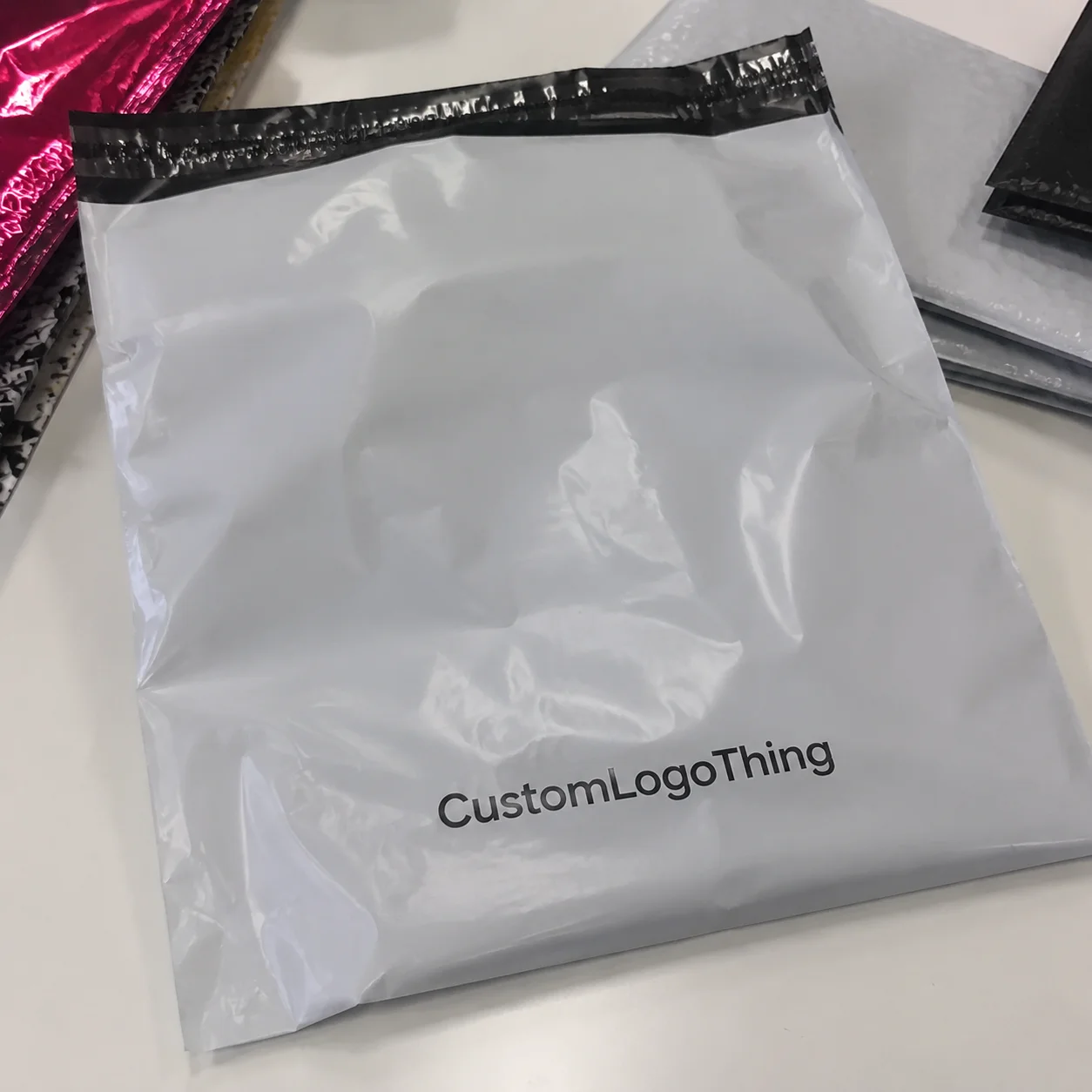
The outer package shapes the first impression before the gift is opened. In shipped gifting, that impression happens after conveyor handling, trucks, and doorstep delivery, so material quality matters. A wrinkled or scuffed bag can make a thoughtful send-out feel cheap, while a well-made opaque mailer with a secure seal usually feels more controlled.
Privacy is also important. Employee gifts, influencer kits, loyalty rewards, and client send-outs often need discreet contents with clear exterior branding. A high-opacity mailer can do both jobs: conceal the contents and still support package branding.
Poly mailers usually work best for products that are flexible, durable, or already protected by another layer, such as:
- Apparel, scarves, socks, and knitwear
- Soft goods and fabric accessories
- Stationery bundles and flat paper goods with backing support
- Already-boxed items that need a branded outer shipper
- Campaign mailings, welcome kits, and branded send-outs with inserts
They are not a substitute for rigid presentation packaging when the gift needs crush resistance or structure. In those cases, the poly mailer usually works better as the outer shipper around an inner box, tray, or folded board pack.
What custom poly mailers are and when they work best
Poly mailers are flexible shipping bags made from polyethylene film. Their main job is to protect goods from moisture, dust, scuffing, and routine parcel handling while keeping package weight low. Many use co-extruded multilayer film, which improves tear resistance and opacity without making the mailer excessively heavy.
For gift applications, film gauge often falls between about 2.0 mil and 3.5 mil. Lighter structures can work for lightweight apparel and simple promotional sends. Heavier film usually makes more sense for bulkier contents, sharper edges, or programs where exterior appearance must hold up through more handling.
Opacity deserves more attention than many buyers give it. White co-ex mailers often conceal contents better than lighter single-layer films, and a black interior layer can improve privacy further.
| Format | Protection Level | Branding Surface | Shipping Efficiency | Best Use Case |
|---|---|---|---|---|
| Custom poly mailer | Moderate for non-fragile goods | Strong exterior print area | Excellent for low-weight shipments | Apparel, soft goods, boxed gifts |
| Kraft mailer | Moderate with more stiffness | Good, often more muted look | Good but heavier than poly | Documents, flat goods, eco-forward presentation |
| Bubble mailer | Better cushioning | Fair to good | Good | Small items needing light impact protection |
| Corrugated box | High | Strong, inside and out | Lower due to weight and cube | Fragile, crush-sensitive, premium kits |
A useful rule is simple: if the packed product cannot handle compression, corner pressure, or ordinary conveyor handling without rigid support, a poly mailer alone is probably not enough.
Useful test: If a packed product would be damaged by being pressed under several other parcels in transit, it likely needs more than a poly mailer by itself.
For broader gifting systems, poly mailers often work alongside Custom Packaging Products such as inserts, tissue, labels, and custom printed boxes for more fragile items.
Specifications to compare before you buy
Size should be based on packed size, not bare product size. Measure the item exactly as it will ship, including tissue, cards, pouches, belly bands, and any inner carton. Then leave enough room for easy insertion and sealing without creating excess slack.
A mailer that is too tight slows packing and stresses seams. One that is too large wastes material, looks less polished, and can allow contents to shift. Common custom sizes such as 10 x 13 inches, 12 x 15.5 inches, and 14.5 x 19 inches fit many apparel and gift uses, but custom sizing is worthwhile when the packed footprint falls awkwardly between standards.
Film thickness is the next major variable. A 2.0 to 2.5 mil structure may be enough for T-shirts, lightweight promotional items, and simple mailings. A 3.0 mil or heavier film generally offers a more substantial feel and better puncture and abrasion resistance, but raises unit cost.
Finish also affects performance. Matte often feels more refined and hides fingerprints better. Gloss can make colors pop, but usually shows scratches more easily. Print approach matters too: a one-color logo on white film is usually the most cost-efficient, while flood color, interior print, metallic effects, or dense coverage add setup complexity and cost.
Closure details can affect both recipient experience and returns handling. A standard permanent adhesive strip works for many shipments. A dual-seal format can support outbound shipping plus returns. Tear notches help create a cleaner opening experience.
Buyers comparing suppliers should also ask about:
- Opacity level for content privacy
- Seal strength under filled conditions
- Print registration tolerance for logo placement
- Surface durability against rub and scuffing
- Material claims if recycled content or certification matters
If sustainability is part of the brief, ask for documentation instead of broad claims. Recycled content percentages, recyclability guidance, and certification details should be clear. For forestry-related materials used elsewhere in a packaging system, buyers often reference standards from FSC.
Custom poly mailer pricing: cost drivers, MOQ, and budget tradeoffs
Poly mailer pricing depends mainly on size, film thickness, print colors, ink coverage, finish, and order volume. Freight, setup charges, and rush timing can change the economics more than buyers expect.
For many B2B orders, a basic custom mailer in a common size with one- or two-color print may land around $0.18 to $0.28 per unit at 5,000 pieces. Heavier film, oversized dimensions, or dense full-color graphics can push similar orders into the $0.30 to $0.55 range or more. At 10,000 to 25,000 pieces, unit costs often improve because setup costs are spread over more units.
MOQ is a major consideration. Many suppliers prefer custom runs starting around 3,000 to 5,000 pieces. That can be a poor fit for pilot programs, seasonal campaigns, or one-time sends unless the buyer accepts a higher unit cost for a shorter run.
| Order Scenario | Typical Size Range | Print Complexity | Approx. Unit Cost | Notes |
|---|---|---|---|---|
| 3,000 pieces | Small to medium | 1 color, moderate coverage | $0.24-$0.36 | Higher setup burden per unit |
| 5,000 pieces | Medium | 1-2 colors | $0.18-$0.28 | Common entry point for custom runs |
| 10,000 pieces | Medium to large | 2-4 colors or fuller coverage | $0.16-$0.26 | Better efficiency if specs stay standard |
| 25,000+ pieces | Varies | Mixed | $0.12-$0.22 | Usually strongest unit economics |
The most common pricing mistake is comparing only piece price. Total landed cost should also include setup or plate charges, proofs, inbound freight, warehousing if needed, and rush premiums when approvals slip.
A clean RFQ should include:
- Final packed dimensions of the product or gift set
- Target mailer dimensions if known
- Film thickness preference or durability requirement
- Artwork scope: number of colors, bleed or spot print, inside print if needed
- Quantity by size
- Delivery destination and whether freight should be quoted
- Target in-hand date
- Need for samples, proofs, or pack testing
Lead times, production workflow, and delivery planning
Lead time should be separated into proofing, production, and transit. Treating it as one number makes schedule risk harder to manage.
A typical workflow looks like this:
- Confirm packed product dimensions and required mailer size
- Receive dieline or artwork template
- Review artwork placement and print coverage
- Approve a digital proof or physical sample
- Move into production scheduling
- Manufacture, print, convert, and pack the mailers
- Ship to destination and test on the packing line
For many custom orders, physical samples can add several business days to two weeks depending on method and transit route. Production for straightforward runs often falls around 12 to 15 business days from final proof approval, while complex work or heavy seasonal demand can extend that window. Freight then adds another layer of variability.
The delays that most often disrupt schedules are predictable: unclear measurements, low-resolution artwork, slow proof approvals, and last-minute color changes. Holiday gifting and event-driven programs need extra buffer because receiving, warehouse check-in, internal distribution, and pack-line testing also take time.
Planning rule: Build backward from the in-hand date, then add buffer for approvals, freight variability, and one correction round.
If your team needs parcel-readiness guidance, standards from the International Safe Transit Association are a useful reference. Not every gift mailer needs formal lab testing, but transit stress should still be discussed during sourcing.
How to choose the right mailer for your gift program
Start with the contents and measure what will actually ship. If the gift changes seasonally, use the largest packed version rather than the average. Then define the mailer’s job: only shipping layer for soft goods, outer shipper for an inner box, privacy layer, or branded delivery surface. The right spec depends on that role.
Next, match the structure to the handling risk. If the pack contains sharp brochure corners, metal accessories, or dense inserts, a heavier gauge may be smarter than adding another layer. If the mailer will hold a rigid inner gift box, test whether box corners can abrade through the film under compression.
It often makes sense to shortlist two or three sizes instead of forcing one format to cover everything:
- Small for flat stationery, light accessories, and compact apparel
- Medium for most folded garments and standard gift bundles
- Large for boxed send-outs or bulkier seasonal kits
That approach reduces empty space without creating unnecessary SKU sprawl and usually makes fulfillment faster.
Samples matter when both appearance and performance count. Request material swatches and printed samples when possible, then test-pack real products. Pay attention to:
- Ease of insertion
- Seal reliability under filled conditions
- Print scuffing during normal handling
- Wrinkling or fold visibility on dark flood colors
- Corner stress from inner boxes or inserts
A mailer does not need to carry every graphic element in your product packaging system. In many cases, a restrained outer bag paired with good inserts or an inner box performs better than an overprinted exterior.
Common buying mistakes and smarter next steps
The biggest mistake is ordering to product size instead of packed size. Tissue, insert cards, wraps, and inner pouches can change dimensions enough to create packing-line problems.
Another mistake is prioritizing appearance over performance. If the film punctures, seams strain, or the closure fails, the print no longer matters. Buyers should ask about puncture resistance, seal integrity, and how the selected structure performs with the real packed load.
Print can also become too complex. Dense dark backgrounds and edge-to-edge graphics often raise cost and make scuffs or registration drift more visible. Cleaner graphics usually hold up better in transit.
Rushed approvals create avoidable cost. A delayed proof review can trigger rush production or compressed freight windows, and those premiums add up quickly.
Smarter next steps are simple:
- Measure fully packed products, not bare products
- Forecast quantities by campaign, season, or annual usage
- Prepare artwork in the correct format and resolution
- List non-negotiable specs such as opacity, thickness, or return seal
- Work backward from the in-hand date with buffer included
- Request samples before committing to full production
Used well, Custom Poly Mailers can protect the shipment, preserve presentation, and support scale without pushing shipping costs higher than necessary.
FAQs
Are custom poly mailers for gifts suitable for premium products?
Yes, especially for non-fragile items or products already protected by an inner box or wrap. For fragile premium products, use the poly mailer as an outer shipping layer rather than the only package.
What size custom poly mailer should a business order?
Measure the fully packed item, including tissue, cards, inserts, pouches, and any inner box. Leave enough room for fast packing and secure sealing without creating too much empty space.
How much do custom poly mailers for gifts cost?
Pricing depends on size, thickness, print coverage, finish, quantity, and freight. A useful quote should clearly show MOQ, setup fees, unit pricing, freight assumptions, and lead time.
What is the typical lead time for printed poly mailers?
Lead time usually includes proofing, production, and shipping. Straightforward custom runs often take around 12 to 15 business days after final proof approval, plus transit time.
Can custom poly mailers be used without an inner box?
Yes, for soft goods, textiles, pouches, and other durable products that do not need rigid support. They are not the right single-layer option for fragile or crush-sensitive items.
What should B2B buyers ask suppliers before placing an order?
Ask about MOQ, print limits, proofing steps, production capacity, shipping timelines, material specs, closure style, and opacity. If appearance and performance both matter, request samples before approving production.

