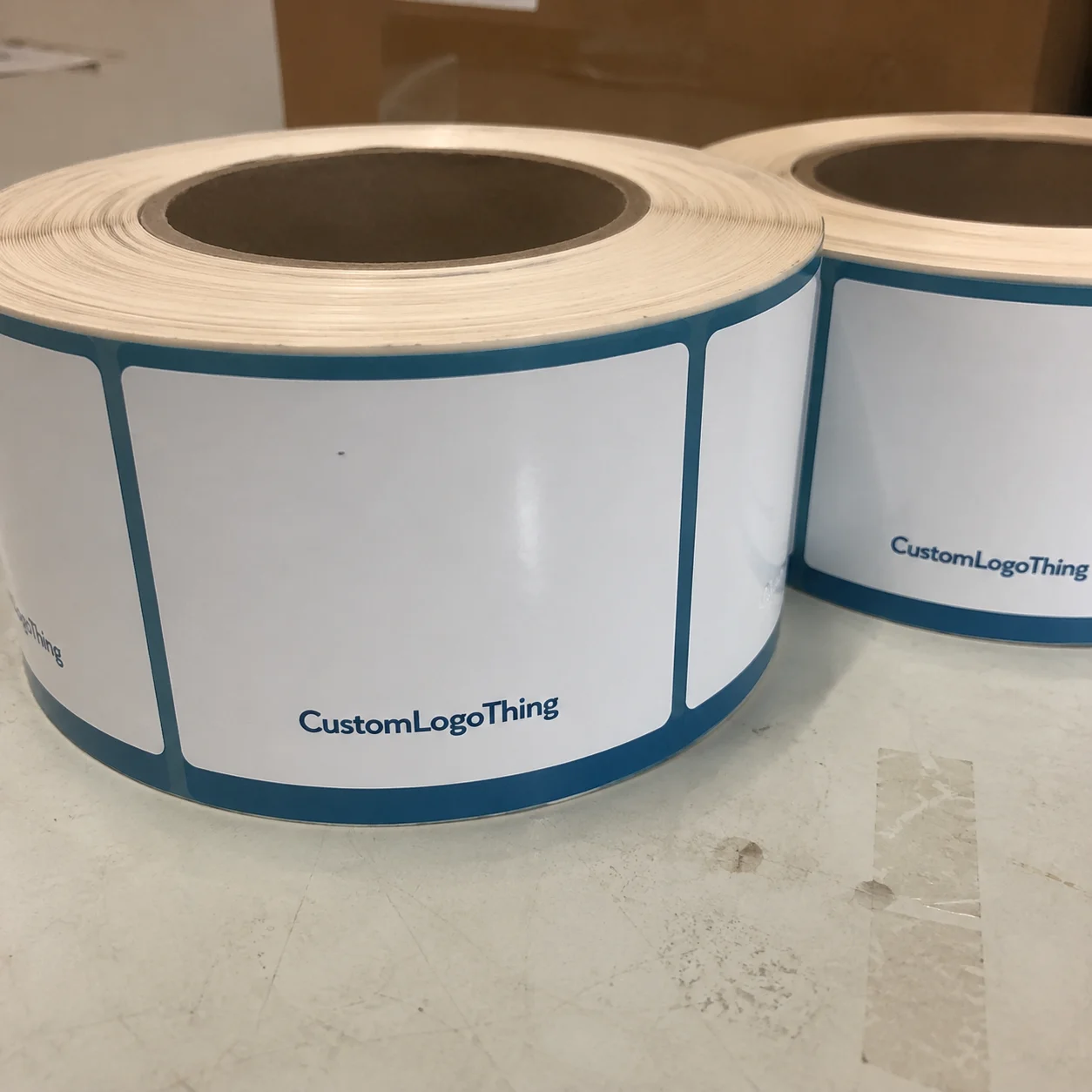
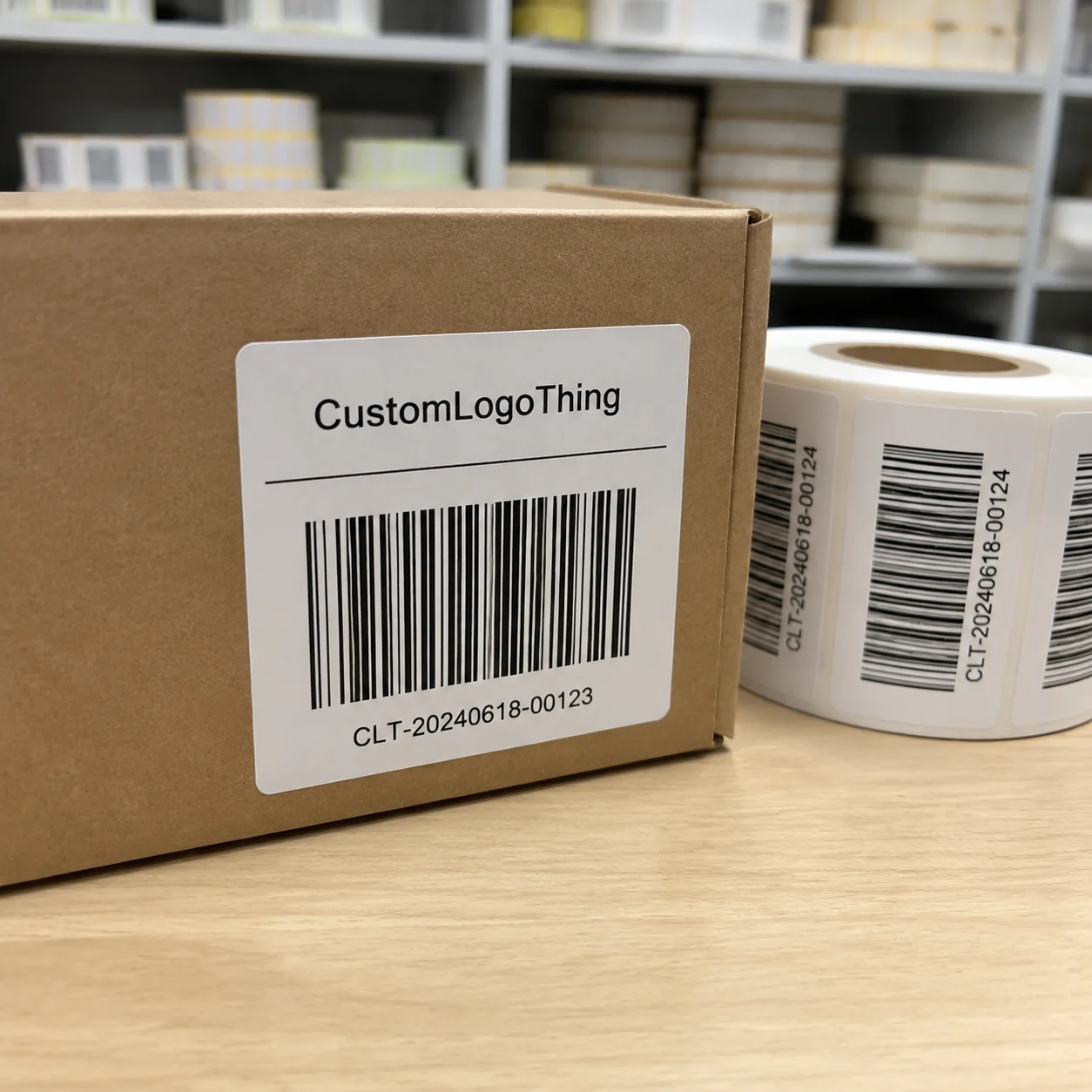
Custom printable labels look simple until they fail. A shirt can feel premium on the rack, then lose credibility fast if the label smudges in handling, peels at the fold, or reads like a generic afterthought. That is why custom printable labels matter more than many clothing brands first assume: they carry brand identity, size data, care instructions, and compliance details in a format that has to survive real use.
For buyers, the appeal is practical. You can order lower quantities than many woven label programs, update copy for a seasonal drop, and test new styles without committing to huge inventory. From a packaging buyer’s point of view, that flexibility belongs in the same conversation as branded packaging, packaging design, and product packaging, because the label is often the last physical brand touchpoint a customer sees before washing.
What custom printable labels are and why clothing brands use them
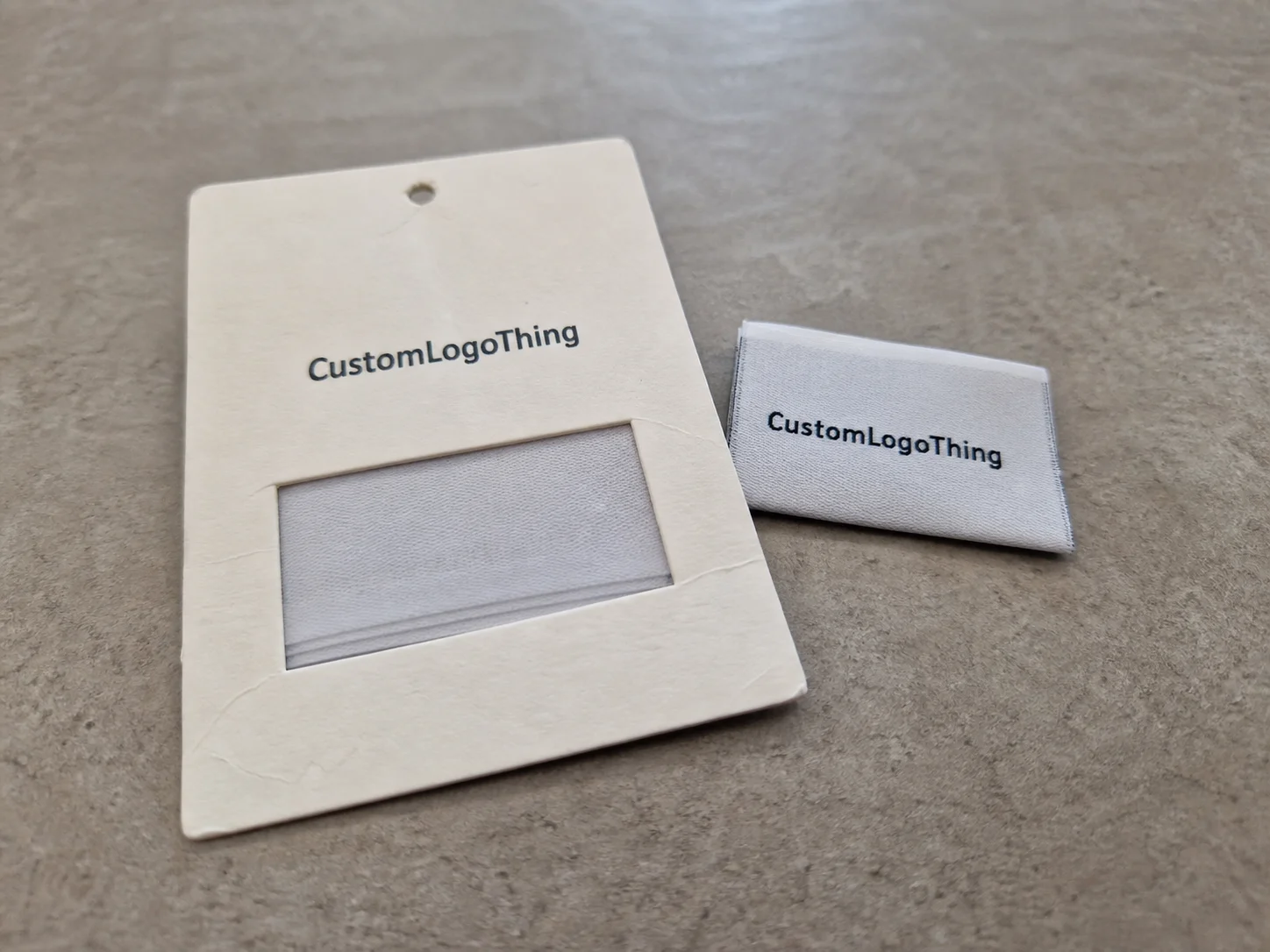
In plain terms, custom printable labels are labels printed with brand, size, care, barcode, or compliance information on substrates designed for garments or garment packaging. They can be paper-based, film-based, or specialty stocks depending on how the label is used. Some are made for retail packaging inserts. Others are built to live on the product itself. That distinction matters, because a label that works beautifully on a carton may fail on a textured hoodie or an activewear item that gets pulled, folded, and washed.
Clothing brands use them for a few direct reasons. First, they support fast identification on the packing line. Second, they usually allow lower minimums than woven labels, which helps with launches, limited drops, and seasonal runs. Third, they are easier to revise when size charts change or legal text needs updating. Smaller brands often start with printed formats before moving deeper into a full label system, simply because the ordering risk is lower.
The less obvious benefit is visual control. A label that aligns with the rest of the package branding makes the product feel intentional. A label that looks generic can make even well-made clothing feel budget. That mismatch is easy to underestimate because it rarely triggers a complaint by name; instead, it shows up as a softer impression, lower confidence, or a package that feels assembled instead of designed.
The label is not just information. It is part of the brand’s proof of care.
Where do these labels sit in the ecosystem? Think of them as one tool in a broader set. Swing tags handle storytelling and retail presentation. Woven labels communicate permanence and texture. Heat transfer labels remove bulk. Adhesive or film-based printable labels handle fast application, variable data, and short runs. Each one solves a different problem, and the strongest brands use them together instead of forcing one format to do everything.
There is also a practical reason to keep options open. Garment programs change faster than many packaging programs. Size runs shift, care copy gets updated, and retailers may request different barcodes or routing labels. A printable system gives the buyer more room to adjust without scrapping a large inventory of preprinted stock.
How the printing process and application method work
The production chain is straightforward, but the details matter. It usually starts with artwork setup, then material selection, then print method, then finishing, slitting or cutting, and finally packing. If one of those steps gets overlooked, the result is often mismatched roll direction, tiny text that disappears, or adhesive that is right for paper but wrong for fabric handling.
There are several production paths for custom printable labels. Desktop printable labels are common for internal use and very small runs. Outsourced digital printing suits short-to-medium runs with variable data or frequent updates. Thermal transfer is popular when barcodes, SKUs, or inventory control matter more than decorative effects. Flexo and UV printing usually make more sense at higher volumes, especially when the label needs strong consistency and specialty finishes.
Application method is just as important as print method. For apparel, labels may be peel-and-stick for packaging inserts, carrier-based for faster in-house application, or sewn in when the substrate is designed for garment use. Some brands also apply labels to hang cards, polybags, or tissue as part of retail packaging workflow. The right format depends on whether the label touches the garment, the package, or the logistics system.
Compatibility issues show up quickly in the field. A slightly textured fabric can reduce adhesion. Stretch fabrics can distort a printed surface. Heat from pressing, storage in warm warehouses, or repeated skin contact can change performance. Wash cycles are their own test. If a label is meant to stay on a garment, do not assume “looks good” equals “will survive.” That is where test samples become less of a nice-to-have and more of a basic control.
File prep is another place where buyers can save headaches. Use vector artwork where possible. Keep barcodes high contrast and scannable at final size. Allow bleed for cut labels. Check whether small legal copy remains legible when reduced. A label might look fine on a monitor and become unreadable at 18 mm wide. That is not a print problem; it is a setup problem.
One more production detail often overlooked is orientation. Roll direction, unwind direction, and core size can affect how smoothly labels feed through a hand applicator or machine. If those specs are wrong, production slows down even when the print itself is perfect.
Key cost, pricing, and MOQ factors to compare
Pricing for custom printable labels is usually driven by substrate type, print coverage, quantity, finish, adhesive strength, die-cut shape, and any special effects such as metallics or matte varnish. A simple one-color label on a standard stock can be very different from a premium label with dense ink coverage, variable data, or a special adhesive meant for rougher surfaces. The quote may look close at first glance, but the underlying spec often explains the difference.
Unit cost and total job cost are not the same thing. A label might drop from $0.24 to $0.15 per unit at a higher quantity, yet that savings can disappear if the format creates waste, slows application, or forces overordering. Buyers in retail packaging and product packaging run into this constantly: the cheapest piece on paper is not always the cheapest piece in operation.
MOQ matters, especially for newer clothing brands. Short runs are useful for launches, test collections, and ecommerce drops. But low quantities often carry setup fees that make very small orders surprisingly expensive. As a rough market pattern, specialty custom labels may price well at 5,000 pieces but feel less efficient at 500 pieces once prep, proofing, and shipping are included. That does not mean small runs are wrong. It means they should be bought with eyes open.
There are hidden costs too. Artwork revisions can add time and money. Rush production often carries a premium. Custom rolls may need specific core sizes or unwind directions that affect packing. Shipping delicate label stock can cost more than buyers expect if it needs extra protection. These are the costs people miss when they compare only the headline unit price.
| Label option | Typical use | Approx. price range | Best fit |
|---|---|---|---|
| Standard digital printable label | Branding, size, short-run SKU use | $0.10-$0.22 each at moderate volume | Launches, seasonal updates, variable data |
| Film-based durable label | Higher handling, moisture exposure | $0.18-$0.35 each | Activewear, retail packaging, shipping friction |
| Specialty finish label | Premium presentation, matte or metallic effects | $0.22-$0.45 each | Luxury basics, giftable items, package branding |
The cleanest buying rule is simple: choose the least expensive label that still survives the garment’s real use case, not the cheapest label on paper. That usually means matching the substrate and adhesive to the actual handling path, not the sales pitch.
For brands comparing suppliers, ask for pricing at more than one quantity break. A quote at 1,000 pieces may look very different from 5,000 or 10,000 pieces once setup is spread out. If you expect reorder activity, the reorder price matters as much as the first order price.
Process and timeline: from artwork approval to delivery
A normal order moves through a predictable sequence: inquiry, quote, artwork proof, sample or press approval, production, finishing, quality control, and shipment. If everything is ready, a straightforward digital run can move fairly quickly. If the order includes complex die-cuts, specialty coatings, or compliance text, the timeline stretches. There is no mystery here; more variables mean more checks.
The most common slowdowns are missing dielines, low-resolution files, late text changes, and uncertainty about application method. If the supplier does not know whether the label goes on fabric, on a polybag, or on a swing tag, they cannot recommend the right stock with confidence. That uncertainty usually turns into proof revisions, and proof revisions turn into delays.
Print technology affects lead time too. Short-run digital work is often faster than specialty jobs with more finishing steps. Flexographic work can be efficient at scale, but the tooling and setup make it less nimble for very small changes. If your launch depends on a fixed delivery date, plan backward from that date rather than from the day artwork is approved.
Buffer time is not optional. Clothing brands often discover that labels, tags, and custom printed boxes become the bottleneck only after inventory is nearly ready. That is a painful place to learn the lesson. Build extra time into the schedule, especially for first-time orders or seasonal restocks with multiple SKUs.
When speaking with a supplier, ask about proof cycle length, rush options, reprint policy, and whether partial shipments are possible. Partial shipments can help if part of the order is needed for a photo shoot or fulfillment kickoff, but not every supplier can support that efficiently. Clear answers here are usually a sign of better internal process control.
For standards-minded buyers, it can also help to ask whether the supplier has experience with relevant testing or material guidance. Packaging and label products may be evaluated under industry practices that reference ASTM methods or distribution testing aligned with ISTA protocols. For broader sustainability claims, the EPA and FSC both provide useful reference points on materials and responsible sourcing: EPA sustainable materials guidance and FSC certification information.
How to choose materials, adhesives, and print finishes for apparel
Material choice usually starts with the use case. Paper-based label stocks are often fine for short-life packaging applications, inserts, or outer packaging. Film-based stocks hold up better against moisture, scuffing, and repeated handling. Specialty stocks can elevate presentation, but they should earn their place by solving a problem or reinforcing the brand, not just by looking expensive in a sample book.
Adhesive choice is where a lot of apparel orders go wrong. Removable adhesives work well for packaging and some temporary applications. Permanent adhesives make sense when the label must stay put through transport and retail handling. Freezer-safe adhesives are useful for cold-chain or storage conditions. Wash-resistant performance matters if the label will remain on a garment. That said, not every “strong” adhesive is the right adhesive; some bond too aggressively for the substrate and create residue or edge lift.
Finish influences both appearance and readability. Gloss can make color pop. Matte usually improves readability and gives a calmer, more natural feel. Soft-touch or uncoated finishes can support a more refined clothing-brand aesthetic, especially for premium basics or eco-focused collections. If the label includes a barcode or small care copy, too much gloss can create scan issues or glare under retail lighting.
Durability is not only about the label itself. Abrasion from shipping, humidity in storage, oils from hands, and repeated folding can all change performance. A label that survives in a dry sample pack may behave differently after a week in transit. That is one reason sample testing should mimic reality as closely as possible.
The best label match often depends on clothing category:
- Activewear: moisture resistance, rub resistance, and flexible application matter more than decorative extras.
- Kids’ apparel: readability, safety, and durable adhesion tend to outweigh specialty finishes.
- Luxury basics: tactile finish and visual consistency with branded packaging can matter a lot.
- Eco-focused brands: material selection should support the sustainability story without making false claims.
If you are also planning broader package branding, it helps to align label finish with carton and insert design. A label that clashes with the rest of the presentation can make the whole system feel disconnected. That is why many buyers review labels alongside Custom Packaging Products and related Custom Labels & Tags rather than in isolation.
For apparel specifically, ask whether the label will be exposed to heat pressing, folding, cold storage, or moisture during fulfillment. Those conditions can affect both adhesive choice and print durability. A label spec that works in a sample envelope may fail once it enters a real warehouse.
Step-by-step ordering checklist for custom printable labels
Start with the use case. Is the label for packaging, care information, sizing, or branding? That first answer sets the rest of the spec. A package insert can tolerate different materials than a label intended to stay on a garment through repeated handling.
- Define the application. Clarify whether the label touches fabric, packaging, or both.
- Collect technical specs. Size, shape, color count, copy, barcode requirements, and compliance text all need to be set before quoting.
- Request samples. Compare print clarity, adhesive behavior, and feel on the actual substrate or a close substitute.
- Confirm production format. Roll direction, core size, sheet format, and unwind direction should match your application process.
- Approve the proof carefully. Check spelling, logo fidelity, wash instructions, and quantity against forecasted demand.
A strong checklist also prevents internal confusion later. If the fulfillment team applies labels by hand, they may need a different roll orientation than a contract packer. If the inventory system depends on barcodes, the print density and contrast need to be tested with the actual scanner model, not guessed. Small details create large consequences.
For brands using custom printed boxes, inserts, and labels together, the best practice is to create one shared spec sheet. That makes future reorders easier and reduces the chance that one component drifts out of sync with the others. Buyers who manage multiple SKUs especially benefit from that discipline.
A simple internal approval sheet should include the approved artwork version, final size, substrate, adhesive type, finish, and reorder quantity. It sounds basic, but it prevents a lot of expensive confusion six months later when a seasonal restock needs to match the original run.
Common mistakes that cause print failures or wasted spend
The first mistake is treating labels like office supplies. Apparel labels face more handling, more friction, and more scrutiny than a standard internal sticker. They need tighter specification discipline because the brand impact is higher and the tolerance for failure is lower.
The second mistake is choosing the wrong adhesive. I have seen brands order a strong permanent format for a garment care label, then discover it leaves residue on certain finishes or lifts on textured surfaces. I have also seen the opposite: a label that looks fine in the pack but falls off after cold storage or transit vibration. Both mistakes are avoidable.
The third mistake is tiny text and weak contrast. Readability is not a design preference; it is a production requirement. If the care copy is too small, the barcode too compressed, or the contrast too low, the label may fail at the point of use even if the artwork looked elegant on screen.
Proofing is where many of these problems can be caught. Color shifts can happen between screen and print. Cut alignment can drift. Barcode scannability can fail if the quiet zone is ignored. If the proof is rushed, those problems move downstream into inventory, where they become more expensive to fix.
Another frequent operational mistake is buying the cheapest format without considering how the team will apply it. A label that saves a cent per unit but doubles application time can be more expensive in labor than a slightly better spec. In packaging operations, labor is often the hidden cost that never shows up on the quote.
Finally, sustainability claims need real material alignment. Recyclable language does not become true because it sounds good in a sales deck. Adhesives, liners, coatings, and substrates all matter. If a brand wants to make responsible sourcing claims, it should be able to support them with actual material choices and supplier documentation. That is the difference between marketing language and a claim that can survive scrutiny.
There is also a quiet operational risk in under-ordering. If a product line sells better than forecast, a label mismatch can slow replenishment even when the garment itself is ready. Extra inventory is not ideal, but a line-stop caused by missing labels usually costs more than the spare material would have.
Expert tips and next steps to order with confidence
Use a sample-first approach for any label that touches the product, not just the package. Real-world wear finds problems that proofs miss. Rub resistance, edge lift, moisture response, and readability after handling all deserve a trial run on the actual garment category.
Ask the supplier for a recommendation based on garment type, average order volume, and expected shelf life. A good vendor should be able to explain why one substrate fits better than another instead of just pushing the most expensive option. If the answer sounds vague, keep asking until it becomes specific.
Build a simple test matrix before final approval:
- Adhesion: does the label stay attached after handling and storage?
- Smudge resistance: does print stay clean under normal friction?
- Rub resistance: does the surface hold up to packing and transit contact?
- Readability: can staff and customers clearly read it at final size?
Then save the winning spec. Reorder consistency matters, especially if your product packaging changes by season while the core label system stays the same. A clean spec sheet keeps future runs aligned, even when the collection changes and the design team has moved on to new artwork.
If you are comparing options across labels, tags, inserts, and outer packaging, look at the system, not the single item. The best clothing brands build labels into a larger package branding plan, so the visuals, materials, and logistics all reinforce each other. That is how small print pieces support a larger brand story.
My practical advice is simple: audit the current label setup, pull one sample from each product line, compare cost against durability, and check whether the label still fits the real use case. Then order the next round of custom printable labels with a spec that reflects how the clothing is actually packed, shipped, handled, and worn. That is how you buy smarter.
What are custom printable labels for clothing used for?
They identify and brand garments, sizes, and care details. They can also support retail packaging, inserts, and barcode or inventory workflows. Brands use them when they need flexible, lower-volume labeling than woven or sewn options.
How do I know which label material is right for my apparel line?
Match the material to the use case: packaging, care labels, or product branding. Choose moisture- and rub-resistant options for garments that will be handled often. Request samples and test them on the actual fabric or packaging surface before ordering.
What affects the price of custom printable labels the most?
Quantity, material, adhesive type, print complexity, and finish all change pricing. Setup, proofs, and rush production can raise total cost even if unit cost looks low. Special shapes or premium finishes usually cost more than standard formats.
How long does production usually take for custom printable labels?
Turnaround depends on artwork readiness, order size, and print method. Simple digital runs can move faster than specialty jobs with custom finishes. Build buffer time into your launch schedule so labels do not delay receiving or packing.
What should I check before approving a label proof?
Check spelling, logo placement, colors, and readability at final size. Confirm dimensions, cut lines, adhesive type, and any care or compliance text. Verify that the format matches how your team will apply the labels in production.