Custom Printed Cloth Bags: Order Smarter for Retail
Custom printed cloth bags do more than carry products from point A to point B. They stay in circulation. For buyers, that means the bag has to hold weight, show the brand clearly, and still look worth keeping after the customer gets home. If it falls apart, the logo does not matter much.
The practical way to buy them is simple: define the job first, then match the material, then choose the print method. If you reverse that order, the quote gets messy fast and the final bag often misses the mark.
Custom Printed Cloth Bags: What Buyers Need to Know First
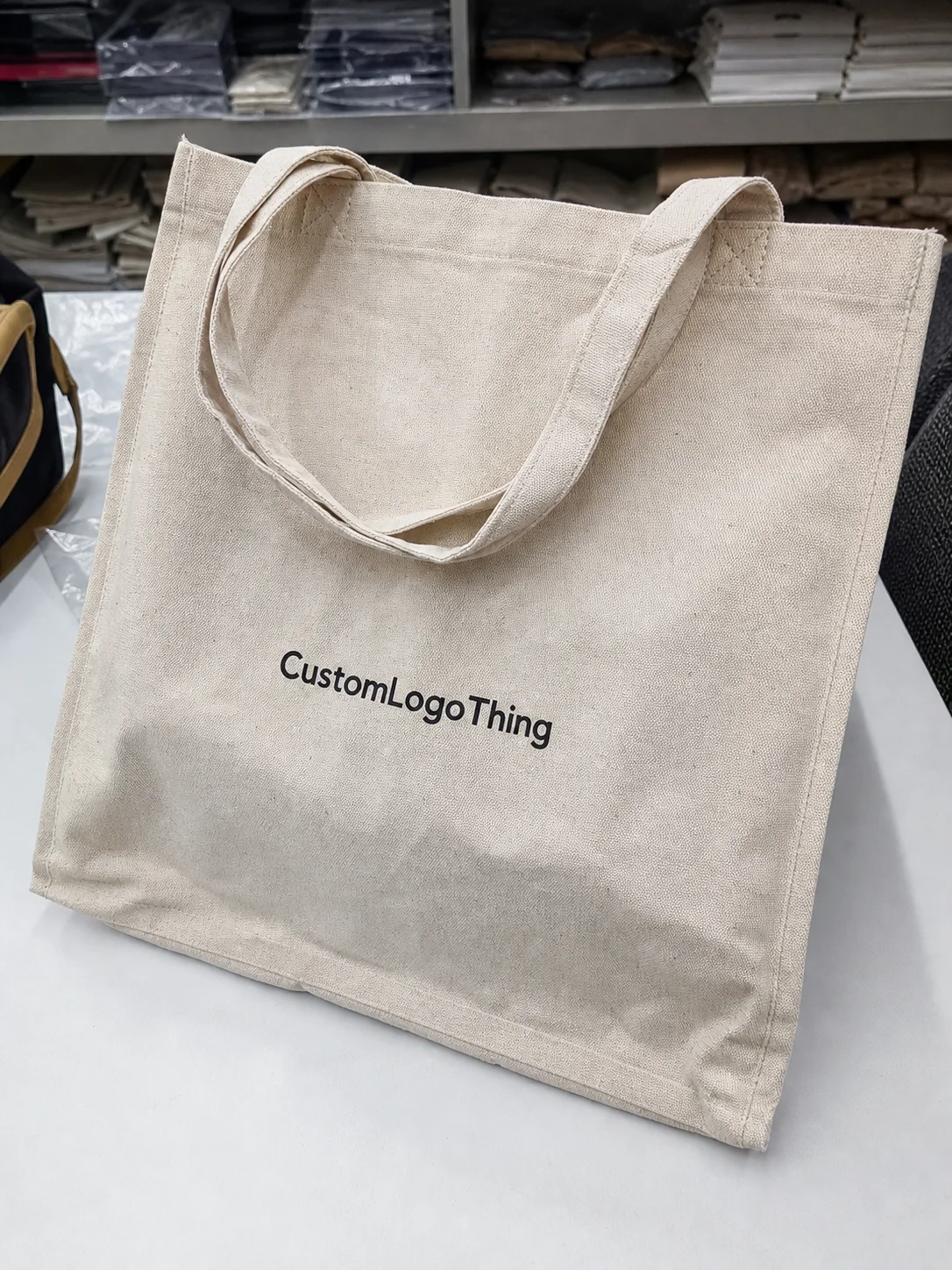
These bags work best when the use case is clear. A boutique tote, a trade-show giveaway, and a grocery carry bag all ask for different construction. They may share the same artwork, but the structure, weight, and finish should not be the same.
For retail, the bag becomes part of the brand experience. Customers notice handle comfort, fabric stiffness, seam quality, and whether the print looks crisp or muddy. Those details separate an everyday promotional bag from something customers actually reuse.
There is also a practical marketing angle. A cloth bag keeps moving after the sale. It shows up in offices, on trains, in gyms, and at checkout counters, which gives branded packaging more mileage than a disposable carrier. If the goal is visibility without constant reprinting, cloth bags make sense.
Buyers usually run into trouble when they treat all bags as interchangeable. They are not. A light nonwoven tote might work for a one-time event handout, but it can look wrong next to a premium candle line or a gift set that needs a more polished finish. Match the bag to the product, not just the budget.
Materials, Construction, and Print Methods Explained
Most orders start with a few familiar materials: cotton, canvas, nonwoven blends, jute-style fabric, and recycled textiles. Each one behaves differently. Cotton is softer and usually easier to print cleanly. Canvas has more body and better load handling. Nonwoven materials are lighter, cheaper, and often used when the order needs volume more than presentation. Jute gives a natural look, but the coarse texture can make small details harder to read.
Weight matters. For cotton totes, common ranges are around 5 to 12 oz. Canvas usually sits higher, often around 10 to 16 oz depending on how stiff the bag needs to feel. Nonwoven bags are often specified in gsm, frequently in the 80 to 120 gsm range for simple retail or promo use. Those numbers affect drape, durability, and print quality.
Construction changes the bag more than many buyers expect. A flat tote and a gusseted tote may look similar in a mockup, but they behave differently in the hand. Gussets add capacity. Reinforced handles improve carry comfort. Inside lining helps the bag hold its shape. Edge binding can stop fraying and make the finish look cleaner. Boxed bottoms matter when the contents need a more stable base.
Print method is the other major decision. Screen printing remains common because it handles bold graphics, solid colors, and repeat orders well. It is usually the most economical choice when the artwork is simple. Heat transfer can work for smaller runs or more detailed art, but durability depends on fabric, heat settings, and the quality of application. Embroidery adds texture and a premium feel, but it is not right for every logo. Digital printing gives more color flexibility, though it can add setup and proofing complexity.
None of these methods is automatically best. The right one depends on the fabric, the print area, the artwork, and how hard the bag will be used. A full-color gradient on coarse jute may look good on screen and mediocre in production. That is not a supplier problem. That is a spec problem.
Here is a practical comparison buyers can use early in the quote stage:
| Option | Typical strengths | Common tradeoffs | Best fit |
|---|---|---|---|
| Cotton tote | Soft hand-feel, clean print clarity, easy retail presentation | Usually costs more than lighter blends | Boutiques, gift packaging, mid- to premium-tier retail |
| Canvas bag | Better structure, stronger seams, good load carry | Heavier and often pricier | Retail resale, fashion, durable branded packaging |
| Nonwoven bag | Low cost, fast production, lightweight | Less premium feel, lower perceived value | Events, promotions, high-volume distribution |
| Jute-style bag | Natural look, strong shelf presence | Rough texture can blur fine detail | Eco-oriented retail, seasonal packaging, rustic product lines |
If sustainability claims matter, keep them verifiable. Recycled content is useful only if it is documented. Forestry claims should point to a real standard, not a marketing sentence. Programs such as FSC certification help when paper components or source materials need third-party support. For shipping and durability expectations, transport testing references from groups like ISTA can be useful when a bag has to survive distribution, stacking, and handling.
Production Steps, Timeline, and Lead-Time Factors
A normal order follows a predictable path: quote, artwork review, material selection, proofing or sampling, production, inspection, packing, and freight booking. The sequence sounds boring because it is. That is also why skipping a step creates avoidable problems. Production usually does not fail in the sewing stage. It fails earlier, when the brief is vague or the proof gets approved too quickly.
Lead time depends on the bag style and the decoration method. A one-color logo on an existing tote shape is faster than a custom size with lining, reinforced handles, and multiple print locations. Fabric availability matters too. Stock material shortens the schedule. Sourcing a specific weave or color pushes the schedule out.
Calendar risk is real. Freight bookings slip. Customs can slow down. Peak season fills machines and limits options. A supplier might quote 12 to 15 business days after proof approval, but that is production time only. It does not include transit, documentation, or revision time. Buyers who ignore that difference often end up paying for rush shipping that should have been avoidable.
“The first proof is rarely the real bottleneck. Late artwork and last-minute spec changes usually do more damage than the sewing line.”
Build from the receiving date backward. One delayed approval can erase a week. Two can turn a normal shipment into an emergency airfreight problem. If the bags are part of a broader packaging program, coordinate them with items such as Custom Packaging Products so dimensions, color tone, and finish stay consistent across boxes, tissue, inserts, and carry bags.
Cost, Pricing, and MOQ Drivers That Move the Quote
Cost is driven by a small set of variables, but they add up. Size, fabric weight, print area, color count, handle reinforcement, gusseting, closures, lining, packing style, and shipping terms all affect the final number. A small change to one item can shift the entire quote.
MOQ is tied to setup costs. Screens, proofing, color matching, and machine setup do not disappear just because the order is small. When the quantity drops, that fixed work gets spread across fewer units, so the unit price rises. That is normal. It is also why very low minimums often come with a higher per-piece cost than buyers expect.
Ballpark pricing varies widely, but the pattern is predictable. Simple nonwoven bags at higher volumes can land in a relatively low per-unit range. Cotton and canvas usually cost more, especially when the fabric is heavier or the print area is large. Add lining, multiple colors, special stitching, or individual packaging, and the number climbs quickly. For many programs, the right question is not “What is the cheapest unit price?” It is “What is the landed cost for the exact spec we actually need?”
Request pricing at a few volume levels. A quote at 1,000 units, 3,000 units, and 5,000 units often shows where the real break points are. That helps buyers see whether a higher order saves money in a meaningful way or just ties up cash in inventory nobody wants to store.
| Order profile | What usually happens to unit price | Why it changes |
|---|---|---|
| Lower MOQ | Higher | Setup and proofing spread across fewer units |
| Mid-volume run | More balanced | Fixed costs begin to dilute |
| Higher volume run | Lower per unit | Better material buying and setup efficiency |
Ask for a quote that separates bag cost, print cost, setup fees, packing, and freight. That makes comparison much cleaner. A factory price that looks low can become the expensive option once rework, shipping, and special packing are added back in.
How to Choose the Right Specs for Your Use Case
Start with load, not the artwork. Grocery use needs stronger seams and handles. Boutique retail can prioritize surface finish, print clarity, and hand-feel. Trade-show bags need to be light, easy to fold, and cheap enough to distribute widely without regret.
Size should come from the product dimensions, not guesswork. Oversized bags waste material and money. Undersized bags crease badly, stress the seams, and make the customer fight with the packaging. If the product is boxed, measure the carton. If the bag needs to hold multiple items, allow for extra space and handle stress.
Artwork placement affects how premium the bag feels. A centered logo is efficient and usually economical. A full-bleed pattern or edge-to-edge print can create a stronger retail impression, but only if the fabric and print method can support it. A small woven label or a restrained mark sometimes looks better than a loud print.
Useful details often get missed in the first brief:
- Closure style, such as open top, zipper, snap, or drawstring
- Interior pocketing for receipts, cards, or inserts
- Water resistance or light lamination for surface protection
- Ability to fold flat for storage and shipping
- Compatibility with existing retail packaging workflows
Think about the bag as part of a system. If it sits next to printed boxes, tissue, or inserts, the whole package should look like it belongs together. Color drift, inconsistent finish, and mismatched scale make the program look patched together. That is fixable. It just needs to be specified before production starts.
Common Ordering Mistakes That Increase Cost or Delay Delivery
The most common mistake is approving artwork before confirming the printable area. A logo can look fine on a PDF and still be too large, too small, or placed in the wrong spot once the actual bag template is applied. Fixing that later means a redesign, a weaker layout, or a reprint.
Another mistake is buying on unit price alone. A cheaper bag can fail under normal use, which creates replacement cost and damages the brand impression you were trying to improve. The lowest quote is not always the lowest total cost. Often it is just the quote with the most missing details.
Skipping a proof is risky even for simple artwork. Colors shift. Lines thicken or disappear. Placement moves a little. Those issues are hard to catch on screen, especially when brand colors have to match other packaging pieces. A physical sample is better when texture, hand-feel, or seam quality matters. A high-quality digital proof is the minimum, not the finish line.
Freight assumptions also cause avoidable delays. Buyers often focus on sewing time and forget transit, customs, and receiving windows. If the bags are tied to a launch, a retail reset, or a seasonal campaign, that gap can force emergency shipping or make the order arrive after it is useful.
Vague briefs create another layer of risk. If the supplier has to guess at dimensions, print limits, or packaging expectations, the quote will be loose and the order will drift. Clear specs produce cleaner pricing and fewer revisions.
Expert Tips and Next Steps for a Cleaner Order
Build a one-page spec sheet before requesting quotes. Include dimensions, material, target quantity, print count, print placement, closure style, destination, timeline, and artwork format. That single page removes most of the back-and-forth that slows down a job. It also keeps different suppliers quoting the same thing instead of three different interpretations.
Ask for samples when the finish matters. Fabric swatches show more than a mockup ever will. So do finished bags from similar runs. If the bag is going on a retail shelf or being handed to a customer in a premium context, do not rely on a flat screen image and hope for the best.
Compare quotes on landed cost. Factory price is only one line in the budget. Freight, duties, packaging, and rework risk belong in the calculation too. A slightly higher quote can still be the better choice if it reduces defects, shortens delay risk, or saves money on shipping.
For a cleaner order process, use this sequence:
- Define the use case and expected load.
- Shortlist two or three bag constructions.
- Confirm size, printable area, and artwork format.
- Request a proof or sample.
- Lock production timing and freight terms.
- Set a reorder plan if the first run performs well.
That approach keeps the bag aligned with the actual business goal: a branded item that carries products well, looks credible on the sales floor, and stays useful after the sale.
What is the best fabric for custom printed cloth bags?
Cotton and canvas are usually the strongest options for retail presentation and print clarity. Lighter blends or nonwoven materials make more sense when budget and volume matter more than a premium hand-feel.
How much do custom printed cloth bags usually cost?
There is no single price. Cost depends on size, fabric weight, print method, color count, and quantity. In many programs, simple high-volume bags sit near the low end of the market, while heavier cotton or canvas bags with more finishing details move into a higher range.
What affects turnaround time for cloth bag orders?
Artwork approval, material availability, print complexity, and finishing details are the biggest factors. Rush orders become difficult when the design needs color matching, custom sizing, or special hardware.
Can custom printed cloth bags handle full-color artwork?
Yes, but the method matters. Digital printing can support more color variation, while screen printing is usually better for bold, simple graphics. Fine gradients and photo-like images are harder to keep sharp on rough fabrics.
What should I confirm before placing a custom cloth bag order?
Confirm size, material, handle style, print area, quantity, proof process, packaging, freight terms, and delivery date. If the quote does not separate those items clearly, ask for a revised one before approving the run.

