Custom ink tote bags do a job that looks simple until you price the alternatives. They carry products, but they also carry repeated visibility. A tote that leaves a store, conference, or event may keep working for months, sometimes longer than the campaign that produced it. That makes the buying decision less about a single giveaway and more about how long the bag can stay useful without looking tired.
That is the real difference between tote programs that feel thoughtful and tote programs that feel disposable. The bag has to hold weight, accept the artwork cleanly, and survive the handling that comes with normal use. If the material, print method, and use case are aligned, the result is functional brand exposure. If they are not, the bag becomes a budget line item that never earns its keep.
Buyers tend to compare custom ink tote bags with retail packaging, mailers, and other branded containers because the economics overlap. A sturdy tote can replace a pile of single-use carriers, then keep advertising long after the first transaction. That is useful, but only if the construction supports the promise. A crooked print on thin fabric does not read as savvy. It reads as rushed.
What custom ink tote bags are, and why they get noticed
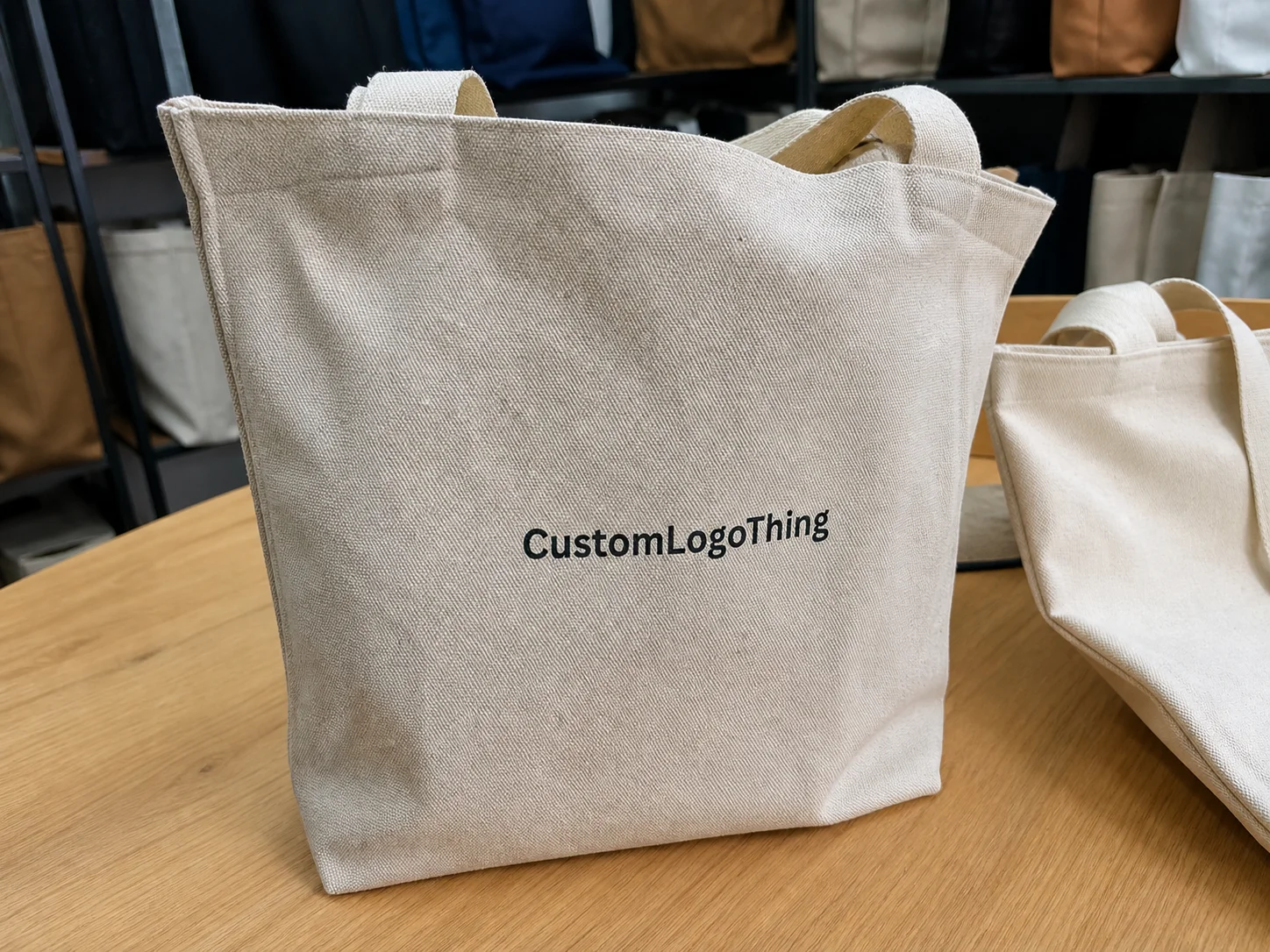
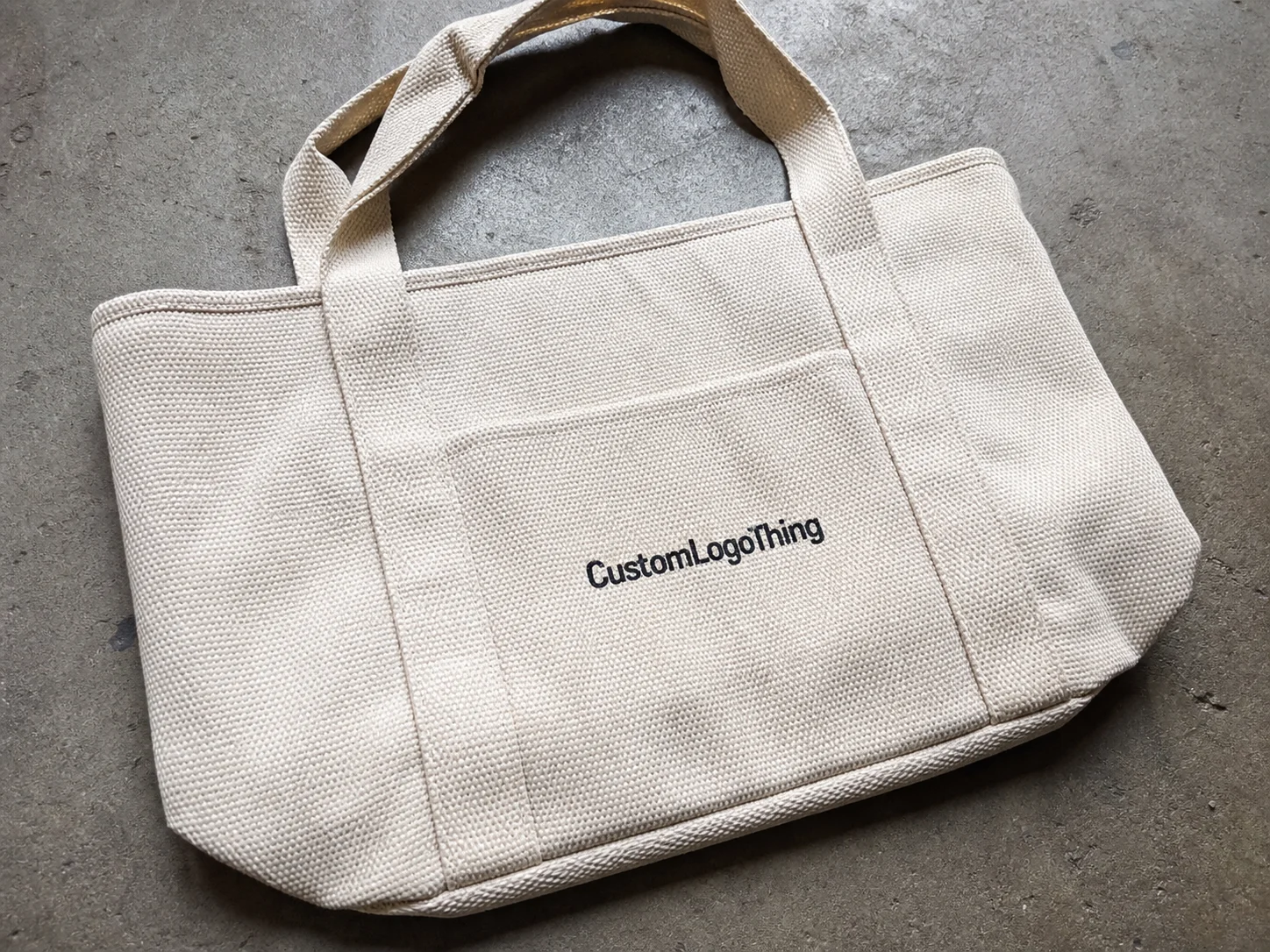
At the material level, custom ink tote bags are reusable bags decorated with ink-based printing methods on cotton, canvas, nonwoven polypropylene, or coated blends. The decoration may be screen printed, digitally printed, or transferred, depending on the artwork and the run size. Some bags are designed to feel retail-ready. Others are built to hit a budget and move large volumes.
The practical appeal is obvious. Totes are light to store, easy to hand out, and flexible enough to fit a wide range of programs. Retail openings use them. Conferences use them. Nonprofits use them. Product launches and subscription box inserts use them too. Unlike one-time packaging, a tote often stays in circulation, which means the impression count can be higher than the unit count suggests.
The bag itself also sends a signal. A 6 oz cotton tote feels different from a nonwoven bag with heat-sealed edges. A heavier canvas bag reads as sturdier and more premium, while a thinner nonwoven bag tends to signal utility and scale. Neither is automatically better. They solve different problems.
“The lowest-priced tote is often the most expensive one in disguise if it twists, tears, or makes the logo hard to read after a few uses.”
That is the lens worth keeping. The print is only one part of the asset. Handle strength, seam quality, fabric weight, and surface texture all affect whether the tote gets reused or forgotten.
How the printing process works on tote bags
The production path starts with art review, not printing. A supplier checks the file format, print area, number of colors, bag style, and the surface the ink will land on. Then comes the proof, which should show placement, scale, and color assumptions clearly enough to catch mistakes before production begins.
Screen printing is still the standard choice for bold logos, simple spot colors, and larger quantities. The setup cost is front-loaded, so the economics improve as the order grows. On cotton and canvas, a well-set screen print can give strong opacity and durable coverage. The limitation is detail. Fine lines, tiny text, and subtle gradients often need more careful handling or a different decoration method.
Digital printing can work better for artwork with complex color transitions, photographic elements, or short runs where screen setup would be excessive. Transfer methods sit in the middle: flexible, useful for certain art styles, but not always the best answer for every fabric or finish. The right method depends less on preference and more on what the fabric can actually support.
The bag surface matters before ink ever touches it. A coarse weave can break thin typography into visual noise. A smoother coated surface can sharpen the image but change the hand feel. Seam placement, gusset depth, and handle attachment points also affect where the design can sit without distortion. A bag that looks simple on a mockup can be surprisingly unforgiving once production starts.
Ink curing is the part buyers often skip in their mental model, yet it matters a lot. If the ink is under-cured, it can feel tacky, crack early, or rub off after folding and reuse. Proper curing depends on the fabric, the ink system, and the dwell time. Good production teams verify those variables because a tote that fails after a few uses has not really been printed well, no matter how it looked on proof day.
The biggest misconception is that the same artwork will look the same on every bag. It will not. A logo that reads as crisp on a smooth canvas tote may look softer on a textured low-cost fabric. The print method is only half the story. The substrate decides how much detail survives.
Key factors that shape quality, durability, and fit
Quality is easier to judge when the specs are concrete. Fabric weight is the first marker. Lightweight nonwoven bags are fine for brochures, samples, or high-volume events. Heavier cotton and canvas are better for books, boxed goods, or anything the customer will carry more than once. If the tote is expected to hold weight, a thin material can become a false economy.
Handle construction deserves equal attention. Wide handles distribute load better than narrow ones. Reinforced stitching around the attachment points reduces the chance of failure under stress. A bag can print beautifully and still perform badly if the handles twist or the seams pull. That is not a cosmetic issue. It is a functional one.
Use case should drive the spec. Grocery promotions need a different build from a trade show handout. Retail packaging usually wants cleaner print placement, more consistent color, and a finish that feels deliberate on the sales floor. The more the tote is expected to represent the brand in public, the more the Material and Printing details matter.
Artwork complexity is another filter. Fine type, hairline logos, and complex gradients can disappear on textured surfaces or very low-cost bags. A design that looks clear on a screen may need simplification before it becomes a printable object. That often means thicker lines, fewer colors, or a larger print zone. The design is still the design. It just has to survive production.
Color contrast is easy to underestimate. Dark ink on dark fabric can vanish from a distance. Light ink on natural cotton often reads well, but brand colors can shift slightly because the base fabric color influences the final result. If color accuracy is sensitive, request a proof against the actual bag color instead of relying on a mockup that assumes a neutral background.
Durability affects how the tote is perceived long after the first handoff. A bag that keeps its shape, sits flat when empty, and tolerates repeated folding tends to stay in use. That reuse matters. The more often the bag is carried, the more impressions the logo gets without any extra spend.
- Material weight: influences structure, carrying capacity, and perceived value.
- Handle style: affects comfort and load distribution.
- Print area: determines how visible the artwork will be.
- Stitch quality: shapes long-term durability.
- Color contrast: controls legibility at a distance.
For teams comparing packaging options across products, the logic is similar to custom printed boxes: the container is part of the brand experience, not a neutral shell. Totes simply extend that experience into public space.
| Bag type | Typical feel | Best use case | Tradeoff |
|---|---|---|---|
| Nonwoven polypropylene | Light, budget-friendly | Events, large handouts | Lower premium feel |
| Cotton | Soft, familiar, reusable | Retail, general promotions | Wrinkles more easily |
| Canvas | Structured, heavier, premium | Retail packaging, higher-end gifting | Higher unit cost |
| Coated blend | Smoother print surface | Detailed graphics, sharper branding | Less natural hand feel |
Pricing, MOQ, and unit cost: what actually changes the quote
Pricing for custom ink tote bags is shaped by several variables at once. Material, size, fabric weight, bag color, number of ink colors, print coverage, and quantity all affect the final quote. A one-color logo on 5,000 nonwoven totes is a very different job from a full-coverage, multi-color design on heavyweight canvas.
MOQ exists because setup costs are real. Screens need to be prepared. Artwork needs to be converted. Machines need calibration, and samples often need checking before the run begins. Those costs do not disappear on a small order, so the unit price usually falls as the quantity rises.
Still, the cheapest per-unit price is not always the best answer. Seasonal graphics, event-specific messaging, and short campaign windows can leave buyers with usable bags that no longer fit the brand calendar. A tote that saves a few cents but sits in storage for a year is not a strong buy. Order size should match real demand, not wishful forecasting.
As a broad planning range, simple tote programs may land around $0.85 to $2.75 per unit at scale, while heavier canvas or more complex decorated bags can run higher. That range moves fast with fabric choice and print coverage. It is useful for budgeting, not for final approval.
Two quotes can look close until the spec sheet is inspected. One may include thicker fabric, stronger stitching, and a larger print area. Another may be cheaper because the material is thinner, the decoration is smaller, or the handle construction is lighter. Comparing only the headline number is how buyers end up paying more for a weaker bag.
Quote comparison factors buyers should line up
- Exact bag size and fabric weight
- Handle length and stitch style
- Print method and number of ink colors
- Print position and decoration area
- Shipping terms and transit cost
For buyers sourcing through Custom Packaging Products, the cleanest comparison comes from a fully matched spec sheet. If the requests are inconsistent, the quotes will be too.
Production steps and timeline: from proof to delivery
The order path is usually straightforward: Request a Quote, confirm the spec, submit artwork, review the proof, approve production, then wait for packing and shipment. The delays usually appear in the middle, where files and assumptions collide with production reality.
Artwork problems are common. Low-resolution files, artwork built in RGB instead of print-friendly color references, and missing vector assets all slow proofing down. Bag availability can also affect timing. Some colors and materials are stocked more deeply than others, and a shortage can shift a schedule even if the print shop is ready.
For straightforward jobs, production often runs about 10 to 20 business days after proof approval. Larger quantities, special materials, or more detailed decoration can stretch that window. Rush service may be possible, but it usually reduces material choice and raises cost. Shipping should be treated separately from production, not folded into a vague “lead time” number.
Before approval, ask for four specifics: when production starts, how long proofing will take, when the order is expected to ship, and whether partial shipment is possible if the order is split across destinations. Those answers matter more than a generic estimate, especially if the tote is tied to an opening date or event schedule.
Buffer time is not pessimism. It is planning. Proof revisions, freight delays, and carrier problems are ordinary enough that they should be expected in the schedule. A tote order with no margin can turn a manageable issue into a missed deadline.
If the bags are part of a larger packaging or fulfillment workflow, build the schedule around the slowest step, not the fastest one. Often that is proof approval, not printing.
For shipping-sensitive orders, carton packing and transit resilience deserve attention too. Resources from the International Safe Transit Association and the U.S. Environmental Protection Agency are useful references for thinking about handling, material choices, and transport durability. The subject matter is broader than tote printing, but the lesson is relevant: a product that survives the chain is worth more than one that only looks good in a mockup.
Common mistakes buyers make before ordering
The first mistake is sending weak artwork and hoping the printer can fix it. Usually, that does not happen. Fuzzy files, tiny text, and low-resolution logos often print poorly, especially on textured fabric. If the mark is important, send a vector file and check the proof at actual size.
The second mistake is poor placement. Logos set too close to seams, handles, or the bottom fold can look cramped or disappear when the bag is in use. On a tote, placement is not a minor aesthetic choice. It is visibility management.
Third, buyers often underplan inventory. Order too few bags and unit cost rises. Order too many and the leftovers get stuck behind a campaign that ended months ago. A tote with seasonal copy is not the same as a reusable retail asset.
Fourth, teams choose a bag that feels premium but cannot handle the real load. A soft, lightweight tote may be perfect for a brochure kit and completely wrong for bottled drinks or boxed merchandise. Match the bag to the weight it will carry, not to the mood board.
Fifth, print limitations get ignored until the proof stage. Some fabrics cannot hold fine detail well. Some color combinations need more contrast than a brand guide suggests. A good supplier will flag that early. A weak one will wait until the artwork has already been approved.
- Send vector artwork whenever possible.
- Check logo placement against seams and folds.
- Match tote strength to the actual product weight.
- Plan inventory around campaign life, not only price.
- Confirm whether the chosen print method suits the art.
Expert tips and next steps for a cleaner order
Start with a spec sheet that leaves little room for interpretation. Lock in bag size, material, handle style, print position, ink colors, quantity, and delivery deadline before asking for quotes. Clear inputs reduce revision cycles and make pricing easier to compare.
Ask for a placement proof or mockup that shows the design at the actual size. Most tote problems are visual. A logo can be technically printable and still look too small, too high, or awkwardly stretched. A proof that shows real proportion catches those mistakes before they become expensive.
Choose the decoration method based on the artwork and the order size. Screen printing usually suits bold, simple designs at higher volumes. Digital or transfer methods can be better for detailed graphics, smaller runs, or jobs with tighter timing. The best choice is the one that fits the bag surface and the campaign, not the one that sounds most familiar.
Build a comparison grid before committing. Price, lead time, fabric weight, print method, shipping terms, and quality notes should sit in one place. That makes supplier differences visible instead of hidden in a maze of similar language. It also helps avoid the classic mistake of comparing a premium bag against a stripped-down one as if they were the same product.
Quality control should not stop at the mockup. On the production side, useful checks include print registration, ink cure, stitch integrity, handle attachment, and carton condition before shipment. A tote order that passes those checks is more likely to arrive looking the way it was approved.
“A clean tote program usually comes from disciplined details: exact specs, honest proofs, realistic lead times, and no assumptions about fabric or print behavior.”
For buyers evaluating custom ink tote bags for retail or events, the practical sequence is usually the best one: define the use case, finalize the art, compare matched quotes, and approve only after the proof and schedule both make sense. That approach keeps the order tied to performance, not just appearance. It is also the most reliable way to end up with custom ink tote bags that carry well, hold up in use, and continue to represent the brand after the event is over.
What is the best print method for custom ink tote bags?
Screen printing is usually the best fit for simple logos, fewer colors, and larger quantities. Digital or transfer-style methods can work better for detailed art, smaller runs, or faster proofing. The right choice depends on the fabric, the artwork, and the quantity.
How do I lower the unit cost on custom ink tote bags?
Higher quantities usually lower the unit cost, provided the inventory will actually be used. Limiting ink colors and simplifying the artwork can also reduce cost. Compare quotes only after the specs are matched, or the pricing will be misleading.
Which tote material works best for retail packaging?
Heavier cotton or canvas usually feels more premium and holds shape better at point of sale. Nonwoven options can still work for lower-cost programs that need reusable value. The better material is the one that matches the product weight and the customer experience you want to create.
How long does production usually take for printed tote bags?
Simple orders can often move through production in about 10 to 20 business days after proof approval, but larger or more customized jobs can take longer. Proof revisions, material availability, and shipping all affect the actual timeline. Ask for both production and transit time.
What artwork should I prepare before requesting a quote?
Send a vector file if possible, plus any brand color references, the intended print size, and the bag style you want quoted. Include quantity and delivery timing too. Clear inputs reduce revisions and improve quote accuracy.