Buyer Fit Snapshot
| Best fit | rigid boxes for luxury products decision review for packaging buyers comparing material specs, print proof, MOQ, unit cost, freight, and repeat-order risk where brand print, material, artwork control, and repeat-order consistency matter. |
|---|---|
| Quote inputs | Share finished size, material target, print colors, finish, packing count, annual reorder estimate, and delivery region. |
| Proofing check | Approve dieline scale, logo placement, barcode or warning zones, color tolerance, and any recyclable or compostable wording before bulk production. |
| Main risk | Vague material claims, crowded artwork, or missing packing details can create delays even when the unit price looks attractive. |
Fast answer: Rigid Boxes for Luxury Products Decision Review: Dieline, Finish, Proof, and Buyer Review should be specified like a repeatable production item. The safest quote includes material, print method, finish, artwork proof, carton packing, and reorder notes in one written spec.
What to confirm before approving the packaging proof
Check the product dimensions against the actual filled item, not only the sales mockup. Ask for tolerance on folds, seals, hang holes, label areas, and retail display edges. If the package carries a logo, QR code, warning copy, or legal claim, reserve that space before decorative graphics fill the panel.
How to compare quotes without losing quality
Compare board or film grade, print process, finish, sampling route, tooling charges, carton quantity, and freight assumptions side by side. A lower quote is only useful if the supplier can repeat the same color, closure quality, and packing count on the next order.
On a factory floor in Dongguan, I watched a buyer pick up two sample cartons, both pitched as the best rigid Boxes for Luxury products, and she chose one in under five seconds without even touching the item inside. That reaction is not unusual in packaging programs moving through Guangdong and the wider Pearl River Delta, where a 1 mm corner gap or a dull lid closing can decide whether a sample survives the room. The box construction, the closure feel, the corner wrap, and the way the lid settles all start selling the product before the customer ever sees it, and that is exactly why the best rigid boxes for luxury products deserve a hard, honest review instead of the usual glossy marketing language.
I’ve spent enough time around case-making lines in Shenzhen, hand-wrapping tables in Huizhou, and magnet insertion stations in Dongguan to know that premium-looking is not the same thing as premium-performing. The best rigid Boxes for Luxury products combine structure, presentation, and repeatable tolerances; if one of those three is off by even 1 mm, the box can feel expensive on the shelf and cheap in the hand. For Custom Logo Things, I’m going to keep this practical and specific: board density, wrap materials, foil, inserts, closure strength, and the real-world shipping abuse that good packaging has to survive, whether the cartons are going to Los Angeles, Düsseldorf, or Dubai.
And yes, there’s a bit of art to this too. A luxury rigid box should calm the hand before it impresses the eye, which is why the best samples often feel quieter than the render promised. The box doesn’t need to shout; it needs to hold its shape, open cleanly, and make the product feel worth the price without trying too hard.
Quick Answer: The Best Rigid Boxes for Luxury Products
If you need the short version, here it is: the best rigid Boxes for Luxury products are usually magnetic closure rigid boxes for skincare and cosmetics, drawer-style rigid boxes for jewelry and small gift sets, shoulder-neck boxes for spirits and prestige items, and sturdy two-piece setup boxes for apparel, candles, and premium confectionery. Those four styles keep showing up in the best-performing programs I’ve reviewed because they balance shelf presence, tactile satisfaction, and packaging protection without becoming impossible to manufacture at volume in factories across Dongguan, Shenzhen, and Zhongshan.
Here’s what many teams get wrong. They assume the prettiest sample is the winner. Honestly, I think the best rigid boxes for luxury products are the ones that hold up after 500 openings, two freight cycles, and a warehouse re-stack on a humid loading dock in July. A premium feel usually comes from 1200gsm to 1800gsm greyboard, a well-chosen wrap like soft-touch art paper or textured specialty paper, and tolerance control tight enough that the lid doesn’t wobble or bind. A magnetic box with weak magnets and sloppy corner wrapping is still a cheap box in a tuxedo, even if the sample was assembled on a clean table in Guangzhou.
My quick verdict: for presentation, drawer boxes and book-style rigid boxes lead the pack; for protection, shoulder-neck and two-piece setup boxes are strongest; for unboxing, Magnetic Closure Boxes usually win; and for long-term shelf appeal, textured wrap papers with restrained foil stamping age better than heavily laminated high-gloss finishes. I’m basing that on samples I’ve tested in supplier showrooms, on the line at case-making plants in Dongguan, and in client meetings where the brand team cared less about adjectives and more about what the customer would actually feel in the hand.
My review approach was simple: I looked at board weight, wrap durability, closure styles, print finish, interior presentation, and shipping resilience. I also checked how each box behaves in real production, because the fancy sample room version and the mass-run version are often very different animals. If you want the best rigid boxes for luxury products, you need both the beauty shot and the factory reality, plus a quote that tells you whether the job is $0.95 per unit at 5,000 pieces or something much closer to a $4.50-per-unit prestige build.
“A luxury box should feel calm in the hand. If the lid fights you, the corners crack, or the magnet snaps too hard, the packaging starts shouting when it should be whispering.”
What Are the Best Rigid Boxes for Luxury Products?
The best rigid boxes for luxury products are the structures that combine strong board, clean wrapping, thoughtful closures, and a finish that feels deliberate rather than busy. In practical terms, that usually means a premium setup box, a magnetic closure box, a drawer box, a book-style box, or a shoulder-neck box, each selected for a specific product weight, retail price, and brand personality. A luxury carton should not just look expensive in a rendering; it should open with intention, protect the item in transit, and present the contents in a way that feels consistent with the price on the shelf.
That is why the best rigid boxes for luxury products almost always start with materials and process control. Greyboard thickness, wrap paper selection, corner folding discipline, magnet alignment, and insert fit all shape the final experience. A box can have beautiful artwork and still fall short if the lid scuffs, the closure feels mushy, or the tray shifts inside. The strongest luxury packaging programs I’ve seen in Dongguan and Shenzhen always treat the box as a product in its own right, not just a container for the product.
There’s also a practical truth that gets missed in pitch decks: the packaging has to survive real hands, not just studio lights. A box that looks elegant on a white sweep can still feel underbuilt if the greyboard flexes at the corners or the wrap wrinkles around the spine. The best suppliers are the ones who can explain why a 1400gsm board suits one product and 1800gsm suits another, instead of tossing out a one-size-fits-all recommendation. That kind of honesty matters, especially when the product is expensive and the packaging failure would be seen as a brand failure too.
Top Rigid Box Options Compared for Luxury Brands
Below is the comparison I wish more buyers had in front of them before sampling. It cuts through the noise and shows where the best rigid boxes for luxury products actually differ in use, cost, and factory complexity, especially when one plant in Shenzhen quotes a 12-day turnaround and another in Dongguan needs 15 to 18 business days from proof approval.
| Rigid box style | Best for | Luxury feel | Protection | Typical complexity | Common price range per unit |
|---|---|---|---|---|---|
| Two-piece setup box | Apparel, candles, confectionery, gift sets | High | Very good | Low to medium | $0.95 to $2.20 at 5,000 pcs |
| Magnetic closure rigid box | Skincare, cosmetics, electronics accessories | Very high | Good | Medium | $1.10 to $3.40 at 5,000 pcs |
| Drawer-style rigid box | Jewelry, watches, small luxury gifts | Very high | Good | Medium to high | $1.40 to $4.10 at 5,000 pcs |
| Book-style rigid box | Collectibles, premium kits, presentation sets | Very high | Good | Medium to high | $1.60 to $4.50 at 5,000 pcs |
| Shoulder-neck box | Spirits, prestige fragrances, heirloom items | Exceptional | Excellent | High | $2.20 to $6.80 at 5,000 pcs |
The classic two-piece setup box is still one of the best rigid boxes for luxury products when you need a clean, dignified presentation without overcomplicating the job. I’ve seen these run beautifully on production lines in Shenzhen when the wrap paper is properly tensioned and the corners are pressed well, especially on jobs using 157gsm C2S art paper over 1500gsm greyboard. They are especially good for apparel, premium candles, and confectionery because the reveal is simple, the stackability is excellent, and the structure tolerates a little more handling in distribution from warehouse to retail floor.
Magnetic Closure Boxes are the crowd favorite, and for good reason. They open with a satisfying snap, hold their shape well, and are easier to customize than many people expect. For skincare jars, tech accessories, and cosmetics kits, they’re often among the best rigid boxes for luxury products because the flap closure creates a ritual without needing an expensive tray system. If the magnet strength is too weak, though, the box loses authority fast. I prefer a closure that closes at around 1 to 1.5 pounds of pull force for smaller formats, though this depends on flap size and board thickness, and a 20 mm x 3 mm magnet pair is common in factories around Dongguan for medium-size lids.
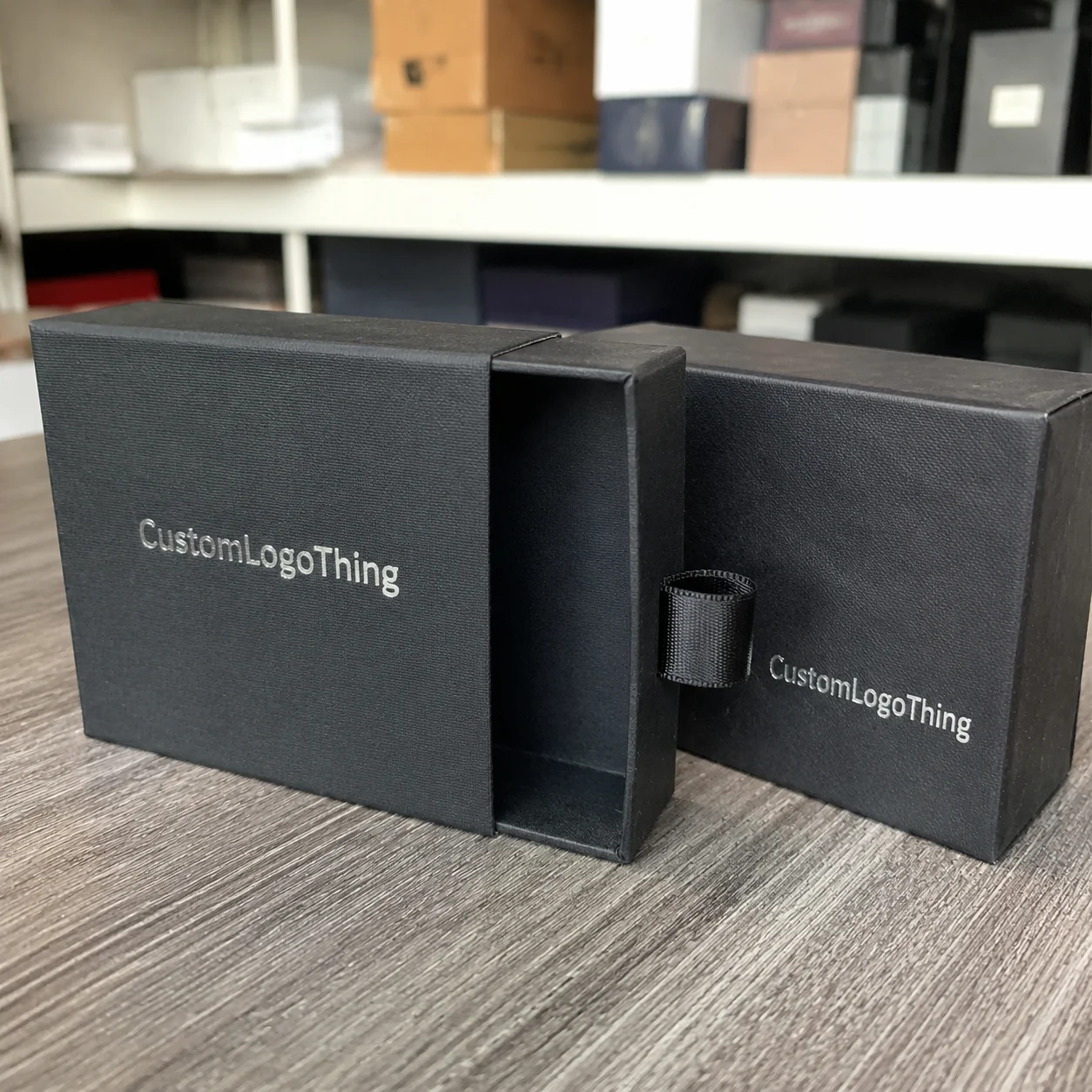
Drawer-style rigid boxes are my personal favorite when the product needs a moment of reveal. Jewelry, cufflinks, watch straps, and small fragrance sets look richer in a drawer box because the pull tab or ribbon gives the customer a physical pause before the product appears. That pause matters. It’s one reason drawer styles sit near the top of the list of best rigid boxes for luxury products. The downside is labor, because drawer rails, thumb pulls, and insert alignment add time, and that time shows up in the quote, especially on smaller production runs of 1,000 to 3,000 pieces.
Book-style rigid boxes have a nice editorial quality to them. They feel collected, curated, and a bit ceremonial. I’ve used them for premium kits where the brand wanted the packaging to feel like a keepsake rather than a simple shipper, and they performed very well. For collectible items, luxury stationery, and special edition sets, these are often among the best rigid boxes for luxury products when brand storytelling matters as much as protection. A well-made book box often uses 1400gsm to 1800gsm board with a 157gsm wrap, a hidden magnetic flap, and a clean hinge line that stays aligned after 30 to 50 openings.
Shoulder-neck boxes are the heavyweight option. The shoulder creates that beautiful, flush-fit reveal between lid and base, and the box body feels incredibly substantial. Spirits brands and prestige fragrance houses love this construction because it has the kind of presence that makes a shelf look expensive from six feet away. It is not the cheapest route, but it is one of the best rigid boxes for luxury products if you need the kind of rigid structure that communicates permanence and value before the bottle even comes out, particularly when the cartons are made in regions like Shenzhen or Foshan with tight board-cut control.
Detailed Reviews of the Best Rigid Boxes for Luxury Products
Let me walk through the styles the way I’d talk through them with a brand manager standing beside a sample table in a factory showroom in Dongguan. I’ve seen enough failed samples to know that the details are where the truth lives. The best rigid boxes for luxury products are not just about looks; they’re about board cut accuracy, wrap tension, insert fit, and how the edges behave after the carton has been opened and closed several times during sales training, warehouse checks, and retail display setup.
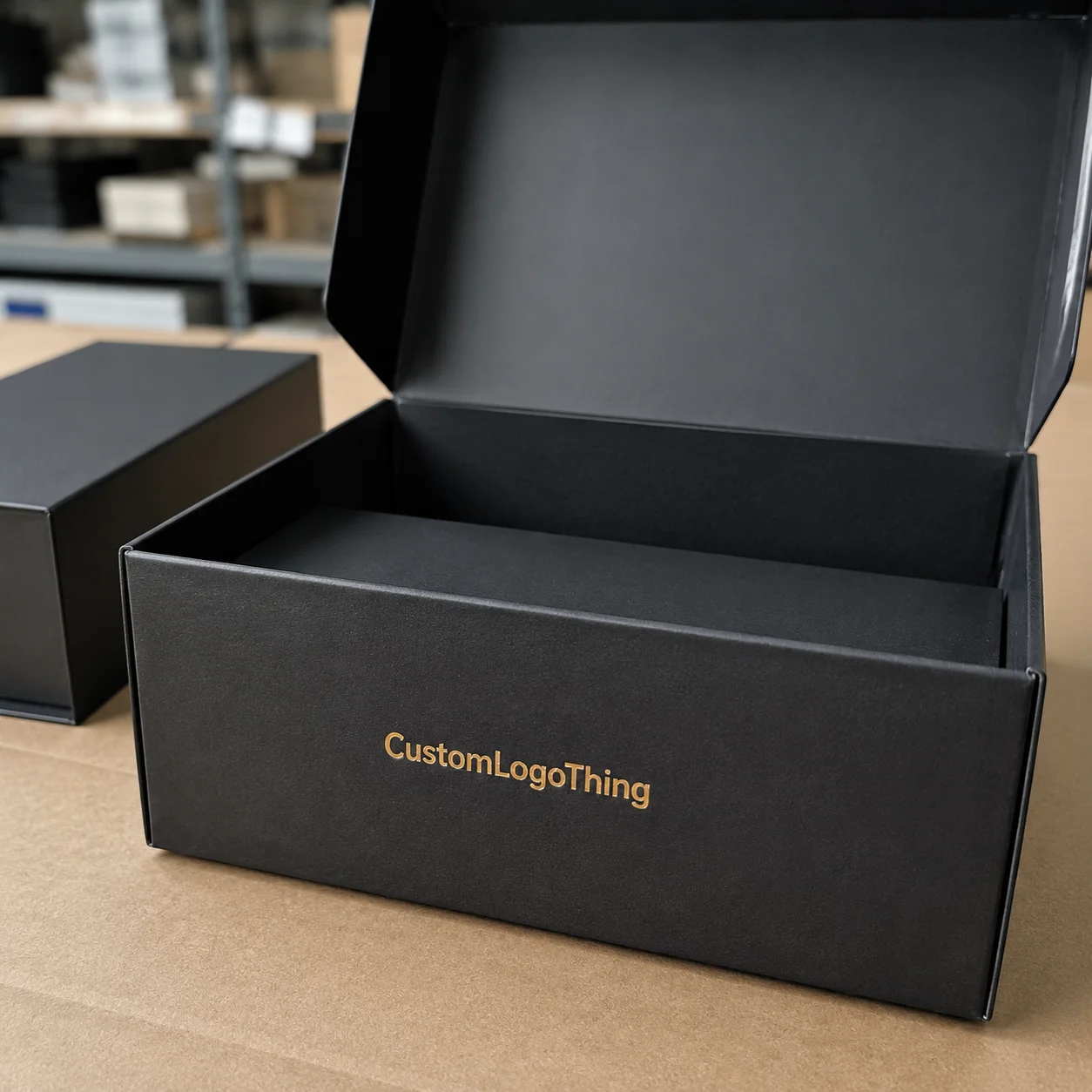
Magnetic closure rigid boxes are usually the safest recommendation for beauty and skincare. On the factory floor, these are often made from 1200gsm or 1400gsm greyboard, wrapped with 157gsm art paper or specialty paper, then fitted with small magnets embedded into the flap and front wall. When the assembly is right, the lid closes with a crisp, controlled feel. When it’s wrong, the flap bows or the magnet clicks off-center, which immediately lowers the perceived quality. I’ve seen a luxury serum brand reject an entire sample set because the magnet positions varied by just 2 mm, and that was the correct call, especially since the product was going into a white soft-touch box with gold foil on a 1.5 mm spine.
Drawer-style rigid boxes shine when the reveal matters. They usually have a sleeve and a tray, sometimes with ribbon pulls, and the interior can be lined with EVA foam, molded paper pulp, or flocked trays. I like them for jewelry because they add a sense of ceremony and make the customer slow down. The real risk is friction. If the sleeve is too tight, the drawer scrapes the wrap; if it’s too loose, the whole thing feels underbuilt. The best rigid boxes for luxury products in drawer form depend heavily on stable dielines and disciplined wrapping at the corners, and I’ve seen a 0.8 mm tolerance change turn a smooth sample into a sticky one.
Two-piece setup boxes are still underrated. A good lid-and-base box made from 1500gsm greyboard and wrapped in a smooth matte paper can look cleaner than a fancier structure built poorly. I’ve tested versions for premium chocolates and premium knitwear, and the appeal is in the quiet confidence. The lid fit should allow enough resistance to feel intentional, but not so much that customers have to pry it off. For many brands, this is one of the best rigid boxes for luxury products because the structure is simple enough to keep costs sane while still delivering a premium silhouette, usually with a production lead time of 12 to 15 business days from proof approval for standard builds in East China factories.
Book-style rigid boxes give a brand space to tell a story across the inside cover, the tray, and the insert. They’re popular for collector sets and high-value gift boxes because they feel like an object worth keeping. During a client meeting for a premium grooming kit in Guangzhou, the marketing team wanted the outer shell to feel like a hardcover book in a private library, and the result worked because the opening motion matched the brand language. Still, these boxes can fail if the hinge area is too stiff or the magnetic flap is positioned poorly. The best rigid boxes for luxury products in this category need strong hinge reinforcement, clean wrap folds, and a wrap paper that can handle the spine bend without whitening.
Shoulder-neck boxes are the most satisfying to handle when executed well. The shoulder acts as a recessed ledge that creates a sharp, elegant opening gap, and that detail alone can elevate the entire package. They are often used for spirits, fragrance, and prestige electronics because the structure resists crushing better than many standard rigid forms. The tradeoff is production time. Shoulder-neck construction requires tighter board cutting, better assembly discipline, and a factory that knows how to control alignment at the wrap stage. If you want the best rigid boxes for luxury products and cost is less sensitive, this is one of the highest-performing options, though complex orders can move closer to 18 to 25 business days from proof approval when there are multiple inserts and foil passes.
From a finishing perspective, the luxury details that consistently matter most are soft-touch lamination, debossing, foil stamping, and restrained embossing. Soft-touch gives the box that velvety hand-feel customers remember later, but it can scuff if the freight environment is rough. Textured papers, such as linen or laid wraps, can hide minor handling marks better and often age more gracefully on shelf. I prefer those when the brand wants understated elegance rather than flash. That’s one of the reasons some of the best rigid boxes for luxury products don’t look loud at all; they look expensive because they are controlled, often with a 0.3 mm deboss and a single hot-stamp logo rather than a full-panel metallic flood.
There’s also the insert question, and this is where many teams overspend or underspend. EVA foam looks premium and protects well, but it can feel too technical for some cosmetic or confectionery brands. Paperboard inserts are more sustainable and often easier to print, while molded pulp is growing in prestige programs because it aligns with eco-conscious branding and can still look refined when designed properly. I’ve used paper pulp inserts in a tabletop fragrance presentation made in Dongguan, and the client liked the natural texture so much that they kept the uncoated interior visible. That is exactly the kind of real-world brand decision that separates decent packaging from the best rigid boxes for luxury products.
For authority and testing standards, I always ask suppliers how they approach transit testing and material traceability. If a brand is shipping internationally, I’d want to know whether the pack is being evaluated under ISTA protocols and whether the paper sourcing aligns with FSC expectations. If you want a deeper standards reference, the ISTA testing guidelines and FSC certification framework are useful starting points, especially when the packaging must satisfy both premium presentation and responsible sourcing goals. In many Guangdong factories, I also ask whether they can provide a 3-point corner crush check and a simple drop test at 80 cm to 100 cm for DTC shipments.
One more detail that separates serious suppliers from average ones is how they talk about failure. A trustworthy partner will tell you if a finish is likely to show scuffs, or if a thick board will create an overly stiff lid on a small format. That kind of honesty saves time and money. A polished quote is nice, but a supplier who admits a design needs adjusting is usually the one you want building the job.
Best Rigid Boxes for Luxury Products: Cost and Price Comparison
Price is where dreams become purchase orders. I’ve sat through more than one client negotiation where the brand team loved the sample, then stared at the quote like it had insulted them personally. The truth is, the best rigid boxes for luxury products vary a lot in cost because structure, finishes, and labor can change the unit price by several dollars even at decent volume, and a factory in Shenzhen may quote $0.15 per unit for 5,000 pieces on a simple insert component while the fully assembled carton sits much higher.
The biggest price drivers are easy to name once you’ve stood near a case-making line. Greyboard thickness matters because 1200gsm is not the same as 1800gsm in feel or material cost. Wrap material matters because specialty paper, textile wrap, and soft-touch laminated art paper each carry different print and finishing costs. Inserts matter because EVA, paperboard, flocked trays, and molded pulp all have different tooling and assembly paths. Then there’s the obvious one: magnet hardware, foil stamping passes, embossing, and labor for hand assembly, often from workshop teams in Dongguan or Foshan who spend 25 to 40 seconds more per unit on a complex book box than on a standard setup box.
Here’s a practical cost framework I use when talking to brands about the best rigid boxes for luxury products:
- Simple premium setup boxes: usually the lowest unit cost among luxury-looking rigid structures, often around $0.95 to $1.60 at 5,000 pieces.
- Magnetic closure boxes: moderate cost, strong value, and often the best balance for beauty and lifestyle brands, commonly $1.10 to $3.40 at 5,000 pieces.
- Drawer boxes: higher cost because of tray fit, sleeve tension, and extra assembly steps, frequently $1.40 to $4.10 at 5,000 pieces.
- Book-style boxes: similar to drawer boxes, sometimes more if the hinge and flap are heavily decorated, often $1.60 to $4.50 at 5,000 pieces.
- Shoulder-neck boxes: the highest price tier in most programs because of precision and assembly complexity, usually $2.20 to $6.80 at 5,000 pieces.
MOQ also changes the economics fast. At 1,000 units, even a simple magnetic box can feel expensive because setup, proofing, and packaging labor get spread over fewer pieces. At 5,000 units, the same box becomes much more manageable. For a typical custom run, I’ve seen simple Premium Rigid Boxes land around $0.95 to $1.60/unit, magnetic boxes around $1.10 to $3.40/unit, and more ornate shoulder-neck or book-style pieces climb beyond $4.00/unit depending on finishing. That is why the best rigid boxes for luxury products are not always the most ornate ones; sometimes the smartest box is the one that fits the margin target without looking plain.
There are hidden costs too, and they surprise new buyers. Prototype revisions can add one or two extra weeks. Freight for heavy rigid boxes is not trivial because these cartons are dense and cubic, not featherweight folding cartons. Quality checks matter because a 0.5 mm corner gap may be invisible on a PDF but obvious in hand. Packing labor is real as well; if the box needs nested inserts, tissue, or manual banding, that labor adds up. I once watched a customer try to save $0.12 on board weight and end up paying far more in freight damage because the packaging wasn’t stiff enough. That is not a bargain, and the return rate in a distribution center in Ontario or Rotterdam will prove it quickly.
Budget-friendly premium usually means a two-piece setup box or a clean magnetic box with limited foil. High-end custom usually means shoulder-neck, drawer, or book-style with special paper wraps, custom inserts, and maybe a satin ribbon pull. If your brand is still proving product-market fit, I’d rather see you spend on clean structure and controlled print than on six finishing tricks that don’t all work together. In many cases, the best rigid boxes for luxury products are the ones that use one or two strong premium signals very well, especially if the run is 3,000 to 10,000 pieces and the packaging has to hold both margin and shelf presence.
For a broader view of packaging formats and custom options, our Custom Packaging Products page is a good starting point if you’re comparing rigid cartons with other branded packaging structures.
How to Choose the Best Rigid Boxes for Luxury Products
Choosing the best rigid boxes for luxury products starts with the product, not the artwork. I know that sounds basic, but I’ve watched teams choose a drawer box because it looked beautiful in a deck, only to find the product was too tall for comfortable pull clearance or too fragile for the friction the drawer created. Start with weight, dimensions, and fragility. A 90 g fragrance bottle, a 280 g candle, and a 1.8 kg grooming kit do not belong in the same box logic, and they definitely should not all be placed into the same 1400gsm structure without testing.
The first question is whether the box is mainly for presentation, protection, or retail shelf appeal. If presentation is the priority, magnetic closure and drawer styles tend to perform best. If protection is the priority, two-piece and shoulder-neck structures usually win. If shelf appeal is the goal, the strongest answer is often a restrained rigid box with a premium paper wrap and a clean foil mark. That is why the best rigid boxes for luxury products can differ from one category to the next even when the brand style is similar, especially across beauty, spirits, and limited-edition gifting.
Then get specific about board thickness. For smaller items, 1200gsm to 1400gsm greyboard can be enough if the wrap and fit are excellent. For heavier items or boxes with a premium hand-feel requirement, 1500gsm to 1800gsm often makes more sense. If you’re shipping direct-to-consumer, I’d rather see a slightly heavier board and a better interior insert than a thin board dressed up with expensive paper. The cheapest box is the one that doesn’t have to be replaced after damage in transit, and a 25 kg master carton with rigid boxes can punish weak board far faster than people expect.
Closure style is another major choice. Magnets feel modern and polished, but they need correct placement and consistent polarity. Drawer pulls create a beautiful reveal, though they need space and smooth action. Book-style closures are attractive for special sets, but the hinge area must be reinforced well. For the best rigid boxes for luxury products, I usually advise matching closure behavior to the product story. A fragrance often suits a slow, ceremonial opening. A skincare set may need repeat opening and closing, which means magnets or setup boxes are smarter for a customer who will open the package 20 times over the life of the product.
Finish selection deserves more attention than most teams give it. Soft-touch lamination feels expensive and photographs beautifully, but it can show handling marks. Matte lamination is safer and often more practical for high-touch retail. Textured papers can hide wear and give a more artisanal tone. Foil stamping, embossing, and debossing should support the brand rather than overwhelm it. I’ve seen a box ruined by over-decoration more times than I can count. The best rigid boxes for luxury products often use one focal finish, not five, and a single 18 pt gold foil logo can do more than a full-panel metallic wrap.
For eco-conscious brands, the material decision is usually a balance between perception and performance. FSC-certified paper wraps and paperboard inserts can align with sustainability goals without sacrificing premium appeal. If your market expects plastic-free or reduced-plastic packaging, say so early with your supplier, because a molded pulp insert or paper-based tray may change the structure and the quote. If you want more context on sourcing and environmental responsibility, EPA guidance can be helpful: EPA sustainable packaging resources.
Before approving artwork, ask a supplier for dielines, Pantone targets, a structural mockup, and finish swatches. Ask how they control corner wrap, what their standard tolerance is for lid fit, and whether they can provide a pre-production sample with the final insert. I’ve learned the hard way that a beautiful PDF says very little about how the actual carton will feel in the hand. The best rigid boxes for luxury products are approved after a physical sample passes fit, closure, and visual checks, not after a nice email chain, especially when the sample is produced in a factory in Shanghai or Dongguan and delivered by courier in 2 to 4 days.
Timeline matters too. A normal process is concept review, dieline approval, sampling, one or two revision rounds, pre-production, and then mass manufacturing. Depending on complexity, I’d expect 12 to 15 business days from proof approval for straightforward samples and 15 to 25 business days for full production after approval, though ornate structures and busy factory schedules can push that longer. If your launch date is fixed, build in buffer time. Nothing kills luxury faster than rushing a sample that needed one more round, especially if the carton has a shoulder-neck construction or a flocked tray that needs extra hand finishing.
One small but useful habit: ask for a sample that has already been handled a few times before it reaches you. Freshly made boxes can hide minor issues that show up after repeated opening. A decent factory will understand this request right away, and the good ones won’t act offended. They know the difference between a pretty prototype and a production-ready package.
Our Recommendation: Best Rigid Boxes for Luxury Products by Use Case
After reviewing the main options, here’s my straightforward recommendation by category. For luxury skincare and cosmetics, the best rigid boxes for luxury products are usually Magnetic Closure Boxes with a soft-touch or matte wrap, plus a custom paperboard or EVA insert. They give elegance, repeat opening, and reliable protection without overcomplicating the line, and they usually come from production hubs in Dongguan or Shenzhen with standard runs of 3,000 to 10,000 pieces.
For jewelry and watches, drawer-style boxes are often the better choice because they create a slower, more memorable reveal. Add a ribbon pull or thumb notch, and the customer experience improves immediately. For spirits and prestige fragrance, shoulder-neck boxes are the strongest statement if your budget supports them. They communicate permanence, and they look excellent on shelf. For apparel and candles, a two-piece setup box is often the best balance of cost, protection, and upscale presentation, especially when the carton is wrapped in 157gsm textured paper and finished with a single-color foil mark.
For tech accessories such as earbuds, chargers, and premium cables, magnetic closure boxes usually win because they are easy to open, easy to insert, and capable of clean branding. For collectible or gift sets, book-style boxes are highly persuasive when the packaging itself needs to feel like a keepsake. In each case, the best rigid boxes for luxury products are the ones that align the box behavior with the customer’s expectation of the brand, whether the item is moving through a boutique in Singapore or a direct-to-consumer channel in Chicago.
If I had to rank them by general usefulness, I’d put magnetic closure boxes first for versatility, drawer boxes second for unboxing drama, shoulder-neck boxes third for premium authority, two-piece setup boxes fourth for value and protection, and book-style boxes close behind for storytelling. That ranking changes if your product is unusually heavy, fragile, or highly collectible, so don’t treat it as a law. It’s a working field opinion from someone who has seen what survives shipping and what does not after pallet loads move from Guangzhou to international distribution centers.
My honest summary: if you need one structure that serves a wide range of luxury brands well, magnetic closure is usually the safest starting point. If you want the strongest premium signal and have room in the budget, shoulder-neck deserves a serious look. If your goal is to Create an Unboxing moment people remember, drawer-style boxes are still among the best rigid boxes for luxury products I’ve seen in actual customer hands, not just studio photography, and they usually justify the extra labor charge when the product price is above $60 retail.
Next Steps Before You Order the Best Rigid Boxes for Luxury Products
Before you place a production order, gather three things: exact product dimensions, your brand positioning goals, and a target budget per unit. Then ask for at least two box structures for the same product, because comparing a magnetic box against a drawer box usually reveals more than debating finish samples alone. I’ve watched brands make better decisions in one afternoon of side-by-side handling than in two weeks of slide decks, especially when the samples are laid out with a real candle, serum bottle, or watch inside.
Request a physical prototype and test it with the real product inside. Check lid fit, magnet strength, corner alignment, print clarity, and whether the insert actually holds the item during a shake test. For shipping, I’d want the sample packed the same way your warehouse will pack it, because a luxury box that looks perfect but gets crushed in transit is not a win. Many of the best rigid boxes for luxury products fail not in design, but in the last mile, where a weak corrugated master carton or loose internal packing can undo a carefully built 1800gsm carton in minutes.
Ask your supplier about insert options, finish swatches, and current lead time based on actual factory capacity. A supplier in a busy season may quote a beautiful timeline that changes once your dieline gets into the queue. I prefer blunt conversations about capacity over polished promises. If you want to move from research to sampling, the next practical step is to send your product specs, choose two structure options, and request mockups so you can compare feel, price, and protection side by side, ideally with a proof approval date and a clear 12 to 18 business day sampling window.
That is the real path to the best rigid boxes for luxury products: not guessing from a catalog, but testing the box like it will be used, handled, stocked, opened, and shipped in the real world. Once you do that, the right choice usually becomes obvious, and the factory in Shenzhen or Dongguan can quote it with real numbers instead of hopeful language.
If you’re trying to narrow the decision quickly, use this rule: choose the structure that best matches how the customer will handle the box, not the one that only looks strongest in a mockup. That simple filter cuts through a lot of noise, and it tends to keep the final packaging closer to the brand promise.
FAQ
What are the best rigid boxes for luxury products that need a premium unboxing feel?
Magnetic closure rigid boxes and drawer-style boxes usually deliver the strongest unboxing experience because they combine structure, reveal, and tactile feedback. Soft-touch wrapped boards with foil stamping or embossing add noticeably higher perceived value. For heavier or more fragile items, shoulder-neck or two-piece setup boxes can feel even more substantial, especially when built from 1500gsm to 1800gsm greyboard in a Dongguan or Shenzhen factory.
Which rigid box style is best for luxury cosmetics and skincare?
Magnetic closure rigid boxes are often the best balance of elegance, protection, and production efficiency for skincare and cosmetics. If the product set includes multiple pieces, a custom insert and drawer-style structure can improve presentation and organization. Choose finishes that resist fingerprints and scuffs, such as matte lamination or soft-touch film, and ask for a sample with the final 157gsm wrap and production magnet placement before approving the run.
How much do the best rigid boxes for luxury products usually cost?
Pricing varies based on board thickness, print coverage, finishing methods, inserts, and order quantity. Simple premium rigid boxes can be cost-efficient at scale, while complex structures with foil, embossing, and custom trays cost more. Sampling, freight, and setup time can also affect the real total cost, and a 5,000-piece order in Dongguan may land very differently from a 1,000-piece rush order with a 12-day deadline.
How long does the custom rigid box process usually take?
The timeline typically includes concept review, dieline approval, sampling, revisions, pre-production, and full production. More complex boxes with specialty finishes or custom inserts take longer because each stage needs careful alignment and testing. Build extra time for prototype approval if the box must fit a specific product exactly, and expect around 12 to 15 business days from proof approval for standard samples and 15 to 25 business days for full production.
What should I check before approving a luxury rigid box sample?
Check lid fit, corner wrapping, paper tension, print accuracy, insert alignment, and closure strength. Test the box with the real product inside to confirm protection and presentation, not just empty-box appearance. Look for scuffing, glue marks, crushed corners, or weak magnets before production approval, and confirm that the sample matches the quoted board spec, such as 1400gsm greyboard with 157gsm art paper wrap.
If you want my blunt final take, the best rigid boxes for luxury products are the ones that make the product feel more valuable, survive handling without complaint, and match the brand’s price point without waste. In my experience, that usually means a well-built magnetic box, drawer box, setup box, or shoulder-neck structure chosen for the right product, not the prettiest render. Shortlist two structures, test them with the real product, and only then decide which one deserves production.