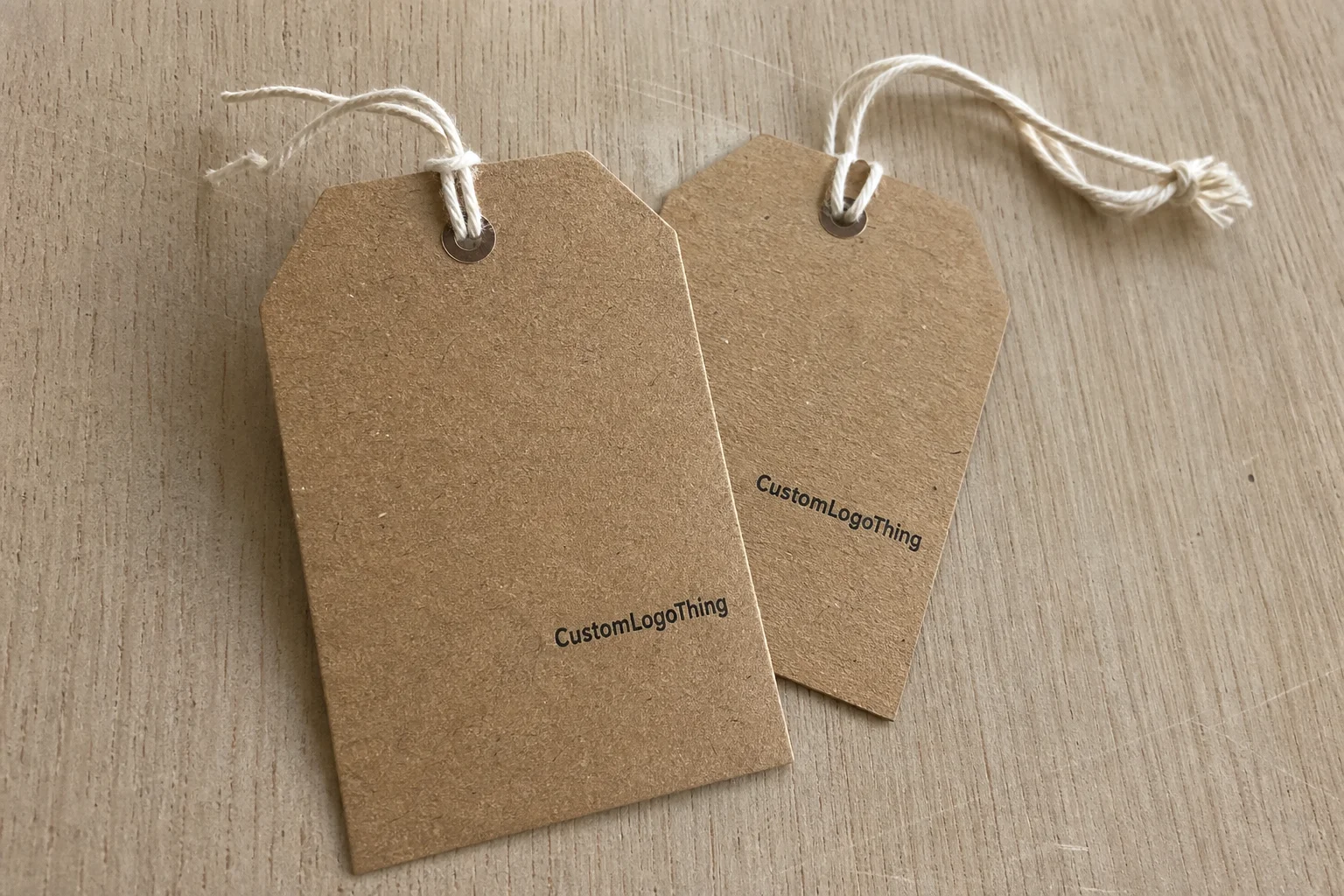
A café cup, skincare jar, and kraft mailer can all need the same fix: better branding without redesigning the whole package. That is why custom printed stickers Austin businesses buy often do operational work, not just decorative work. They seal tissue, label short runs, separate flavors, mark limited releases, and turn stock packaging into something that looks deliberate.
For small and mid-sized brands, stickers are also one of the lowest-risk packaging tests. You can change artwork, size, material, or finish without committing to custom cartons or pouches. That makes them useful across retail, food service, events, and direct-to-consumer shipping.
Why custom printed stickers Austin businesses rely on do more than decorate

A sticker is a packaging component built for a job: branding, product identification, tamper evidence, ingredient communication, window display, or seasonal updates.
That matters for businesses juggling pop-ups, retail shelves, menu changes, and short promotions. Few want separate printed packaging for every variation. Stickers let a brand keep a standard package and adapt fast.
Use case decides the build. A giveaway sticker can be judged mostly on appearance. A label for a chilled bottle cannot. Bakery boxes, lotion jars, outdoor gear, insulated cups, and corrugated mailers all create different stress points: moisture, oil, texture, abrasion, cold storage, sunlight, and repeated handling.
The better starting question is not “How should this look?” but “What does it need to survive?”
A sticker is only “high quality” if it still works after peeling, pressing, stacking, rubbing, chilling, and shipping.
How sticker production works from artwork to adhesive performance
Most orders follow the same sequence: file review, proofing, material selection, printing, finishing, cutting, packing, and delivery. The complication is that one change in use case can change the whole construction. The same logo might need paper for a dry box, BOPP for a refrigerated jar, and vinyl for outdoor use.
Digital printing is usually the practical option for shorter runs, multiple SKUs, tests, and frequent artwork changes. Flexographic printing tends to make more sense when volume is higher and the design stays stable long enough to justify setup.
Sticker performance comes down to three layers:
- Face stock: the printable material, such as paper, BOPP, vinyl, or clear film
- Adhesive: the layer that bonds to the package surface
- Liner: the backing that protects the adhesive before application
Most failures trace back to one of those layers being wrong for the job. Paper on a damp surface behaves differently from film. A standard permanent adhesive on textured kraft behaves differently from a higher-tack adhesive on smooth plastic.
Finishing changes performance as well as appearance. Gloss laminate can make color look sharper and improve resistance to light moisture and scuffing. Matte reduces glare. UV coating adds some protection but does not replace the need for the right material. Uncoated stocks are useful when buyers need writable space for lot codes or limited-edition numbering.
Cut style affects handling. Die-cut stickers are trimmed to the final shape. Kiss-cut stickers keep the liner intact for easier peeling. Roll labels are built for faster hand or dispenser application.
Environment has the final vote. Dry indoor use is forgiving. Refrigeration is not. Condensation, rough shipping, oils on containers, and UV exposure all change what will hold up. Buyers concerned about shipping stress can review guidance from ISTA, while the EPA offers broader context on packaging materials and waste.
Materials, adhesives, and finishes that change sticker performance
Material choice sets the baseline. Standard paper is usually the most economical and works well for dry, indoor applications with limited handling. For box seals, inserts, and short-term promotions, that may be enough.
Once moisture, refrigeration, or heavy contact is involved, film materials usually justify the extra cost. BOPP is a common upgrade because it resists water better than paper and works well on bottles, jars, and packaged goods handled often. Vinyl is better suited to longer wear or outdoor use. Clear film creates a cleaner “printed-on” look, especially on glass, but it also exposes weak contrast and placement errors quickly.
Adhesive selection is where many orders go wrong. “Permanent” is not enough. Buyers need to ask: permanent on what surface, under what conditions, and for how long? Rough corrugated board, recycled kraft, coated plastics, curved containers, and low-surface-energy films all bond differently.
Cold application is a common failure point. Applying a label to a bottle already covered with condensation can reduce bond strength even if the material itself is moisture resistant. In many cases, labels perform better when applied to a clean, dry container before cold storage.
Finish should be chosen for handling conditions, not just style. Matte reduces glare and often suits darker or more premium-looking designs. Gloss makes color pop, but can also show fingerprints and glare under bright retail lighting. Lamination is usually worth considering when labels will rub against other packages during shipping. Uncoated stock remains useful where handwritten notes or date marks are required.
Sustainability claims should be specific. FSC-certified paper, recyclable face materials, and liner-reduction programs can matter, but “eco-friendly” by itself is too vague. Face stock, adhesive, laminate, and liner all affect disposal outcomes. Buyers who care about end-of-life should ask for exact material specs and relevant certifications, including information from fsc.org.
| Sticker material | Best use | Durability | Typical cost impact |
|---|---|---|---|
| Paper | Dry indoor packaging, inserts, short promotions | Light | Lowest |
| BOPP / film | Jars, bottles, chilled items, shipping labels | Medium to high | Moderate |
| Vinyl | Longer wear, window use, outdoor exposure | High | Higher |
| Clear film | Minimalist branding, see-through packaging | Medium to high | Moderate to higher |
Process and turnaround: what affects proofing, production steps, and lead time
The smoothest orders start with a precise quote request. Size, quantity, surface type, format, deadline, and environment narrow the options quickly and cut unnecessary back-and-forth.
Proof approval often controls the schedule more than press time. A buyer who signs off the same day gets a very different timeline from a team that routes the proof through several internal approvers over multiple days.
Lead time shifts with quantity, shape complexity, material availability, lamination, specialty inks, and shipping method. A square paper label with a standard finish is easier to produce than a custom die-cut clear film sticker with white ink and laminate. Rush service may be possible, but it usually adds cost and may limit material or finish choices.
Seasonality matters too. Orders tied to festivals, holiday promotions, market weekends, product launches, or menu changes tend to bunch together. If stickers need to coordinate with boxes, inserts, or other Custom Packaging Products, leave extra time for artwork checks, color review, and delivery coordination.
A simple test prevents a lot of waste: apply samples to the real package and leave them for 24 hours. Then check for edge lift, bubbling, scuffing, and any color change under refrigeration or normal handling. A desk sample on the wrong surface proves very little.
Sticker pricing, unit cost, and quote variables buyers should compare
Sticker pricing depends on quantity, size, material, adhesive, finish, shape, and format. For many common jobs, simple paper stickers at higher quantities can land around $0.05 to $0.12 per piece. Film labels, Custom Die Cuts, or specialty finishes often fall closer to $0.18 to $0.35 per piece. Smaller runs usually cost more per unit because setup and handling are spread across fewer pieces.
Volume lowers unit cost, but bigger is not always better. Businesses with rotating menus, seasonal promotions, reformulations, or frequent SKU changes can lose more to obsolete labels than they save through bulk pricing.
Shape affects price. Standard circles, squares, and rectangles are usually cheaper than complex contours. Material affects price too: paper is typically less expensive than BOPP or vinyl, and clear constructions may require white ink or extra print considerations. Format matters as well. Roll labels usually improve application speed, while sheets or cut-to-size pieces can make more sense for lower-volume hand use.
Do not compare quotes by total only. Ask each supplier for the same details:
- Final size and shape
- Face stock material
- Adhesive type and intended surface compatibility
- Finish, coating, or laminate
- Format: rolls, sheets, kiss-cut, or cut-to-size
- Quantity breaks and unit pricing
- Proofing terms and revision limits
- Expected ship or ready date
A low quote can hide weaker stock, a thinner film, an unsuitable adhesive, or no laminate where one is needed. Buyers comparing local sticker options should match specs before they compare totals.
A step-by-step plan to order the right stickers for your packaging or promotion
Start with the application. Where will the sticker go, how long must it last, and who will apply it? A product label, mailer seal, and handout sticker may use the same artwork but need completely different builds.
Then choose the format that fits the workflow. Roll labels usually make sense for repetitive application and higher throughput. Cut-to-size stickers work well for inserts, event use, and lower-volume hand application. Kiss-cut sheets help when multiple designs need to stay together or easy peeling matters.
Next, prepare artwork correctly. Use vector logos when possible, include bleed, and keep important text inside a safe area. Thin lines, tiny type, and low-contrast text are common failure points, especially on small labels or dark backgrounds.
After that, match the build to conditions: paper or film, removable or permanent adhesive, matte or gloss, laminated or uncoated. If the sticker will face oil, condensation, friction, or sunlight, those conditions should be stated before proof approval.
Proof review should cover more than spelling. Check edge spacing, barcode or QR code placement, ingredient text, and any writable zones. If the sticker includes compliance information, confirm that the final print size still allows readable type and sufficient contrast.
Finally, order for the life of the design, not just the lowest unit cost. A bigger run only makes sense if the artwork, SKU, and package format will still be current when the last carton is opened. Brands coordinating labels with hangtags or related pieces may also need a linked Custom Labels & Tags plan so the system stays consistent.
Common sticker ordering mistakes that cause waste, delays, or poor adhesion
The most common mistake is choosing a material that does not match the environment. Standard paper on a refrigerated bottle is a predictable failure.
Another is ignoring the substrate. Buyers often focus on the sticker and forget the package surface: recycled corrugated, textured kraft, curved plastic, coated glass, or low-energy films. Adhesive performance is always a relationship between label and surface.
Artwork errors are also common. Low-resolution logos print soft, tiny legal text becomes unreadable, and weak contrast disappears on clear stock or under glossy glare. Many “print problems” start in the file.
Application method can create hidden waste. A sticker that looks fine in a sample pack may peel poorly, curl, or be awkward to place during a busy packing shift. Multiplied across hundreds of packages, small inefficiencies become real labor cost.
Proofs are often approved too casually. A proof can be technically correct and still wrong for the package panel. Barcodes may sit too close to folds, branding may drift on a curved jar, or a seal sticker may be oversized for the flap it has to close.
Late reordering causes another round of avoidable problems. Once a label becomes urgent, buyers may have fewer material choices, less review time, and higher rush costs.
Next steps: how to compare samples, test performance, and place a smarter reorder
Before requesting quotes, gather three facts: exact size, real application surface, and expected environment. That short brief is usually more useful than a long description of the brand style.
Samples or a pilot run are worth it for anything going onto glass, chilled packaging, reusable containers, or textured kraft. Check color, but also peel behavior, edge lift, bond after 24 hours, and how the finish looks under daylight, retail light, and ordinary handling.
An internal checklist helps keep orders clean. Track the artwork version, finish, quantity, delivery target, proof status, and final approver.
After the first run, treat the reorder as a review cycle rather than an automatic repeat. Inspect adhesion after a day. Rub the surface to check scuff resistance. Ask staff whether the liner releases cleanly and whether placement is easy during real work. If customers handle the package heavily, inspect returned or unsold stock for edge wear.
The strongest reorders are based on evidence. Sometimes that means moving from paper to film. Sometimes it means keeping the material and changing the finish. Sometimes the fix is simply ordering less because the design changes too often.
What are the best custom printed stickers Austin businesses should order?
The best choice depends on surface, environment, and application method. For dry indoor packaging and short promotions, paper stickers often work at the lowest cost. For bottles, jars, cold cups, and moisture-prone packaging, BOPP labels are usually safer. For windows, equipment, and longer outdoor use, vinyl is often the better fit. Roll labels suit faster repeat application. Cut-to-size stickers suit handouts, inserts, and lower-volume branding.
The practical rule is simple: choose for the failure risk. A cheaper label is not cheaper if it lifts in a cooler, scuffs in transit, or forces a rushed reorder.
What materials are best for custom stickers in Austin heat and humidity?
Film materials such as BOPP or vinyl usually hold up better than basic paper where moisture, condensation, or frequent handling are involved. A laminate can improve resistance to water and scuffing, but the adhesive still needs to match the actual surface.
How fast can I get custom printed stickers Austin businesses order for events?
Turnaround depends on proof approval speed, quantity, material availability, shape complexity, finishing, and shipping method. Simple shapes on common materials move faster than clear films, specialty effects, or multi-version jobs. Event orders should still leave time for a real application test.
What affects the price of custom printed stickers in Austin the most?
Quantity, size, material, adhesive, finish, and Custom Die Cutting are the main cost drivers. Unit pricing often improves at higher volume, but frequent artwork changes can make smaller runs more economical overall.
Should I order roll labels or individual custom printed stickers for my business?
Roll labels are usually better for faster application and higher-volume use. Individual stickers or sheets make more sense for handouts, inserts, short runs, and manual application where flexibility matters more than speed.
Can I use custom printed stickers Austin orders for food packaging and drink containers?
Yes, but the material and adhesive need to match both the container and the environment. Cold cups, jars, refrigerated items, and oily surfaces all create different demands. Testing on the exact package before a full run is the safest approach.