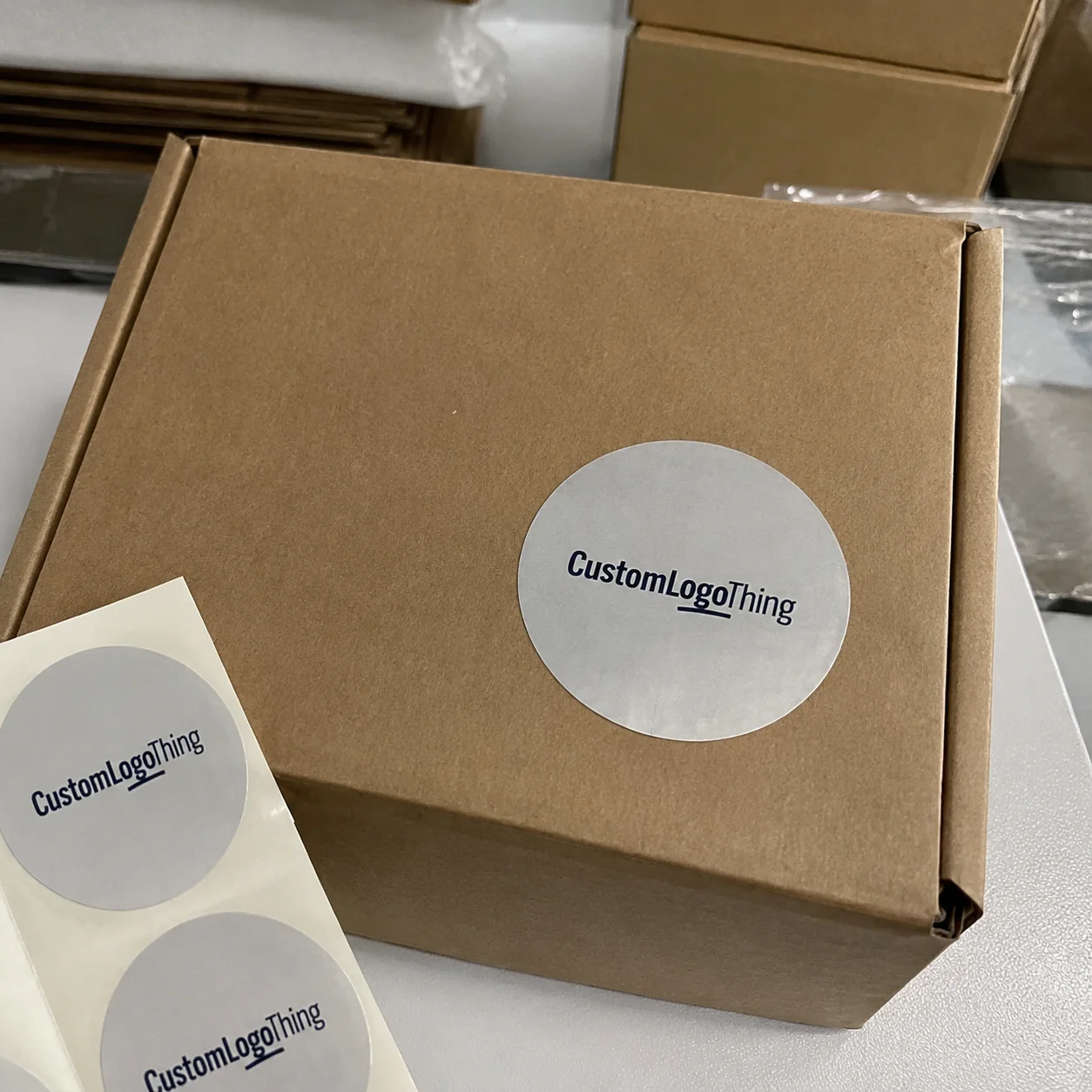
If you need branded pieces that look custom without pushing cost into premium territory, cheap Custom Die Cut stickers are one of the most practical formats. They work well for event handouts, ecommerce inserts, packaging add-ons, merch drops, and short promotional runs because the custom outline adds visual value without requiring complex production.
The main buying question is not just price. It is whether the sticker specs match the real use: indoor or outdoor, short-term or durable, paper or vinyl, handout or operational label. A low quote only helps if the material, adhesive, cut quality, and finish are appropriate for the job.
Cheap Custom Die Cut Stickers That Punch Above Their Price
“Cheap” does not have to mean poor quality. In sticker printing, value usually comes from matching the construction to the application instead of overbuilding or underbuilding the order.
A trade show giveaway does not need the same stock as a sticker going onto a water bottle or outdoor equipment. If the use is dry, short-term, and indoors, paper may be enough. If the sticker will be handled often, exposed to moisture, or expected to last, vinyl usually justifies the extra cost.
The die cut itself is part of the value. A clean contour around a logo, icon, badge, or mascot makes the piece feel more finished than a square or rectangle, and a simple custom outline usually adds less cost than buyers expect.
Cheap should mean fit for purpose, not simply the lowest line-item price.
That distinction matters because the cheapest quote can hide weak stock, rough cuts, thin laminate, or adhesive problems. Those issues do not show up in the headline number, but they show up quickly in actual use.
Stickers are also useful as a low-risk test before larger packaging or print runs. A short run can help confirm updated branding, check how a logo reads at size, or compare finishes before committing to cartons, inserts, or other packaging components.
Where Die Cut Stickers Deliver the Best Value
Die cut stickers are trimmed to the exact outer contour of the design. That production detail changes the presentation, especially for logos, illustrations, badges, and character-based artwork where the edge should feel intentional.
They usually deliver the best value in these situations:
- event giveaways and table handouts
- ecommerce inserts packed with shipped orders
- artist merch, creator bundles, and short-run drops
- retail takeaway items and counter displays
- branded packaging add-ons for boxes and mailers
- equipment, case, or storage marking where shape improves recognition
They are not ideal for every labeling task. If the priority is fast application to products or cartons, roll labels are usually more efficient. If several designs need to stay together on one liner, kiss cut sheets may be easier to distribute. Die cut stickers are strongest when the sticker itself is the finished item being handed over, packed in, or displayed.
That is why Custom Labels & Tags often make more sense for operational labeling, while die cut stickers are better for branding and presentation.
Finish also affects perceived value. Gloss gives stronger contrast and a brighter look. Matte reduces glare and usually hides fingerprints and light scuffing better. Clear film can look sharp on glass or smooth plastic, but only if the artwork was designed for transparency. Metallic and holographic films can work for merch and limited runs, though they raise cost and make weak artwork more obvious.
Materials, Finishes, and Print Specifications That Affect Performance
Material choice has the biggest effect on performance. Most buyers are balancing durability, appearance, and cost, and the right option depends on the surface, environment, and expected lifespan.
White vinyl is the safest all-around stock for many orders. It handles moisture better than paper, wears well with laminate, and suits common surfaces such as bottles, laptops, mailers, cartons, and plastic containers.
Paper is usually the lowest-cost option. It works well for indoor distribution, temporary campaigns, notebook inserts, and light packaging use. The common mistake is expecting paper to perform like vinyl on wet or heavily handled surfaces.
Clear film works when the background should show through, such as on jars, windows, and clear containers. Specialty films like metallic or holographic stock add visual effect but reduce your margin for design mistakes.
Most budget die cut sticker orders start with one of these constructions:
- White vinyl: water-resistant, durable, versatile
- Paper: lower-cost, indoor, short-term
- Clear film: transparent look for smooth surfaces
- Specialty film: metallic, holographic, or decorative effects
Laminate is more than a cosmetic add-on. Gloss laminate deepens color and gives a polished surface. Matte laminate lowers glare and often feels more restrained. Both help with scratch resistance when stickers are packed tightly, handled often, or shipped loose inside cartons.
Adhesive is another key spec. Permanent adhesive fits most branding uses. Removable adhesive is better for short-term promotions or surfaces where residue matters. Surface energy matters too: corrugated board, coated cartons, metal, glass, and flexible plastics do not all accept adhesive the same way.
When reviewing a quote, ask about the production limits that affect output quality:
- CMYK only or white ink available
- standard laminate included or optional
- cut tolerance
- minimum border or safe zone around the art
- recommended material for the intended surface
For paper-based components, FSC certification may matter if fiber sourcing is relevant to your project. If sticker packs ship inside a broader packaging system, ISTA guidance can help set handling expectations. For broader recycling claims, the EPA recycling strategy is more useful than vague “eco-friendly” language.
Artwork quality affects both speed and output. A clean vector file usually proofs faster and cuts more accurately than low-resolution raster art. Before ordering, confirm these basics:
- Use vector artwork when possible.
- Include bleed beyond the cut path.
- Keep text and thin details inside a safe zone.
- Outline fonts or embed them correctly.
- Separate the contour cut line clearly from the artwork.
Pricing, Unit Cost, and MOQ: What Actually Changes Your Quote
Sticker quotes are mostly driven by finished size, quantity, material, laminate, shape complexity, number of versions, and packing method. Once those are defined, quotes become much easier to compare.
Quantity is usually the biggest pricing lever. Setup, proofing, and handling still apply to small runs, so very low quantities tend to have a much higher unit cost even if the total spend stays modest.
| Order Profile | Typical Use | Relative Unit Cost | Best Fit |
|---|---|---|---|
| Low MOQ, basic paper stock | Sampling, events, test campaigns | Higher | Short runs with minimal upfront spend |
| Mid-volume vinyl with laminate | Ecommerce, retail inserts, merch | Moderate | Balanced durability and price |
| Higher volume, simple contour cut | Recurring promos, resale, packaging support | Lower | Best per-piece value |
As a broad market range, small paper orders may land around a few dozen cents per piece at modest quantities, while laminated vinyl starts higher and drops as volume increases. Very small runs, multiple SKUs, specialty stock, or rush handling push unit cost up.
MOQ follows the same logic. A low minimum is useful for testing designs or seasonal art, but fewer pieces means each piece carries more setup cost.
Shape affects price less than many buyers think. A smooth contour around a logo is usually efficient. Costs rise when the design includes sharp interior cuts, tiny islands, fragile points, or intricate edges that waste material and slow cutting.
Other common quote drivers include Pantone matching, white ink, multiple versions in one run, exact count sorting, retail bagging, specialty films, and expedited turnaround. Asking for several quantity tiers is one of the easiest ways to find the real price break.
What Are the Best Cheap Custom Die Cut Stickers for Your Use Case?
The best option is the one that handles the real job without paying for unnecessary specs.
For indoor handouts, paper may be enough. For inserts that should feel more durable inside shipped orders, white vinyl is often the better value. For jars, windows, or smooth plastic where the background matters, clear film can be the cleaner visual choice. For bottles, laptops, coolers, or outdoor use, laminated vinyl is usually the safer construction.
A practical match-up looks like this:
- Event giveaways: paper for lowest cost, vinyl if you want longer life
- Ecommerce inserts: vinyl usually travels better and feels less disposable
- Promotional packaging: simple contour-cut white vinyl balances price and presentation
- Short indoor campaigns: paper works if moisture and wear are not concerns
- Bottle, laptop, or outdoor use: laminated vinyl with permanent adhesive
For many buyers, the most dependable middle ground is a moderate-size die cut sticker on white vinyl with a standard gloss or matte laminate. It is rarely the absolute cheapest version, but it is often the best value because it avoids common performance complaints.
Production Process and Lead Time From Proof to Delivery
The production flow is simple: quote review, artwork check, proofing, approval, printing, laminating if specified, contour cutting, packing, and shipping. Delays usually come from the file or proof cycle rather than the press itself.
Proof approval has a major effect on lead time. Missing dimensions, uncertain cut paths, text too close to the edge, or uneven borders can all trigger revisions. A print-ready file with a clear cut line moves much faster.
Standard production timelines vary by shop, stock availability, quantity, and shipping method, but many routine jobs fall between a few business days and roughly two weeks before transit. Rush service is common, though surcharges can be significant and some materials are less flexible than standard white vinyl.
For a faster quote and more realistic schedule, send the core specs up front:
- final artwork files
- finished size
- target quantities or quantity tiers
- material and finish preference
- intended application surface
- indoor or outdoor use
- required in-hands date
- shipping ZIP code
Quality control should check cut alignment, border consistency, color stability, trim cleanliness, adhesive behavior, and count accuracy. Small logos and narrow outlines make cut drift more visible, so they need closer proof review.
If the stickers are part of a broader packaging system, compare the proof against the box, insert, or mailer artwork before approval. Consistency issues often show up in scale, black density, or color shift between printed components.
Common Buying Mistakes That Make Budget Stickers More Expensive
The most common mistake is choosing stock by price alone. Paper on a bottle, cooler, toolbox, or outdoor surface usually turns into a reorder.
Another is overcomplicating the cut line. Tiny points, narrow gaps, and fragile edges can raise production difficulty and make the sticker harder to peel or more likely to show imperfect edges.
Format mismatch also creates avoidable cost. If the real job is repeated product labeling, individual die cut stickers may slow packing. If the goal is one finished sticker handed to each customer, roll labels can feel awkward. The format should match the handling.
Poor files are another common source of waste. Low-resolution images, missing bleed, unoutlined fonts, and unclear cut paths add proofing time and increase the chance of inconsistent output.
Finish choices can also backfire. High gloss may highlight scratches on heavily handled stickers. Matte can mute already-soft colors. Clear film only works well when the art has enough contrast for the application surface.
Finally, buyers often skip volume planning. Ordering only the minimum without checking higher tiers can hide a much better unit cost slightly above the base quantity.
Get a Fast Quote With the Right Specs and Next-Step Checklist
If you want Cheap Custom Die Cut Stickers that still look clean and hold up properly, send a precise quote request. Better inputs usually mean more accurate pricing, fewer revisions, and faster approval.
A useful request should include:
- finished sticker size
- shape or contour preference
- material options to compare
- finish preference
- quantity tiers
- application surface
- indoor or outdoor use
- artwork file type
- deadline or in-hands date
It also helps to ask for side-by-side pricing on paper, white vinyl, and clear film if you are still deciding. That comparison usually shows the real cost difference faster than generic sales language.
Before approving a proof, check the contour, border spacing, final dimensions, text size, and any transparent areas carefully. Those are the details most likely to cause disappointment after production.
For broader launch work, stickers can also sit alongside Custom Packaging Products as a flexible way to test branding, support inserts, or bridge the gap before a larger packaging update is ready.
A well-specified order is not just cheap. It is appropriate for the surface, clear on production limits, and priced against the real use case.
FAQ
What is the cheapest material for custom die cut stickers?
Paper is usually the lowest-cost option. It works best for indoor, dry, short-term use such as event handouts or package inserts. If the sticker needs to resist water, rubbing, or regular handling, white vinyl usually gives better value even at a higher price.
How low can the MOQ be for cheap die cut stickers?
Many suppliers offer low minimums for sampling and short test runs, but the unit price rises fast at very small quantities. Asking for several quantity tiers is the easiest way to see whether a slightly larger order gives a much better per-piece cost.
How long does production take for custom contour-cut stickers?
Lead time depends on file readiness, proof revisions, stock availability, quantity, and shipping method. Standard jobs often fall somewhere between a few business days and roughly two weeks before transit, while rush orders usually cost more.
Are cheap custom die cut stickers waterproof and outdoor safe?
They can be if they are produced on vinyl with a suitable laminate and adhesive. Paper stickers are generally better kept indoors. For bottles, coolers, laptops, or outdoor surfaces, laminated vinyl is the safer construction.
What files do I need to order custom die cut logo stickers?
Vector files such as AI, EPS, or print-ready PDF are preferred because they keep edges crisp and make contour cutting more accurate. The file should include bleed, a clear cut path, and outlined or embedded fonts. Raster art can work if the resolution is high enough at final size, but it should be checked before quoting.