Why custom stickers matter in Austin packaging and promos
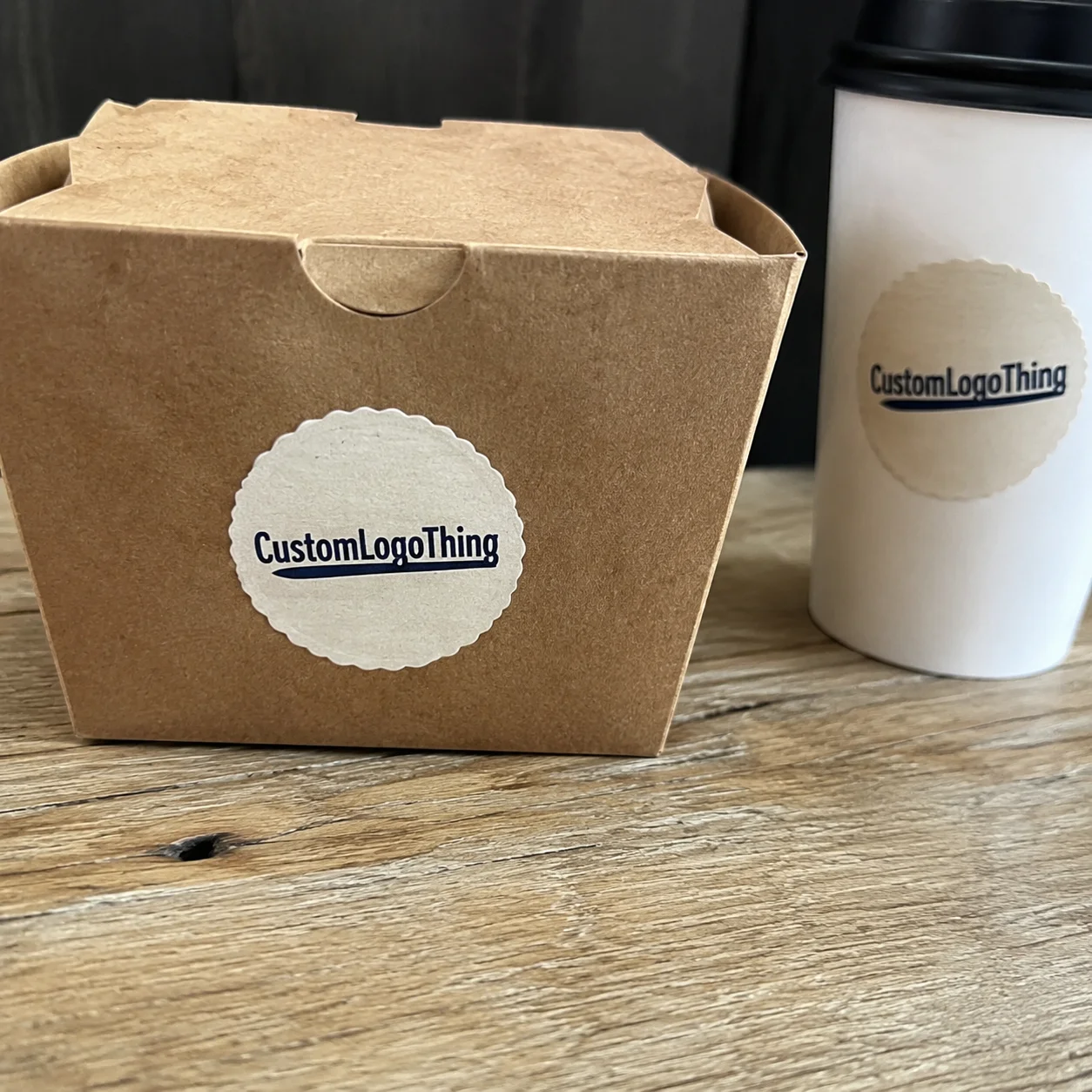
If you are searching for Custom Printed Stickers Austin buyers can put to work quickly, start with the simplest use case: stickers make ordinary packaging feel intentional. A plain mailer, cup, box, or tissue wrap can look finished with a well-sized label, and that small visual cue carries branding and creates consistency before the product is even opened.
Austin businesses use stickers in practical ways. Coffee shops put them on cups and bags. Product brands use them on shipping mailers and retail packaging. Event teams use them for handouts, thank-you inserts, and giveaway pieces that are easy to distribute without adding much cost.
A sticker order comes down to four decisions: shape, finish, adhesive, and print method. Each one changes the final result in a real way. Paper and BOPP do not behave the same. Gloss and matte do not look the same under store lighting. A removable adhesive is not a safer version of permanent adhesive; it is a different tool for a different surface.
The appeal is cost and speed. Stickers are one of the lower-cost ways to improve packaging presentation without redesigning an entire box line. They work well for short runs, seasonal promotions, limited releases, and brands that are still refining their packaging system.
How the sticker printing process works from file to finish
The workflow starts with artwork prep, moves into proofing, then print method selection, cutting, finishing, and packing. A clean file keeps the job moving. A bad file slows everything down with extra rounds of cleanup, and that usually means missing fonts, fuzzy edges, wrong bleed, or artwork that was never sized for the sticker it is supposed to become.
For custom printed stickers austin buyers ordering smaller quantities, digital printing is usually the practical default. It handles full-color artwork well and avoids the setup burden of larger press jobs. Sheet format works for hand-applied packaging, inserts, and event use. Roll labels are better when speed matters, especially if the stickers will be applied manually at volume or fed through equipment.
Artwork prep deserves more attention than most buyers give it. Vector files are best when possible, especially for logos and type-heavy designs. Bleed should extend beyond the trim edge so cuts do not nick important artwork. Small text should be kept inside a safe area, and thin lines should be avoided unless the design is being printed large enough to support them. Raster images should be high resolution, usually 300 dpi at final size.
“The cleanest sticker jobs are usually decided before press, not during it.”
Proof approval is the point where production really starts. Once the proof is approved, changes become more expensive because they can trigger a new setup, a new cut path, or a new material allocation. Approve carefully, and the rest moves faster.
For buyers comparing sticker options with broader packaging needs, it helps to think in terms of application rather than just price. A sticker that works for hand-packed retail boxes may not be the right fit for a fulfillment line next quarter. If the sticker is part of a larger packaging set, it may make sense to compare it with Custom Labels & Tags or broader Custom Packaging Products so the box, insert, and outer wrap feel consistent.
Industry guidance is also useful when the order needs to survive transit or handling. Resources from packaging.org and ista.org reinforce the practical point that materials, adhesives, and packaging must match the environment the product will actually live in.
Custom sticker cost, pricing, and MOQ basics
Sticker pricing is mostly a combination of size, material, finish, quantity, and cut style. The shape matters more than many first-time buyers expect. A simple circle or square is usually cheaper than a complicated die cut with narrow corners or intricate curves. Material matters too. Paper is typically less expensive than vinyl or BOPP, and specialty finishes raise the unit cost. Heavy ink coverage can also add cost, especially on large-format artwork with saturated backgrounds.
For buyers comparing custom printed stickers austin quotes, a useful budget range looks like this:
| Sticker type | Typical use | Approx. unit cost at 5,000 pcs | Notes |
|---|---|---|---|
| Paper sheet stickers | Dry indoor packaging, inserts | $0.08-$0.18 | Best for short life and lower budgets |
| BOPP or vinyl stickers | Moisture-prone packaging, bottles, cups | $0.12-$0.28 | Better durability and handling resistance |
| Roll labels with finish upgrades | Faster hand or machine application | $0.18-$0.40 | Useful when speed matters more than sheet convenience |
| Specialty die-cut stickers | Retail promos, premium branding | $0.20-$0.50+ | Complex shapes and special laminations raise cost |
Minimum order quantities tend to cause the most confusion. Small runs are available, but they usually carry a higher unit price because setup, cutting, and handling do not shrink much just because the order is smaller. If you only need 250 or 500 stickers for a launch or event, that is a normal request. The price per piece just will not match a larger production run.
Several hidden costs can push a quote higher. Rush service is the obvious one. File cleanup and art corrections can add charges. Complex dies usually cost more than standard shapes. Reprints caused by wrong sizing or unapproved artwork are the most expensive mistake because they force you to pay twice for the same job.
Timeline, turnaround, and production steps to expect
Typical production for simple digital sticker jobs is often around 5-10 business days after proof approval. Orders with specialty finishes, uncommon materials, or more involved cutting usually take closer to 10-15 business days. If a quote promises a fast turnaround before the art is even reviewed, treat that as a rough estimate rather than a locked schedule.
Lead time depends on three things: artwork readiness, material availability, and proof approval. Clean files move faster. Stocked materials start sooner. Slow approvals delay everything, especially when multiple revisions are needed because the layout changed after the proof was already in motion.
Rush orders make sense for launches, events, seasonal packaging, and deadline-driven restocks. They also come with tradeoffs. Faster service often means fewer material choices, simpler finishing options, and a higher price. If you need custom printed stickers austin buyers can get on a tight deadline, the usual compromise is to simplify the shape or finish rather than trying to force a complex spec through a short window.
Austin buyers should also work backward from the actual use date, not from the day the quote is requested. Count proofing, printing, packing, and shipping separately. Then add a cushion. A single shipping delay is easy to absorb on paper and frustrating in real life if the stickers are meant for a conference, market, or product drop.
How to choose the right material, finish, and adhesive
Material choice should be based on the surface and the environment. Paper works well for dry, indoor applications and lower budgets. It is a good fit for boxes, inserts, and packaging that will not see moisture or heavy handling. BOPP and vinyl are stronger choices when the sticker needs to resist water, humidity, oils, frequent touch, or cold surfaces.
Finish changes how the sticker reads and how it feels in the hand. Gloss adds shine and can make colors feel more saturated. Matte softens the appearance and cuts glare, which helps when the design has small type or needs a quieter, more premium look. Soft-touch has a distinct tactile feel, but it is usually best reserved for higher-end packaging.
Adhesive selection is where a lot of bad assumptions show up. Permanent adhesive is the standard choice for product packaging and most long-wear uses. Removable adhesive is better for short-term promos, temporary labeling, or surfaces where clean removal matters. If the sticker will be applied to refrigerated packaging, rough cardboard, curved bottles, or coated mailers, the adhesive has to be chosen for that specific surface and condition.
Here is a simple way to narrow the spec:
- Dry, indoor, lower budget: paper with standard adhesive.
- Moisture or handling: BOPP or vinyl with permanent adhesive.
- Temporary promo: removable adhesive with a basic finish.
- Premium retail feel: matte or soft-touch on a higher-grade stock.
If stickers are part of a broader branded packaging system, keep the material choices consistent. A glossy sticker on a matte mailer can work, but it should look deliberate. The same logic applies to boxes, inserts, and labels.
For sustainability-related purchases, ask for details instead of assuming. Recycled content, fiber certification, and adhesive composition all matter if a brand has specific sourcing requirements. The FSC site is a useful reference when fiber-based materials need verification, though not every sticker stock will carry certification.
Common ordering mistakes that waste money
The first mistake is sizing the artwork by eye instead of by the real surface. A logo that looks balanced on a screen can become cramped or unreadable on a small sticker. Narrow flaps, bottle shoulders, and tiny box faces do not forgive vague layout decisions.
The second mistake is sending low-resolution files and hoping print will hide the problem. It will not. Pixelation, fuzzy text, and soft edges become obvious on press. Missing bleed creates cut issues, and transparency problems can complicate the workflow further.
The third mistake is mismatching stock and use case. Paper on a damp bottle fails quickly. Removable adhesive on rough cardboard may lift sooner than expected. Premium laminate on a one-day event handout is often unnecessary.
The fourth mistake is ordering the wrong quantity too early. When the design is new or the surface has not been tested yet, a smaller run can save money by catching problems before a full production buy. That is especially true for custom printed stickers austin brands using stickers as part of a launch package or first-time retail setup.
The final mistake is treating the sticker as a standalone item. It sits inside packaging, and packaging sits inside the customer experience. If the sticker clashes with the box, tissue, or insert, the whole presentation feels disconnected.
Expert tips for better custom sticker results
Design for application speed, not just for the mockup. If a team is applying stickers by hand during fulfillment or at an event, a simpler shape and a clear peel edge save time. A sticker that looks elegant but slows down every application becomes a labor problem fast.
Order samples or a small proof run when the sticker is tied to a core brand asset. That is especially useful for product launches, seasonal packaging, and retail-facing pieces. A physical sample reveals things a screen cannot show: actual texture, opacity, adhesive feel, and the way colors sit on the stock.
Use clear typography and a limited color palette when the sticker needs quick recognition. QR codes can work well if they are large enough and surrounded by quiet space. Small codes buried inside busy art are hard to scan and tend to frustrate the user.
Standardize the common sticker specs that get reordered most often. Keep the same sizes, core finishes, and adhesive types for recurring jobs, then reserve special materials for limited editions or premium packaging. That reduces rework and helps maintain consistency across packaging updates.
For buyers ordering custom printed stickers austin businesses will use repeatedly, the practical approach is to build a small set of proven specs and stick with them unless the application changes. The more often a sticker gets used, the more valuable consistency becomes.
Next steps for Austin buyers ordering stickers
Before asking for a quote, gather the basics: size, quantity, shape, finish, adhesive, application surface, and deadline. If the stickers will be sheeted or supplied on rolls, include that too. If the order needs to match boxes, labels, or inserts, say so in the brief.
Check the artwork before you send it out. Vector files are ideal when available. Confirm the bleed. Flag any special cut lines, finish requests, or color concerns. If the file still needs work, say that upfront.
It also helps to compare two spec options rather than one. For example, paper on a sheet versus BOPP on a roll, or matte versus gloss. That comparison usually reveals whether the sticker is being used indoors, handled often, or exposed to moisture, shipping, or retail traffic.
For custom printed stickers austin buyers planning for packaging, events, or promos, the most reliable path is to start with the actual use case and build backward from there. Match the material, finish, and adhesive to the real surface and the real timeline.
What affects custom printed stickers Austin pricing the most?
Quantity usually has the biggest effect on unit cost. Material, finish, and die-cut complexity matter too. Rush timelines and file fixes can add extra fees, which is why clean artwork is worth getting right before production starts.
How long does custom printed stickers Austin production usually take?
Standard production depends on proof approval and material choice. Simple digital orders usually move faster than specialty finishes or complex die cuts. Rush service may be available, but it typically raises cost and narrows options.
Which sticker material is best for packaging use?
Paper works well for dry, indoor applications and lower budgets. Vinyl or BOPP is a better fit for moisture, handling, and longer wear. The adhesive should match the surface, not just the design.
Can I order a small quantity of custom stickers?
Yes, but smaller runs usually have a higher unit price. Small quantities are a good fit for launches, seasonal promotions, and testing a design before scaling up. If the sticker is short-term by nature, a lower MOQ is often the smarter buy.
What file setup do I need before requesting a quote?
Send vector artwork when possible, plus the intended size and quantity. Include bleed, color notes, and any special finish or cut requirements. If the file still needs cleanup, mention that so proofing and pricing stay accurate.


