Why waterproof labels fail or hold on real packaging
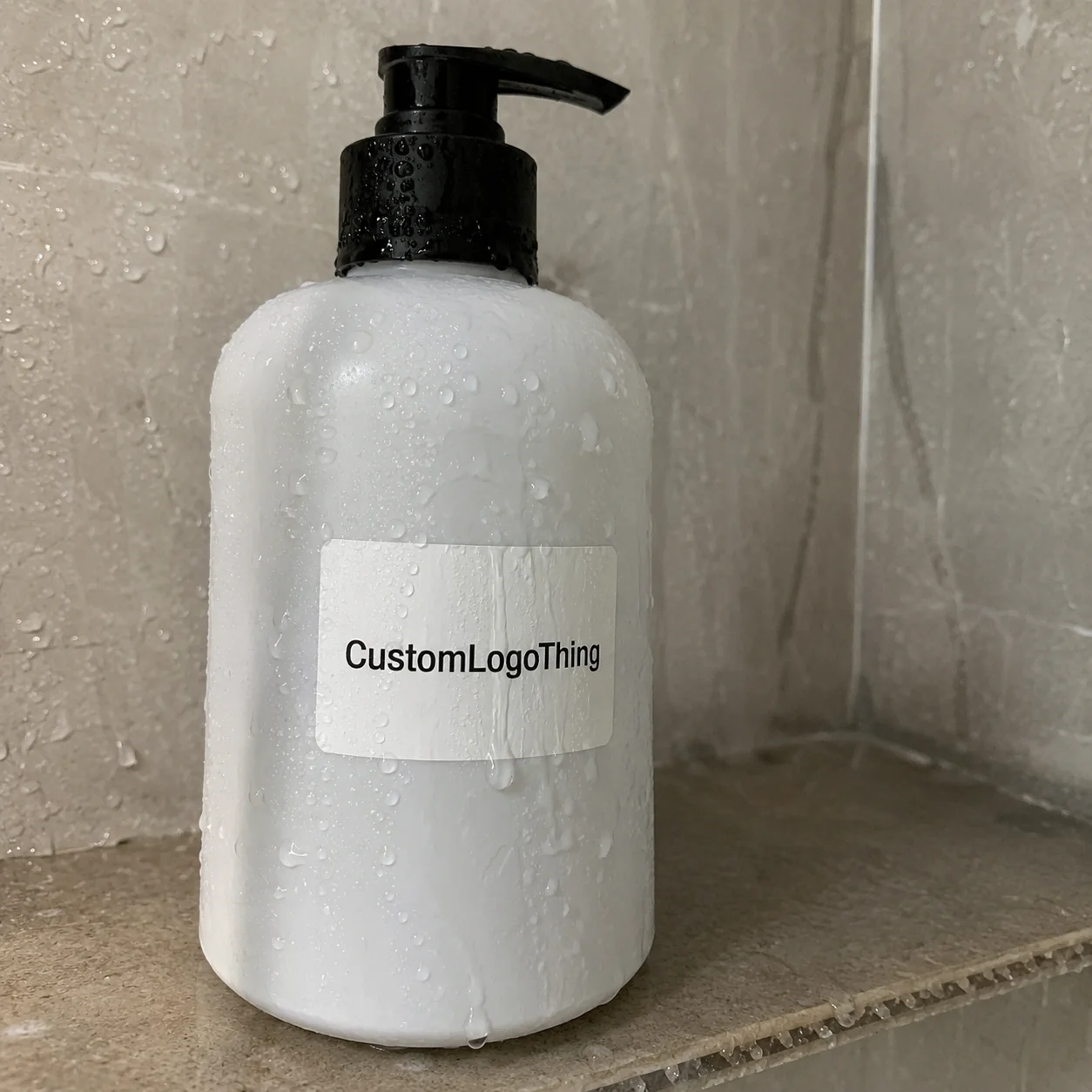
Walk through a chilled warehouse or a grocery cooler and the failure modes show up quickly. Condensation forms on the bottle, a label corner starts to lift, and by the time the product has been picked up a few times, the edge is curling or the print is dulling. That is the real test for Custom Product Labels waterproof adhesive: not a dry sample sheet, but a wet line, a cold shelf, a shipping carton, and a customer’s hands.
The phrase “waterproof label” gets used loosely, which causes a lot of confusion. Many buyers actually need water-resistant performance for splash exposure, damp storage, or light rinse conditions. Others need a label that survives ice buckets, refrigerator condensation, or repeated wiping. Full submersion, long soak times, and detergent exposure are different requirements, and they deserve a different spec.
Substrate matters as much as the adhesive itself. A construction that bonds well to glass may struggle on low-surface-energy plastics such as some HDPE and PP containers. Corrugated board adds another set of variables because texture, recycled fiber content, and dust all affect initial grab. Good label selection starts with the package, not the marketing description.
How adhesive systems work on wet and cold surfaces
Pressure-sensitive adhesives bond by contact. Once the label is applied and pressed, the adhesive begins to flow into the microscopic peaks and valleys of the surface. That wet-out improves as dwell time passes, which is why a label can seem secure right away but perform much better after 24 to 72 hours.
Temperature changes the picture. Cold surfaces slow adhesive flow, and condensation can create a barrier between the adhesive and the substrate. If the bottle comes straight from refrigeration, the label may not wet out evenly during application. Surface energy matters too: glass and coated board are generally easier than textured plastics or recycled packaging with variable surfaces.
Common adhesive families
Permanent acrylic adhesives are the most common choice for durable branding and retail packaging. They offer good aging resistance and a clear bond line. Freezer-grade adhesives are formulated to grab at lower temperatures and stay put in chill or frost. Removable adhesives are used when the label should lift off cleanly, while extra-tack options are useful on difficult surfaces where a standard formula cannot get enough initial bite.
Material construction matters just as much as adhesive chemistry. BOPP, polyester, and coated paper each respond differently to moisture, abrasion, and temperature swings. A film face stock can handle wet conditions well, but if the print layer is weak or the finish is too light, the graphics may still smear or scuff. Ink system, topcoat, and finish all have to support the same use case, especially on products that spend time in cold storage or move through wet handling steps.
A label spec is never just “the adhesive.” It is the face stock, ink, topcoat, release liner, and application environment working as one package.
That same systems-thinking applies across related packaging pieces, whether you are comparing Custom Labels & Tags or planning a broader Custom Packaging Products program. Material choices do not stay isolated; they affect the whole presentation once the package reaches production, storage, and retail.
Key material, finish, and application factors
Start with the container. Smooth glass usually gives the easiest bond, but even glass can be challenging if there is condensation, residue from handling, or a slight taper that stresses the label edge. Textured plastic reduces contact area, which lowers adhesion. Recycled substrates can be even less predictable because their surface energy and coating quality vary from lot to lot.
Curved bottles and jars need special attention. A label that lies flat on a proof can still lift at the corners once it is wrapped around a narrow radius. That is one reason edge lift shows up so often on wellness products, food jars, and beverage packaging. The center may hold, but once moisture gets under an edge, the failure tends to spread.
Exposure conditions define the spec almost as much as the container does. Refrigeration, ice buckets, rinse cycles, bathroom humidity, outdoor UV, and repeated hand contact all attack labels differently. Oils and chemicals matter too. Lotions, dressings, cleaning sprays, and automotive fluids can all compromise a label that looked fine in a basic moisture test.
Finish affects both performance and appearance. Matte can reduce glare and support a softer brand feel. Gloss typically makes color look richer and is common in retail packaging. Soft-touch gives a more tactile presentation, but it should be checked carefully in wet-hand conditions because the feel and slip characteristics change once the surface is damp. Clear film creates a more minimal look, while lamination improves abrasion resistance and helps preserve graphics after handling.
Ask for specific performance details rather than broad claims. Useful questions include: What application temperature is required? How long does the bond need before full strength develops? Does the adhesive tolerate condensation, or must the surface be dry? Has the label been checked against oils or common cleaning chemicals? Those answers tell you far more than a blanket promise that the label is waterproof.
| Option | Typical Use | Strengths | Tradeoffs | Common Price Range |
|---|---|---|---|---|
| BOPP with permanent acrylic | Bottles, jars, chilled products | Good moisture resistance, strong retail appearance | May need testing on low-energy plastics | $0.18-$0.32/unit at 5,000 pcs |
| Polyester with lamination | Heavy handling, chemical exposure | Excellent abrasion resistance, durable print | Higher cost, less forgiving on budget runs | $0.26-$0.45/unit at 5,000 pcs |
| Coated paper with protective topcoat | Dry goods, light splash exposure | Strong print quality, lower material cost | Less suited to long wet exposure | $0.12-$0.24/unit at 5,000 pcs |
| Freezer-grade film label | Cold-chain and refrigerated products | Improved low-temp adhesion, better hold in chill | Often needs application testing and tighter spec control | $0.22-$0.40/unit at 5,000 pcs |
For packaging teams balancing appearance with day-to-day durability, the finish is part of the brand system. A label that resists moisture but scuffs easily still creates problems on shelf. That is especially true when the label is paired with other branded materials, including custom printed boxes, where consistency in texture, gloss level, and image quality affects the entire presentation.
Cost, pricing, MOQ, and unit cost drivers
Pricing for Custom Product Labels waterproof adhesive usually comes down to face stock, adhesive type, print coverage, die-cut complexity, and finishing. A simple one-color paper label on a standard roll is much less expensive than a laminated film label using a specialty freezer adhesive and multiple finishing steps. The harsher the environment, the more likely the material stack moves into a higher price band.
MOQ has a direct effect on unit cost. Smaller runs carry more setup burden because press time, die setup, and inspection are spread across fewer labels. A run of 1,000 labels can cost much more per piece than 10,000, even with the same artwork. That is basic production math, not a pricing anomaly.
Some costs do not show up until the project is underway. Rush production can add fees. Variable data or serialization increases handling time. Proofing and sample rounds matter, especially if the label must sit on a curved or refrigerated container. Lamination, varnish, and specialty coatings raise cost as well, but they often prevent reprints, relabeling labor, and damaged inventory.
The low quote is not always the low-cost option. If a label peels in cold storage, smears on the shelf, or fails during packing, the labor and waste can quickly outweigh any upfront savings. Buyers usually feel that tradeoff in returns, relabeling, and delayed launches rather than on the original invoice.
Process and timeline from quote to delivery
The production path is straightforward when the brief is complete. It usually starts with specs: container material, label dimensions, quantity, print colors, finish, and environmental exposure. From there, the supplier confirms the substrate and adhesive, reviews artwork, sends a proof, prints, finishes, and ships. A new die or unusual material adds time, but the workflow itself stays the same.
Artwork readiness is often the biggest variable. A file that already has the correct dieline, bleed, and print-ready setup moves much faster than one still waiting on layout changes. Sampling also affects timing, especially when the buyer wants to compare two constructions on the actual package. For specialty materials, 12 to 15 business days from proof approval is a reasonable planning window, though that can shift with press capacity, material availability, and finishing complexity.
Delays usually come from missing use-case details. Is the package refrigerated or frozen? Is the surface glass, HDPE, PET, or coated board? Will the label be hand-applied or machine-applied? Will it be wiped, submerged, or exposed to grease? These details shape adhesive selection more than most buyers expect.
Testing time should be part of the schedule, not an afterthought. A label that only works after a rushed approval is not a dependable spec. Leave room for sample review, dwell time, and transit testing. That matters even more for seasonal packaging or launches tied to a fixed go-live date.
Industry standards can help frame expectations. Organizations such as the International Safe Transit Association publish transit testing guidance for packaging under shipping stress, while broader environmental and materials guidance is available through the U.S. Environmental Protection Agency. Standards do not pick the adhesive for you, but they help keep performance claims realistic.
Common mistakes that cause peeling, smearing, or scuffing
The most common mistake is choosing by appearance alone. A glossy proof can look excellent on a flat sheet and still fail on the real container because the surface is curved, oily, cold, or slightly textured. Testing on the actual package is the only meaningful check.
Moisture at application is another frequent failure point. If the bottle is wet, dusty, or coated in oil, the adhesive starts at a disadvantage. Even a capable Custom Product Labels waterproof adhesive construction can struggle if the surface is contaminated before application. Cold-chain packaging is especially sensitive because condensation often appears the moment the package leaves refrigeration.
Artwork can cause trouble too. Small reverse type, low contrast, and unprotected inks may look fine on screen, then become hard to read once the package is handled, wiped, or chilled. Scuffing is common on labels without a protective laminate or topcoat. If the label passes over cases, bins, or machine guides, the wear shows quickly.
Another recurring issue is overpromising the environment. A label that holds in a cooler is not automatically suited to freezer storage, dishwashing, outdoor UV, or chemical washdown. Those are different tests. The construction should be selected for the harshest condition the package will actually face.
Expert tips for spec’ing labels that perform
Whenever possible, ask for samples on the exact container material. A label on a generic white board tells you very little about how it will behave on PET, HDPE, glass, or corrugated packaging. Once the samples arrive, test them under the same conditions the finished product will see: cold, wet, handled, stacked, and sometimes wiped or bumped.
Match adhesive strength to removal needs. Permanent adhesives are the right choice for durable branding and compliance use, but removable constructions are better when the label must lift cleanly. Freezer-grade products solve a narrower problem: they are built for low temperatures and long hold in chill environments, not for every moisture scenario.
Use laminated or coated faces when abrasion, chemical contact, or repeated handling is likely. A little extra protection goes a long way in preserving print clarity, especially on labels that support premium packaging. If the label has to coordinate with branded packaging and Custom Packaging Products, finish consistency matters just as much as adhesion.
Document the operating environment clearly. Include application temperature, storage temperature, cleaning chemicals, and any exposure to oil, water, or UV. That brief helps narrow the right construction faster and usually gets you closer to the correct result on the first or second round.
Next steps to request the right label spec
Before requesting a quote, gather the facts that affect performance: container material, label size, quantity, print finish, application method, and the worst-case environment. If the product will sit in a refrigerator, get wet, or move through a cold chain, say that plainly. Specific details lead to better recommendations.
If the use case is uncertain, ask for two or three constructions and compare them on the actual container. A standard film, a laminated option, and a freezer-grade version can reveal a lot once they are applied and given enough dwell time. At that point you are comparing cost, bond strength, appearance, and durability under real use.
Photos help. A picture of the package often reveals curve radius, texture, fill level, and likely contamination risks better than a paragraph of description. Describe the harshest condition, because that is usually where the spec proves itself or fails.
Keep the launch test honest. Verify performance on the real package before committing to full production, then refine the spec until the label survives the complete use cycle. That is the practical way to buy custom product labels waterproof adhesive without paying for features you do not need or underbuying for conditions you do.
What makes custom product labels waterproof adhesive different from regular labels?
They use moisture-tolerant face stocks and adhesives built to hold through condensation, handling, and cleaning. Regular labels may look similar at first, but they can wrinkle, lift, or smear much sooner in wet conditions.
Can waterproof adhesive labels go on cold or refrigerated packaging?
Yes, but the adhesive should be matched to the application temperature and storage environment. Cold surfaces can slow initial bond, so testing on the actual container is the safest way to confirm performance.
Do waterproof labels work on plastic bottles and jars?
Often yes, but performance depends on the plastic type, surface texture, and whether the container carries oils or release agents. Smooth, higher-energy surfaces usually perform better than flexible or heavily textured plastics.
How do I estimate the right MOQ and price range for waterproof labels?
Start with quantity, label size, material, finish, and whether you need die-cutting or a specialty adhesive. Higher MOQs usually lower unit cost because setup and production time are spread across more labels.
What should I test before approving a waterproof adhesive label?
Check adhesion after 24 to 72 hours, plus resistance to condensation, rubbing, and any cleaning chemicals the package will face. Also verify print clarity, color durability, and whether the label stays aligned on the actual container shape.

