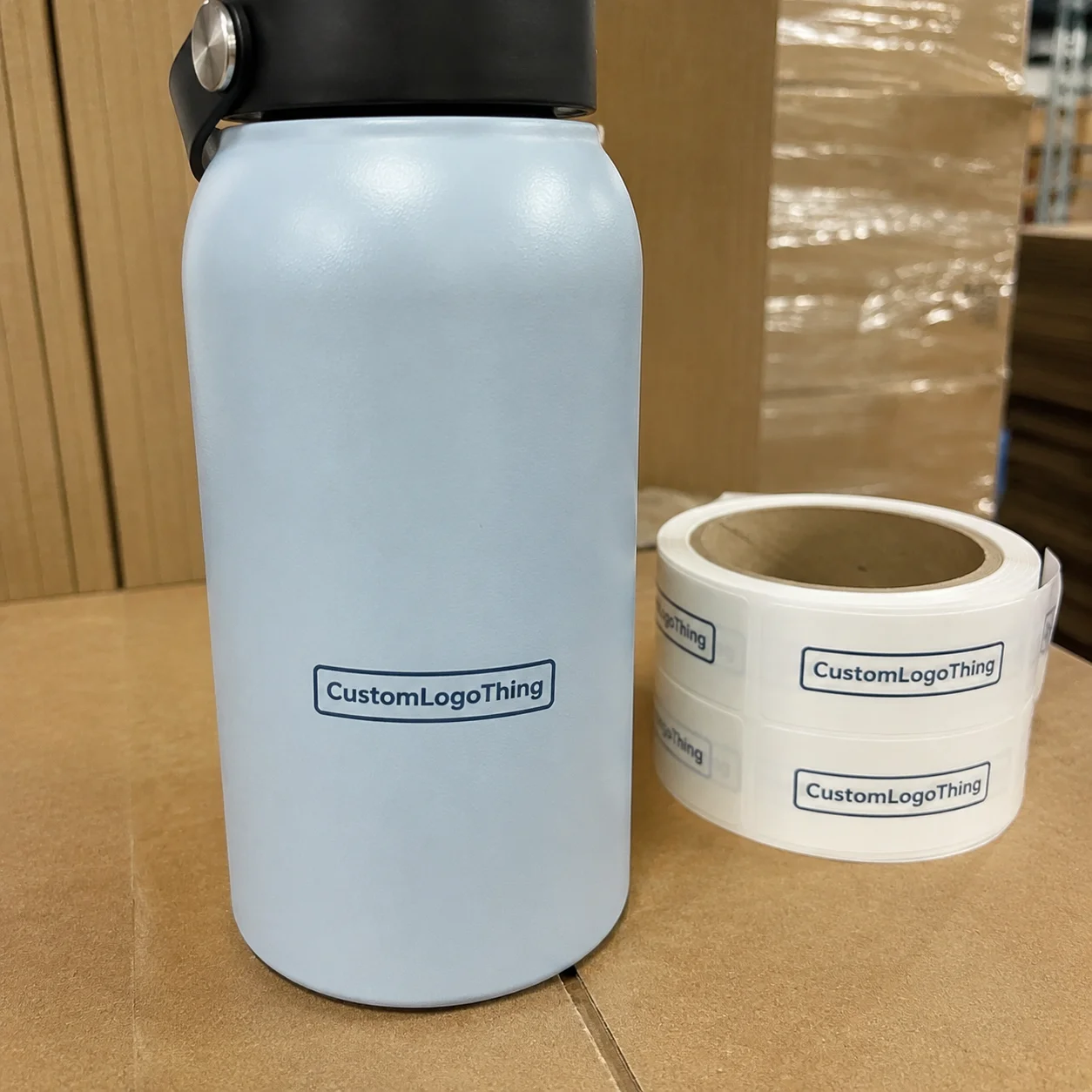
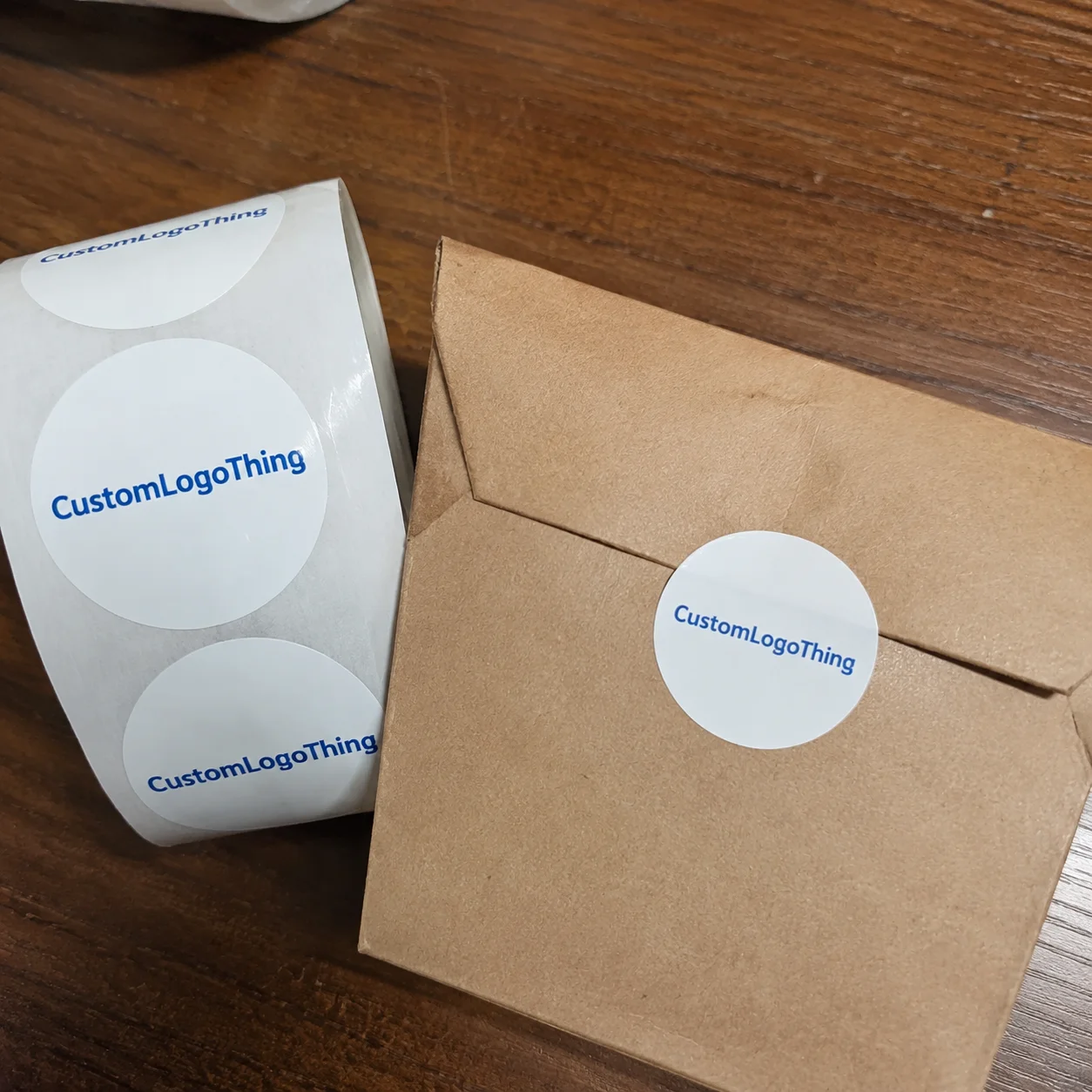
Custom Product Labels Colorado: Order Labels That Sell and Survive
A label can look perfect on a laptop screen and fail after one sunny delivery route, one cold warehouse, or one condensation-heavy cooler. That is the uncomfortable lesson many Custom Product Labels colorado buyers learn after the first production run, not before it.
Custom labels do more than identify a jar, bottle, pouch, tube, tin, or box. They carry compliance copy, signal brand quality, help a shopper compare products quickly, and protect recognition after the package leaves the shelf. A 2-inch round label on a lip balm tube has almost nothing in common with a 4-by-6-inch roll label on a refrigerated beverage bottle. Same broad category. Different risk profile.
The best label decisions usually start with plain operational questions: What is the container made from? Will it be chilled? Will hands be wet or oily? Is the label applied by hand or machine? How long does the product need to look new? Those answers shape material, adhesive, finish, format, price, and timeline.
What Makes Colorado Product Labels Different?
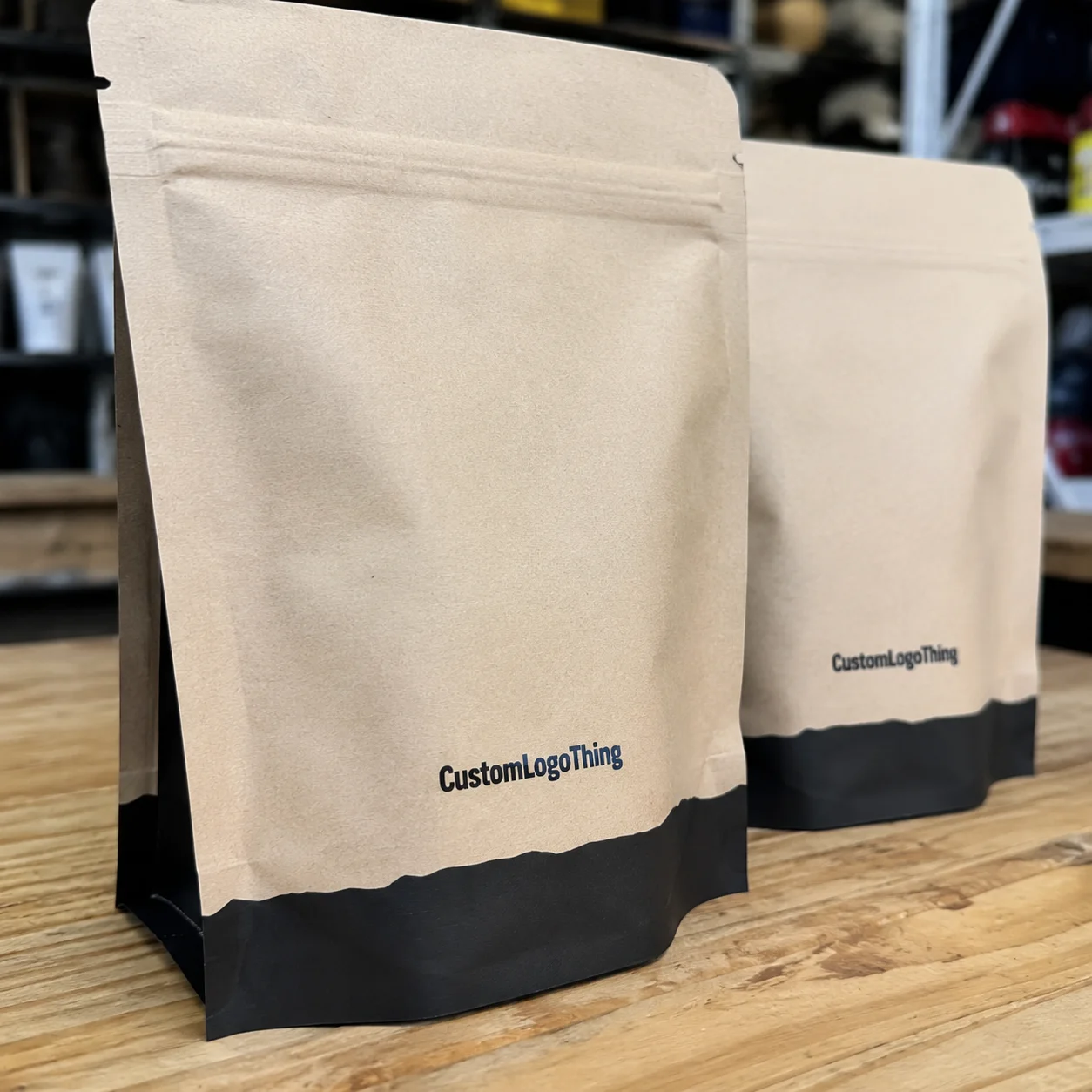
Colorado brands often ask more from labels than they realize. Sun exposure is sharper at altitude. Temperature swings can be abrupt between a loading dock, delivery van, retail shelf, and home refrigerator. Seasonal moisture adds another layer, especially for beverages, specialty foods, wellness products, cosmetics, and outdoor-facing retail goods.
Durability is not decoration. It is part of packaging performance. A label that curls at the edge, scuffs during handling, or clouds under condensation does not merely look worn; it weakens the brand at the exact moment a shopper is deciding whether to trust the product.
Four questions usually separate a good label spec from a risky one:
- What surface will the label touch? Glass, PET, HDPE, paperboard, metal tins, and flexible pouches all accept adhesives differently.
- How long must it last? A farmers market sticker used for 10 days has different needs than a cosmetic label expected to look clean for 18 months.
- Where will the product live? Dry shelf, cooler, freezer, shipping carton, bathroom counter, backpack, or outdoor display.
- How will it be applied? Hand-applied sheets tolerate slower work; roll labels support faster packing lines and label applicators.
Here is the common mistake: treating the label as a small printed piece instead of a component in a packaging system. The label has to cooperate with the container, adhesive, finish, product chemistry, handling method, and selling environment. For Colorado makers selling food jars, cosmetics, supplements, candles, craft beverages, and trail-adjacent goods, that cooperation matters.
Packaging reality check: A label failure rate of 2% on a 5,000-piece run means 100 products may need rework, relabeling, discounting, or disposal. The cheapest label can become expensive quickly.
There is also a shopper psychology angle. Packaging researchers often focus on color, contrast, and shelf impact, but wear changes the signal. A scuffed premium label tells a different story than a crisp one, even if the formula inside the package is unchanged. Small defects read as risk.
How the Label Production Process Works
A good label order starts before printing. The production path usually moves through spec collection, material selection, artwork review, proofing, print setup, cutting, inspection, and shipment. Skip one detail early and the delay tends to return later, usually when the launch calendar is already tight.
The first useful spec is size. Not “small rectangle.” Actual dimensions. A common jar label might be 2.5 by 3 inches, while a wrap label for a 12-ounce bottle may need a precise width so the ends do not overlap awkwardly. For tapered containers, the dieline matters even more because a straight rectangle can wrinkle, smile, or drift on a curved surface.
Artwork setup is another quiet source of cost. Print-ready files usually need vector logos, outlined fonts, 300 dpi raster images, CMYK color setup, and 0.125-inch bleed if color or graphics extend to the cut edge. Barcodes need quiet zones and enough contrast to scan after printing, lamination, and possible surface glare. The barcode standard itself comes from GS1, but the practical test is blunt: can a scanner read it consistently under retail conditions?
Orders are assigned to a production format. Sheet labels are common for short runs, hand application, samples, and small-batch launches. Roll labels are better for volume, speed, and machine application. Individually cut labels can work for promotions or kits, though they often add handling cost.
Print method affects both cost and appearance. Digital printing suits short and medium runs, multiple SKUs, frequent artwork changes, and variable designs because it avoids traditional plate costs. Flexographic printing can be efficient for larger roll-label volumes, especially where spot colors, varnishes, or repeat production are involved. Neither method is automatically superior. Quantity, artwork complexity, color expectations, substrate, and turnaround decide the better route.
Finishing is the last visible decision and one of the most underestimated. Matte lamination can make wellness packaging feel calm and premium. Gloss varnish can make fruit colors and beverage graphics pop. Soft-touch coatings feel expensive but may show fingerprints on dark backgrounds. Clear labels can create a no-label effect on glass or plastic, though they expose every bubble, dust speck, and surface imperfection during application.
For buyers comparing Custom Labels & Tags, the process is not just administrative. Each production choice affects application speed, adhesive bond, abrasion resistance, and whether the label survives refrigeration, shipping, or repeated handling.
Materials, Adhesives, and Finish Choices That Matter
Material selection is where the label becomes practical. Paper, BOPP, vinyl, and textured stocks can all print well under the right conditions, but they do not age the same way. The smart move is to match the substrate to the product’s actual use, not just the brand mood board.
| Label Material | Best Fit | Typical Strength | Watch-Out |
|---|---|---|---|
| Paper | Dry goods, candles, boxes, short-term retail | Lower cost and strong print detail | Poor moisture resistance unless coated or laminated |
| White BOPP | Beverage bottles, cosmetics, supplements, food jars | Water resistance and clean color reproduction | Costs more than basic paper |
| Clear BOPP | Glass bottles, jars, transparent containers | No-label look with good moisture resistance | Requires careful application and surface cleanliness |
| Vinyl | Outdoor labels, gear, durable product stickers | Good flexibility and weather resistance | May be excessive for simple indoor product labels |
| Textured Paper | Wine, gourmet foods, premium retail packaging | Tactile shelf appeal | Can scuff or absorb moisture without protection |
BOPP, short for biaxially oriented polypropylene, is one of the workhorse materials for durable product labels. White BOPP often appears on cosmetics, sauces, wellness products, and chilled beverages because it handles moisture better than uncoated paper. Clear BOPP works when the container itself is part of the visual design. Vinyl is usually reserved for tougher exposure: outdoor equipment, promotional decals, or products that may face abrasion and weather.
Adhesive choice can matter more than the print. A permanent adhesive is designed to stay put on the container. A removable adhesive allows temporary labeling or cleaner removal from certain surfaces. Freezer-safe adhesives are formulated to bond under cold conditions, but performance still depends on application temperature, dwell time, surface energy, and condensation.
One overlooked detail: applying a label to a cold, wet bottle is much harder than applying that same label to a dry bottle at room temperature. Many adhesives perform best when applied above roughly 40°F to 50°F, then given time to build bond strength. Colder applications are not impossible. They require the right adhesive and a realistic process.
Surface energy is the technical phrase hiding behind many application headaches. Glass and many metals are typically easier to bond to than low-surface-energy plastics. Some squeezable tubes and flexible pouches need adhesive testing because they bend, compress, and recover. A label that bonds well on a rigid jar may lift at the edge on a flexible bottle.
Finishes add both protection and personality. Matte finishes reduce glare and support a softer premium look. Gloss finishes sharpen contrast and make saturated colors more dramatic. Lamination adds a physical film layer, often helpful for products handled frequently or exposed to moisture. Varnish is thinner and can be economical, but it usually offers less protection than lamination.
For Colorado cosmetics, beverage bottles, food jars, CBD-style wellness goods, and outdoor retail products, the safer question is not “Which finish looks best?” It is “Which material and finish will still look credible after shipping, stocking, touching, chilling, and opening?” That is the difference between attractive packaging design and dependable product packaging.
Custom Product Labels Colorado Pricing: What Drives Cost?
Custom product labels colorado pricing usually moves with six variables: quantity, size, material, finish, shape complexity, and print requirements. A simple 2-by-3-inch paper label in a 5,000-piece run can price very differently from a custom die-cut clear BOPP label with white ink, matte laminate, and multiple SKU versions.
As a working estimate, basic paper labels may land around $0.08 to $0.18 per unit at moderate volumes, while synthetic labels such as BOPP may sit closer to $0.14 to $0.35 per unit depending on size, coverage, finish, and quantity. Short runs are less predictable. A 250-piece order can carry a much higher unit cost because setup, proofing, file handling, and material waste are spread across fewer labels.
Volume helps, but it is not magic. Moving from 500 to 5,000 labels can reduce unit cost sharply. Moving from 50,000 to 60,000 may produce a smaller drop because the order has already absorbed most setup efficiency. Buyers sometimes chase the lowest unit price and forget the carrying cost of inventory, SKU changes, ingredient updates, or seasonal packaging.
Shape also matters. Standard rectangles, squares, circles, and ovals are efficient. Complex custom cuts may require more setup, slower finishing, or tighter registration control. Special inks, metallic effects, white ink under clear film, emboss-style effects, and heavy coatings can add cost but may be justified for premium retail packaging where shelf impact drives conversion.
Hidden costs deserve scrutiny. Rush production can add fees. Split shipments can increase freight. Extra proof revisions can delay scheduling. Compatibility testing may cost a little upfront but can prevent a full run of labels that will not bond to a textured tube, squeezable bottle, or chilled container. Sample testing is one of the better bargains in packaging because it catches problems while the stakes are still small.
| Budget Factor | Lower-Cost Choice | Higher-Performance Choice | Buyer Takeaway |
|---|---|---|---|
| Material | Coated paper | BOPP or vinyl | Pay more when moisture, oils, or abrasion are likely |
| Finish | No laminate or basic varnish | Matte, gloss, or soft-touch laminate | Finish affects both appearance and handling life |
| Shape | Standard rectangle or circle | Custom die-cut shape | Custom cuts can improve branding but may raise setup cost |
| Format | Sheets for small batches | Rolls for higher-volume application | Application method should guide format |
Environmental claims also deserve discipline. If a brand wants recycled paper, FSC-certified paper, or reduced-plastic materials, ask for documentation and understand the tradeoffs. The Forest Stewardship Council provides certification standards for responsibly sourced forest products, while the EPA’s sustainable materials management guidance is useful for thinking beyond a single material swap.
Sustainable does not always mean simpler. A recycled paper label may be a strong fit for dry retail goods but a weak fit for a refrigerated jar with heavy condensation. A plastic film may create more material concern but reduce spoilage, relabeling, or damaged inventory in certain applications. Packaging decisions rarely behave like slogans.
Step-by-Step Ordering and Production Timeline
The ordering process is smoother when the buyer brings complete information. A useful inquiry includes label dimensions, container type, surface material, quantity, number of versions, storage conditions, application method, target delivery date, and artwork files if available.
A typical production path looks like this:
- Quote request: Share size, quantity, material preference, finish, and format. If unsure, describe the product environment instead.
- Artwork review: Check resolution, bleed, dielines, fonts, color mode, barcode placement, and regulatory copy.
- Proof creation: Review layout, cut line, copy, color expectations, and label orientation on roll orders.
- Revision cycle: Correct copy, sizing, barcode, or art placement before approval.
- Production scheduling: The job enters the queue after proof approval and material confirmation.
- Printing and finishing: Labels are printed, coated or laminated if needed, cut, rewound or sheeted, and inspected.
- Quality check and shipping: The order is packed and shipped according to the requested delivery method.
For straightforward digital label orders, turnaround often falls around 5 to 10 business days after proof approval. More complex work can run 12 to 18 business days or longer, especially with specialty materials, custom dies, large quantities, multi-SKU coordination, or special adhesives. Rush options may be available, but rush work rewards clean files. A rush order with missing barcode data is still a stuck order.
Delays tend to cluster in predictable places. Artwork arrives as a low-resolution PNG instead of a vector file. The dieline does not match the container. The nutrition panel changes after approval. The buyer asks to switch from paper to clear BOPP after seeing the proof. None of these problems is unusual. Each one can reset parts of the schedule.
Roll direction is another detail worth confirming. If labels feed into a hand-applied process, orientation may not matter much. If they feed into an applicator, unwind direction can make or break the run. A label that prints beautifully but arrives facing the wrong direction on the roll can stall an entire packing line.
Quality control should be more specific than “looks good.” Common checks include color consistency, cut accuracy, liner condition, label count, roll direction, splice placement, barcode readability, and edge lift on sample applications. For clear labels, inspection also means looking for dust, haze, scratches, and opacity problems where white ink sits under color.
For shipped products, packaging durability should also be considered. Labels may rub against dividers, corrugated inserts, or neighboring units during transit. Brands often coordinate labels with Custom Packaging Products such as cartons, mailers, inserts, and custom printed boxes so the customer sees one consistent identity from delivery box to product container.
Testing standards can help frame expectations. The International Safe Transit Association, through ISTA, publishes protocols used to evaluate packaged-product performance during distribution. Labels are not the whole package, but they are part of what customers see after vibration, handling, compression, and temperature changes have done their work.
Common Label Mistakes Colorado Brands Can Avoid
The most common mistake is choosing by appearance alone. A label can match the brand palette perfectly and still be wrong for the container. Squeezable plastic, oily contents, cold-fill products, rough paperboard, textured glass, and damp coolers all change the performance equation.
Artwork mistakes come next. Fuzzy logos are usually caused by low-resolution files. Tiny type becomes unreadable when reduced below practical print size, especially in reversed-out white text on a dark background. Barcodes fail when they are too small, too glossy, too low in contrast, or placed around a tight curve. A label is not a billboard. Small spaces punish clutter.
Sizing errors can be expensive. A 0.25-inch difference may not sound dramatic until the label wraps into a seam, covers a required statement, or wrinkles on a tapered bottle. For curved containers, mockups should be checked at actual size. Print a paper version, cut it out, wrap it around the container, and see what happens. Low-tech. Effective.
Another trap is ignoring the product itself. Essential oils, alcohol, sauces, soaps, and lotions can affect inks, coatings, and adhesives if leakage or residue touches the label. A candle label may face heat and handling. A refrigerated salsa jar may face condensation. A supplement bottle may be carried in a gym bag for weeks. Same label size, different exposure.
Regulatory copy deserves equal attention. Food, supplement, cosmetic, and cannabis-adjacent products may have category-specific labeling requirements, and those requirements can change. Printers can check file mechanics, but legal and regulatory accuracy belongs with the brand and its compliance resources. A beautiful label with the wrong net weight, allergen statement, ingredient order, or warning language is still a problem.
Skipping samples is the quiet budget killer. One failed application run often costs more than a careful pre-production check. If a brand is ordering 10,000 labels, testing 10 to 25 samples on actual containers under real storage conditions is modest insurance. Put samples in the fridge. Leave some in a sunny window. Rub them. Handle them with damp hands. Watch the edges.
Colorado brands ordering custom product labels colorado should also resist over-customizing every SKU at the start. A shared label size across three flavors or scents can reduce setup complexity, simplify inventory, and make reorders faster. Distinctive branding does not always require distinct dimensions.
Expert Tips for Better Label Results
The strongest label orders begin with a practical brief. Send the printer container dimensions, surface type, label size if known, target quantity, number of SKUs, storage conditions, application method, desired finish, and delivery deadline. Add photos of the container if the shape is unusual. If the package will face moisture, oils, sunlight, freezing temperatures, or abrasion, say so early.
Ask for material recommendations by use case rather than picking the cheapest line item. “I need a label for refrigerated glass bottles that may sweat in transit” will produce better guidance than “quote the lowest-cost 3-by-4 label.” The second request answers price. The first answers performance.
Short-run proofs and material samples are especially useful for new containers, cosmetic-critical packaging, clear labels, dark artwork, metallic effects, or labels applied by machine. If the product will be photographed for ecommerce, check glare under lighting. If it will sit in boutique retail packaging, check how matte or gloss finishes look next to the carton, jar lid, or closure color.
From a packaging buyer’s point of view, comparing two or three material options before approving a full run is usually worth the time. For example: coated paper with varnish, white BOPP with matte laminate, and clear BOPP with white ink. Put them on the actual container. Store them where the product will live. Then decide.
Strong label planning is not glamorous. It is mostly careful measurement, honest exposure testing, clean files, and disciplined proof approval. That is also why it works. A label has a small footprint but a long job: stick cleanly, print clearly, survive handling, scan when needed, and still look intentional when the buyer picks it up.
FAQs
What should I know before ordering custom product labels Colorado brands use outdoors?
Choose a weather-resistant substrate and adhesive if the package will face sun, temperature swings, moisture, or abrasion. Vinyl and certain BOPP constructions usually outperform basic paper outdoors, but the right answer depends on the container surface and expected life span. Test the label on the actual package before approving a full run.
How long do custom product labels in Colorado usually take to produce?
Simple digital label orders often take about 5 to 10 business days after proof approval, while custom shapes, specialty adhesives, large volumes, or complex finishes can extend production to 12 to 18 business days or more. Reorders with approved artwork usually move faster than first-time jobs with new proofs.
Which material is best for Colorado product labels on refrigerated goods?
Synthetic stocks such as white BOPP or clear BOPP with the right adhesive usually hold up better than standard paper in cold, damp environments. If condensation is expected, ask for moisture-resistant or freezer-safe options and test application temperature, not just storage temperature.
How can I reduce custom label pricing without hurting quality?
Standardize size, shape, and finish where possible, then increase quantity to lower unit cost. Clean artwork also saves money by reducing revision cycles. If performance matters, avoid cutting the material spec too aggressively; a slightly higher-cost label can be cheaper than relabeling damaged inventory.
Do I need roll labels or sheet labels?
Roll labels work well for higher volumes, repeat orders, and faster application, especially on packing lines or label applicators. Sheet labels can be better for short runs, hand application, samples, and small-batch launches. The right format depends on quantity, container shape, labor setup, and how quickly the products need to move through packing.