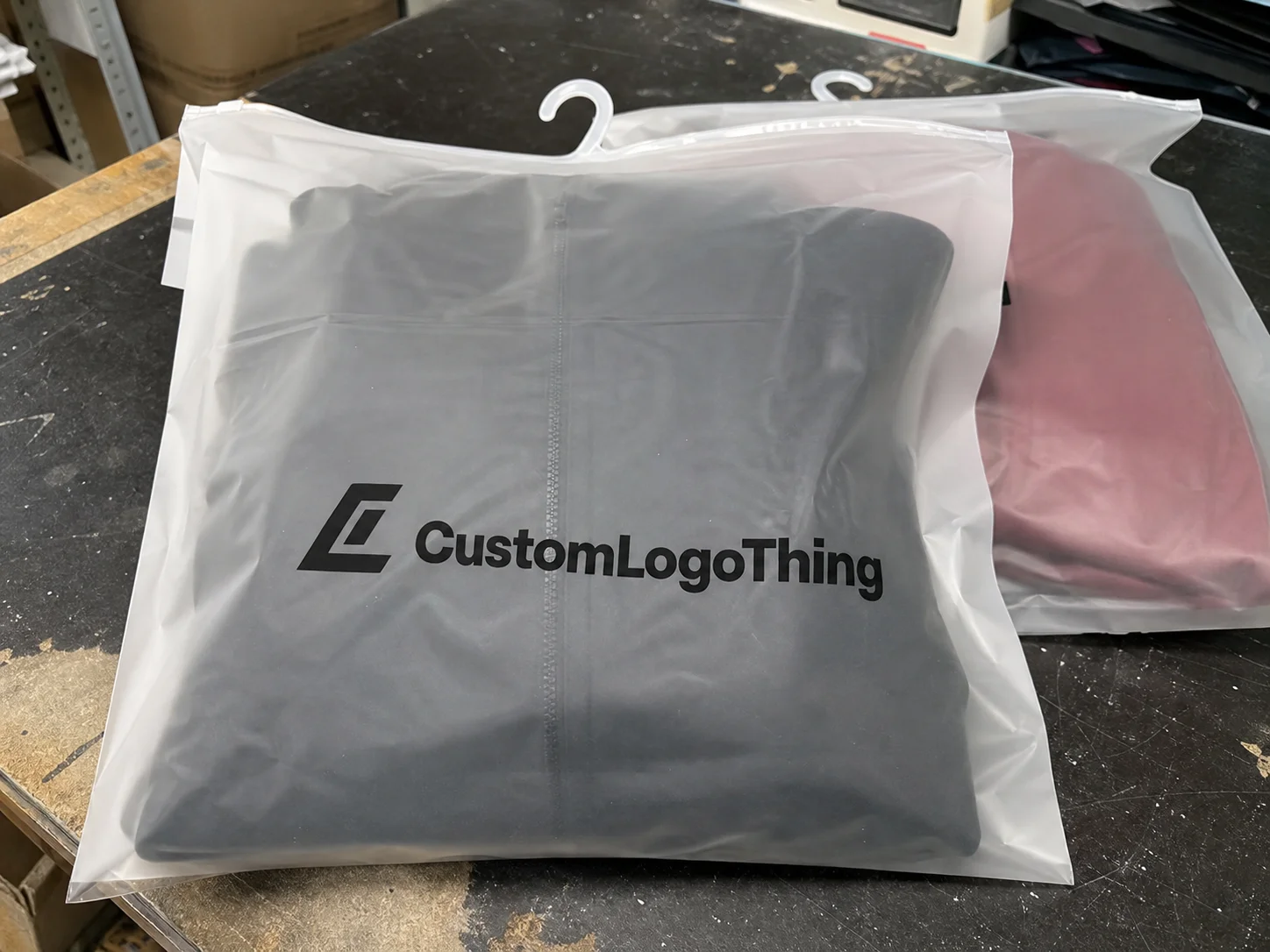
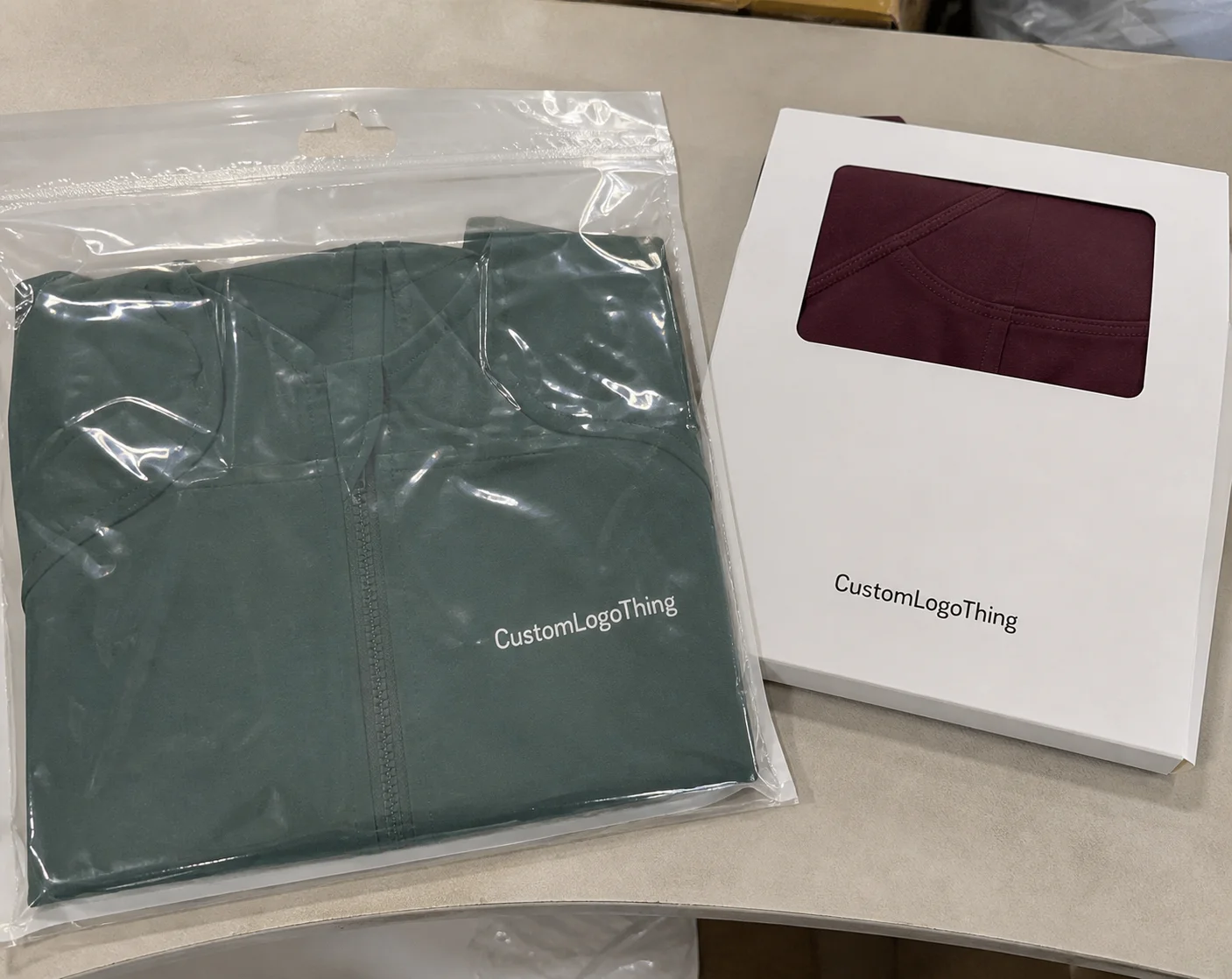
Buyer Fit Snapshot
| Best fit | custom retail gift boxes with ribbon for packaging buyers comparing material specs, print proof, MOQ, unit cost, freight, and repeat-order risk where brand print, material, artwork control, and repeat-order consistency matter. |
|---|---|
| Quote inputs | Share finished size, material target, print colors, finish, packing count, annual reorder estimate, and delivery region. |
| Proofing check | Approve dieline scale, logo placement, barcode or warning zones, color tolerance, and any recyclable or compostable wording before bulk production. |
| Main risk | Vague material claims, crowded artwork, or missing packing details can create delays even when the unit price looks attractive. |
Fast answer: Custom Retail Gift Boxes with Ribbon: Design and Pricing should be specified like a repeatable production item. The safest quote includes material, print method, finish, artwork proof, carton packing, and reorder notes in one written spec.
What to confirm before approving the packaging proof
Check the product dimensions against the actual filled item, not only the sales mockup. Ask for tolerance on folds, seals, hang holes, label areas, and retail display edges. If the package carries a logo, QR code, warning copy, or legal claim, reserve that space before decorative graphics fill the panel.
How to compare quotes without losing quality
Compare board or film grade, print process, finish, sampling route, tooling charges, carton quantity, and freight assumptions side by side. A lower quote is only useful if the supplier can repeat the same color, closure quality, and packing count on the next order.
Custom Retail Gift Boxes with ribbon can shift a customer’s judgment before they ever lift the lid, and I’ve watched that happen in factory showrooms from Dongguan to Ningbo more times than I can count. A buyer who walks up with a neutral expression will suddenly lean in, soften a little, and say, “Show me that one,” all because the box has a satin pull, a tidy bow, and a closure line that looks clean and deliberate. That response is not decoration for decoration’s sake. It is packaging psychology at work, and it shows up every time someone compares two items on a shelf or watches an unboxing clip online, whether the run is 500 pieces or 50,000.
In my experience, custom retail gift boxes with ribbon do three jobs at once: they protect, they present, and they signal value. A logo printed on a carton matters, of course, but a ribbon invites touch. It points the hand where to go. It turns product packaging into a small ceremony, which is exactly why brands use it for launches, gifting, and premium retail packaging so often. On a recent skincare project built with 350gsm C1S artboard wrapped over 1200gsm greyboard, the ribbon was the first thing buyers mentioned, even before they asked about the formula inside.
And yes, sometimes the ribbon is the difference between “nice” and “I need to see that again.” That gap is small on paper and huge in the aisle.
Custom retail gift boxes with ribbon: what they are and why they matter
Put simply, custom retail gift boxes with ribbon are boxes built for presentation and retail use, with a ribbon element added as a closure, pull feature, wrap detail, or decorative finish. They are often rigid boxes with 1200gsm to 1500gsm greyboard wrapped in printed paper, though folding cartons and specialty paperboard versions also have a place. The ribbon may be satin, grosgrain, velvet, or printed polyester, depending on the feel a brand wants to create in the hand, and widths commonly range from 10mm to 25mm depending on box size.
The surprising part is how quickly ribbon changes perceived value. I remember one project in Shenzhen where a 350gsm folding carton with a simple 15mm satin tie read as “giftable” while a heavier plain carton beside it felt purely utilitarian. Same product weight. Same ink coverage. A very different reaction. Tactile cues arrive before logic does. The fingers register texture, the eyes register movement, and the brain fills in the rest, which is exactly why a $0.18 ribbon choice can make a $12 product feel like a $24 one.
Custom retail gift boxes with ribbon can be decorative, functional, or both. A decorative ribbon might sit around the lid for a seasonal collection or luxury assortment. A functional ribbon might help lift a drawer box open, hold a lid shut, or secure a folding structure during transport. The strongest designs do not force a choice between appearance and usefulness. They make the ribbon part of the structure, not a last-minute ornament added after the fact, and that usually means planning the ribbon path alongside the dieline from the first sample.
I’ve used these boxes for influencer kits, holiday product drops, boutique cosmetics, confectionery sets, and premium apparel accessories. They also show up in limited-edition collaborations where package branding has to do real work in a crowded market. The box is photographed far more often than people expect. The product may sit on a table for 30 seconds, but the box lives on in stories, reels, and shelf displays much longer, especially when the ribbon creates a clean silhouette under studio lighting at 5,000K.
Consumer psychology backs that up. Gift-like presentation increases attention, shareability, and the feeling that the contents were chosen with care. That is especially true for custom retail gift boxes with ribbon because the ribbon creates anticipation. The customer has to interact. They untie, slide, lift, or pull. That little delay turns a transaction into an experience, and for many retail teams that experience is worth the extra $0.25 to $0.80 in assembly and material Cost Per Unit.
“When the ribbon feels intentional, the entire box feels more considered. We’ve had buyers remark on the closure before they commented on the product.” — a retail client I worked with on a private-label skincare launch in Dongguan
One mistake comes up again and again: people assume ribbon is only about decoration. It is not. In retail packaging, ribbon can affect shelf impact, shipping resistance, and open-close behavior. Treat it as an afterthought and you may end up with fraying edges, crooked placement, or a closure that works beautifully in a showroom and falls apart in a warehouse lane with 40 cartons stacked on a pallet. I have seen that exact mess in a factory outside Guangzhou, and nobody looks thrilled carrying the blame back to the packaging room.
For brands building branded packaging that needs to signal value quickly, custom retail gift boxes with ribbon remain one of the most efficient tools available. They do not require huge printed surfaces to feel special. Sometimes 12mm of ribbon and a well-chosen paper texture do more than a full-bleed illustration ever could, especially when the outer wrap is a soft-touch laminated 157gsm art paper with a precise foil stamp.
How custom retail gift boxes with ribbon work in production
Production starts with structure. I always tell clients to choose the box style before they fall in love with ribbon color. That order matters. A rigid lid-and-base box behaves differently from a magnetic closure box, and both behave differently from a folding carton with a tied closure. If the structure is wrong, the ribbon will look awkward no matter how well the color matches, and a 15mm grosgrain tie cannot rescue a box whose lid depth is off by 3mm.
Most custom retail gift boxes with ribbon fall into four common constructions. First, the classic lid-and-base rigid box, which is popular for cosmetics, candles, and premium gifts. Second, the magnetic closure box, which gives a clean front face and a strong snap shut. Third, the drawer box, where ribbon often acts as a pull tab. Fourth, the folding carton, which can use ribbon ties or wrap closures for lower unit cost and lighter shipping weight. In many factories in Dongguan and Zhongshan, the drawer style is assembled with a 3mm ribbon loop anchored through a die-cut slot and reinforced with hot-melt adhesive.
Here is how the build usually works in a factory like the ones I’ve visited in Shenzhen and Dongguan. The team confirms the inner size first, then chooses board stock, paper wrap, print method, and the ribbon attachment method. For custom printed boxes, we often specify coated art paper, specialty textured paper, or soft-touch laminated wrap. Then the ribbon is integrated through die-cut slots, adhesive points, stitched anchoring, or pre-threaded wraparound placement. On a recent project, the outer wrap was 128gsm matte art paper laminated to 1200gsm greyboard, with a 20mm satin ribbon threaded before final board closing.
Ribbon integration sounds simple until you watch a line of 3,000 units being assembled by hand. A 10mm misalignment on the bow placement can change the entire look of the front panel. On one cosmetic project, the client insisted on a centered bow with 18mm tails. That sounded minor in the meeting. On the floor, it meant tightening the assembly jig and retraining the team on tie tension. Small detail, big labor consequence. I still laugh a little when people say, “Can’t we just move it over a hair?” because yes, in theory, and no, in production, not without someone muttering under their breath in a 12-hour shift.
Satin ribbon is the default for many custom retail gift boxes with ribbon because it reads polished and photographic. Grosgrain is preferred when durability matters, especially if the box will be opened and closed repeatedly. Velvet ribbon gives a heavier, more tactile impression, but it can be tricky if the product has to move through high-friction packing lanes. Printed ribbon is the most branding-heavy option. It can look fantastic, though it requires careful color matching and a longer lead time, often adding 7 to 15 business days when a custom Pantone match is required.
Assembly affects quality, shipping performance, and labor cost more than most buyers expect. A box with ribbon tied after packing may take longer to line up consistently. A box with ribbon pre-attached can be faster on the line, but it may also create a slightly bulkier stack for freight. That tradeoff matters when you’re shipping 2,400 units in master cartons or when the retailer wants flat-pack efficiency. In a 20-foot container, even 4mm of extra stack height per unit can change the pallet count.
For brands comparing custom printed boxes with higher-touch gifting formats, ribbon can be the element that turns a standard structure into premium product packaging. It should be engineered, not merely added. When I review a spec sheet, I look for ribbon width, end finish, attachment point, and whether the closure must support product weight or only presentation. Otherwise you end up with something pretty that collapses under its own charm, which is not a strong technical term, but it is accurate.
- Rigid lid-and-base: strongest presentation, higher material and freight cost.
- Magnetic closure: polished opening experience, requires tight dimensional control.
- Drawer style: ideal for ribbon pull tabs, good for repeated use.
- Folding carton: lower material cost, best for lighter retail runs.
For more packaging structure options, I often direct teams to review Custom Packaging Products before they lock a ribbon concept. Structure first. Decoration second. That order saves money, especially when a rigid build in Guangzhou comes in at $1.95 per unit while a folding carton version can land closer to $0.62 at 10,000 pieces.
Key factors that affect cost and pricing
Pricing for custom retail gift boxes with ribbon comes down to five big variables: structure, board thickness, print coverage, ribbon type, and finishing complexity. Then there are the quieter costs hiding underneath, such as die cutting, sample revisions, freight, and manual assembly. If a supplier gives you a one-line quote with none of that detail, caution is wise. I’ve learned that vague quotes have a special talent for becoming expensive surprises later, usually after the proof has already been signed.
Small quantity orders are almost always more expensive per unit because setup costs do not shrink just because the run is shorter. A die line may cost $85 to $250 depending on complexity. Sampling can run from $35 to $120 per version. A custom ribbon roll may add another setup charge if the weave, print, or width is nonstandard. Spread across 500 boxes, those numbers sting. Spread across 10,000, they become manageable, and the same 1-hour setup on the foiling line gets amortized across a far larger order.
Let me be concrete. A basic 2-piece rigid box with a standard satin ribbon tie might land around $0.85 to $1.40 per unit at 5,000 pieces, depending on size and print coverage. A mid-range custom retail gift boxes with ribbon setup, with soft-touch lamination, foil stamping, and a grosgrain pull, can move into the $1.45 to $2.80 range. A premium version with velvet ribbon, specialty paper, and custom insert work can easily exceed $3.50 per unit. Those are not universal prices, but they are realistic planning numbers from quotes I’ve seen and negotiated in Shenzhen, Dongguan, and Huizhou.
For a clearer view, here is a practical pricing framework I use when clients ask where their project might land.
| Configuration | Typical Structure | Ribbon Type | Indicative Unit Cost | Best Fit |
|---|---|---|---|---|
| Basic | Folding carton or light rigid box | Standard satin tie | $0.55 to $1.40 | Entry-level retail gifting, seasonal promotions |
| Mid-range | Rigid lid-and-base or magnetic box | Grosgrain or printed ribbon | $1.45 to $2.80 | Premium retail, influencer kits, boutique launches |
| Premium | Heavy rigid box with insert and specialty wrap | Velvet or custom-printed ribbon | $3.50 to $6.50+ | Luxury products, limited editions, high-value gifts |
Quantity changes everything. At 1,000 pieces, you may feel every artwork adjustment. At 10,000 pieces, the same adjustments are absorbed differently, and the unit cost often drops by 20% to 40% depending on material and labor. That is why custom retail gift boxes with ribbon often look “expensive” in small runs even when the materials are not especially exotic. A 500-piece run in a factory near Shanghai may have the same $120 plate charge as a 5,000-piece run, which is why the math changes so fast.
Ribbon choice is a surprisingly large budget lever. Standard satin ribbon is widely available and fast to source. Custom-printed ribbon requires additional production steps and can add 7 to 15 business days depending on the supplier. Velvet ribbon often costs more per meter and can slow down assembly if it sheds or resists folding. Grosgrain sits in the middle: durable, stable, and not overly fussy. In practical terms, a 15mm satin ribbon might add $0.06 per box, while a custom-printed version could add $0.14 to $0.22 depending on the run.
Hidden costs matter too. Freight can surprise people, especially with rigid boxes, because board weight stacks up fast. A 2-piece rigid box with a foam insert and ribbon can take up more pallet space than the same product in a folding carton. Color matching may also add cost if the ribbon and box print need exact brand alignment. If you need an FSC-certified substrate, the paper and documentation may price slightly higher, though that varies by supplier and region. For reference on responsible sourcing, I often point clients to FSC and to the packaging resources at The Packaging School.
There is also a sustainability and logistics dimension. If your shipper wants lighter materials to reduce emissions, you may need to replace a rigid body with a folding format. If your retailer wants shelf-ready presentation, you may accept the extra freight. I’ve seen projects where a 12% increase in packaging cost saved the brand from a much larger merchandising problem. That is not always the case, but it is often the tradeoff, especially when a 0.8mm board upgrade improves crush resistance enough to reduce returns.
Step-by-step process for ordering custom retail gift boxes with ribbon
The best orders start with the product, not the ribbon swatch. Measure the item first. Write down length, width, height, and any fragile components such as pumps, caps, glass, or inserts. I learned that lesson the hard way in a client meeting where the fragrance vial measured 28mm on the spec sheet but 30.5mm with the cap tolerance. The first sample fit beautifully in theory and failed in practice. Two millimeters can ruin a closure, and if you’ve ever had to explain that to a frustrated buyer, you’ll remember it forever.
Step one is defining the purpose. Will the box protect during shipping, sit on a retail shelf, or act as a gift presentation piece? Custom retail gift boxes with ribbon can do all three, but the design decisions shift depending on priority. A shipping-first package needs stronger board, tighter inserts, and more secure ribbon anchoring. A shelf-first package can spend more on finish and less on internal reinforcement. A gift-first package usually puts unboxing flow at the center, with the opening moment mapped panel by panel.
Step two is selecting the box style. For luxury cosmetics, I often recommend a magnetic closure or rigid lid-and-base format because the opening feels composed and deliberate. For apparel accessories or lighter goods, a folding carton with ribbon can work well and keep unit cost in check. Drawer boxes are useful when the ribbon should act as a pull tab rather than a bow. Each choice affects retail packaging performance in a different way, and a 1.2mm board drawer can feel completely different from a 2.0mm rigid box even before print is added.
Step three is choosing ribbon width, material, and function. A 10mm ribbon looks refined on smaller boxes. A 15mm or 20mm ribbon suits larger gift formats and prevents the bow from disappearing visually. Satin works for polished presentation. Grosgrain works when the ribbon must hold its shape. Velvet brings a richer feel, though it may not be the best choice for high-speed fulfillment. If the ribbon is decorative only, you can prioritize appearance. If it must close the box, test it for tension and slippage, ideally with at least 20 open-close cycles before approval.
Step four is prototyping. I rarely advise skipping samples. A prototype tells you more in one afternoon than a dozen emails can. Check the fit, the closure, the fold memory, and the way the ribbon sits against the board. If the bow leans to one side or the tail length looks inconsistent, fix it now. Not after 8,000 units are cut. That kind of mistake is the packaging equivalent of buying shoes without trying them on and then acting shocked when they pinch.
Step five is artwork and dieline approval. This is where package branding gets real. The dieline shows panel dimensions, fold lines, glue areas, and ribbon placements. Artwork should account for bleed, foil tolerance, emboss/deboss depth, and any registration marks needed for print alignment. If you are using custom printed boxes, this step determines whether the final piece looks engineered or improvised. A well-built proof might also note exact Pantone callouts, such as PMS 186 C on the logo and a matched PMS 468 C ribbon print on polyester.
Here’s a simple ordering checklist I’ve used with clients who needed to keep a project on schedule:
- Confirm product dimensions and weight, including tolerances.
- Pick box structure based on retail and shipping priorities.
- Select ribbon width, material, and closure method.
- Request a prototype or digital sample.
- Approve artwork, dieline, and print finishes.
- Lock quantities, cartons, and delivery window.
- Test the final sample for fit, closure, and display.
One of my favorite factory-floor memories involved a run of 4,500 custom retail gift boxes with ribbon for a home fragrance launch in Dongguan. The buyer wanted the ribbon tied under the lid so it would not snag in transit. The production team showed me three mockups, all with different tie tension. We chose the middle one. Why? The looser version shifted too much. The tighter version creased the paper wrap. The middle option looked elegant and survived drop handling better. That is the kind of decision that only becomes visible once you build something, tape it, test it, and ship 24 sample units across a warehouse aisle.
If you need additional packaging components, a good supplier can combine the box, insert, and ribbon under one project file. That can cut coordination time, especially if you also need related product packaging such as sleeves, trays, or branded tissue. It can also reduce mismatch risk when the colors need to align across multiple SKUs, and it is often easier to manage one BOM than three separate purchase orders.
For regulated shipping tests or retail distribution trials, ask whether the prototype was evaluated against ISTA guidance. Packaging distribution testing matters more than most marketing teams realize. If the box has to survive parcel transit, ISTA standards are worth reviewing before you approve the final structure, especially when the product is glass or the ribbon adds a protruding knot.
Timeline, sampling, and production milestones to expect
A realistic project timeline for custom retail gift boxes with ribbon usually runs from 15 to 35 business days after design approval, though complex runs can take longer. That range depends on sampling, ribbon sourcing, finishing, and how many revisions happen between the first proof and the final sign-off. If someone promises a luxury structure with custom-printed ribbon in seven days, I would ask what they are leaving out. Usually the answer is either “something” or “a headache,” and in factories near Shenzhen the second answer is usually the correct one.
The timeline usually breaks into stages. First comes concept and quotation, which may take 1 to 3 business days if the spec sheet is clear. Then comes sampling or prototype production, often 5 to 10 business days. Proof revisions can add another 2 to 5 business days if artwork needs correction. Mass production might take 8 to 18 business days, depending on order size and finish complexity. Freight, of course, is its own variable, and ocean shipping from Yantian to Los Angeles can add 18 to 28 days on top of factory lead time.
Ribbon sourcing is a common bottleneck. Standard satin is easy. Custom width, dyed-to-match colors, or printed logo ribbon may require longer lead time. I have seen a project stall for a week because the buyer approved a Pantone color for the ribbon but did not realize the mill needed to match it on a polyester base with a slightly different sheen. That difference mattered. Under showroom lighting, the first sample read blue. Under warehouse light, it read teal. Nobody had a good day that afternoon, and the rerun required a fresh 2,000-meter ribbon order from a mill in Jiangsu.
Peak season also changes everything. Before holiday launches, production queues get crowded. Assembly labor tightens. Freight rates can rise. A box that would normally move through in 12 business days may need 18 or 20 if the line is booked. That is why I advise building in buffer time, especially for gifting programs or retail resets tied to a launch event. A late November order in Guangdong can easily be delayed by one extra week if a supplier is also handling Lunar New Year prep or a large export shipment.
Here is a milestone checklist that keeps custom retail gift boxes with ribbon on schedule:
- Day 1-3: finalize dimensions, quantity, and box style.
- Day 4-8: review artwork, material suggestions, and ribbon options.
- Day 9-14: produce prototype or sample.
- Day 15-18: complete revisions and approve final spec.
- Day 19-30: run mass production and quality checks.
- Day 31+: schedule freight and receiving.
Rush orders can compress some of these steps, but not all. You can sometimes shorten proofing, choose stock ribbon, or reduce finishing complexity. What you cannot usually compress is drying time for certain coatings, custom ribbon manufacturing, or manual assembly on large rigid runs. A rush fee might add 10% to 25% depending on the factory’s workload and the materials involved, and in a busy month that fee may be the difference between a 12-day and 18-day schedule.
Sampling deserves more respect than it gets. One client once wanted to skip the sample to save $95 on a packaging project. I pushed back. The final prototype revealed that the ribbon tails covered the top panel logo at certain angles. Fixing that after production would have cost more than the sample by a factor of twenty. That is a classic example of false economy in packaging design, and honestly, it still makes me wince.
If you are building a launch calendar, treat packaging like a workstream, not a garnish. Put it on the same timeline as product photography, influencer outreach, and inventory replenishment. When custom retail gift boxes with ribbon arrive late, the rest of the campaign often shifts with them, and a two-day delay in Guangzhou can become a two-week delay in a retail rollout in New York or London.
Common mistakes to avoid with custom retail gift boxes with ribbon
The first mistake is choosing ribbon before choosing structure. I see this constantly. A brand falls in love with a plush velvet bow, then discovers the box has a narrow flap that cannot support the weight of the closure. The result is awkward placement, higher labor, and a box that looks forced. Pretty ribbon cannot rescue a bad structure. I wish it could; it would save everybody a few emails and a few gray hairs, not to mention a few hundred dollars in redo costs.
The second mistake is using a ribbon that is too delicate for the job. Thin acetate-style ribbon can fray. Soft satin can slip. A bow tied on a high-friction surface may loosen after 200 open-close cycles. If the box will be handled by store staff, shipped through fulfillment, or displayed repeatedly, test for abrasion and closure integrity. Retail packaging has to survive contact, not just photography, and a ribbon that looks perfect in a studio in Dongguan may fail after a few hours in a warehouse in Chicago.
The third mistake is overdesigning. More effects do not always create a better response. Foil, embossing, textured paper, printed lining, foil stamp, and velvet ribbon can look impressive individually. Combined badly, they can turn into visual noise. I think many brands confuse “more premium” with “more layers.” They are not the same thing, and a clean 157gsm pearlescent wrap with one 15mm satin tie often outperforms five separate flourishes.
The fourth mistake is poor color matching. A cream box with a warm ivory ribbon can read elegant. A cream box with a cool white ribbon can look mismatched. If the logo is printed in a deep navy while the ribbon skews purple, the entire package branding story gets muddy. I always ask for physical swatches under daylight and warm indoor lighting before approving final ribbon color, ideally at 6500K and again under 3000K so the contrast is visible before the first carton ships.
The fifth mistake is skipping samples. I know I’ve said this already, but it deserves repeating. Samples catch fit issues, closure problems, crease stress, and ribbon fray before mass production. They also show whether the box feels premium in the hand or merely looks premium on a screen. Screens lie. Cardboard tells the truth, especially when the structure uses 1200gsm board and a slightly off-center bow reveals itself the second the lid is lifted.
One more subtle issue: overpacking the box interior. If the insert is too tight, the ribbon may bind. If the insert is too loose, the product shifts and the ribbon loses its structural purpose. A good design balances friction, protection, and presentation. That balance is what separates decent custom retail gift boxes with ribbon from the ones customers keep on a shelf after the product is gone, usually because the box still looks elegant after six months of handling.
Expert tips for better presentation, durability, and brand impact
Use the ribbon as a design element with a job. That is my number one rule. In strong custom retail gift boxes with ribbon, the ribbon should guide the opening experience or reinforce the closure. When it does that, the box feels intentional. When it does not, it feels decorative and slightly wasteful, like a trim piece that adds cost without adding function.
Texture matters more than most people think. Matte ribbon gives a quiet, understated feel that suits minimalist luxury. Sheen works for celebration, holiday, and beauty. Woven grosgrain has a slightly technical look that can suit heritage, artisanal, or outdoors-adjacent brands. Velvet signals softness and indulgence, but it also needs more careful handling during packing, especially if the box is assembled in batches of 500 on a humid day in Guangzhou.
Consider reusability if the customer is likely to keep the package. I’ve seen custom retail gift boxes with ribbon become keepsake storage boxes for jewelry, tea, and premium stationery. In those cases, the box itself becomes part of the product story. That can support a stronger brand memory and reduce the chance that the packaging gets tossed immediately. I still have one sample box from years ago on my desk, and yes, it holds receipts. Not glamorous, but effective, and the original 20mm grosgrain ribbon still looks sharp after three moves.
Subtle finishes often work better than heavy decoration. A debossed mark on the lid, a fine foil line, or a custom insert can add hierarchy without crowding the design. That approach gives custom retail gift boxes with ribbon a cleaner look and often lowers the odds of production errors. Too many elements, and registration issues begin to show, especially on presses running 4-color process plus two spot colors in a 12-hour shift.
Shipping practicality should never be ignored. A gorgeous box that collapses in transit is not premium; it is a complaint waiting to happen. If your retail packaging has to travel, ask for crush testing, drop testing, or at least a controlled lane test with 10 to 20 sample units. The more fragile the ribbon, the more you need to verify how the structure performs under pressure, particularly if the shipper is using master cartons with 16 units per case.
Here is a quick comparison I often share with clients deciding on ribbon style:
- Satin: best for smooth, polished presentation and lower to mid-range budgets.
- Grosgrain: best for durability, shape retention, and repeated handling.
- Velvet: best for tactile luxury and premium gifting cues.
- Printed ribbon: best for package branding and distinctive shelf presence.
I also encourage brands to think in layers. First layer: the box shape. Second: the surface finish. Third: the ribbon. Fourth: the insert or tissue. That sequence keeps the design readable. It also helps you spend money where customers will actually feel it. A smart packaging design budget does not spread equally; it concentrates where the hand and eye meet, and that is usually the lid edge, the bow, and the first 3 seconds of unboxing.
When product and packaging are aligned, the box becomes part of the value proposition. That is especially true for custom retail gift boxes with ribbon used in premium launches, because the customer often expects the packaging to justify the price before the product is even tried. That expectation is not irrational. It is retail behavior, and in a boutique setting in Shanghai or a department store in London, it can be the difference between a pause and a purchase.
Next steps to plan your custom retail gift boxes with ribbon
Start with a measurement sheet. Include product dimensions, product weight, closure direction, display needs, and whether the box must survive parcel shipping or only retail handling. That one page should also name the target budget, preferred ribbon style, and expected quantity. If you do that before asking for quotes, you will get much more accurate pricing for custom retail gift boxes with ribbon. A good sheet can also note whether the product is glass, powder-filled, or soft goods, because each one changes insert design.
Then gather two or three reference examples. I prefer physical examples, but even photos help. One might show the structural shape you like. Another might show the ribbon style. A third might show the print or finish direction. That way the supplier understands whether you want a luxury box, a playful gift box, or a more restrained retail presentation. If possible, annotate the samples with exact widths, such as a 15mm ribbon and a 2mm board wrap gap.
After that, request a prototype. Test the closure strength, the ribbon performance, and the unboxing feel with real hands, not just the design team’s eyes. I once watched a sales director open a sample with one finger and immediately point out that the ribbon tail was too short to grip comfortably. That comment saved the project from a weak first impression. Practical feedback beats abstract opinion every time, especially when the sample cost is $45 and the production run is 8,000 units.
If you are comparing suppliers, ask them three blunt questions. What is the sample cost? What is the unit price at 1,000, 5,000, and 10,000 pieces? What is the timeline from proof approval to shipment? Those numbers tell you whether a quote is real or merely aspirational. A supplier that can answer precisely is usually more prepared to deliver, and I like to hear specific answers such as “$0.15 per unit for 5,000 pieces on stock satin ribbon” or “typically 12-15 business days from proof approval” rather than vague promises.
Before production begins, review a final checklist:
- Box dimensions match the product with tolerance accounted for.
- Ribbon material and width are confirmed in writing.
- Artwork, colors, and finishes are approved against a physical sample.
- Insert style and product retention are tested.
- Carton pack-out and freight dimensions are understood.
- Delivery window aligns with launch or retail receipt.
In my view, the best custom retail gift boxes with ribbon are the ones that look effortless because the engineering underneath was handled carefully. That balance is hard-earned. It comes from knowing the structure, the materials, the handling conditions, and the customer journey. If you get those right, custom retail gift boxes with ribbon do more than decorate a product. They frame the entire buying experience, from the first proof in the factory to the final shelf placement in the store.
So the actionable takeaway is straightforward: measure the product, choose the box structure first, then test the ribbon against real handling conditions before you approve a run. Do that, and custom retail gift boxes with ribbon stop being a pretty extra and start becoming a packaging decision you can trust.
FAQ
What are custom retail gift boxes with ribbon used for?
They are commonly used for premium retail products, holiday gifting, influencer kits, and limited-edition launches. The ribbon adds a gift-like feel while also helping with closure, presentation, or pull-open functionality. In practice, I see them used most often when a brand wants the package itself to feel like part of the product, whether that box is assembled in Dongguan, Shenzhen, or a smaller regional plant in Foshan.
How much do custom retail gift boxes with ribbon usually cost?
Pricing depends on box style, board thickness, print coverage, ribbon material, quantity, and finishing. Small runs cost more per unit because setup and sampling are spread across fewer boxes. As a planning range, basic versions may start around $0.55 to $1.40 per unit, while premium builds can exceed $3.50 per unit. For a useful benchmark, a 5,000-piece order with stock satin ribbon may come in near $0.15 per unit for ribbon alone, before the box structure and print are added.
What ribbon works best for custom retail gift boxes with ribbon?
Satin is popular for a polished look, grosgrain is durable, and velvet feels more premium and tactile. The best choice depends on whether the ribbon is decorative, functional, or both. I usually recommend satin for presentation-led gifting and grosgrain when the closure has to survive repeated handling, especially on boxes moving through fulfillment centers in Guangzhou or Ningbo.
How long does production take for custom retail gift boxes with ribbon?
Timing depends on sampling, revisions, material sourcing, and order volume. Allow extra time if you need custom-printed ribbon, specialty finishes, or structural prototypes. A realistic range is often 15 to 35 business days after design approval, though rush orders and complex premium builds can push that longer. In many factories, the most common promise is typically 12-15 business days from proof approval for standard builds with stock ribbon.
How do I make sure the ribbon does not ruin the box structure?
Choose the box style first, then engineer the ribbon placement around opening, closure, and shipping durability. Always test samples for fit, friction, and closure strength before approving mass production. If the ribbon causes the box to bow, slip, or snag, the structure needs adjustment before the run begins, and a 1.5mm shift in slot placement can make the difference between a clean fit and a flawed one.