Buyer Fit Snapshot
| Best fit | packaging for subscription boxes tested for packaging buyers comparing material specs, print proof, MOQ, unit cost, freight, and repeat-order risk where brand print, material, artwork control, and repeat-order consistency matter. |
|---|---|
| Quote inputs | Share finished size, material target, print colors, finish, packing count, annual reorder estimate, and delivery region. |
| Proofing check | Approve dieline scale, logo placement, barcode or warning zones, color tolerance, and any recyclable or compostable wording before bulk production. |
| Main risk | Vague material claims, crowded artwork, or missing packing details can create delays even when the unit price looks attractive. |
Fast answer: Packaging for Subscription Boxes Tested: Dieline, Finish, Proof, and Buyer Review should be specified like a repeatable production item. The safest quote includes material, print method, finish, artwork proof, carton packing, and reorder notes in one written spec.
What to confirm before approving the packaging proof
Check the product dimensions against the actual filled item, not only the sales mockup. Ask for tolerance on folds, seals, hang holes, label areas, and retail display edges. If the package carries a logo, QR code, warning copy, or legal claim, reserve that space before decorative graphics fill the panel.
How to compare quotes without losing quality
Compare board or film grade, print process, finish, sampling route, tooling charges, carton quantity, and freight assumptions side by side. A lower quote is only useful if the supplier can repeat the same color, closure quality, and packing count on the next order.
I’ve opened enough sample cartons, stripped enough tape, and watched enough ship tests fail to say this plainly: the best Packaging for Subscription boxes is rarely the fanciest box in the room. I remember one client meeting where a wellness brand in Austin, Texas was ready to switch from corrugated mailers to rigid boxes at nearly triple the unit cost, and we ran landed-cost numbers that showed the rigid option would have eaten 8.4% of their gross margin on a 12-item kit. That’s not branding; that’s a headache dressed up in ribbon. Honestly, I think the best Packaging for Subscription Boxes should protect the goods, fit the fulfillment line, and still make the customer feel like they got something worth posting about.
Too many brands confuse “premium” with “expensive.” They are not the same thing. I’ve seen a $0.42 mailer box with a clean insert system outperform a $2.80 rigid setup because the first one arrived intact, looked sharp, and didn’t turn into a freight penalty. The best Packaging for Subscription boxes is the one that survives transit, scales with volume, and supports the brand story without punishing the margin. Anything else is just an attractive way to lose money (which, frankly, no one needs).
This review draws from factory floors in Shenzhen and Dongguan, print proof rooms in Los Angeles County, and customer complaint logs from brands shipping 3,000 to 50,000 units a month. I’ve watched operators on a Shenzhen line rework insert tolerances by 2 mm because glass vials were rattling. I’ve sat with a subscription founder in a supplier negotiation where a “luxury” finish added 17 days and pushed the launch into peak season. I’ve seen a beauty brand cut damages by 31% simply by changing the partition layout, not the outer box. That’s why the best Packaging for Subscription boxes is never just about the shell. The box gets the attention; the structure does the actual work.
Quick Answer: The Best Packaging for Subscription Boxes Depends on the Product
The fastest rule of thumb is simple. Lightweight products usually do best in mailer boxes, while fragile, heavy, or premium kits may need corrugated shipping boxes, rigid boxes, or a custom insert system. If the contents weigh under 2 lb and the kit ships monthly, the best packaging for subscription boxes is often a well-dimensioned corrugated mailer with printed branding. If the contents include glass, ceramics, or high-value items, the answer changes fast. A 12 oz candle behaves very differently from a 2.8 lb skincare set with three glass bottles, and the packaging has to respect that difference.
I’ve tested enough samples to know where people get tripped up. A rigid box may photograph beautifully, but if it adds 9 oz to every shipment, dimensional weight can quietly drain profit by $0.60 to $1.40 per parcel depending on zone. A kraft mailer may look plain on a desk, but with the right print contrast and interior message panel, it can feel more considered than a glossy lid-and-base setup. The best packaging for subscription boxes balances unboxing impact, shipping durability, production lead time, and unit economics. It has to do all four jobs, not just one.
Here’s the commercial reality: a subscription box lives on repeat billing. That means packaging mistakes compound. A 3% damage rate doesn’t sound dramatic until you multiply it by 5,000 monthly shipments and the cost of replacements, service tickets, and churn. At an average replacement cost of $14.75 per box, a 3% defect rate can quietly become a $2,212.50 monthly leak before you count labor. The best packaging for subscription boxes is the format that keeps those hidden costs under control.
Top contenders I compare most often:
- Mailer boxes for efficient shipping and strong branding.
- Corrugated shipping boxes for heavier or fragile kits.
- Rigid boxes for premium launches and high perceived value.
- Kraft subscription boxes for a natural, lower-ink look.
- Custom insert systems for stabilizing product sets and reducing breakage.
Sometimes the best packaging for subscription boxes looks better in a rendering than it does on a pallet. I’ve been burned by that more than once, and yes, it’s as annoying as it sounds. That’s why I keep one rule on my desk: test the actual ship condition, not just the sample on a white table. A box that looks elegant under studio lighting can crush at the corner seam after a 30-inch drop from a carrier conveyor.
Top Packaging Options Compared for Subscription Boxes
I score packaging against five factors: durability, print quality, assembly time, dimensional weight efficiency, and perceived value during unboxing. If a box scores well in four and fails badly in the fifth, I usually flag it. The best packaging for subscription boxes should not win on aesthetics alone. Pretty packaging that collapses under carrier handling is basically a very expensive disappointment, especially when a single replacement shipment costs $9.20 in postage and support time.
| Packaging type | Typical unit cost | Protection | Branding | Fulfillment speed | Best use case |
|---|---|---|---|---|---|
| Mailer box | $0.38–$1.25 | High with inserts | High | Fast | Apparel, beauty, wellness, DTC kits |
| Corrugated shipping box | $0.22–$0.95 | Very high | Medium to high | Fast | Heavier subscriptions, fragile sets |
| Rigid box | $1.80–$6.50+ | Medium to high | Very high | Slower | Premium gifts, PR boxes, luxury launches |
| Kraft subscription box | $0.30–$1.10 | Medium to high | Medium | Fast | Eco-focused brands, minimalist design |
| Custom insert system | $0.10–$1.20 extra | Very high impact | Indirect but strong | Depends on complexity | Fragile products, multi-SKU kits |
Mailer boxes usually win for most DTC subscription brands because they sit in the sweet spot between shipping efficiency and branded packaging. A 32 ECT corrugated mailer with a full-color exterior and a single-color interior can feel polished without blowing up freight. In my experience, the best packaging for subscription boxes for cosmetics, supplements, socks, and small accessories often starts here. It’s the practical option that doesn’t look practical, which is a rare and useful combination.
Corrugated shipping boxes are the practical workhorses. They are not glamorous, but they are excellent when the product load is dense or uneven. On a factory visit in Guangzhou, I watched a fulfillment team packing a 9-piece kitchen kit into a standard RSC-style corrugated box with a custom pulp tray. Their breakage rate was below 1%, and the box cost stayed under $0.90 at 3,000 units. That’s the kind of boring efficiency that makes the best packaging for subscription boxes profitable. Not sexy, I know. Very effective, also yes.
Rigid boxes are the drama queens of packaging. They command attention. They also cost more to manufacture, more to ship, and more to store. If your subscription has an AOV north of $120 and the unboxing moment is part of the product promise, rigid can make sense. If not, it can be a very expensive way to impress someone for 14 seconds. I say that with love, but also with the exhaustion of someone who has seen budget meetings go sideways because a lid felt “more luxe.”
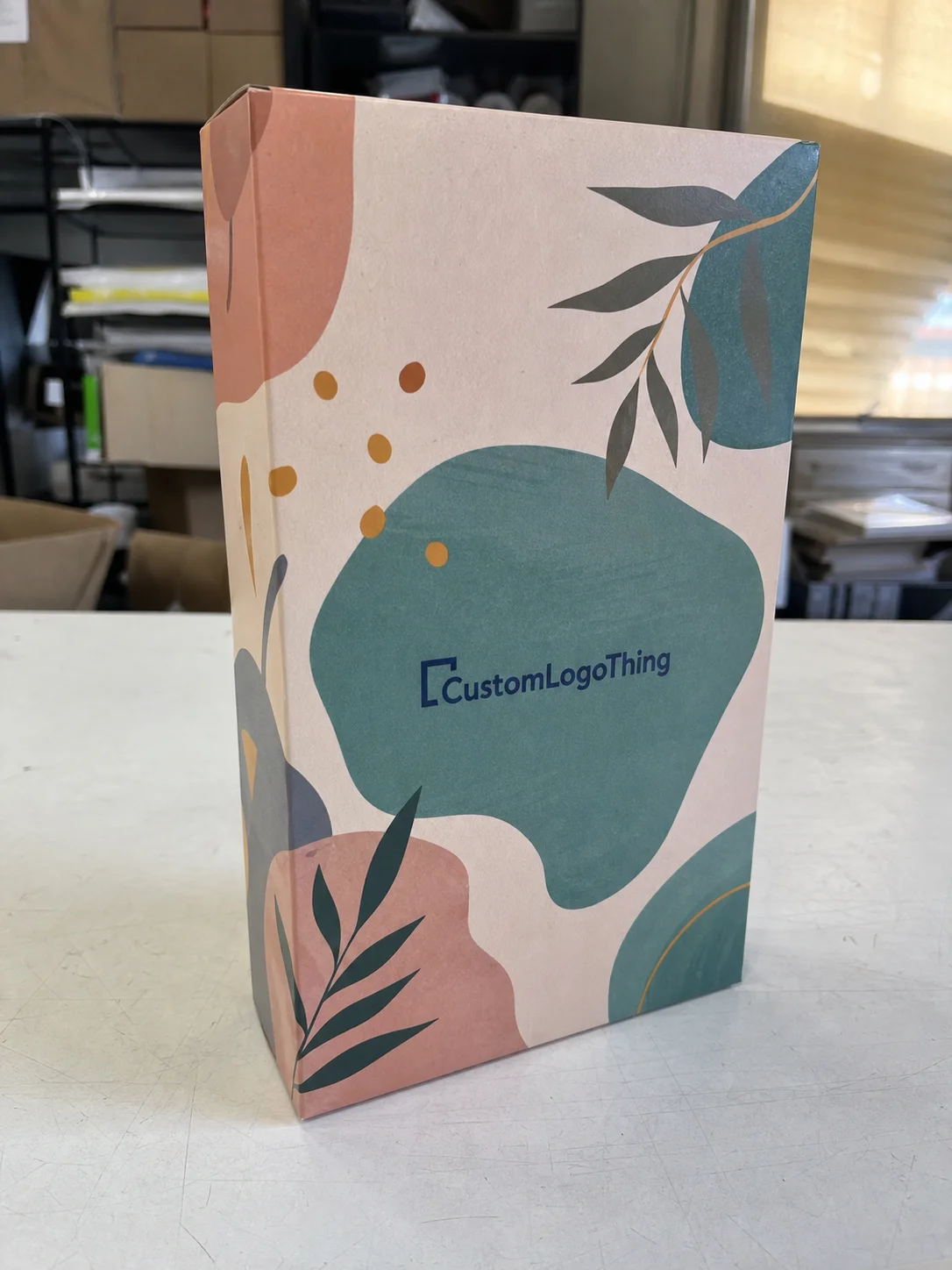
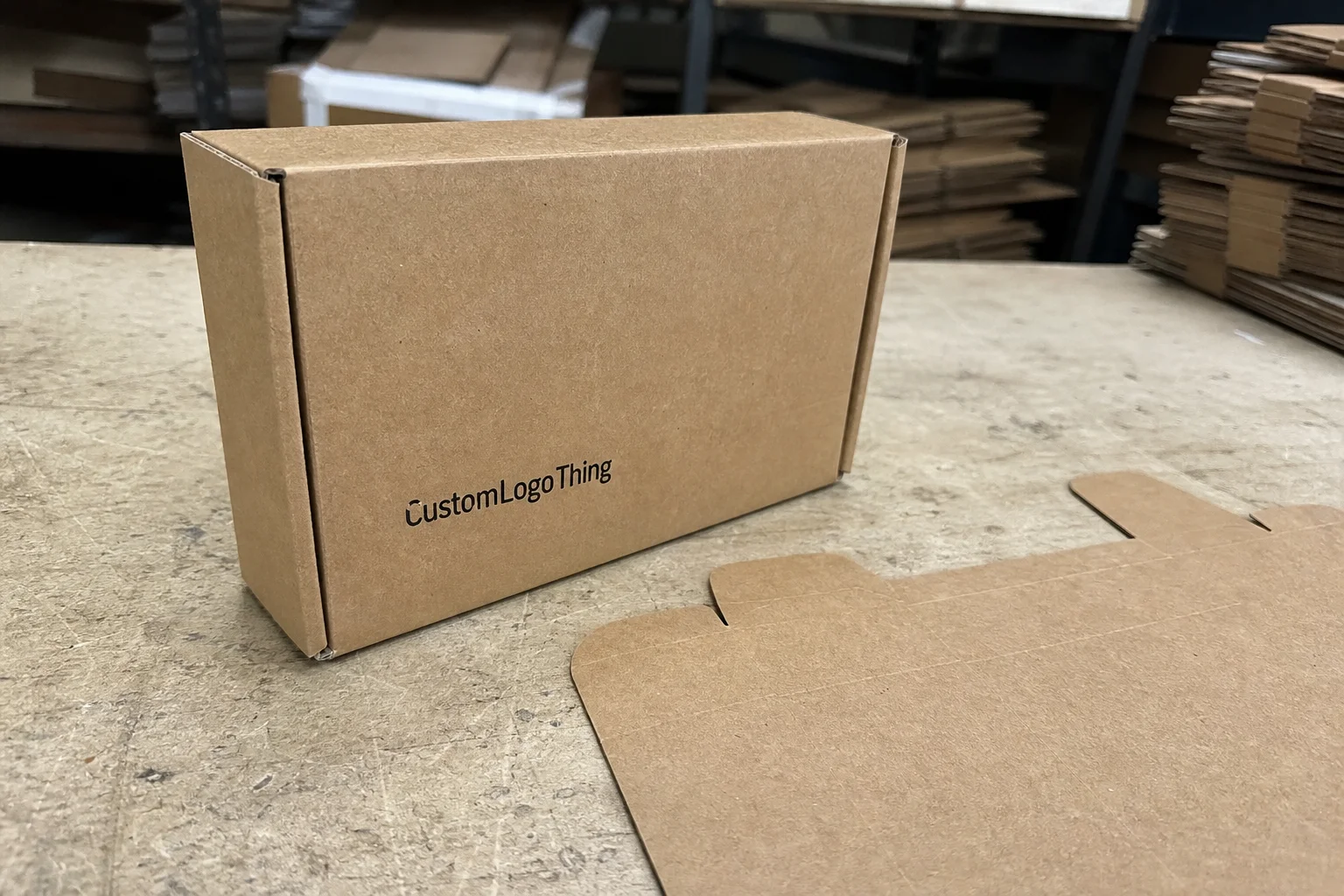
Kraft subscription boxes are underrated. They’re cleaner visually, usually faster to print, and often easier to position as recyclable or lower-impact packaging. But they need design discipline. If the typography is weak or the ink coverage is too sparse, the box can drift from “earthy and premium” to “unfinished.” The best packaging for subscription boxes in kraft form usually uses one bold color, strong contrast, and tight box sizing. Otherwise it starts to look like a craft fair that got lost on the way to a boardroom.
Custom inserts are the hidden variable. I’ve seen a $0.55 box outperform a $2.10 box simply because the insert held each item in place. This is why packaging design matters as much as the material spec. A smart insert system can turn average product packaging into something that feels intentional and expensive. And it saves you from that awful moment when a customer opens the box and everything is rolling around like loose change in a car cup holder.
Detailed Reviews: Best Packaging for Subscription Boxes by Use Case
If you want the honest version, the best packaging for subscription boxes depends on what is inside the box, how far it ships, and what the subscriber expects to feel when they open it. That sounds obvious. Most bad packaging decisions happen because teams ignore one of those three inputs. I’ve watched more than one “beautiful” packaging system fail because nobody asked whether the products were going to bounce, leak, or get squashed in transit during a 1,200-mile route from Dallas to Chicago.
Mailer Boxes for Most DTC Subscription Brands
Mailer boxes are usually my first recommendation. They score well on speed, printing, and customer experience. A 24 pt E-flute mailer with a four-color exterior and a matte aqueous coating can look expensive without acting expensive. On one apparel client’s launch in Los Angeles, we switched from a plain folding carton plus overwrap to a printed mailer box, and customer photo sharing increased noticeably because the box itself looked good enough to post. People really do judge the box before they judge the contents (which, fair enough, the box is the first thing they touch).
The negatives are real. A mailer box that is too large wastes corrugated board and increases dimensional weight. Too thin, and corners crush in transit. I’ve seen cheap mailers fail after a 30-inch drop test when packed with a loose bottle and a sachet. So yes, mailer boxes are often the best packaging for subscription boxes, but only if the size and board grade are right. Otherwise they become a lesson in why “close enough” is not a packaging strategy.
Corrugated Shipping Boxes for Heavier Kits
Corrugated shipping boxes are better when the contents have real mass: candles, jars, meal kits, or mixed-item bundles. They provide excellent crush resistance, especially when combined with dividers or molded pulp trays. If you need a box to survive both automated sortation and rough carrier handling, corrugated is usually the safest bet. A 44 lb burst-strength spec or a 32 ECT single-wall build is common for lighter kits, while denser subscriptions may move to double-wall construction.
The tradeoff is presentation. An uncoated outer shipper can feel utilitarian unless you spend on print. Still, I’ve seen brands use a minimal one-color logo and a strong inside panel to create a premium opening moment at far lower cost than rigid packaging. For many operators, the best packaging for subscription boxes is a corrugated shipper with brand discipline, not a luxury shell. That answer disappoints people who want sparkle, but it keeps the finance team from having a tiny nervous breakdown.
Rigid Boxes for Premium and PR-Style Launches
Rigid boxes make sense when perception is everything. They’re common in prestige beauty, influencer kits, and special-edition subscription drops. A setup box with 1200 gsm greyboard, wrapped in printed art paper, can deliver that satisfying lift-and-lid feel customers associate with luxury. In practice, a rigid box from a Dongguan factory can take 15 to 20 business days after proof approval, which matters if the campaign is tied to a launch date in New York or London.
I’ve also seen rigid packaging turn into shelfware because the economics didn’t hold. Labor is higher. Freight is heavier. Storage is bulkier. If the box is not creating enough repeat value—via retention, press, or giftability—it’s easy to overbuy. The best packaging for subscription boxes is not automatically the most tactile one. Sometimes the most expensive thing in the room is just the loudest.
Kraft Subscription Boxes for Clean, Natural Branding
Kraft boxes work best when the brand story leans natural, handmade, refillable, or low-waste. They pair well with soy-based inks, water-based coatings, and simple typography. A lot of sustainable brands choose kraft because it feels honest, and honestly, that’s not a bad instinct. A 350gsm C1S artboard liner on a kraft outer can also sharpen color without losing the natural look that shoppers expect.
The downside is print contrast. Dark kraft can absorb detail and make small text look muddy. You need confident artwork. When the design is weak, the box feels unfinished rather than intentional. The best packaging for subscription boxes in kraft form usually keeps the graphics simple and the fit tight. I’ve seen gorgeous concepts die because the lettering disappeared into the substrate like it was trying to hide.
Custom Inserts and Dividers
If I had to name the most underestimated part of subscription packaging, it would be inserts. They are not glamorous. They are often invisible when they work correctly. But they do more to reduce breakage than an extra layer of outer-board thickness in many cases. A die-cut insert with 3 mm cavity clearance can stop bottle shake far more effectively than a heavier box with loose internal space.
Paperboard dividers, molded pulp trays, EVA foam, or corrugated partitions can all be used depending on the product. A beauty brand I worked with reduced leakage complaints by 27% after changing from loose void fill to die-cut paperboard inserts that fixed the product necks upright. That is why the best packaging for subscription boxes is often really a box-and-insert system, not one box by itself.
“The box looked expensive, but the inserts were what stopped the returns.” That was the line a fulfillment manager in Columbus, Ohio gave me after we fixed a premium tea kit that kept arriving with broken jars. She was right.
Cost and Pricing Breakdown for Subscription Box Packaging
Money has a way of exposing every weak packaging choice. On paper, the unit price is easy. In practice, the real cost includes inserts, tape, labor, freight, warehouse space, and replacement shipments. The best packaging for subscription boxes is almost never the cheapest box quote. I wish it were that simple, but packaging budgets have a habit of growing teeth.
Here are realistic starting ranges I see for custom runs, assuming typical subscription volumes and standard print setups:
- Mailer boxes: $0.38–$1.25 per unit at 1,000–5,000 units
- Corrugated shipping boxes: $0.22–$0.95 per unit at 1,000–5,000 units
- Rigid boxes: $1.80–$6.50+ per unit depending on wrap, magnet, and finish
- Custom inserts: $0.10–$1.20 extra depending on material and die-cut complexity
Those numbers change quickly with size. A 10 x 8 x 3 in mailer usually costs less than a 14 x 10 x 4 in version because board consumption and shipping class both rise. Print complexity matters too. Foil stamping, spot UV, embossing, and soft-touch lamination can add anywhere from $0.12 to $0.70 per box, depending on the run. A 5,000-piece order with a simple one-color exterior in Chicago can land around $0.15 per unit for the ink pass alone, while a four-color premium finish in Shenzhen may jump to $0.48 or more before inserts. When brands ask me for the best packaging for subscription boxes, I always ask what the total landed cost is, not just the box price. The quote is never the whole story.
| Cost factor | Typical impact | Why it matters |
|---|---|---|
| Box size | High | A bigger box increases board usage and dimensional weight |
| Print coverage | Medium to high | More ink and more passes raise cost |
| Special finishes | High | Foil, embossing, and coatings add production steps |
| Inserts | High | Can lower breakage and returns, but add BOM cost |
| Assembly labor | Medium to high | Complex boxes slow fulfillment lines |
| Freight and storage | High | Oversized or rigid packaging costs more before it ships |
One client wanted a premium gift box at $3.10 per unit, which seemed acceptable until we added inserts, polybags, warehouse pick time, and replacement shipments. The all-in packaging cost landed at $5.74 per subscriber, and the assembly team in New Jersey needed an extra 14 minutes per case pack. That changed the math immediately. The best packaging for subscription boxes is the one that survives the full cost stack, not the sample quote. I’ve had that conversation enough times to know the pause that follows is always the same: long, quiet, expensive.
There’s also a marketing effect here. Custom printed boxes reduce the need for extra inserts, belly bands, and external brand cards because the packaging itself carries the message. That can trim secondary spend. On a 4,000-unit beauty program in Toronto, we removed an outer sleeve and saved $0.28 per shipment while improving the shelf appeal. That is the kind of arithmetic that keeps a brand healthy. It’s not flashy, but it works.
For brands with tighter margins, I usually warn against choosing premium packaging before confirming retention and damage rates. A high-AOV subscription can absorb a nicer box. A low-margin consumables subscription often cannot. The best packaging for subscription boxes should support subscriber lifetime value, not just launch-day excitement. Launch-day excitement is lovely; profitability is what pays everyone.
For sourcing, I also point brands to Custom Packaging Products when they need to compare custom printed boxes, mailers, and inserts in one place. If you’re trying to connect brand look with shipment math, that kind of side-by-side view saves time.
Process and Timeline: How Long Best Packaging for Subscription Boxes Takes to Produce
Production time matters more than most founders expect. The packaging schedule has to sync with your subscription cadence, or you end up paying for emergency air freight and rushed proofs. The best packaging for subscription boxes is worthless if it arrives after subscriber billing is locked. I’ve watched more than one team learn that lesson the hard way, usually while staring at a calendar and muttering things nobody would print in a case study.
The typical workflow looks like this:
- Dieline setup — 1 to 3 business days for standard structures, longer for custom inserts.
- Artwork proofing — 2 to 5 business days depending on revisions.
- Sampling — 5 to 10 business days for physical prototypes.
- Approval — 1 to 3 days if the team is aligned.
- Production — 10 to 20 business days for most custom corrugated runs.
- Freight — 5 to 35 days depending on route and mode.
Rigid boxes usually sit at the slower end because they involve more hand assembly, more material handling, and more finish steps. Specialty foil, magnet closures, or bespoke wrap paper can push the schedule by 1 to 2 weeks. I’ve seen a launch delayed because a gold foil area needed three proof corrections and the client kept changing the Pantone by half a shade. That happens. The best packaging for subscription boxes should be designed with practical timing, not wishful timing. In many factories near Shenzhen and Ningbo, the full cycle from proof approval to ship-ready cartons is typically 12 to 15 business days for standard mailers, and 18 to 25 business days for rigid structures with custom wraps.
One operations team I advised planned a product drop for March, but their packaging approval wasn’t finalized until late January. That left no room for insert revisions after the first drop test failed. We saved the launch by switching from a rigid structure to a printed mailer with molded pulp inserts. It wasn’t the original dream, but it shipped on time and cut total lead time by 11 days. Nobody put that on a mood board, but everyone liked being on time.
Here’s a production-readiness checklist I recommend before you sign off:
- Final product dimensions and weight, down to the ounce or gram
- Insert spec with exact cavity measurements
- Shipping method and carton pack-out ratio
- Artwork locked with bleed, barcode, and regulatory copy
- Drop test or transit simulation completed
- Backup supplier capacity for peak periods
If you are building a recurring business, the best packaging for subscription boxes is often the one that can be replenished predictably, not the one that requires a 10-step approval chain every single month. Repetition is the whole business model, after all.
How to Choose the Best Packaging for Subscription Boxes
Start with the product. Fragile items need stability. Lightweight items need efficiency. Premium items need presentation. That sounds basic, but I’ve seen brands pick packaging based on a mood board and then act surprised when the carrier network disagrees. The best packaging for subscription boxes comes from matching the box to the customer promise, not to the prettiest mockup. A skincare set with six glass bottles and a magnetic closure has a different job than a three-pack of cotton tees.
Use this decision frame:
- Fragility: Glass, ceramics, and liquids need custom inserts and crush-resistant board.
- Average order value: Higher AOV can support premium finishes and heavier materials.
- Shipping distance: Cross-country parcels need more protective structure than local delivery.
- Brand positioning: Value brands should prioritize efficiency; premium brands should prioritize presentation.
- Fulfillment method: Manual packing can tolerate more complexity than automated lines.
Standard sizes usually beat fully custom dimensions when you need to control dimensional weight charges. I’ve seen brands save 12% to 18% on parcel cost just by trimming 0.75 in from one dimension and improving pack density. But standard size only works if the product fits without stress. If the box is too loose, you lose the very thing you were trying to save. The best packaging for subscription boxes is often a custom dimension that fits tightly and ships economically.
Sustainability deserves an honest conversation. Recyclable board is good. FSC-certified paper is better if your sourcing chain supports it, and the FSC site is a useful reference for chain-of-custody basics: fsc.org. A recyclable box that is 40% larger than needed is not a clean story. Oversized packaging increases material use, void fill, and transport emissions. I’ve seen brands make louder eco claims than their carton footprints justified. The best packaging for subscription boxes should be material-efficient first, then marketable.
For shipping validation, I trust practical testing. A drop test from 30 inches, corner and edge, tells you more than a mood-board review. ASTM and ISTA protocols exist for a reason; they turn opinions into repeatable checks. Packaging.org also has useful industry context on materials and shipping behavior: packaging.org. The best packaging for subscription boxes should be tested like a shipping system, not styled like a prop.
If you sell wellness or supplement kits, check product compliance too. Print placement, ingredient panels, and seal integrity matter. If you sell apparel, presentation and quick pack-out dominate. If you sell food, temperature and tamper evidence enter the conversation. The best packaging for subscription boxes changes by category more than many sales pages admit. I wish there were one answer that fit everything, but packaging rarely rewards laziness.
Our Recommendation: The Best Packaging for Subscription Boxes by Business Type
If you want the short version, here it is: for most brands, the best packaging for subscription boxes is a custom printed mailer box with tailored inserts. It gives you a strong balance of cost, branding, protection, and fulfillment speed. It is usually easier to scale than rigid packaging and more premium-looking than plain corrugated. A good supplier in Vietnam or South China can often turn that format in 12 to 18 business days after proof approval, which fits many monthly subscription calendars.
Here’s how I would sort the options by business type:
- Beauty and skincare: Custom mailer box + paperboard or molded pulp inserts.
- Apparel: Printed mailer box or kraft subscription box with light internal branding.
- Food and beverage: Corrugated shipping box with insulation or dividers as needed.
- Wellness and supplements: Mailer box with secure inserts and tamper-conscious pack-out.
- Luxury gifts / PR drops: Rigid box only if margins and marketing value justify it.
I would not start with rigid packaging unless the box itself is part of the product. That’s true for some gift subscriptions and launch kits, but not most recurring programs. A monthly box should feel special without becoming a cost anchor. The best packaging for subscription boxes is usually the one that can handle volume without losing its personality. You want memorable, not dramatic in the accounting software.
My phased rollout recommendation is straightforward:
- Choose one proven structure and size it correctly.
- Order samples in two material options.
- Run a small live shipment test with real products.
- Measure damage, pack time, and customer feedback.
- Upgrade finishes or inserts only after performance is stable.
That approach keeps the brand from overinvesting too early. I saw this work for a pet subscription brand in Nashville that initially wanted a full rigid presentation box. We shifted them to a printed mailer with a die-cut insert and a stronger exterior artwork system. The packaging budget fell by 22%, and the customer satisfaction score stayed flat. That’s the kind of result I look for when I say the best packaging for subscription boxes is the one that fits the business model.
If you’re deciding now, ask three questions: Does it protect the contents? Does it fit the margin? Does it make the subscriber want to open the next box? If the answer is yes three times, you’re close. If not, keep testing. The best packaging for subscription boxes is not chosen by trend. It is earned through shipping, math, and repeat orders.
FAQs
What is the best packaging for subscription boxes if I sell fragile items?
Use a corrugated mailer or shipping box with custom inserts to keep products from shifting during transit. Prioritize crush resistance and internal fit over decorative extras. A 32 ECT or double-wall corrugated build with molded pulp or die-cut paperboard inserts can make a big difference. Test the box with real shipping conditions before placing a large order.
Is a mailer box or rigid box better for subscription packaging?
Mailer boxes are usually better for cost control, shipping efficiency, and scalable fulfillment. Rigid boxes are better when premium presentation is worth the added material and freight cost. Choose rigid only if the customer experience justifies the margin impact, especially when your AOV is above $120 and your launch window can absorb a 15-20 business day production cycle.
How much does custom subscription box packaging usually cost?
Cost depends on size, material, print complexity, inserts, and order volume. Simple kraft or corrugated boxes are generally cheaper than rigid packaging with special finishes. For example, a 5,000-piece mailer run might land around $0.15 per unit for a simple one-color print pass, while a rigid gift box with foil and magnet closures can run $3.10 to $6.50 per unit. Always compare unit price plus labor, freight, and replacement costs for a true total cost.
How long does it take to produce custom subscription boxes?
Standard packaging can move faster than highly customized premium boxes. Sampling, proofing, and insert development can add time to the schedule. Typical timelines are 1 to 3 business days for dielines, 2 to 5 days for proofs, and typically 12 to 15 business days from proof approval for many corrugated mailer runs in factories in Shenzhen, Dongguan, or Ningbo. Build in extra lead time before subscription launches or seasonal peaks.
What packaging looks premium without driving up shipping costs?
Custom printed mailer boxes with smart inserts often deliver a premium feel without the weight of rigid packaging. Use strong branding, clean interior printing, and precise sizing instead of oversized heavy materials. A 24 pt E-flute box with a matte aqueous coating and a 350gsm C1S artboard insert usually feels more premium than a larger box with more filler, and it ships at a lower cost.
After testing dozens of structures, I keep coming back to the same conclusion: the best packaging for subscription boxes is the one that protects products, fits margins, and still makes customers want to subscribe again. That might be a mailer box with inserts, a corrugated shipper for heavier kits, or a simpler kraft build with disciplined branding. The format matters, but the system matters more. If you need a practical starting point, choose a custom printed mailer box, lock the internal fit, and test it under real shipping conditions before you scale. That’s the move that saves money, reduces headaches, and keeps the next delivery feeling worth opening.