Custom Reusable Bags do more than carry a purchase from the counter to the car. They keep working after the sale, which is the part many packaging choices never manage. A bag that gets used again at the office, in the grocery aisle, or on a weekend errand keeps the logo visible without asking for extra budget every time it leaves the building.
The reason these bags have become such a steady packaging option is simple: they combine utility with brand exposure. That sounds basic, but in practice it matters a lot. A bag that feels flimsy or awkward gets abandoned quickly. A bag that feels sturdy, holds its shape, and carries weight comfortably tends to stay in circulation. The difference shows up in the customer experience and in the life of the brand mark itself.
That said, not every reusable bag serves the same function. A promo tote for an event, a grocery bag for heavier items, and a polished retail carrier for apparel all demand different materials, different construction, and different print methods. Buying well means matching the bag to the use case instead of treating every tote as interchangeable.
Why custom reusable bags keep outperforming disposable carriers
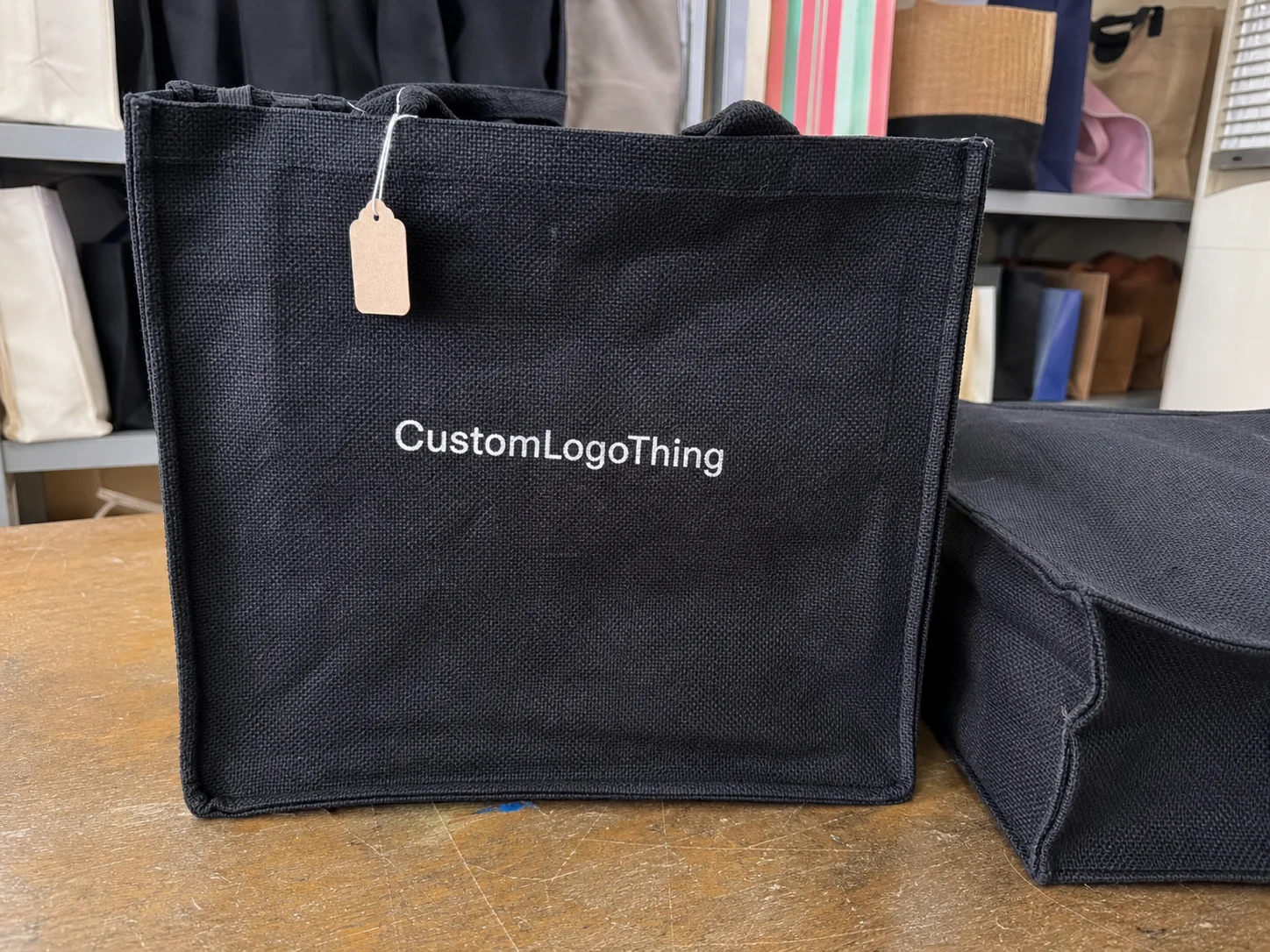
Disposable mailers and paper carriers still have a place, especially when the job is simply to move goods from one point to another. But they usually stop working the moment the product is opened. Reusable bags keep the branding visible well past that first moment, and that is where they earn their keep.
For retail packaging, trade shows, food service, and subscription-style handoffs, a reusable bag adds a small but meaningful sense of value. Customers notice when the carrier feels intentional instead of disposable. They also notice handles that dig into the hand, corners that collapse under load, and seams that give way before the purchase gets home. The bag may be “just packaging” to the buyer on the sourcing side, but to the end user it is part of the product experience.
Common styles include non-woven polypropylene totes, Woven Polypropylene Bags, cotton or canvas bags, and laminated styles with a smoother, more finished appearance. Each one sits in a different part of the market. Non-woven bags are common for events and lighter retail loads. Woven polypropylene offers more structure and better load resistance. Cotton and canvas feel more premium and tend to be kept longer. Laminated bags usually land in the retail presentation category, where the surface looks cleaner and the print can appear sharper.
“The first things buyers remember are not the mockup colors. They remember whether the handles felt comfortable, whether the seams held, and whether the bag still looked decent after a few uses.”
That is the real tradeoff. Upfront cost is higher than a disposable carrier, but the bag can deliver repeat exposure at no additional production expense. For brands that care about package branding, that equation is hard to ignore.
How custom reusable bags are made and printed
The manufacturing process is not complicated, but it does have enough variables to affect price and performance. It usually starts with material selection, then cutting, folding, and stitching or heat sealing, depending on the bag style. Handles are attached, gussets or bottom panels are added if the design needs extra space, and finally the print is applied. After that comes inspection, which is where weak seams, misaligned logos, and inconsistent color can be caught before the bags leave production.
Print method matters as much as material. Screen printing is a common choice for solid spot colors and simple logos. It is practical, durable, and often cost-effective at moderate to larger quantities. Heat transfer is useful for smaller runs or more detailed artwork. Digital print can support short runs and more color variation, though the final look depends heavily on the substrate. Offset-lamination is typically used on coated or laminated bags where the graphic needs a clean, retail-ready finish.
Artwork complexity changes the outcome more than many first-time buyers expect. Thin type, fine lines, gradients, and dense detail can look good on a screen and fail on textured material. If the logo is full of tiny elements, ask whether it still reads at actual bag size. Often the smarter move is to simplify the artwork slightly so the print remains clear across the whole production run. That is not a compromise on branding; it is a production decision.
Quality control should include seam strength, handle attachment, print alignment, and ink adhesion. These are not decorative checks. A reusable bag that looks perfect in a rendering but loses shape when loaded is not doing its job. Good buyers ask how the bag is built at the stress points, especially around handles and side seams, because those are the first places problems appear under repeated use.
Materials, durability, and the details buyers usually miss
Material choice is where budget either gets managed well or gets absorbed by reorders later. Non-woven polypropylene is the entry-level workhorse: light, flexible, and suited to promotional use, retail giveaways, and lighter purchases. Woven polypropylene brings more structure and better load performance, which makes it better for groceries or heavier merchandise. Cotton and canvas sit in the premium category, offering a softer hand feel and a more substantial impression. Laminated bags are useful when the priority is a sharper visual finish and a wipe-clean surface.
The right material depends on how often the bag will be reused and what it has to carry. A bag used once a week for a few months has very different requirements from one used daily. Buyers sometimes focus too heavily on the look of the sample and not enough on how the material behaves after folding, loading, and repeated handling. A bag that seems fine on a desk can look tired very quickly if the base is too soft or the seams are underbuilt.
Size is another area where orders go sideways. A beautiful render can still fail if it is too narrow for the product or too shallow for the contents. Measure the actual item first. Then add width, height, and gusset depth for room to spare. If the bag will be carried on a shoulder, handle length should be checked rather than guessed. Too short is awkward. Too long can make the bag feel loose and unstable.
| Material | Typical use | Strength / feel | Usual price band |
|---|---|---|---|
| Non-woven PP | Events, promos, light retail | Light, economical, suitable for repeated light use | Lowest |
| Woven PP | Groceries, heavier merchandise | More structured, stronger carry performance | Low to mid |
| Cotton / canvas | Premium retail, branded merchandise | Soft hand feel, durable, more premium presentation | Mid to high |
| Laminated | Retail packaging, presentation-focused bags | Glossy, wipe-clean, visually sharp | Mid to high |
Handle construction deserves just as much attention. Loop handles are common and economical. Die-cut handles work well on slimmer carrier styles. Sewn handles and reinforced options hold up better with heavier items. If the bag will regularly support weight, reinforcement at the seam and handle attachment point is not optional. That is where the load transfers, and that is where poor construction becomes obvious very quickly.
Print coverage also affects the final result. Larger decorated areas improve visibility, but heavy ink coverage can change the hand feel and raise cost. More colors usually mean more setup and more potential for variation. In many cases, one or two strong colors on the right material look cleaner and cost less than a crowded full-color layout. That balance often matters more than buyers expect.
Sustainability claims need precision. Reusable does not automatically mean recyclable, and recycled content does not mean biodegradable. If environmental language will appear on the bag or in product copy, confirm what the material actually supports. For broader waste-reduction guidance, the EPA’s recycling resources are a useful reference: EPA recycling and waste reduction resources. For fiber sourcing language, FSC provides helpful standards information: FSC certification information.
Pricing, MOQ, and the cost drivers that change everything
Pricing for custom reusable bags is usually driven by five variables: material weight, size, print colors, construction complexity, and quantity. Those factors interact. A larger bag uses more material. A bag with reinforcement requires more labor. A design with multiple colors may need extra setup. Once you see the order that way, the quote starts to make a lot more sense.
At the low end, simple non-woven bags in higher quantities can often land in the rough range of $0.70-$1.50 per unit, depending on size and decoration. Premium tote styles, especially cotton, canvas, or laminated constructions with better finishing, can rise well above that range. Exact pricing shifts with print coverage, material weight, and freight. The unit price alone does not tell the full story.
MOQ has a direct effect on cost. Lower minimums usually carry a higher per-unit price because the setup burden is spread across fewer pieces. Larger runs improve the unit cost, but they also tie up more cash and storage space. If a buyer only needs 300 bags for a launch or event, ordering 3,000 because the unit price looks better on paper can be a false economy. If the bag will be used across multiple campaigns or locations, a larger order may be justified.
There are also side costs that can make a quote look better than it really is:
- Artwork cleanup if the file is not vector-based or needs adjustments.
- Setup fees for screens, plates, or special print preparation.
- Freight, especially on bulky orders where cartons take up space.
- Rush charges if the schedule gets compressed.
- Sampling costs when material or print quality needs verification before full production.
The practical rule is straightforward. Spend more on construction when the bag will be reused often. Spend more on print quality when the bag itself is part of the presentation. If the purpose is trade show visibility, a bright logo and efficient unit cost may matter most. If the bag will be handed out at retail, feel and durability can be more important than decoration density. Either way, the best price is the one that fits the job, not the one that looks lowest in a spreadsheet.
If a bag program needs to sit alongside other packaging items such as folding cartons, mailers, or presentation boxes, it helps to compare it with Custom Packaging Products as a category rather than as a one-off purchase. That keeps the packaging strategy tied to function instead of habit.
Production steps, turnaround, and where delays typically start
The standard sequence is quote, artwork review, proof approval, production, inspection, and shipping. Each stage sounds simple, and each stage can slow the order if the details are vague. Missing artwork, unclear dimensions, or late changes to the bag style are the usual trouble spots.
Turnaround depends on the bag type and the production method. Simple stock-style bags with basic printing can move faster than custom sizes or specialty finishes. A common range for straightforward orders is about 10-15 business days after proof approval, although more complex builds, heavier materials, or custom construction can extend that schedule. Shipping time is separate, and freight adds another variable that should be built into the timeline early.
Proofing should be treated as a production checkpoint, not a formality. A digital proof helps confirm layout, placement, and overall appearance, but it does not fully show how a material will react to print or how the finished bag will feel in hand. If color accuracy matters, ask about PMS matching tolerance in writing. If the bag has a coated or textured surface, expect some variation from what appears on screen.
Most delays come from a handful of predictable issues:
- Low-resolution or missing artwork files.
- Late changes to size, color count, or bag style.
- Unclear handle, gusset, or reinforcement specs.
- Sample revisions that restart approval timing.
- Freight problems that were not planned for early enough.
Good buyers build time for samples and shipping. That is not caution for its own sake. It is a practical way to avoid paying for rush handling or settling for a rushed approval because the launch date is fixed. The schedule is always calmer when the specs are settled early.
How to order the right bag without overbuying
Start with the use case. A retail purchase bag, an event giveaway, a grocery carrier, and a food-service handoff are not interchangeable. Weight, reuse frequency, print visibility, and presentation all pull in different directions. The material should follow the use case, not the other way around.
Next, set the construction. Choose between non-woven, woven polypropylene, cotton, canvas, or laminated styles based on how much the bag needs to carry and how polished it should look. This is where buyers often overspend. Premium does not automatically mean appropriate. A simple, well-built bag can outperform a more expensive option if the job is straightforward.
Then lock down size, handle style, and print area before asking for quotes. Otherwise you end up comparing quotes that are not actually comparable. If the bag needs to hold a box, use the box dimensions as the starting point. If it will carry folded apparel, think about the stack height and whether the sides need room to expand. The same logic applies to handle length and closure style.
Artwork should be prepared in vector format whenever possible. Clean spot colors are usually easier to print than gradients or very small lettering. If the artwork is too detailed, simplify it for production. Packaging art has to survive scaling, material texture, and print limitations, which means the screen version and the production version are rarely identical.
Before approving production, ask for samples of similar materials rather than relying only on renderings. Real samples reveal stiffness, texture, seam quality, and print behavior in a way that mockups cannot. They also make it easier to judge whether the bag feels aligned with the brand or just technically correct.
For buyers who also manage custom printed boxes or other retail packaging, it helps to keep a simple spec sheet on file. That reduces rework on future orders and makes reorder decisions faster. The fewer times you have to rebuild the same spec from scratch, the less likely it is that a dimension or print detail gets lost along the way.
Common mistakes that lead to wasted budget
The first mistake is choosing a bag that looks premium but does not hold up in real use. Thin handles, weak seams, and flimsy material can make a bag feel disposable even if it was intended to feel elevated. That usually shows up as poor customer perception before the end of the first day.
The second mistake is ordering the wrong size. It happens constantly. The product does not fit, the gusset is too shallow, or the handle length makes shoulder carry awkward. A bag that is too small gets repurposed or discarded, which defeats the purpose of a reusable format.
The third mistake is overcomplicated artwork. Fine detail, tiny text, and layered gradients can look strong in a design file and weak in print. Textured materials make the problem worse. Cleaner artwork is usually easier to print, easier to approve, and easier for customers to recognize from a distance.
The fourth mistake is ignoring weight limits and reinforcement. A bag meant for apparel may be fine with a lighter build, while a bag intended for food or hard goods needs stronger seams and better handle attachment. Buyers should ask how stress points are reinforced, because that is where failures begin. Those questions sound dull, but they are usually the difference between a bag that lasts and one that gets replaced quickly.
The fifth mistake is focusing only on unit price. Setup, freight, sampling, and replacement costs can shift the total far enough that the “cheaper” option becomes more expensive in practice. If a bag tears once or gets handed out but never reused, the low unit cost was not really a savings. It was just a smaller number on a quote.
Practical tips before you request a quote
Keep the spec list tight. Two or three realistic options are easier to price accurately than a long list of maybes. Narrowing the field also makes it easier to compare samples and avoid back-and-forth that does not improve the final bag.
Ask for samples of similar materials. A digital mockup is useful for layout, but it cannot tell you how the bag feels in hand or how the handles sit under load. Those details matter because the customer touches them every time the bag is used.
Confirm print colors, PMS tolerance, and artwork placement in writing. If those details drift later, the final product can look different enough to create avoidable revision cycles. The cleaner the approval stage, the less likely it is that production has to slow down for clarification.
Decide whether the bag needs to be foldable, insulated, rigid, or simply durable. Those priorities lead to different constructions. If the bag is likely to live in a car trunk, foldability helps. If it will carry cold items, insulation becomes part of the design brief. If the goal is premium presentation, finish and structure matter more than portability.
Before you request pricing for custom reusable bags, have five points ready: use case, target quantity, approximate size, preferred material, and intended imprint area. That gives a sourcing team enough information to price accurately without guessing. It also helps avoid the most common problem in packaging procurement, which is pretending that a vague request can produce a useful quote.
Used well, these bags extend brand visibility and support the overall packaging experience. Used carelessly, they become another expense tied to a product launch no one remembers. The difference usually comes down to material choice, construction, and whether the buyer treated the bag like a real functional item instead of a placeholder.
What materials are best for custom reusable bags?
Non-woven polypropylene is the economical choice for events and light retail use. Woven polypropylene is better when the bag needs more structure or weight capacity. Cotton and canvas feel more premium and are often used for retail or branded merchandise. Laminated bags offer a cleaner finish and wipe-clean surface, which works well for presentation-focused packaging.
How much do custom reusable bags usually cost?
Pricing depends on material, size, print colors, quantity, and construction. Basic non-woven bags can fall in a relatively low per-unit range at higher volumes, while cotton, canvas, and laminated styles cost more. Freight, artwork prep, setup, and rush fees can change the landed total, so unit price alone is not enough to judge value.
What is the typical turnaround for custom reusable bags?
Simple stock-style bags with basic printing often move faster than custom sizes or specialty finishes. A common timeline for straightforward orders is about 10-15 business days after proof approval, with longer lead times for complex builds. Shipping time is separate and should be included in the schedule from the beginning.
What artwork format should I use for reusable bag printing?
Vector artwork is the safest choice because it stays sharp at size. Clean spot-color files are usually easier to print than art with gradients or fine detail. Always confirm placement, color count, and any PMS matching tolerance before production begins.
How do I choose the right size for custom reusable bags?
Start with the item the bag needs to carry, then add space for width, height, and gusset depth. Handle length matters if the bag will be carried on the shoulder. If the bag is too small, too shallow, or awkward to carry, customers stop using it quickly, which defeats the purpose of a reusable format.


