Custom Reusable Grocery Bags: What Buyers Should Specify Before Ordering
Custom Reusable Grocery Bags work for one simple reason: they do not disappear after checkout. They end up in trunks, kitchens, break rooms, and store returns, which gives them a longer life than disposable carriers and a better chance of being seen more than once. That visibility is the real value. A bag that gets reused ten or twenty times is not just packaging. It is a durable piece of branded merchandise that keeps doing its job after the groceries are gone.
The mistake is assuming the bag is only a print surface. It is a load-bearing product with its own constraints. Material choice affects strength and hand feel. Handle design affects comfort. Bag dimensions affect what fits inside without collapsing or digging into the shopper's hand. If the spec is vague, the result usually costs more than expected or fails faster than anyone planned.
Why custom reusable grocery bags change checkout behavior
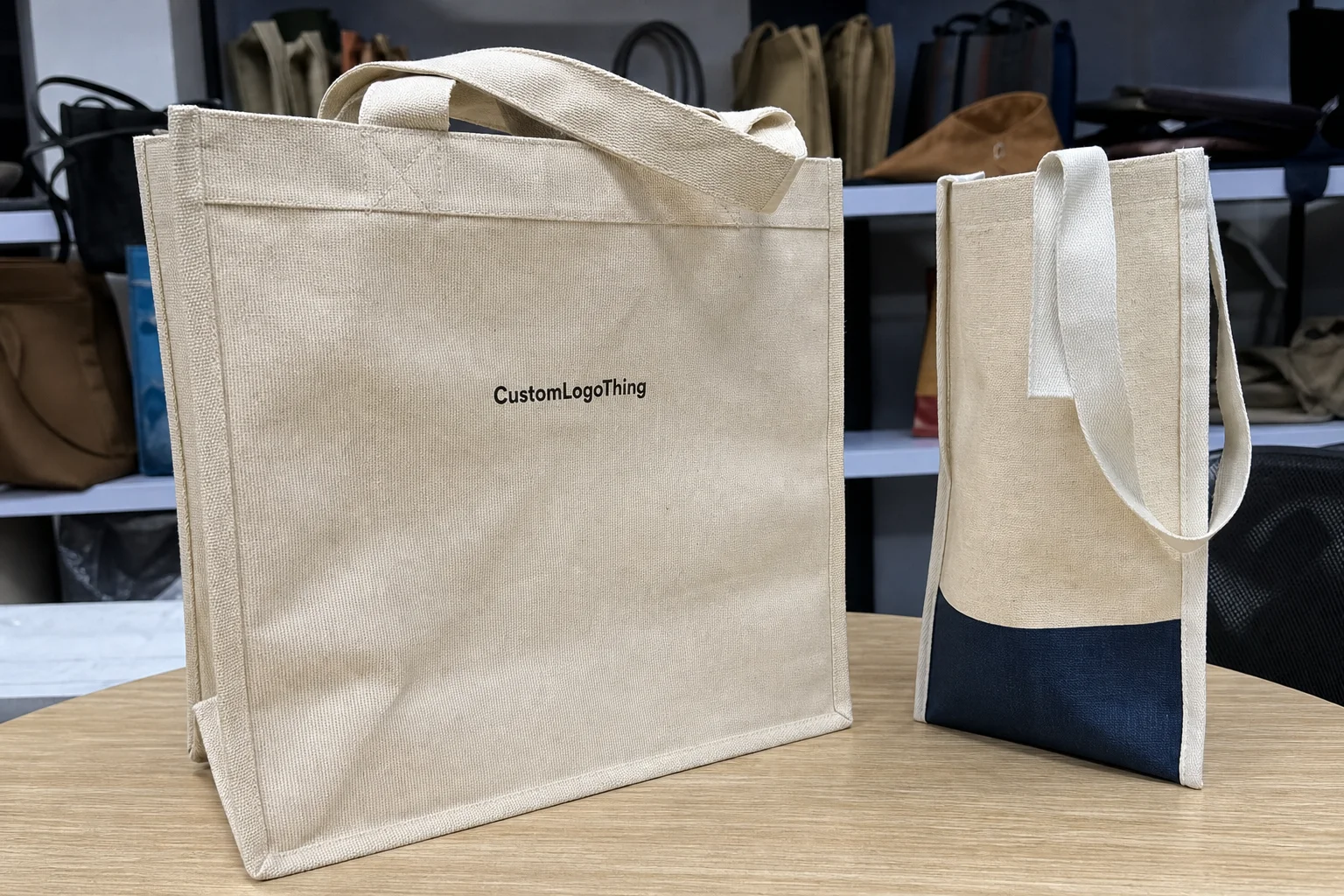
Reusable bags change behavior because they become part of the routine. A shopper who keeps one in the car or by the front door is more likely to bring it to the next store run. That sounds minor, but repeated use is what turns a bag into a brand carrier instead of a one-time handout. A disposable bag may last long enough to leave the store. A reusable bag can leave an impression for months.
For retail packaging teams, that changes the buying logic. You are not purchasing a cheap container for a single transaction. You are buying repeated exposure, better carry comfort, and a product that needs to survive real loading. Milk, produce, boxed goods, frozen items, and odd-shaped purchases create stress points that show up quickly if the construction is weak.
There is also a customer-experience angle that gets overlooked. A good tote reduces friction at checkout because it holds its shape, stands up on the counter, and is easy to pack. A bad one sags, twists, or cuts into the hand. Shoppers notice the difference immediately. They may not describe it in technical terms, but they remember which bag they reach for the next time.
A reusable bag that gets used is an asset. A reusable bag that fails early becomes a complaint, and the brand pays for the mistake twice.
That is why many teams treat these bags the same way they treat other branded packaging. If you already order Custom Packaging Products, the same discipline applies here: choose the lightest construction that still performs, then test whether the finish, print, and structure hold up in actual use.
How materials, handles, and print methods affect performance
Material is the first decision that shapes everything else. Nonwoven polypropylene is the budget-friendly workhorse. It is light, easy to print, and suitable for large promotional runs. Woven polypropylene is stronger and usually survives heavier grocery loads better. Cotton and canvas feel more premium and are common for resale or higher-end retail programs, but they add weight and cost. Recycled PET sits in the middle for many buyers, especially when a cleaner retail look and a recycled-content story matter.
Think about the bag as a structure, not just a substrate. A wider gusset gives cartons and produce more room. Reinforced stitching at the handle anchor matters more than most design mockups suggest. Heat sealing or tighter seam work can reduce early failures, especially where the sides meet the base. If the bag is meant for weekly grocery use, the stress points deserve more attention than the logo placement.
Handles shape the user experience more than people expect. Webbing handles feel secure and can support heavier loads. Die-cut handles keep costs down and work for lighter programs, but they are not the best choice if shoppers routinely carry full grocery hauls. Longer shoulder handles make sense for parking lot carry. Short handles are fine for countertop-to-car use. The right answer depends on what the shopper actually does with the bag after checkout.
Print method is the last piece, and it should follow the artwork instead of dictating it. Screen printing is efficient for bold logos and simpler graphics. Heat transfer can handle more detail and more colors. Flexographic print works well at scale for repeat graphics and straightforward branding. Full-coverage artwork can look strong, but it raises setup demands, proofing time, and sometimes reject risk if the art file is not clean.
| Material | Typical Strength | Look and Feel | Best Use Case | Relative Cost |
|---|---|---|---|---|
| Nonwoven polypropylene | Moderate | Light, practical, promotional | Large giveaways, store events, budget retail programs | Low |
| Woven polypropylene | High | Structured, tougher, more durable | Heavier grocery use and repeat carry | Medium |
| Cotton or canvas | High, depending on weight | Soft hand, premium, retail-friendly | Merchandise bags, resale, branded retail packaging | Medium to high |
| Recycled PET | Moderate to high | Clean, modern, recycled-content look | Retail campaigns and eco-positioned programs | Medium |
For programs that include paper inserts, cartons, or hang tags, document any environmental claims instead of improvising them. If you reference recycled content or FSC certification in your packaging system, support the claim with the right paperwork. The same standard should apply across the full package mix, not just the bag.
Cost, pricing, MOQ, and what drives unit cost
Price is driven by a few predictable variables: material, size, print count, handle style, seam construction, and finishing. Larger bags use more raw material. More colors add setup and proofing work. Reinforced handles and better stitching add labor. Premium fabrics can also increase freight because the bags get heavier fast. None of this is mysterious, but it is easy to miss if you focus only on the unit line item.
MOQ changes the math because setup cost has to be spread across the run. A supplier that needs to prepare screens, verify artwork, cut material, and inspect the first pieces cannot price a 500-unit job the same way it prices a 10,000-unit order. Small runs are possible, but buyers should expect a premium for the flexibility. Larger runs usually bring unit cost down enough to justify holding inventory if the design is evergreen.
One-time costs deserve close attention. Artwork cleanup, plate or screen charges, sampling, packaging inserts, freight, and duties can move the total far more than the quote header suggests. Ask for landed cost. A tote that looks inexpensive ex-works can become uncompetitive once shipping, cartonization, and delivery timing are added.
For a 5,000-piece run, a basic nonwoven bag with one-color print might land around $0.18 to $0.35 per unit before freight and setup extras, depending on size and finish. Woven polypropylene or recycled PET usually sits higher. Cotton and canvas can move above $1.00 quickly, especially if the fabric is heavy, the print is complex, or the bag is meant for resale. Those ranges are directional, not a quote, but they help buyers avoid unrealistic expectations.
| Cost Driver | What It Changes | Buyer Impact |
|---|---|---|
| Material weight | Durability, feel, and shipping weight | Heavier materials usually cost more but last longer |
| Print coverage | Setup, ink usage, and proofing time | More coverage often raises unit cost and approval time |
| Bag size | Raw material consumption | Larger bags can increase cost faster than expected |
| MOQ | How setup cost is spread | Lower quantities usually mean higher per-unit pricing |
| Freight | Total landed spend | Heavy cotton or canvas can cost more to move than to make |
Shipping is often the quiet budget killer. Nonwoven polypropylene ships efficiently because the weight stays low. Cotton and canvas add weight fast, and that can change the economics before the order even lands. If the budget is tight, compare a better-constructed midweight bag against a premium fabric that does not materially improve reuse.
Process and timeline: from artwork to delivery
The production flow is usually straightforward if the buyer stays organized. First comes the spec and price request. Then the artwork goes in. The supplier prepares a proof. If the design is complex, a sample or preproduction check follows. After approval, the order moves into production, inspection, and shipment. Every delay usually traces back to the same places: vague specs, weak files, or late decisions.
Artwork causes more problems than the bag itself. Low-resolution logos, unseparated colors, or a print area that does not match the intended panel all add rounds of revision. The fastest projects are the ones where the buyer already knows the material, size, handle type, quantity, and deadline. That sounds basic because it is. It is also where a lot of schedules slip.
Lead time depends on the construction. A stock format with a simple one-color print can move relatively quickly. Custom dimensions, premium materials, multi-color graphics, and specialty handles take longer. If the bags are tied to a store opening, seasonal promotion, or sustainability launch, work backward from the actual distribution date and build in proofing time plus freight time. That buffer matters more than buyers often admit.
Rush production exists, but it is not a free shortcut. It usually narrows material options, raises cost, or removes a sample round that could have prevented a defect. If the schedule is tight, simplify the spec. That is usually a better move than squeezing every stage and hoping the factory absorbs the pressure.
For teams managing a wider packaging program, align the tote order with other items such as labels, wraps, or custom printed boxes. Shared approval checkpoints reduce rework and keep the visual system consistent across products.
Typical planning range: simple orders may be ready in about 3 to 5 weeks after approval, while custom construction or premium materials can run 6 to 10 weeks or longer once sampling and freight are included.
How to spec size, weight, and durability for real grocery use
Start with the load profile, not the artwork. A shopper carrying produce, cereal, dairy, and a couple of bottles needs a different tote than someone taking home a few lightweight items. Width, depth, and handle length all affect whether the bag feels useful or awkward. If the bag is too narrow, cartons fight for space. If the handle is too short, the weight sits wrong on the hand or shoulder.
Durability shows up in the details. Stitch density at the handle anchor tells you more than a polished mockup. So does seam quality at the base. Fabric weight matters, but so does reinforcement where the bag takes the most stress. A bag can survive because the body fabric is strong and still fail where the handles meet the body. That is a common failure point in grocery use.
Practical testing does not need to be complicated. Load it with a couple of heavy bottles. Add something cold with condensation. Include an item with corners. Fold and unfold it several times. If it still feels stable and the seams stay flat, the spec is probably close. If it twists, sags, or digs into the hand, the shopper will notice on day one.
Better briefs are specific. Instead of asking for a premium bag, say the bag is intended for weekly grocery use, must hold mixed pantry items plus one or two heavier bottles, should survive repeated folding, and should not fail at the handle anchor under normal loading. That gives the supplier something measurable to engineer against.
The cheapest bag is rarely the lowest-cost bag. If it tears, gets replaced, or damages the brand impression at checkout, the real cost rises quickly.
For sustainability-focused programs, durability is part of the message. A bag that is reused many times usually creates better environmental value than a bag with a greener story that wears out before it earns a second trip. Buyers who understand that tradeoff often choose a simpler build with stronger seams instead of a more elaborate tote that underperforms.
Common mistakes that inflate spend or delay delivery
The first mistake is over-specifying the bag. Extra colors, specialty finishes, custom inserts, and premium materials can all make sense in the right program, but they are easy to add before anyone checks whether the audience needs them. For a giveaway or store promotion, the better move is often a stronger base build with a cleaner print. Fancy does not help if the tote is uncomfortable or over budget.
The second mistake is ignoring the actual shopping basket. If the bag cannot fit standard grocery cartons or becomes awkward with frozen items, the design is off no matter how polished the artwork looks. The shopper is not evaluating the render. The shopper is trying to get home without a spill.
Third, vague files create avoidable delays. Send print-ready artwork, define the safe area, and confirm color references before production starts. Small errors on Custom Reusable Grocery Bags are visible every time the bag is used, which makes the proofing stage more important than a lot of buyers realize.
Shipping mistakes are another common source of pain. Incorrect carton counts, unclear destination details, or no freight allowance can push a shipment past the needed date. A buyer can spend weeks negotiating a lower unit price and then lose the savings to rush freight or rework. Landed cost is the number that matters.
Compliance and claims need care as well. If the bags are resold, distributed broadly, or tied to sustainability messaging, document material content and any certifications. If you mention recycled content or FSC claims for packaging components, the paperwork should support the statement. Precision protects both the buyer and the supplier.
Actionable next steps for turning a tote concept into an order
Build a short spec sheet before requesting quotes. Include the intended material, bag size, handle type, print count, approximate quantity, and delivery window. A clear brief reduces guesswork and speeds up pricing because suppliers can quote against something concrete. It also makes it easier to compare offers without sorting through assumptions hidden inside the numbers.
Send one or two reference images and, if possible, describe what the bag will carry. Produce-heavy shopping is not the same as canned goods, and a promotional handout is not the same as a weekly grocery tote. The more the supplier understands the real load profile, the more likely the quote will match the job. A generic brief often produces a generic bag.
Ask for a sample or a proof before the full run. Check the hand feel, the logo placement, and the way the bag behaves when loaded. That review takes minutes and can prevent a much more expensive mistake later. If the tote feels wrong in hand or the seams telegraph weakness, fix it before production starts.
Use the quote conversation to compare more than price. Ask about setup charges, MOQ, lead time, freight, and replacement policy. Ask whether a slightly different size or material weight changes the economics. Often the best option is not the cheapest line item. It is the version that meets the use case without wasting fabric or decoration.
By the time the order is placed, the bag should already have a job. If the goal is a store launch, a seasonal promotion, or a retail packaging refresh, line up production with the first date the bag will actually be handed out. A tote that arrives early and sits in storage is dead inventory. A tote that arrives late misses the campaign.
For buyers evaluating custom reusable grocery bags as part of a broader packaging program, the best results usually come from a narrow brief, a realistic load test, and a design that favors reuse over ornament. That approach keeps the bag useful, the brand visible, and the spend easier to justify.
What materials work best for custom reusable grocery bags?
Nonwoven polypropylene is usually the most cost-effective option for promotions and large giveaways. Woven polypropylene offers better durability for heavier grocery loads. Cotton, canvas, and recycled PET are common when the bag needs a more premium feel or a stronger retail presentation.
How much do custom reusable grocery bags usually cost?
Cost depends on material, size, print complexity, and quantity. A basic nonwoven tote can be priced in the low cents per unit at volume, while woven polypropylene, recycled PET, cotton, and canvas move higher. Freight, setup, and sample charges can change the final landed cost more than the base quote shows.
What is a realistic lead time for a custom order?
Simple designs using stock materials can move faster, often within a few weeks after approval. Custom dimensions, premium fabrics, multi-color printing, and sampling add time. Buyers should plan backward from the required delivery date and allow extra time for proofing and shipping.
What should I send when requesting a quote?
Provide the target size, preferred material, handle type, print file, quantity, and delivery deadline. If the bag has to hold heavier groceries or needs a specific retail feel, say that up front. A clearer brief produces a better price and fewer revisions.
How do I choose the right size for grocery use?
Match the bag to the items shoppers actually carry. Wider gussets help with cartons and boxed goods. Deeper bags work better for mixed loads. Ask for dimensions and load expectations so the bag performs well instead of only looking good in a mockup.


