Buyer Fit Snapshot
| Best fit | Custom Rigid Setup Boxes with Ribbon projects where brand print, material claims, artwork control, MOQ, and repeat-order consistency need to be specified before quoting. |
|---|---|
| Quote inputs | Share finished size, material target, print colors, finish, packing count, annual reorder estimate, ship-to region, and any compliance wording. |
| Proofing check | Approve dieline scale, logo placement, barcode or warning zones, color tolerance, closure strength, and carton packing before bulk production. |
| Main risk | Vague material claims, crowded artwork, missing packing details, or unclear freight terms can make a low unit price expensive after revisions. |
Fast answer: Custom Rigid Setup Boxes with Ribbon: Production Spec, Color Control, and Delivery Risk should be specified like a repeatable production item. The safest quote records material, print method, finish, artwork proof, packing count, and reorder notes in one written spec.
Production checks before approval
Compare the actual filled-product size with the drawing, then confirm tolerance on folds, seals, hang holes, label areas, and retail display edges. Reserve space for logos, QR codes, warning copy, and material claims before decorative graphics fill the panel.
Quote comparison points
Review material grade, print process, finish, sampling route, tooling charges, carton quantity, and freight assumptions side by side. A quote is only useful when the supplier can repeat the same color, closure quality, and packing count on the next order.
On a busy packing line in Shenzhen, I once watched a line lead stop everything because a ribbon on custom rigid setup boxes with ribbon was catching the lid by just 2 millimeters. Two millimeters. That’s thinner than a cheap pencil line, and yet it changed the way the box opened, how the tray seated, and even how the customer would feel the first time they lifted the product out. I still remember the operator muttering, half annoyed and half amused, “Of course it’s the ribbon.” I’ve seen the same thing happen with luxury candles, fragrance sets, and jewelry assortments: custom rigid setup boxes with ribbon are never just decoration, because the ribbon affects structure, usability, and the emotional lift of the unboxing all at once.
If you work in product packaging or retail packaging, you already know the difference between a folding carton and a rigid setup box. One ships flat and saves space. The other arrives built like a small piece of furniture, with thick board, wrapped paper, and enough presence to make a customer pause for a second before opening it. Add ribbon, and you have something that often reads as more personal, more giftable, and more intentional. That is why custom rigid setup boxes with ribbon have become a favorite in branded packaging for cosmetics, apparel, gourmet food, and corporate gifting. Honestly, I think the ribbon does more than people give it credit for. It’s the packaging equivalent of a well-timed pause in a speech.
At Custom Logo Things, I like this format because it gives brand teams room to tell a story without forcing the product to fight the package. You can use foil stamping, embossing, soft-touch lamination, or spot UV on the outer wrap, then bring the whole thing together with ribbon color matching and a clean closure style. Done well, custom rigid setup boxes with ribbon feel polished in the hand and durable in transit, which is exactly what most premium brands are trying to achieve. I’ve had clients smile at a prototype and then immediately ask, “Can we make the ribbon feel even richer?” Yes. Usually they can. They just have to decide what they actually want the box to do.
What Are Custom Rigid Setup Boxes with Ribbon?
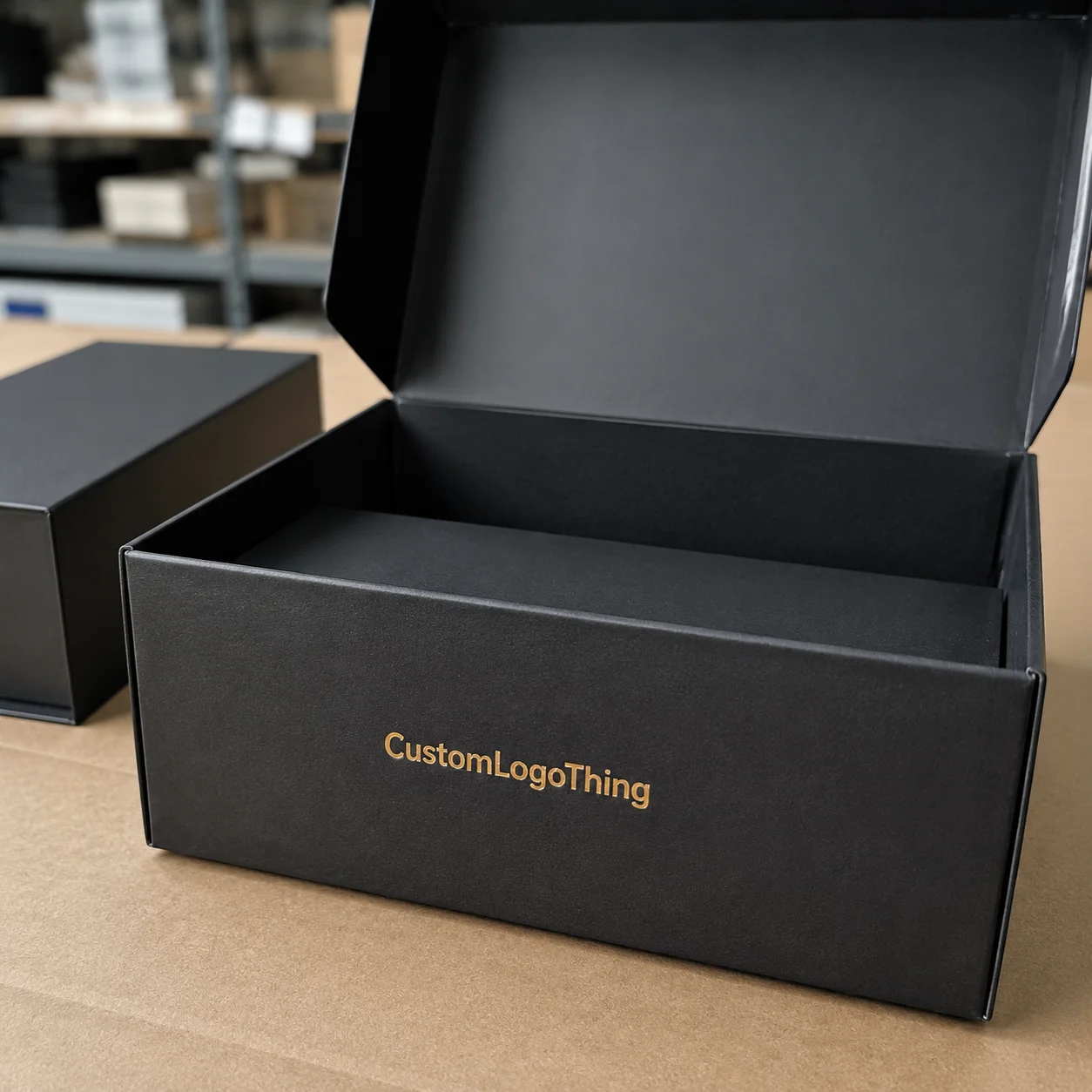
Custom rigid setup boxes with ribbon are premium, non-collapsible boxes built from thick chipboard, usually 1.5 mm to 3 mm depending on size and load, then wrapped in printed paper, specialty paper, or textured stock for a more elevated finish. Unlike folding cartons, these boxes are assembled into shape before use, so they have that solid, gift-ready feel customers notice immediately. I’ve handled plenty of these on factory floors where the difference between a 1.8 mm board and a 2.5 mm board was the difference between a box that felt luxe and a box that felt merely stiff. And yes, I have seen people argue about a fraction of a millimeter for twenty minutes. Packaging brings out the philosopher in everyone.
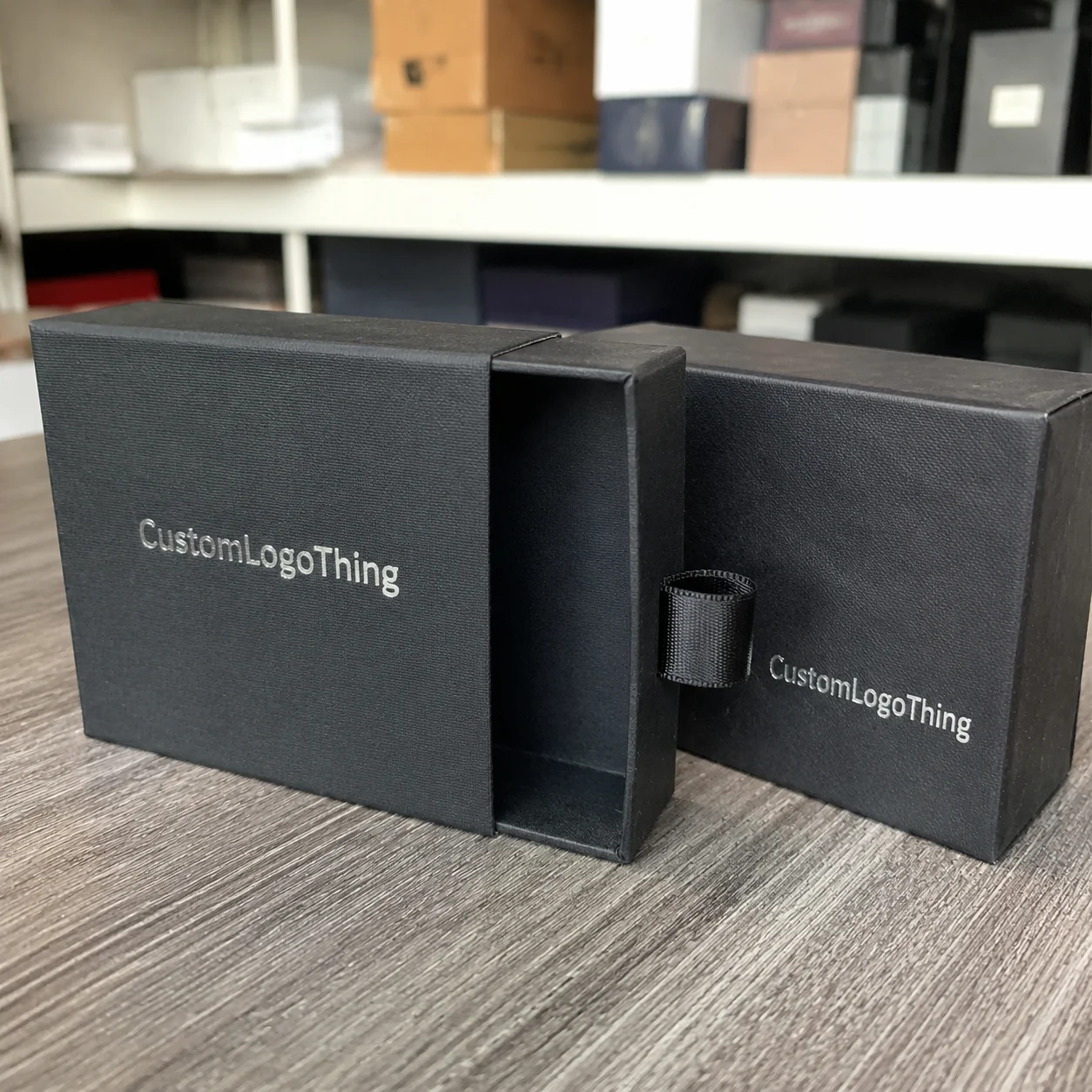
The ribbon can play several roles. Sometimes it’s a lid pull ribbon tucked neatly under the tray edge so the user can lift the product out without digging with their fingers. Other times it’s a bow closure on a magnetic flap box, a decorative wrap around a shoulder-neck presentation box, or a pair of satin loops that function as both closure and visual accent. In many luxury builds, the ribbon is not an afterthought; it is part of the opening sequence and part of the package branding. That opening sequence matters more than people expect. A box can be structurally perfect and still feel flat if the first touch is awkward.
Brands choose custom rigid setup boxes with ribbon for cosmetics, candles, jewelry, apparel accessories, gourmet confectionery, and corporate gifts because presentation matters almost as much as protection. A jar of cream or a plated necklace may be perfectly safe in a simple carton, but the rigid format gives it a shelf presence that feels more expensive and much more deliberate. That’s why I see these boxes frequently in launch kits, holiday sets, influencer PR mailers, and premium retail displays. In one memorable meeting, a client held the sample, nodded slowly, and said, “This feels like something I’d keep.” That was the whole point.
Ribbon details can be matched to the rest of the packaging design in a very specific way. Satin ribbon can echo a soft-touch lamination. Grosgrain can match a more tactile, fashion-forward brand. Velvet ribbon feels richer and heavier. Printed ribbon lets a brand repeat a monogram, pattern, or logo in a controlled way. When all of these details line up, custom rigid setup boxes with ribbon stop feeling like just packaging and start feeling like part of the product experience. They also stop customers from tossing the box immediately, which marketers tend to love and operations teams tend to quietly tolerate.
For readers comparing formats, the biggest reason to choose rigid setup over a folding carton is simple: the box has structure, and structure sells. It also protects better when the item is heavy, fragile, or meant to be kept and reused. That repeat-use factor matters more than many teams expect, especially in cosmetics and jewelry where customers often store the box on a dresser or shelf long after purchase. I’ve seen packaging live a second life as drawer storage, keepsake boxes, and even “that little box on the vanity that somehow still looks nice five years later.”
How Custom Rigid Setup Boxes with Ribbon Work
The build process behind custom rigid setup boxes with ribbon usually starts with chipboard cutting on a die cutter or a carton box machine, followed by scoring, corner folding, and wrapping. The board is cut to exact dimensions, then wrapped with the printed outer paper using adhesives that must be applied with real discipline. If glue placement drifts even a few millimeters, the corners can telegraph through the wrap or the ribbon anchor can sit crooked, which is the kind of problem you only catch if you know what to look for. The ugly truth? Glue has no respect for good intentions.
On many lines, the process combines machine work with hand finishing. A wrapping station might handle the outer paper, while a finishing table handles ribbon insertion, bow tying, or hidden anchoring points. That’s especially true on smaller luxury runs, where the order volume may be 1,000 to 5,000 units and the client wants a refined look more than full automation. In one supplier meeting I remember in Dongguan, the production manager pointed out that a semi-automatic line could build the box body quickly, but the ribbon still had to be set by hand because the loop angle determined whether the lid closed cleanly. He said it with the exhausted calm of a man who had already seen three ribbon disasters before lunch.
There are several structural styles that pair well with ribbon. Magnet closure boxes use ribbon mostly as a visual or pull element. Lift-off lid boxes often use ribbon as a tray lift. Drawer-style rigid boxes can carry ribbon pull tabs on the drawer face or inside the tray. Shoulder neck boxes create a nice reveal because the lid rises above the base with a stepped profile, and the ribbon can be tucked into that reveal for a neat, premium opening sequence. Each structure changes the role of the ribbon, so the design has to be planned as one system rather than three separate choices.
There are also several ribbon attachment methods. Some manufacturers use hidden adhesive on the inner tray. Others punch slits in the board so the ribbon can pass through and be anchored inside. More premium builds may use tie points that are folded under a paper liner, which gives the cleanest look but adds labor. If the ribbon is decorative only, it may be wrapped around the exterior and tied or glued at a single point, but I usually caution clients that overly decorative ribbon can get in the way if the box needs to be opened and closed often. I once watched a beautiful bow become a very expensive inconvenience after the third reseal. Pretty? Yes. Practical? Not remotely.
Here is a useful comparison of common ribbon treatments for custom rigid setup boxes with ribbon:
| Ribbon Type | Look and Feel | Best Use | Typical Tradeoff |
|---|---|---|---|
| Satin | Smooth, reflective, elegant | Cosmetics, gift sets, wedding packaging | Can show wear if handled repeatedly |
| Grosgrain | Textured, structured, slightly matte | Fashion, apparel, premium retail packaging | Less formal than satin |
| Velvet | Rich, soft, tactile | Jewelry, fragrance, holiday gifting | Higher cost and heavier hand-feel |
| Organza | Light, airy, semi-transparent | Light gift packaging, decorative wraps | Not ideal for heavy boxes |
| Printed ribbon | Fully branded, logo-forward | Launch kits, luxury branded packaging | Requires tighter color control |
One thing people miss is that the ribbon doesn’t just sit there. It changes how the box closes, how the lid lifts, and sometimes how the product inside stays put. If the ribbon is too thick, the magnet may not seat correctly. If it is too slippery, a bow closure can loosen. If it is too narrow for a heavy lid pull, the ends can fray or tear. That is why custom rigid setup boxes with ribbon need to be engineered, not just decorated. I know that sounds obvious, but I have seen enough “we’ll just add the ribbon later” conversations go sideways to fill a small warehouse.
Key Design and Material Factors to Consider
The first decision I ask clients to settle is board thickness. For custom rigid setup boxes with ribbon, the common range is 1.5 mm to 3 mm chipboard, with 2 mm being a very workable middle ground for many cosmetics and gift applications. A 2 mm board wrapped in 157 gsm art paper or specialty paper gives a balanced feel: sturdy enough to protect, not so bulky that freight cost jumps unnecessarily. If the product is heavy, I may push the client toward a stronger board or an interior insert to carry the load. You can feel the difference immediately when you pick the box up, which is why board decisions should never be left until the end.
Paper wrap selection matters just as much. A coated art paper prints beautifully, especially for photo-rich designs and sharp logos. Textured papers like linen, leatherette, or soft-touch wraps deliver a more tactile premium feel. Then there is the interior. Velvet lamination, flocked inserts, molded pulp trays, or printed paperboard dividers can all change how the product sits inside the box. I’ve seen a $12 candle feel like a $40 gift simply because the interior lining and ribbon worked together with the outer wrap. That, honestly, is the kind of alchemy packaging people don’t talk about enough.
Ribbon width and material strength have to match the box size and opening style. A 6 mm ribbon may be fine for a small jewelry box, but a 15 mm or 20 mm ribbon often looks and performs better on a larger shoulder-neck box or a gift set with a heavy lid. Tensile strength matters too, especially if the ribbon is meant to act as a lift tab. A soft ribbon that looks elegant may not survive repeated pulling, so we need to weigh aesthetics against function. That’s one of the most common conversations I have during Packaging Design Reviews. I can’t count the number of times someone has asked for “delicate” and then described a box that needs to survive a determined customer, a warehouse worker, and a parcel carrier. Those are not the same audience.
Print finishing options can either support the ribbon or compete with it. Foil stamping in gold or silver can lift the box visually, but if the artwork is too busy the ribbon gets lost. Embossing and debossing work well because they add depth without adding clutter. Matte lamination and soft-touch coating are often good matches for satin or velvet ribbon, while gloss finishes can pair nicely with a more reflective ribbon treatment. The trick is to make sure custom rigid setup boxes with ribbon still feel unified instead of crowded. I’m personally wary of designs that try to shout luxury from every surface. Sometimes restraint does more work than four extra finishes ever could.
Color matching is another area where reality can be messier than the mockup. PMS matching for ribbon is not always exact, especially when the ribbon stock is dyed in batches. I’ve sat in supplier negotiations where a client wanted a very specific blush tone to match a carton printed with PMS 698 C, only to learn the ribbon mill had a different dye house and a slightly warmer tone. That kind of variance can be acceptable if planned for, but it needs approval early, not after 10,000 units are already staged. Nobody enjoys discovering a “close enough” shade when the freight booking is already paid.
Sustainability belongs in the conversation as well. FSC-certified paper wraps, recyclable rigid board, and thoughtful material selection can support eco goals without destroying the premium look. You can read more about paper sourcing and certification through the FSC site, which is helpful if your team needs documentation for responsible sourcing. For environmental packaging guidance more broadly, the EPA offers useful references on materials and waste reduction. That part can feel dry, I know, but it matters when a procurement team suddenly asks for proof and nobody has time to scramble through old email threads.
If you are comparing finishes, here is a simple way to think about the relationship between ribbon and the overall package branding:
- Satin ribbon pairs well with soft-touch lamination and foil accents.
- Grosgrain ribbon works well with textured paper and matte printing.
- Velvet ribbon suits jewelry, fragrance, and high-end gifting.
- Printed ribbon supports strong logo repetition and branded packaging recognition.
Honestly, I think the best custom rigid setup boxes with ribbon are the ones where the ribbon looks like it belongs there from the start, not like it was added after the box was already finished. That usually means thinking about paper, board, insert, closure, and print treatment together during the first design round. If the team is still debating the ribbon after the structure is locked, that usually means the box design was never fully resolved in the first place.
Cost and Pricing Factors
Pricing for custom rigid setup boxes with ribbon is driven by a few major levers: size, board grade, print complexity, ribbon material, and finishing method. A small rigid box with a simple satin pull ribbon and one-color printing may sit at a very different price point from a large Magnetic Gift Box with foil stamping, debossing, custom inserts, and printed ribbon. If you want a realistic budget, the first thing to lock is the structural size, because every other number depends on board usage and sheet efficiency. That’s not glamorous, but it is the truth.
Short runs cost more per unit because setup, tooling, and labor do not spread across as many boxes. If a die cut, a custom insert tool, and a ribbon placement jig are all needed, those costs show up quickly on a 500-piece order. On larger volumes, the per-box cost usually drops because the material waste falls and the manual work becomes more efficient. I’ve seen a 1,000-unit run and a 10,000-unit run using nearly the same process, yet the higher quantity came in dramatically lower per unit because the factory could run longer without changing setups. Finance teams love that. Production teams, less so, because it usually means the machines don’t get a break.
Hand assembly adds labor, and ribbon is one of the reasons why. If the box requires the ribbon to be tied, anchored, trimmed, and checked for symmetry, that’s not the same as applying a standard folding carton label. Some factories charge a finishing premium for these details, especially if the ribbon needs to be threaded through hidden slits or tied under an interior panel. This is normal, and frankly, it is one reason why custom rigid setup boxes with ribbon usually live in the premium segment. Premium work is slow by design. If it were fast, everyone would be doing it badly.
There are also less visible price variables. Sampling can add a cost if you request multiple structural prototypes. Color proofing may require several rounds for ribbon and print alignment. Freight gets expensive if the boxes ship assembled instead of flat-packed components. Kitting can matter if the box needs separate inserts or product loading before delivery. And if the order requires all boxes to be packed in master cartons with specific pallet counts, the labor adds up. None of these are deal breakers, but they belong in the quote from day one. Surprises are charming in birthday parties, not in packaging budgets.
Here is a practical budgeting table for custom rigid setup boxes with ribbon:
| Feature | Lower-Cost Choice | Higher-Cost Choice | Budget Impact |
|---|---|---|---|
| Board | 1.5 mm chipboard | 2.5 mm or thicker chipboard | Moderate increase |
| Ribbon | Standard satin | Velvet or printed ribbon | Moderate to high increase |
| Printing | One-color or two-color print | Full coverage, foil, embossing | High increase |
| Assembly | Simpler insert and pull ribbon | Manual bow closure and hidden anchors | High increase |
| Quantity | 500 to 1,000 units | 5,000 to 10,000 units | Lower unit price at higher volume |
A useful rule from the factory floor: decide early which features are brand-critical and which can be simplified. If the ribbon is central to the experience, keep it. If a complex insert adds cost but does not improve product protection, simplify it. I’ve had clients save real money by shifting from a fully printed interior to a single-color liner and putting the visual energy into a better ribbon and outer foil detail. That kind of tradeoff often protects the look while improving margins.
For brands comparing options, the internal Custom Packaging Products page is a good starting point for understanding available structures before requesting a quote. It helps to have a few packaging design directions in mind before you price custom rigid setup boxes with ribbon, because the numbers can change a lot depending on the construction.
Step-by-Step Process and Timeline
The process for custom rigid setup boxes with ribbon usually starts with the product brief. The supplier needs exact product dimensions, total weight, target market, retail channel, shipping method, and branding assets like vector logos, PMS references, and any must-use copy. I always tell people to send photos of the product sitting next to a ruler, because a “small candle” means something different to a candle studio than it does to a luxury hotel gift buyer. Those photos save a lot of back-and-forth, which I appreciate more than I can say.
After the brief comes dieline development and structure review. If the box is a shoulder-neck style, the neck height, lid depth, and tray clearance need to be mapped carefully. If it is a drawer box, the pull ribbon or loop size needs to be tested for finger clearance. The supplier may prepare a blank structural sample first, then a printed sample after the fit has been validated. That order matters. You do not want to approve color before you know the lid actually closes without crushing the ribbon. I have seen that mistake once, and the person who approved it never made that mistake again.
The proofing stage is where many problems get caught. A good sample run should show the ribbon placement, the adhesive behavior, and the final box closure. I remember one project for a skincare brand where the ribbon looked beautiful in renderings but pulled slightly to one side once the inner tray was loaded with glass bottles. The sample exposed that issue before production, and we corrected it by widening the inner anchor point by 4 mm. That is exactly why prototype work matters. The sample is not a formality. It is the difference between confidence and expensive regret.
The timeline depends on complexity. A straightforward rigid setup box with a simple pull ribbon may move from approval to production in about 12 to 15 business days after proof sign-off, assuming materials are ready. If the project includes specialty paper, foil stamping, embossed logos, custom inserts, or printed ribbon, I would plan more buffer. Seasonal demand also matters. Before holiday gifting peaks, factories can get crowded, and ribbon-fed finishing tables slow down if too many orders require hand assembly at once. It’s the packaging version of trying to get a taxi in the rain; technically possible, emotionally exhausting.
Quality control should include at least four checkpoints:
- Ribbon tension and pull direction.
- Box corner wrap alignment.
- Adhesive integrity around hidden anchors.
- Collapse or transport testing for shipping durability.
If your packaging is going through e-commerce fulfillment, ask for transport tests aligned to ISTA methods. That is especially useful for heavier custom rigid setup boxes with ribbon that may bounce around on parcel carriers or distribution shelves. A beautiful box that arrives crushed is not premium packaging; it is a customer service problem.
One more thing: leave room for revisions. Color matching, ribbon width changes, and closure adjustments often take at least one round. If your launch date is fixed, do not compress the sample stage just to save a week. In my experience, rushing the proof stage often costs more time later. People always think they are “saving time” until they are repacking 3,000 units by hand.
Common Mistakes to Avoid with Ribbon Packaging
The first mistake is choosing ribbon that looks pretty but behaves badly. A very thin ribbon can fray, twist, or feel weak in the hand. A very slippery ribbon can fail as a closure. A ribbon that is too decorative can make opening awkward, especially if the customer has one hand occupied. I have watched otherwise excellent custom rigid setup boxes with ribbon lose credibility because the ribbon looked cheap after three openings. That is the kind of detail that makes a premium box feel a little embarrassing, which is not the vibe anyone wants.
The second mistake is overcrowding the design. If you already have heavy artwork, thick foil, embossing, spot UV, and a large logo, the ribbon should support the system, not fight it. Too many premium signals in one place can make the package feel busy instead of refined. I once reviewed a fragrance box where the client wanted a giant bow, mirrored foil, and a high-gloss floral wrap all at once. The mockup looked expensive in isolation, but together the elements competed for attention and made the package design less elegant. It was a visual shouting match, and nobody won.
Another issue is ignoring the structure itself. A rigid box with poor lid fit can create visible gaps, crushed corners, or ribbon pull failure during shipping. If the lid is too tight, the ribbon may compress under the edge. If the tray is too shallow, the product can sit high and stress the closure. If the box is too large for the item, it may rattle during transit and damage both the product and the presentation. The ribbon cannot fix structural mistakes. That sounds harsh, but it’s true. Ribbon is not a miracle worker; it is just very well-dressed.
Approving samples without loading the actual product is another classic problem. A box may look perfect empty, then fail with a 650 gram candle jar or a glass perfume bottle inside. I’ve seen a meeting in which a client approved a sample from photos only, then later discovered that the ribbon pull tab bent because the product was 90 grams heavier than the dummy fill used in testing. That kind of miss is avoidable if the real product is present. If the item matters enough to package beautifully, it matters enough to test properly.
Color mismatch also causes trouble. If the ribbon is supposed to match a printed lavender panel, but the dye lot reads warmer or cooler, the entire box can feel off-brand. That is especially visible in luxury and wellness packaging, where customers expect consistency across every surface. Even a small mismatch between ribbon and outer wrap can make the box feel less premium than the materials actually are. I have seen teams argue over a ribbon shade for longer than they spent on the logo design. Sometimes the ribbon really does get the last word.
Finally, rushing production tends to create adhesive problems and wrinkled ribbon. Glue needs the right open time. Paper wraps need the right tension. Ribbon needs to be placed before the wrap locks everything into place. A factory that is trying to move too fast may stretch the ribbon or trap wrinkles beneath the corner fold. Once that happens, the fix usually requires rework rather than a simple adjustment. That is money and time gone.
“The box does not get a second chance,” a production supervisor told me during a late-night QC walk in a Guangdong plant. “If the ribbon is crooked on the first unit, it will be crooked on the first thousand unless somebody stops the line.”
Expert Tips for Better Results and a Stronger Unboxing
My best advice is to treat ribbon as a functional design element first and a decorative element second. On the right box, a ribbon guides the opening motion, gives the customer a tactile starting point, and creates a memorable reveal. On the wrong box, it is just a bow that gets crushed in the carton. When I evaluate custom rigid setup boxes with ribbon, I always ask whether the ribbon adds a real step in the customer journey or just visual noise. If it does not help the reveal, the closure, or the story, I usually question whether it deserves the space.
Test multiple ribbon widths and finishes against sample packaging before final approval. A 10 mm satin ribbon may look perfect in the render, while a 15 mm grosgrain ribbon may actually sit better in the hand and photograph more clearly. If the box is sold online, photographs matter more than people sometimes admit. The package has to look good under studio lights, on a lifestyle set, and in a customer’s living room when the parcel is opened at 7 p.m. after work. I’ve lost count of how many “great in person, confusing in photos” packaging ideas have come across my desk.
Coordinate the ribbon with the interior details. Tissue paper, printed liners, inserts, and even edge painting can all echo the same color story. If the ribbon is deep burgundy, a matching insert or liner can make the entire package feel like one complete object rather than a box with a bow stuck on top. That consistency improves package branding and helps the customer remember the brand later. It also makes the whole box look intentional, which is half the battle in premium presentation.
Here is a production-floor tip I give clients often: ask the manufacturer to check ribbon placement before the final wrap is locked. It is much easier to move a ribbon 3 mm on an open tray than to tear apart a finished corner. In one client visit to a packaging plant near the coast, the operator caught a misaligned pull ribbon during pre-wrap inspection and saved the order from a full rework. That one small check protected the schedule and the budget. Small checks are rarely glamorous, but they save people from very long days.
Think about repeat use. A rigid box that customers want to keep for storage, gifting, or display has more staying power than one that feels disposable. That is one of the underrated advantages of custom rigid setup boxes with ribbon. They often stay in a closet, on a vanity, or in an office drawer long after the product is gone. If your branding is still visible on the lid and the ribbon still feels pleasant after a few uses, the packaging keeps working for you.
For brands that want more impact without making the build overly complex, subtle details can go a long way. Edge painting, a debossed logo, a branded belly band, or a restrained foil mark can elevate the look without overwhelming the ribbon. That approach usually ages better than chasing every finish at once. Honestly, I think restraint is often the strongest form of luxury. Loud packaging can get attention; quiet confidence gets remembered.
- Use ribbon as a guide for opening, not just decoration.
- Match ribbon texture to the box finish.
- Keep the interior visually consistent with the exterior.
- Test the actual product inside the sample.
- Check the pull direction and closure under load.
Next Steps for Planning Your Custom Box Project
If you are planning custom rigid setup boxes with ribbon, start by defining the product, the box style, the ribbon type, the finish level, and the target quantity. Those five decisions will shape almost everything else. For example, a 250 gram skincare set in a drawer box calls for different board strength and ribbon behavior than a 900 gram gourmet gift in a lift-off lid box. The more exact you are early, the better the quote and sample process will go. Vague briefs usually create vague results, and nobody wakes up excited for that.
Gather exact measurements, product weight, logo files, color references, and any regulatory or retail requirements before you ask for pricing. If the box is going to a retailer, ask what carton dimensions fit their shelves or distribution standards. If it is going to e-commerce, ask what outer shipper dimensions keep freight reasonable while protecting the rigid box. Those details save time for both you and the packaging supplier. I have seen entire approval cycles shortened just because someone sent the right measurements the first time. Revolutionary behavior, really.
Order a structural sample and a printed prototype if the budget allows. A structural sample tells you whether the ribbon placement works and whether the product sits correctly in the tray. A printed prototype tells you whether the colors, foil, embossing, and overall look are doing their job. I would rather see a team spend an extra week on prototypes than rush into a full production run with a visually strong but mechanically weak solution. Pretty boxes that fail under pressure are just expensive disappointment.
It also helps to compare two concepts side by side. One can be the high-impact presentation version with richer finishes and a more elaborate ribbon system. The other can be a cost-balanced version that still feels premium but uses simpler construction. Having both options makes internal approval easier, especially if the finance team is asking hard questions. That is common, and it is usually healthy. A good packaging decision should survive a finance review anyway.
Before you move forward, use this checklist:
- Exact product dimensions and weight
- Preferred box structure
- Ribbon type, width, and color
- Print and finishing requirements
- Order quantity and target unit cost
- Sampling and approval timeline
- Shipping and fulfillment method
The biggest thing I want readers to remember is that the best custom rigid setup boxes with ribbon are planned as one system. Design, structure, materials, ribbon, and logistics all need to support one another. If you try to solve each part separately, the result often looks expensive but behaves poorly. If you build it thoughtfully from the start, you get premium packaging that protects the product, reinforces the brand, and feels genuinely worth keeping.
For teams exploring next steps, the Custom Packaging Products catalog can help narrow the structure and finish choices before you request a quote. And if you keep one principle in mind, make it this: custom rigid setup boxes with ribbon work best when the ribbon is designed as part of the box, not attached as an afterthought.
Frequently Asked Questions
What are custom rigid setup boxes with ribbon used for?
They are commonly used for premium products like cosmetics, jewelry, candles, apparel, and corporate gifts. The ribbon adds both usability and a more elevated unboxing experience, especially when the packaging is meant to feel gift-ready from the first touch.
How much do custom rigid setup boxes with ribbon usually cost?
Price depends on size, board thickness, print complexity, ribbon material, and order quantity. Hand assembly and specialty finishes usually increase the unit cost, and short runs almost always carry a higher per-box price than larger production orders.
How long does it take to produce custom rigid setup boxes with ribbon?
Timeline varies based on sampling, approvals, print complexity, and ribbon integration method. Adding time for proofs and samples helps avoid delays during full production, especially if the box uses specialty paper, foil stamping, or hidden ribbon anchors.
What ribbon types work best for rigid setup boxes?
Satin works well for a smooth luxury look, grosgrain adds texture, and velvet creates a richer premium feel. The best choice depends on the product weight, opening style, and branding goals, along with how often the box will be handled after purchase.
Can custom rigid setup boxes with ribbon be made sustainably?
Yes, they can use recyclable rigid board, FSC-certified paper wraps, and more sustainable ribbon material choices. The packaging design should be reviewed as a whole so eco goals do not conflict with strength, presentation, or the structural needs of the product.